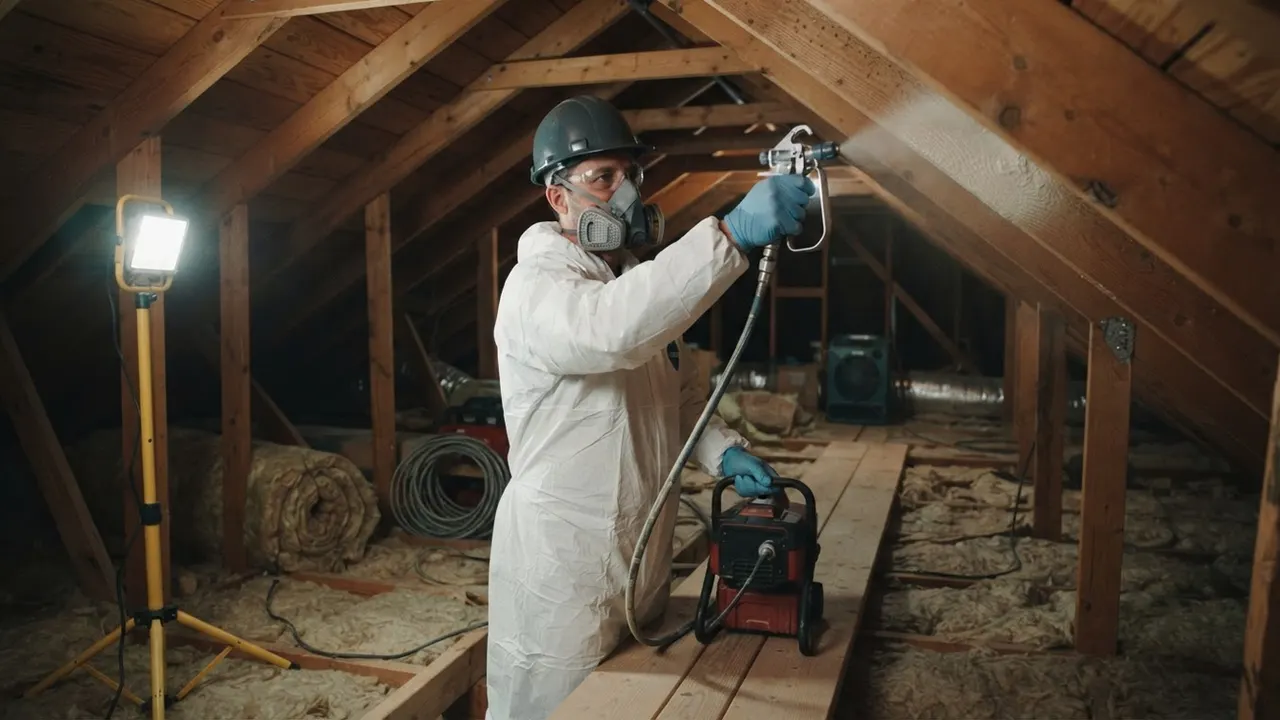
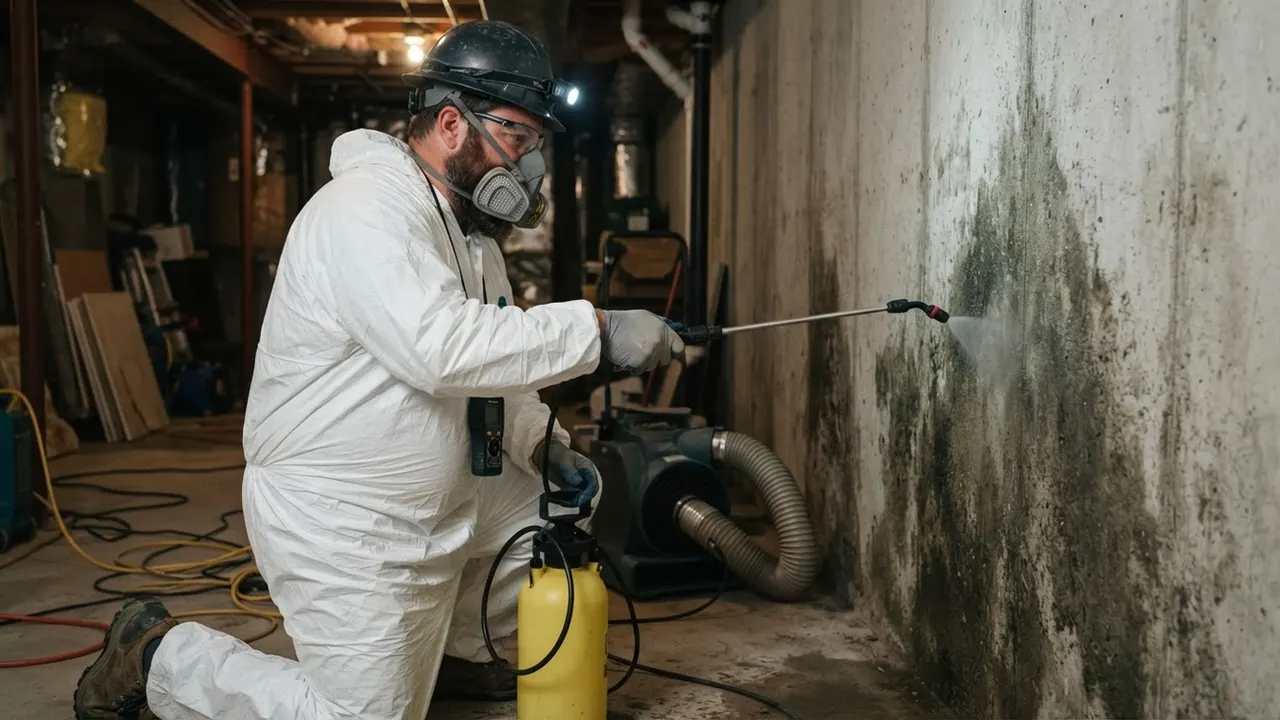
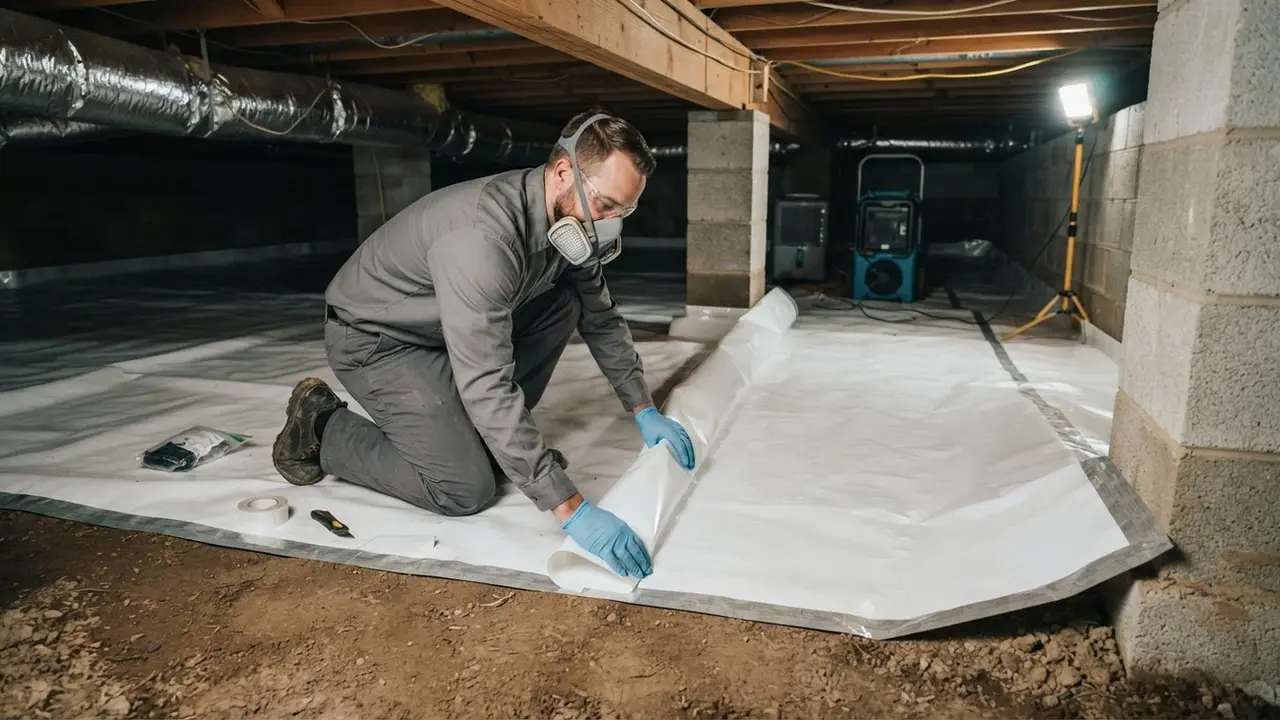
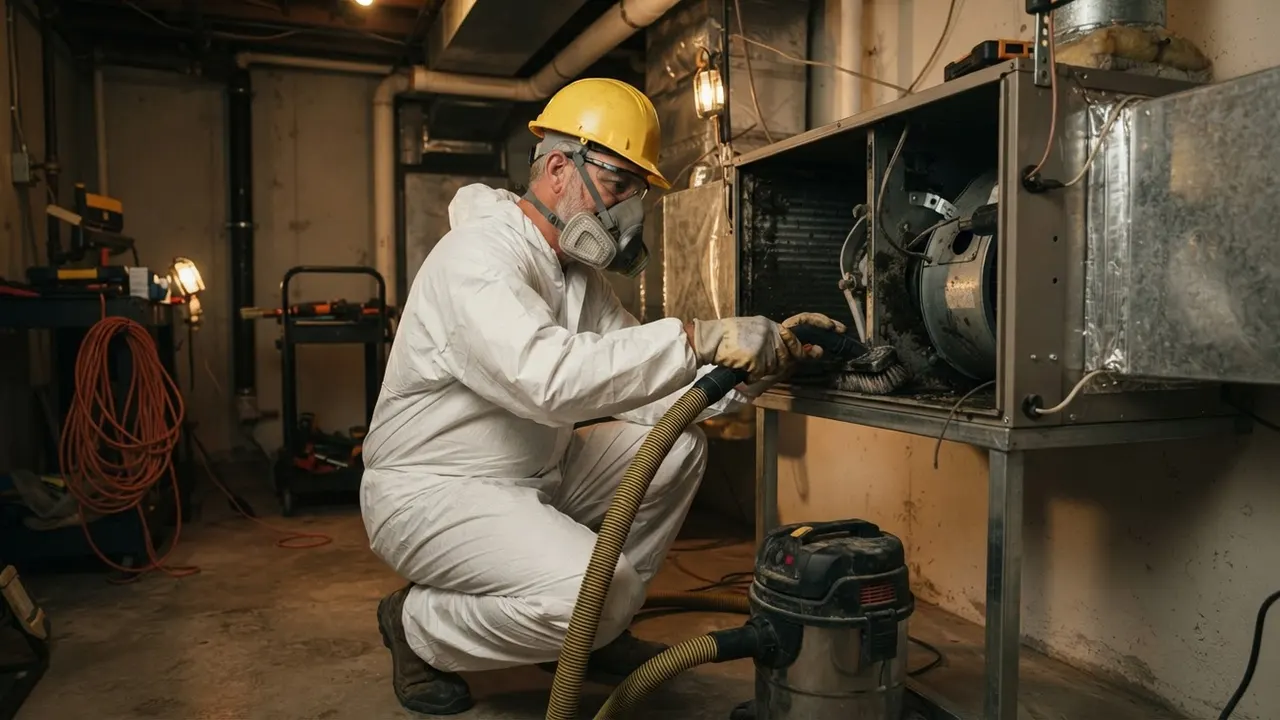
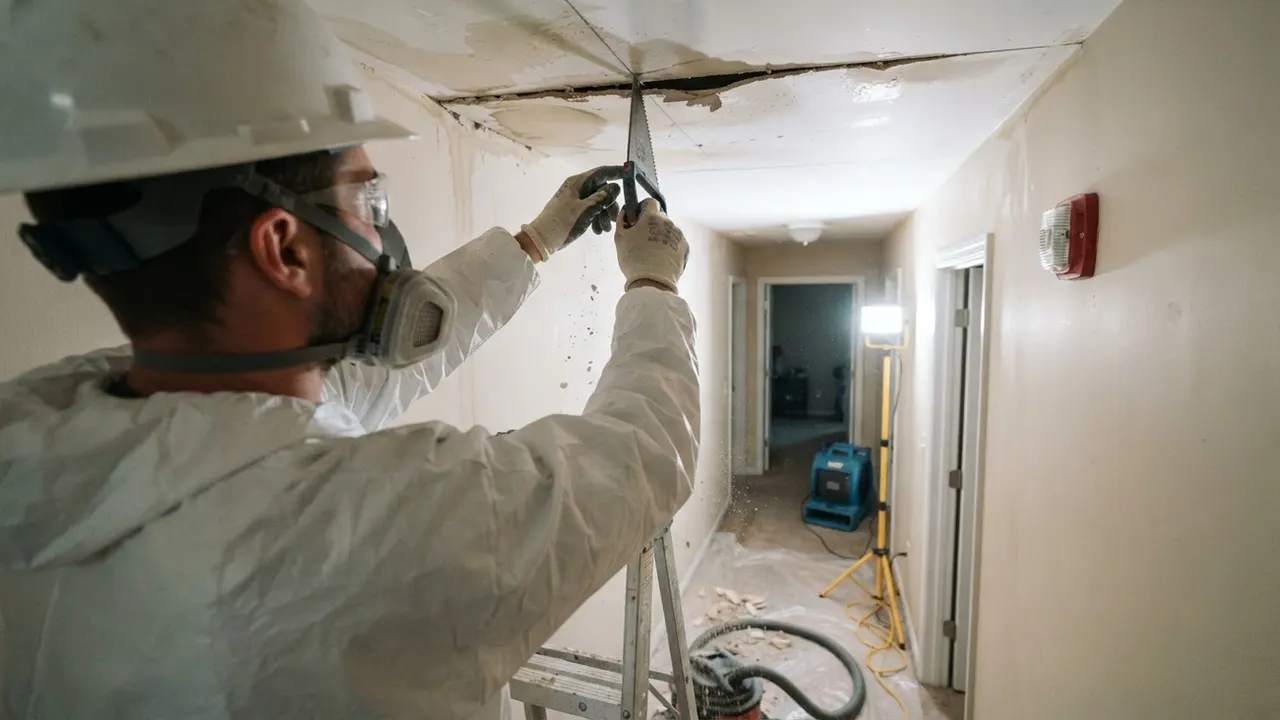
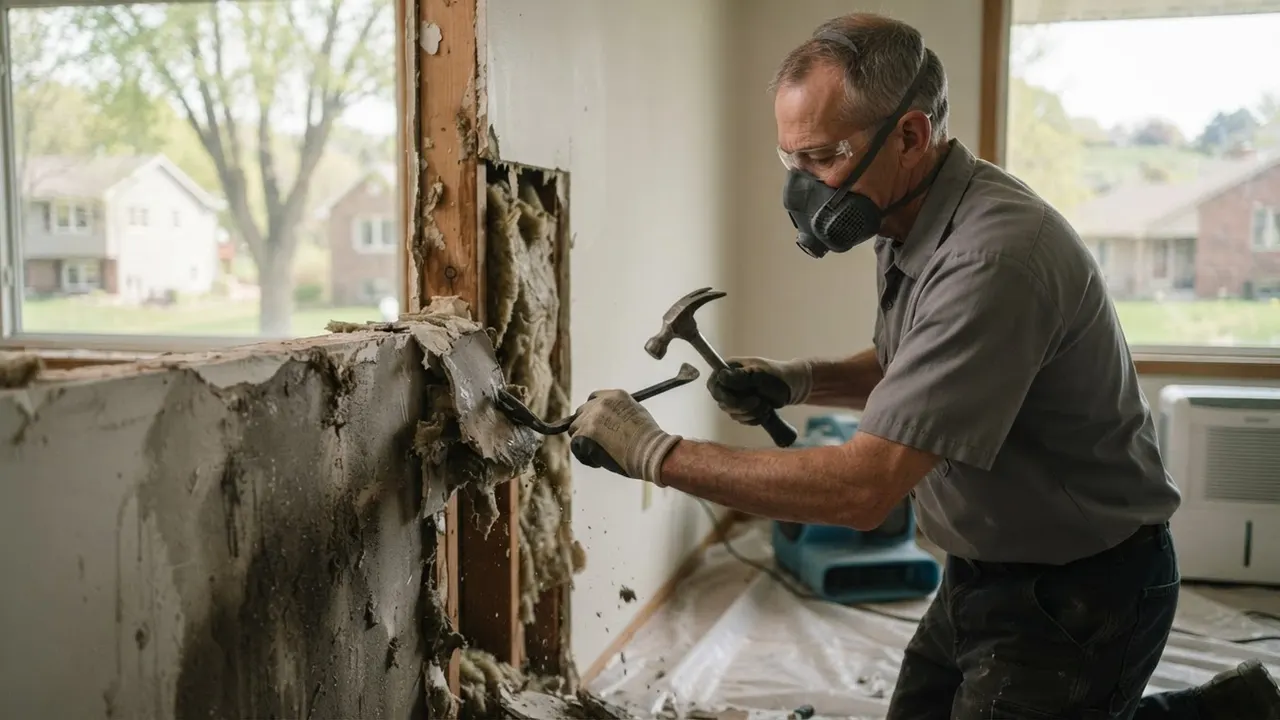
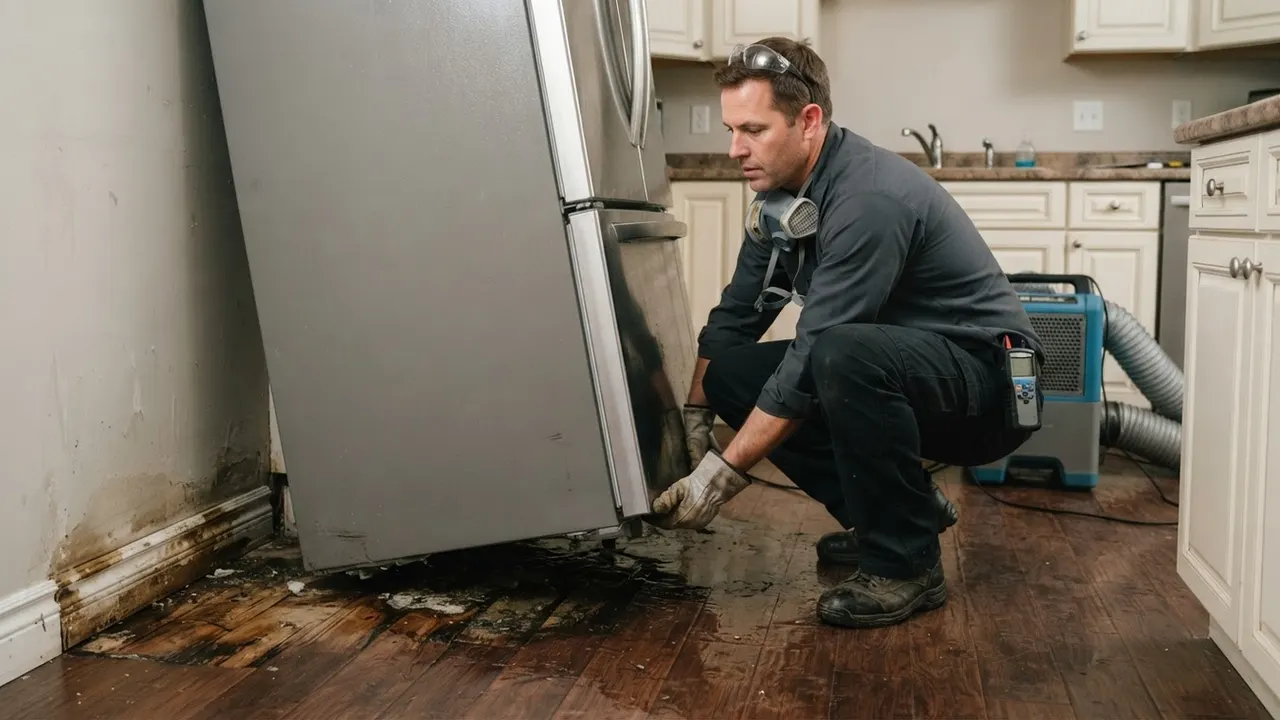
Crawl space water damage restoration Hopkins MN helps homeowners and property managers dealing with standing water, damp insulation, or a musty smell below the floor. Our team traces likely water sources, removes accessible water, and sets up drying equipment based on measured conditions. For crawl space water removal Hopkins MN, we focus on reducing further damage while documenting what needs cleaning, drying, or repair.
Water source inspectionStanding water extractionAffected material assessment
Written service plansClear plan before work
Careful property protectionFloors, contents and finishes protected
One point of contactOne local contact
Prepared local crewsHopkins
What Crawl Space Restoration Includes
Crawl space water damage restoration covers inspection, water extraction, cleaning of suitable affected surfaces, controlled drying, and moisture checks. We identify visible damage and explain repair needs such as insulation replacement or structural work. Plumbing repairs, drainage corrections, extensive reconstruction, and mold remediation are separate work categories when conditions call for them. You will know which steps address the water event and which address the cause or lasting building damage.
Water Source Inspection
We inspect accessible plumbing, drainage paths, and visible entry points to identify whether water is still coming in. Finding an active source helps prevent drying equipment from treating a problem that has not stopped.
Standing Water Extraction
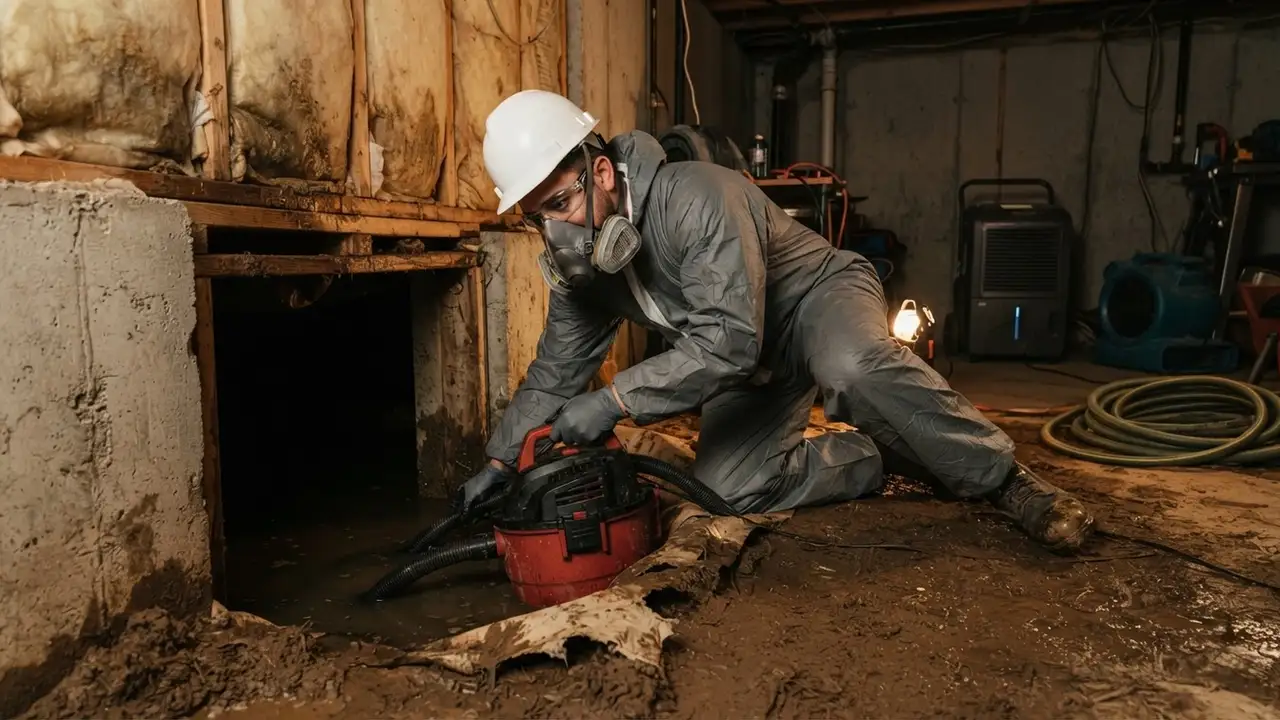
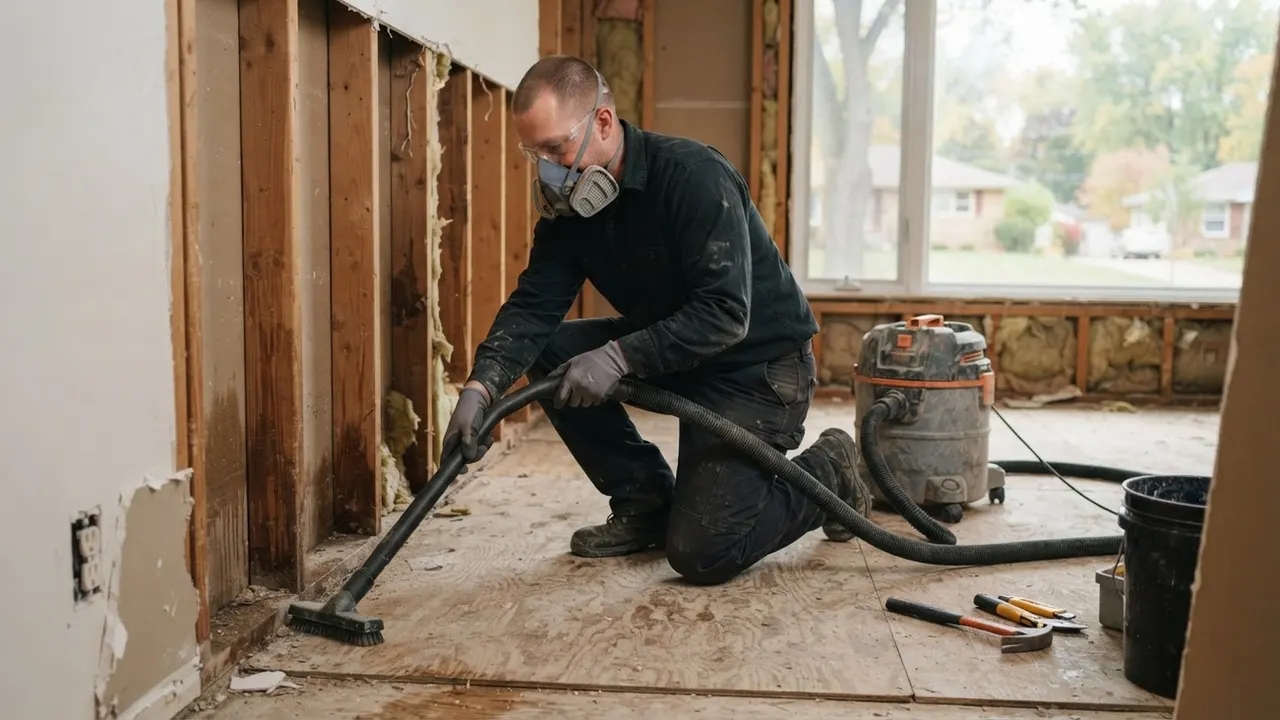
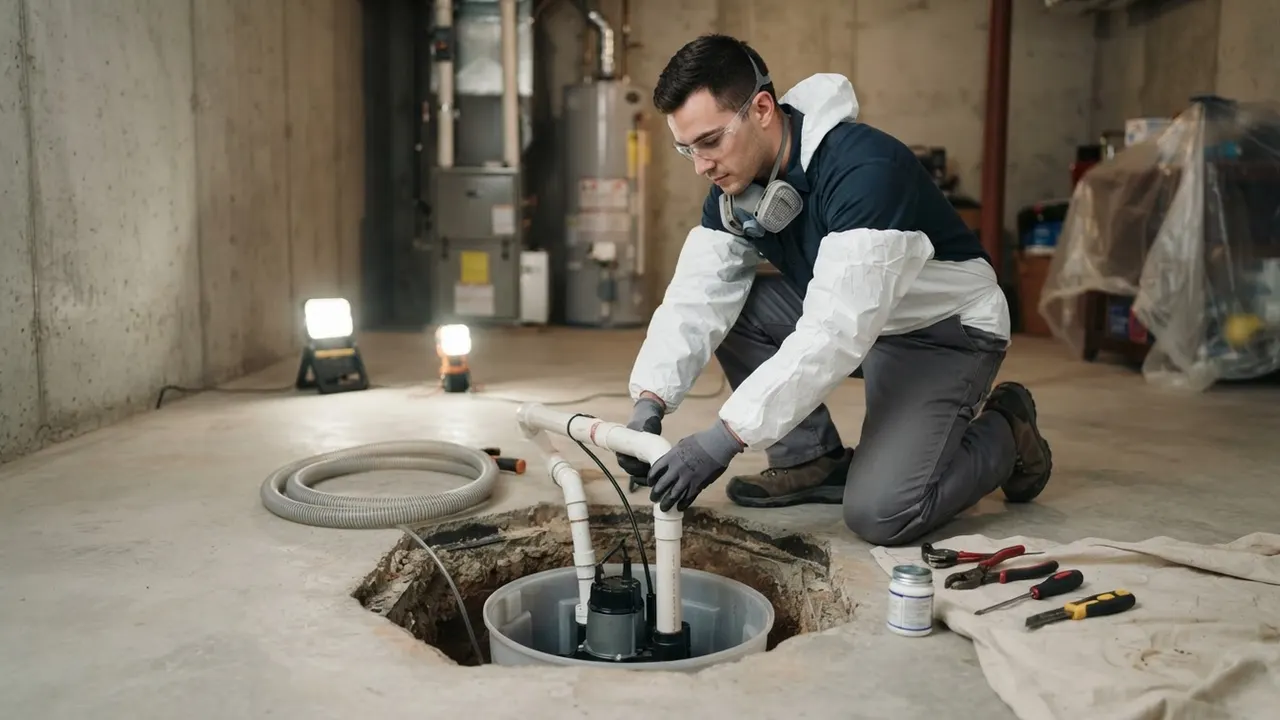
We remove pooled water with a wet/dry vacuum or sump pump suited to the depth and access. We check low areas again after extraction, including spots behind obstructions where water can remain.
Affected Material Assessment
We check framing, insulation, and visible surfaces for moisture and damage. Saturated or contaminated porous materials may need removal; we explain what is affected and why before cleanup proceeds.
Controlled Drying Setup
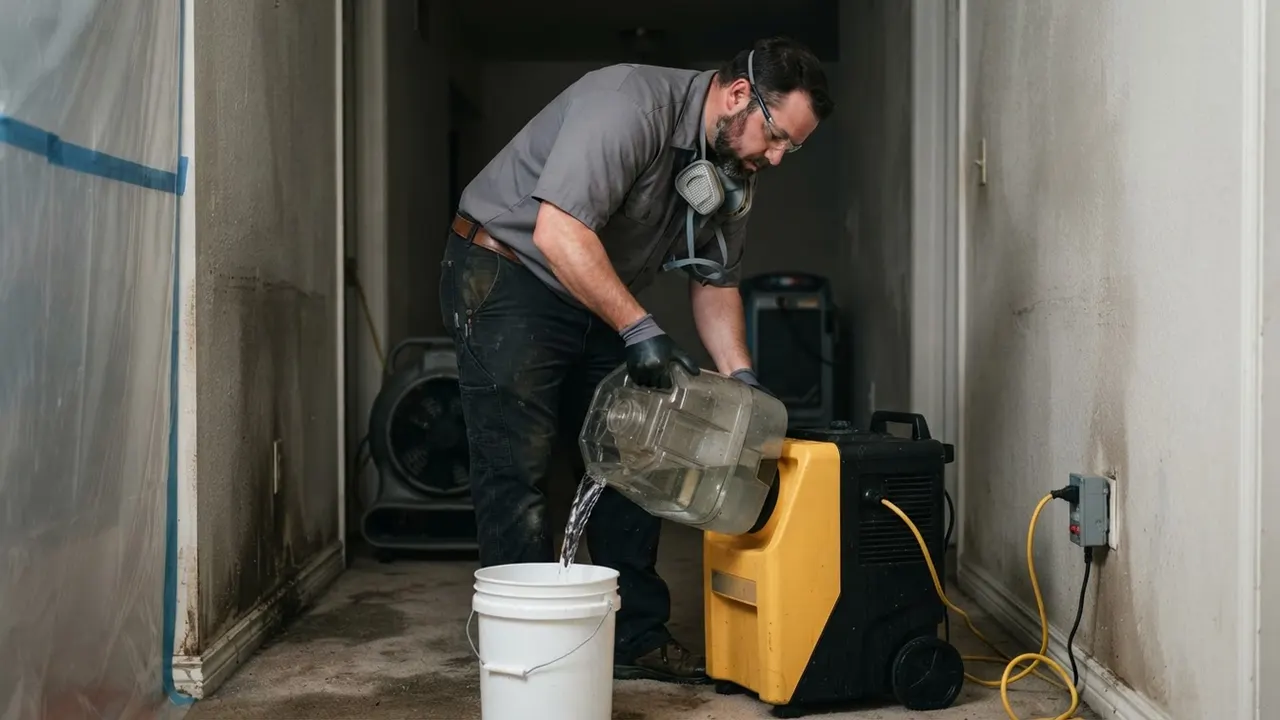
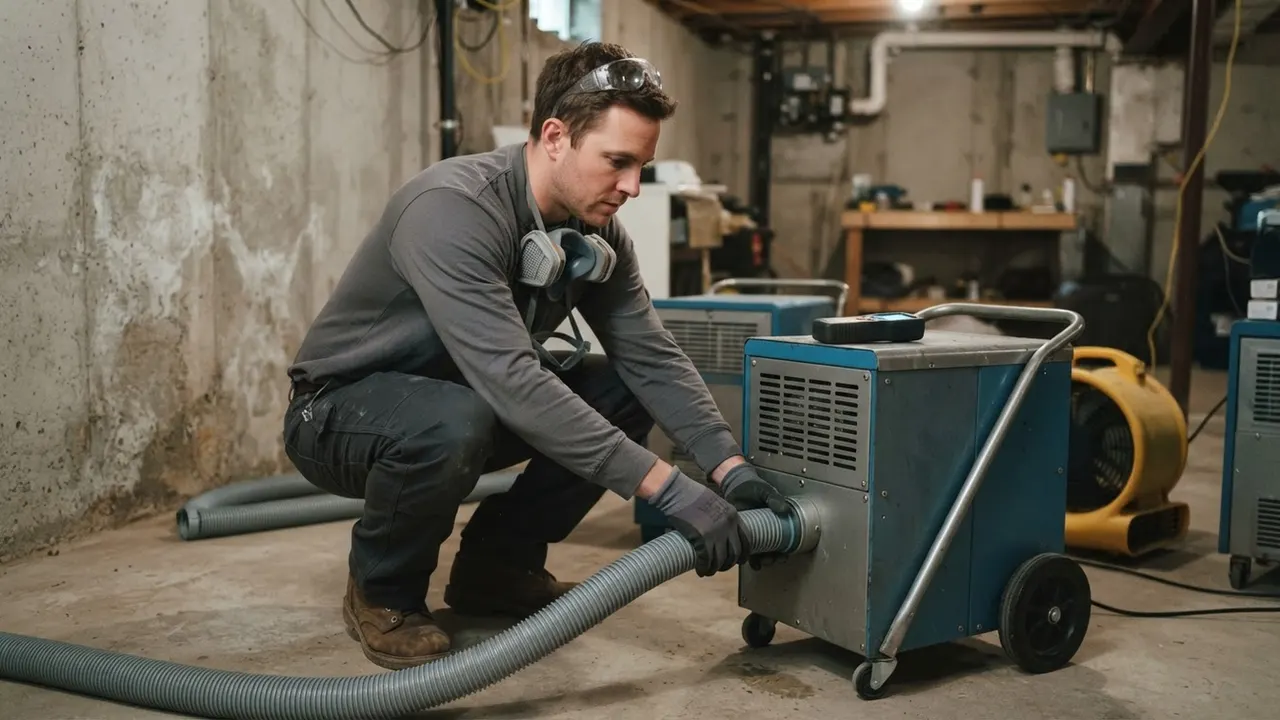
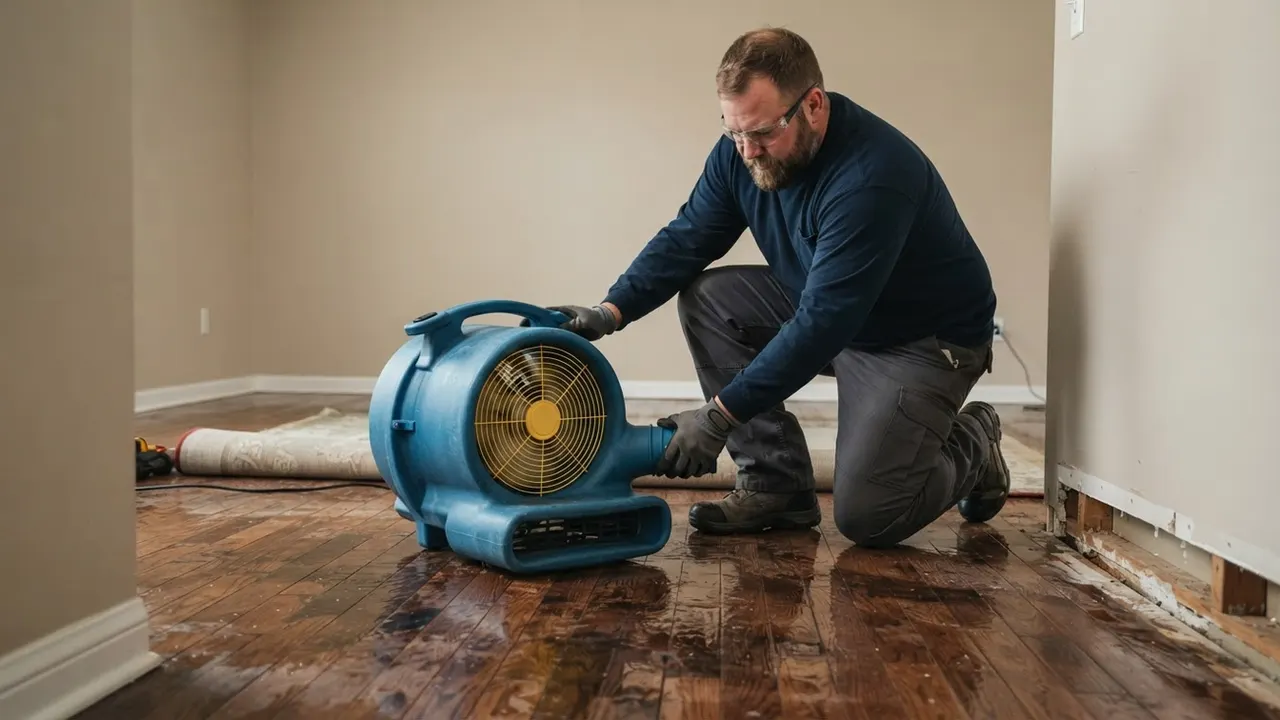
We place air movers and dehumidifiers to circulate air through the affected space. Equipment placement reflects access, material conditions, and safe operation, with follow-up readings used to track progress.
Progress Documentation
We record relevant readings and photograph affected areas during the job. These records help you understand the drying progress and identify repairs or additional cleanup that remain after extraction.
Crawl Space Water Damage Restoration Hopkins MN
A plain-language look at what Crawl Space Water Damage Restoration involves and when it is needed.
Crawl space water damage restoration Hopkins MN is a structural drying and cleanup service that removes water, cleans affected surfaces, and dries a crawl space after leaks, flooding, or persistent moisture. We inspect the access area, check framing and insulation with a moisture meter, and use a wet/dry vacuum or sump pump where appropriate. Drying equipment is placed to move air through the affected space, while readings guide adjustments. If materials are contaminated or damaged beyond drying, we identify the affected area and explain the next repair step.
Hopkins homes face water intrusion from heavy rain, snowmelt, frozen pipe bursts, plumbing leaks, and drainage problems. In Hennepin County, a low crawl space can hold water where it is hard to see, and damp insulation can conceal the source. Our Hopkins Minnesota crawl space water damage repair starts by identifying whether water is still entering or the event has stopped. If you are searching how to dry out a wet crawl space in Hopkins Minnesota, the key is removing water and verifying dryness rather than simply airing out the space.
What Happens During the Job
Crawl space water damage restoration in Hopkins follows a sequence: inspect, stop or identify the source, extract, dry, and verify. We explain each stage in plain language and keep you informed about what the readings show.
Inspect and Map
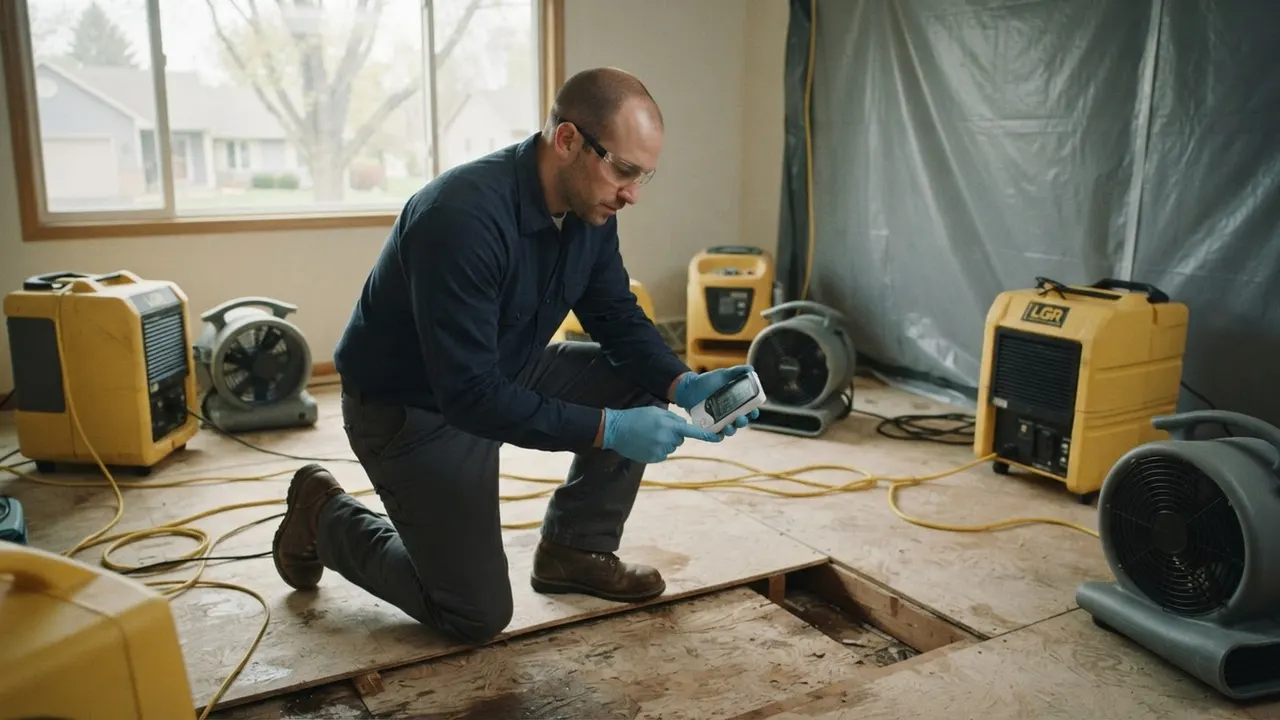
Our technician checks the access, standing water, visible plumbing, insulation, framing, and ventilation conditions. We ask when the water appeared and whether a leak or backup is active. A moisture meter establishes starting readings at representative surfaces; we also photograph affected areas. The initial inspection usually takes 30 to 90 minutes, depending on access and the size of the space.
Address Water Source
We look for an active leak, failed drain, frozen pipe burst, or exterior water entry before setting drying equipment. If water is still flowing, we explain the immediate source-control step and coordinate appropriate plumbing or drainage work. You will know whether the event appears contained or continuing; drying cannot solve an active leak on its own.
Extract Standing Water
We remove accessible water with a wet/dry vacuum or sump pump selected for the amount and layout. Our crew protects the access path and manages hoses and electrical equipment carefully. Extraction can take one to several hours, depending on water depth, debris, and clearance. We then check low areas again so remaining pools do not sit beneath framing.
Set Controlled Drying
We position air movers and a dehumidifier to circulate air through the affected zone, adjusting placement to fit the crawl space. If dust or contaminants require containment, plastic sheeting and a negative air machine help control movement into occupied rooms. You may hear equipment during operation. We record conditions and return for checks rather than assuming one setup will finish the job.
Verify and Explain
We take follow-up moisture readings and compare them with the starting measurements and unaffected reference areas. When materials are dry enough for the planned work, we discuss cleanup, insulation replacement, or structural repair needs. Drying commonly takes 2 to 5 days, with longer periods for dense materials or continuing moisture. You receive photos and a summary of findings.
Equipment and Drying Methods
Move across a circle, or focus it and press Enter, for an illustrative thermal view of the photograph.
Moisture Meter
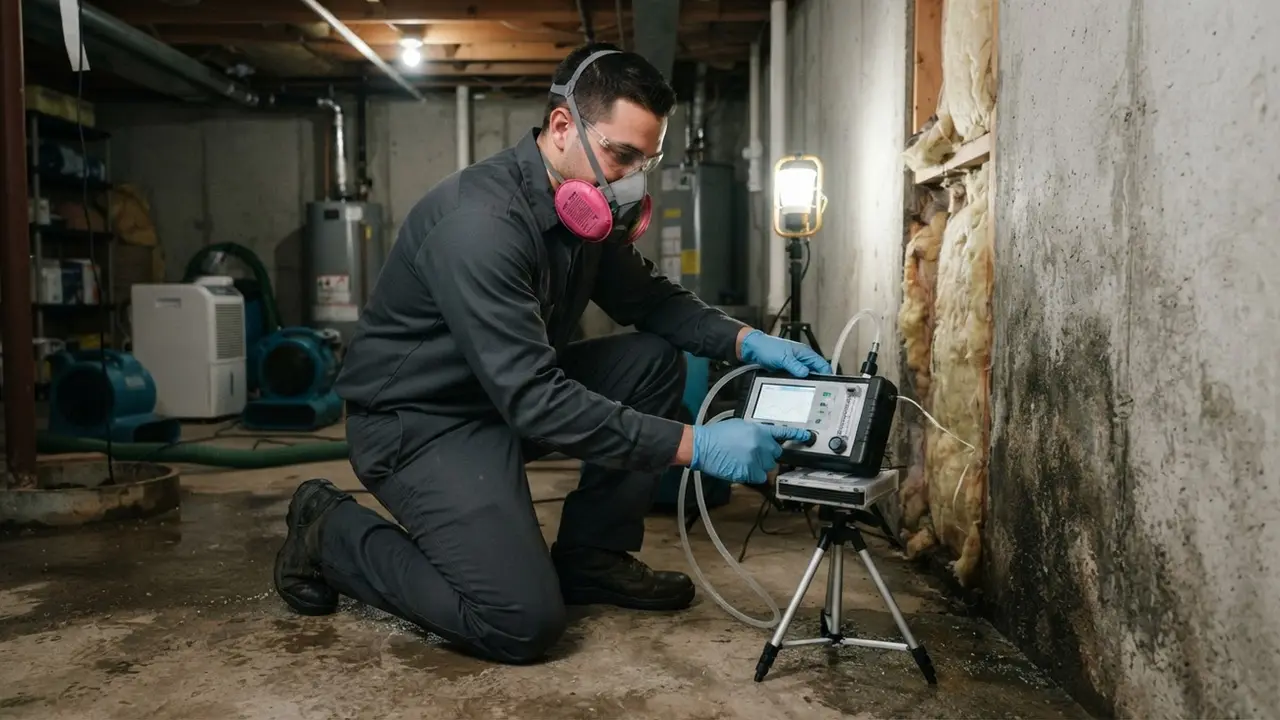
Measures moisture in accessible building materials so we can compare affected framing with reference areas and track drying over follow-up visits.
Thermal Imaging Camera
Shows temperature patterns that can point to areas needing closer inspection; direct moisture measurements confirm material conditions.
Wet/dry Vacuum
Extracts accessible standing water from shallow pools and areas where a pump cannot be positioned effectively.
Sump Pump
Moves larger amounts of pooled water from a suitable low point when the crawl-space layout allows safe placement.
Air Mover and Dehumidifier
Circulates air across wet surfaces and removes moisture from the air during controlled structural drying.
Thermal views are illustrative, generated from the photographs.
Methods
Negative air machine
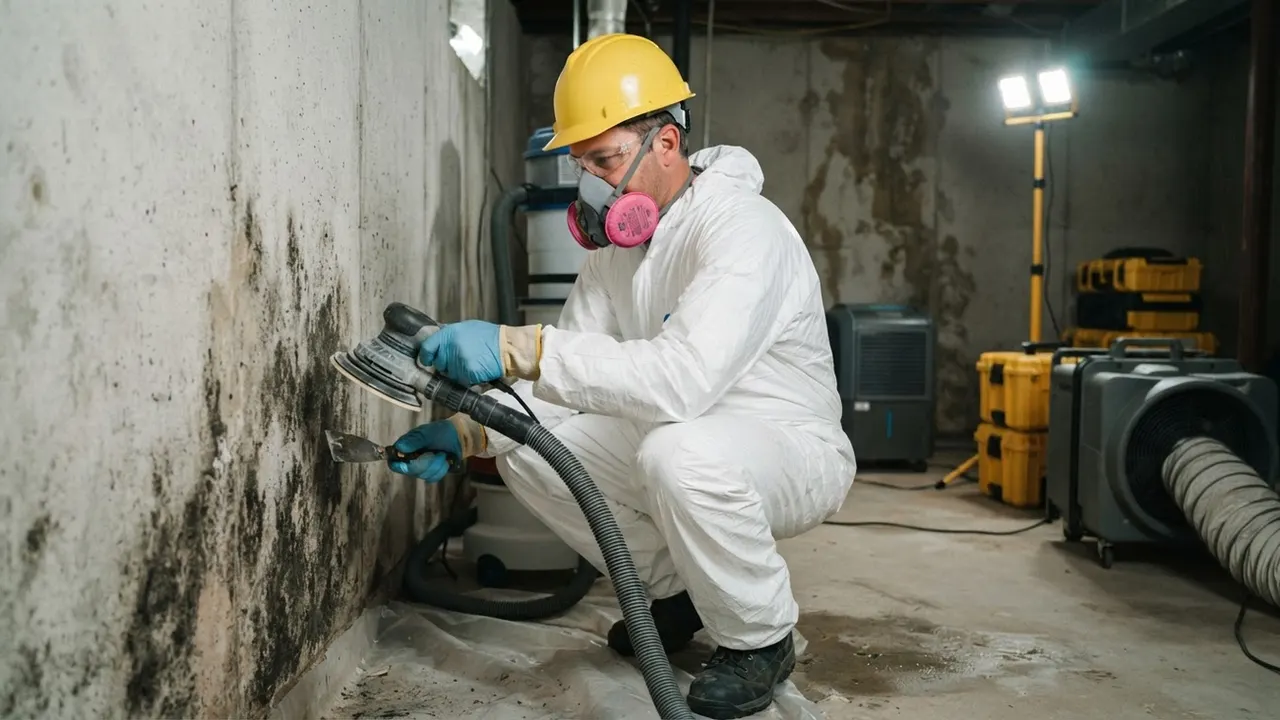
Helps manage airflow and contain dust or airborne debris when the job requires a controlled work area.
Source-first inspection
We inspect visible plumbing, drains, and water-entry paths before setting equipment. That determines whether the event is contained or active and whether restoration needs coordination with a plumbing or drainage repair. Drying starts after the source is controlled.
Measured structural drying
We establish baseline readings, place air movers and dehumidification based on the affected materials, then compare readings during follow-up. Equipment is adjusted if readings stall or conditions change. Drying ends when measurements support the planned repair stage, not simply when surfaces feel dry.
Contamination-aware cleanup
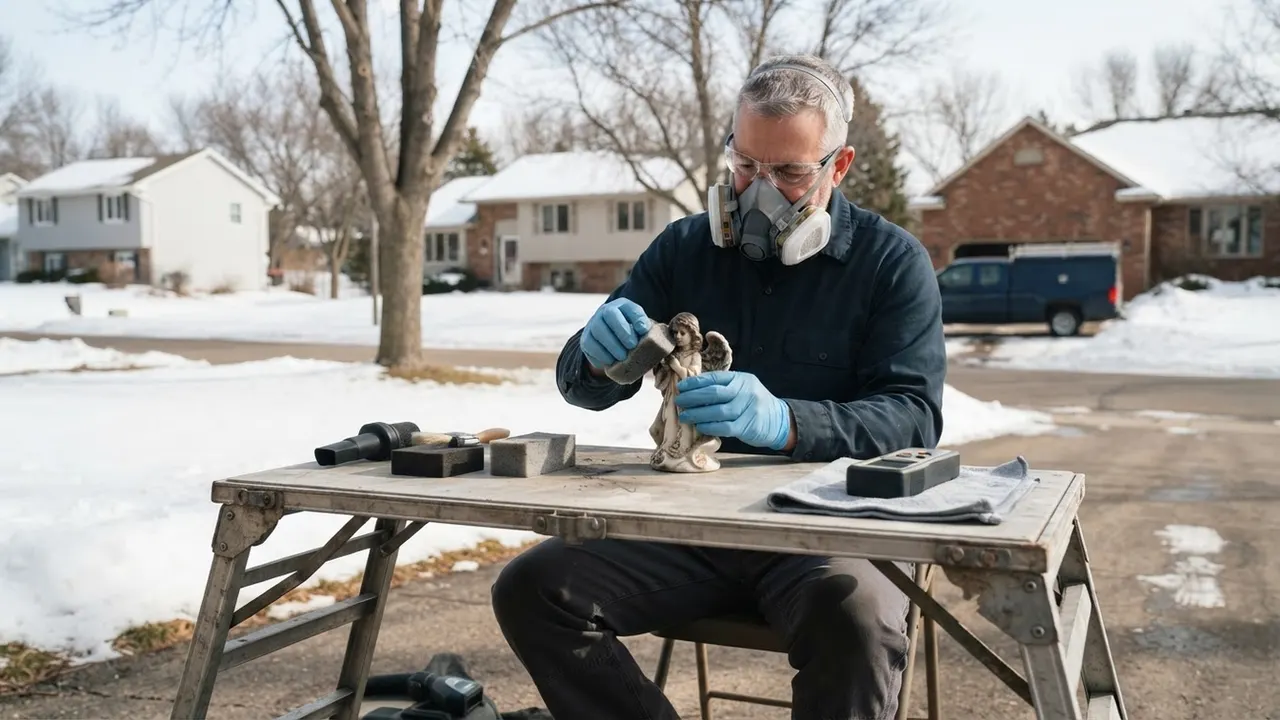
We distinguish water from a clean supply line from sewage or stormwater. Where contamination is present, we control access, remove affected porous materials as appropriate, and clean suitable surfaces using a method matched to the material and exposure.
Documented progress checks
We photograph affected areas and record moisture readings during the job. The record helps you follow what was extracted, which materials are drying, and what still needs repair. It also gives property managers a usable summary for maintenance files.
When Crawl Space Service Is Needed
After a November Rain, Water Appears Near the Crawl-Space Access in a Downtown Hopkins Home.
We check the access area, identify visible water paths, and determine whether the puddle is isolated or connected to continuing seepage. We extract standing water and inspect nearby framing and insulation. If rainwater continues entering, we explain the drainage issue that must be addressed alongside drying.
Outcome: You know what is wet, whether the water source is still active, and which drying or drainage steps are needed next.
A Frozen Pipe Bursts Overnight and Water Runs Beneath a Blake Road Property Before the Leak Is Stopped.
Once the plumbing source is controlled, we inspect the crawl space for pooled water and wet materials. We extract water, check framing and insulation, and position drying equipment where airflow can reach affected areas. Readings guide follow-up rather than a guess based on the surface.
Outcome: The leak's water is removed, affected materials are tracked, and you have a documented path from drying to any required repair.
A Property Manager Finds Damp Insulation and a Persistent Odor During a Routine Visit in Meadowbrook.
We inspect for hidden moisture, visible growth, and an active plumbing or drainage source. Our team determines whether insulation can remain or needs removal, then dries accessible framing and checks readings again. If the odor points to mold or contamination, we explain the appropriate separate cleanup.
Outcome: You can address the confirmed moisture condition, plan material replacement, and document the work for maintenance records.
Snowmelt Collects Near a Crawl-Space Vent at a Hopkins Crossroad Home as Winter Conditions Change.
We look for water entry around the vent and low points inside the space, then remove any pooled water. We inspect the nearby insulation and wood, set controlled drying if materials are wet, and note exterior drainage concerns. You receive a practical explanation of immediate restoration and prevention needs.
Outcome: The affected area is dried and documented, with the likely entry path identified for follow-up before the next thaw.
Downtown HopkinsBlake Road CorridorMeadowbrook
How Restoration Works Around Hopkins
Crawl space water damage restoration Hopkins MN must account for freeze-thaw cycles, heavy rain, snowmelt, and older homes with tight or low access. In November, rain and early freezes can expose weak drainage paths; later winter brings frozen-pipe risk, and spring thaw can push water toward foundations. We inspect the source before drying, because equipment cannot correct a plumbing leak or exterior runoff.
Our team checks framing and insulation, measures moisture, and chooses extraction and airflow equipment that fits the space. For Hopkins Minnesota crawl space water damage repair, the condition of the materials matters as much as the amount of standing water.
If you are searching crawl space water extraction near me Hopkins Minnesota, tell us whether the water is clear, dirty, or sewage-related and whether it is still entering. Hopkins is in Hennepin County, and we serve properties across ZIP codes 55343 and 55305. We plan around safe access and the specific building, not a one-size setup.
Downtown Hopkins: Older properties and narrow access points can make equipment placement difficult; we check the entry and route before moving extraction gear.
Blake Road Corridor: A plumbing leak beneath finished rooms can be hard to spot from above, so we inspect accessible framing and compare moisture readings.
Meadowbrook: After rain or snowmelt, we check low areas and nearby water-entry paths to distinguish a one-time pool from ongoing seepage.
Interlachen: Properties with restricted crawl-space clearance need careful equipment selection and a clear plan for hoses, airflow, and follow-up access.
Freeze-thaw cycles stress pipes and change exterior drainage: A small frozen line can release water below the floor, while thawing snow can add moisture around the foundation. We check for active leaks and water entry separately so drying does not overlook a continuing source.
Heavy rain and spring snowmelt collect at low points: Water can travel through vents, access openings, or foundation gaps and pool away from the visible entry. Extraction and moisture checks help map the affected zone, while drainage correction may be needed to prevent recurrence.
IllustrativeThe thermal view is generated from the photograph. It is not a measurement. Drag the handle, or use the arrow keys once it is focused.
Rainwater Beneath a Low Entry
Before: After heavy rain, a homeowner in Downtown Hopkins found a shallow pool near the access hatch and a damp smell indoors. The visible water covered only part of the floor, but insulation along one edge felt wet. The source was not obvious, and the owner could not tell whether framing below the room had been affected.
After: We removed the pooled water, checked accessible framing and insulation, and set an air mover with a dehumidifier. Follow-up readings over 3 days showed the monitored framing moving toward a dry condition. The homeowner received photos of the affected edge and a clear note identifying a drainage path that needed attention outside the drying work.
Keep the access area clear and check it after heavy rain or thaw. Watch for recurring damp odors, and address exterior drainage concerns before water reaches the foundation.
Water From a Stopped Pipe Leak
Before: A pipe leak beneath a Blake Road home had been stopped, but water remained in the crawl space. Damp insulation covered several joist bays, and the homeowner had no way to see how far the water traveled. The visible leak was fixed, but hidden moisture remained a concern.
After: Our crew extracted standing water, assessed the insulation, and identified material that was too wet to retain. We positioned drying equipment and checked readings over 4 days. The owner received a photo record and a summary separating completed extraction and drying from the plumbing and insulation repairs still needed.
After plumbing repairs, check the area again for drips and lingering dampness. Keep stored items away from crawl-space surfaces so future leaks are easier to spot.
Odor and Damp Insulation
Before: A property manager in Meadowbrook noticed a musty odor during a routine visit but no obvious puddle. Insulation was damp near one corner, and the team needed to determine whether moisture came from a past leak, ongoing seepage, or another source before arranging repairs.
After: We inspected the accessible corner, took moisture readings, and traced the damp area to a localized water-entry concern. After removing affected insulation and drying the exposed framing, follow-up readings over 3 days documented progress. The manager received photos and a concise record for the property file.
Schedule a visual check after seasonal rain and snowmelt, and investigate any returning odor promptly. Keep the access route open for inspection and equipment placement.
Fixing Crawl Space Water Problems
If water remains below your floor, the source and material condition matter as much as the visible puddle. Our team checks for continued entry, removes water, and explains what drying or cleanup is needed. For emergency crawl space water removal Hopkins MN, call with details about the water source, depth, and access so we can understand the immediate issue.
Standing water remains below the floor after heavy rainWater can keep framing and insulation wet, worsen odors, and conceal the route of entry. Delay also makes it harder to distinguish a one-time event from ongoing seepage. We inspect low points and visible drainage paths, then extract accessible water with a wet/dry vacuum or sump pump. Our team records affected locations and looks for signs that water is still entering. If runoff appears to be the source, we explain the drainage concern separately from the immediate drying work.
A burst pipe has soaked hidden insulationWet insulation can hold moisture against joists and subflooring, keeping materials damp after the plumbing leak is stopped. Surface checks from inside the home can miss the extent. We confirm that the pipe leak is no longer active, inspect the accessible insulation and framing, and remove water. If insulation is saturated, we explain removal and replacement needs. Air movers and dehumidification then support drying, with follow-up readings used to track the framing.
Musty odor persists despite no visible puddleOdor can come from damp debris, concealed moisture, or microbial growth. Covering the smell without checking materials leaves the underlying wet condition unresolved. We inspect for moisture patterns and visible growth, checking accessible wood and insulation with appropriate instruments. A thermal imaging camera can identify areas for closer inspection, while direct moisture readings help confirm conditions. We then recommend drying, cleaning, or a separate mold assessment based on what is found.
Sewage or stormwater contaminated the crawl spaceContaminated water can affect porous insulation, stored materials, and surfaces that ordinary drying does not clean. Uncontrolled access can also track debris into occupied parts of the property. We identify the likely water category, control the access route, and separate affected materials from clean areas. Contaminated porous items may require removal, while suitable hard surfaces receive appropriate cleaning. We then dry remaining materials and explain any additional remediation indicated by the inspection.
What Proper Drying Delivers
A dry crawl space starts with finding the water and ends with confirming affected materials have reached an appropriate dry condition. We explain what we find, show you the readings, and focus work on the source and materials actually affected.
Water Removed Promptly
We extract accessible standing water with equipment suited to the depth and layout, then check low points where water collects. Removing pooled water limits continued contact with wood and insulation. For a small contained area, extraction can take a few hours; larger or obstructed spaces require more setup and repeated checks.
Moisture Measured, Not Guessed
We take baseline readings at affected framing and compare them during drying, rather than relying on touch or surface appearance. You can see which areas are improving and where attention remains necessary.
Contaminated Materials Identified
Floodwater and sewage backup require different handling from a clean supply-line leak. We identify the water source and affected materials before cleaning or removal. If insulation is saturated or debris is contaminated, we isolate the work area and explain the appropriate cleanup; antimicrobial spray is used only when suitable for the surface and conditions.
Clear Next Steps
You receive a practical account of the source, extraction, drying, and any repair needs we observe. We document readings and affected areas so you can discuss the work with your property manager or insurer. For crawl space flooding cleanup Hopkins MN, that record helps separate completed drying from remaining construction repairs.
Hands-on Crawl Space Know-How
Our Hopkins team approaches crawl space water damage as a building problem, not just a puddle. We distinguish clean water from sewage or stormwater, inspect concealed framing and insulation, and use readings to guide extraction and drying.
We map visible water entry and check nearby plumbing before placing drying equipment.
Moisture readings are recorded at affected and comparison areas during the drying cycle.
We adapt containment and cleaning steps when sewage or contaminated floodwater is involved.
Service ZIP Codes.
A list like this tells people straight away whether you cover their street. Not listed? Call and ask: it only takes a minute.
Water showed up after a heavy rain, and the crawl space smelled musty. The crew checked the low area, removed the pooled water, and showed me the moisture readings on the framing. They came back to check the drying equipment and explained that one section of insulation needed attention. I appreciated knowing what was wet and what still needed work.
A pipe leak left water under the floor, and I could not tell how far it had spread. The team inspected the access area, used a wet/dry vacuum, and set up air movers and a dehumidifier. They documented the affected spots with photos and readings. The follow-up made it clear when the drying stage was complete and what repair came next.
We had a damp crawl space discovered during a maintenance visit. The crew checked for an active source, found wet insulation, and explained the difference between extraction and the material replacement needed. They kept the access route tidy and gave us a concise record for the property file. The work helped us plan the repair without guessing at the extent.
Crawl Space Restoration Questions
Typical 2026 pricing in Hopkins depends on water depth, crawl-space access, affected square footage, disposal needs, and drying days. We inspect first and explain the work and pricing before proceeding. Repairing a broken pipe, drainage defect, or structural damage is separate from water extraction and drying.
Remove standing water and stop the source first; drying a wet crawl space commonly takes 2 to 5 days with suitable airflow and dehumidification. Avoid entering water near electrical equipment or sewage. We inspect the space, extract water, place air movers and a dehumidifier, and check moisture readings during follow-up. If insulation is saturated or water is contaminated, removal and controlled cleanup may be needed before drying can be verified.
Yes, persistent dampness can support mold growth, especially on wood, paper-faced materials, and stored debris. Risk rises when materials remain wet for roughly 24 to 48 hours, though conditions vary. We look for visible growth, musty odors, and moisture patterns, then address water and damp materials. Mold inspection or remediation may be appropriate when growth is present; drying alone does not remove established mold or correct the source.
Choose a Hopkins provider that identifies the water source, measures material moisture, explains extraction and drying steps, and documents follow-up readings. Ask how the crew handles sewage or stormwater differently from a clean pipe leak. Our team provides crawl space water removal Hopkins MN with inspection, extraction, controlled drying, and a clear summary of remaining repair needs. Call (833) 546-4116 to discuss the situation and arrange an assessment.
Standing water, soaked insulation, or a musty crawl space needs a source check and a drying plan. Call our team at (833) 546-4116 to describe what happened and arrange an assessment. We explain the work and pricing before proceeding.
Call Hopkins Water Damage Company at (833) 546-4116 to describe a leak, fire, mold concern, or basement water problem. We connect you with independent companies serving Hopkins, Minnesota, including ZIP codes 55343 and 55305. Tell us the property type, affected area, and whether the source is still active so the provider can understand what help you need.