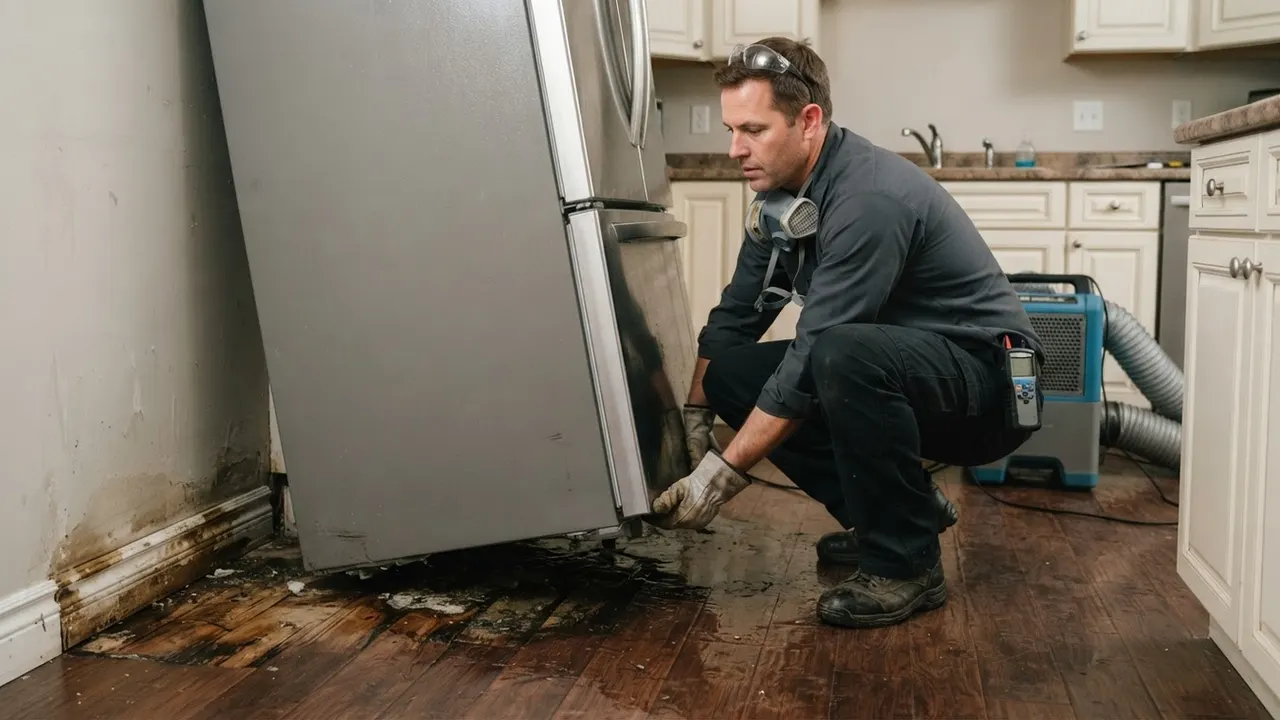
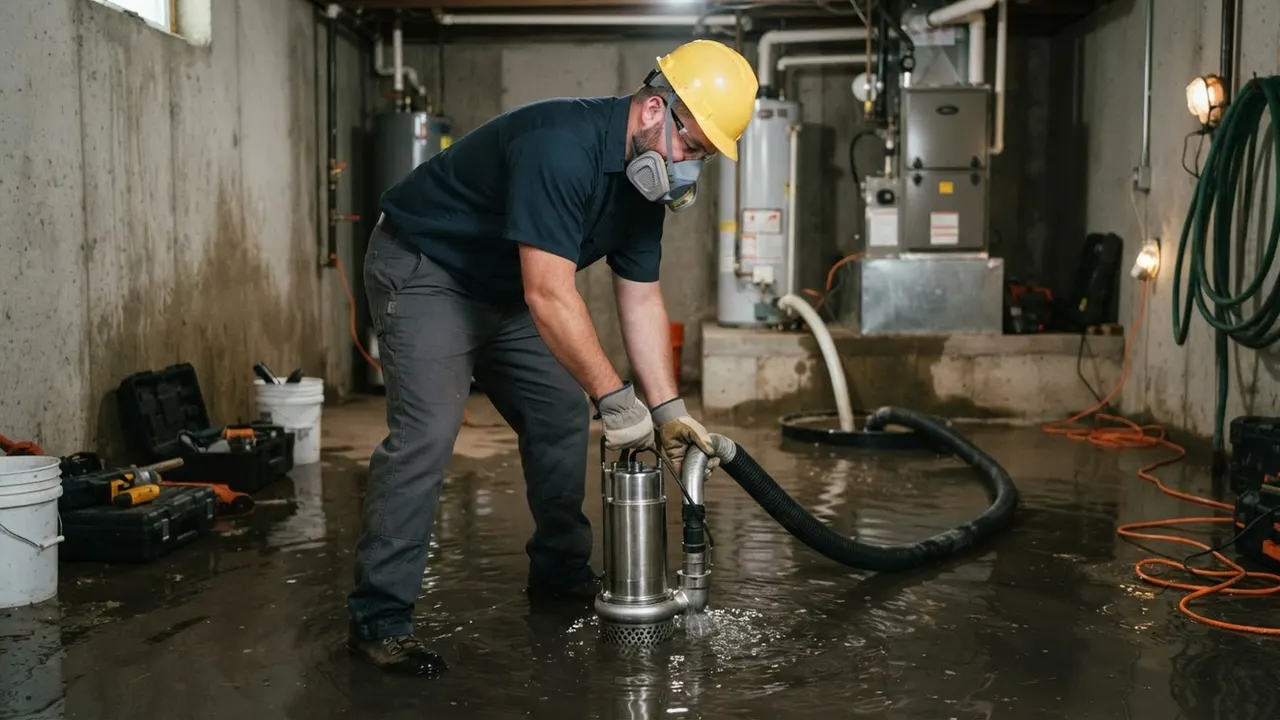
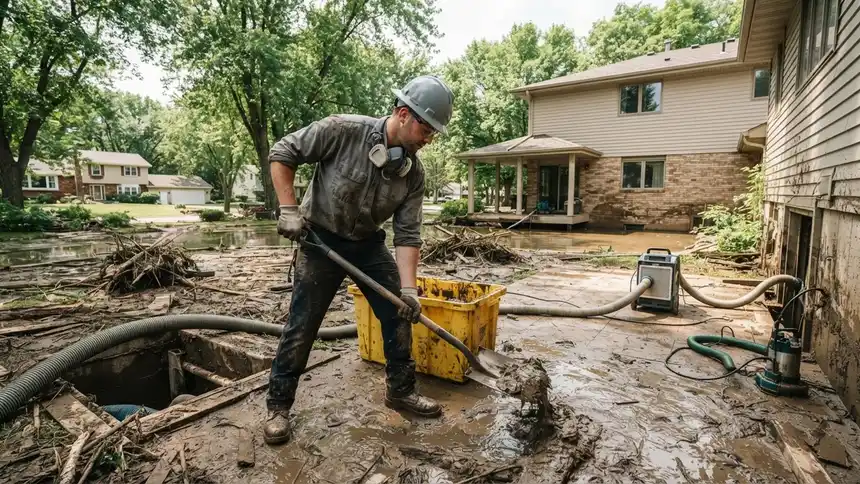
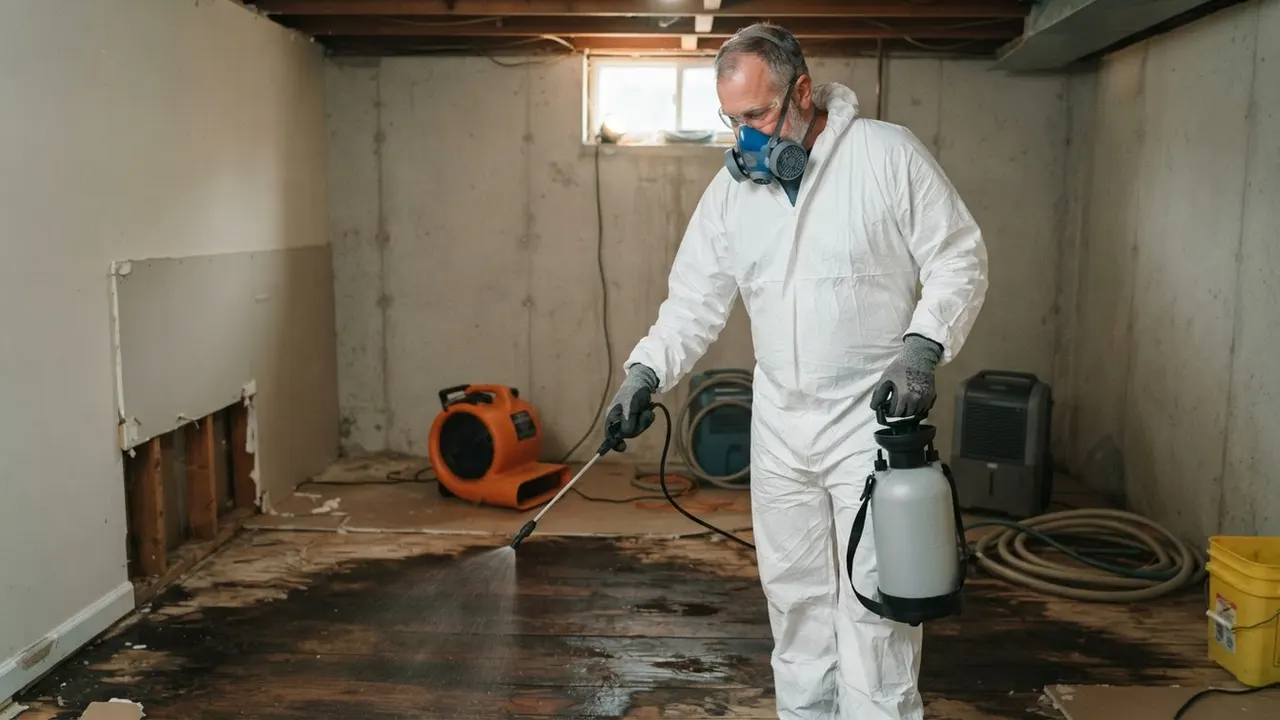
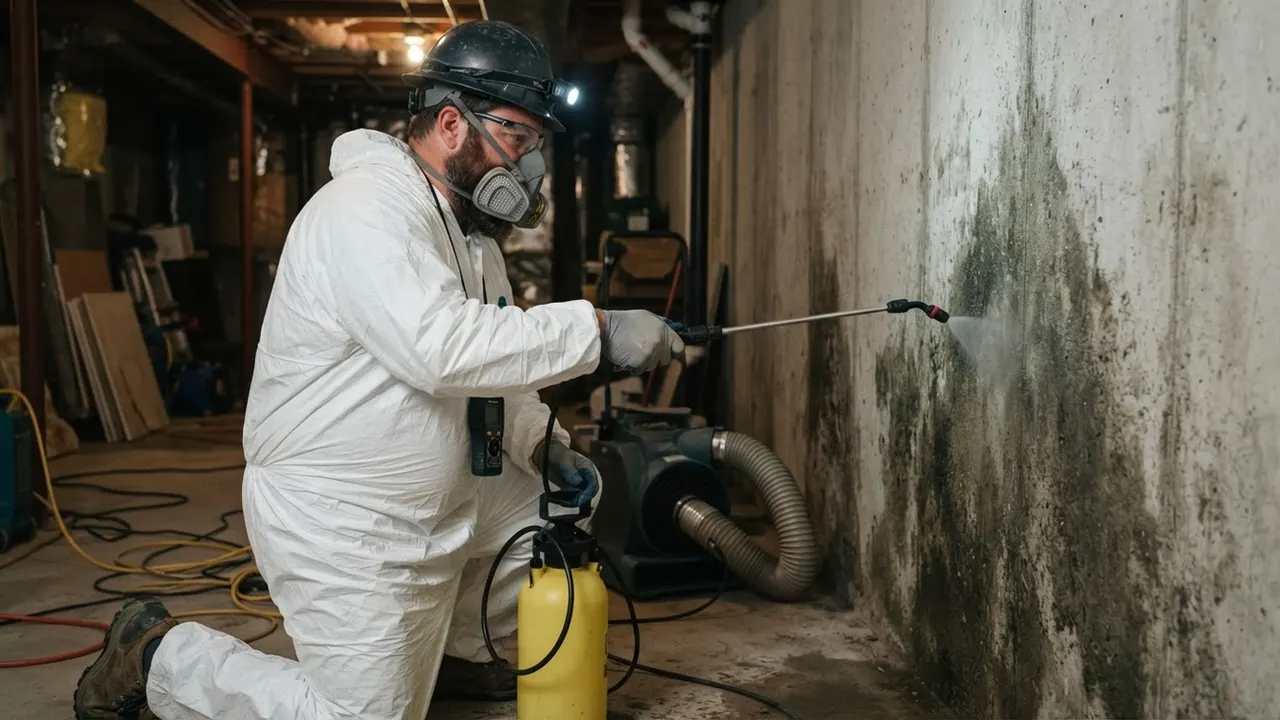
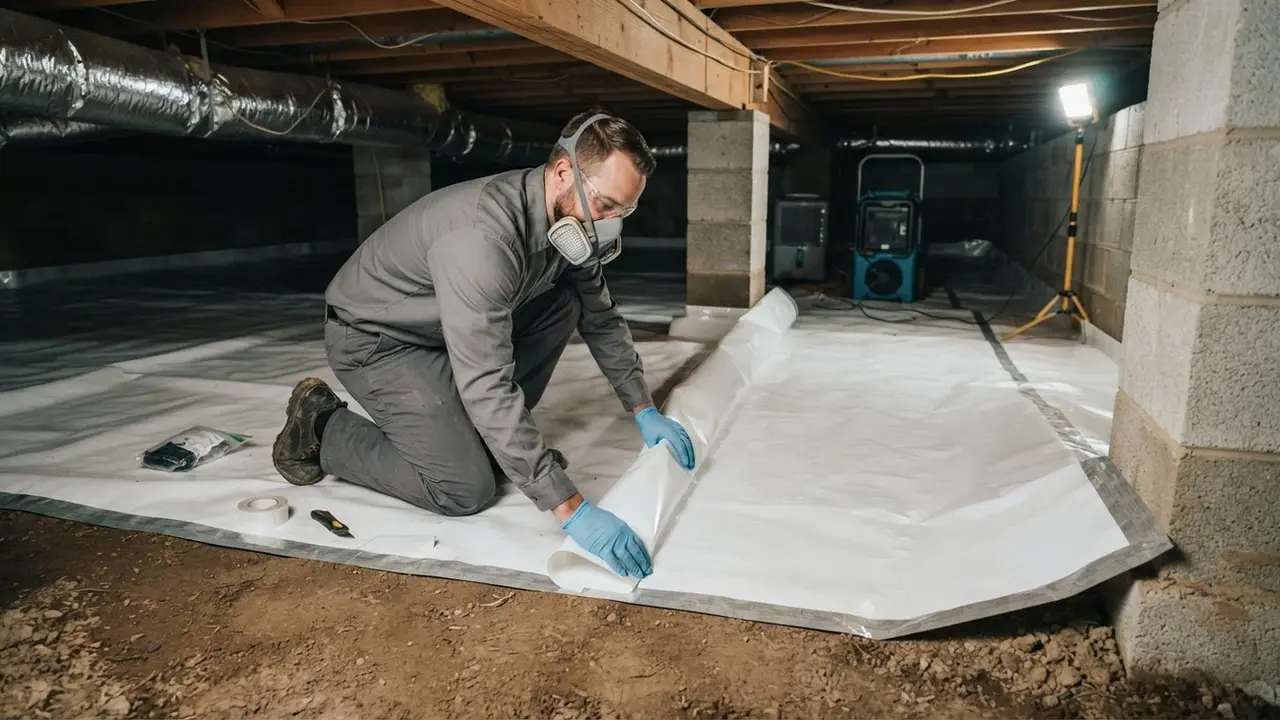
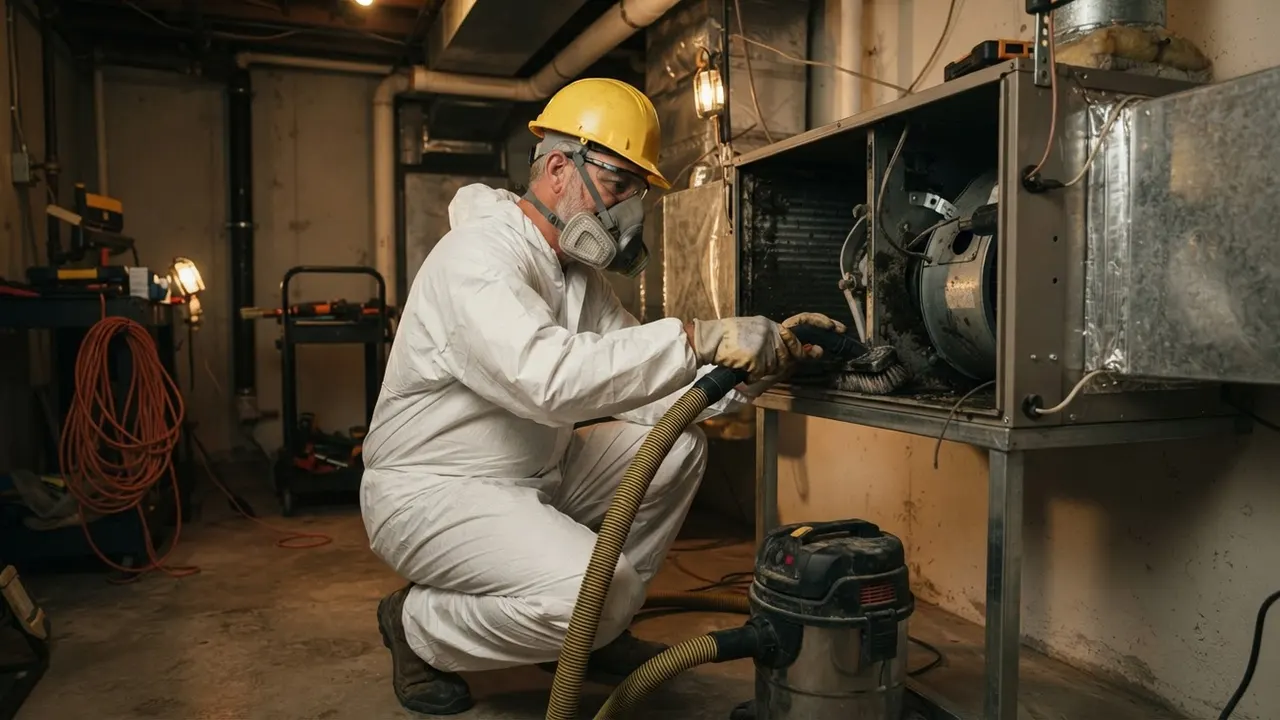
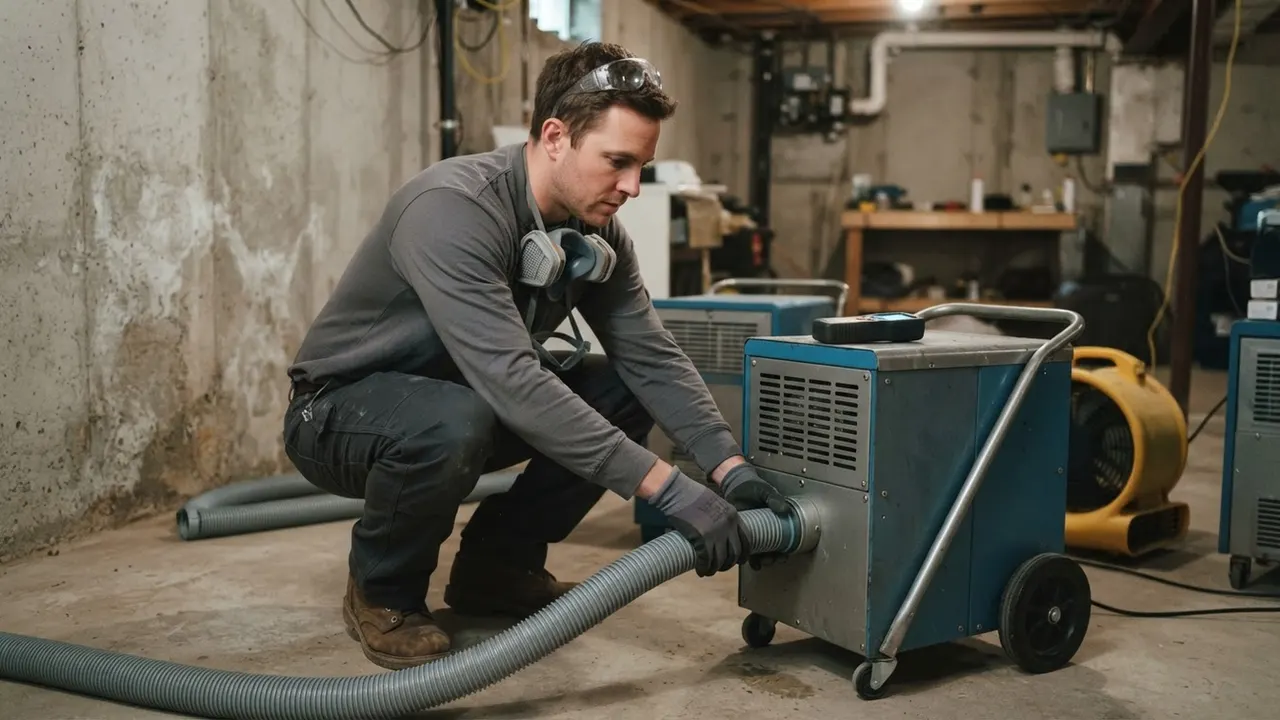
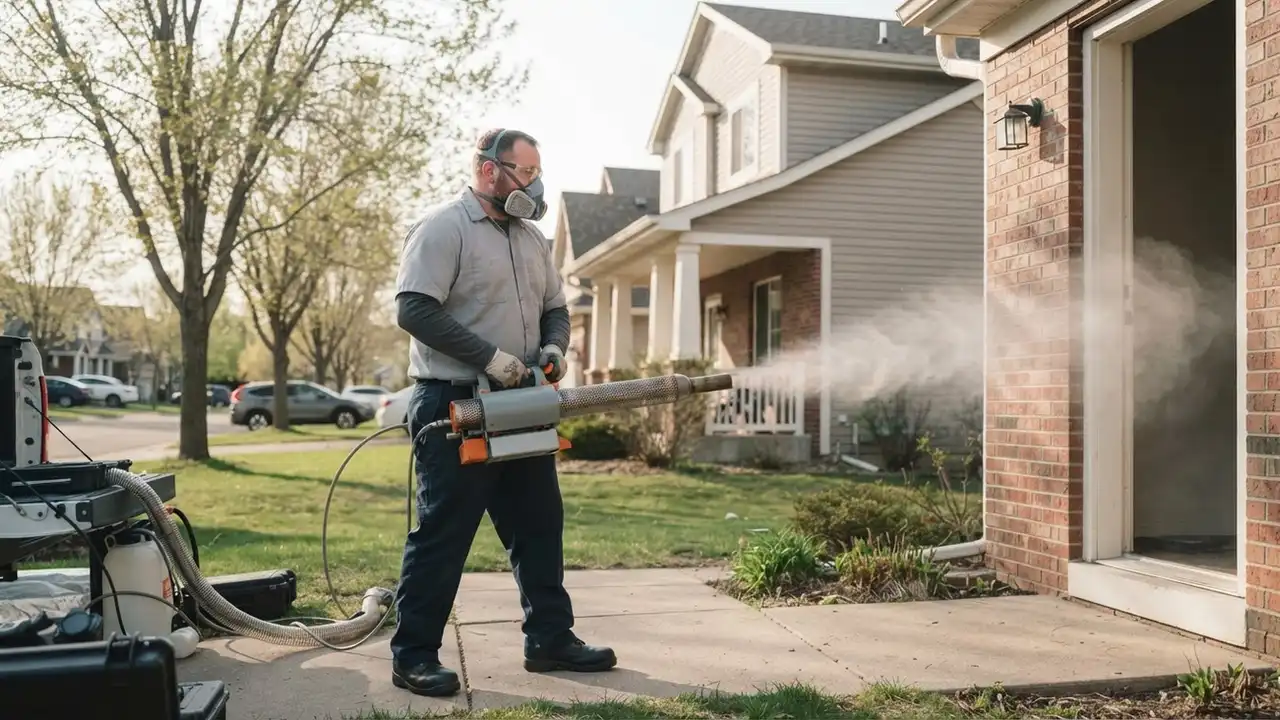
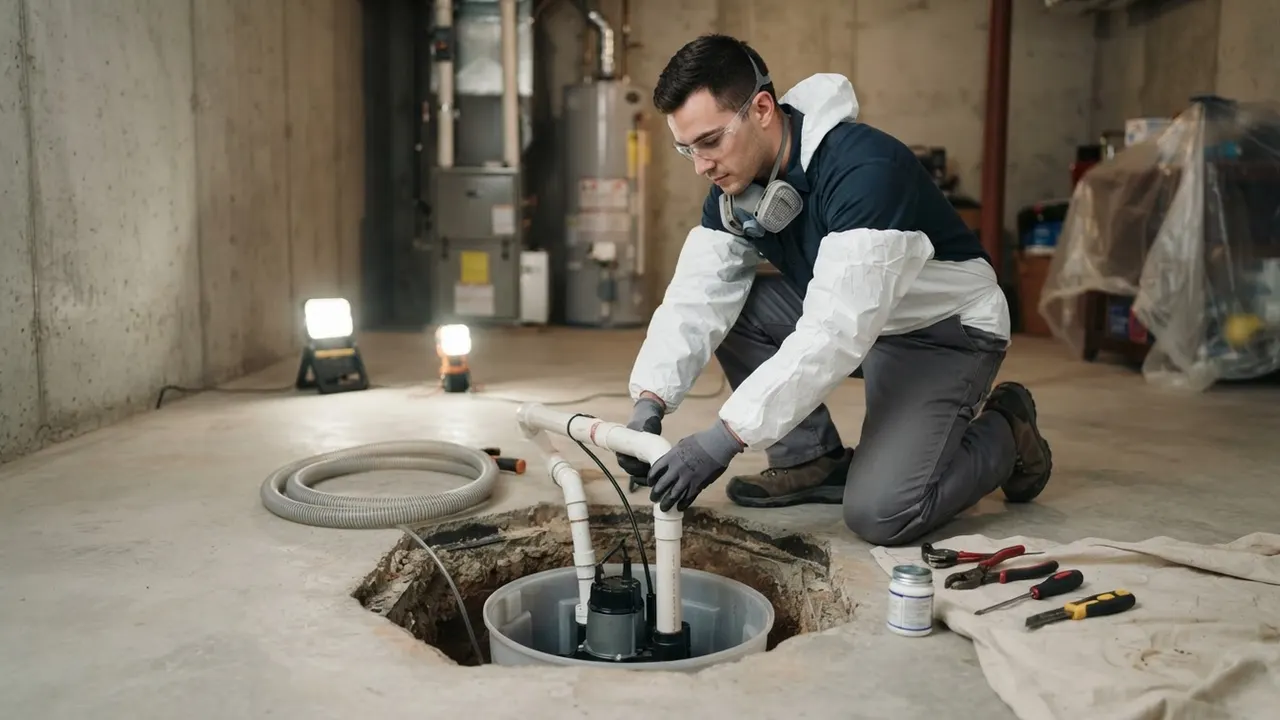
Appliance leak water damage repair Hopkins MN helps homeowners and property managers address water from washers, dishwashers, refrigerators, and water heaters. Our Hopkins team identifies the source, extracts water, and dries affected building materials before lingering moisture leads to swelling or mold growth. If you need appliance leak repair Hopkins MN, call us to discuss the leak and the next practical steps.
Our service addresses the water damage caused by a leaking appliance: inspection, extraction, drying, monitoring, and job documentation. Appliance replacement, plumbing repairs, and finish reconstruction are separate tasks when needed. We identify the affected materials and explain the restoration work so you can see what is being done to return the space to dry conditions.
Leak Impact Inspection
We identify visible water, trace likely paths, and check nearby floors, walls, cabinets, and accessible adjoining spaces. The inspection distinguishes the appliance source from the property damage and helps define which materials need extraction or drying.
Water Extraction
We remove accessible standing water from hard surfaces and low areas using suitable extraction equipment. Removing free water reduces the amount available to soak into underlayment, cabinet bases, and wall materials.
Structural Drying
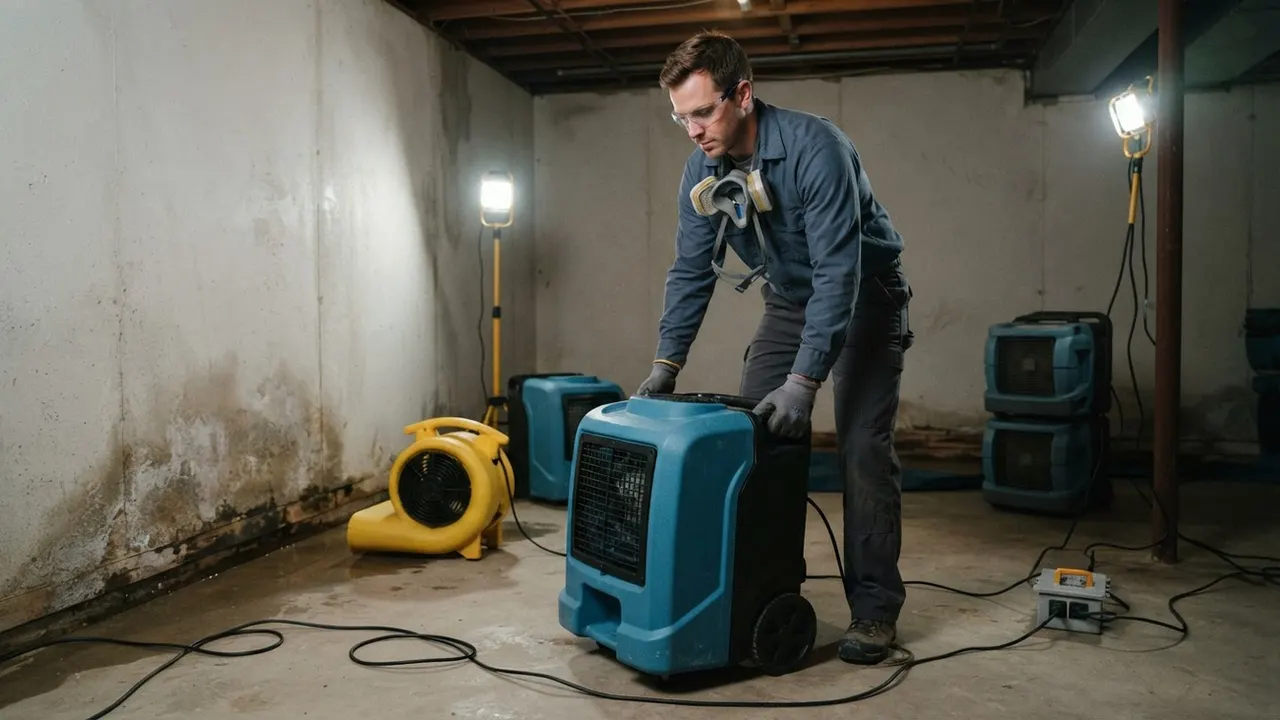
We position air movers and dehumidification equipment to dry affected building materials. Equipment placement follows the room layout and moisture readings, with adjustments made as follow-up checks show how the materials are responding.
Moisture Monitoring
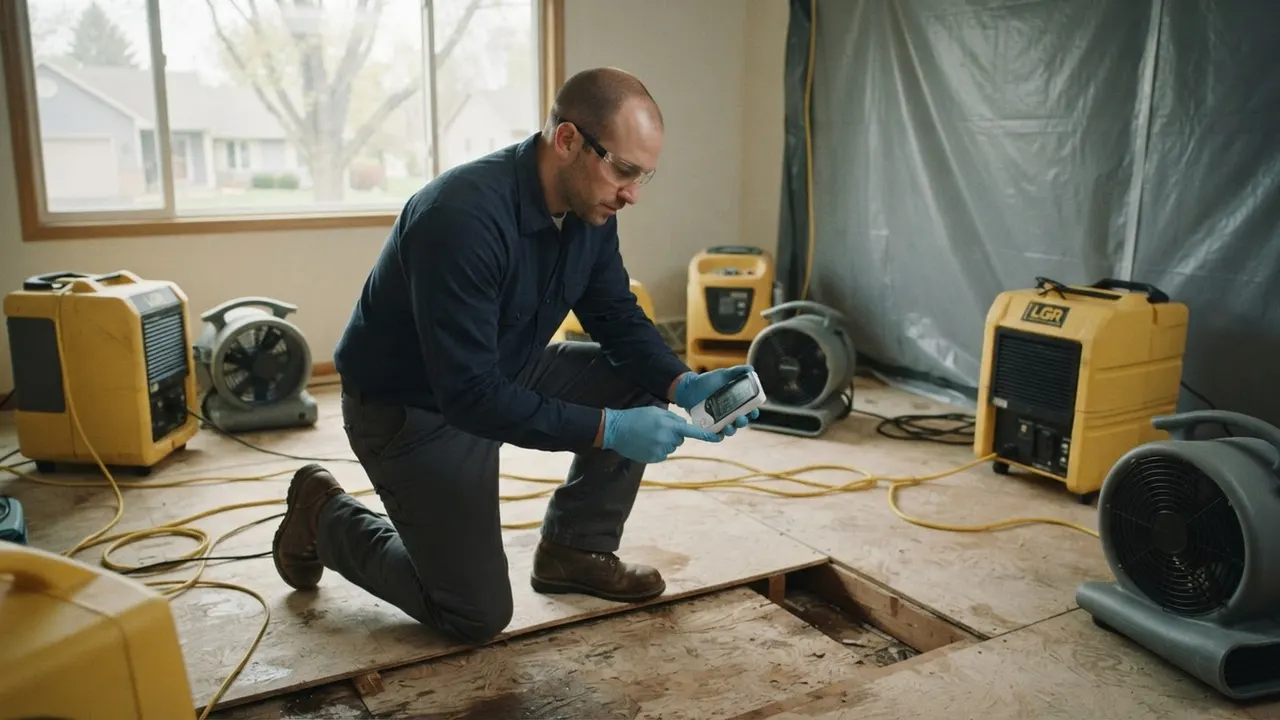
We record readings at affected locations and compare them over time. This gives you a practical view of drying progress and helps identify a stubborn damp area that needs a change in equipment placement or further assessment.
Job Documentation
Photos and notes record observed damage, equipment placement, and moisture checks. These records help you understand the work performed and provide useful information when discussing the property loss with your insurer.
Homes and Businesses.
The approach is the same for a home and a business. What changes is the access, the schedule and who needs the paperwork.
Homes and Rentals
We check laundry rooms, kitchens, and basement utility spaces for water beyond the visible puddle. You get a clear explanation of extraction, drying equipment, and follow-up checks.
Washer overflow near hallway flooring
Dishwasher seepage under cabinet bases
Water heater leak beside stored belongings
Business Properties
We assess appliance leaks in shared kitchens, staff laundry areas, and managed properties. You receive documented findings that help coordinate restoration with tenants, maintenance, and repair trades.
Breakroom refrigerator supply-line leak
Shared laundry equipment overflow
Utility-room water heater seepage
Appliance Leak Water Damage Repair Hopkins MN
A plain-language look at what Appliance Leak Water Damage Repair involves and when it is needed.
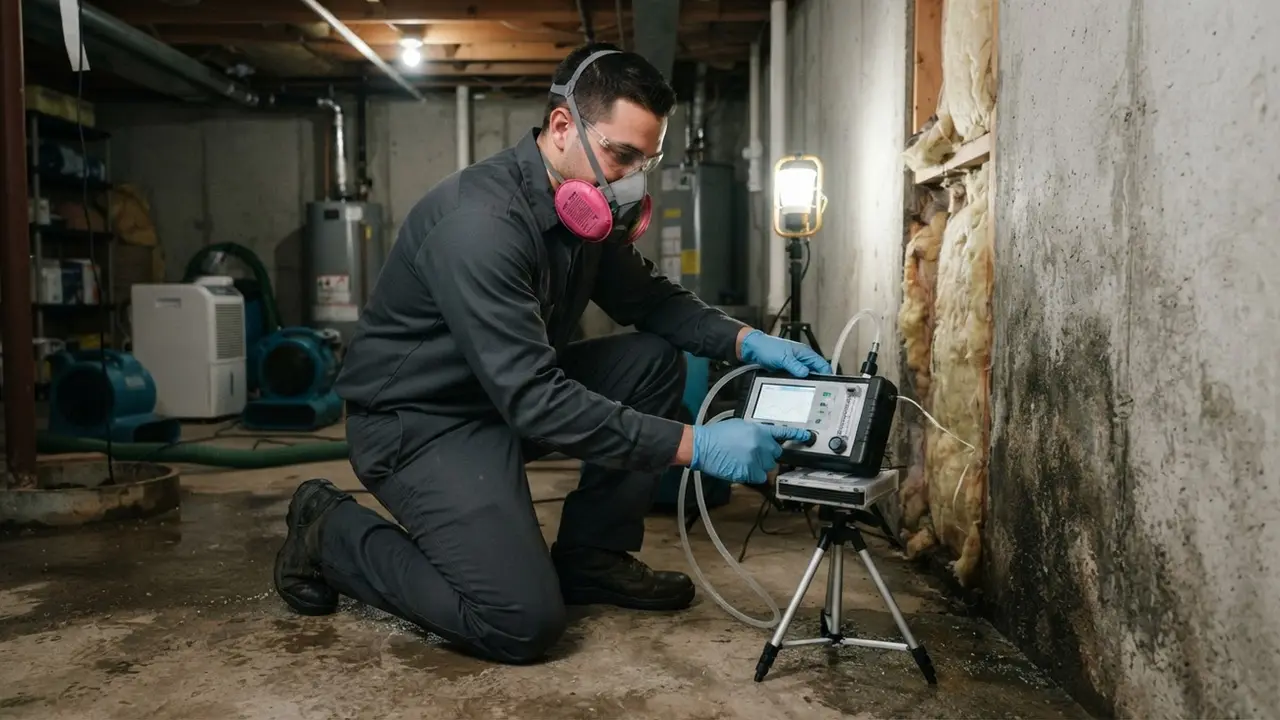
Appliance leak water damage repair Hopkins MN is a water-damage service that stops active appliance-related water intrusion, removes trapped water, and dries affected materials when a leak reaches floors, walls, or cabinets. We first locate the visible source and document the affected area, then extract water and measure moisture in nearby materials. A moisture meter helps distinguish damp drywall from dry surfaces; targeted air movers and a dehumidifier support controlled drying. The appliance itself may need a plumber or appliance technician, while our work focuses on the resulting property damage.
Hopkins homes and businesses face leaks from failed washer hoses, dishwasher seals, refrigerator supply lines, and aging water-heater connections. During Minnesota's freezing months, a cold utility area or exterior-wall supply line adds risk; spring thaw and heavy rain can also complicate basement drying. Our technicians map moisture beyond the visible puddle, especially beneath cabinets and finished flooring. For a washer overflow, washing machine leak water damage cleanup in Hopkins Minnesota can include extraction, material checks, and drying records for the affected rooms.
The visible puddle is only the starting point; moisture checks guide extraction and structural drying.
Service
Inspection, water removal, and drying for property affected by an appliance leak.
Call When
Water reaches flooring, walls, cabinets, contents, or adjoining rooms.
Next Steps
Expect moisture checks, targeted extraction, drying equipment, and progress review.
What Happens During the Job
Appliance leak water damage repair in Hopkins starts with the water source and the materials it reached. We explain the work as it moves from inspection to extraction and drying, then review the recorded conditions with you.
Check the Source
On arrival, we walk the affected area with you, identify the appliance and visible leak path, and check whether water is still entering. If an active plumbing failure needs repair, we help you identify the appropriate next trade; we do not disguise a continuing leak with drying equipment. The initial inspection often takes 30 to 60 minutes, depending on access and how many rooms are affected.
Find source
Check active leak
Walk through
Map the Moisture
We inspect floors, cabinet bases, nearby drywall, and accessible adjoining spaces, then record moisture readings at affected and comparison points. A thermal imaging camera can help locate temperature patterns associated with damp areas, while a moisture meter confirms readings on suitable materials. This step narrows the drying area and helps avoid removing sound material unnecessarily.
Map moisture
Compare readings
Mark affected areas
Extract Standing Water
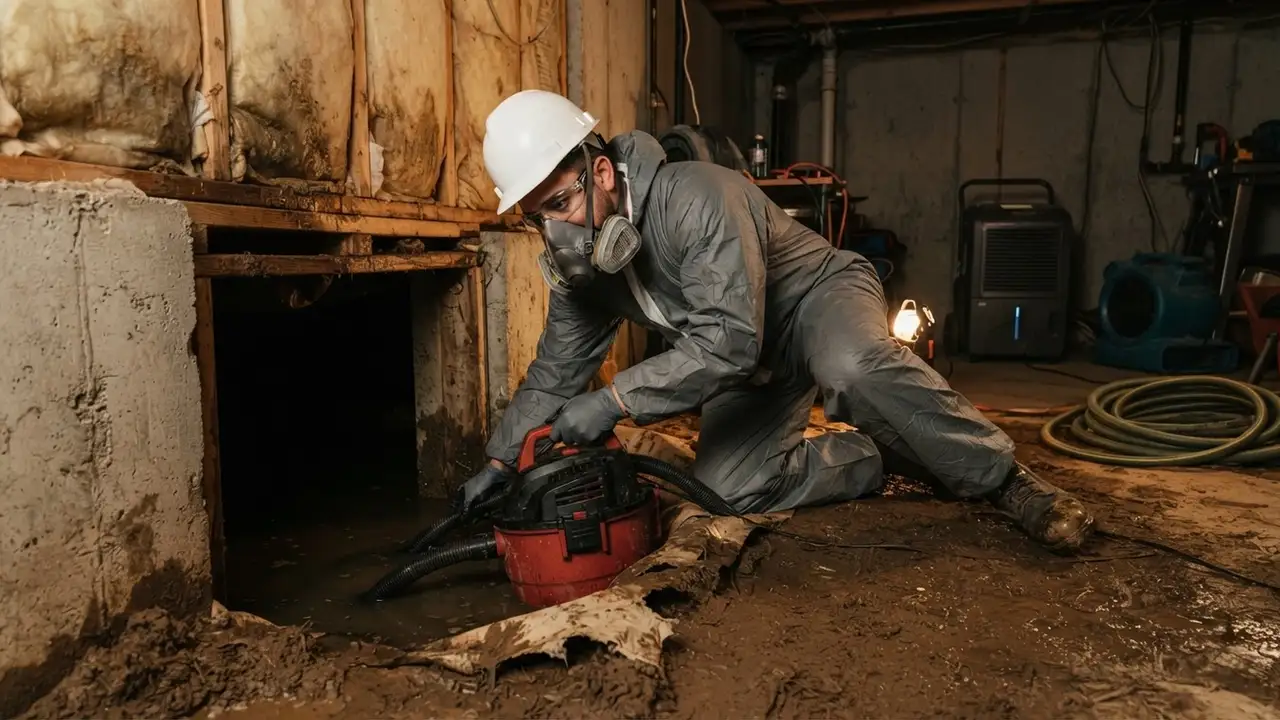
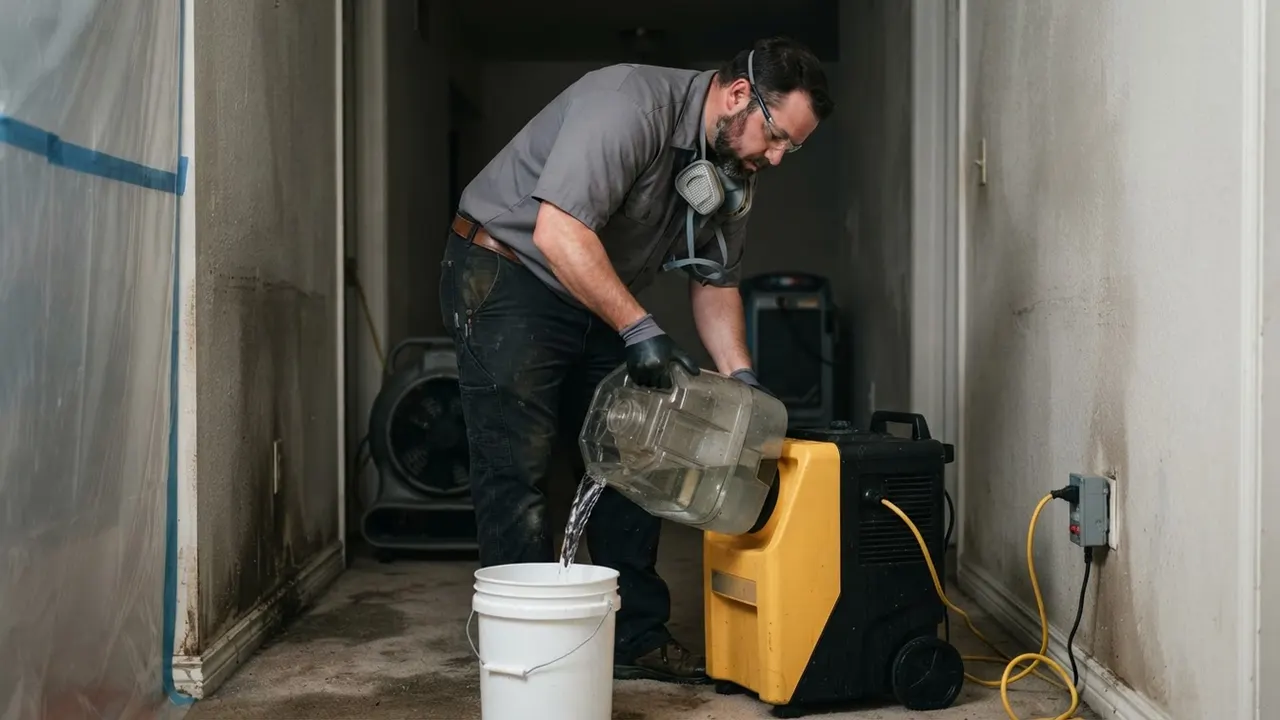
We remove accessible water with extraction equipment or a wet/dry vacuum, and protect nearby contents while working. If water has collected in a low point, a sump pump may be used to clear it. Extraction duration depends on the volume and access, but the priority is to remove free water before setting air movers and a dehumidifier.
Extract water
Clear low spots
Protect contents
Set Drying Equipment
We position air movers and a dehumidifier to circulate air through the affected zone without directing debris into clean areas. Plastic sheeting can separate work areas when needed. Equipment placement depends on room layout and materials, and we explain what will stay in place and what you should avoid moving during the drying period.
Set airflow
Place dehumidifier
Explain setup
Recheck and Review
We return for moisture checks, compare readings with the initial record, and adjust equipment if a surface is drying more slowly than expected. Many localized jobs require two to five days of controlled drying, though wet insulation or layered flooring can extend the work. We review findings and next steps with you before closing the restoration phase.
Recheck readings
Adjust equipment
Review progress
Tools and Drying Methods
Move across a circle, or focus it and press Enter, for an illustrative thermal view of the photograph.
Moisture Meter
Checks moisture in suitable building materials and helps compare affected surfaces with nearby dry reference areas during inspection and follow-up.
Thermal Imaging Camera
Shows surface temperature patterns that can help locate areas for closer moisture checks; it supports, but does not replace, meter readings.
Air Mover
Directs airflow across damp surfaces to support evaporation after standing water has been extracted.
Dehumidifier
Removes moisture from indoor air during structural drying and supports controlled drying of affected rooms.
Wet/dry Vacuum
Collects accessible water from hard flooring, cabinet edges, and other areas where extraction equipment can reach.
Thermal views are illustrative, generated from the photographs.
Methods
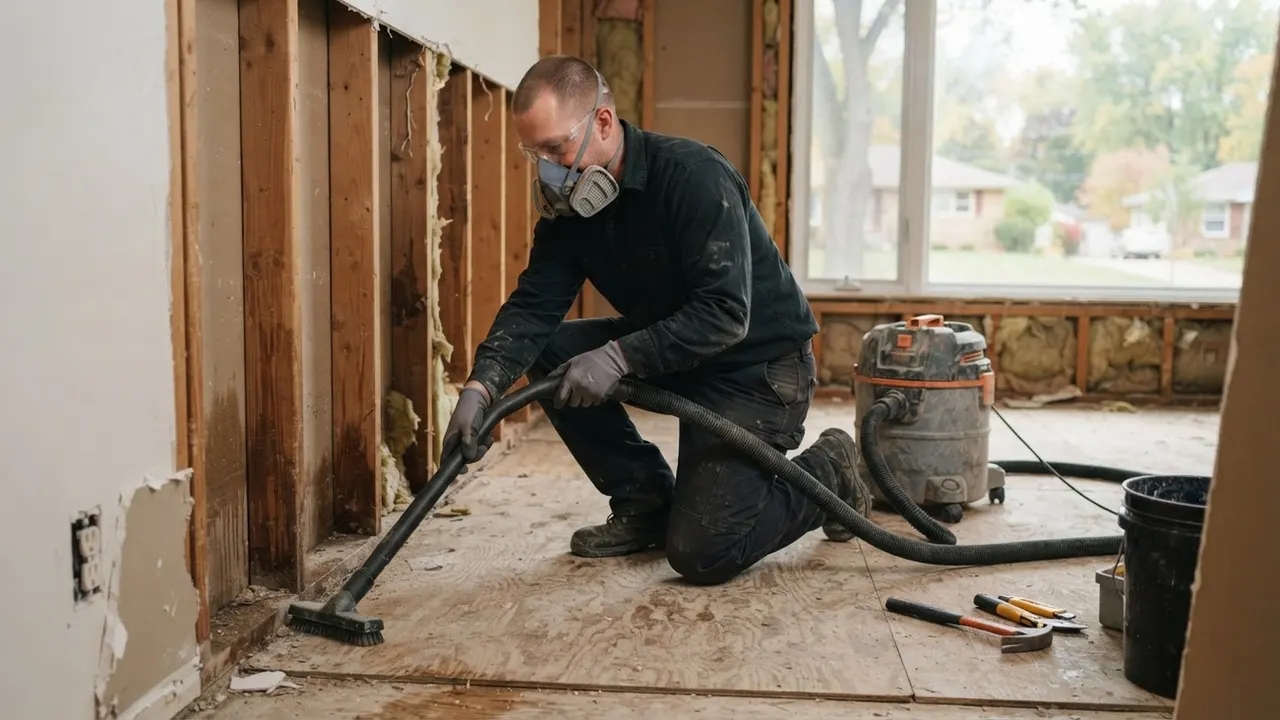
HEPA vacuum
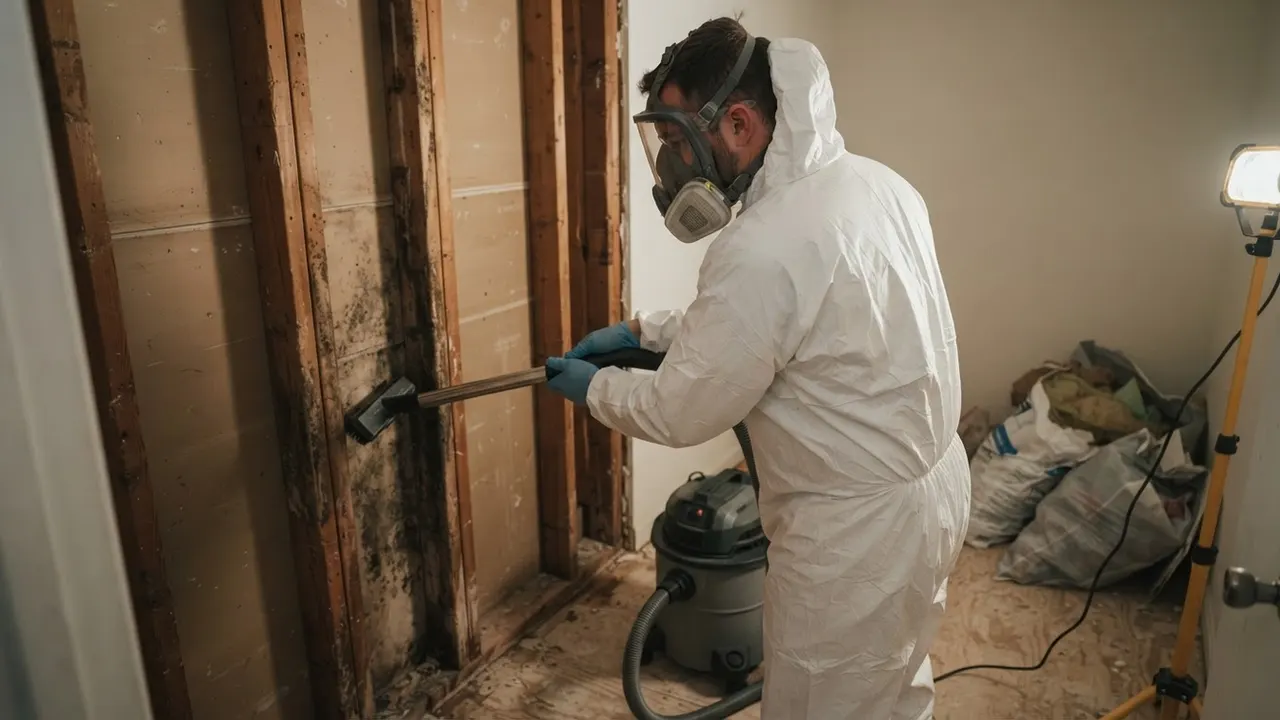
Captures fine debris during appropriate cleanup work, helping keep dust from spreading into the surrounding space.
Source-to-spread inspection
We start at the appliance and follow visible water paths outward, checking adjoining surfaces and accessible cavities. Readings help distinguish a wet area from a stain or cool surface. This keeps the restoration plan focused on where moisture is present rather than treating the whole room without evidence.
Controlled structural drying
After extraction, we arrange air movement and dehumidification around the affected materials. Equipment is selected and positioned based on room size, access, and moisture readings. Follow-up checks show whether airflow should be adjusted or drying can be concluded.
Documented moisture checks
We record conditions at affected points and compare them with readings from suitable nearby materials. The record gives a practical basis for reviewing drying progress. If one area remains damp, we reassess the material and equipment placement before deciding the next step.
Targeted material removal
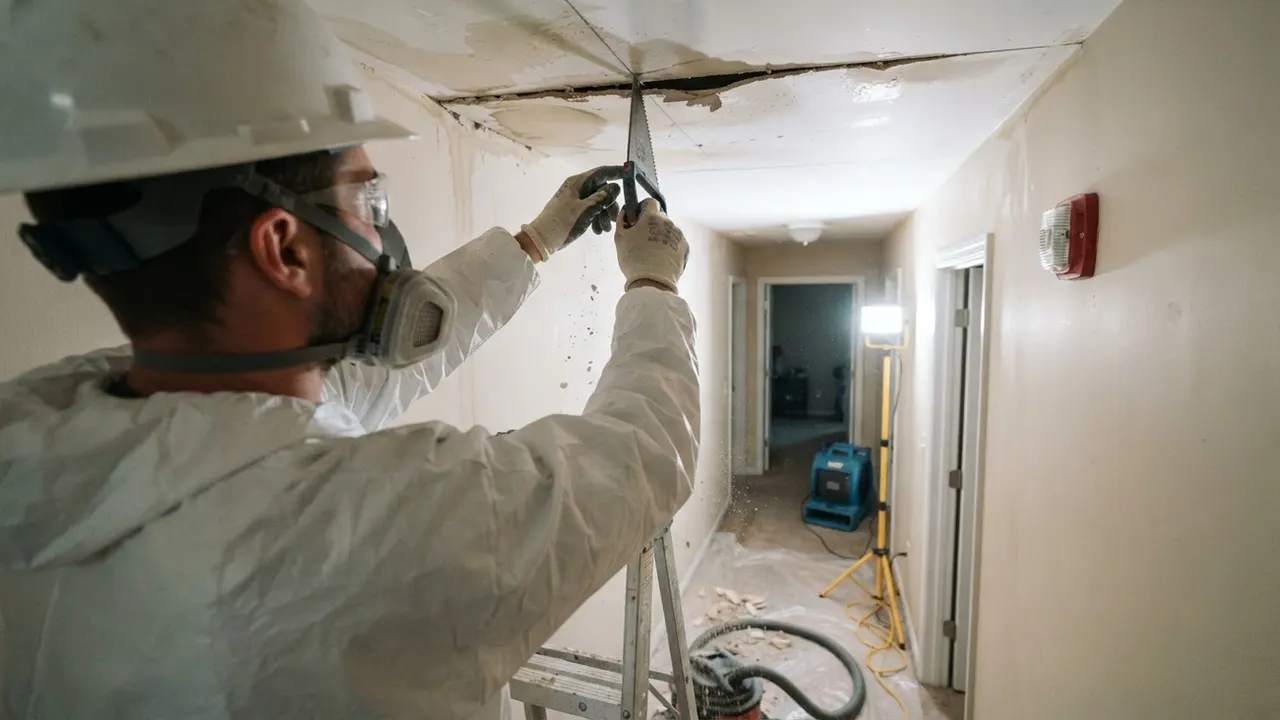
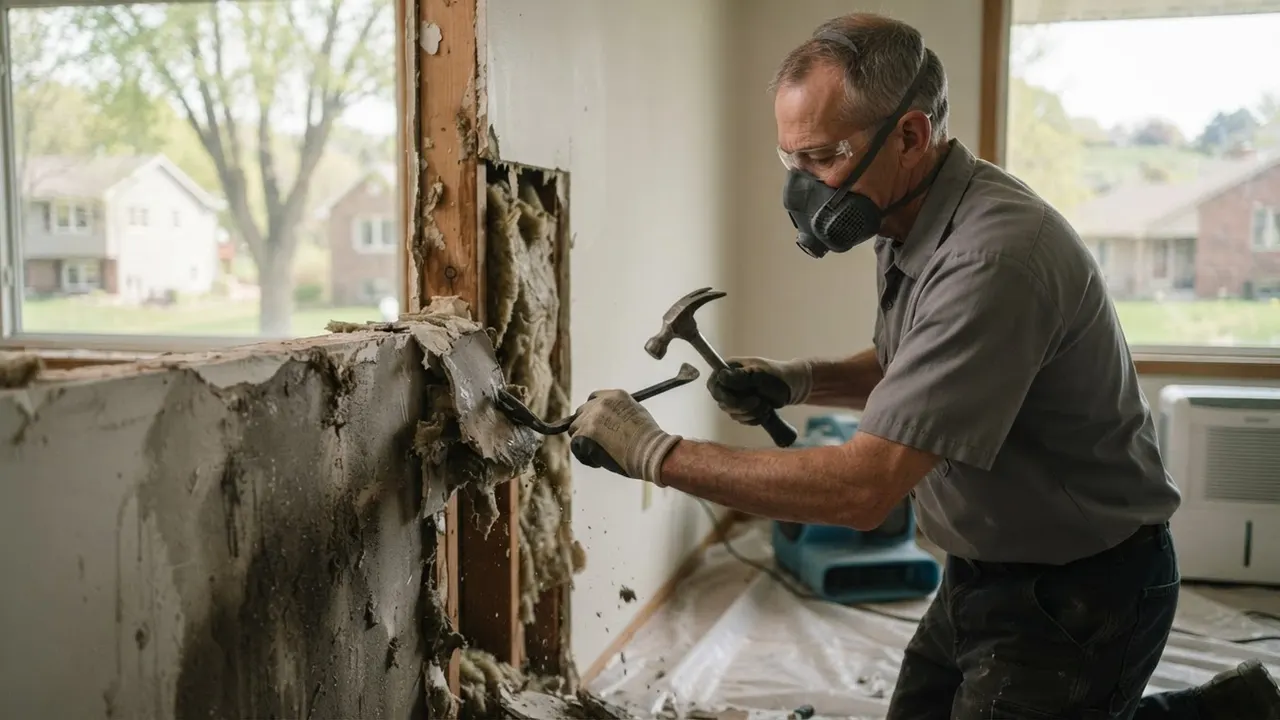
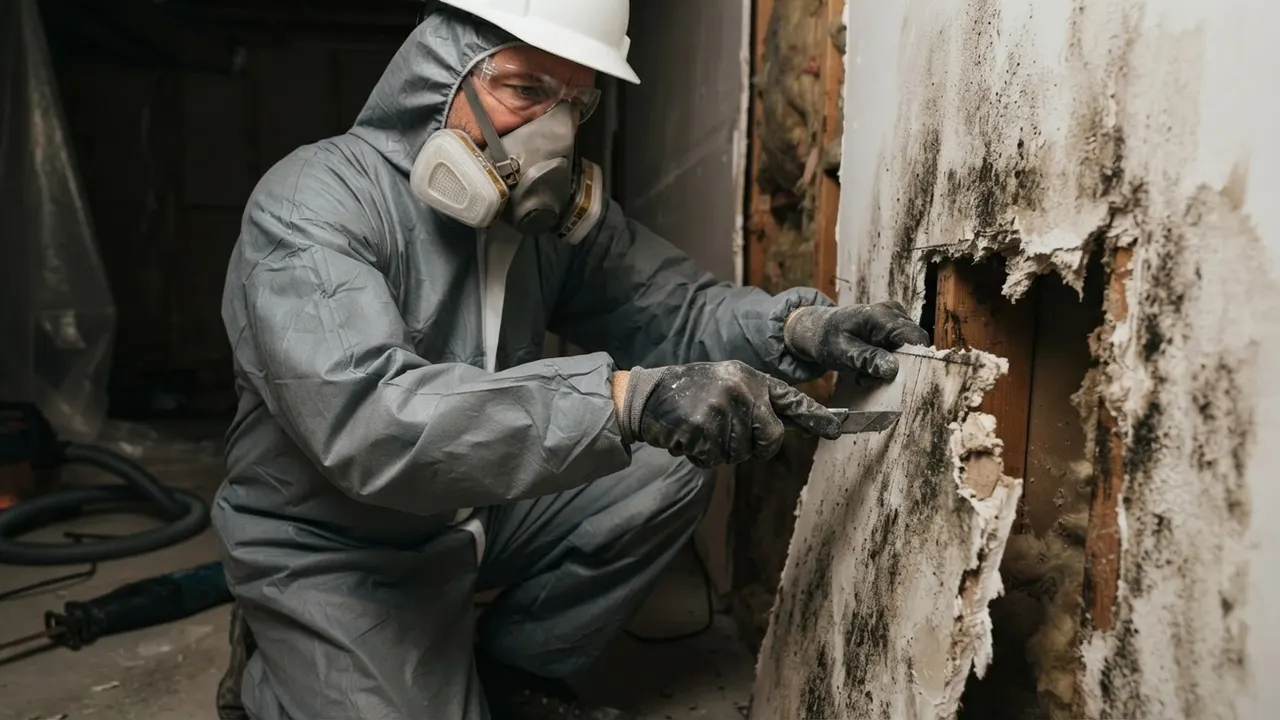
Some materials cannot be dried effectively in place, particularly when water is trapped behind a finish or insulation is saturated. We identify the affected section and explain the removal need before proceeding with that work. Drying then addresses exposed structural surfaces.
When to Call for Repair
Washer Overflow
A washer hose releases water across a laundry floor in a Hopkins home during a winter evening.
We assess the laundry room and nearby threshold, extract standing water, and check the flooring and wall edges for moisture. If the leak is still active, we help identify the immediate source-control step and explain when a plumbing professional is needed. Drying equipment follows the measured water path.
Outcome: You get a cleared floor, a documented affected area, and monitored drying instead of relying on a towel-dry surface.
Dishwasher Seepage
A dishwasher leak in Mainstreet Hopkins leaves a damp toe-kick and a faint floor-edge stain.
We inspect beneath and beside the cabinet, record moisture at the toe-kick and adjacent floor, and remove accessible water. We set targeted drying equipment when readings confirm damp materials, then revisit to check whether the cabinet base is drying or needs repair.
Outcome: The hidden cabinet edge is assessed, and you know which materials dried in place and which need follow-up repair.
Water Heater Leak
A water heater connection leaks in a basement utility room near stored boxes in Hennepin County.
We extract water from the low point, check the nearby wall and floor, and identify contents that need to be moved out of the work area. We place drying equipment according to room conditions and record follow-up readings as the basement materials dry.
Outcome: The utility area is cleared for drying, stored items are accounted for, and the restoration progress is documented.
Refrigerator Line
A refrigerator supply line seeps under kitchen flooring in a Blake Road Corridor property.
We trace the accessible moisture path from the refrigerator area toward the nearest floor edges and cabinet bases. After extraction, we use readings to guide drying and explain whether the affected flooring appears suitable for in-place drying or needs further inspection.
Outcome: You receive a clearer picture of the leak's reach and a drying plan based on measured conditions.
Downtown HopkinsMainstreetBlake Road Corridor
Appliance Leak Work Across Hopkins
Appliance leaks in Hopkins often occur in compact laundry rooms, kitchens with built-in dishwashers, and basement utility spaces where water heaters sit near finished walls. Winter cold can stress supply lines and fittings, especially near exterior walls or unheated areas; spring thaw can add dampness to basements already managing seasonal moisture. We look at the whole water path, not just the appliance footprint.
For Hopkins Minnesota appliance leak water damage restoration, our process includes source assessment, water extraction, moisture mapping, and drying checks that suit the affected materials. If you are searching for appliance leak water damage repair in Hopkins MN near me, tell us whether the leak is active, how long it ran, and whether water reached another room.
We serve Hennepin County, including addresses in ZIP codes 55343 and 55305. Work affecting regulated building materials or requiring reconstruction is assessed for the appropriate trade and applicable requirements; we do not treat an appliance leak as a plumbing repair.
Downtown Hopkins: Older and updated properties can have different floor assemblies, so we check thresholds and adjacent rooms when water leaves a laundry or kitchen area.
Mainstreet: Compact kitchens and shared walls make careful moisture mapping useful when a dishwasher or refrigerator line leaks near cabinets.
Blake Road Corridor: Basement utility spaces often place water heaters near stored belongings; we assess the floor, wall edges, and contents together.
Meadowbrook: A washer overflow can travel beyond the laundry room, so we inspect adjoining floor edges and transitions rather than stopping at the appliance.
Freezing temperatures stress exposed appliance supply lines: Cold conditions increase concern around lines routed near exterior walls or unheated spaces. We check whether water is still entering, identify the affected materials, and focus extraction and drying on the actual path from the appliance.
Basement utility rooms combine appliances and finished materials: A water heater leak can reach drywall, stored contents, and floor coverings within a small area. We separate belongings from the drying zone and check nearby materials so the restoration addresses more than the visible puddle.
We walk through the affected area and explain the initial findings.
We protect nearby contents and set up extraction or drying equipment.
We check moisture readings and review practical next steps with you.
From Problem to Finished Result.
IllustrativeThe thermal view is generated from the photograph. It is not a measurement. Drag the handle, or use the arrow keys once it is focused.
Washer Overflow Across Flooring
Before: A washer hose released water across the laundry floor and into the hallway edge. The surface looked mostly dry after towels were used, but the floor transition and lower wall still showed elevated moisture. Stored baskets and a small cabinet also blocked access to part of the affected area.
After: We cleared the work area, extracted remaining water, and placed two air movers with a dehumidifier. Follow-up checks over three days showed the recorded floor and wall readings moving toward dry comparison areas. The customer received photos and a simple record of the affected threshold.
Check washer hoses and shutoff connections periodically, and replace visibly cracked or bulging lines. Keep the floor transition clear enough to spot a leak early, and close the appliance valves when the washer will be unused for an extended period.
Dishwasher Cabinet Base Seepage
Before: A slow dishwasher leak left the cabinet toe-kick swollen and the neighboring floor edge damp. The leak had not created a large puddle, so the visible stain understated how far moisture had traveled beneath the cabinet face.
After: We removed accessible water, checked the cabinet base and adjacent flooring, and set focused drying equipment. Moisture checks over two days helped identify the areas drying in place. The appliance connection was referred for repair before the restoration area was closed.
Look for dampness at the cabinet toe-kick and floor edge after dishwasher cycles. Address drips at the source promptly, and avoid storing items tightly against the cabinet base where they can conceal early signs of seepage.
Basement Water Heater Leak
Before: A leaking water heater connection left water on the basement utility-room floor and dampened the bottom edge of nearby drywall. Boxes were stored close to the heater, and the leak source needed attention before drying could proceed.
After: We removed standing water, moved affected contents out of the work zone, and checked the wall and floor. A dehumidifier and air movers ran during monitored drying; readings were reviewed over four days. The customer received a photo record and next-step notes for wall repair.
Keep the area around a water heater clear enough to spot drips and access shutoffs. Inspect the floor and connection points during routine household checks, especially before leaving the property vacant during cold weather.
Problems Solved by Appliance Leak Cleanup
A small appliance leak can create a larger restoration issue when water gets beneath flooring or behind cabinets. We focus on the hidden edges as well as the visible wet area, so drying work follows the actual moisture path.
Washer water spreadWasher overflow soaking flooring and the hallway thresholdWater beneath flooring can swell edges and dampen adjoining materials. If the threshold stays wet, damage may extend beyond the laundry room before it becomes obvious. We extract standing water, check the laundry floor and adjoining threshold, and use moisture readings to map the affected area. Air movers and dehumidification target the wet materials. For washing machine leak water damage cleanup in Hopkins Minnesota, we also document the drying progress so you can follow what changed between visits.
Wet cabinet baseDishwasher seepage swelling a cabinet baseA slow leak can remain hidden under the appliance and soften a cabinet toe-kick or floor edge. Surface wiping alone will not remove moisture trapped behind the cabinet face. We inspect the cabinet base and adjacent flooring, extract accessible water, and check how far dampness has traveled. We dry materials that remain suitable for in-place restoration and identify damaged components that need repair or replacement. The appliance connection itself should be corrected so new water does not undo the drying work.
Basement heater leakWater heater leak reaching basement wallsWater around a basement heater can move along the floor and wick into drywall or stored contents. Damp materials left behind can create persistent odor and complicate later repairs. We remove water from the utility area, check nearby wall and floor materials, and move or protect contents as appropriate. Drying equipment is set to suit the room and monitored with follow-up readings. A plumber addresses the leaking tank or connection while we handle the resulting property damage.
Hidden floor moistureRefrigerator supply line dampening hidden flooringA slow refrigerator-line leak can spread beneath finished flooring and cabinets without leaving a large puddle. Delayed discovery makes it harder to see the full path from the appliance. We inspect accessible floor edges, nearby cabinet bases, and adjoining rooms for moisture. Extraction removes free water, and targeted drying addresses materials that readings show are damp. We record the affected area and explain whether the flooring can dry in place or needs further evaluation.
Dryer Rooms, Fewer Surprises
Measured drying helps you understand what was wet and how the restoration is progressing.
Find Hidden Moisture
We check beyond the puddle with a moisture meter and, where conditions call for it, a thermal imaging camera. That helps us identify damp drywall, toe-kicks, and flooring edges without opening every surface. For washing machine leak water damage Hopkins, careful mapping helps target drying equipment to the areas that need it.
Remove Water Promptly
A wet/dry vacuum or extraction equipment removes accessible water before it spreads farther into flooring and underlayment. We also use a sump pump when collected water is deeper or concentrated in a low area. Clearing standing water first gives the drying stage a better start.
Track Drying Progress
Air movers direct airflow across wet surfaces while a dehumidifier pulls moisture from the room. We take follow-up readings instead of relying on touch alone, and adjust equipment when the readings show a slow-drying section. You can see which areas have reached the agreed drying goals.
Document Affected Areas
Photos, moisture readings, and a clear work record help you understand the damage and explain the restoration work to your insurer. For dishwasher leak water damage repair near me Hopkins MN, documentation can distinguish the wet cabinet base from adjacent surfaces that stayed dry.
What You Receive
Clear records you can keep and share.
Photo Log
Images of affected areas and work progress
Moisture Log
Recorded readings from checked materials
Work Summary
Description of extraction and drying activities
Next Steps
Notes on remaining repair or trade needs
Extraction and Drying Are Different
Removing visible water is only one stage; damp building materials need separate assessment and monitored drying.
Standing Water
Free water on floors or collected in low areas.
Extract before drying
Check adjoining edges
Protect nearby contents
Damp Materials
Moisture held in flooring, drywall, or cabinet components.
Measure suitable surfaces
Direct airflow carefully
Recheck drying progress
Repair Needs
Materials or appliance connections requiring separate correction.
Identify damaged finishes
Correct leak source
Coordinate follow-up work
Areas and Materials
Hard flooring
Carpet
Cabinet bases
Drywall
Insulation
Underlayment
Stored contents
Utility rooms
Service ZIP Codes.
A list like this tells people straight away whether you cover their street. Not listed? Call and ask: it only takes a minute.
Our washer hose failed while we were out, and water reached the laundry floor and the hallway edge. The crew checked beneath the trim, removed the standing water, and set drying equipment in the affected area. They explained the readings at each visit, which made it easy to understand why the hallway needed attention too.
A slow dishwasher leak had swollen the cabinet base before we noticed the water. The team checked the adjoining floor, photographed the affected spots, and set a dehumidifier after extraction. They were clear about which restoration tasks they handled and which appliance repair needed a separate technician.
A water heater connection leaked in a basement utility room and dampened nearby stored items. The crew removed the water, checked the wall and floor, and returned to take follow-up readings. Their notes gave us a straightforward record of the affected area and the drying progress for the property file.
Appliance Leak Repair Questions
The price depends on water volume, affected materials, access, and drying time. We assess the actual damage before explaining the work and pricing. Appliance repairs, plumbing repairs, and finish reconstruction can be separate trades, so the restoration cost should be understood as the water-damage portion of the job.
Stop the washer, shut off its water valves if safe, and keep people away from wet electrical equipment. Move dry belongings out of the affected area, but do not pull up flooring or cut walls before the damage is assessed. Call us for washing machine leak water damage cleanup in Hopkins Minnesota so we can extract standing water, check nearby materials, and set drying equipment where readings support it.
Home insurance coverage depends on your policy, the cause of the leak, and how the damage occurred. Sudden accidental leaks are treated differently from long-term seepage or maintenance issues, so review your policy and contact your insurer. We document affected areas with photos and moisture readings to help explain the restoration work. Your insurer makes the coverage decision, not the restoration contractor.
Choose a Hopkins company that documents moisture, explains extraction and drying, and distinguishes property restoration from appliance or plumbing repair. Ask how readings are tracked and what materials were affected. For water heater leak water damage restoration Hopkins MN, we inspect surrounding walls and floors, extract water, and monitor drying; a qualified plumbing or appliance professional addresses the failed unit or connection.
Tell us which appliance leaked, when you found the water, and which rooms are affected. Hopkins Water Damage Company will discuss the next steps and arrange an assessment. Call (833) 546-4116 to get the conversation started.
Call Hopkins Water Damage Company at (833) 546-4116 to describe a leak, fire, mold concern, or basement water problem. We connect you with independent companies serving Hopkins, Minnesota, including ZIP codes 55343 and 55305. Tell us the property type, affected area, and whether the source is still active so the provider can understand what help you need.