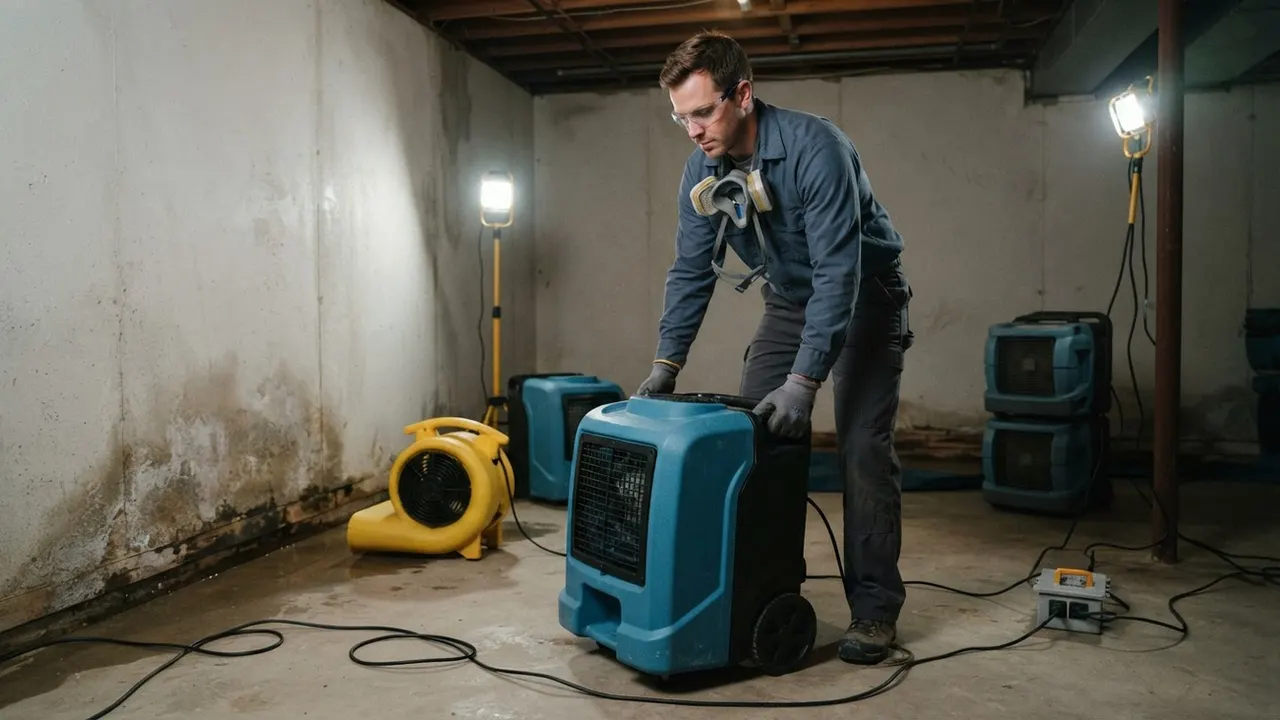
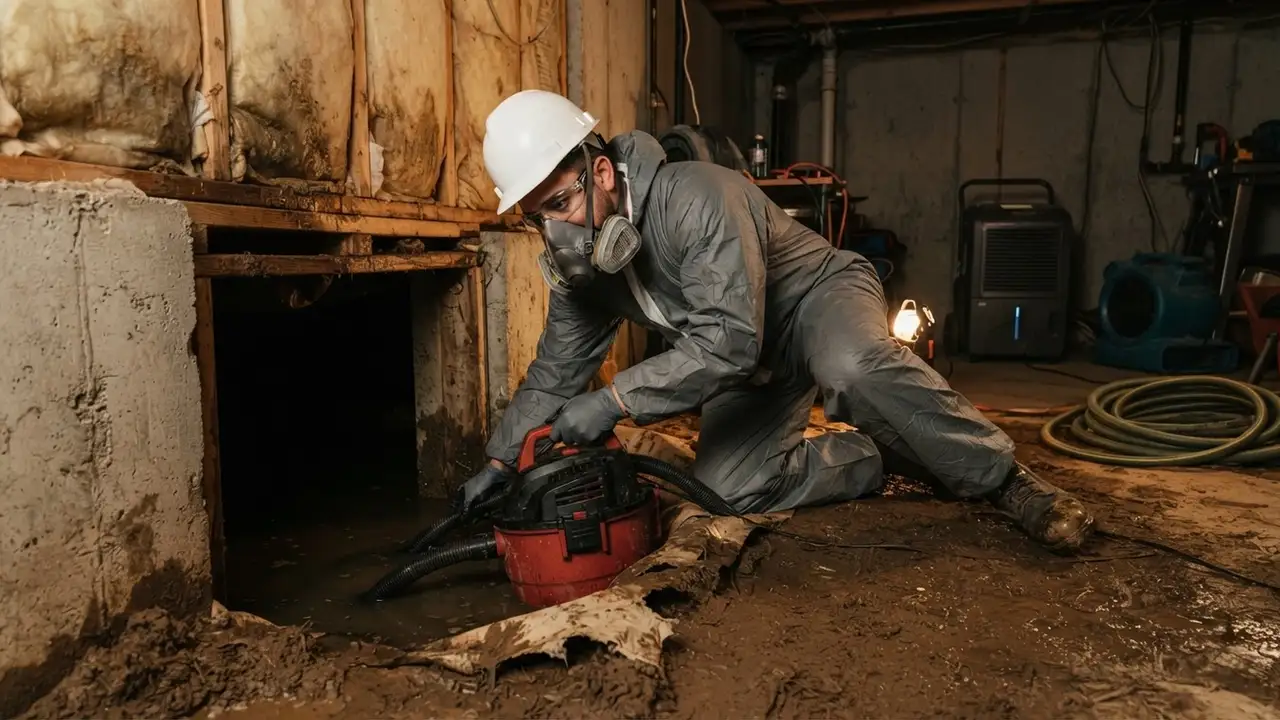
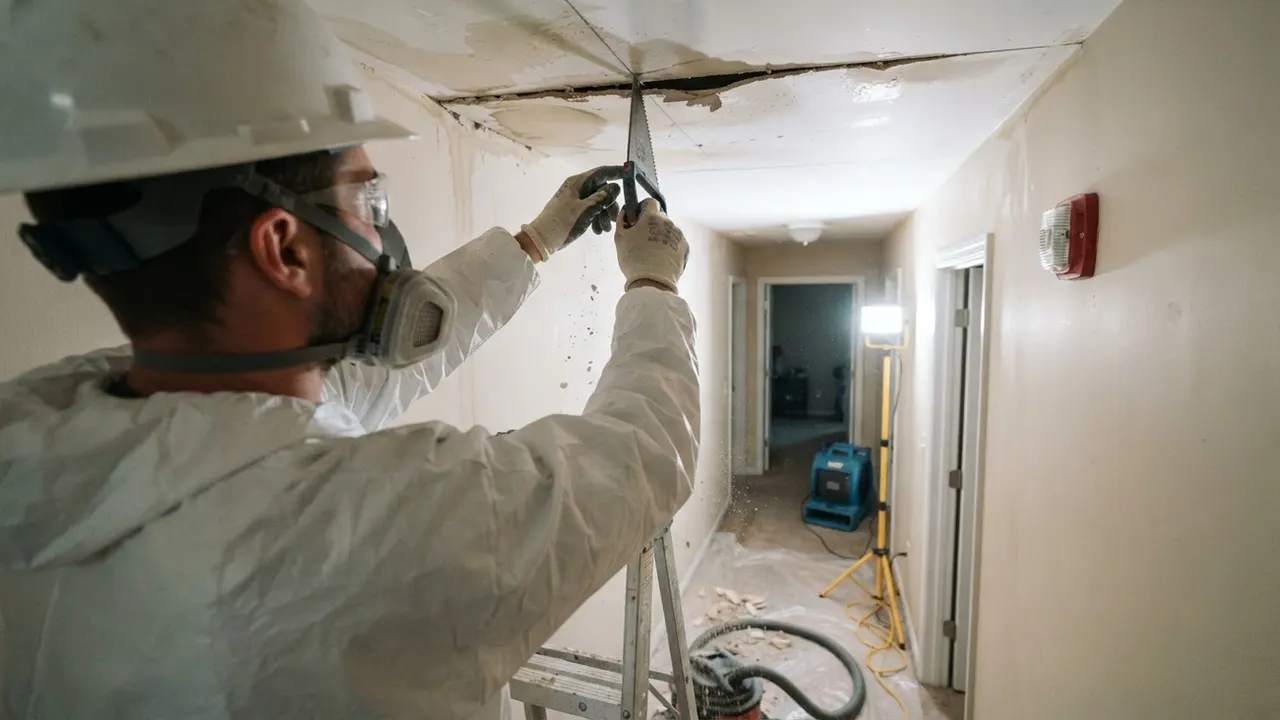
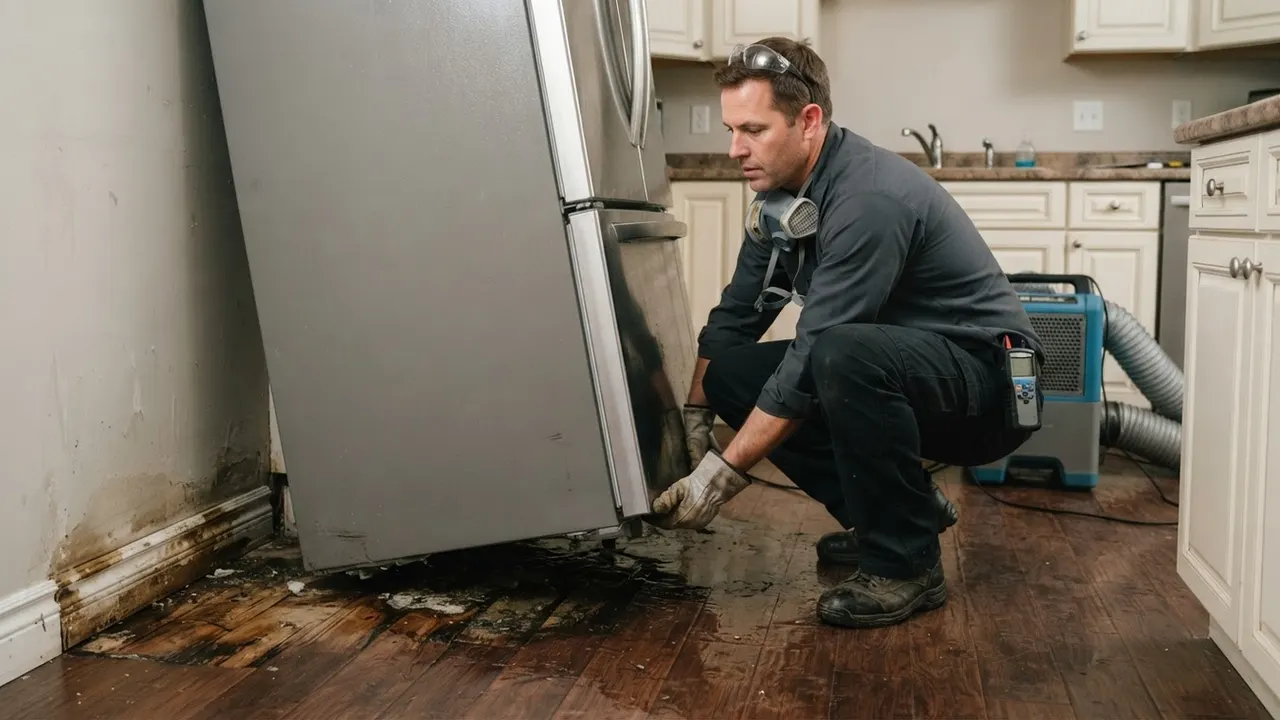
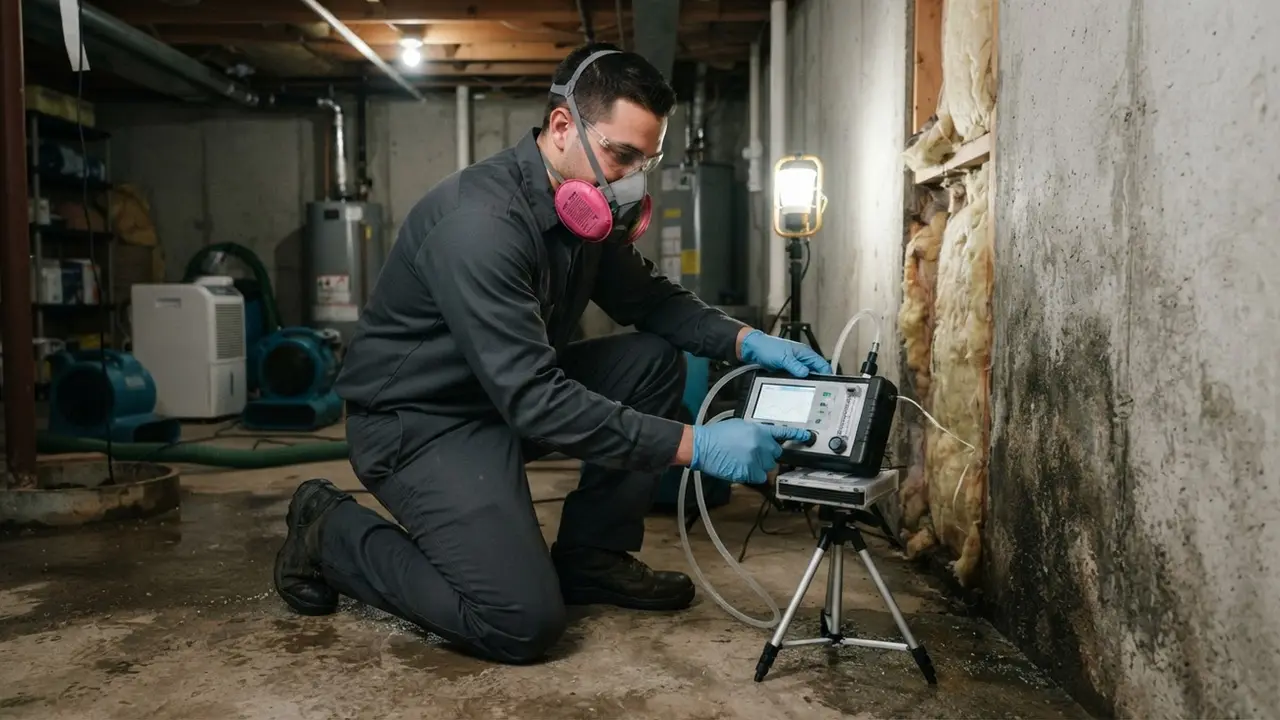
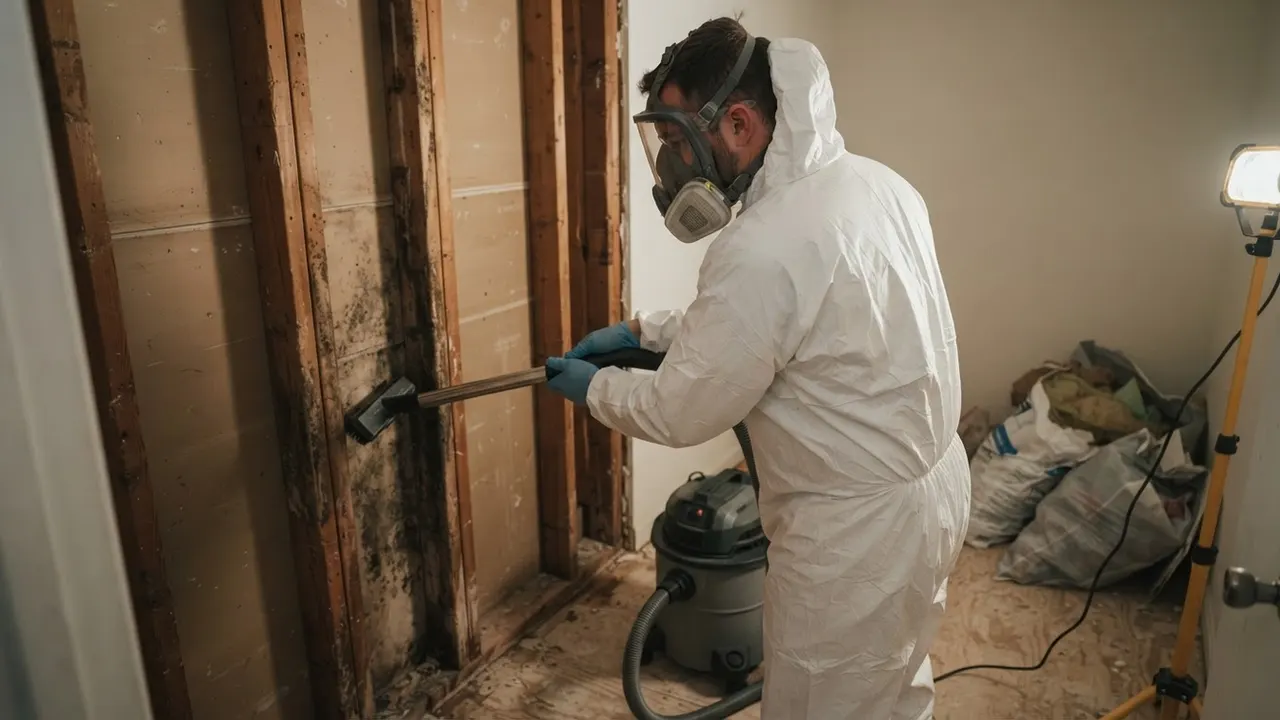
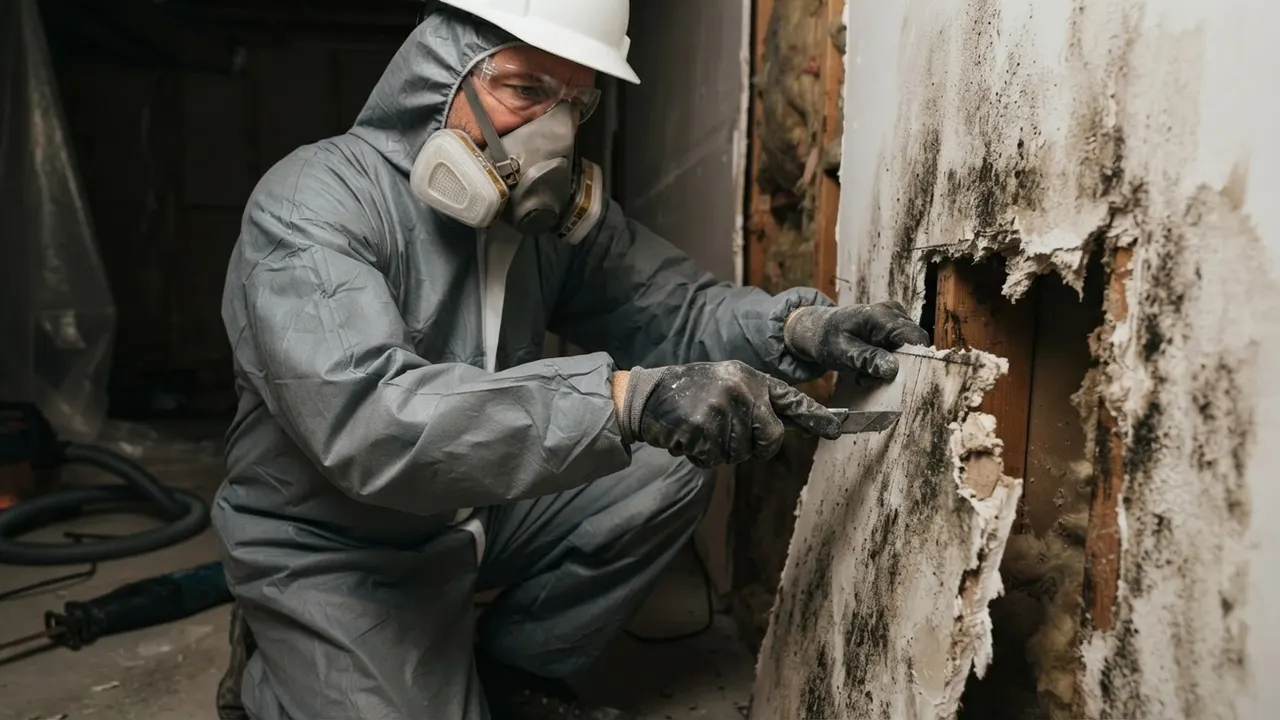
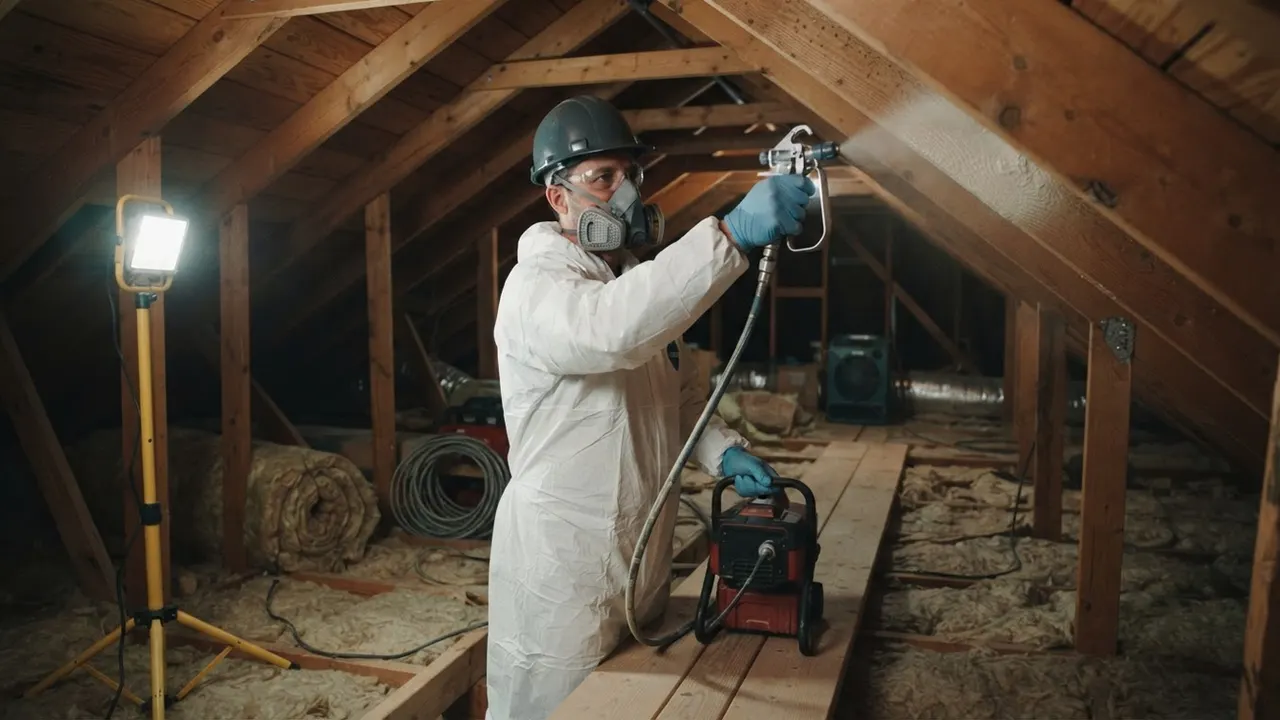
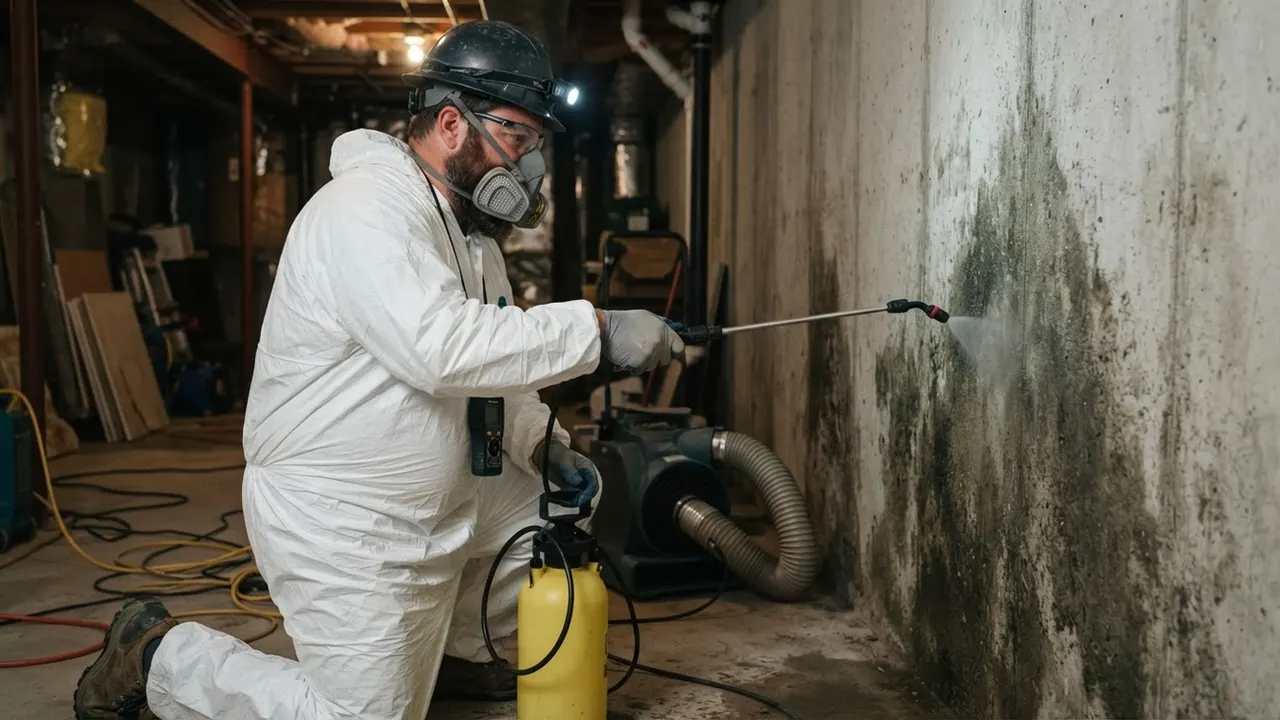
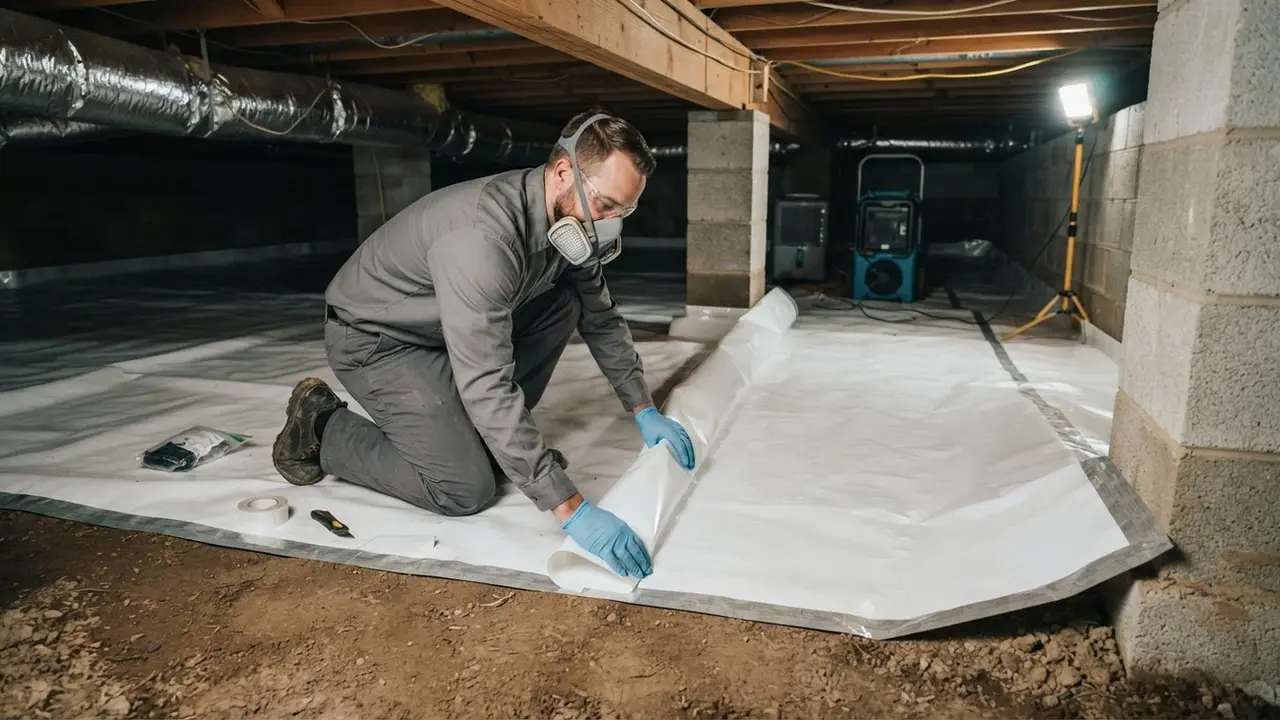
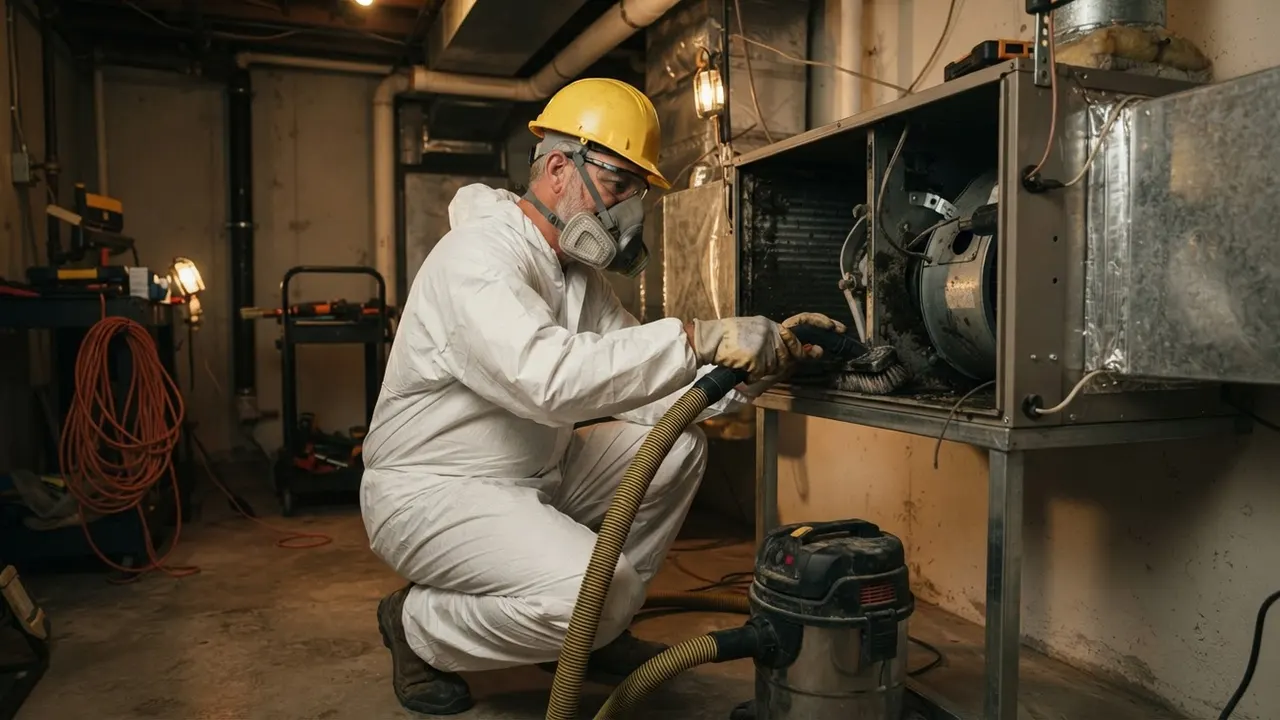
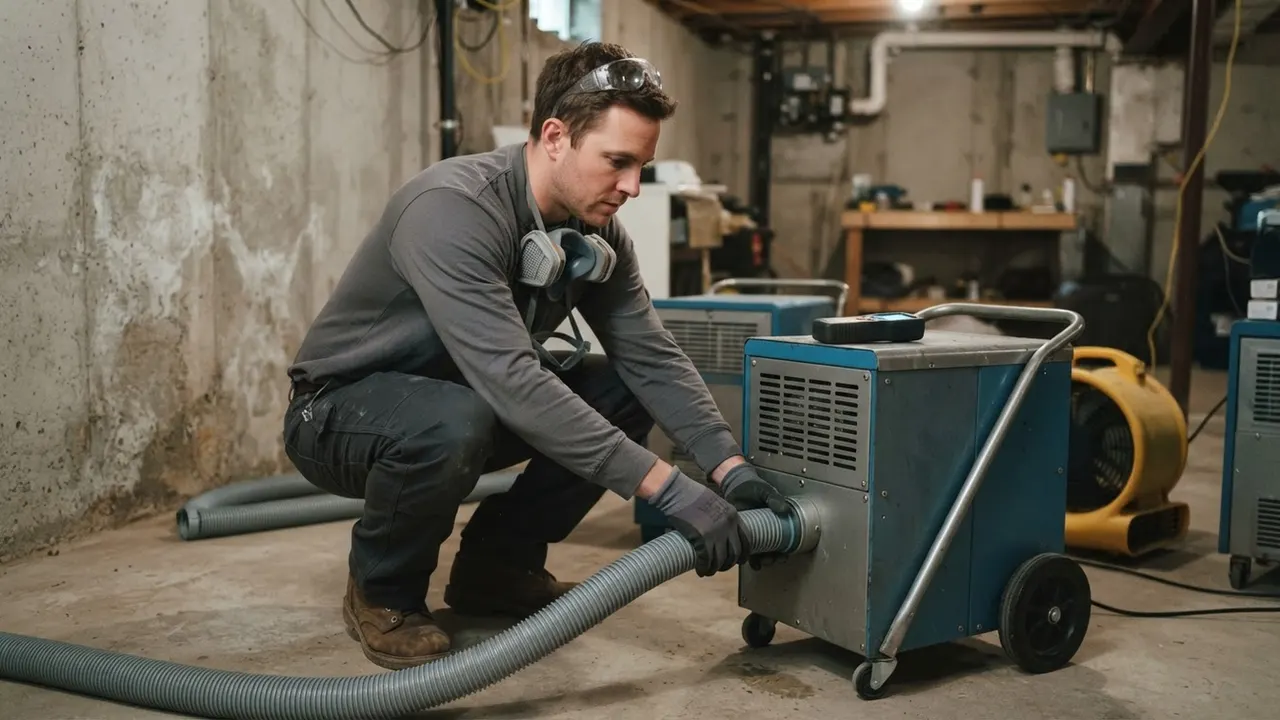
Pipe burst water damage repair Hopkins MN helps homeowners and property managers limit damage after a sudden leak, split pipe, or frozen line. Our team traces water spread, coordinates the plumbing repair, extracts standing water, and dries affected materials. For burst pipe repair Hopkins MN, call us when a ceiling starts dripping, a basement floor floods, or water reaches walls and insulation; acting promptly helps keep a repairable room from becoming a larger reconstruction job.
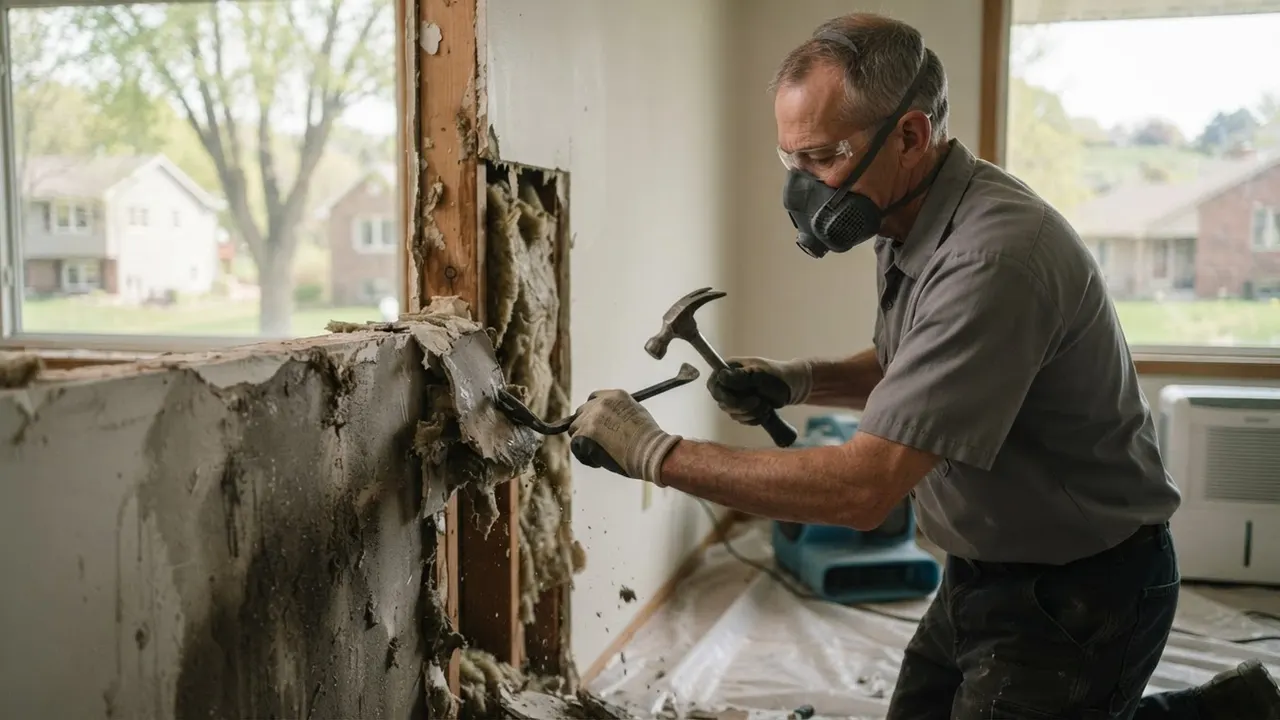
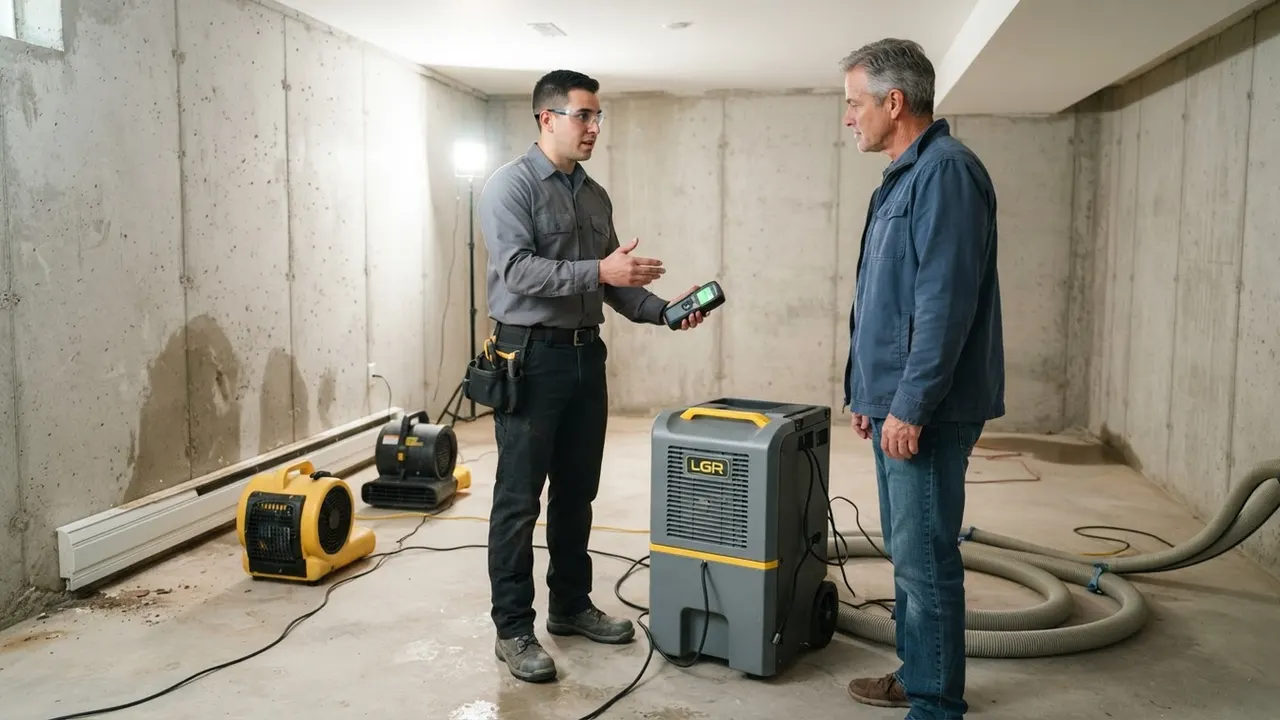
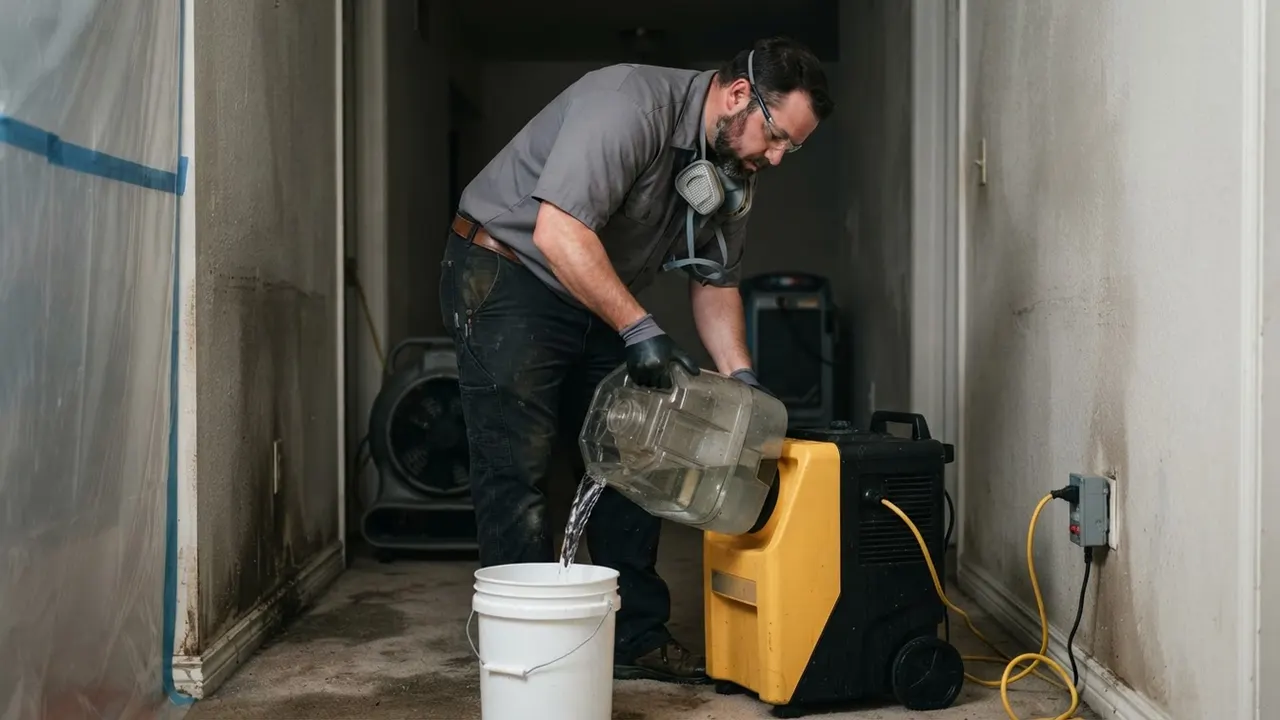
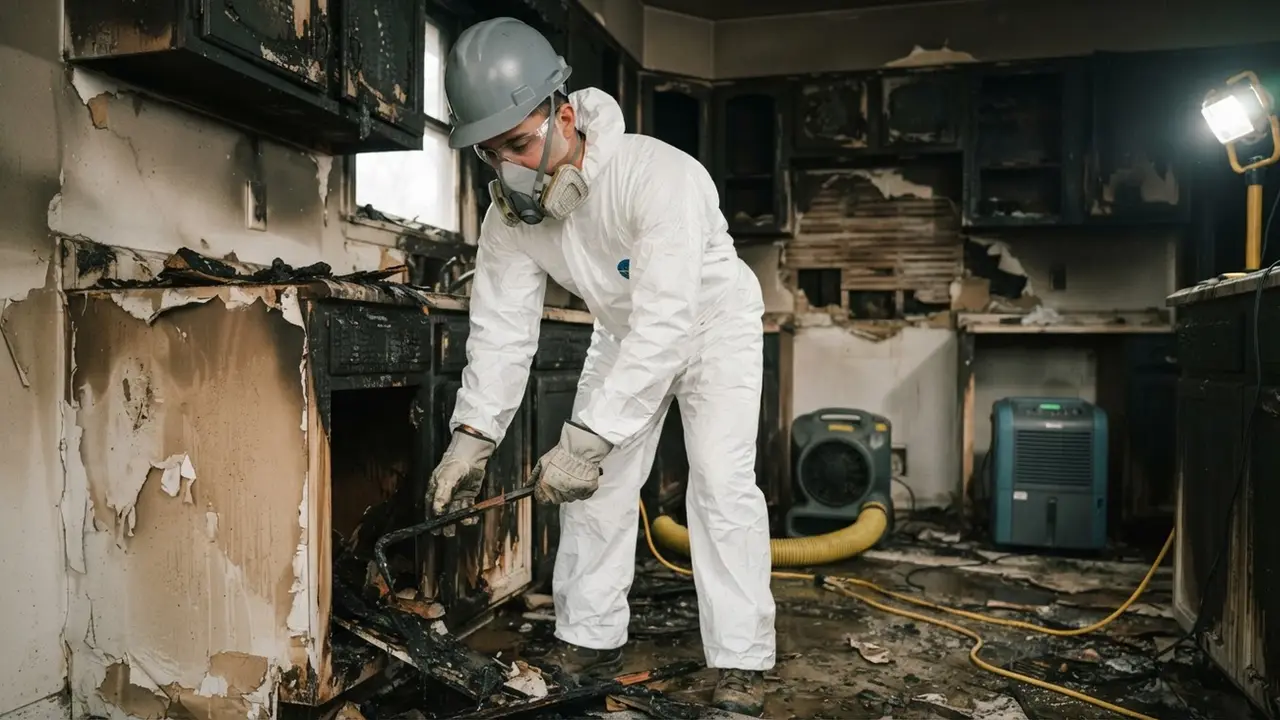
Room walkthroughWe show affected areas before setup.
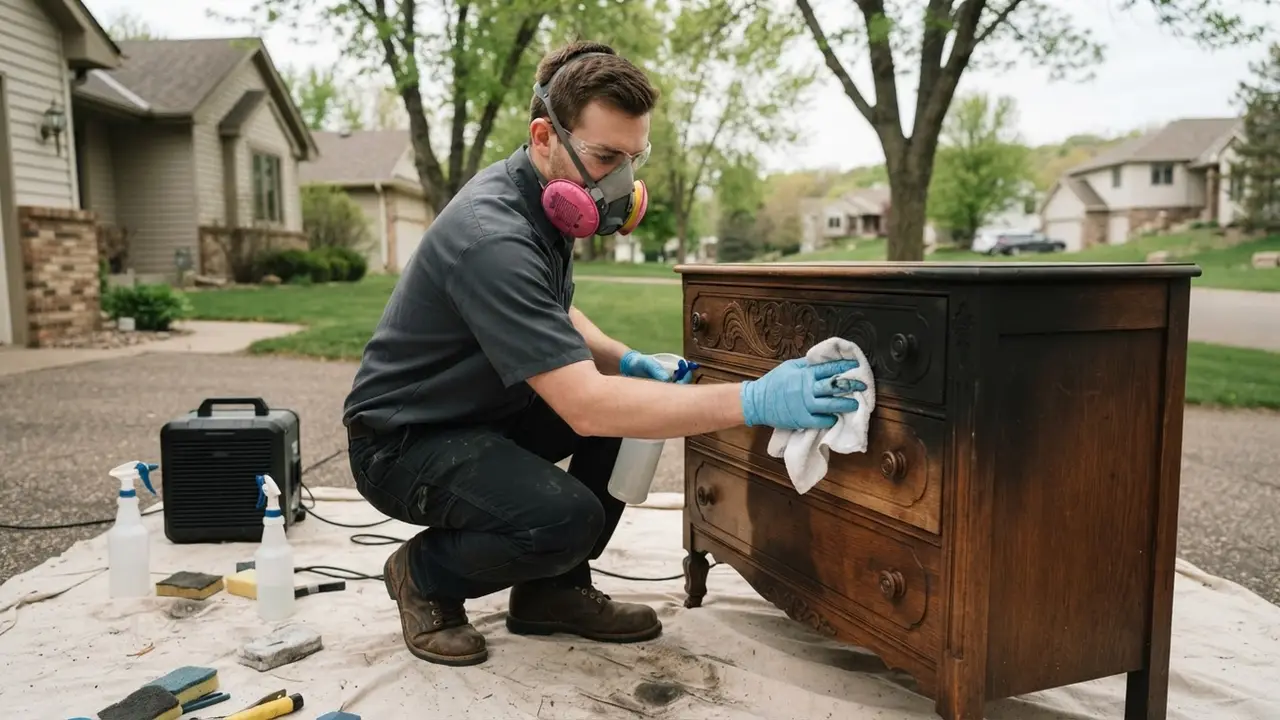
Surface protectionWe protect clear paths and belongings.
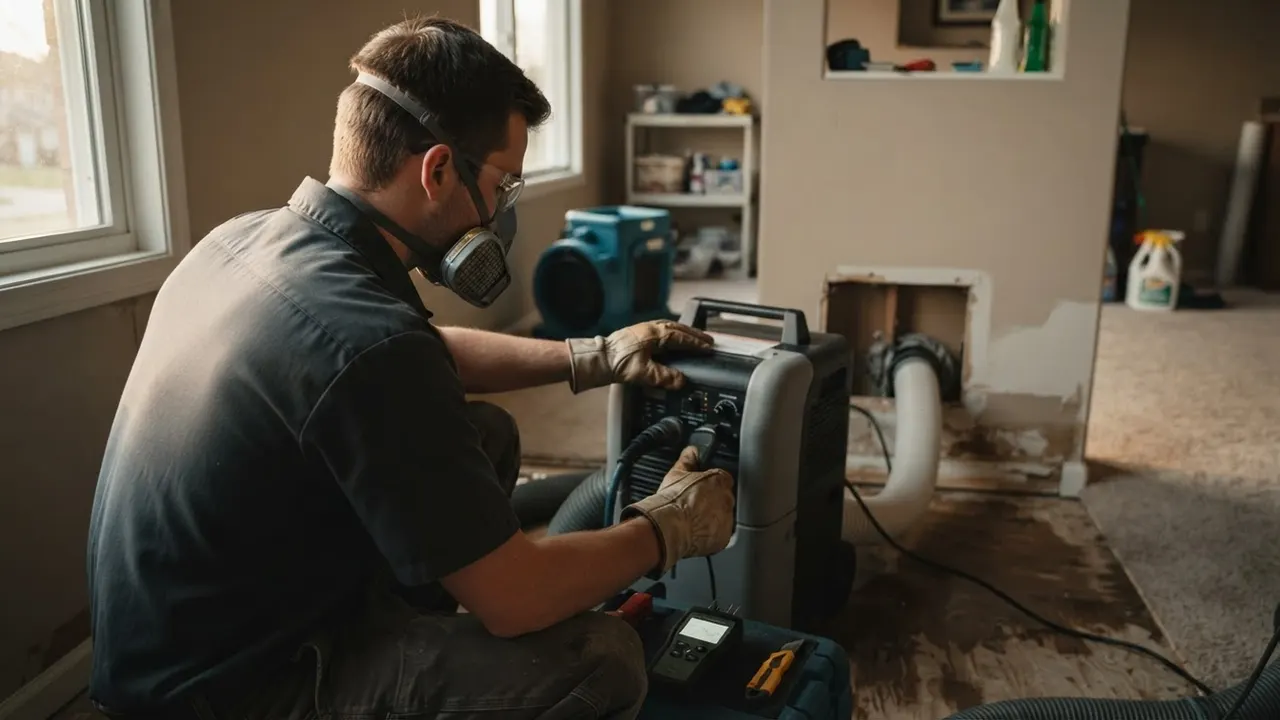
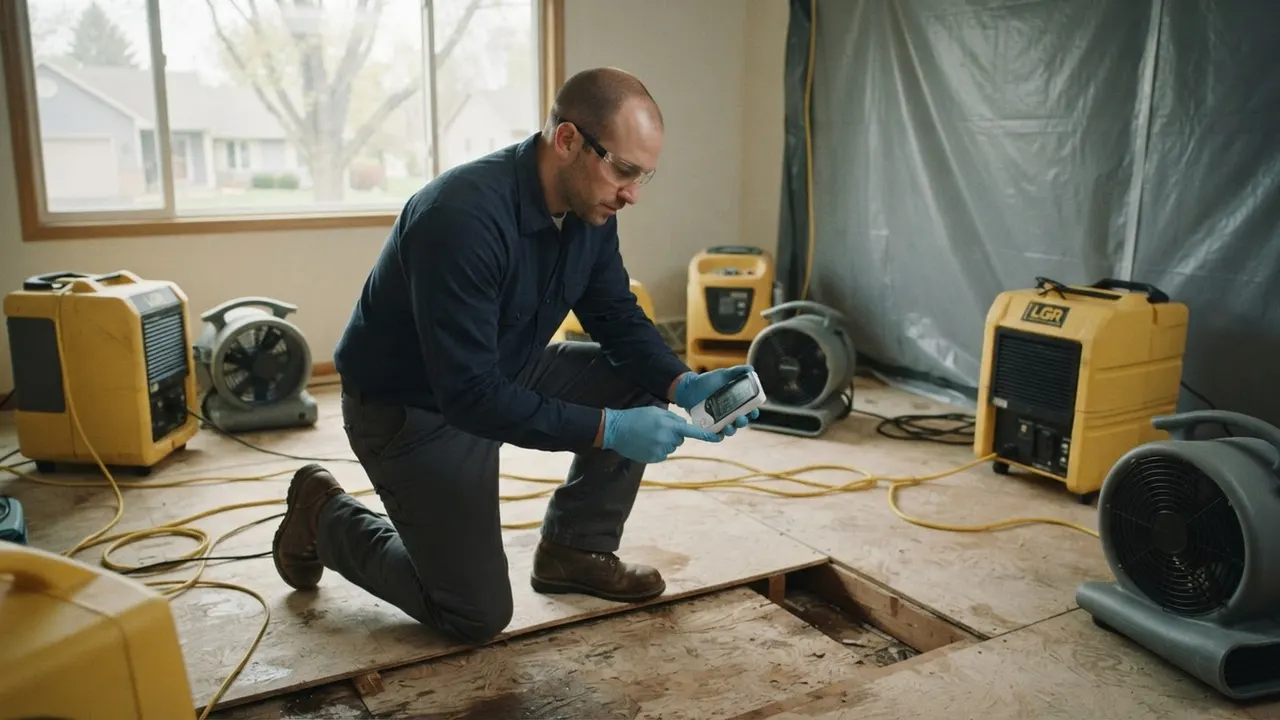
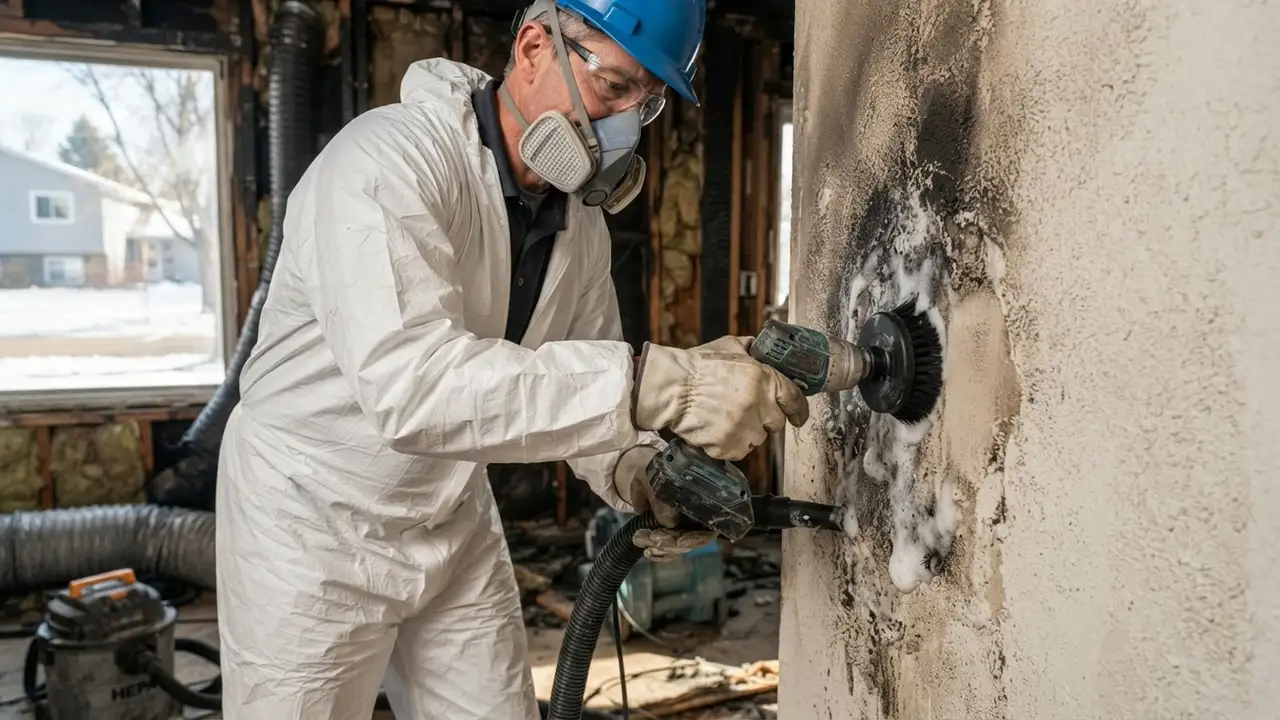
Reading notesWe record checks during drying.
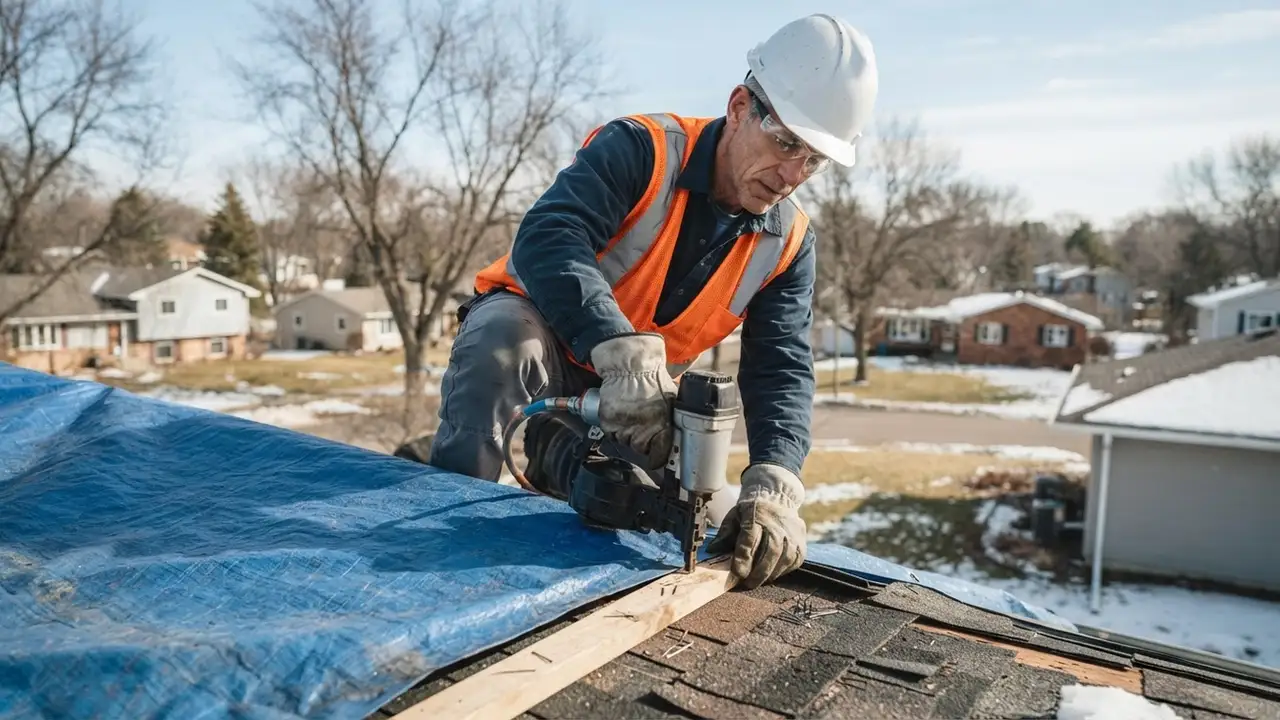
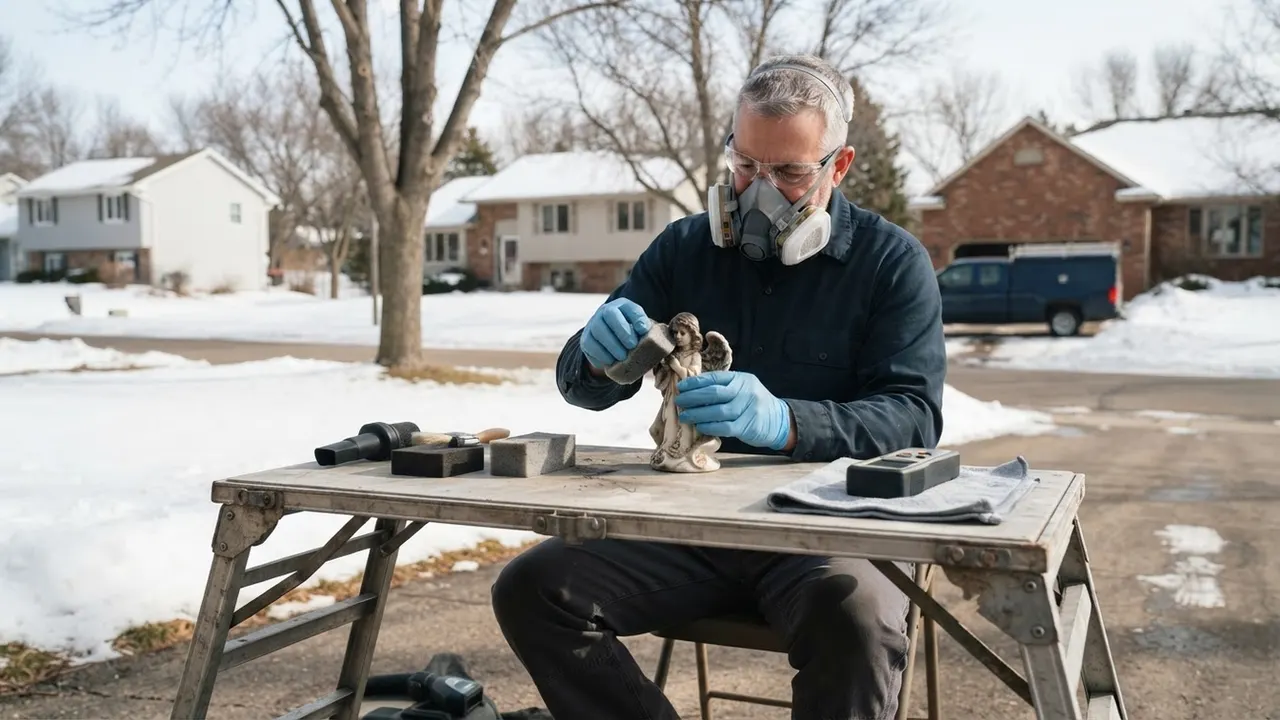
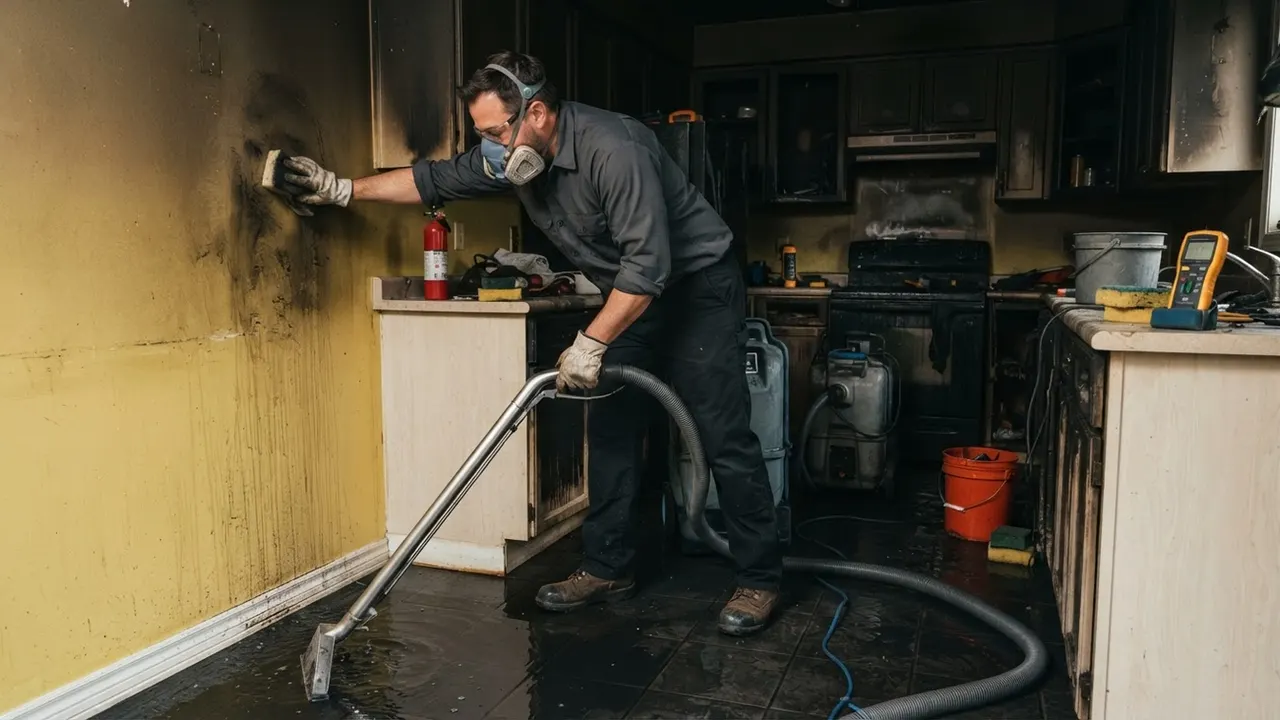
Next-step reviewWe explain what happens next.
What Pipe Burst Repair Includes
Pipe burst service covers water extraction, inspection of affected materials, controlled drying, and progress checks. We also document the visible condition and explain what needs removal or repair. Plumbing work to replace a failed pipe is handled by the appropriate plumbing professional; reconstruction and specialized mold remediation are addressed when the inspection shows they are needed.
Affected-Area Inspection
We inspect the visible leak area and nearby rooms, including wall edges, ceilings, flooring, and accessible cavities. This helps identify water that traveled beyond the first stain and informs the extraction and drying plan.
Standing-Water Extraction
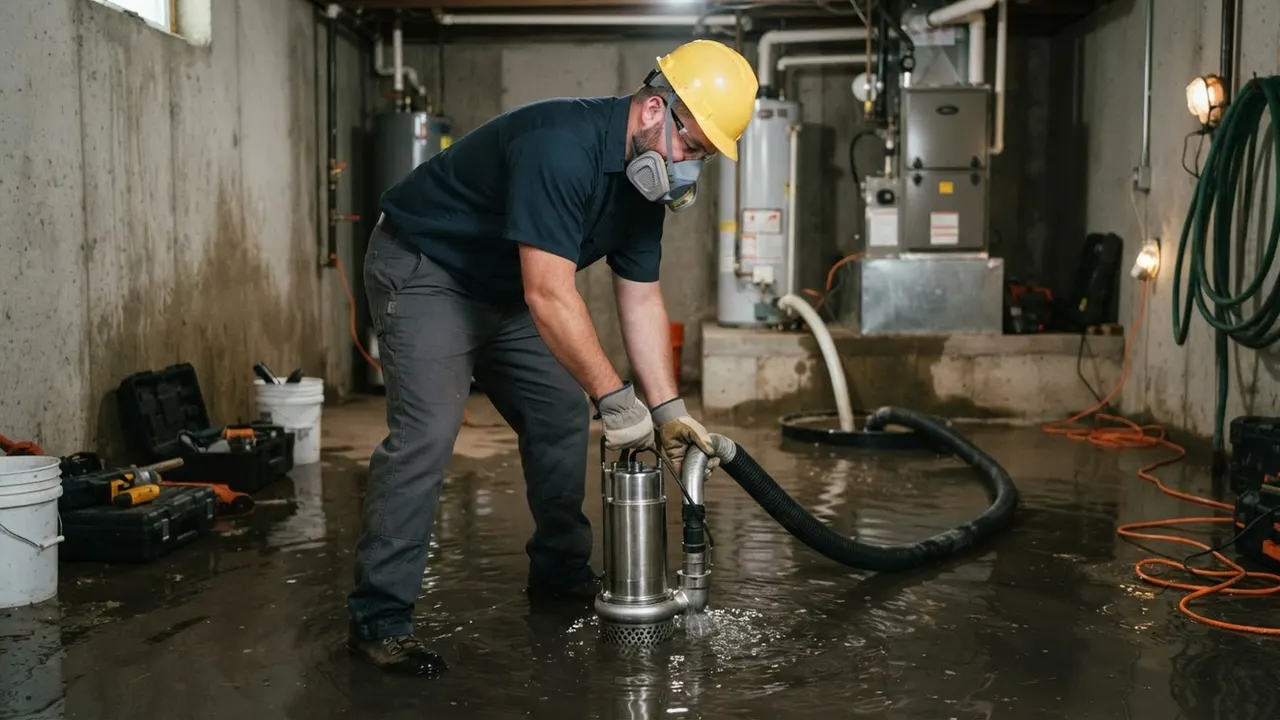
We remove pooled water from floors and other accessible surfaces using equipment suited to the amount and location. Clearing standing water reduces ongoing contact with flooring, belongings, and lower wall materials.
Moisture Checks
We measure affected materials and compare readings during follow-up visits. Those checks help us decide whether drying equipment needs adjustment or whether wet drywall and insulation require removal for access.
Drying Setup and Monitoring
We position air movers and dehumidification equipment to address the materials identified during inspection. We return to review progress, explain changes, and help you understand when the affected area is ready for repair work.
Damage Documentation
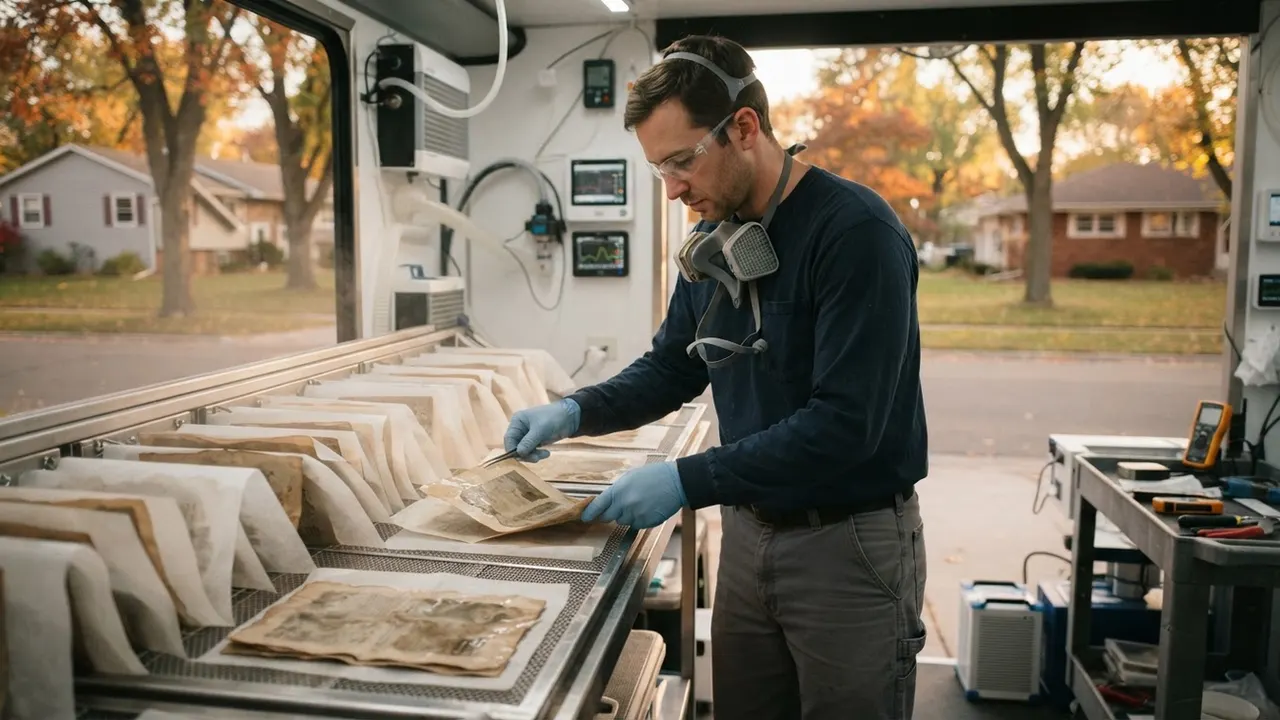
We record observed damage, moisture checks, and equipment placement as the job progresses. These practical records help you keep restoration details organized while coordinating with your plumber, property manager, or insurer.
Homes and Businesses.
The approach is the same for a home and a business. What changes is the access, the schedule and who needs the paperwork.
Homes and Rentals
We inspect the leak path through your home, from the visible stain to nearby walls and flooring. You get clear updates while we protect access and dry affected materials.
Basement line leak near stored boxes
Bathroom pipe leaking into ceiling
Washer hose wetting adjoining flooring
Business Properties
We coordinate room access with owners and property managers while checking affected ceilings, walls, and floors. You receive practical updates for occupants and repair planning.
Upstairs unit leak over retail space
Supply line failure near office equipment
Shared ceiling damage in multi-unit building
Pipe Burst Water Damage Repair Hopkins MN
A plain-language look at what Pipe Burst Water Damage Repair involves and when it is needed.
Pipe burst water damage repair Hopkins MN is water damage restoration that removes water and dries building materials after a plumbing line breaks. We first help stop active water intrusion, then inspect affected rooms, extract water, and set up controlled drying. A Moisture meter and Thermal imaging camera help us check beyond visible stains, including drywall, flooring edges, and nearby insulation. We document conditions and monitor readings so you can see which materials are drying and where removal or rebuilding is needed.
Hopkins homes and commercial spaces face burst lines during hard Minnesota freezes, but failures also happen at joints, supply connections, and aging plumbing. Hopkins Minnesota pipe burst water damage restoration is especially useful when water travels from an upper-floor bathroom into a ceiling or collects below a basement pipe. If you are searching for pipe burst water damage repair in Hopkins MN near me, tell us where the water appeared, when it started, and whether the shutoff is closed.
Stop the water source, remove standing water, and verify drying across affected materials.
What it is
Water extraction and structural drying after a pipe break affects building materials.
When needed
A broken or leaking line has wet floors, walls, ceilings, or belongings.
What to expect
Inspection, extraction, drying equipment, moisture checks, and repair planning.
What to Expect During Service
Pipe burst water damage repair in Hopkins starts with the source and the extent of wet materials. We explain the immediate priorities, protect workable areas, and keep you involved as extraction, drying, and repair preparation move forward.
Stop Active Water
We begin by asking where the water is coming from and whether you have closed the nearest shutoff. If water is still flowing, we help identify the next safe step and coordinate the plumbing repair needed to stop it. On arrival, we check visible leaks and nearby electrical or slip hazards before setting equipment.
Shutoff
Source check
Safety
Map the Wet Area
We walk the affected rooms with you, note when the leak began, and inspect adjoining walls, ceilings, and floors. A Thermal imaging camera can help locate temperature patterns associated with moisture, while a Moisture meter gives material readings. This assessment often takes about 30 to 90 minutes, depending on access and the number of rooms.
Walkthrough
Moisture map
Photo notes
Extract and Protect
We remove standing water with suitable extraction equipment and protect furnishings or belongings that remain in the work area. If water reached a carpet edge, cabinet toe-kick, or basement low spot, we address those locations rather than only the obvious puddle. You will know what must stay clear while extraction and setup are underway.
Extraction
Clear access
Surface check
Set Drying Equipment
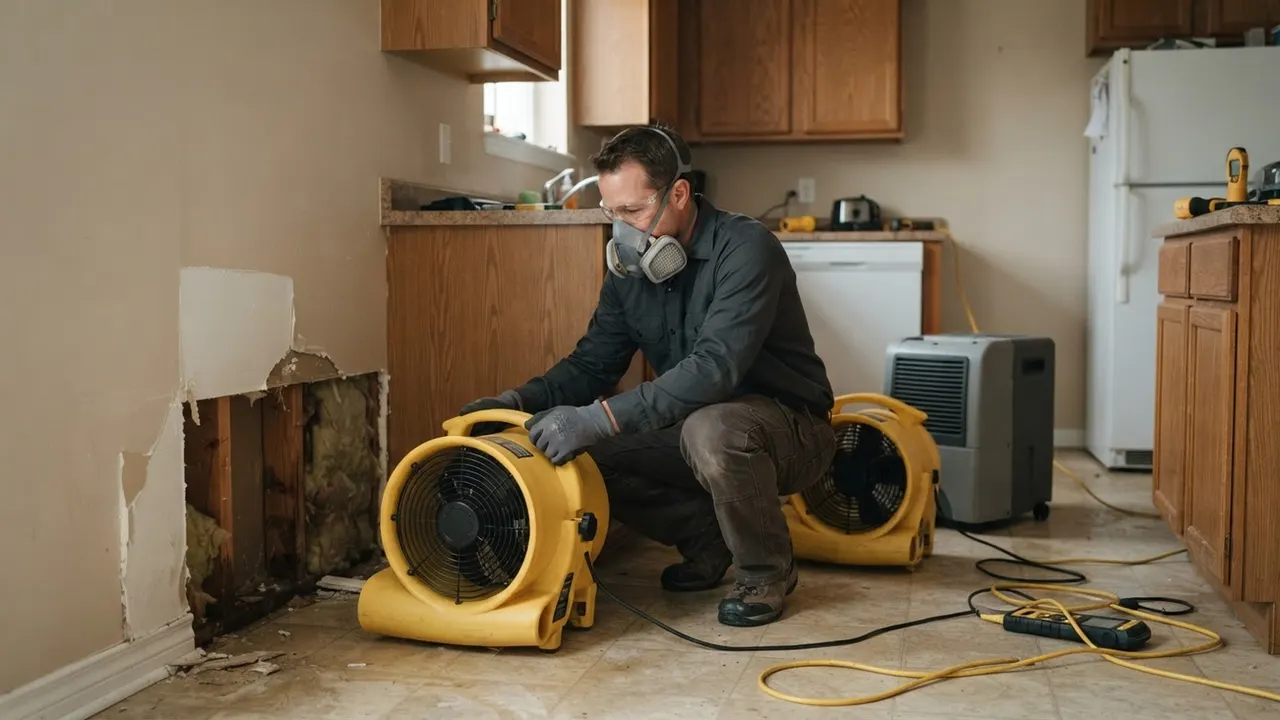
We place Air mover units and a Dehumidifier to move moisture out of affected materials and into the air for collection. Equipment may run for 3 to 5 days, with the exact duration guided by readings, material type, and room conditions. We explain daily access and basic precautions before leaving the equipment in place.
Airflow
Dehumidification
Monitoring
Verify and Plan Repairs
We return to check moisture readings, adjust equipment, and decide whether wet drywall or insulation needs removal. Once affected materials reach appropriate drying targets, we review the next steps for patching, finish work, and final cleaning. You receive a summary of the work performed and the remaining repair plan.
Readings
Repair plan
Closeout
Tools and Drying Methods
Move across a circle, or focus it and press Enter, for an illustrative thermal view of the photograph.
Thermal Imaging Camera
We use temperature patterns to guide inspection around visible water damage and identify areas that need closer moisture checks.
Moisture Meter
This tool measures moisture in suitable building materials, helping us compare conditions during inspection and follow-up visits.
Air Mover
Air movers direct airflow across wet surfaces to support evaporation as part of a controlled structural drying setup.
Dehumidifier
A dehumidifier removes moisture from room air, supporting drying when wet materials release water into the space.
Wet/dry Vacuum
We use a wet/dry vacuum to remove accessible pooled water from floors and other suitable surfaces.
Thermal views are illustrative, generated from the photographs.
Methods
Source control before drying
Drying equipment cannot solve an active leak. We first establish whether water is still entering and help identify the shutoff or plumbing repair needed to stop it. Once the source is controlled, extraction and drying can address the water already inside the building.
Moisture mapping
We compare affected and nearby materials to understand how far water traveled. Readings, visual inspection, and access conditions guide the decision to dry in place or remove material. This prevents a plan based only on the visible stain or the room where water first appeared.
Controlled structural drying
We place airflow and dehumidification equipment to support moisture removal from the affected area. Equipment position is adjusted as conditions change, and follow-up readings help track progress. The process continues until the materials being monitored reach appropriate drying conditions for the repair plan.
Selective material removal
Some wet materials cannot be dried effectively in place, especially when water is trapped behind a finished surface or insulation. We explain the affected location and reason for removal before the work proceeds. Opening only the necessary area supports access for drying and limits unnecessary disturbance.
When to Call for Pipe Repair
Frozen Basement Line
A frozen line splits overnight in a Hopkins home and water is running into a finished basement.
We help you focus first on stopping the flow and keeping clear of wet electrical areas. Once the source is controlled, we extract pooled water, check lower drywall and stored items, and set drying equipment based on the affected surfaces. We return to review readings and adjust the plan.
Outcome: You get a clear account of what became wet, what is being dried, and which materials need removal before basement repairs proceed.
Upstairs Ceiling Leak
An upstairs supply line leaks while residents are away, leaving a ceiling stain in a Mainstreet Hopkins unit.
We assess the upper room and the ceiling below, then trace the water path into nearby walls or flooring. After the plumbing repair, we extract accessible water, check moisture levels, and document affected areas. We coordinate practical access steps with the property manager so drying can begin.
Outcome: The source and damage are addressed as separate tasks, with drying progress recorded for the owner and a repair plan for affected ceilings.
Kitchen Cabinet Leak
A pipe connection fails beneath a kitchen sink and water reaches cabinets and adjoining flooring.
We remove water from the cabinet base and floor, inspect toe-kicks and nearby wall edges, and check whether moisture reached concealed materials. We explain which contents need moving and where airflow equipment should sit. After the leak is repaired, follow-up checks guide the drying work.
Outcome: Cabinet and floor damage is assessed beyond the visible puddle, helping you plan appropriate drying and finish repairs rather than covering damp materials.
Commercial Ceiling Leak
A commercial space near Blake Road finds a ceiling leak before staff arrive for the workday.
We identify the affected rooms, check the likely source and water path, and establish a practical work area that limits disruption. After the leak is stopped, we extract water, inspect ceiling and wall materials, and set drying equipment. We keep the property contact updated on access and follow-up checks.
Outcome: The manager receives a documented restoration path and can make informed decisions about room access while the affected materials dry.
Downtown HopkinsBlake RoadShady Oak
Pipe Burst Work Across Hopkins
Hopkins winters bring repeated freeze-and-thaw conditions, and a pipe in an exterior wall, garage, or under-insulated utility space can be vulnerable when indoor heat drops. We inspect those locations after a leak, but we also see failures from worn connections and appliance supply lines. A split pipe can send water through finished basements, older plaster or drywall, and ceiling cavities before a stain appears.
For frozen pipe burst repair Hopkins, the key is to stop the source and check the whole path, not only the room where water surfaced. If you are looking for emergency burst pipe water damage near me Hopkins MN, tell us whether the affected property is occupied and which shutoffs are accessible.
In Hennepin County, we work across residential and commercial buildings and adapt access, extraction, and drying to each layout. We serve ZIP codes 55343 and 55305, including Mainstreet, Shady Oak, and Blake Road. After cleanup, we explain practical cold-weather steps such as keeping vulnerable areas warm and checking exposed plumbing before severe freezes.
Downtown Hopkins: Older mixed-use buildings can have upper-floor plumbing over retail or office space, so we check both the leak room and the ceiling below.
Blake Road: For homes with finished lower levels, we inspect flooring edges and lower wall materials where water can collect out of sight.
Shady Oak: Exterior-wall plumbing and garage-adjacent utility areas deserve attention after a freeze-related leak because concealed cavities can hold moisture.
Mainstreet: Multi-unit layouts require clear access planning when a leak travels between an upstairs unit and a shared ceiling or corridor.
Subfreezing weather around exposed or poorly heated plumbing: A frozen line can split and leak after temperatures rise, so the wet area may appear hours after the initial freeze. We inspect the pipe location and surrounding construction, then look for water migration into insulation, wall cavities, and floors.
Finished basements with stored belongings and concealed wall edges: Water often collects behind stored items or at the bottom of finished walls. We clear practical access, extract pooled water, and measure affected materials so the drying setup reaches more than the open floor.
We walk through affected rooms and explain the initial findings.
We protect access routes and position extraction or drying equipment.
We check moisture progress and review repair next steps.
From Problem to Finished Result.
IllustrativeThe thermal view is generated from the photograph. It is not a measurement. Drag the handle, or use the arrow keys once it is focused.
Frozen Pipe in Finished Basement
Before: A split line near a basement utility area left standing water across part of the floor. Boxes were wet, the base of a finished wall felt soft, and a musty odor had started. The visible puddle did not show whether insulation or the wall cavity had taken on water.
After: We extracted the pooled water, checked the lower wall and nearby flooring, and set drying equipment based on the readings. Follow-up checks over four days showed the monitored materials drying, while the damaged section was identified for removal and repair. The owner had a documented next step instead of guessing from surface appearance.
Before winter, keep the utility area accessible and check that vulnerable rooms maintain heat. Move stored boxes off the floor, and note where the main shutoff is so you can reach it quickly if a line leaks.
Upstairs Leak Over Kitchen
Before: A bathroom supply line failed above a Hopkins kitchen, leaving a ceiling stain and water around one cabinet. The homeowner was unsure whether the damage stopped at the ceiling or had reached the wall and cabinet base. A plumber stopped the leak before restoration work began.
After: We checked the ceiling, adjacent wall, and cabinet toe-kick, then removed accessible water and set air movers with a dehumidifier. Over three follow-up days, moisture readings guided equipment adjustments. The affected ceiling section was mapped for repair, and the kitchen work area remained organized around the drying setup.
Check under-sink connections and visible supply hoses during routine household checks. If you notice a stain, swelling cabinet edge, or new drip, locate the shutoff and report the affected rooms before water spreads.
Multi-Unit Ceiling Damage
Before: A failed line in an upper unit sent water through the ceiling of a Mainstreet Hopkins business space. Staff found dripping near a light fixture, and the property manager needed to coordinate access with residents while keeping the area clear.
After: We assessed the upper source area and the ceiling below, documented the water path, and checked for moisture around the fixture and adjoining wall. After the plumbing repair, extraction and drying equipment were set up. A five-day monitoring plan gave the manager clear information for access and ceiling repair scheduling.
Keep shutoff locations and after-hours property contacts documented for each unit. Ask occupants to report ceiling stains or dripping promptly, and check shared spaces after plumbing work in an upstairs unit.
Problems Solved After a Pipe Break
A leak can soak hidden materials long after the visible flow stops. We find the affected areas, remove water, and set a drying plan that addresses the building materials involved. If you are learning how to prevent frozen pipe bursts in Hopkins MN during winter, we also discuss practical exposure points after cleanup.
Hidden wall moistureWater spreading behind drywall after the pipe is shut offMoisture trapped in a wall can remain unnoticed, damage insulation, and create conditions for mold growth while the painted surface appears mostly intact. We inspect around the visible leak and check nearby wall areas for moisture. If readings show water behind the surface, we explain whether controlled drying or a limited opening is needed. We then monitor the affected materials and document progress so you are not relying on the appearance of the paint alone.
Basement poolingBasement water pooling around stored belongings and finishesPooled water can soak boxes, flooring, lower drywall, and baseboards; delays increase the amount of material exposed and complicate cleanup. We remove standing water with suitable extraction equipment and help clear access to wet surfaces. We inspect the lower wall line and flooring edges, then position drying equipment for the materials that remain. If items are affected, we identify what needs separate cleaning or removal from the work area.
Frozen line leakFrozen line leaking into an exterior wall or utility spaceA freeze-related split can release water inside a concealed cavity, where insulation and framing may stay damp even after the room floor is dry. We check the suspected pipe area and follow moisture into adjacent construction. Once the plumbing source is controlled, we extract accessible water and assess whether the wall cavity can be dried or needs selective removal. We also point out exposed or poorly protected areas that deserve attention before the next freeze.
Ceiling water pathCeiling staining and dripping below an upstairs bathroomWater can move through a ceiling cavity and reach lights, insulation, or nearby walls, making a small stain a sign of broader damage. We inspect the room above and below, identify the likely water path, and check for safety concerns around electrical fixtures. After the leak is stopped, we remove water and measure affected ceiling and wall materials. We explain what must dry and what needs opening before finish repairs begin.
What a Proper Repair Delivers
Get standing water removed and a clear plan for drying affected materials.
Water Removed Promptly
Standing water keeps soaking flooring, baseboards, and stored belongings. We use a wet/dry vacuum or Sump pump when conditions call for it, then check low points where water collects. Removing pooled water early gives drying equipment a better chance to reach damp materials instead of circulating air over a wet floor.
Hidden Dampness Identified
A ceiling stain rarely shows the full path of a leak. We compare moisture readings around the visible damage and inspect adjoining surfaces before choosing what to dry or remove. For frozen pipe burst repair Hopkins, that check can reveal water behind a wall or beneath insulation before odors and Mold growth develop.
Drying With a Purpose
Air movers direct airflow across wet surfaces while a Dehumidifier pulls moisture from the room. We position equipment to support the materials that need drying, then recheck readings rather than relying on touch alone. Your household gets clear instructions about access, equipment noise, and what to avoid moving.
Repair Planning Made Clear
You receive a practical explanation of the affected materials, drying progress, and likely next work. If drywall or insulation cannot be dried effectively, we identify the area for removal and coordinate the transition to repairs. Photos and moisture notes also help you discuss the loss with your insurer.
What You Receive
Clear records you can keep and share.
Photo Record
Images of affected areas and work progress.
Moisture Log
Recorded readings from monitored materials.
Equipment Notes
Locations and adjustments during drying.
Work Summary
Completed steps and remaining repair needs.
Mitigation and Pipe Repair Differ
The plumbing repair stops the leak; restoration removes water and dries the materials it affected.
Source Control
The broken line must stop leaking before drying can solve the damage.
Find the shutoff
Stop active water
Coordinate plumbing work
Water Mitigation
Extraction and drying address water already inside the property.
Remove pooled water
Check affected materials
Monitor drying progress
Repair Preparation
Drying findings guide material removal and finish repairs.
Identify wet drywall
Assess insulation
Plan surface repairs
Surfaces and Materials
Drywall
Insulation
Flooring
Cabinetry
Ceilings
Baseboards
Wall cavities
Stored contents
Service ZIP Codes.
A list like this tells people straight away whether you cover their street. Not listed? Call and ask: it only takes a minute.
A pipe broke above our kitchen ceiling, and water had reached the cabinets before we found the shutoff. The crew checked the ceiling and wall instead of stopping at the stain, removed wet material, and set drying equipment. They explained what the readings meant at each visit. We knew which areas were still being monitored and what repairs came next.
Our basement utility line split during a cold stretch, leaving water around storage shelves and along the wall. The team extracted the pooled water and checked the lower drywall before placing air movers and a dehumidifier. They helped us move items out of the work area and returned to check progress. The basement was dry enough for the repair work to move ahead.
A supply line failed in an upstairs unit and water showed up on the floor below. The crew mapped the affected rooms, documented the visible damage, and separated the plumbing repair from the drying work. Their updates helped us coordinate access with residents and plan the next repairs without guessing which ceiling areas were still damp.
Pipe Burst Repair Questions
Typical 2026 pricing in Hopkins depends on water volume, affected materials, access, and drying time. A small supply-line leak with limited extraction costs less than a finished basement with wet drywall and insulation. We inspect the damage and explain the work and pricing before proceeding.
Close the nearest water shutoff immediately, then call for plumbing help and water cleanup. If water is near outlets, appliances, or a panel, stay clear and contact the appropriate emergency professional rather than entering the wet area. Move dry belongings only if the path is safe, and take photos from a safe location. We can assess water damage from burst pipe Hopkins MN and begin extraction once the source is controlled.
Home insurance often covers sudden accidental pipe damage, but coverage depends on your policy, the cause, and maintenance history. Gradual leaks or preventable damage may be treated differently. Photograph the affected rooms, keep relevant receipts, and notify your insurer promptly. We document visible damage and drying work to help you organize claim information, but your insurance company makes the coverage decision.
Choose a Hopkins company that explains source control, extraction, material checks, and drying verification before work begins. Ask who handles the plumbing repair and how moisture progress is documented. For burst pipe water damage repair near me Hopkins Minnesota, call Hopkins Water Damage Company at (833) 546-4116 to describe the leak, affected rooms, and whether water is still flowing.
A split pipe can keep feeding water into your home until the source is shut off. Call Hopkins Water Damage Company at (833) 546-4116 and tell us where the leak started, what rooms are affected, and whether water is still flowing.
Call Hopkins Water Damage Company at (833) 546-4116 to describe a leak, fire, mold concern, or basement water problem. We connect you with independent companies serving Hopkins, Minnesota, including ZIP codes 55343 and 55305. Tell us the property type, affected area, and whether the source is still active so the provider can understand what help you need.