Emergency water removal Hopkins MN helps homeowners and property managers stop standing water from spreading through floors, walls, and belongings. We locate the water source, extract what we can, and measure affected materials so the next drying steps fit your property. For a burst pipe, basement flood, appliance leak, or storm intrusion, call our Hopkins team for emergency water extraction in Hopkins MN and a clear plan to protect the building.
Track affected areasWe note changes between checks.
Adjust equipmentWe respond to room conditions.
What Emergency Water Removal Includes
Emergency water removal covers the immediate work needed to remove standing water, inspect affected areas, and begin drying. We explain what is part of the response and identify additional repair or contamination work when the conditions call for it. The exact work depends on the water source, materials, and how far moisture traveled through your Hopkins property.
Water Source Review
We look for the active source and ask what happened before water entered the room. If a plumbing leak is still running, stopping it is essential before extraction can hold. We also note whether the water came from a supply line, storm entry, appliance, or drain.
Standing Water Extraction
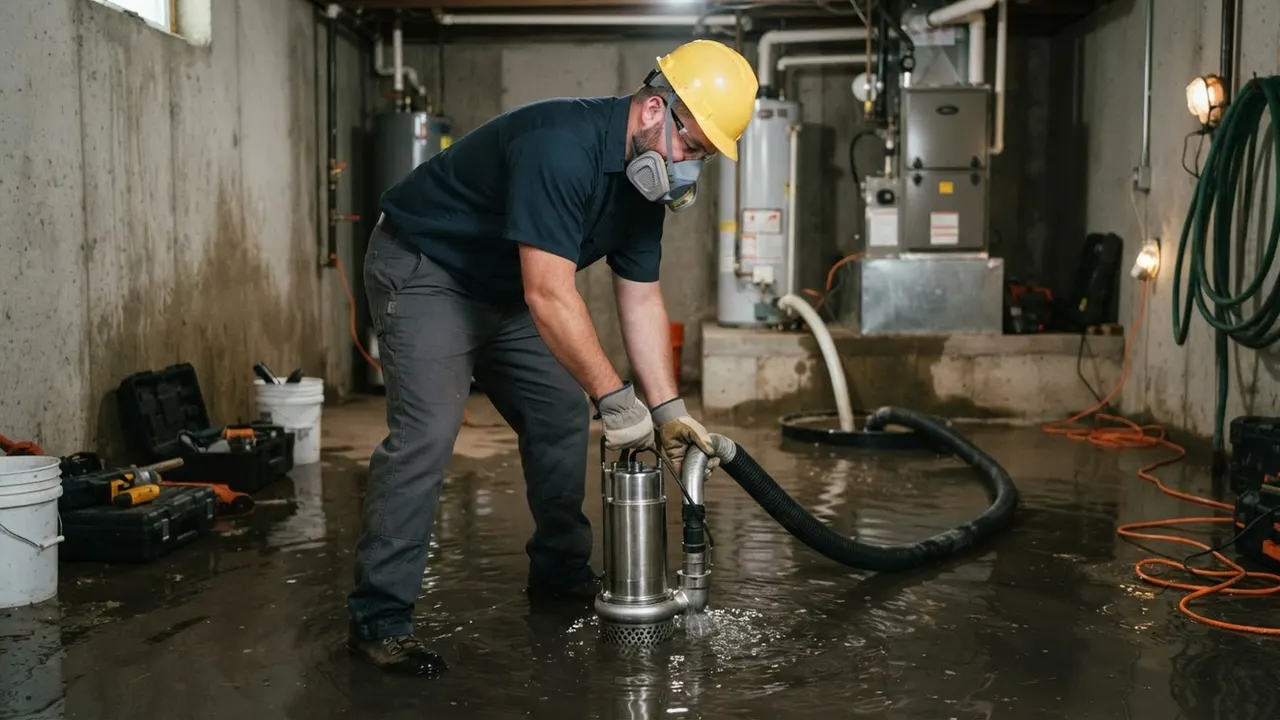
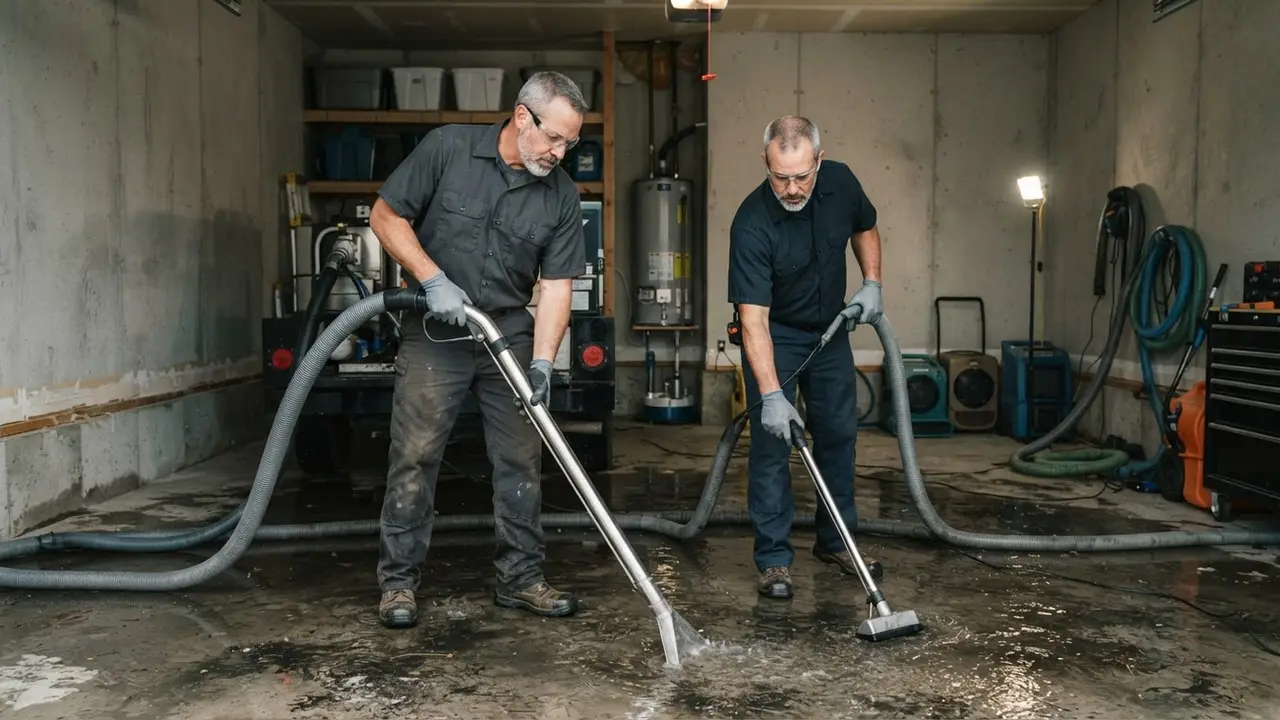
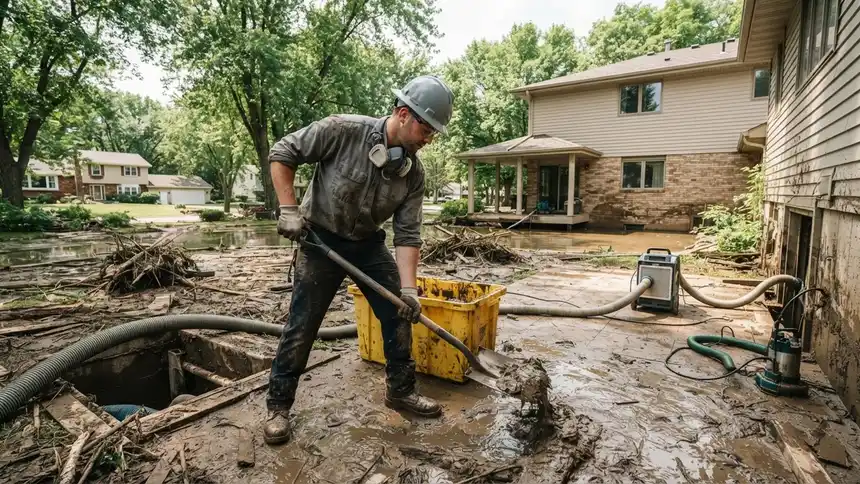
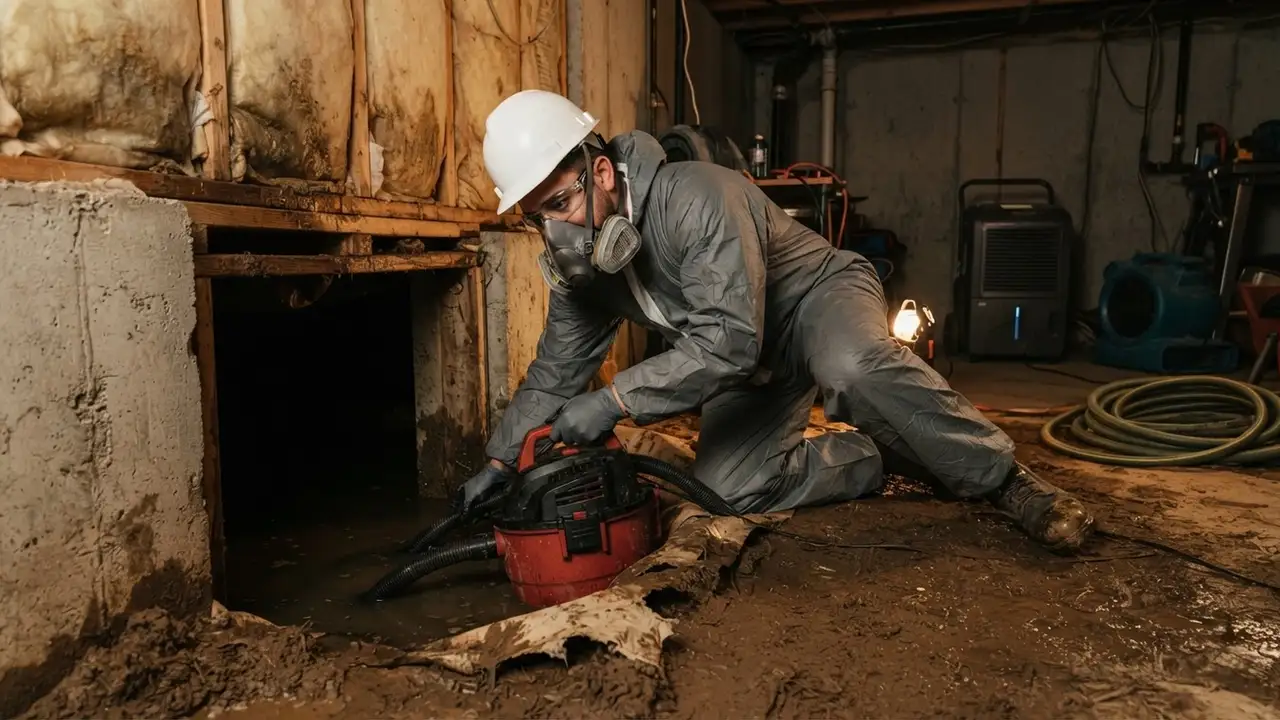
We remove accessible pooled water using equipment suited to the depth and surface. A wet/dry vacuum can handle localized water, while deeper basement flooding may need a sump pump or staged extraction. We keep the work focused on affected areas and avoid spreading water into dry rooms.
Moisture Mapping
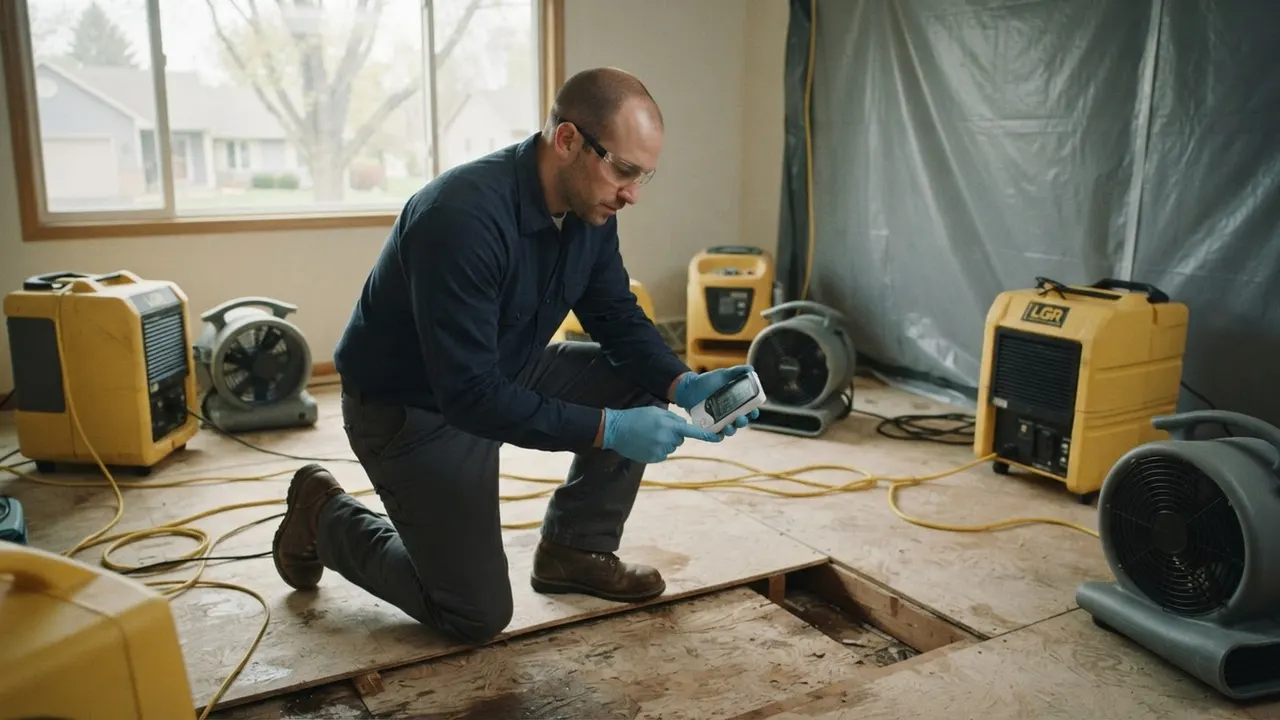
We check visible surfaces and use a moisture meter to identify damp materials that need monitoring. Findings can include flooring edges, baseboards, drywall, or nearby cabinetry. Those readings help distinguish a surface that looks dry from materials that still need attention.
Drying Equipment Setup
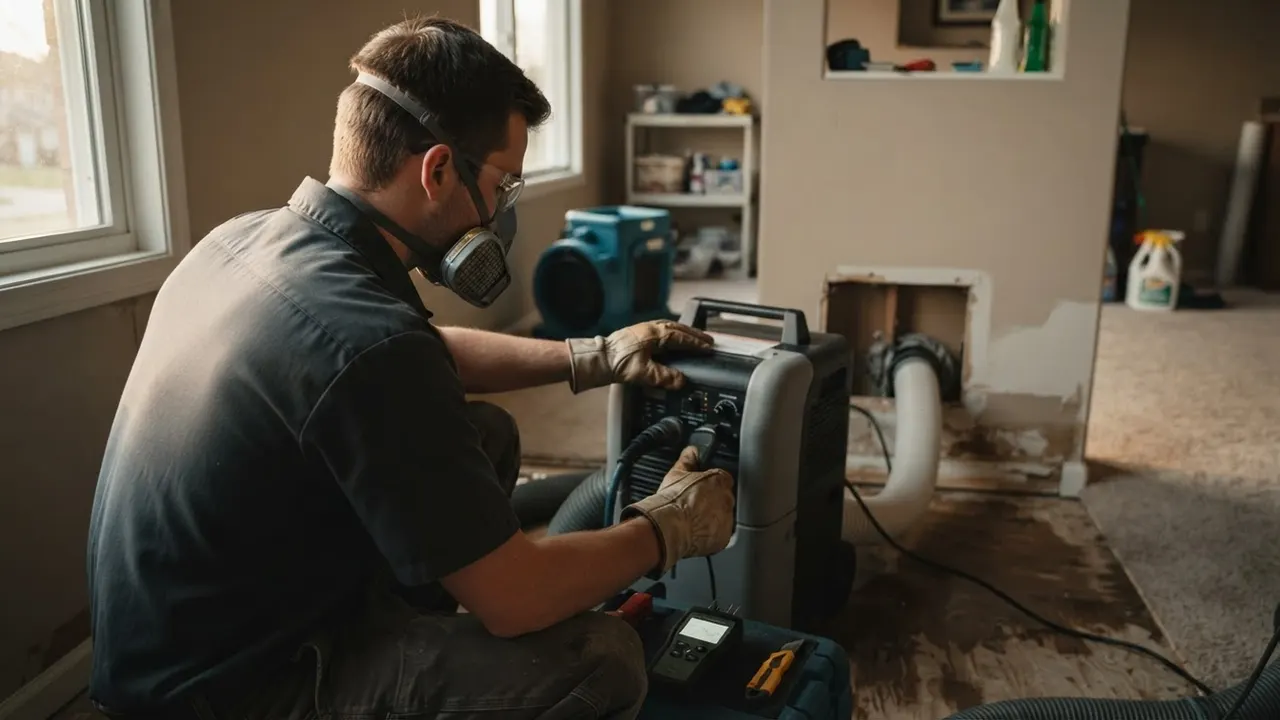
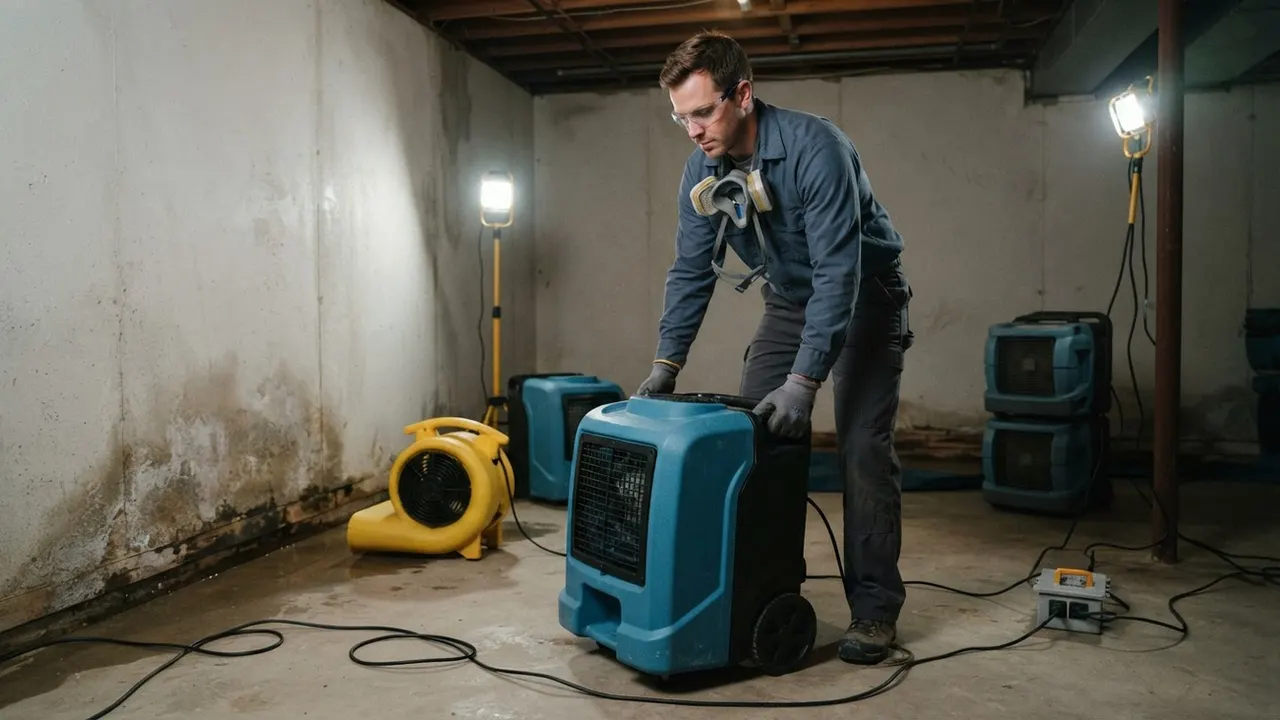
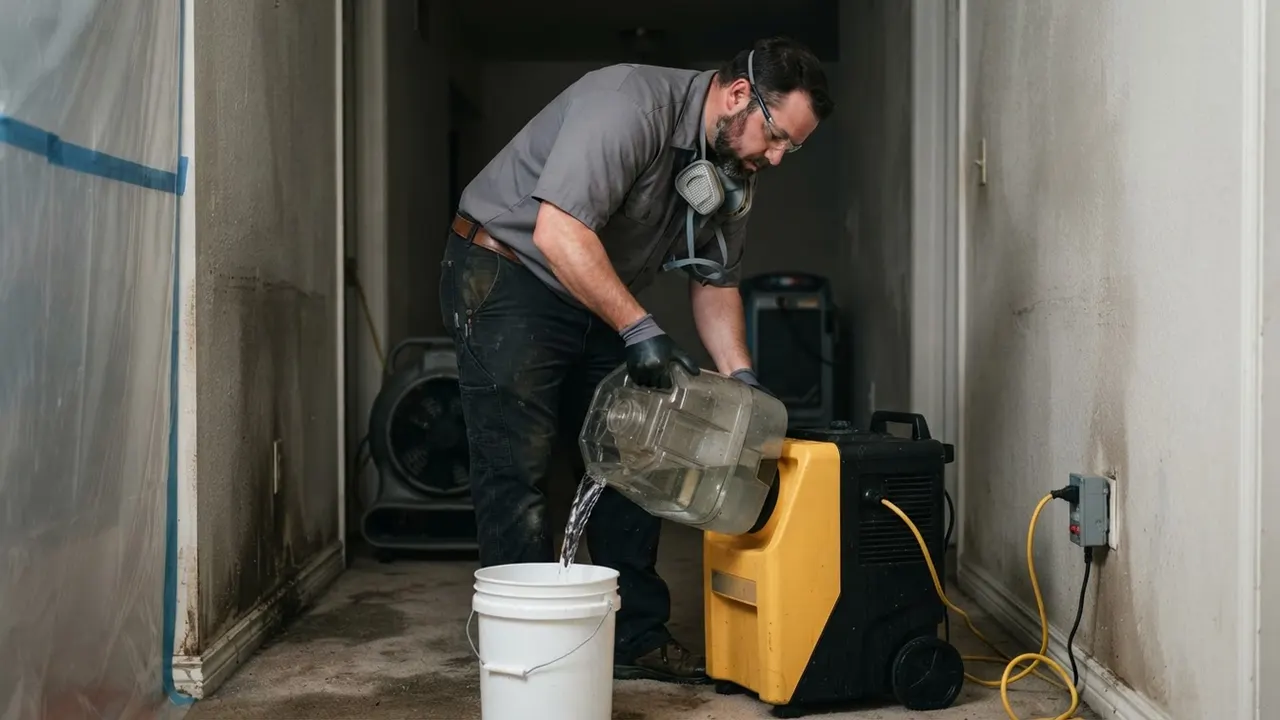
After extraction, we position air movers and a dehumidifier to support drying. We consider room size, airflow, and access before placing equipment, then explain what needs to remain clear. Follow-up checks guide adjustments as moisture readings change.
Job Documentation
We record affected areas, visible conditions, and key moisture readings as work progresses. That record supports practical repair planning and helps you discuss the loss with your insurer. We explain any findings that indicate removal, additional drying, or a separate service.
Homes and Businesses.
The approach is the same for a home and a business. What changes is the access, the schedule and who needs the paperwork.
Homes and Rentals
We check where water entered, which rooms and belongings are affected, and whether the source is still active. You will hear what we find.
Frozen pipe in an exterior wall
Appliance leak beneath kitchen flooring
Basement water near stored belongings
Business Properties
We identify the affected units, work areas, and access needs before extraction begins. You get updates that help coordinate tenants and operations.
Water in a shared hallway
Roof leak above an occupied office
Utility-room drain backup
Emergency Water Removal Hopkins MN Explained
A plain-language look at what Emergency Water Removal involves and when it is needed.
Emergency water removal Hopkins MN is a water damage response service that extracts unwanted water and begins drying affected building materials after a leak, flood, or backup. We first look for active water and safety concerns, then use extraction equipment suited to the depth and type of water. Removing visible water is only the start. We document conditions and set up drying equipment where measurements show it is needed.
Hopkins properties face frozen pipe bursts during Minnesota winters, roof leaks after storms, appliance failures, and basement flooding when water enters at low points. Older finishes and concealed wall cavities can hold moisture after the floor looks dry. Our crew checks the source, affected rooms, and nearby materials, then explains the work in plain language.
Removing standing water starts the response; measured drying addresses moisture left in building materials.
What it is
A service that extracts unwanted water and begins drying affected areas after a leak, flood, or backup.
When needed
Call when water is spreading, pooling, or soaking floors, walls, contents, or lower-level spaces.
What to expect
We inspect, extract water, map moisture, set equipment, and check drying progress.
What to Expect From Our Process
Emergency water extraction in Hopkins MN starts with the water source and the affected materials, not a one-size-fits-all equipment package. We explain each stage as we work, keep the access path usable where possible, and check readings as conditions change. Your situation determines the sequence, but the core steps stay clear.
Initial Call
We ask where the water is coming from, when it began, how deep it is, and whether it may involve sewage. If water is near outlets or appliances, we address safety before entering the area. On the call, you can describe the rooms and building access; that helps us bring suitable extraction and protective equipment.
Source
Safety
Access
Inspect and Map
At arrival, we walk the affected area with you, check visible water, and look for the source or signs of continued leakage. We use a moisture meter and visual inspection to map wet materials and establish comparison points. This first assessment commonly takes 30 to 90 minutes, depending on room count and access.
Walk-through
Moisture map
Affected rooms
Extract Standing Water
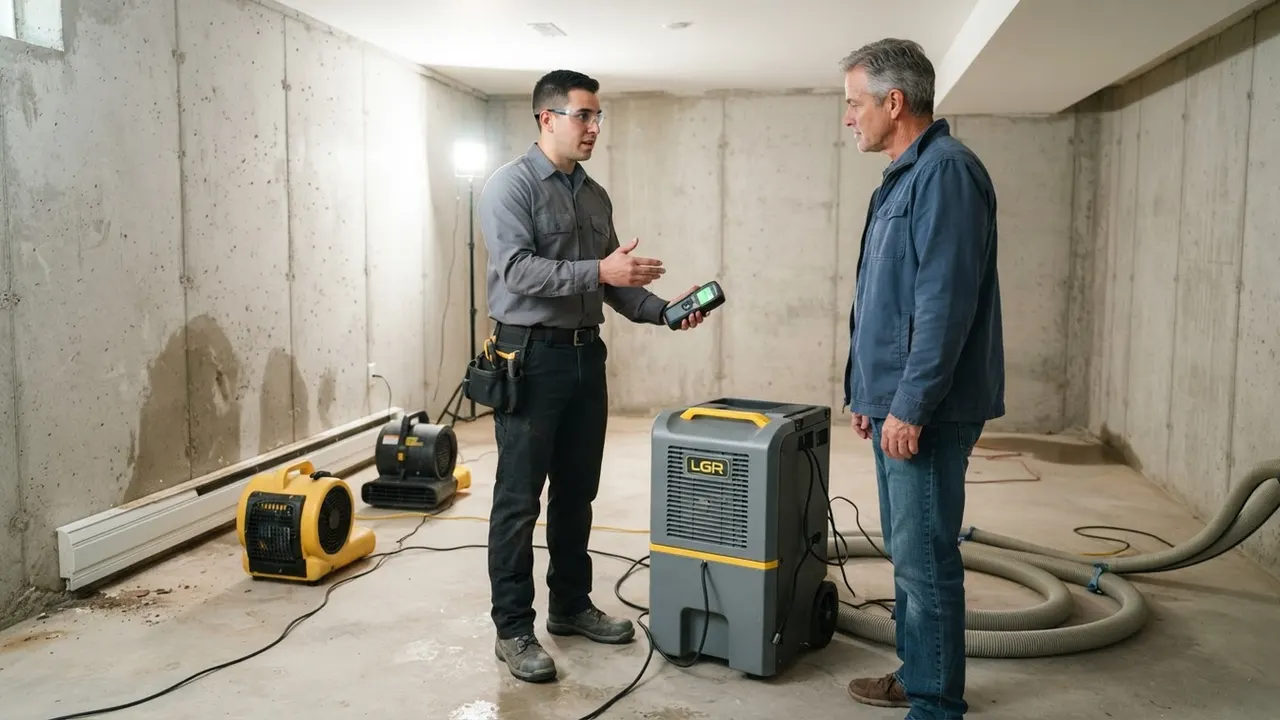
We choose a wet/dry vacuum, sump pump, or other extraction method based on water depth and the surface involved. A shallow appliance leak can be cleared quickly; a flooded basement with several inches of water needs staged pumping and checks. We keep contaminated water separate from clean-water work and identify surfaces that need additional treatment.
Standing water
Equipment choice
Contained area
Set Drying Equipment
After extraction, we position air movers and a dehumidifier to move moisture out of the affected area. We protect traffic paths and adjust equipment to the room layout rather than pointing fans blindly at wet surfaces. You will hear the equipment run, and we explain what it is doing and which areas need access.
Air movement
Humidity control
Clear pathways
Recheck and Report
We return to compare moisture readings with the initial map and adjust equipment as materials dry. A small, isolated loss may need a few days of monitoring; deeper water in walls or subfloor can take longer. We share the findings, document changes, and explain whether the next step is repair, further drying, or a separate mold assessment.
Reading check
Progress notes
Next steps
Tools and Drying Methods
Move across a circle, or focus it and press Enter, for an illustrative thermal view of the photograph.
Moisture Meter
We take readings in drywall, flooring, and other materials to map damp areas and check drying progress. Comparison readings from an unaffected area help make the findings easier to interpret.
Thermal Imaging Camera
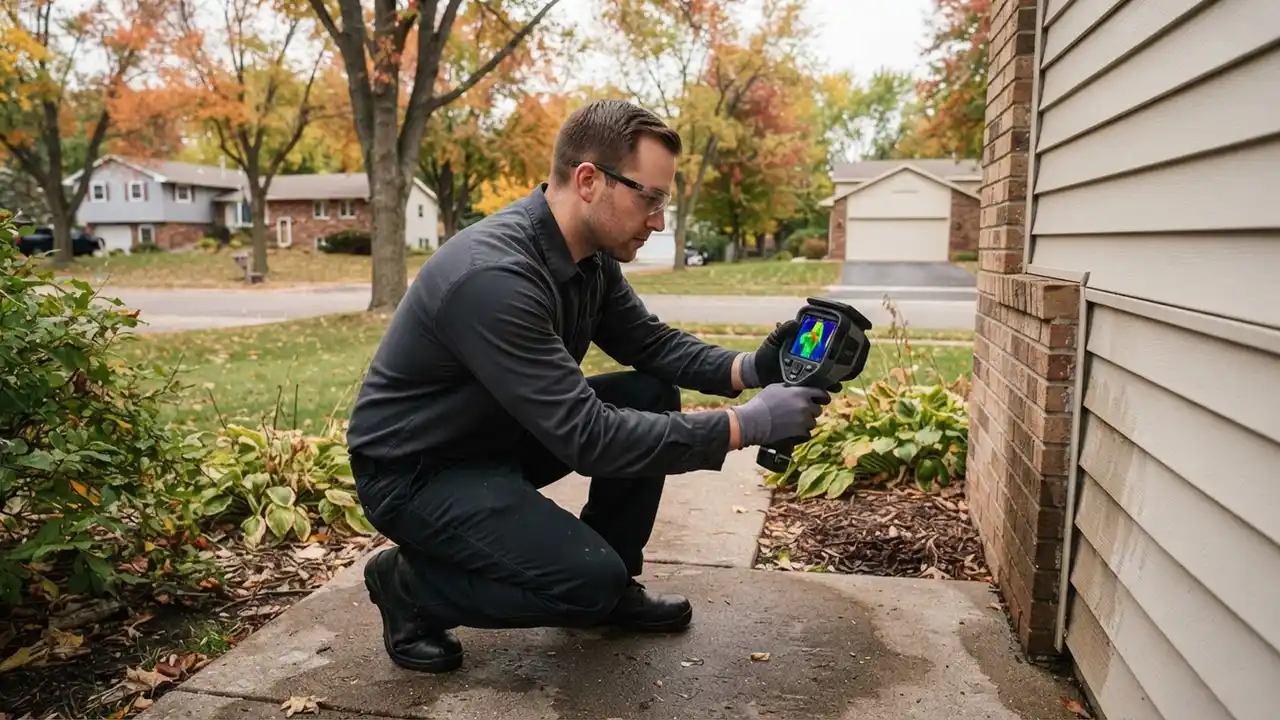
We use temperature patterns to guide closer inspection when water may be concealed. The camera does not prove moisture by itself; we verify suspect locations with direct inspection or moisture readings.
Sump Pump
For deeper water in a basement or utility area, a sump pump can remove water in stages. We monitor the area during pumping and adjust the approach as the water level drops.
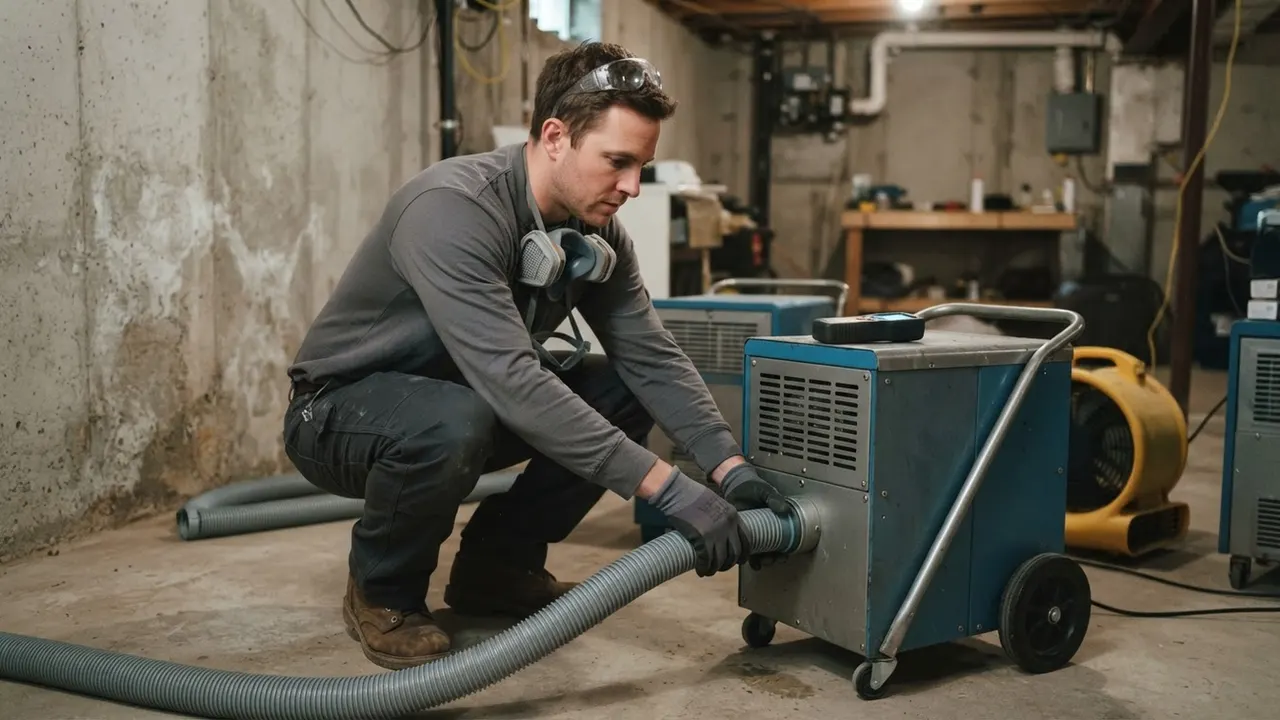
Air Mover and Dehumidifier
Air movers direct airflow across affected surfaces while a dehumidifier removes moisture from the room air. We position them to support drying without blocking needed access.
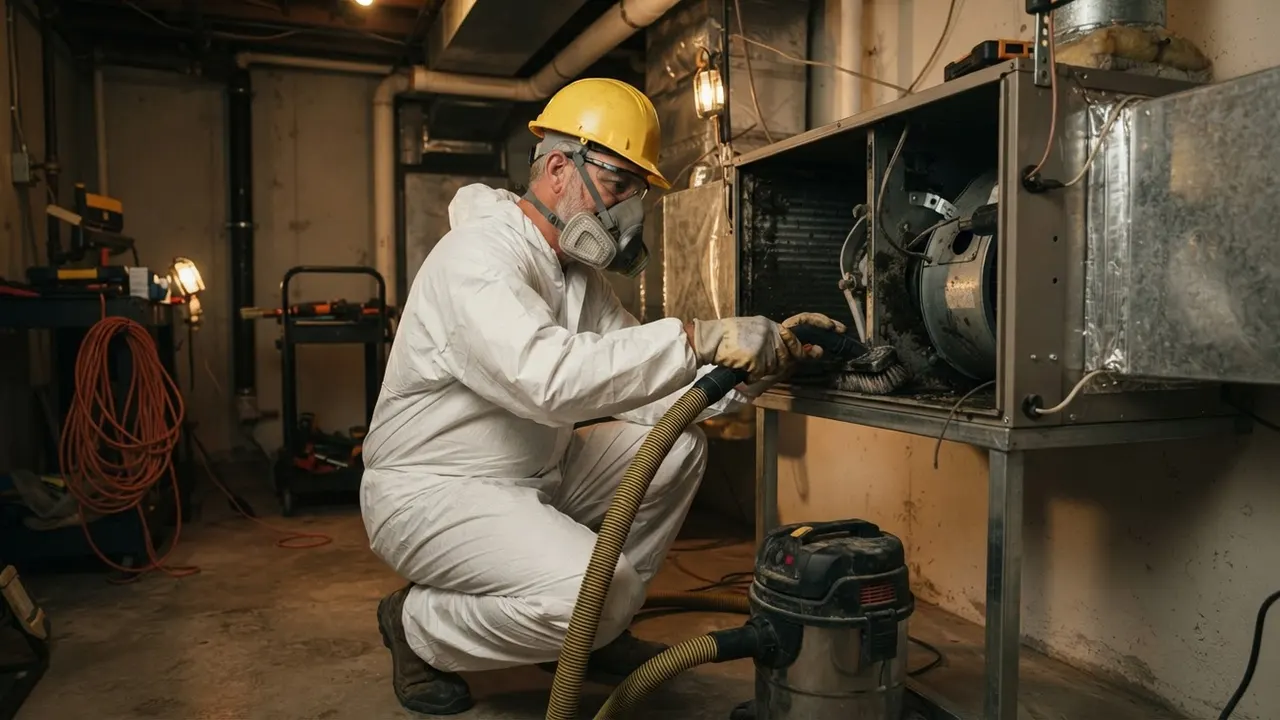
HEPA Vacuum
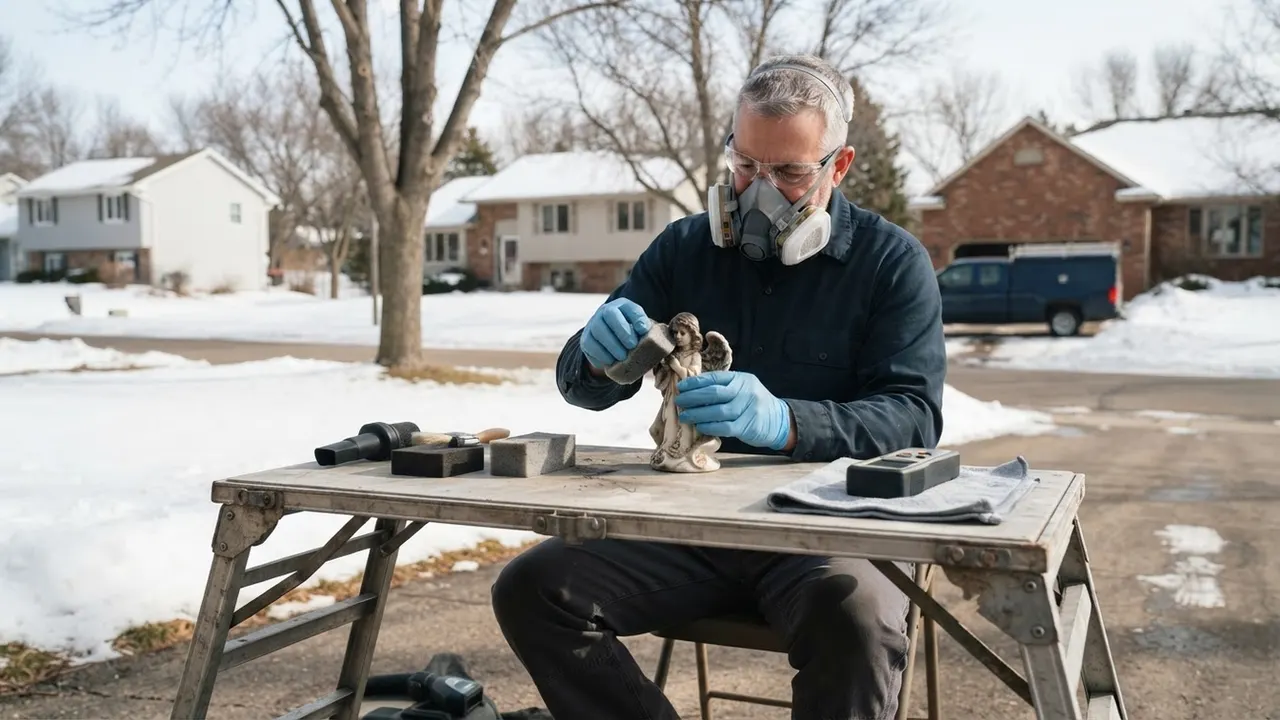
After water extraction, a HEPA vacuum can collect fine particles during appropriate cleanup tasks. We select its use according to the surface and the condition of the affected area.
Thermal views are illustrative, generated from the photographs.
Methods
Source-first response
We identify whether water is still entering before setting extraction equipment. A leak that remains active can refill a cleared room, so we coordinate with the plumbing or building response as needed. Once the source is controlled, we work from the deepest or most affected areas toward a contained work zone.
Moisture mapping and monitoring
We document wet materials and establish comparison points during the initial inspection. Follow-up readings show whether drywall, flooring, or other materials are drying. We adjust the setup when readings or room conditions change, rather than relying on a fixed equipment schedule.
Controlled structural drying
We combine air movement and dehumidification to remove residual moisture after standing water is gone. Equipment placement accounts for room layout, material type, and access. We explain what should stay in place and use later checks to decide whether the drying setup needs adjustment.
Clean-water and contaminated-water separation
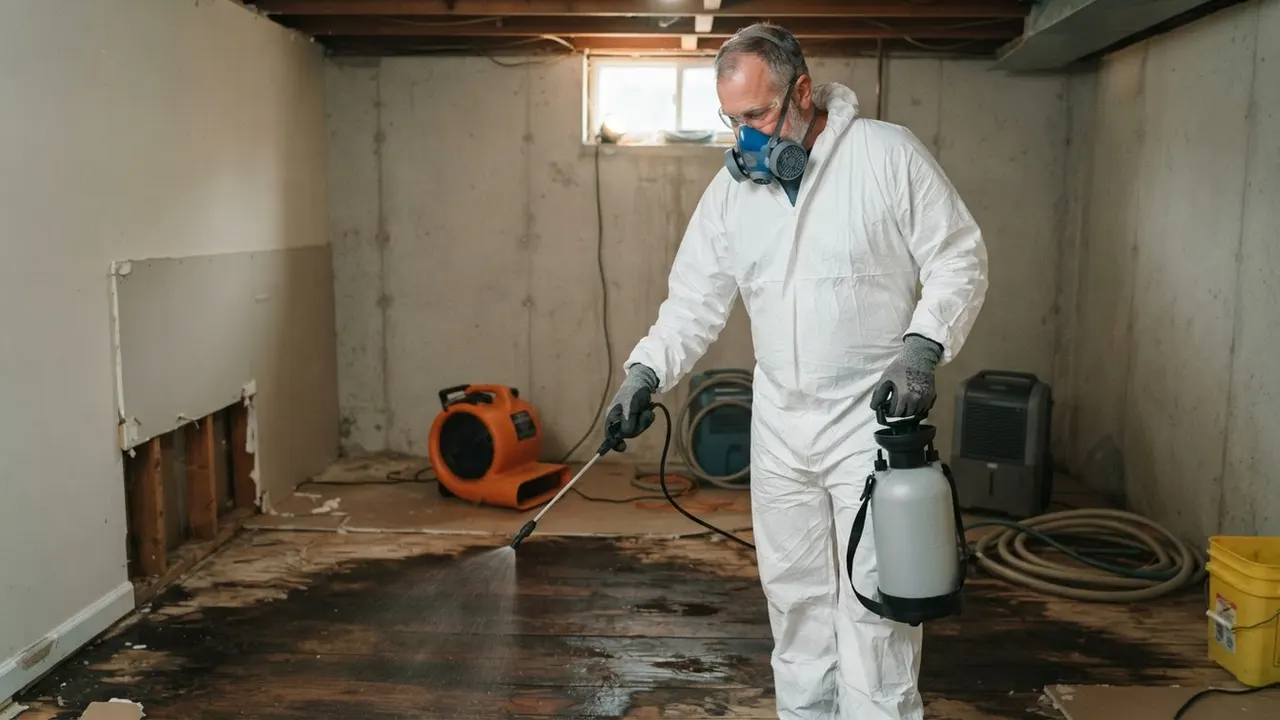
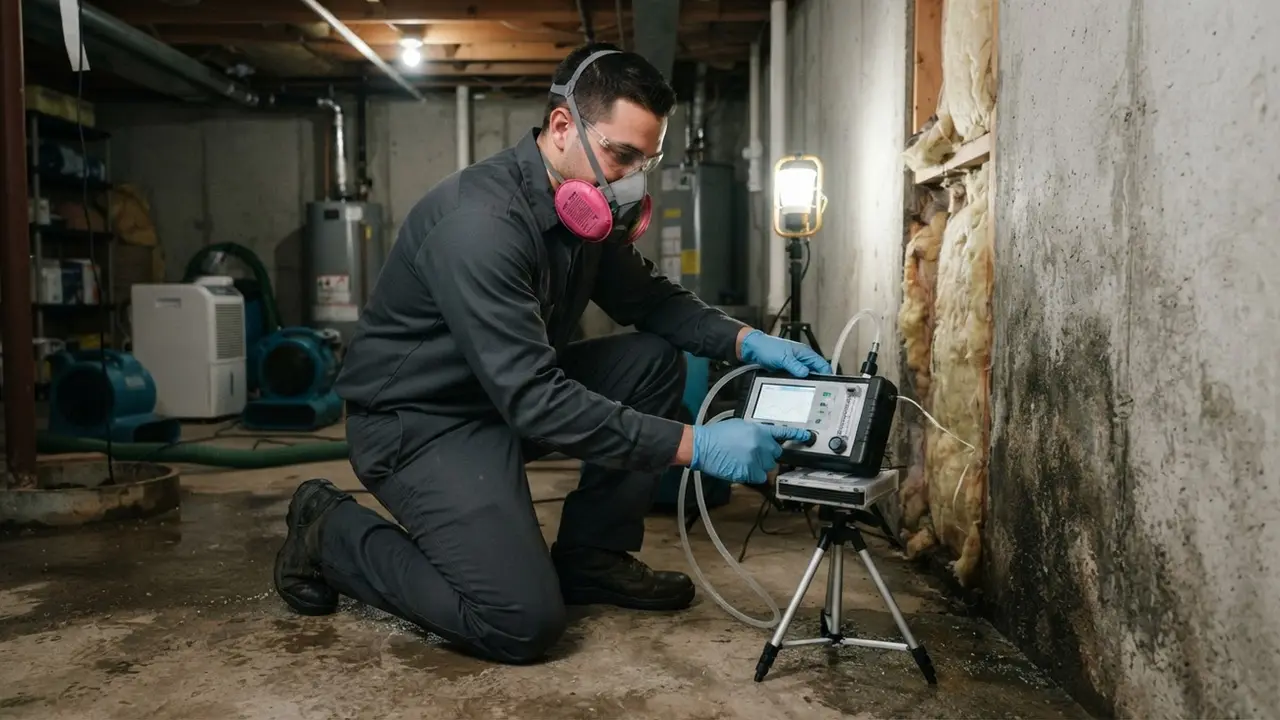
We determine the likely water source before deciding how to handle the affected space. A supply-line leak and a sewage backup require different protective and cleanup procedures. Separating work areas helps prevent contaminated water or debris from spreading into unaffected rooms.
When to Call for Water Removal
Frozen Pipe
A frozen pipe bursts overnight in a Hopkins home, sending water across a bedroom and into the hallway.
We help you identify whether the supply is still active, then extract water from the affected rooms and check the wall and floor edges. We set drying equipment based on the materials and give you clear access instructions. If the pipe repair is underway, we coordinate the extraction around that work.
Outcome: The visible water is removed, wet areas are mapped, and you know which materials need continued drying or repair.
Basement Flood
Heavy rain leaves several inches of water in a lower-level room near the Blake Road Corridor.
We assess water depth, contents, and the likely entry path before pumping. A sump pump can remove deeper water, followed by moisture checks along the basement perimeter. We separate affected belongings and explain whether the loss also calls for cleanup or waterproofing follow-up.
Outcome: The basement is cleared in stages, with a record of affected surfaces and a drying plan for the lower level.
Appliance Leak
A dishwasher hose leaks into kitchen flooring in a Mainstreet Hopkins apartment.
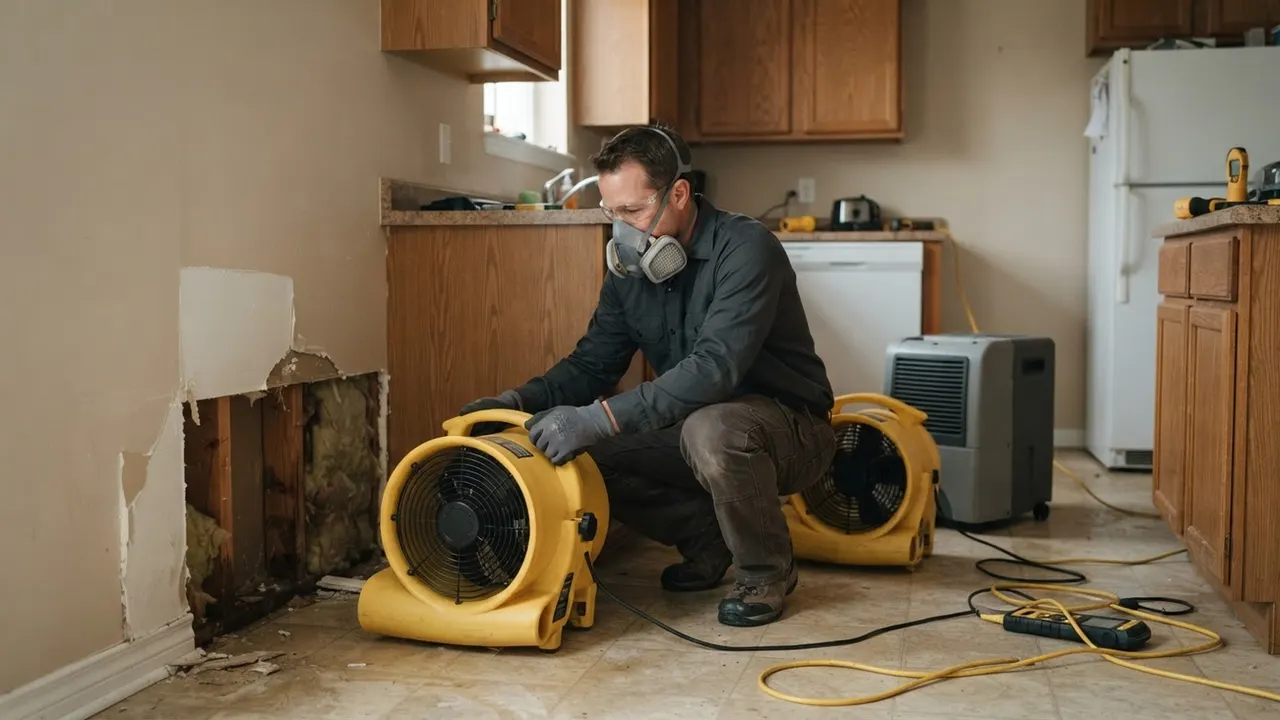
We stop the spread by removing accessible water and checking under cabinet edges and adjacent floor seams. We use moisture readings to identify whether the leak reached concealed materials. Our crew keeps the tenant informed about equipment placement and access during follow-up checks.
Outcome: The leak area is isolated, hidden moisture is assessed, and repair decisions are based on measured conditions.
Roof Intrusion
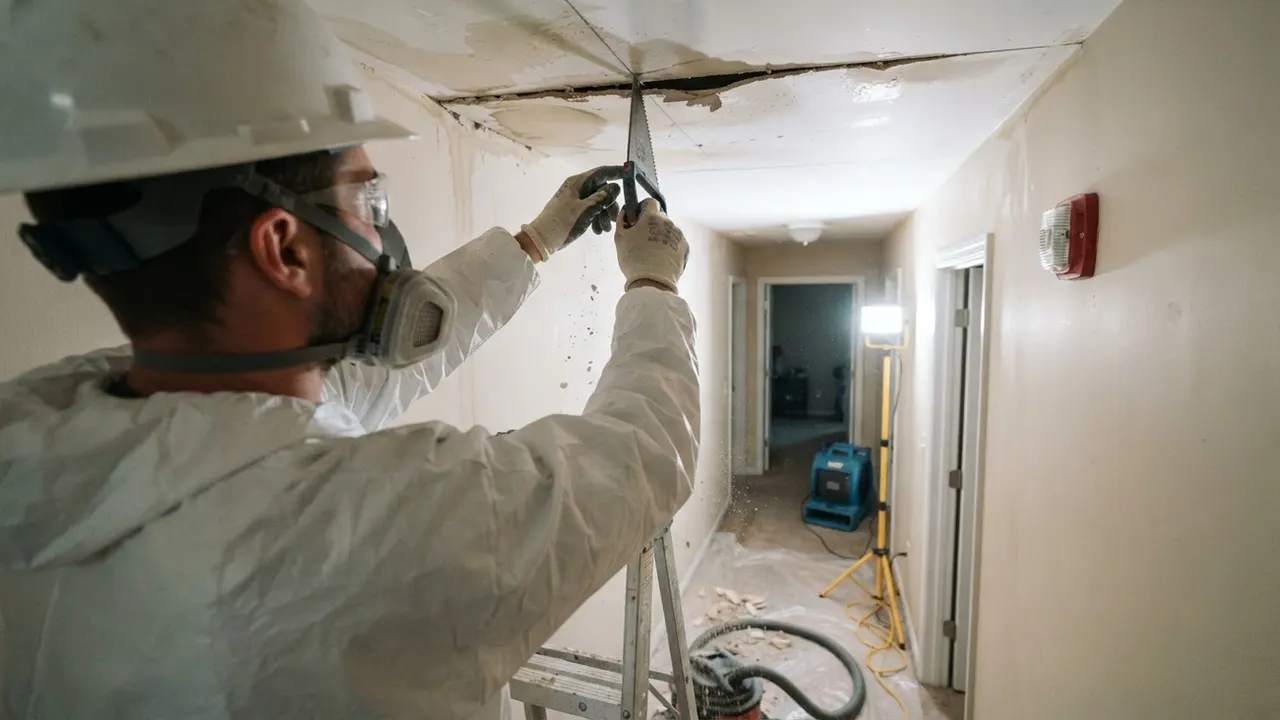
A roof leak after a Minnesota storm stains a ceiling and wets insulation above a living room.
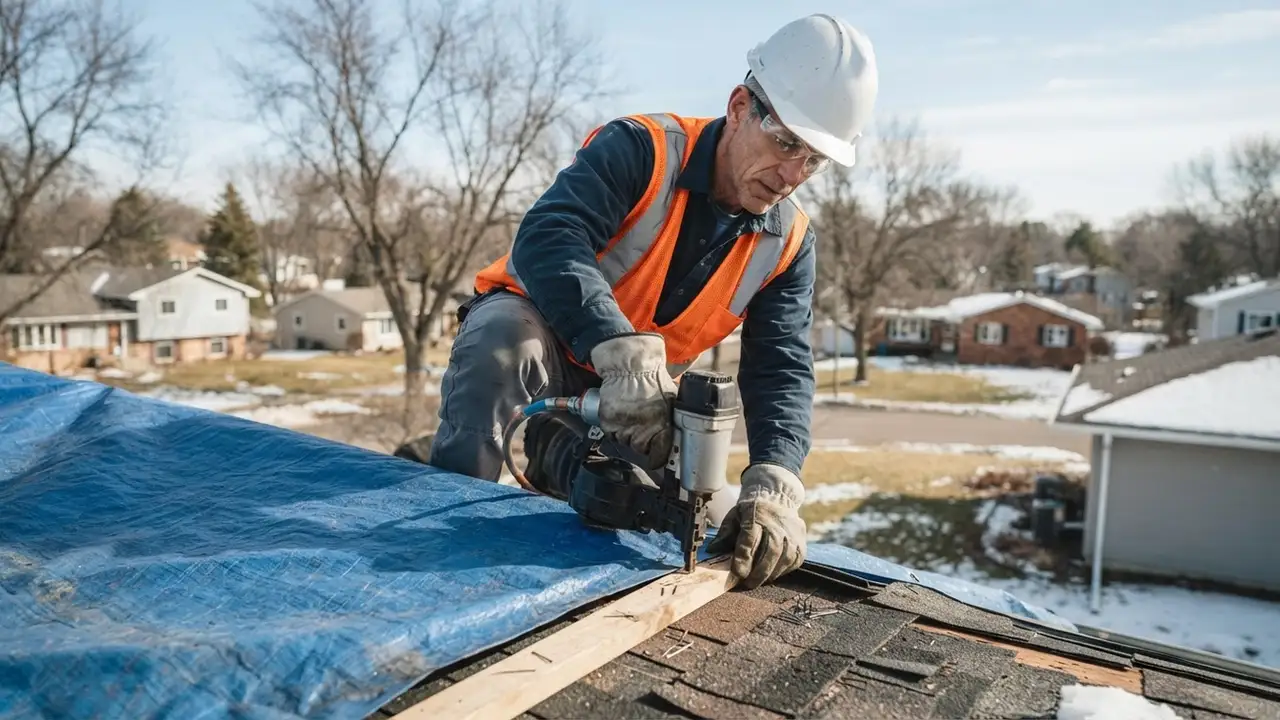
We remove water from the interior, check the ceiling and nearby walls, and document visible damage. If water remains in insulation or a ceiling cavity, we explain the next access and drying steps. Temporary roof protection or repair can address the entry point while interior work proceeds.
Outcome: Water is removed from accessible surfaces, the affected ceiling area is identified, and the source receives attention to prevent repeat wetting.
Downtown HopkinsMeadowbrookBlake Road Corridor
Emergency Response Across Hopkins Homes
Hopkins winters bring freeze risk to plumbing in exterior walls, garages, and lower levels. A frozen pipe burst can release water overnight, so we ask whether the shutoff is closed and whether electricity is affected before entering. During spring thaw and heavy rain, basement flooding can come through low openings or overwhelm a drainage point.
Our team checks where water entered and whether it reached storage, flooring, or finished walls. In older and remodeled properties, mixed materials can dry at different rates; carpet, drywall, and wood trim need separate checks. For 24 hour water removal Hopkins Minnesota, call with the neighborhood, building access, and water source so we can plan the response.
We serve Hennepin County, including Downtown Hopkins, Meadowbrook, and the Blake Road Corridor. Our inspection records affected areas and moisture readings, while the drying plan accounts for the building rather than assuming every room needs the same equipment. For local code or repair questions, we identify the relevant work and coordinate the appropriate trade.
Downtown Hopkins: Mixed-use buildings and apartments can have shared walls or limited equipment access. We confirm the affected unit and route before setting up extraction.
Meadowbrook: Basement and lower-level water can affect storage and finished rooms. We check the perimeter and keep contents separate from wet flooring.
Blake Road Corridor: Apartments and commercial spaces may need a coordinated response across occupied areas. We identify access needs and keep the work zone focused.
Shady Oak: A leak in a utility area can travel into adjacent finished spaces. We inspect beyond the visible puddle and check nearby wall and floor edges.
Winter freeze and thaw stress plumbing near exterior walls: A pipe may leak inside a wall or cabinet before water appears in the room. We check the likely path from the source and nearby materials, then plan extraction and drying around the affected cavity.
Spring storms send water toward lower-level entry points: Rainwater can pool at basement doors or floor drains and affect a wide area quickly. We assess depth and entry clues, remove standing water, and note whether recurring seepage needs a separate waterproofing review.
We walk the affected area and explain what the inspection will check.
We protect access paths, remove standing water, and set up appropriate equipment.
We compare moisture readings and explain drying progress and next steps.
From Problem to Finished Result.
IllustrativeThe thermal view is generated from the photograph. It is not a measurement. Drag the handle, or use the arrow keys once it is focused.
Kitchen Supply-Line Leak
Before: A failed line under the sink left water across the kitchen and into the dining area. The floor looked mostly clear after towels were used, but the cabinet toe kick and two sections of baseboard still felt damp. The homeowner could not tell whether water had reached the flooring beneath the cabinets.
After: We extracted the remaining surface water, checked the cabinet edge and nearby floor seams, and set drying equipment for the affected zone. Follow-up readings over three days showed the mapped areas moving toward the comparison readings. The homeowner had a clear record of what stayed damp and what was ready for repair.
Check supply hoses and shutoff valves during routine kitchen cleaning. Replace a hose that is cracked, bulging, or visibly corroded, and keep the cabinet base clear enough to spot a new leak early.
Rainwater in a Finished Basement
Before: Several inches of water covered part of a basement after heavy rain. Storage boxes and a rug sat in the wet area, and the lower drywall had darkened near the exterior wall. The family had moved belongings upstairs but did not know whether water had reached the wall cavity.
After: We pumped out the standing water, separated affected contents, and checked the lower wall and floor perimeter. Extraction and initial setup took several hours; drying checks continued over the following days. The work record showed the wet sections and helped the family plan which finishes needed repair.
Keep stored items on shelving rather than directly on the basement floor. After heavy rain, check low entry points and floor drains, and address recurring seepage before the next storm.
Washer Hose Failure
Before: A washer hose came loose while the occupants were away, leaving water in the laundry area and hallway. The visible puddle was small by the time they returned, but moisture had reached flooring edges and the baseboard behind the machine.
After: We removed accessible water, checked the flooring and baseboard with a moisture meter, and placed an air mover and dehumidifier for the affected area. Follow-up readings helped confirm which sections were drying and where closer inspection was needed before the flooring repair.
Inspect washer hoses and connections for wear, and know where the laundry shutoff is located. Replace damaged hoses promptly and avoid pushing the appliance hard against its water lines.
Problems 24/7 Emergency Water Removal in Hopkins MN Near Me Addresses
Water spreads beyond the first puddle, especially where flooring seams, wall cavities, or stored contents are involved. We remove what is accessible, find where moisture has traveled, and explain the next step. Prompt action can reduce the area that needs drying and repair.
Pipe burstA frozen pipe burst soaks a finished room overnightWater can travel under flooring and into drywall before the leak is discovered, leaving damp materials that do not dry just because the valve is closed. We confirm the water source has stopped, extract standing water, and map wet surfaces beyond the visible puddle. Our team checks lower wall sections and nearby flooring, then sets drying equipment where readings show moisture. We keep you informed about what can remain and what needs further inspection.
Basement waterBasement water rises around stored belongings and finished wallsStored items can wick water upward, while damp carpet, trim, and drywall keep the lower level wet after pumping ends. We remove standing water in stages, move or separate accessible contents, and inspect the perimeter for moisture. If water entered through a drain or outside wall, we document the source clues and affected materials. Drying and cleanup are planned around the actual footprint, not just the center of the room.
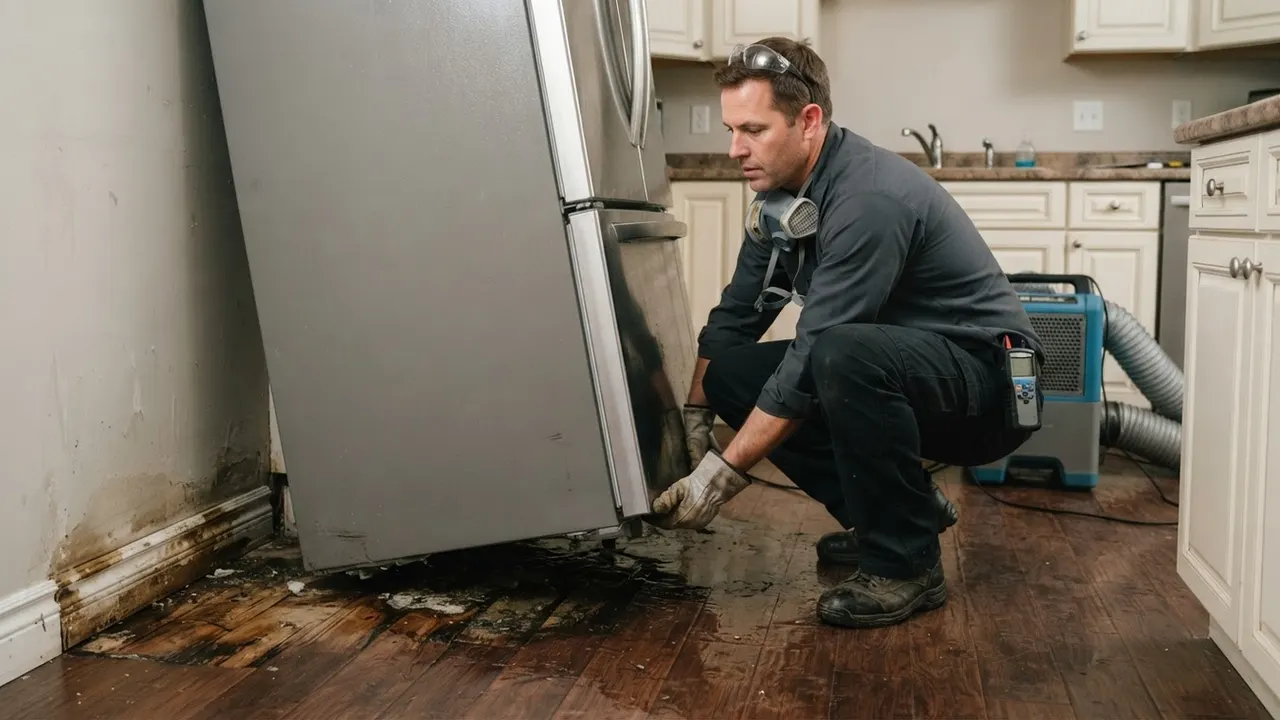
Hidden appliance leakA slow appliance leak disappears beneath cabinets and flooringWater can remain concealed under a dishwasher or refrigerator and damage subflooring before an obvious stain or odor appears. We extract accessible water and check cabinet edges, floor seams, and nearby baseboards with moisture readings. If materials remain wet, we explain how to access and dry them. After the appliance source is addressed, follow-up checks help determine whether the area is ready for repair.
Contaminated backupA sewage backup leaves contaminated water across a utility areaContaminated water can create health and cleanup concerns and should not be treated like a clean supply-line leak. We identify the affected zone and keep contaminated water separate from clean areas. Our crew uses suitable protective practices, removes affected water, and explains whether porous materials require removal or further remediation. Tell us about a floor drain, toilet, or sewer odor when you call.
What Prompt Removal Changes
Water is removed, affected areas are mapped, and the drying plan follows measured conditions.
Limit Water Migration
We extract pooled water before it travels farther under flooring or into adjacent rooms. On a typical contained room, removal and initial setup can take several hours; larger or multi-level losses take longer. If you are looking for same day water removal Hopkins Minnesota, we start by identifying the source and the wettest areas rather than moving equipment without a plan.
Measure Hidden Moisture
A dry-looking wall can still contain water behind paint or baseboards. We take moisture readings at affected and comparison locations, then track those readings during drying. That gives you a measurable basis for deciding whether materials can remain or need removal, instead of relying on surface appearance alone.
Protect Usable Belongings
We move or elevate items in the work zone when it is safe to do so and separate wet contents from dry contents. A small leak beneath a sink calls for a different setup than a basement flood covering several inches. You get a more orderly work area while extraction and drying continue.
Coordinate the Next Repair
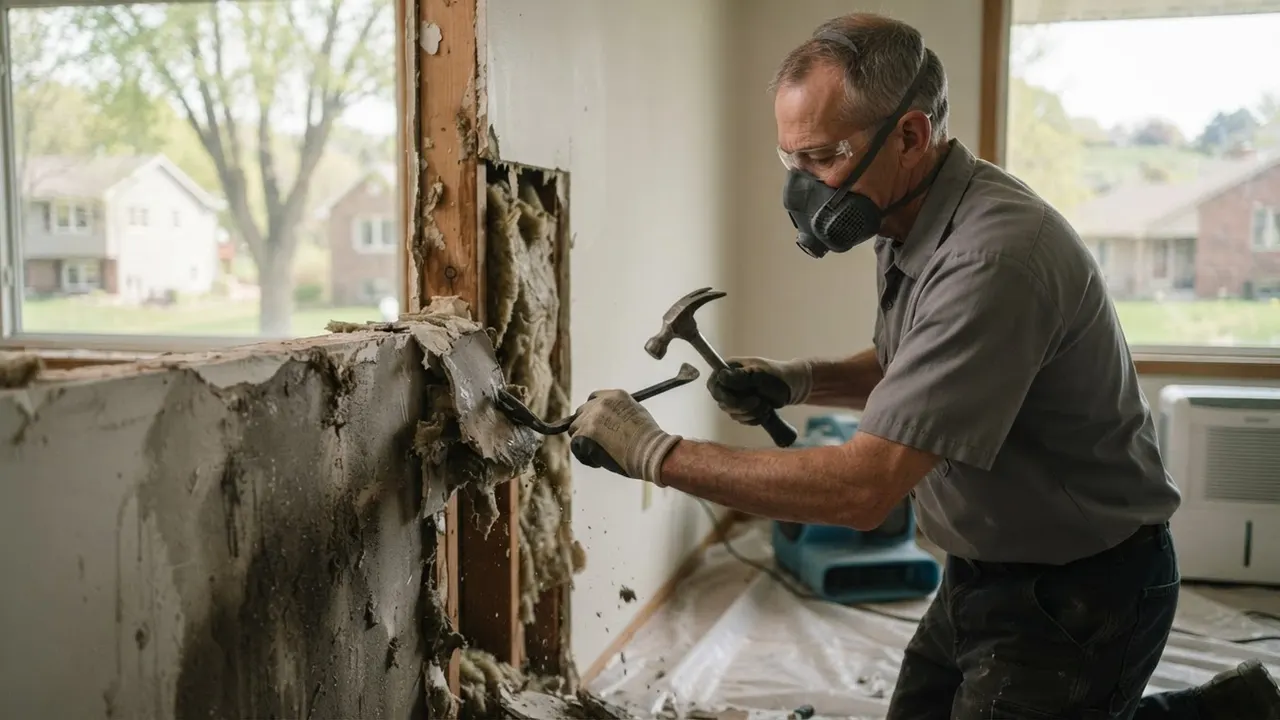
Water removal is the emergency phase, not the finish line. We record affected surfaces and drying progress so the transition to drywall repair, flooring work, or mold assessment is easier to understand. When water reaches insulation or a wall cavity, we explain the practical next step before the work area changes.
What You Receive
Clear records you can keep and share.
Photo Log
Images of visible conditions and affected areas.
Moisture Notes
Readings recorded at inspected locations.
Work Summary
A record of extraction and equipment setup.
Progress Record
Follow-up observations from drying checks.
Extraction and Drying Are Different Steps
Removing pooled water is immediate; drying addresses moisture that remains in porous materials and room air.
Standing Water
Accessible pooled water is removed with suitable extraction equipment.
Depth guides equipment
Source affects handling
Access shapes setup
Wet Materials
Flooring, drywall, and contents may hold moisture after extraction.
Readings map damp areas
Materials dry differently
Hidden areas need checks
Drying Progress
Equipment and follow-up readings track changes in affected areas.
Airflow supports evaporation
Dehumidification removes room moisture
Checks guide adjustments
Surfaces and Materials
Drywall
Flooring
Baseboards
Insulation
Cabinetry
Carpet
Wood trim
Concrete
Service ZIP Codes.
A list like this tells people straight away whether you cover their street. Not listed? Call and ask: it only takes a minute.
A supply line failed under our kitchen sink and water reached the dining room floor. The crew explained what they were checking, removed the pooled water, and set drying equipment without blocking the whole kitchen. They came back to check the moisture readings and showed us which areas were improving. We appreciated having a clear explanation instead of guesses.
Our basement took on water after a heavy rain, and some storage boxes were sitting in it. The team pumped out the water, helped us separate wet items, and checked the lower wall sections. They explained why the dehumidifier needed to stay on and what the follow-up readings meant. The next steps were easier to plan once we knew what was still damp.
A washer hose let go in one of our units while the tenant was away. The crew extracted water from the laundry area and hallway, then checked nearby flooring and baseboards. We received a useful record of the affected areas and follow-up checks, which helped us coordinate repairs with the tenant and keep the rest of the building accessible.
Emergency Water Removal Questions
Call Hopkins Water Damage Company at (833) 546-4116 for emergency water removal in Hopkins MN. We ask about the source, water depth, affected rooms, and any electrical or sewage concerns so we can prepare for the right kind of extraction. If it is safe, stop the water source and keep people away from wet electrical areas. Do not enter water that may be contaminated or in contact with energized equipment.
Arrival time depends on current call volume, access, and road conditions; call us for the current estimate. During the first conversation, tell us your Hopkins address, the water source, and whether water is still entering. We use those details to plan equipment and access. Once on site, inspection and mapping commonly take 30 to 90 minutes before extraction begins, depending on the size and complexity of the affected area.
Call (833) 546-4116 to discuss urgent water removal in Hopkins; service timing is confirmed directly by phone. For a night-time frozen pipe burst or sudden basement flood, first shut off the water if you can reach the valve safely. Keep people clear of standing water near electrical equipment, and tell us whether the water appears clean, muddy, or sewage-contaminated so we can plan the correct response.
Cost depends on water depth, affected square footage, contamination, materials, equipment days, and after-hours access. We explain pricing before work proceeds. A contained appliance leak is usually less involved than water across a finished basement with wet drywall and insulation.
Tell us where the water is, when it started, and whether the source is still active. Our team will explain the next step and coordinate a response for your Hopkins property. Call (833) 546-4116 now.
Call Hopkins Water Damage Company at (833) 546-4116 to describe a leak, fire, mold concern, or basement water problem. We connect you with independent companies serving Hopkins, Minnesota, including ZIP codes 55343 and 55305. Tell us the property type, affected area, and whether the source is still active so the provider can understand what help you need.