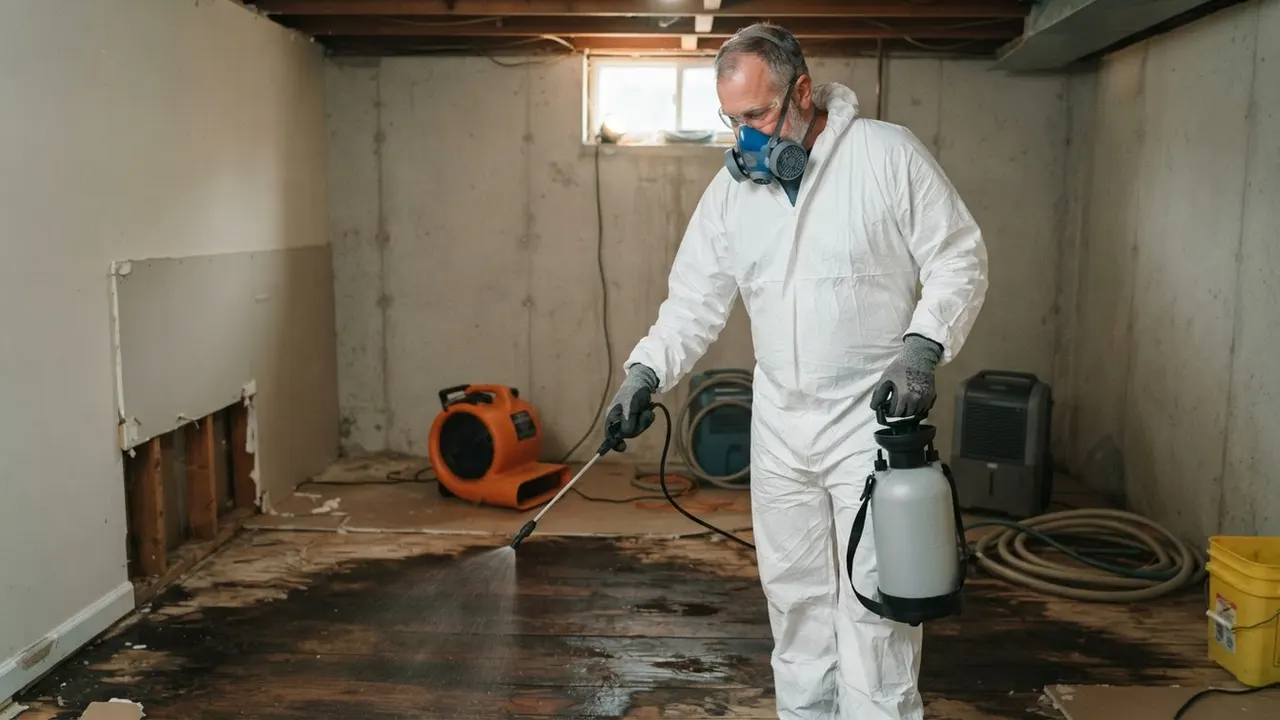
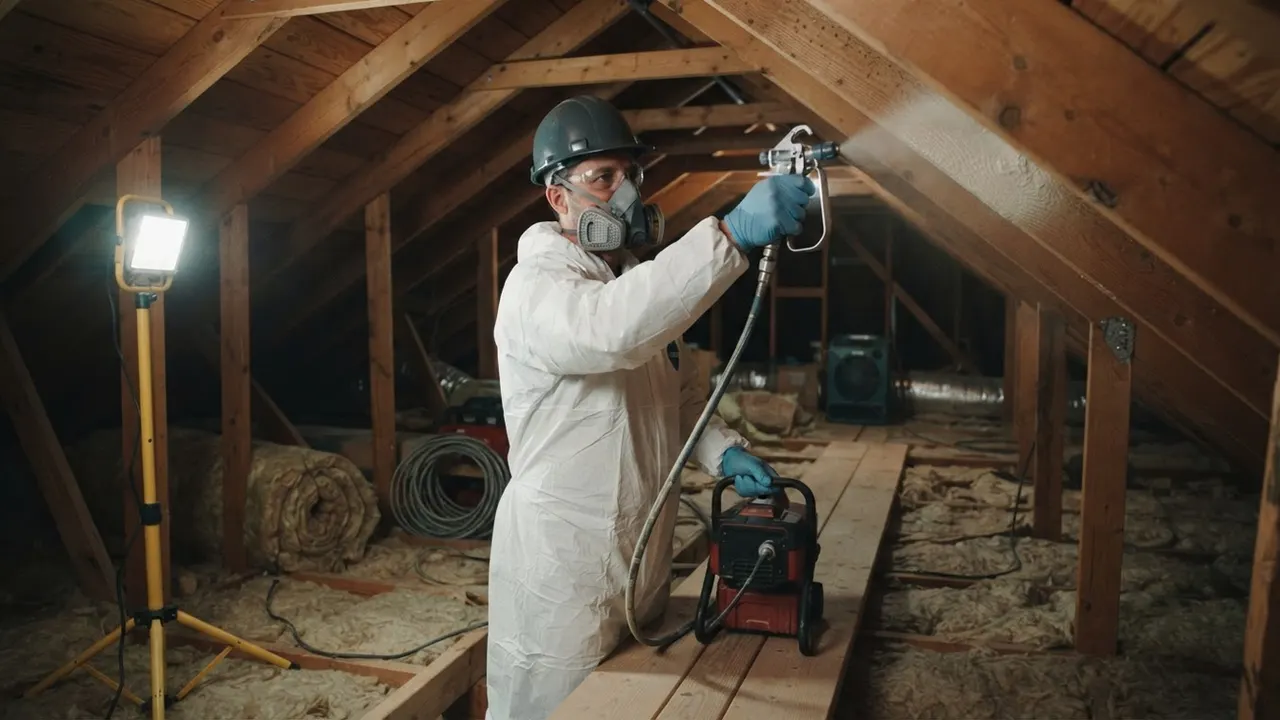
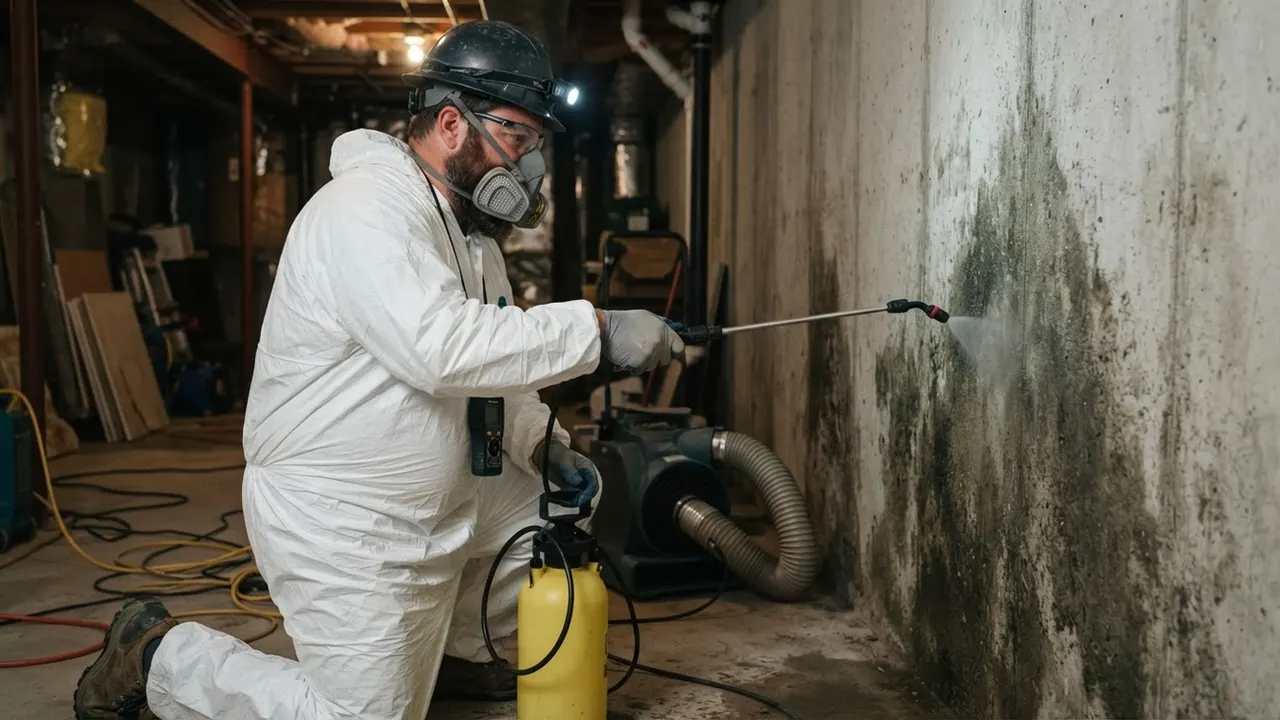
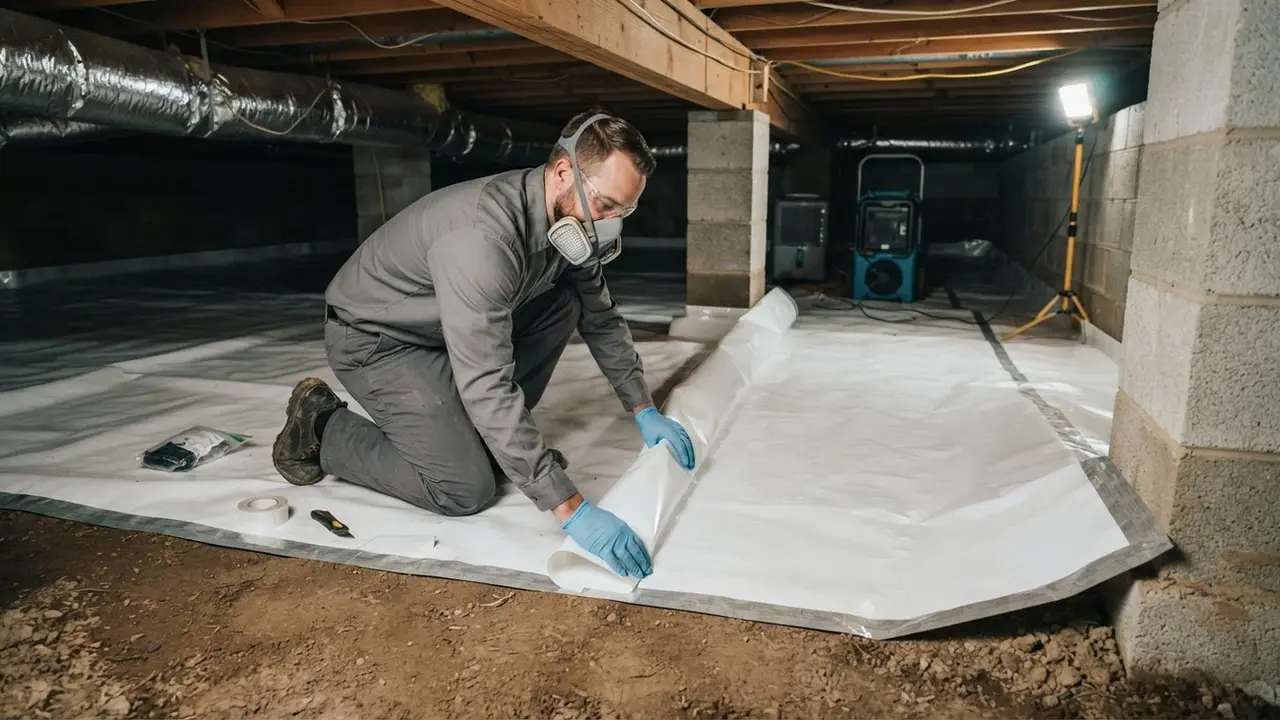
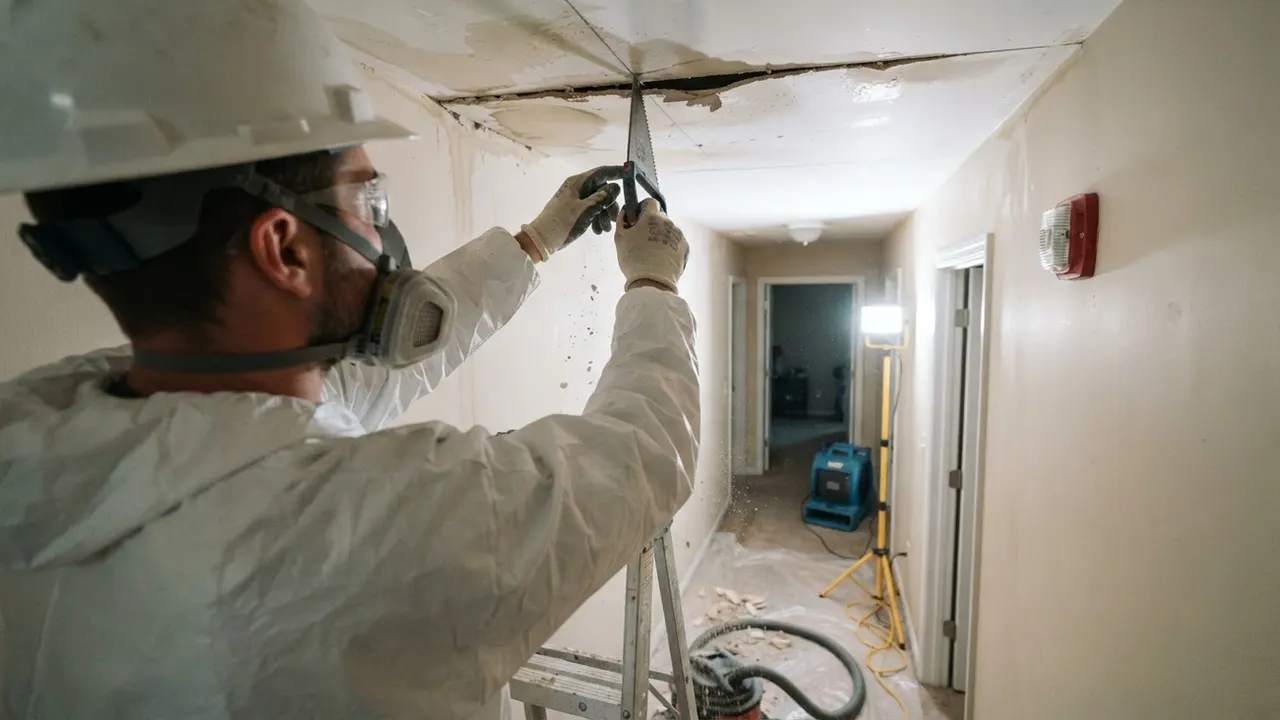
Sewage backup cleanup Hopkins MN helps homeowners and property managers address contaminated water, damaged materials, and persistent odors. We contain the affected area, extract sewage, clean salvageable surfaces, and dry the structure. If a floor drain, toilet, or basement line backs up, keep people and pets away and call us at (833) 546-4116. Our sewage cleanup Hopkins MN service focuses on safe removal and practical next steps.
Contain affected areaRemove sewage waterCheck material moisture
Protected pathwayKeeps clean routes separate from work areas
Recorded readingsNotes moisture checks during drying
Surface-by-surfaceMatches cleaning to material
Clear work zoneMarks affected boundaries for occupants
What Sewage Cleanup Includes
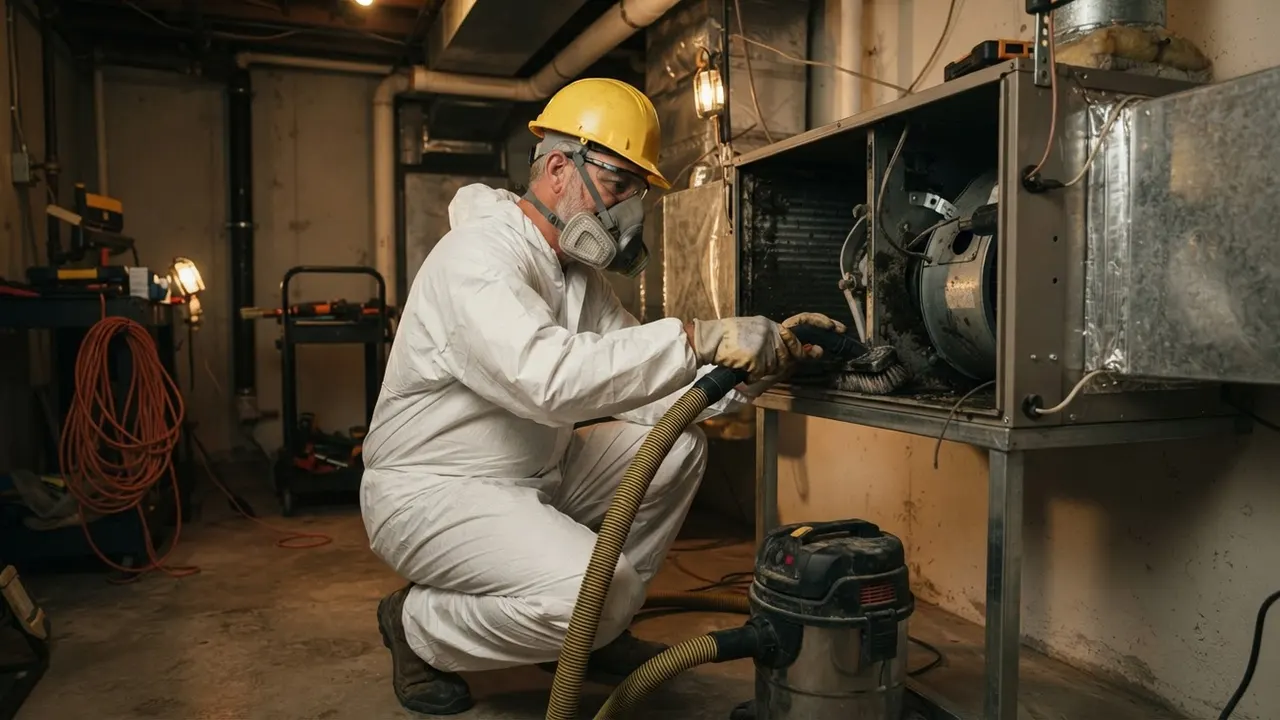
Sewage backup cleanup covers assessment, containment, extraction, removal of unsalvageable contaminated materials, cleaning of compatible surfaces, and drying checks. We explain the affected boundary and record the work performed. Plumbing repair, reconstruction, and specialized contents restoration are separate tasks when needed; we identify those needs as part of the cleanup discussion so you can plan the next step.
Contamination Assessment
We locate visible sewage, inspect nearby surfaces, and map the likely affected boundary. We ask when the backup began and whether it is still active, then identify access and safety concerns before equipment enters the space.
Water and Debris Removal
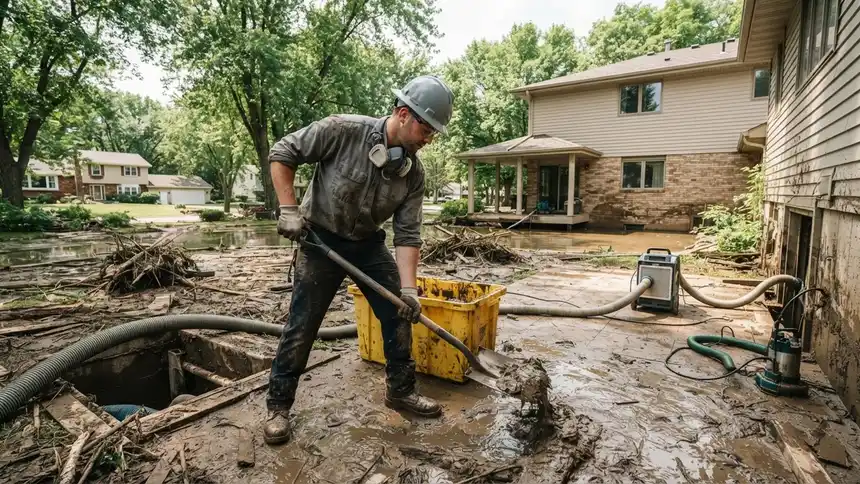
We extract standing sewage with suitable equipment and remove debris that cannot be safely cleaned. The crew keeps affected waste contained during handling and avoids tracking it into clean areas of your home or building.
Material Removal
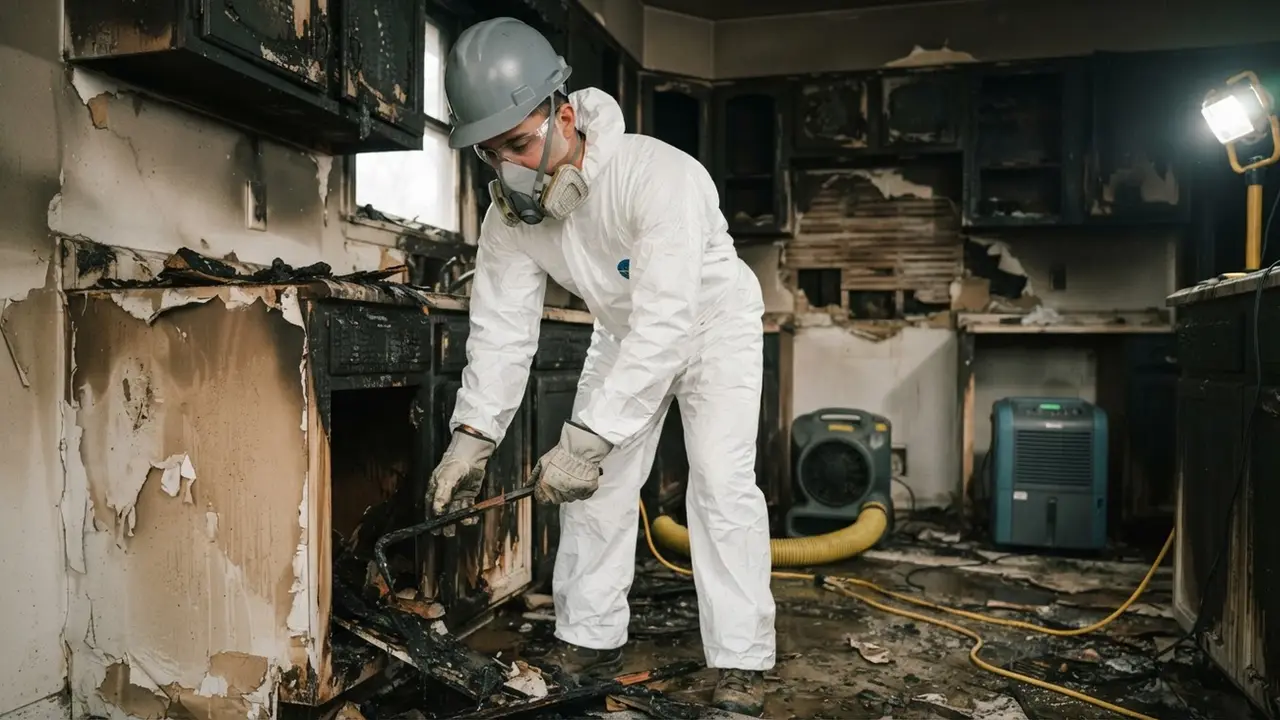
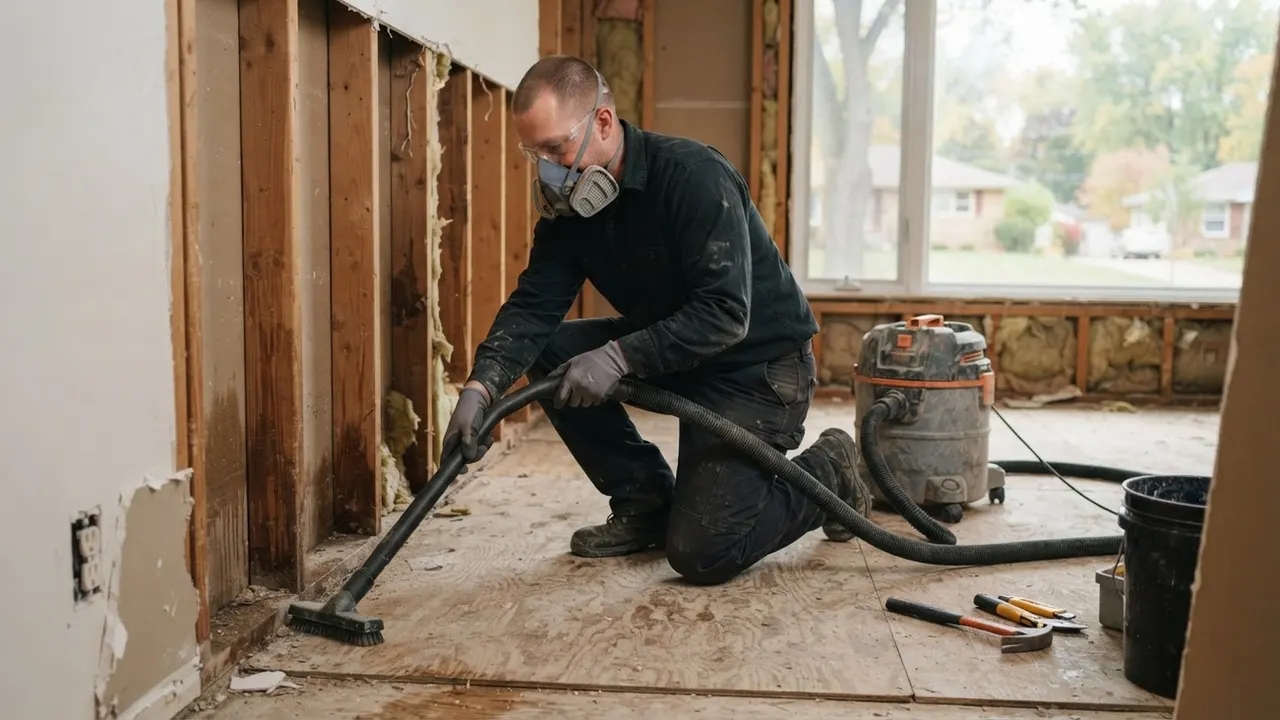
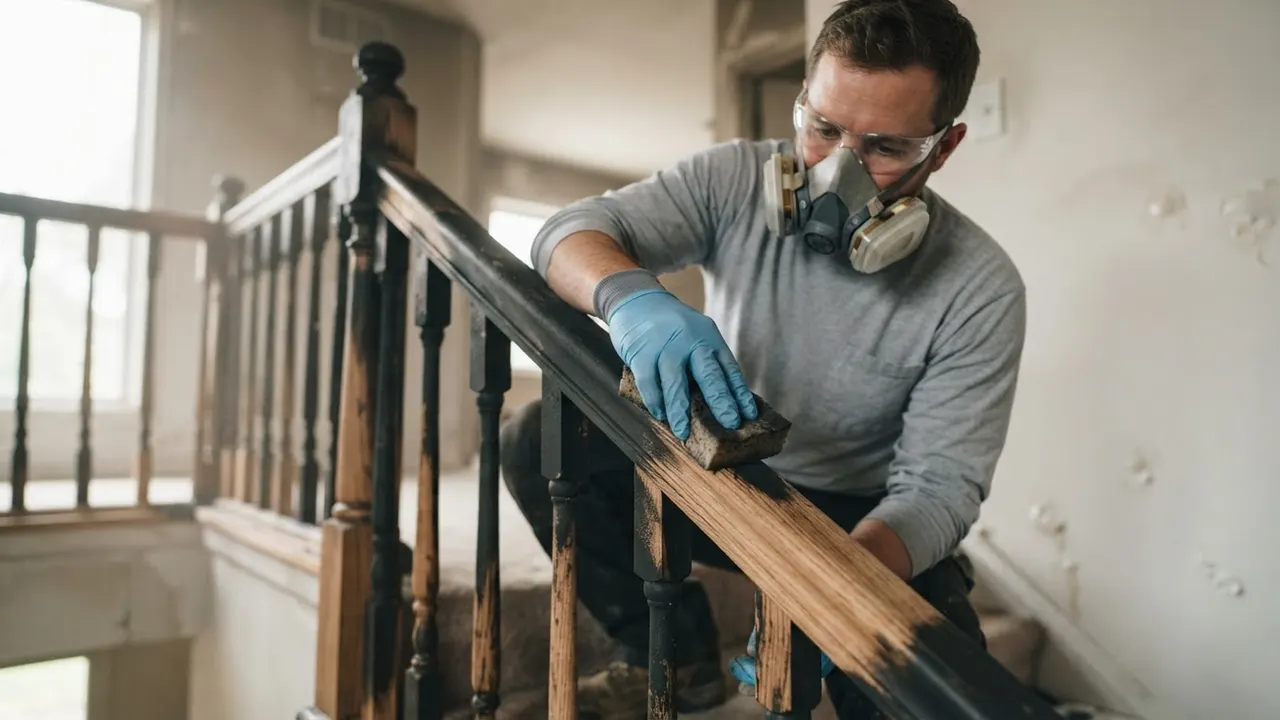
Carpet pad, insulation, or drywall exposed to sewage may need removal if it cannot be effectively cleaned. We show you the material condition and explain why removal is part of the cleanup rather than covering contamination with a new finish.
Surface Cleaning
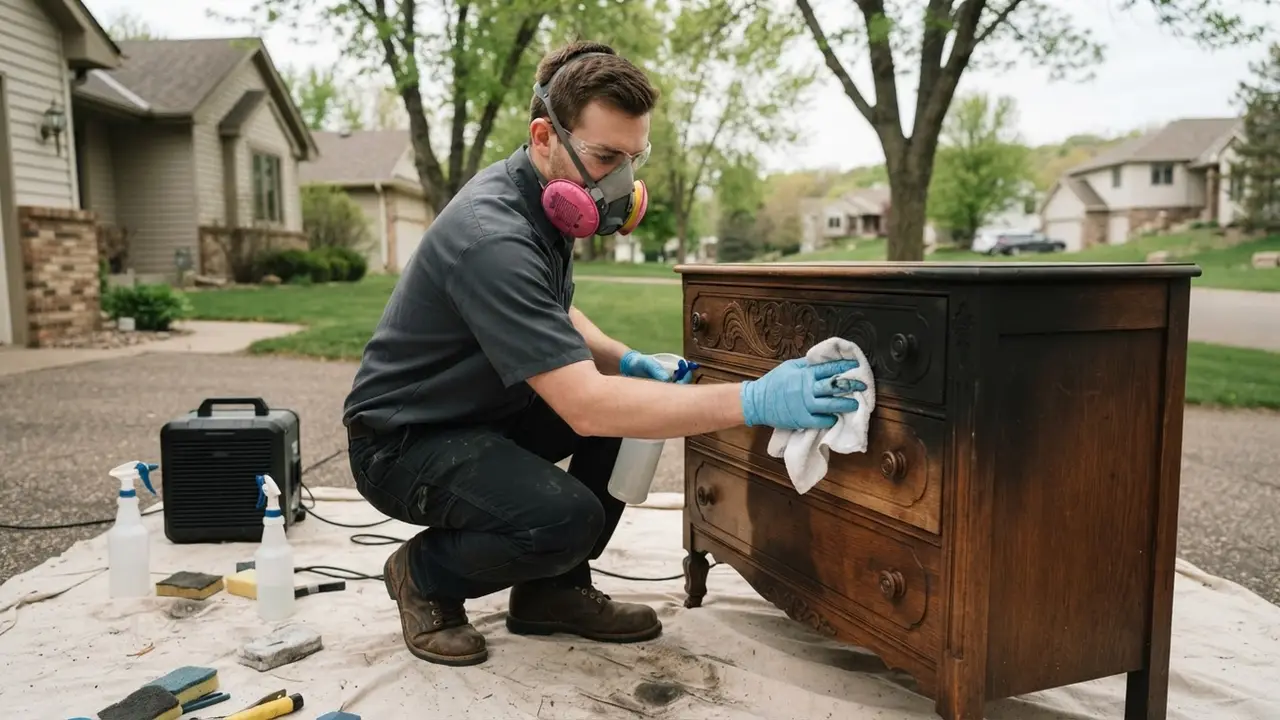
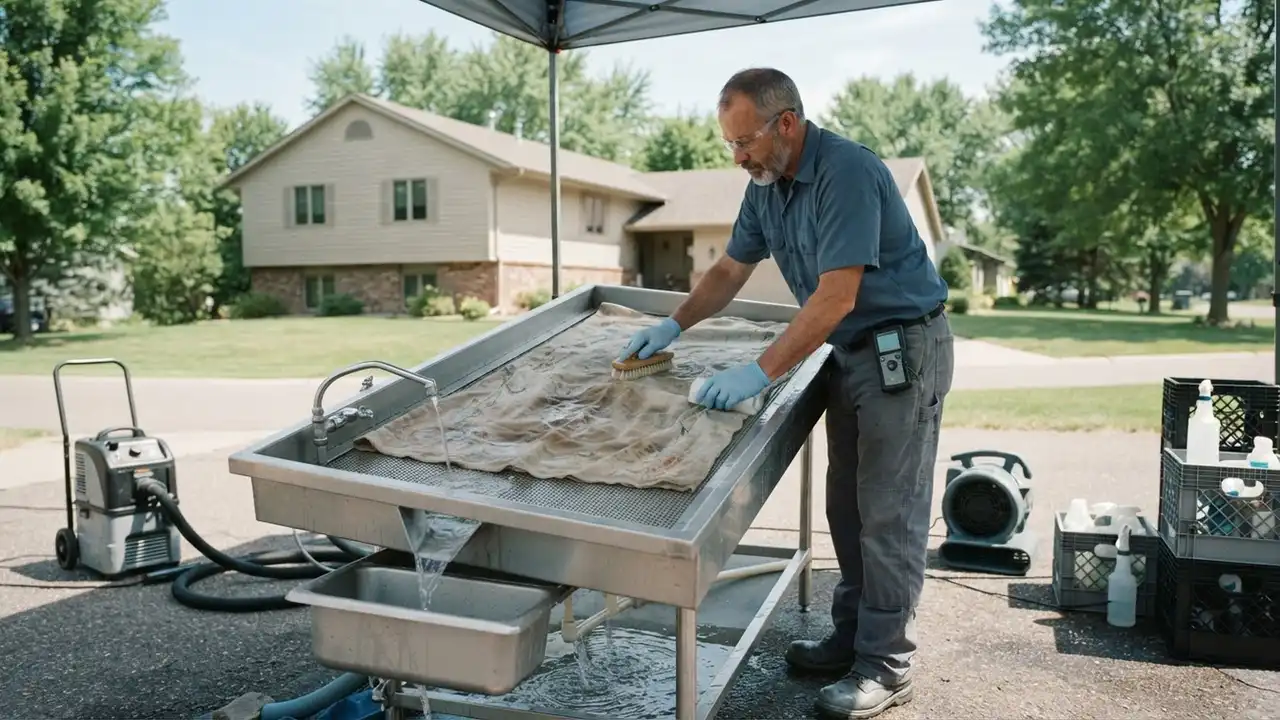
We physically clean compatible hard surfaces to remove residue before applying an appropriate disinfectant. Product selection and use follow label directions, and cleaning methods match the surface so that the process does not damage salvageable finishes.
Drying and Checks
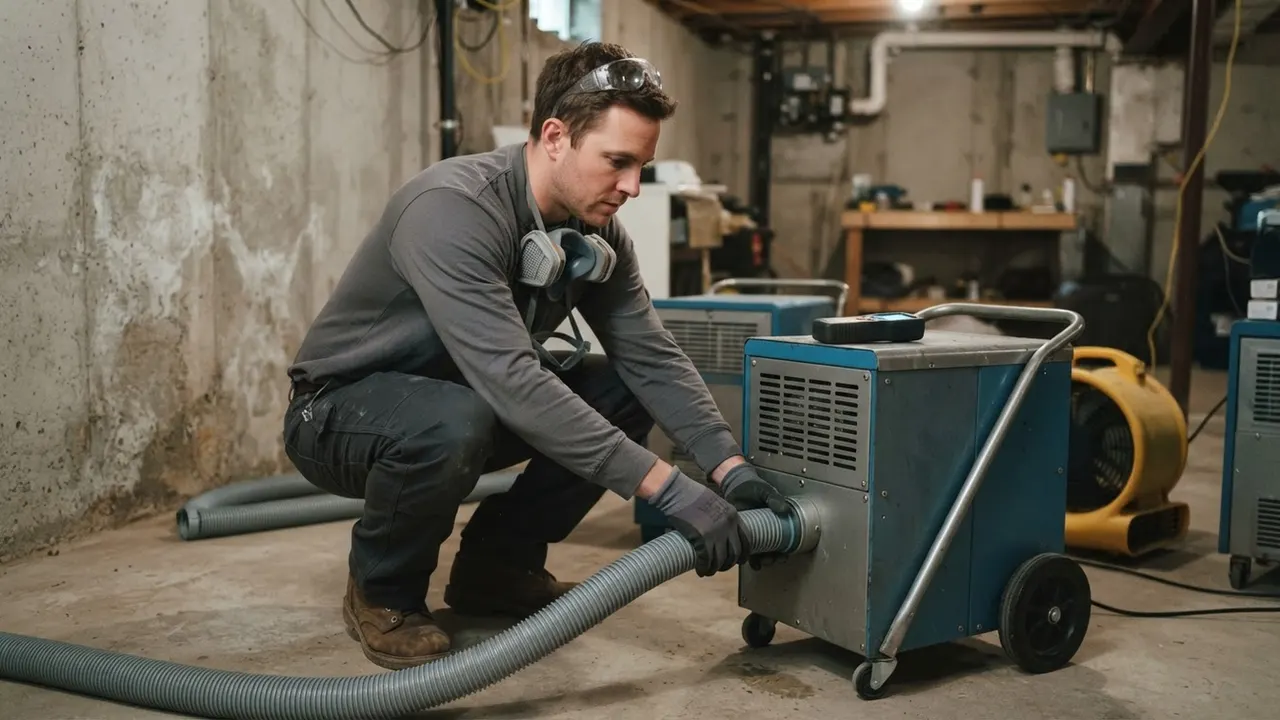
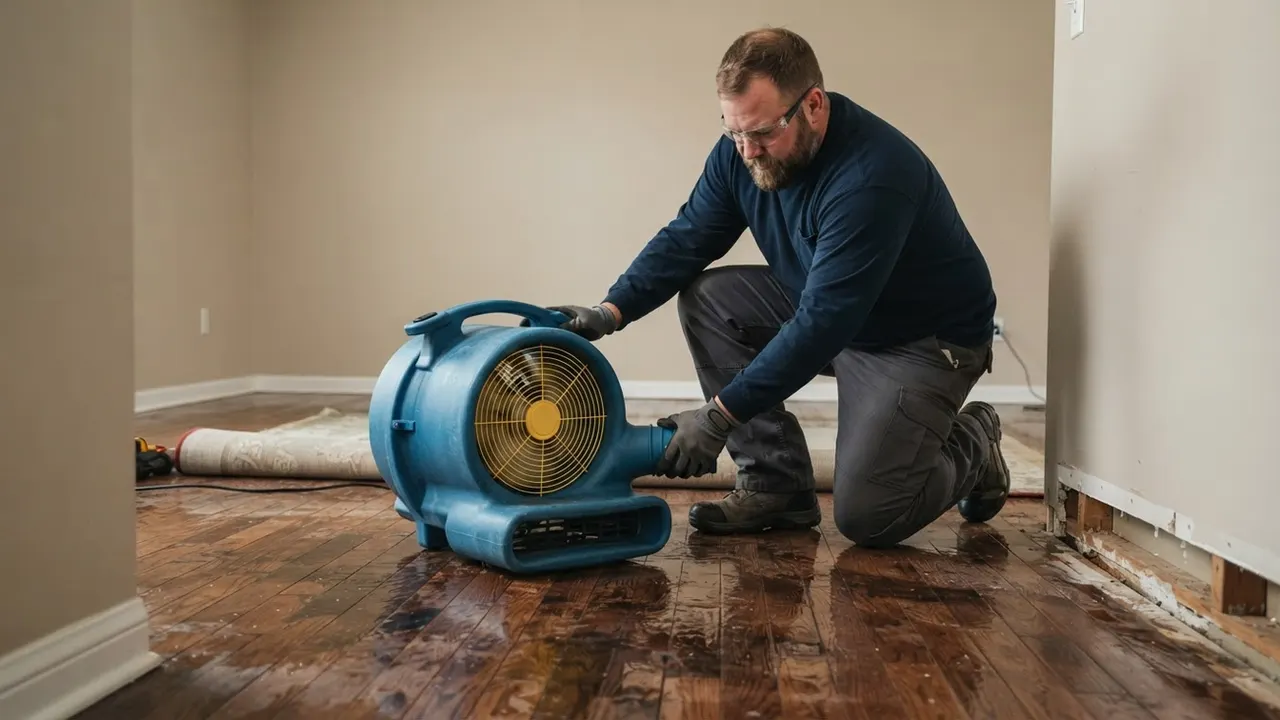
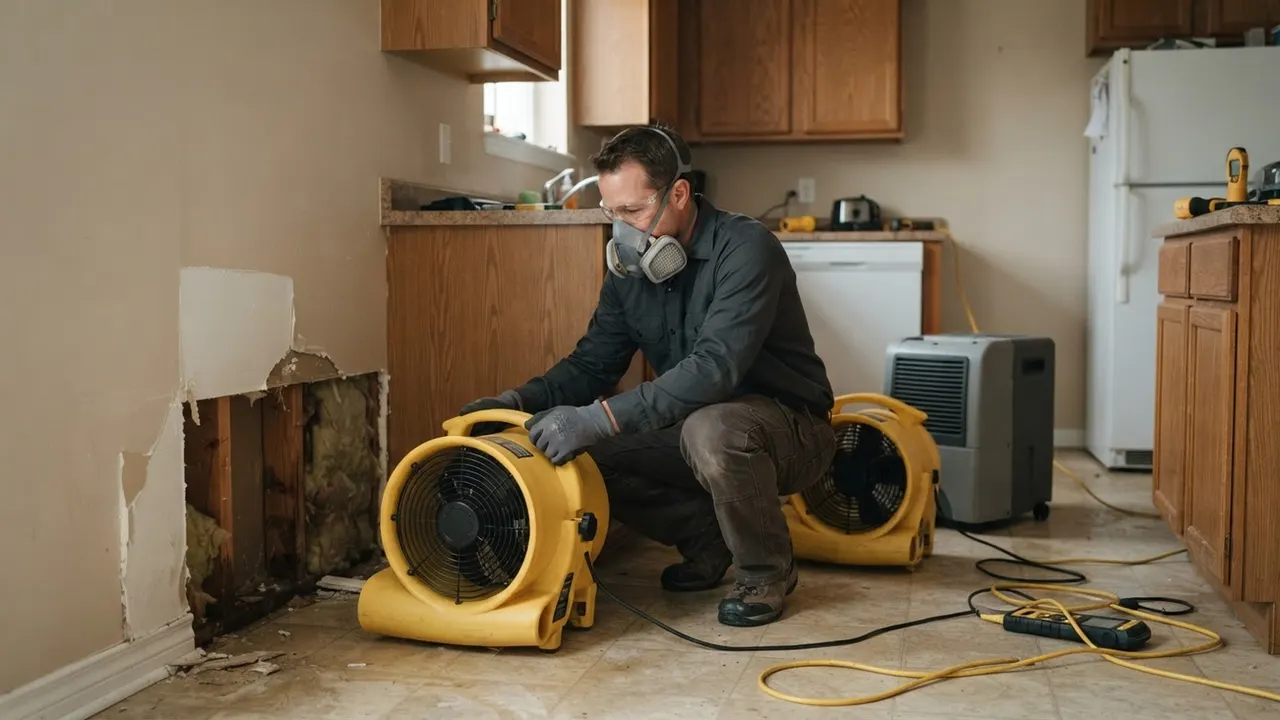
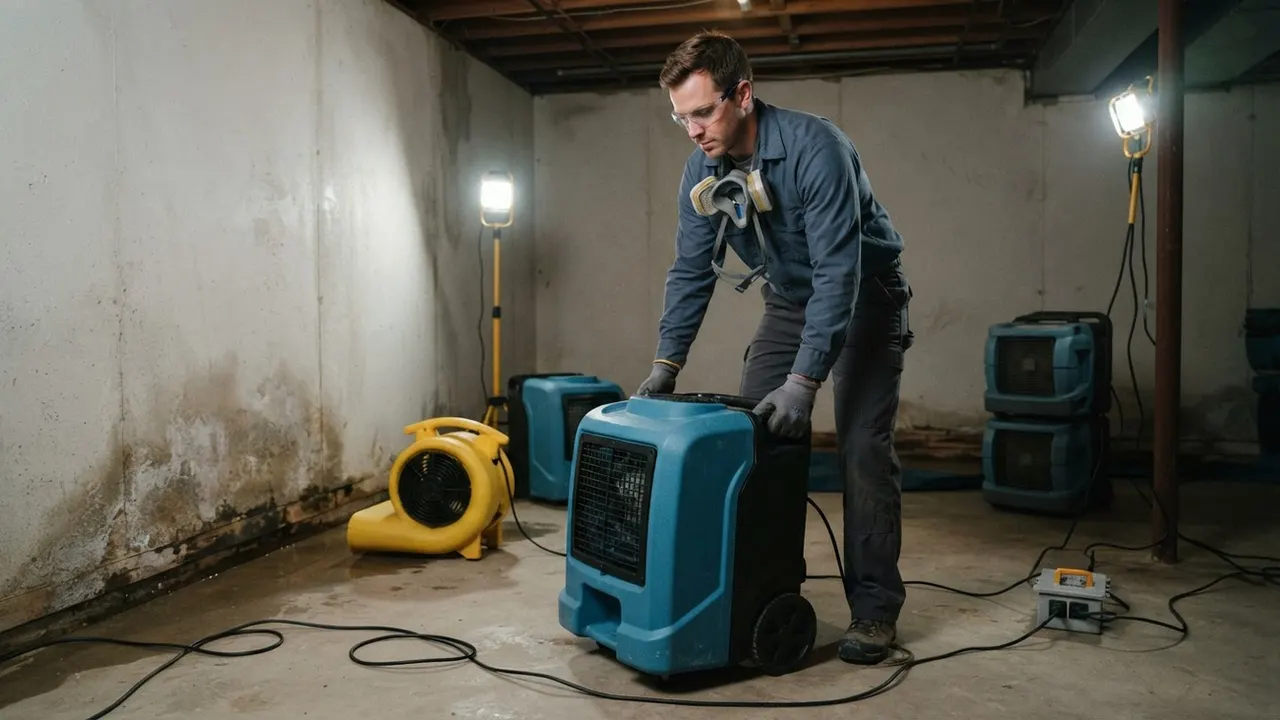
Air movers and a dehumidifier support drying after cleaning. We take moisture readings at affected materials and revisit them as the space dries, helping determine when the area is ready for repair or normal use.
Homes and Businesses.
The approach is the same for a home and a business. What changes is the access, the schedule and who needs the paperwork.
For Homes
A basement drain or toilet overflow can affect flooring, stored belongings, and finished walls. We explain containment, removal, cleaning, and drying as we work.
Basement floor drain backup
Toilet overflow near finished flooring
Laundry drain release
For Properties
A shared drain backup can disrupt utility rooms and occupied areas. We coordinate access, mark work boundaries, and document affected materials for property teams.
Shared utility-room overflow
Lower-level tenant area contamination
Commercial restroom drain backup
Sewage Backup Cleanup Hopkins MN Explained
A plain-language look at what Sewage Backup Cleanup involves and when it is needed.
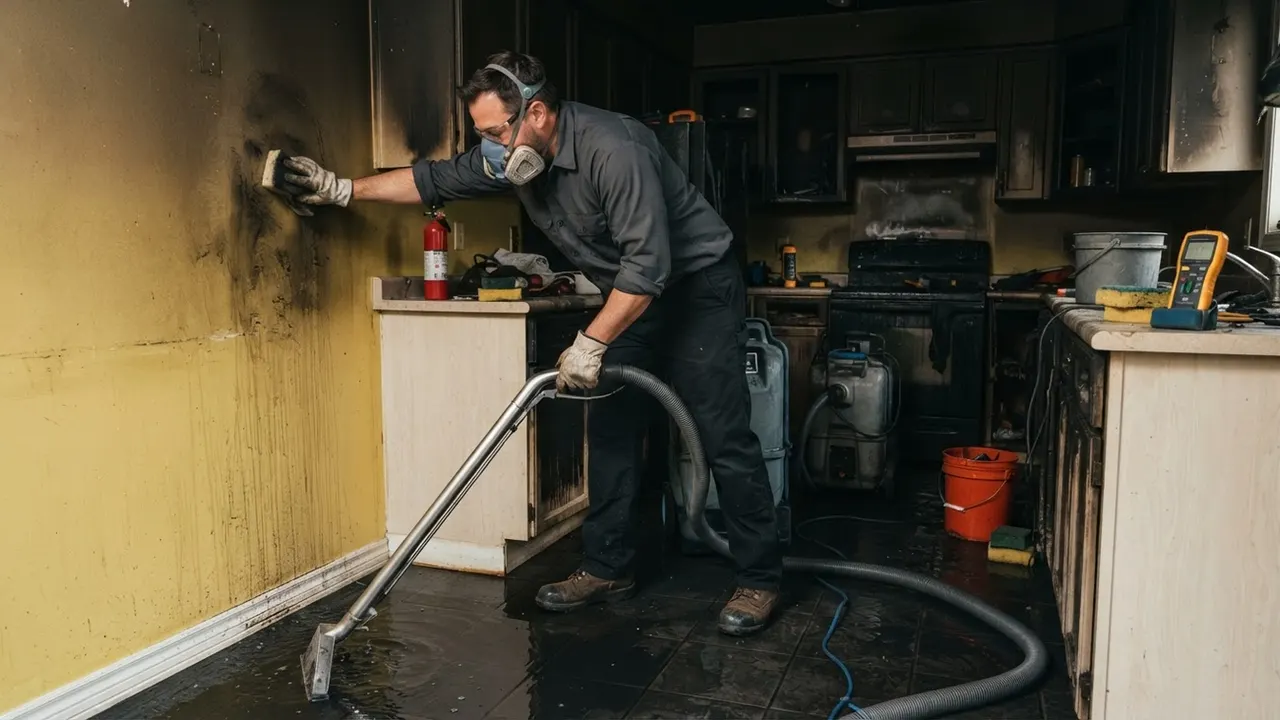
Sewage backup cleanup Hopkins MN is a specialized restoration service that removes contaminated water and waste, cleans affected surfaces, and dries materials after a sewer or drain backup. We begin by identifying the source and limiting access to the affected rooms. After extraction, we remove porous materials that cannot be safely cleaned, wash and disinfect salvageable surfaces, and set drying equipment. A moisture meter helps track progress in walls and floors; a HEPA vacuum captures fine debris during appropriate cleanup stages. The goal is a documented, clean, dry area, not simply a floor that looks clear.
In Hopkins, basement floor drains, toilets, and lower-level plumbing can back up after heavy rain, a frozen pipe burst, or a blocked building drain. Older basements and finished rooms require careful checks behind baseboards and beneath flooring, where contamination or moisture can remain hidden. Our sewage backup removal Hopkins Minnesota service addresses the affected materials and the moisture left behind. If you are searching for emergency sewage backup cleanup in Hopkins MN near me, keep clear of the water and tell us where it appeared, how deep it is, and whether the flow has stopped.
Visible water removal is only one part; contaminated materials and hidden moisture also need attention.
What it is
Removal, cleaning, and drying after sewage contaminates a building area.
When needed
After a drain, toilet, or sewer backup affects indoor surfaces.
What to expect
Containment, extraction, cleaning, material review, and moisture checks.
What to Expect During Cleanup
Sewage backup cleanup Hopkins MN follows a controlled sequence: protect people, stop the source, remove contaminated water, clean, then dry and verify. We talk through each stage with you and explain what we find before moving into the next work area.
Initial Assessment
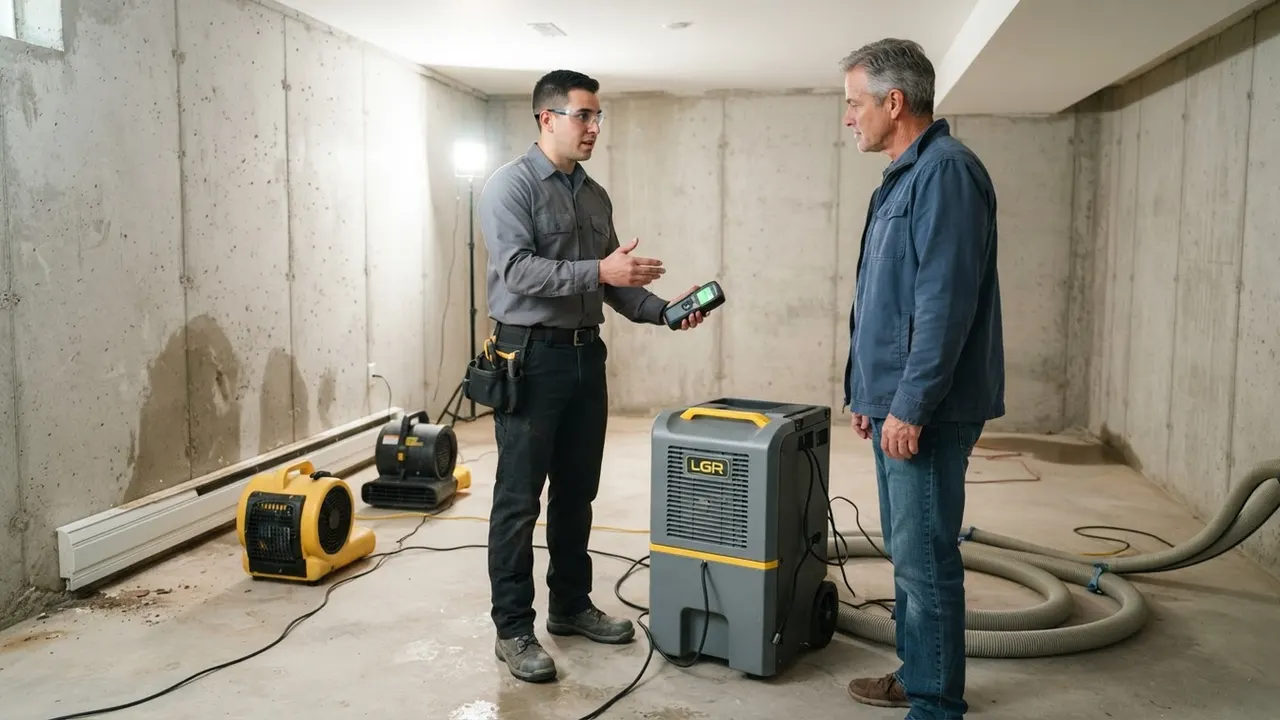
We walk through the affected rooms with you, ask when the backup began, and check whether the source is still active. We identify contamination boundaries, flooring types, and nearby electrical or mechanical hazards before setting equipment. The assessment commonly takes 30 to 90 minutes, depending on access and how many rooms are involved.
Inspect source
Map affected area
Discuss hazards
Contain and Protect
Our crew marks the work zone, protects the route to the exit, and limits unnecessary movement through contaminated areas. We use suitable protective equipment and barriers where the layout allows. If sewage is still entering, we coordinate the immediate next step with you and recommend contacting a qualified plumber to stop the plumbing source.
Set boundary
Protect route
Separate contents
Extract and Remove
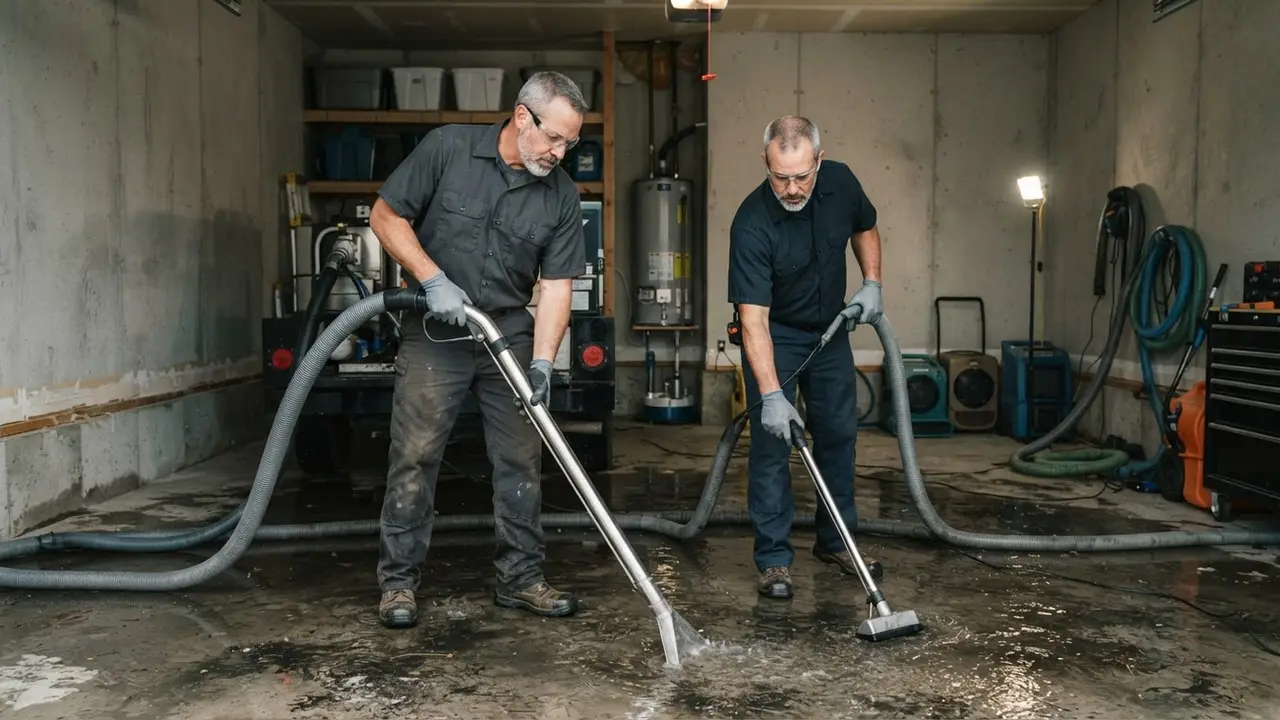
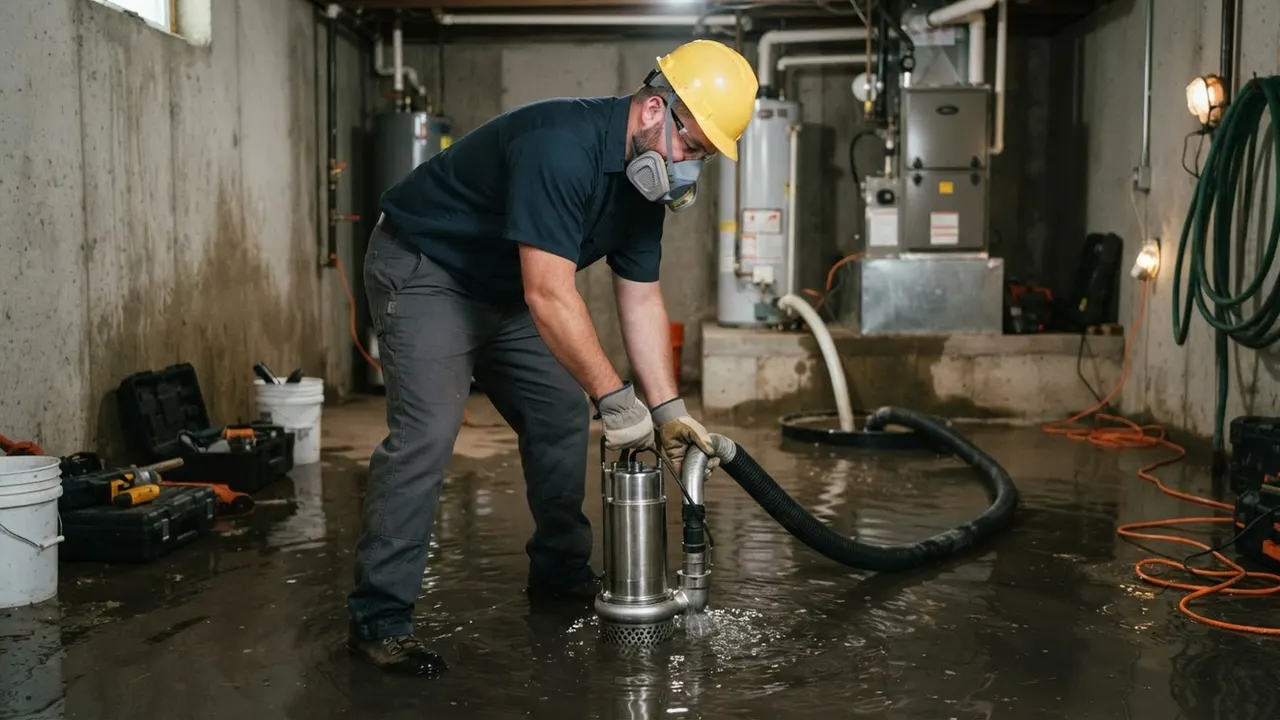
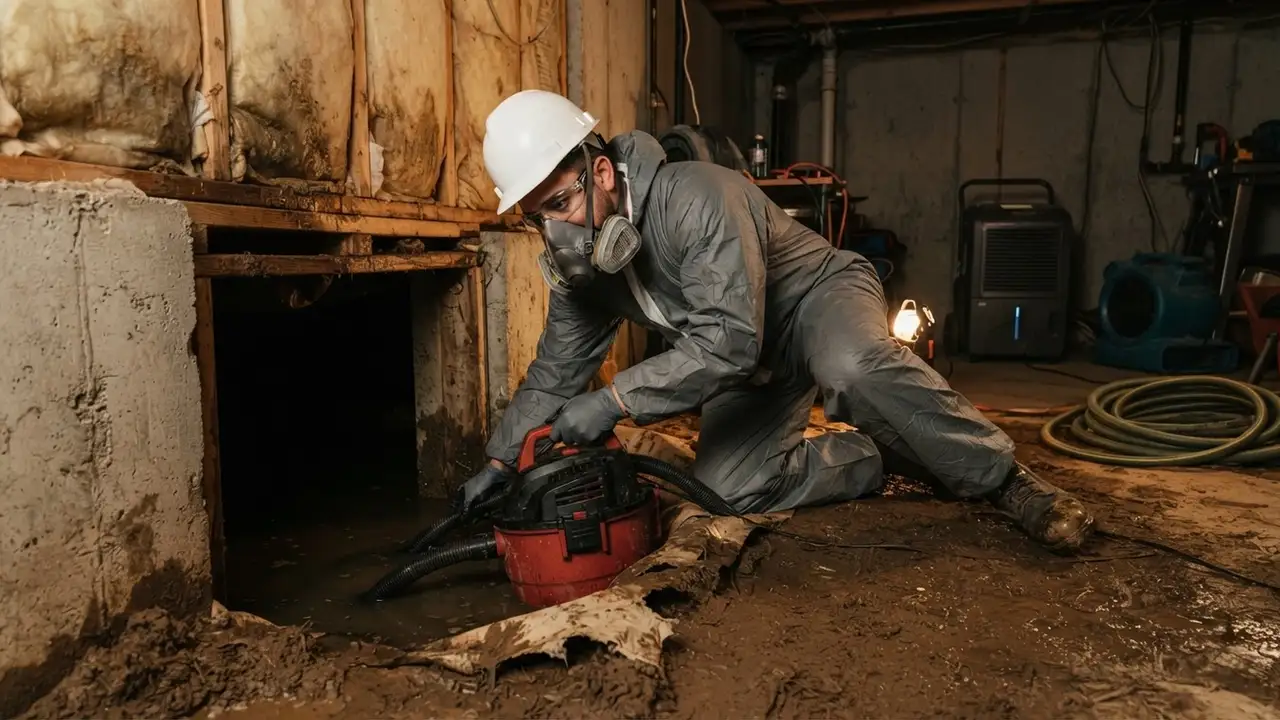
We use a sump pump or wet/dry vacuum suited to the water depth and debris, then bag and remove unsalvageable porous materials. Extraction can take a few hours in a small room and longer when water has spread under flooring or into several spaces. We keep clean contents separate from affected items.
Extract water
Remove debris
Bag waste
Clean and Disinfect
We remove visible residue first, then clean compatible surfaces and apply an appropriate antimicrobial product according to its label. Disinfection follows physical cleaning; applying product over soil does not solve contamination. We check corners, floor joints, and exposed framing, and explain which materials require removal rather than surface treatment.
Clean surfaces
Apply disinfectant
Check edges
Dry and Verify
We place air movers and a dehumidifier to support drying, then return for moisture checks as conditions change. A typical drying phase takes about three to five days, but dense materials or concealed moisture can extend it. We review readings with you and discuss repairs, such as replacing drywall or insulation, after the area is ready.
Set drying
Record readings
Review next steps
Equipment and Cleanup Methods
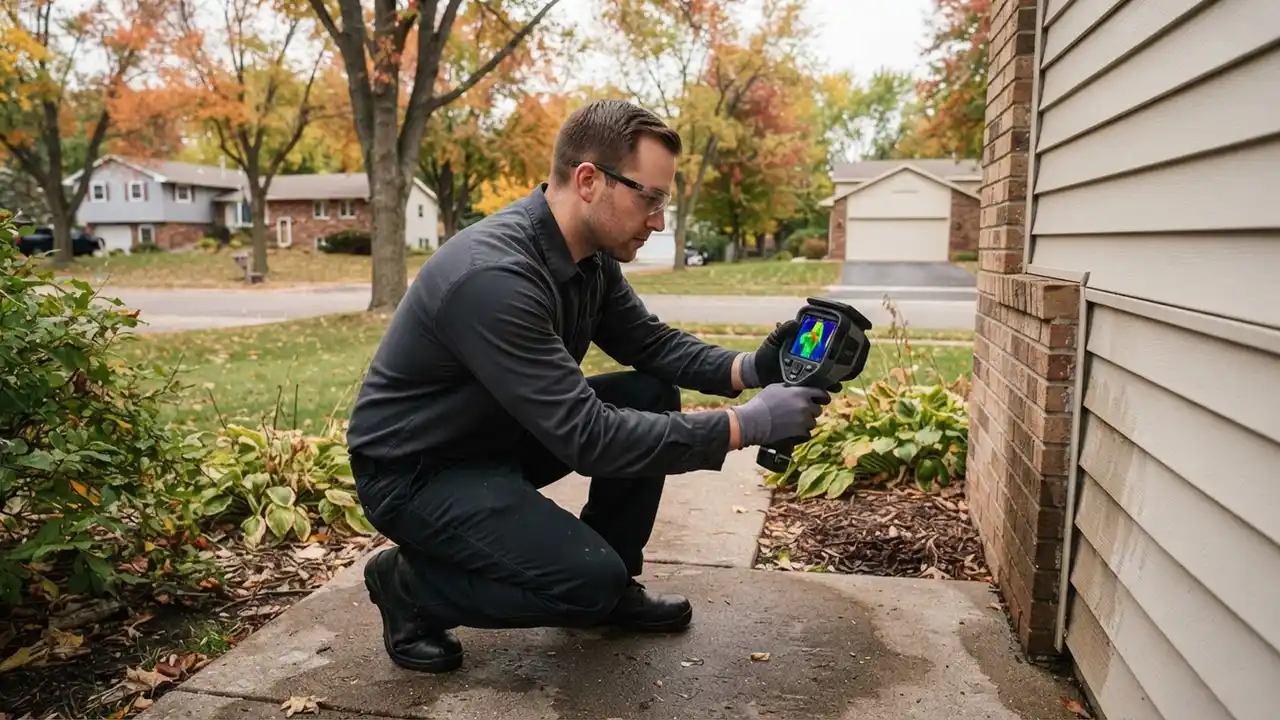
Move across a circle, or focus it and press Enter, for an illustrative thermal view of the photograph.
Moisture Meter
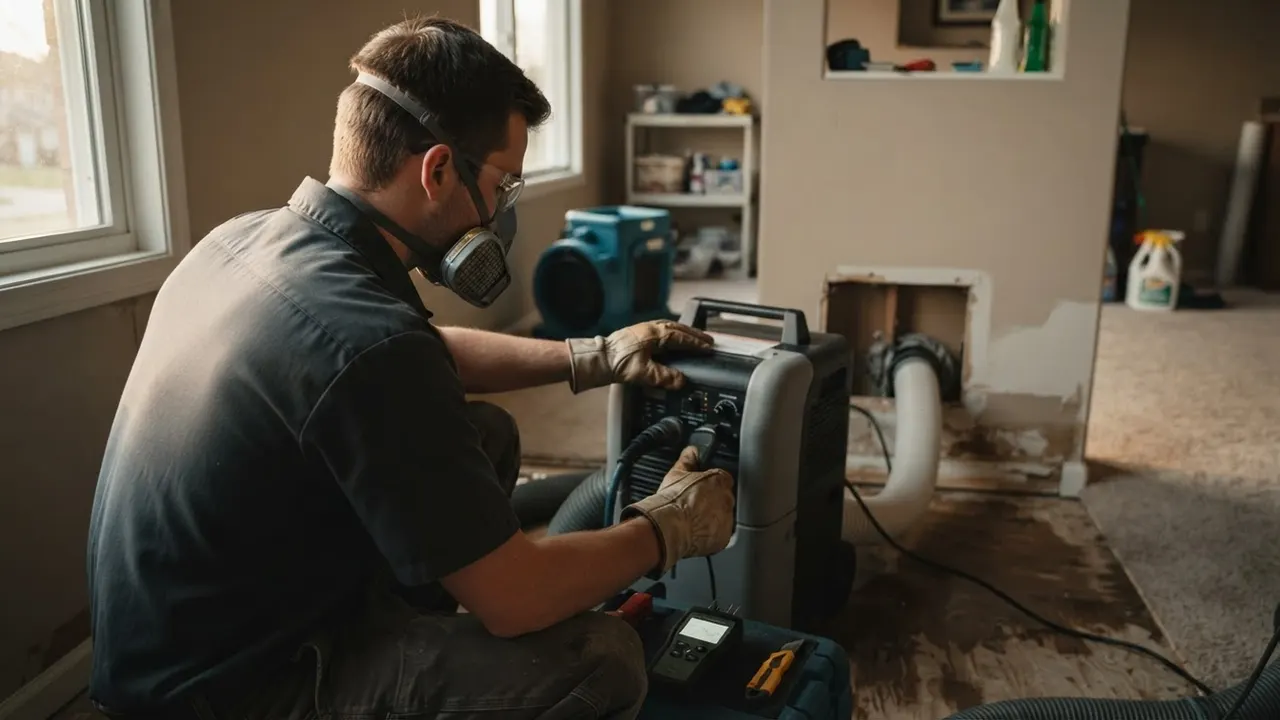
We check moisture in accessible materials and compare readings over time, especially at wall bases, trim, and flooring edges after extraction.
HEPA Vacuum
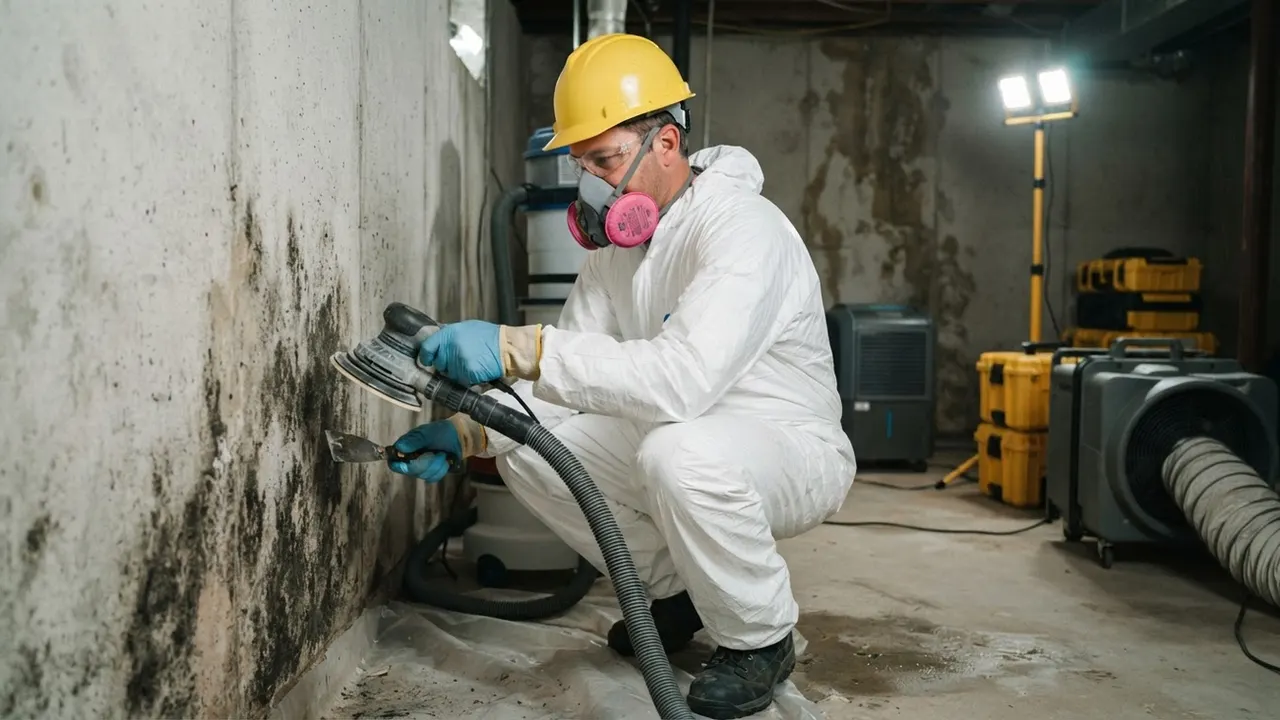
A HEPA vacuum captures fine particles during appropriate cleanup tasks after gross contamination has been removed and the surface is ready for that method.
Negative Air Machine
We use negative air control when site conditions and containment needs call for managed airflow, helping limit movement from the work zone.
Sump Pump
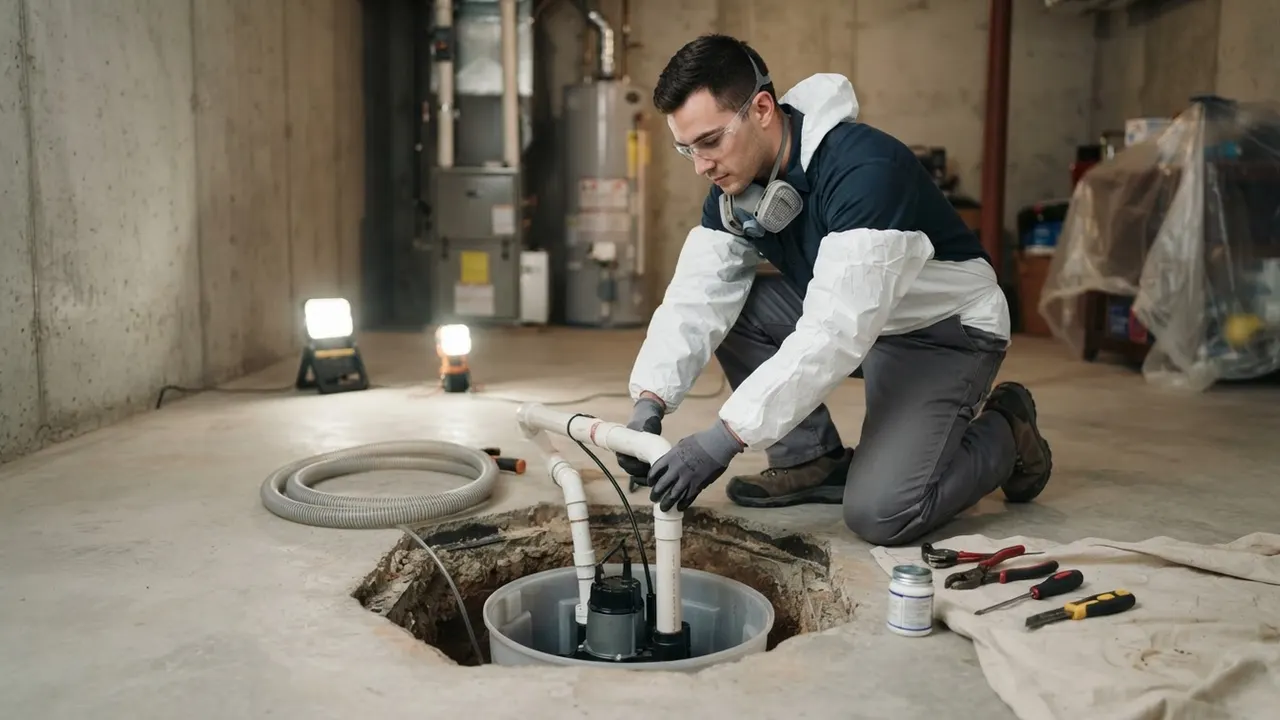
A sump pump moves larger volumes of standing water when depth and debris conditions suit the equipment and the source has been assessed.
Dri-Eaz Dehumidifier
A dehumidifier reduces moisture in the work area during structural drying, paired with air movement and repeat moisture checks.
Thermal views are illustrative, generated from the photographs.
Methods
Containment and clean-to-dirty workflow
We establish a practical boundary, protect the route, and keep clean contents away from contaminated materials. Work proceeds from less affected areas toward the source where the layout allows. This reduces cross-transfer and makes it easier to track what has been cleaned, removed, or left for repair.
Physical cleaning before disinfection
We first remove visible soil and organic residue from compatible surfaces. Disinfectant is applied only after cleaning and according to product directions; it cannot reliably compensate for contamination left underneath. Porous materials that cannot be restored are removed rather than treated as if surface application solved the problem.
Measured drying
We position air movers and dehumidification based on the affected materials, room geometry, and moisture readings. Follow-up checks show whether drying is progressing and whether concealed dampness remains. Equipment is adjusted as conditions change instead of being left in place without verification.
When to Call for Cleanup
Basement Drain
A floor drain backs up into a Downtown Hopkins basement during a heavy rain.
We assess whether the backup has stopped, mark the contaminated area, and remove standing water and debris. We inspect flooring edges and nearby finished walls, then clean compatible surfaces and set drying equipment where needed. We also note whether a plumbing professional must address the drain source.
Outcome: You get a contained work area, a clear record of affected materials, and a plan for cleaning, drying, and repairs.
Frozen Pipe
A frozen pipe burst near a lower-level bathroom and sewage reached the hallway.
We separate the sewage-affected area from other water damage, remove contaminated materials, and address the source with the appropriate plumbing trade. The crew checks adjoining flooring and wall bases so water does not remain beyond the visible path.
Outcome: Contaminated material is handled separately, and the hallway and bathroom have a defined path toward cleaning and drying.
Shared Drain
A shared building drain overflows into a utility room near the Excelsior Boulevard Area.
We coordinate access with the property contact, identify affected common areas, and set a controlled route for equipment and waste removal. We clean and dry the impacted room and document work areas to support building operations and repair planning.
Outcome: Property staff can understand which areas were affected, what was removed, and what needs attention before normal use resumes.
Laundry Release
A washing machine drain line releases wastewater across a basement laundry floor in Hopkins.
We determine whether the water is contaminated, extract it with suitable equipment, and inspect under nearby appliances and along wall edges. We remove affected porous materials where necessary, clean compatible surfaces, and monitor drying.
Outcome: The laundry area is cleared of visible waste, affected materials are addressed, and drying progress is checked before repairs.
Downtown HopkinsBlake Road CorridorExcelsior Boulevard Area
How Cleanup Works in Hopkins Homes
Sewage backup cleanup Hopkins MN must account for winter freezes, spring rain, and the varied basements found across Hopkins. A frozen pipe burst can release water near a floor drain, while heavy rain can coincide with a drain backup; the source and contamination type need separate assessment. In older finished basements, carpet, drywall, and insulation can hide the extent of the affected area.
We inspect along slab edges, around floor penetrations, and behind accessible trim before setting a drying plan. For sewage backup removal Hopkins Minnesota, we keep contaminated materials separate from ordinary clean-water debris and explain what can be cleaned versus removed.
Properties in Hennepin County also vary in access, shared utilities, and building use, so we coordinate with homeowners or property managers before moving equipment through common areas. We record moisture checks and identify repair needs, including mold-resistant drywall where suitable after the affected space is clean and dry.
Downtown Hopkins: Finished lower levels and shared building areas call for clear boundaries, protected access routes, and communication with nearby occupants during cleanup.
Blake Road Corridor: Basement drains and utility spaces can sit near stored belongings; we separate salvageable contents from contaminated materials before extraction.
Excelsior Boulevard Area: Multi-unit or mixed-use properties may require coordinated entry and documentation of common-area impacts alongside affected private rooms.
The Highlands: Lower-level flooring and wall finishes need checks at edges and penetrations, where moisture can remain outside the visible spill.
Freeze-thaw periods stress plumbing and basement drain connections: A frozen pipe burst can deliver water rapidly, and thawing can reveal leaks near the floor drain. We distinguish the plumbing source from sewage contamination, stop access to affected areas, and plan removal and drying around the actual materials.
Heavy rain can coincide with basement drain backups: Rain-related water and sewage can reach the same room but require different handling. We assess the source, separate contaminated water from clean-water impacts, and identify which surfaces and contents need controlled cleaning or removal.
We walk through affected rooms and explain the initial findings.
We protect the access route and set up the work area.
We review moisture checks, completed work, and remaining steps.
From Problem to Finished Result.
IllustrativeThe thermal view is generated from the photograph. It is not a measurement. Drag the handle, or use the arrow keys once it is focused.
Finished Basement Floor Drain
Before: A basement drain backup left approximately 1 inch of wastewater across a 180-square-foot finished room. Carpet pad was saturated, storage boxes sat at the edge of the spill, and odor remained after the standing water was gone. The homeowner needed to know which materials could be cleaned and what had to be removed.
After: The crew extracted the remaining water, removed contaminated carpet and pad, cleaned compatible hard surfaces, and checked the lower wall edges. Drying equipment ran during follow-up monitoring, with readings recorded across the affected area. The room moved from visible contamination to a clean, drying space ready for repair planning.
Keep the floor drain accessible and avoid storing cardboard directly on the basement floor. After heavy rain, check for slow drainage or new odors and report a fresh backup before it spreads.
Laundry Room Overflow
Before: A laundry drain released wastewater across a 70-square-foot utility room and reached the base of nearby shelving. The visible water was shallow, but debris and residue collected along the wall and beneath a stored mat. The property owner wanted the room cleared without carrying contamination into the adjoining hallway.
After: We established a contained route, removed the mat and affected porous items, extracted the wastewater, and cleaned compatible surfaces. Moisture checks identified dampness at the wall base, so drying continued until readings improved. The hallway stayed outside the work boundary and the cleanup steps were documented.
Keep hoses and the drain standpipe secure, and avoid blocking access to the floor drain. Inspect the wall base after appliance use; a small leak or recurring odor can signal a developing issue.
Shared Utility Area Backup
Before: A shared drain backed up into a 120-square-foot utility room serving several Hopkins units. Wastewater reached stored supplies and the edge of a corridor, creating questions about access, disposal, and which contents could be retained. Building staff needed a clear account of the affected area before arranging repairs.
After: The crew marked the work zone, coordinated entry, removed contaminated debris and unsalvageable materials, then cleaned the affected floor and lower wall surfaces. Drying checks continued over the next several days. Photos and job notes helped staff distinguish completed cleanup from remaining plumbing or reconstruction work.
Keep utility-room drains and cleanouts unobstructed, and record recurring slow drainage for the building maintenance team. Review the cleanup notes before replacing stored supplies or closing repaired wall areas.
Problems We Solve After a Backup
Raw sewage creates contamination, odor, and hidden moisture in a short time. Sewage backup cleanup Hopkins MN addresses the visible mess and the affected materials beneath it, while keeping clean rooms and salvageable belongings apart from the work zone.
Drain poolingSewage pooled around a basement floor drainWastewater can spread beneath stored items and into flooring seams, leaving residue and odor after the visible puddle is gone. We isolate the area, remove standing water and debris, and inspect floor edges and penetrations for residue. We clean compatible surfaces and remove contaminated porous materials that cannot be safely restored. Drying checks help reveal moisture that remains after extraction.
Flooring exposureToilet overflow reached finished flooringContamination can reach carpet, pad, baseboards, and lower drywall, where surface wiping alone may leave affected material in place. We define the affected boundary, remove materials that cannot be adequately cleaned, and clean remaining compatible surfaces. Our crew protects the route through your home, keeps salvageable contents separate, and records removal and cleaning so repair planning is straightforward.
Lingering odorBackup odor persists after water disappearsOdor can remain where sewage residue or damp material is trapped under flooring, behind trim, or in an uncleaned floor joint. We trace the odor to likely residue and moisture rather than masking it. The team checks seams and concealed edges, cleans or removes affected material, and then dries the area. Deodorizing methods are considered only after physical cleaning addresses the source.
Damp materialsBasement materials remain damp after extractionMoisture in framing, drywall, or insulation can delay repairs and create conditions that support mold growth if the area stays wet. We check affected materials with moisture tools, place drying equipment where readings and airflow needs indicate, and monitor progress. If materials are contaminated or cannot dry effectively, we explain removal and repair options before the room is closed up again.
A Cleaner, Safer Recovery
A controlled cleanup removes contamination and tracks moisture before repairs begin.
Containment From the Start
We isolate the affected area with plastic sheeting where practical and keep foot traffic away from clean rooms. That separation helps prevent sewage residue from spreading on shoes, tools, or air movement. We also identify a safe path for equipment and bagged debris, reducing disruption while the cleanup proceeds.
Measured Structural Drying
A moisture meter and infrared thermometer help us check affected building materials rather than relying on touch alone. We position air movers and a dehumidifier based on the room layout, then record follow-up readings. Drying time varies with the materials and conditions; many contained areas need several days of monitoring.
Odor Source Removal
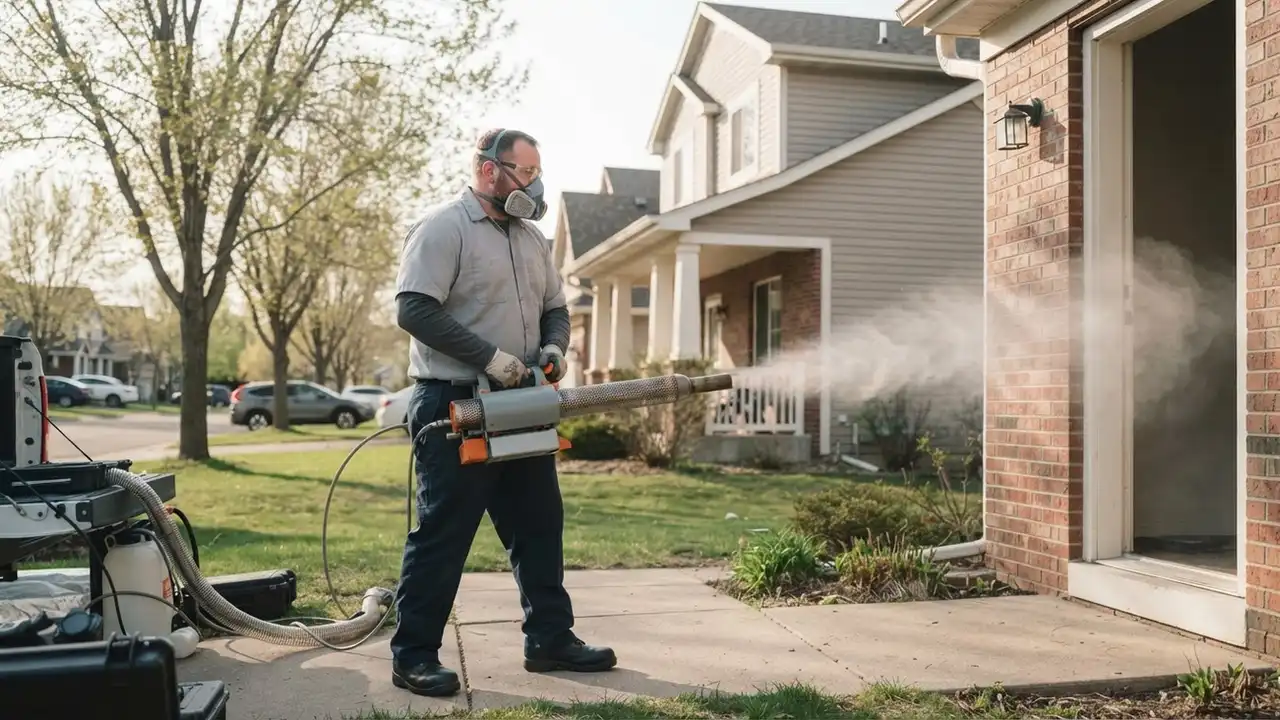
Persistent odor usually points to residue or moisture that remains in a hidden location. We inspect seams, wall edges, and floor penetrations, then clean or remove affected materials. A Fogger is considered only when appropriate; it does not replace physical cleaning or removal of contaminated material.
Clear Documentation
You receive a practical record of affected rooms, removed materials, cleaning steps, and drying observations. When an insurance claim is involved, photographs and itemized notes can help explain the work. We can use Xactimate-style line items when preparing job documentation, without implying that an insurer must approve a claim.
What You Receive
Clear records you can keep and share.
Photo Log
Images of affected areas and visible work stages
Moisture Log
Recorded readings from monitored materials
Work Summary
Cleanup steps and materials addressed
Item Record
Notes on removed or separated contents
Cleaning Differs by Material
Hard, cleanable surfaces and porous items need different decisions after sewage exposure.
Hard Surfaces
Compatible, nonporous materials can be cleaned after residue removal.
Remove visible soil first
Follow product directions
Check seams and joints
Porous Materials
Absorbent items can retain contamination beyond the surface.
Assess carpet and pad
Review drywall and insulation
Remove when not restorable
Drying Phase
Moisture checks guide equipment and repair readiness.
Track material readings
Adjust airflow as needed
Confirm progress before repairs
Materials and Surfaces
Concrete
Tile
Drywall
Insulation
Carpet pad
Baseboards
Floor drains
Stored contents
Service ZIP Codes.
A list like this tells people straight away whether you cover their street. Not listed? Call and ask: it only takes a minute.
A floor drain backed up into our finished basement after a heavy rain. The crew separated the work area, removed the wet carpet and pad, and showed us where moisture remained at the wall edge. They checked the readings again during drying and explained what needed replacement. We appreciated having the affected items and next steps clearly documented.
Our laundry-room drain overflowed and sewage reached the adjoining storage area. The team extracted the water, removed materials that could not be cleaned, and kept salvageable boxes away from the work zone. They explained why cleaning had to happen before disinfecting and returned to check the drying progress. The odor improved after the residue was removed.
A shared drain backup affected a lower-level utility room in our Hopkins building. The crew marked the affected boundary, coordinated access with us, and documented the materials removed and surfaces cleaned. Their moisture checks helped us plan repairs without closing the entire lower level longer than necessary. We had a clear record for our property file.
Frequently Asked Questions
The total depends on water depth, affected rooms, disposal volume, flooring, and whether walls or insulation need removal. In 2026, we assess the affected area and explain the work and pricing before proceeding. Plumbing repairs and reconstruction are separate trades and can add to the overall project.
Coverage depends on your policy, the cause of the backup, and any endorsements; there is no single answer for every Hopkins property. Call your insurer promptly, take photos from a safe distance, and keep receipts or damaged-item records. We document affected areas and cleanup steps for your records. A sudden pipe failure may be treated differently from sewer backup or groundwater, so the insurer makes the coverage decision.
We contain the affected basement, remove sewage and debris, discard contaminated porous materials when they cannot be safely cleaned, then clean and disinfect compatible surfaces. We finish with drying equipment and moisture checks. Keep children and pets out, avoid direct contact, and do not run household fans through the affected area. For basement sewage backup cleanup Hopkins Minnesota, the source must also be stopped so contamination does not return.
Choose a Hopkins company that explains containment, material removal, cleaning, drying, and documentation before work starts. Ask how the crew checks concealed moisture and handles contaminated porous items. Our team provides sewage backup cleanup in Hopkins and can be reached at (833) 546-4116. If you are comparing providers, request a clear description of the affected area and the steps proposed; avoid relying on ratings or claims alone.
Keep people and pets out of contaminated water, then call our Hopkins team at (833) 546-4116. We will discuss the source, affected rooms, and immediate safety steps. Our crew explains the cleanup sequence and documents the work as it proceeds.
Call Hopkins Water Damage Company at (833) 546-4116 to describe a leak, fire, mold concern, or basement water problem. We connect you with independent companies serving Hopkins, Minnesota, including ZIP codes 55343 and 55305. Tell us the property type, affected area, and whether the source is still active so the provider can understand what help you need.