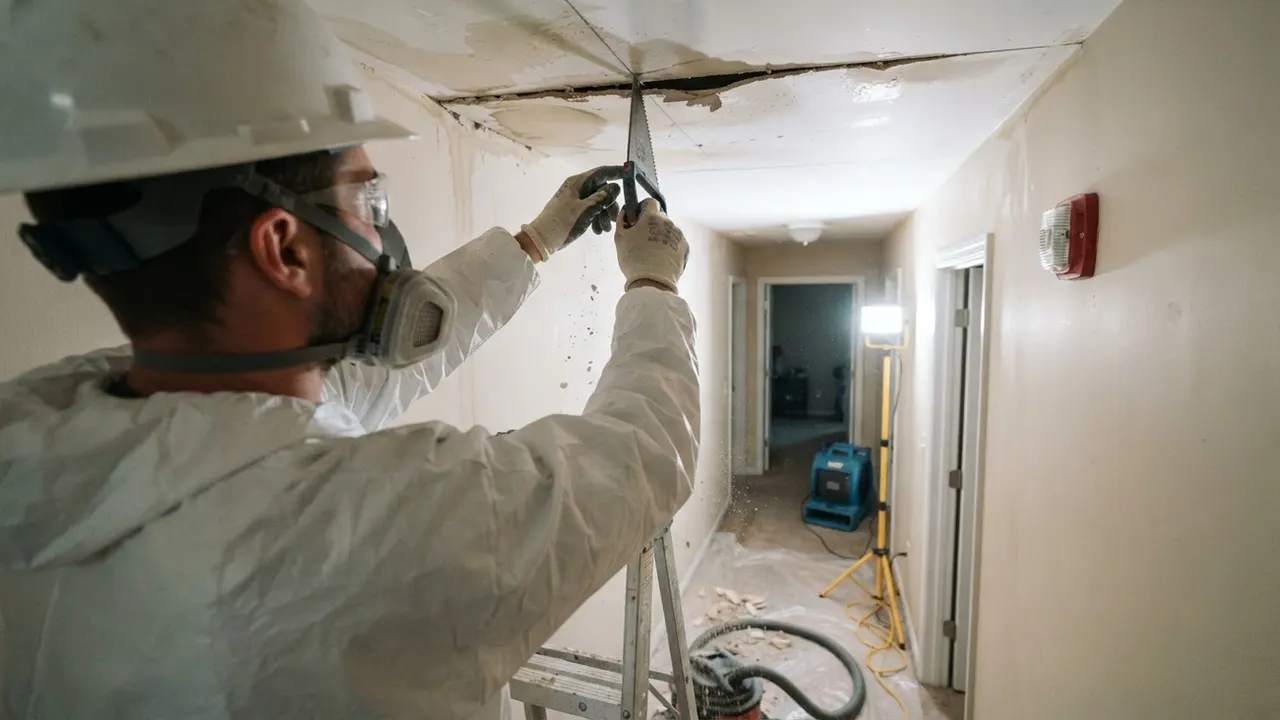
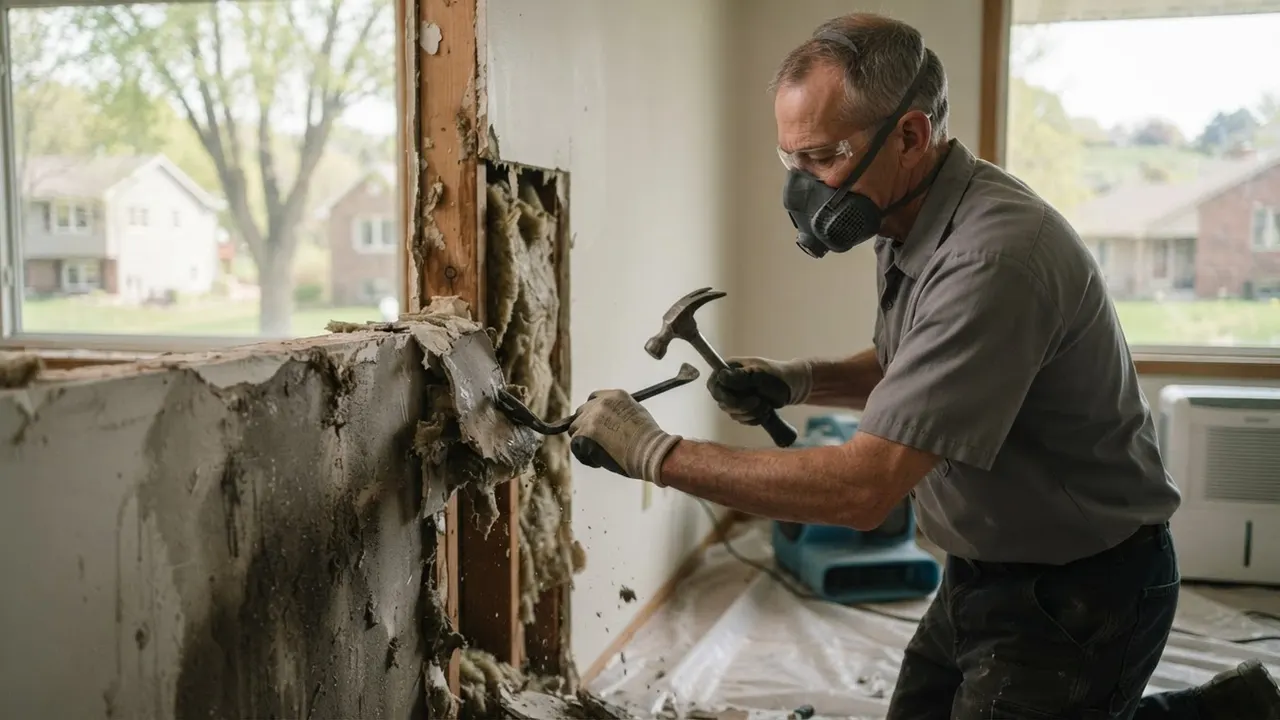
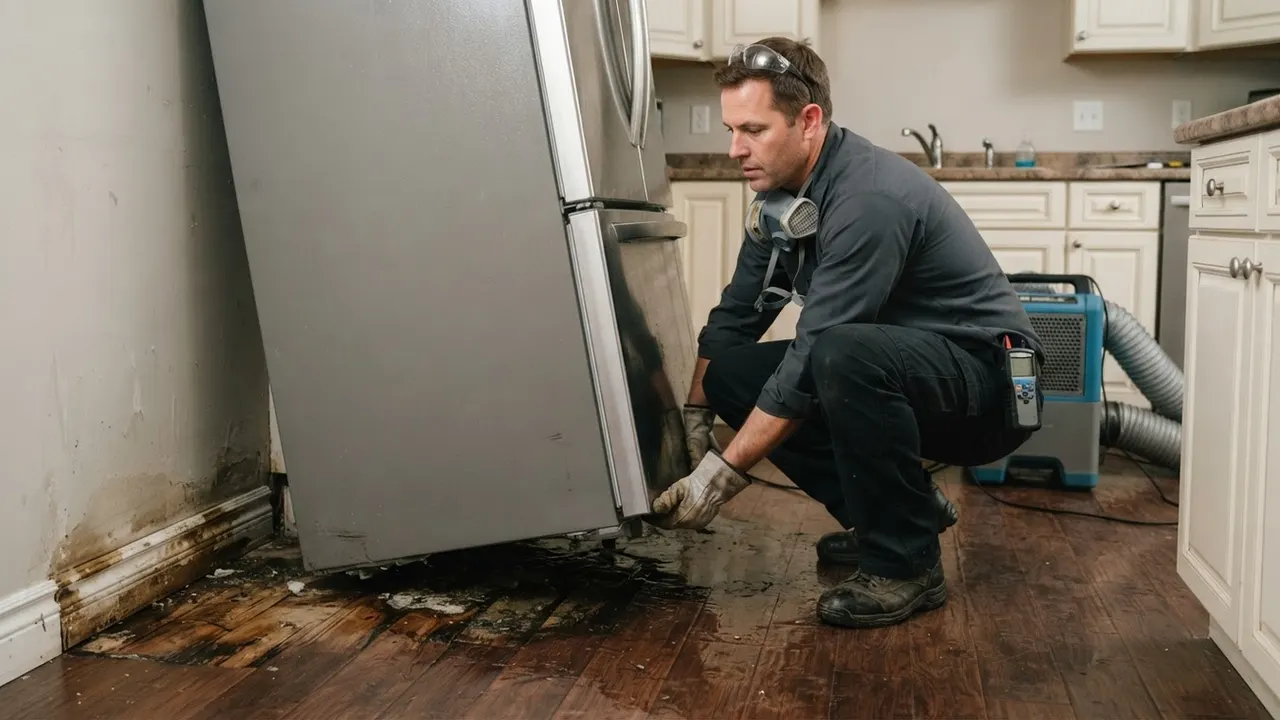
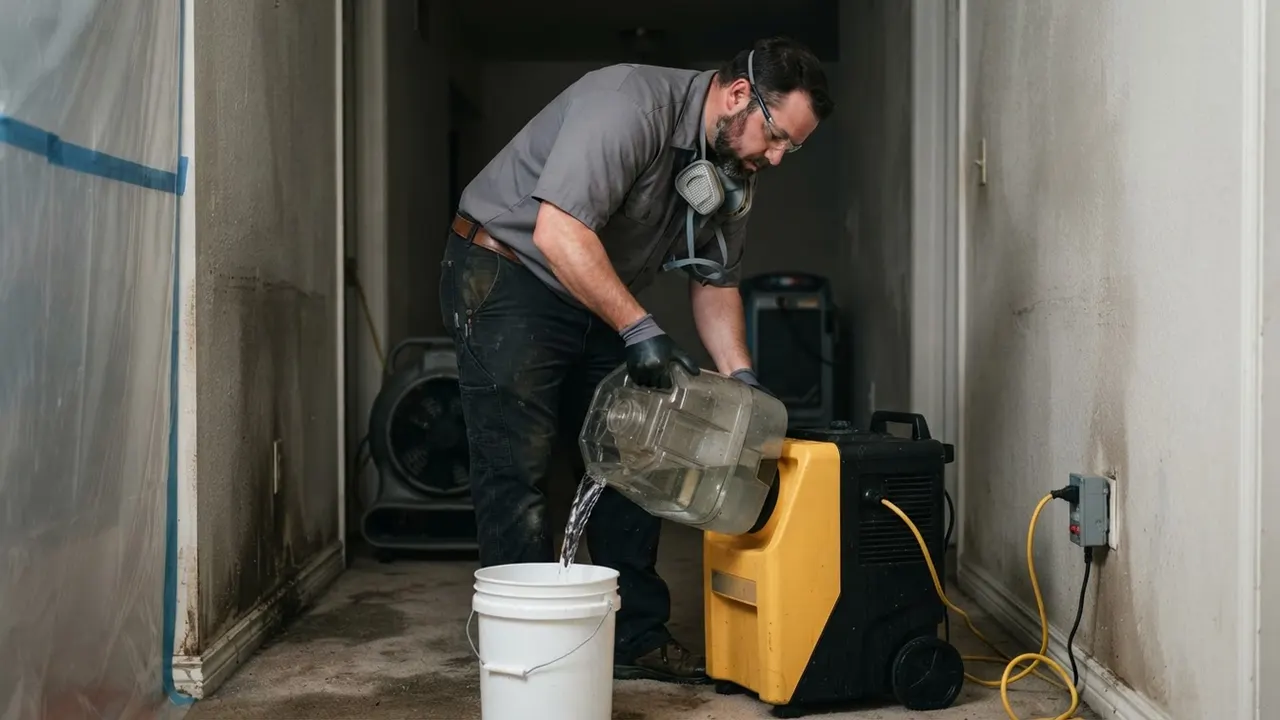
water damage restoration, fire damage, mold removal, water proofing in Downtown Hopkins is a property recovery service that removes contamination, dries affected materials, repairs damage, and helps limit repeat moisture problems. Downtown Hopkins water damage restoration and mold removal starts with finding where water traveled, not just drying the visible floor.
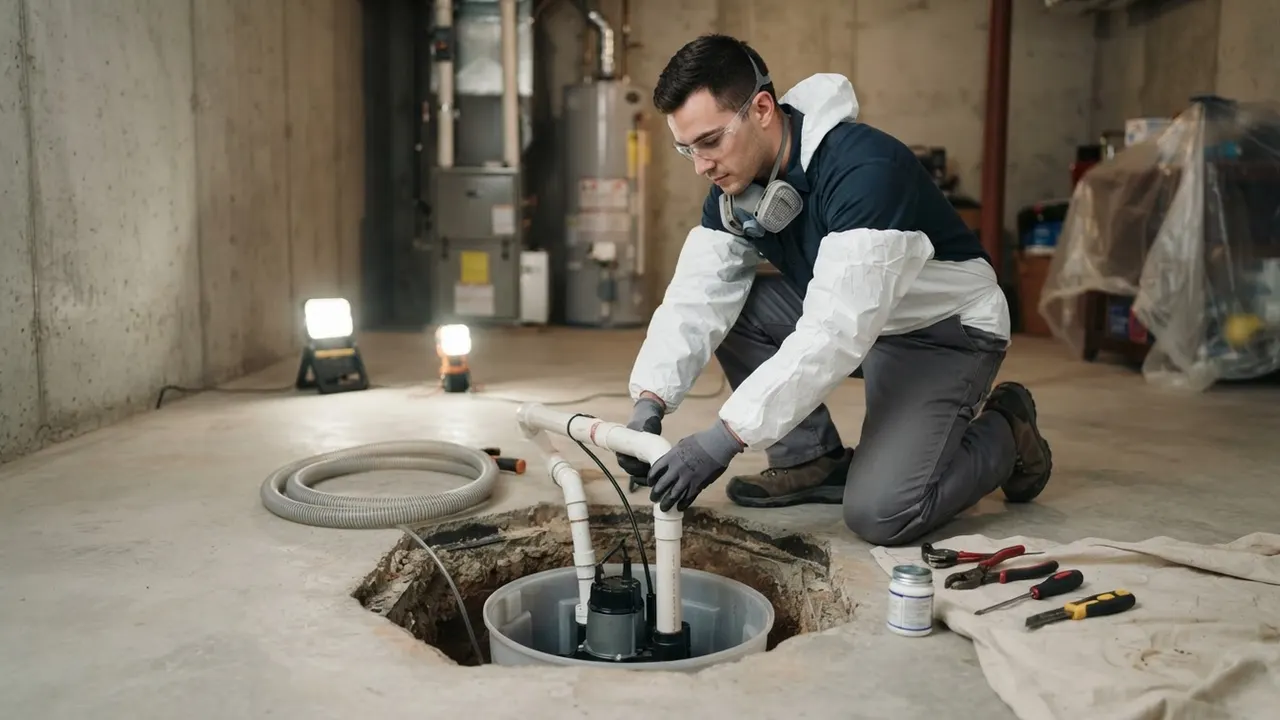
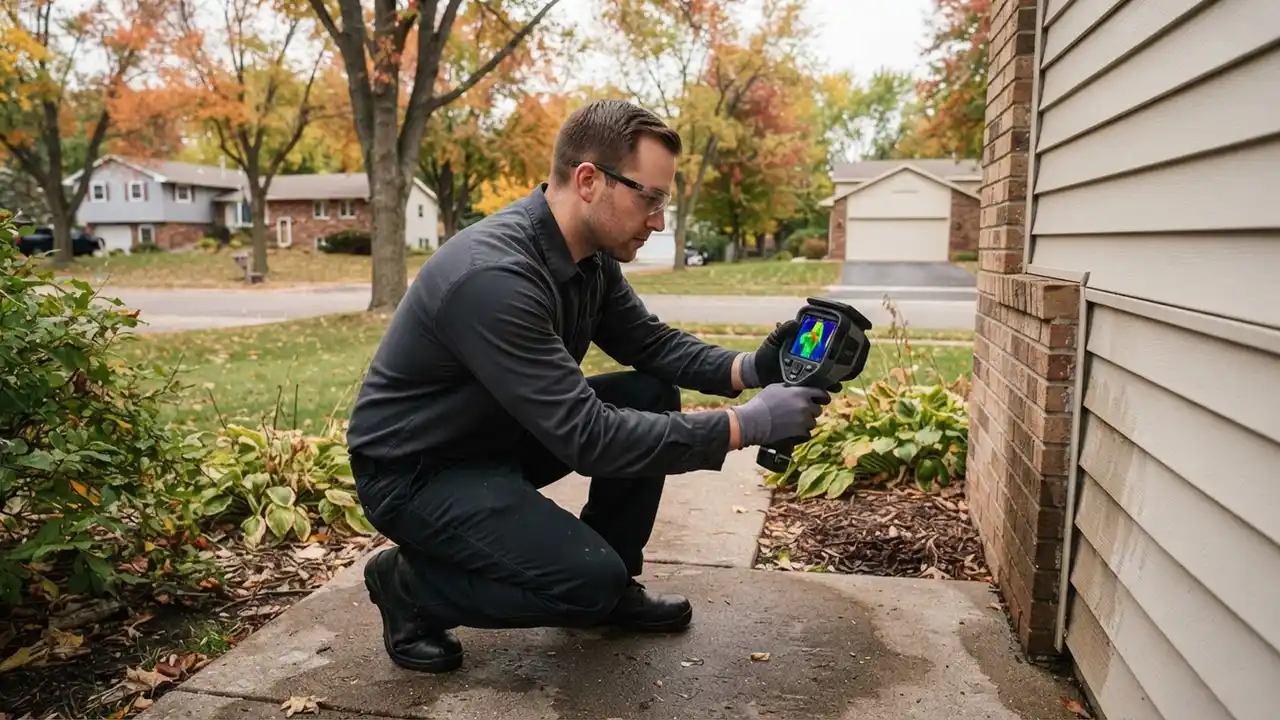
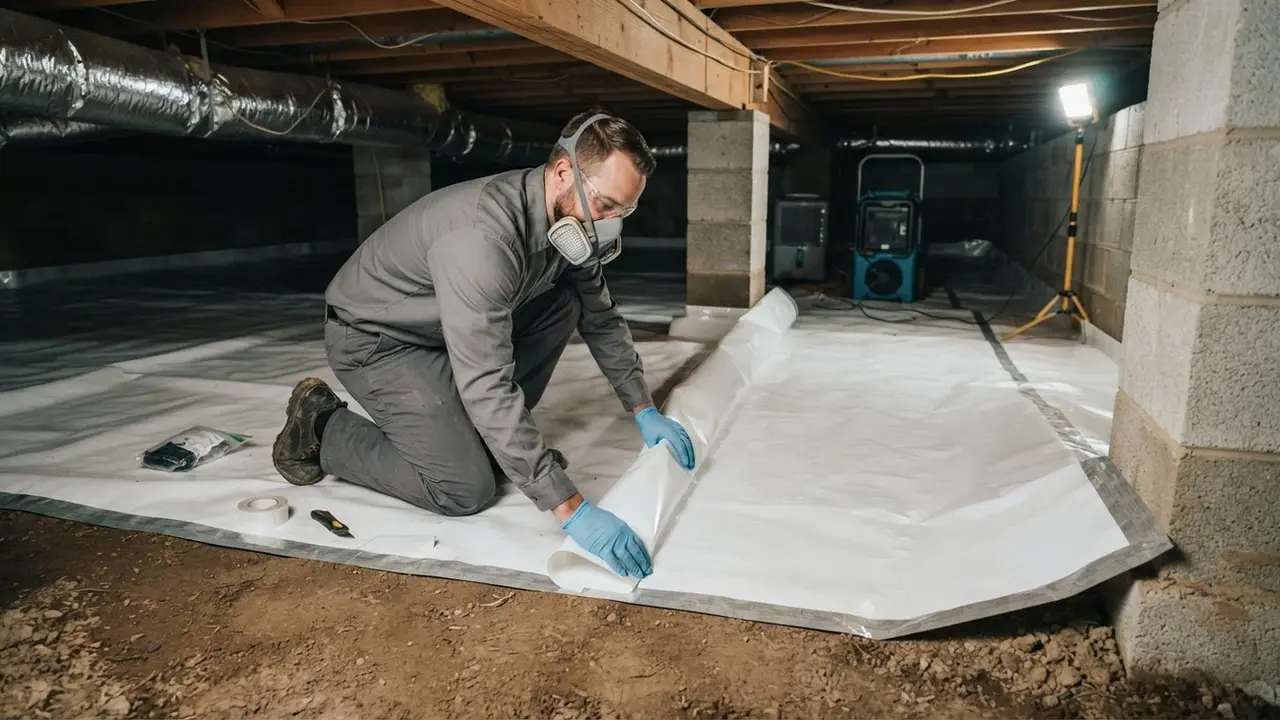
We inspect basements, utility areas, shared walls, and storefront interiors across Mainstreet and Blake Road, then explain the work needed in plain terms. Older building stock with basements prone to seepage calls for careful moisture checks behind baseboards and around slab edges. In winter, historic downtown properties also face frequent pipe freeze issues; in spring, a high water table can add pressure around foundations.
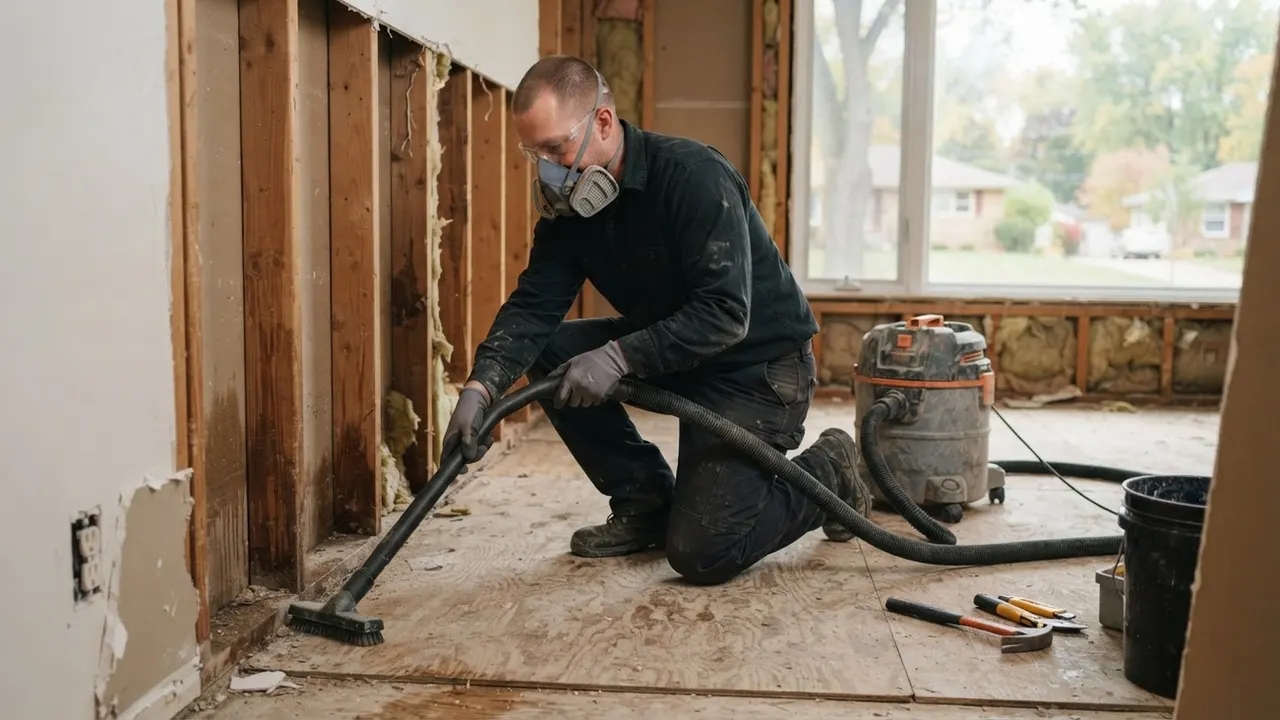
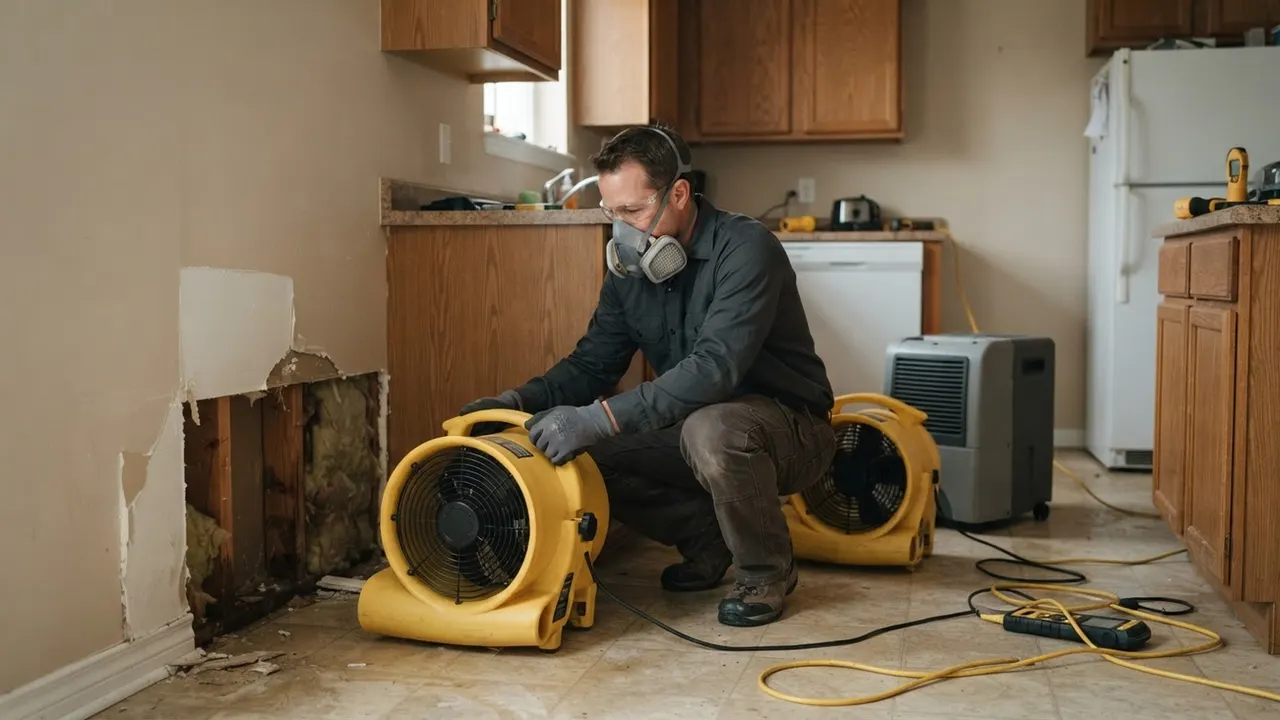
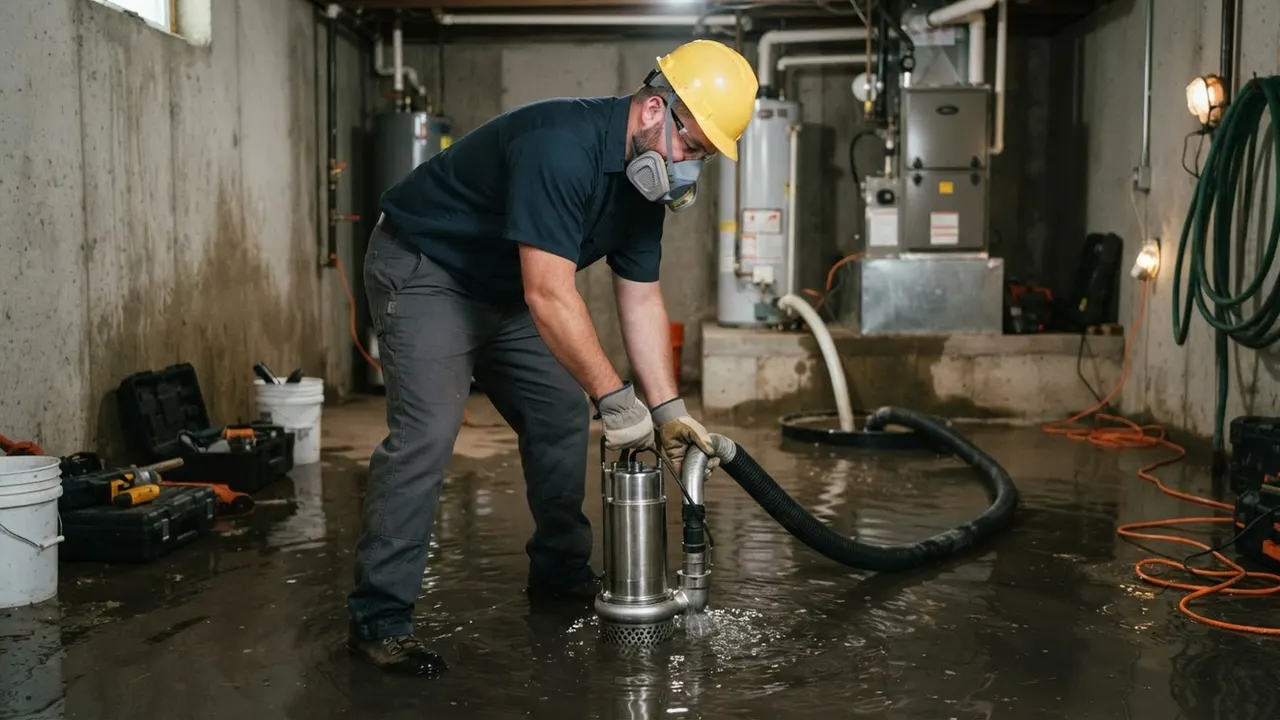
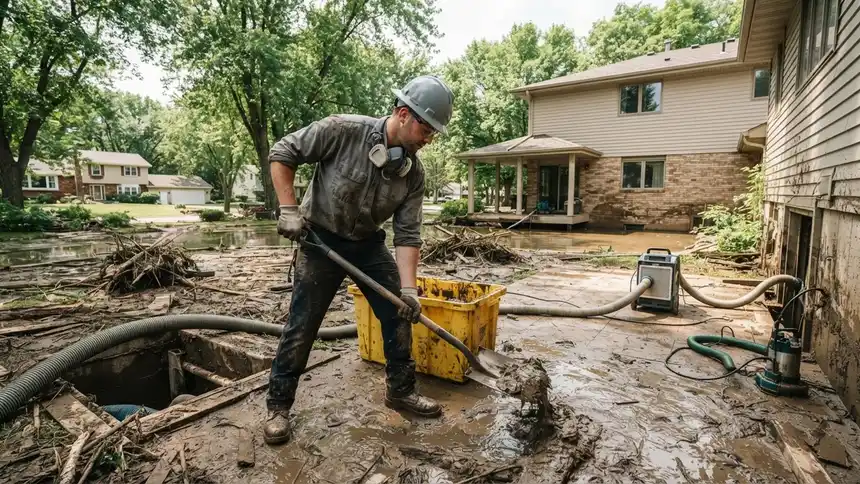
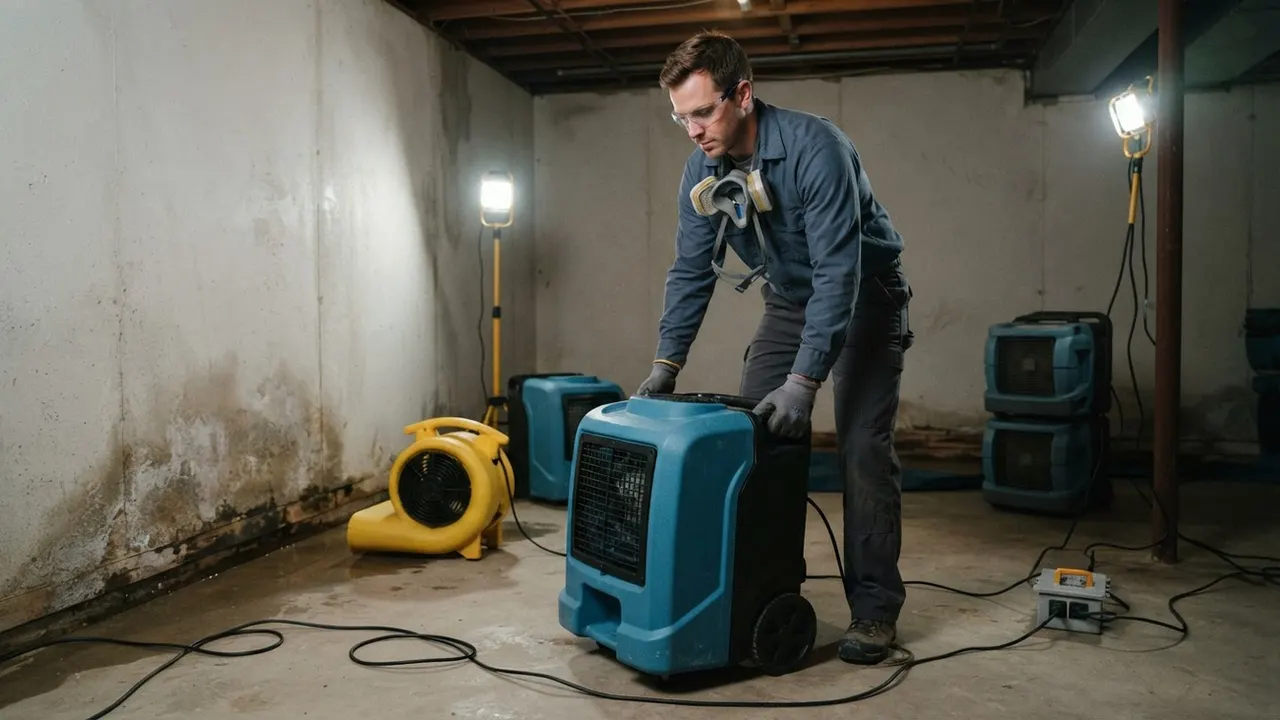
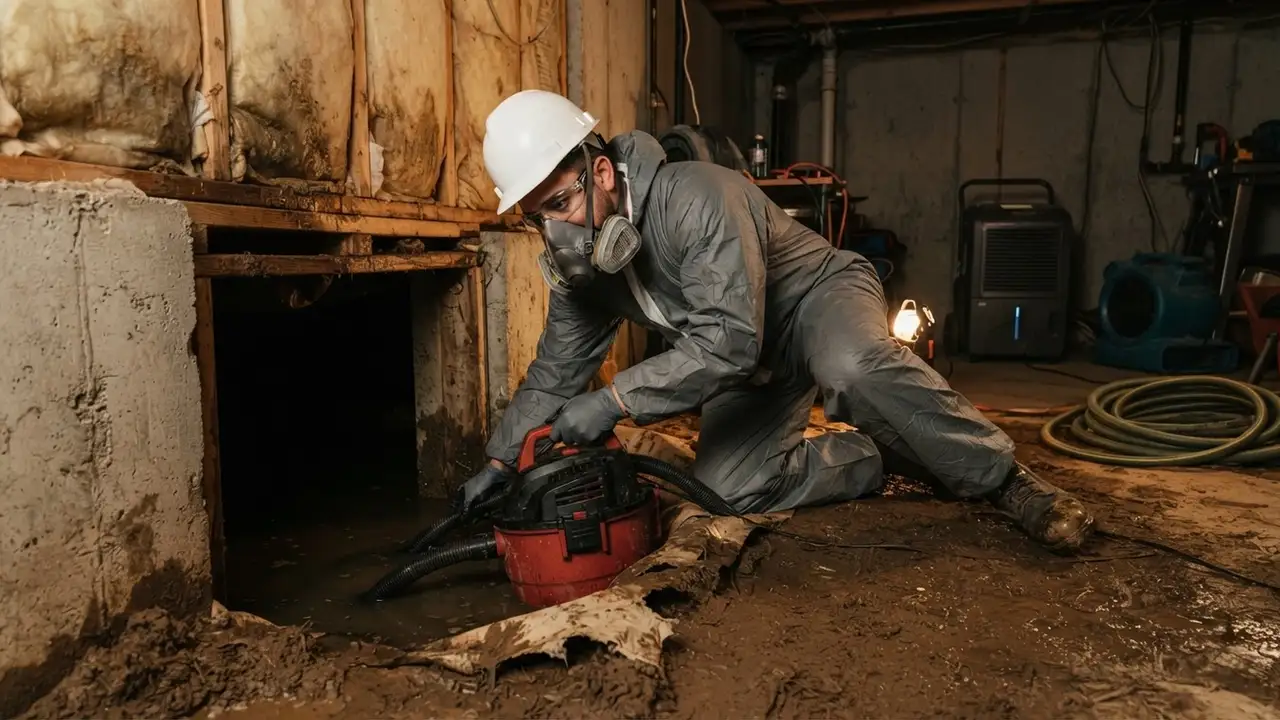
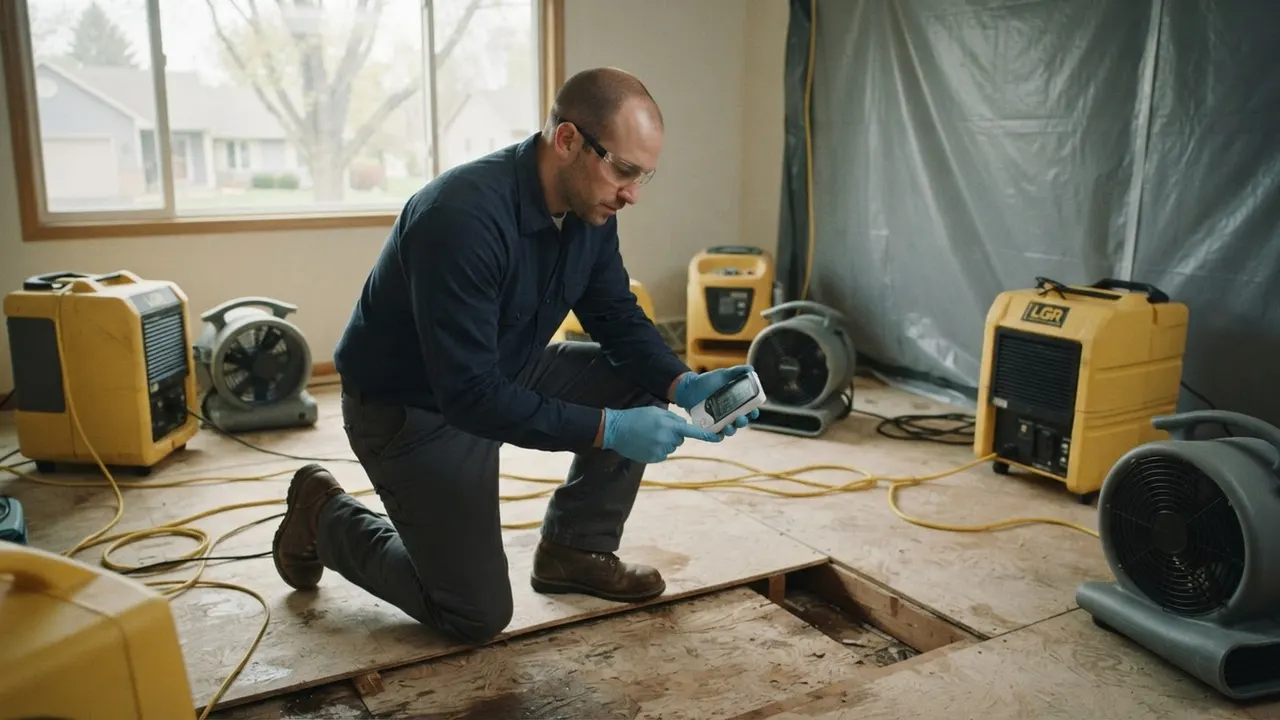
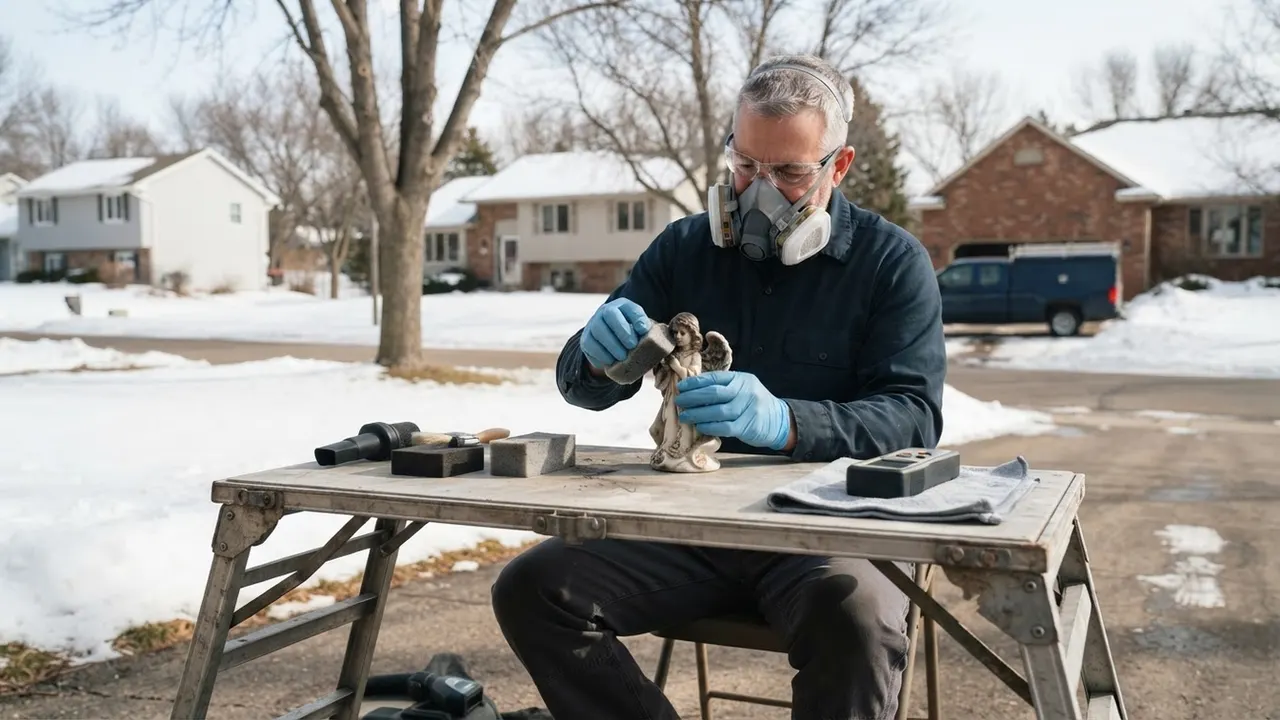
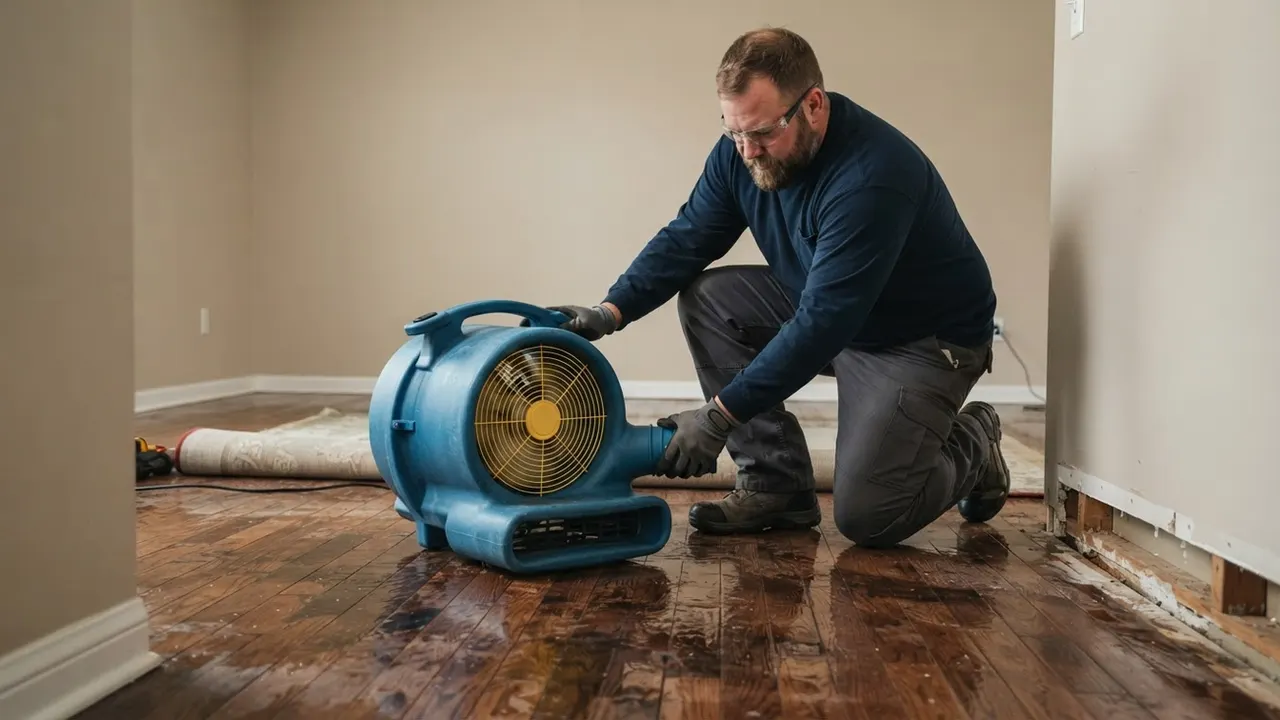
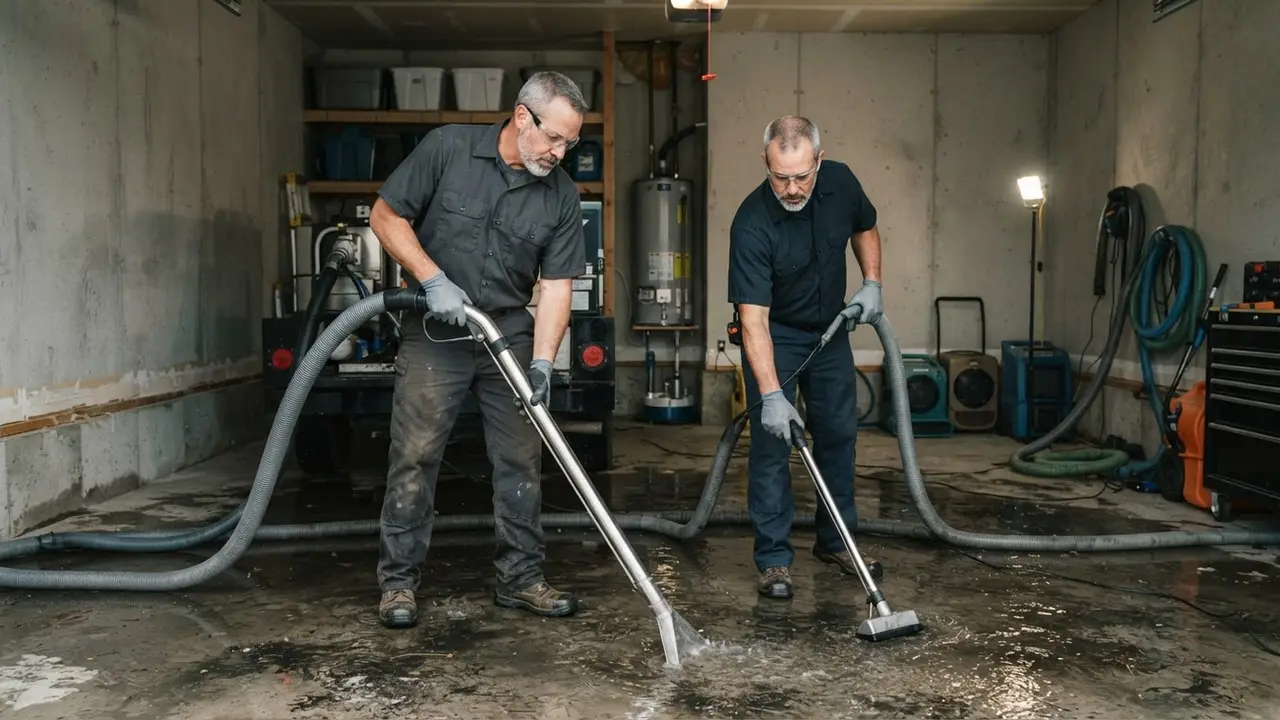
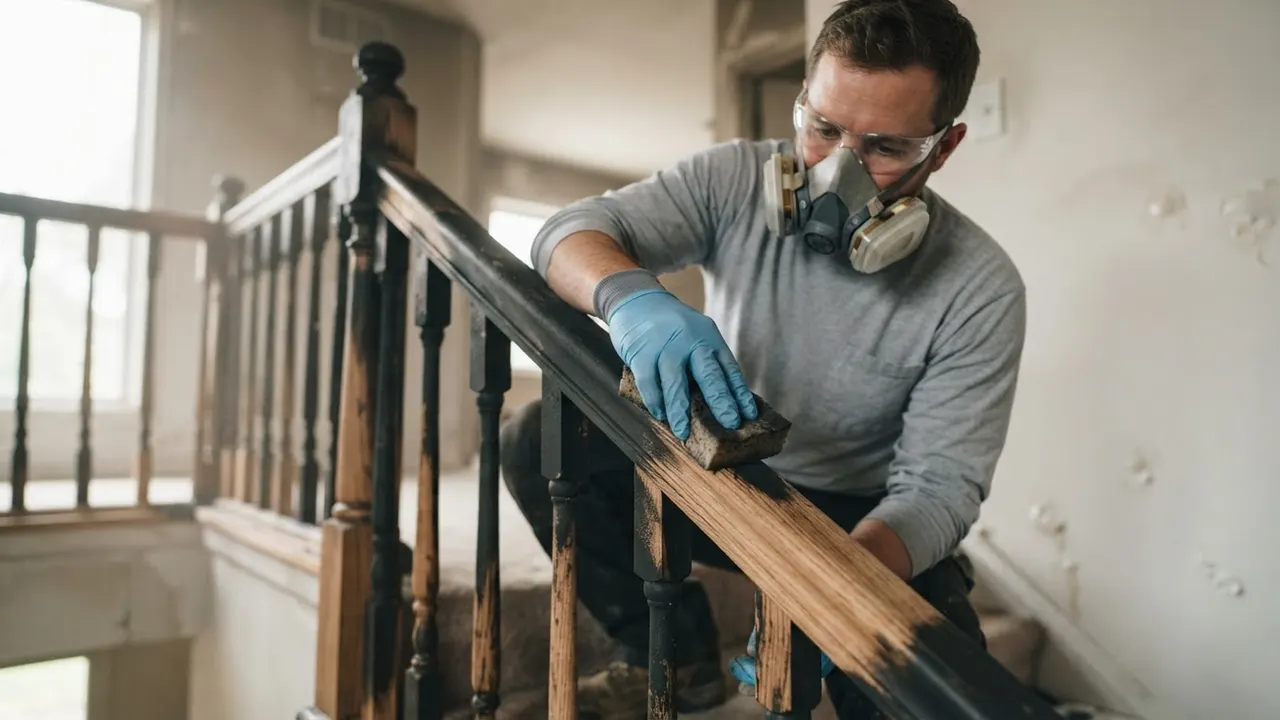
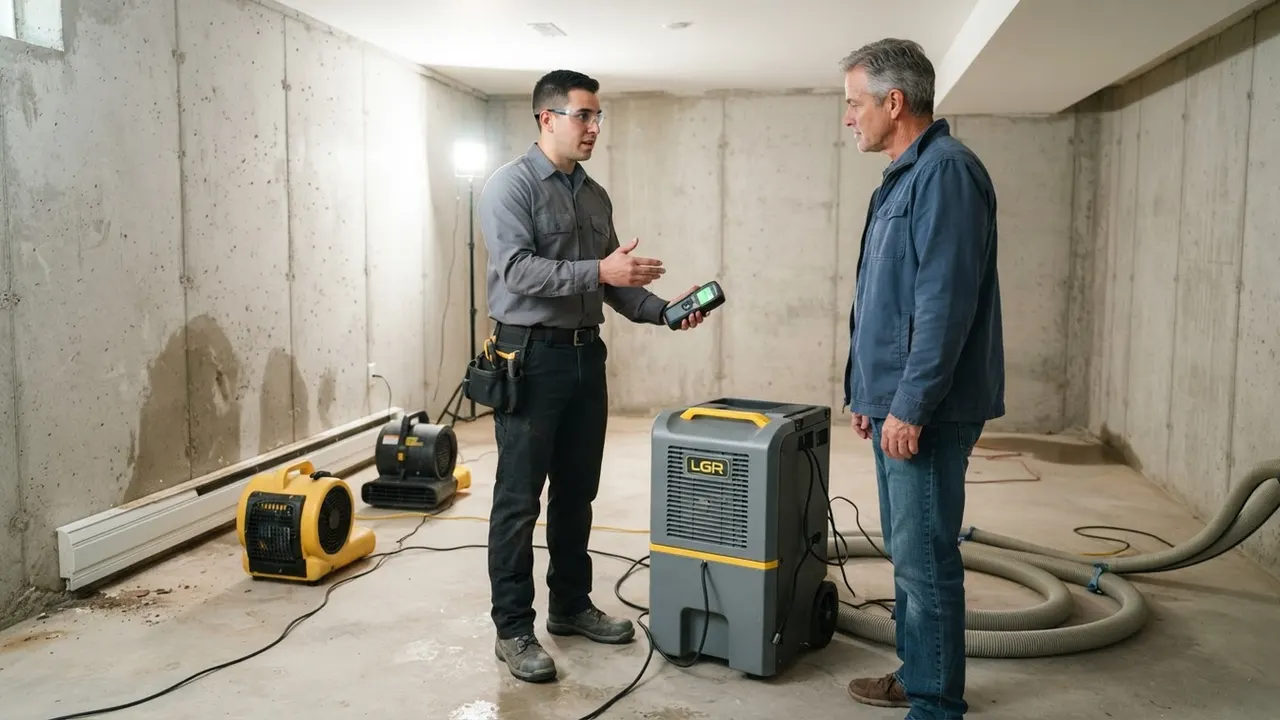
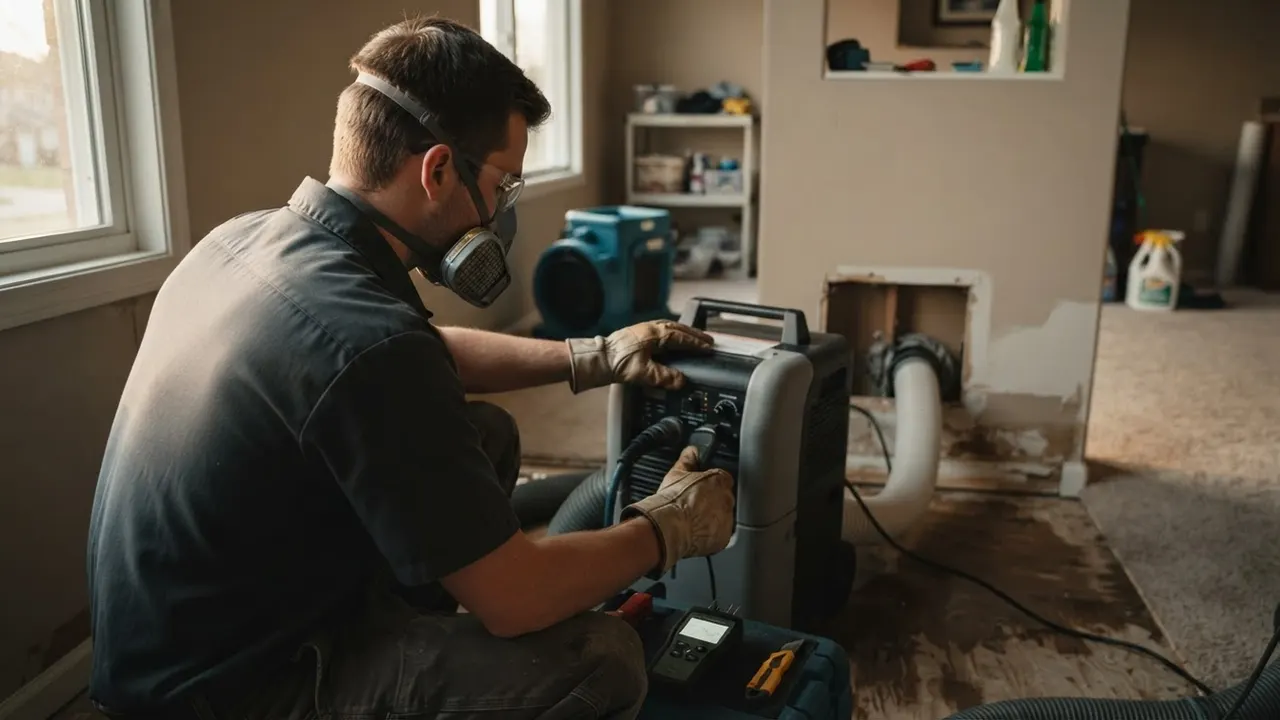
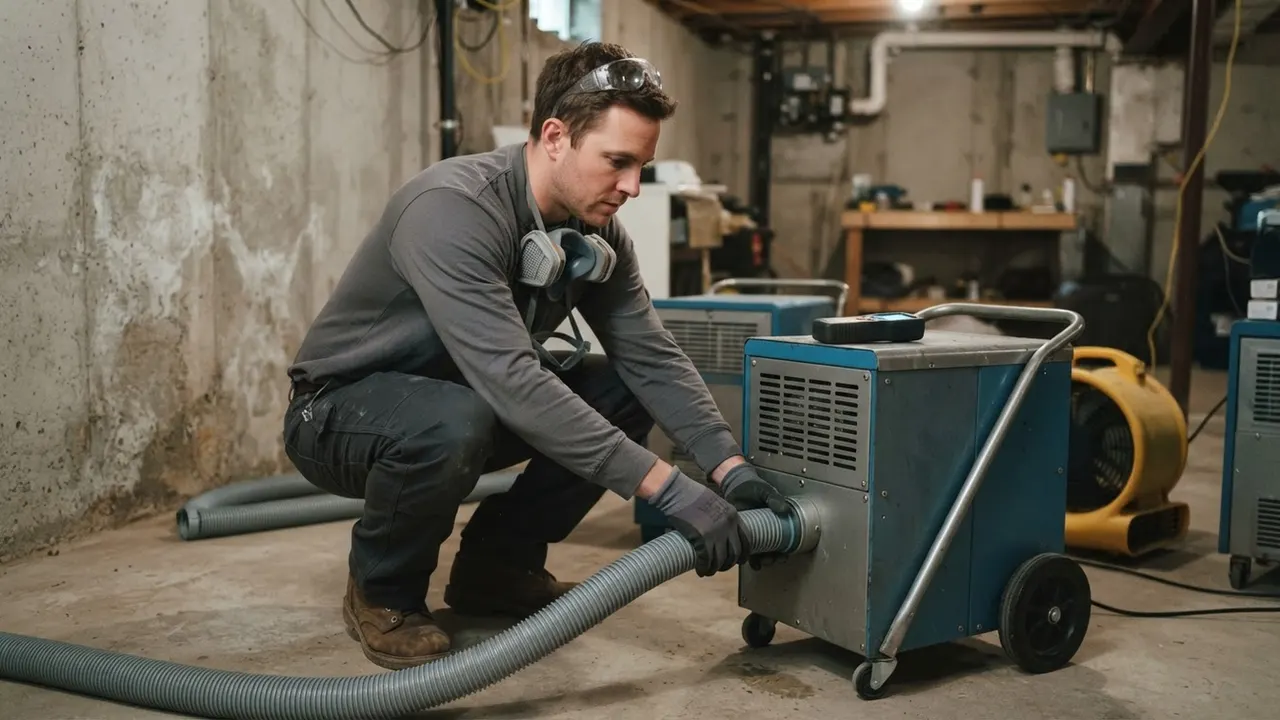
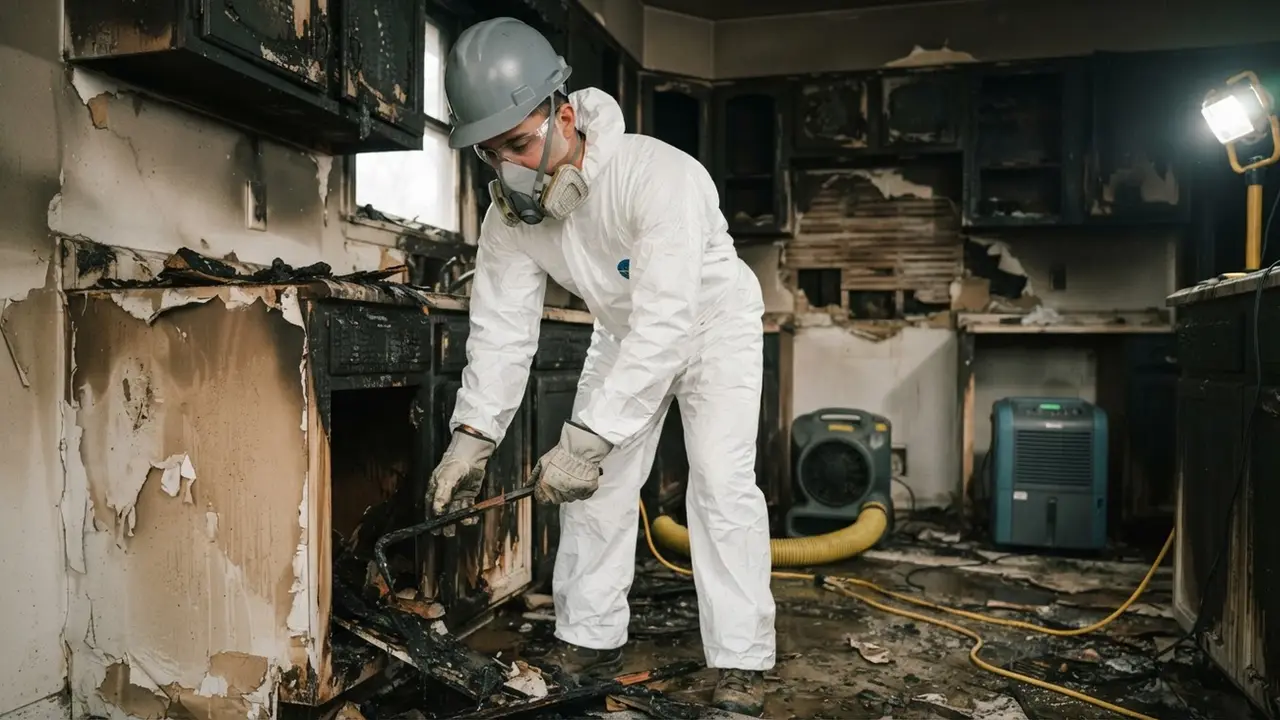
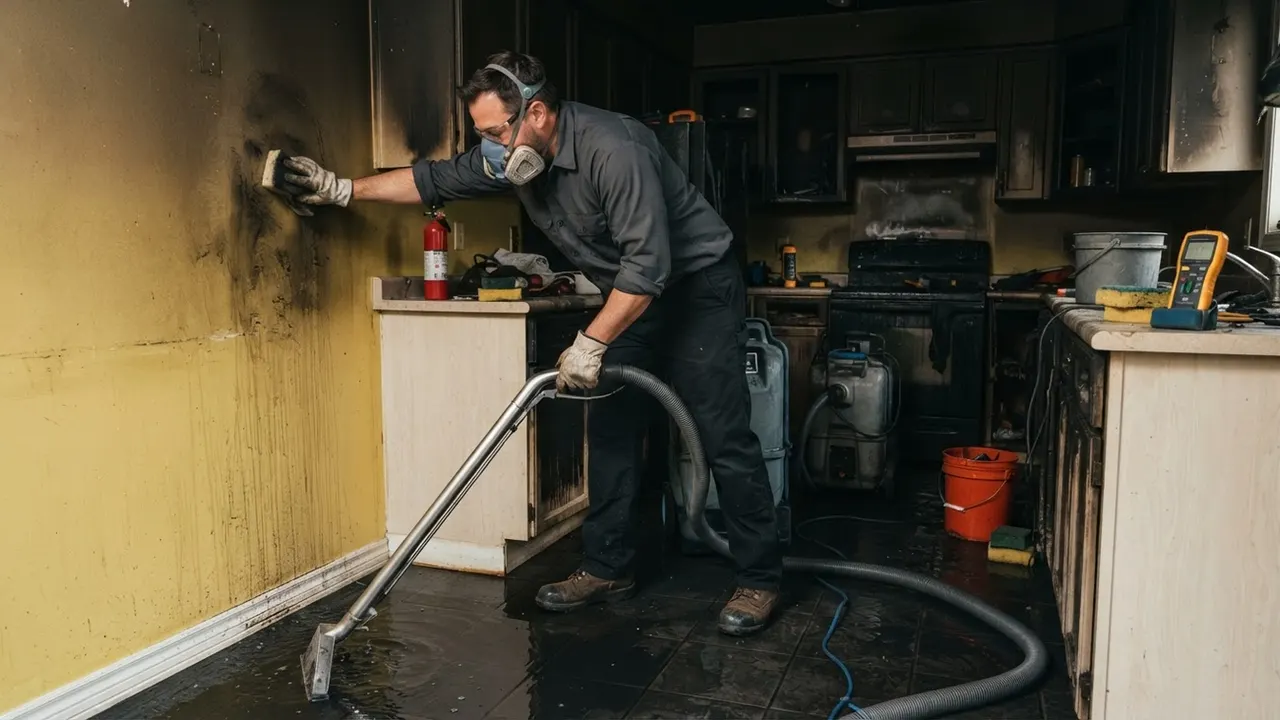
We serve mixed residential and commercial properties in Hennepin County, including addresses around the Hopkins Center for the Arts and Hopkins Library. For a wet basement or active pipe break, we extract standing water, document affected materials, and set drying equipment based on readings. Fire calls include soot removal, odor treatment, and water left by suppression.
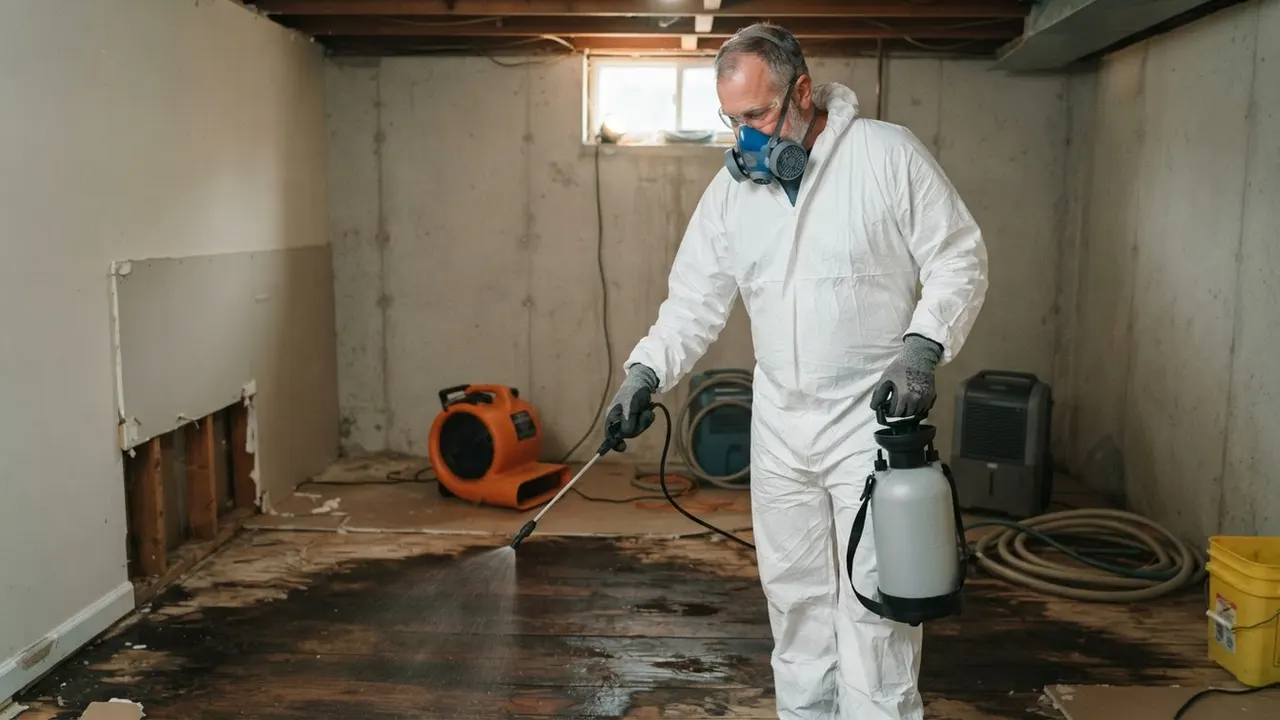
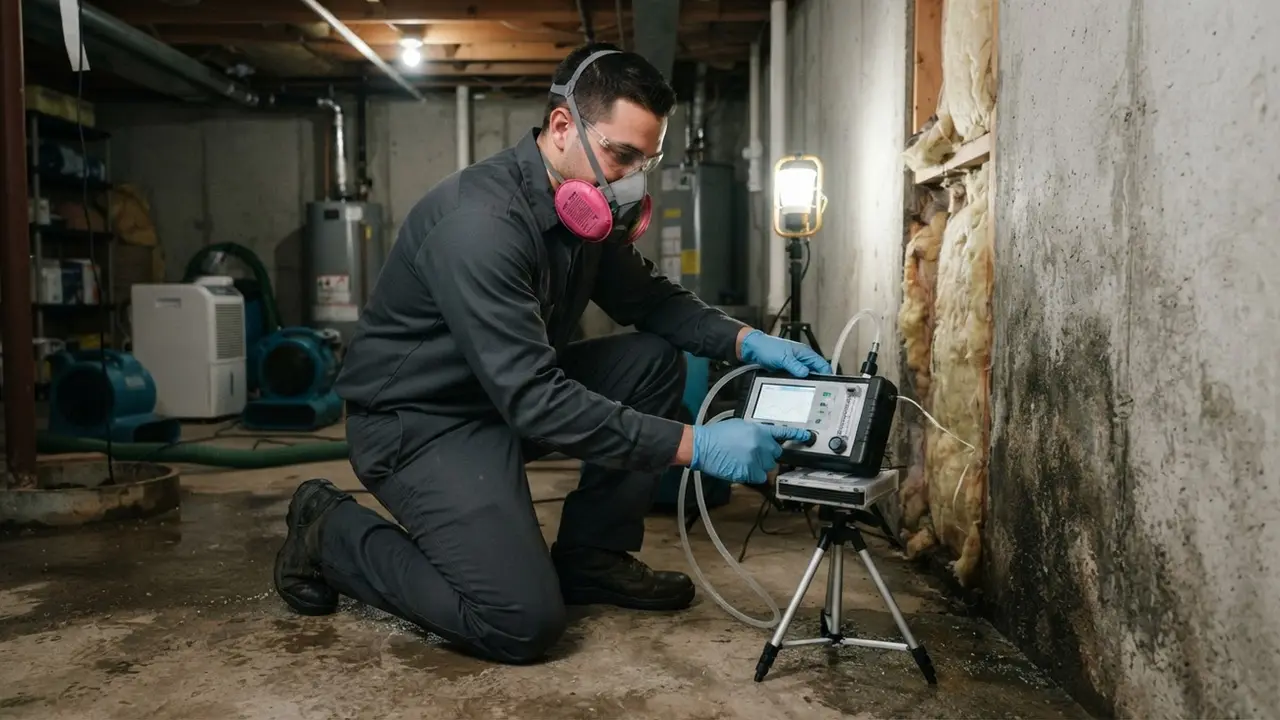
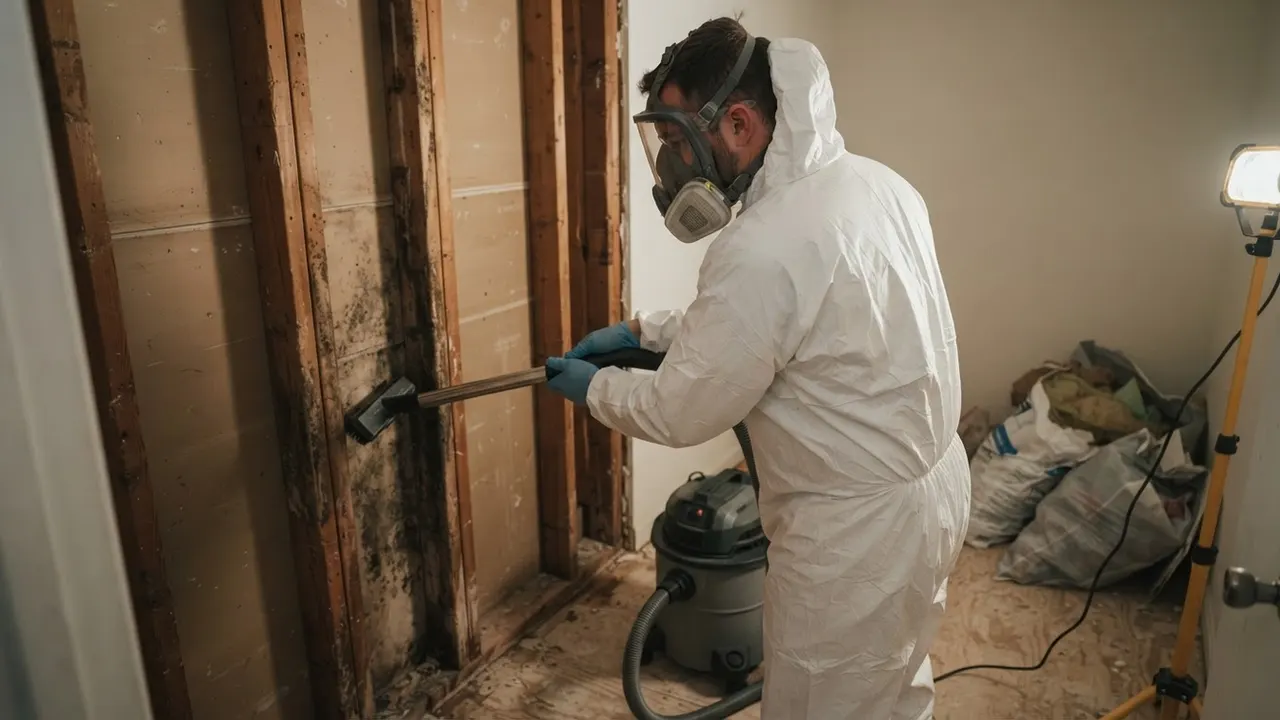
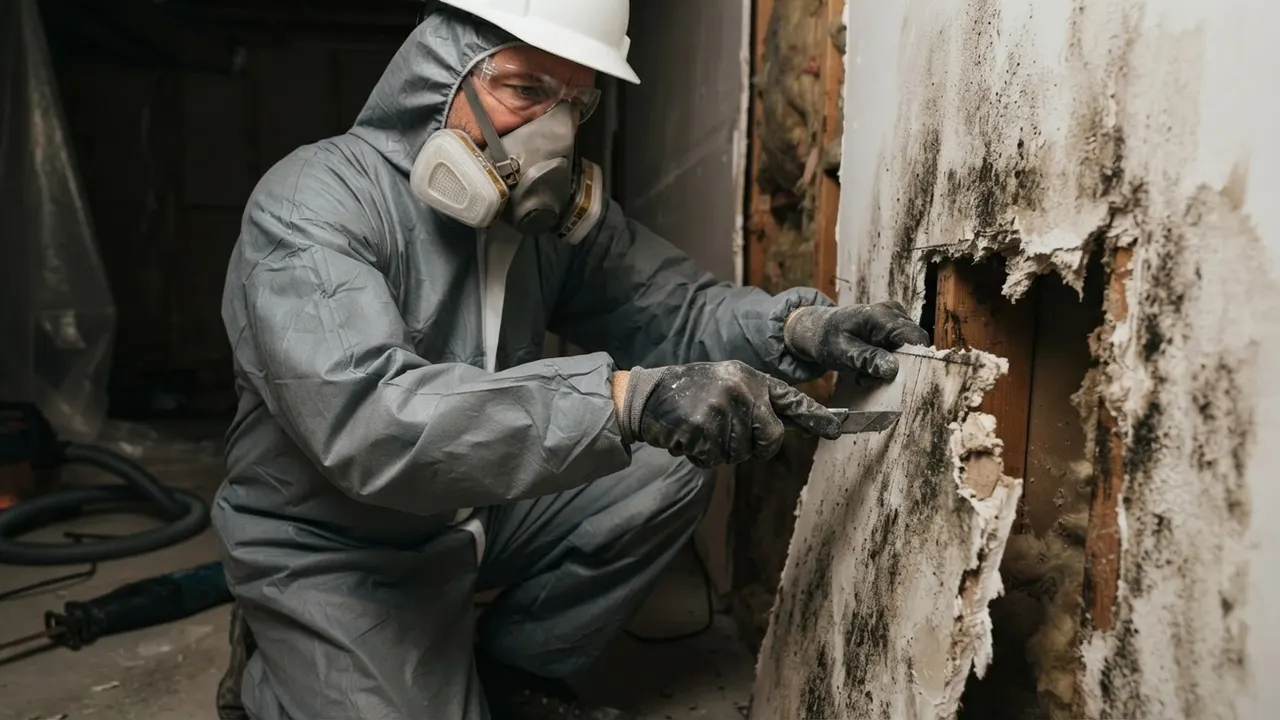
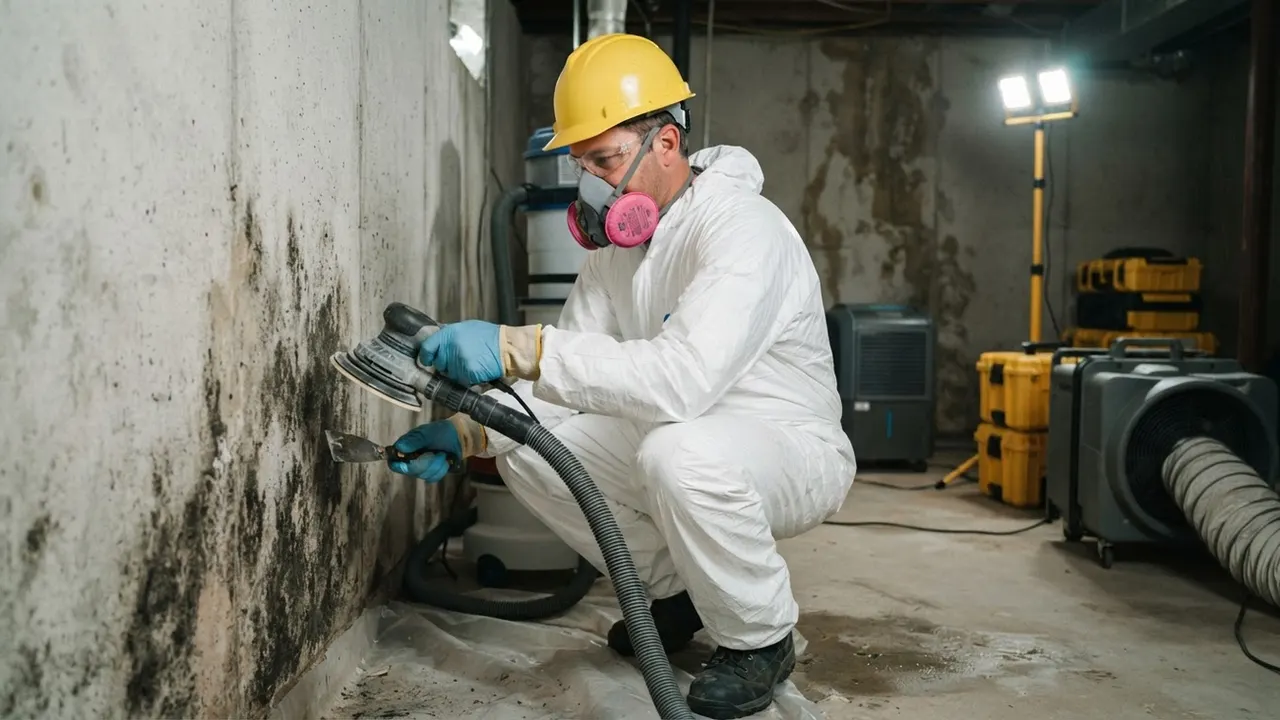
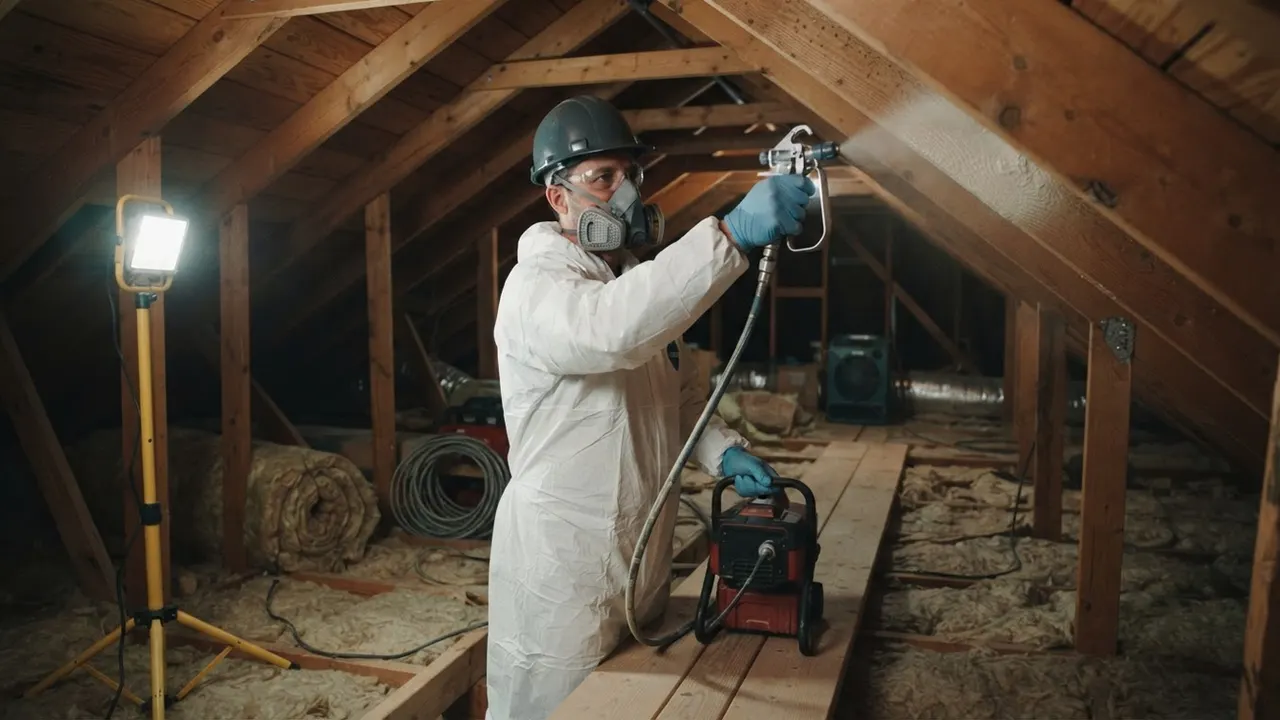
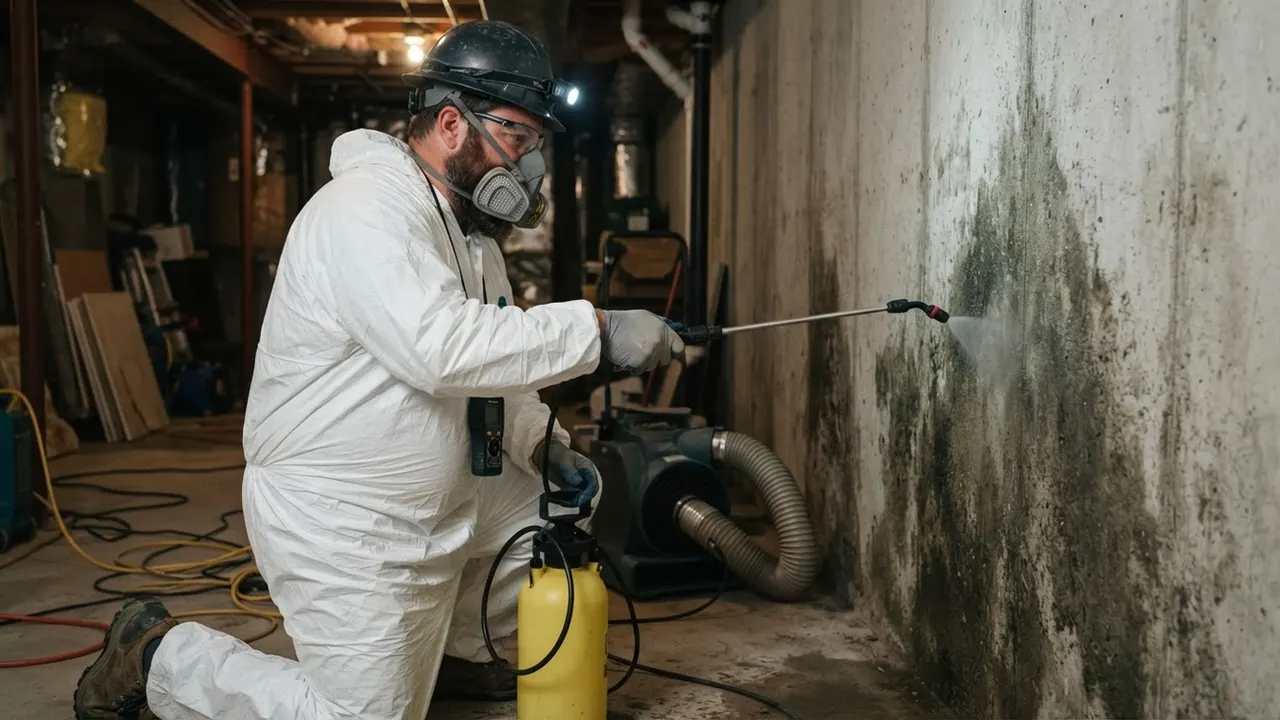
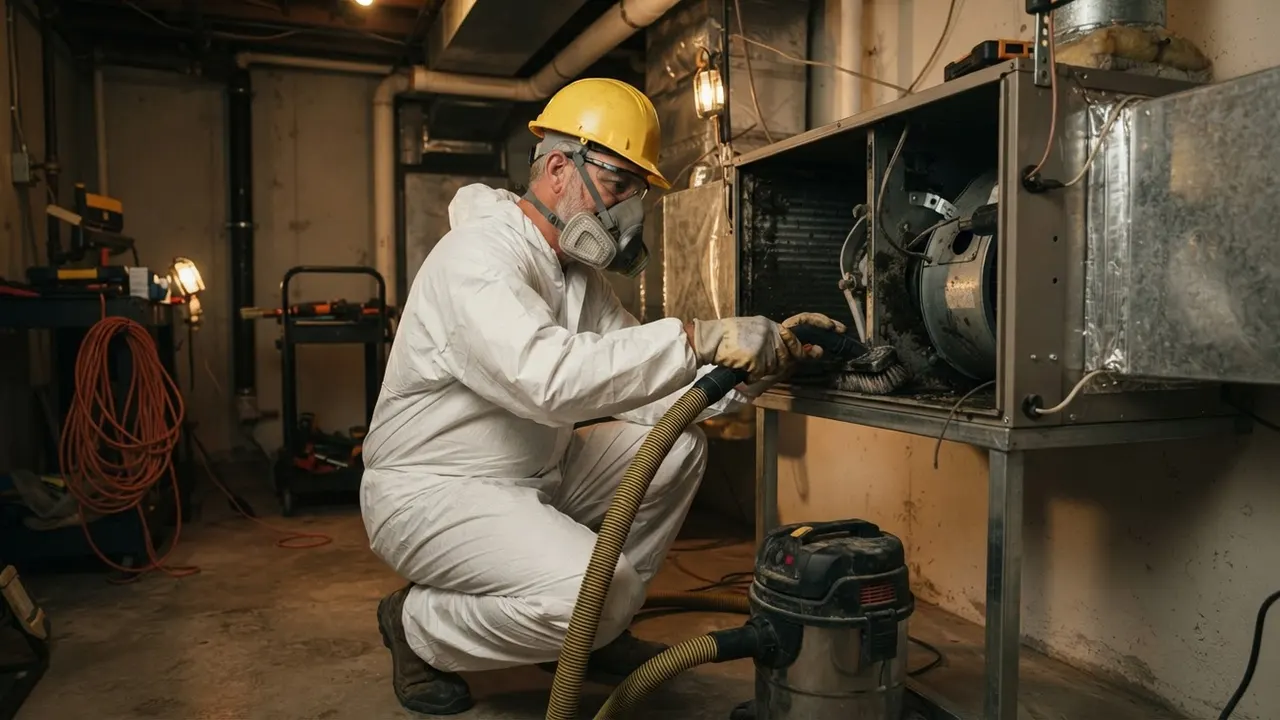
We also handle mold inspection and remediation after the moisture source is addressed. Our service coverage includes ZIP code 55343, with nearby Hopkins areas supported through the same local response process. You get a clear account of what is wet, what can be cleaned, and what must be removed.
Downtown Hopkins has a practical mix of older homes, apartments, and commercial spaces, so one service area can bring very different restoration needs. A basement seepage call near Mainstreet is not handled like a water-heater leak in a business or smoke damage in a residence. We work across Blake Road and toward Shady Oak, adapting access plans to the property and keeping equipment placement clear of occupied rooms.
Minnehaha Creek raises flood exposure in the broader area, while spring's high water table can make foundation moisture a recurring concern. We serve Hopkins because local crews need to understand how these conditions affect drying, cleanup, and scheduling.