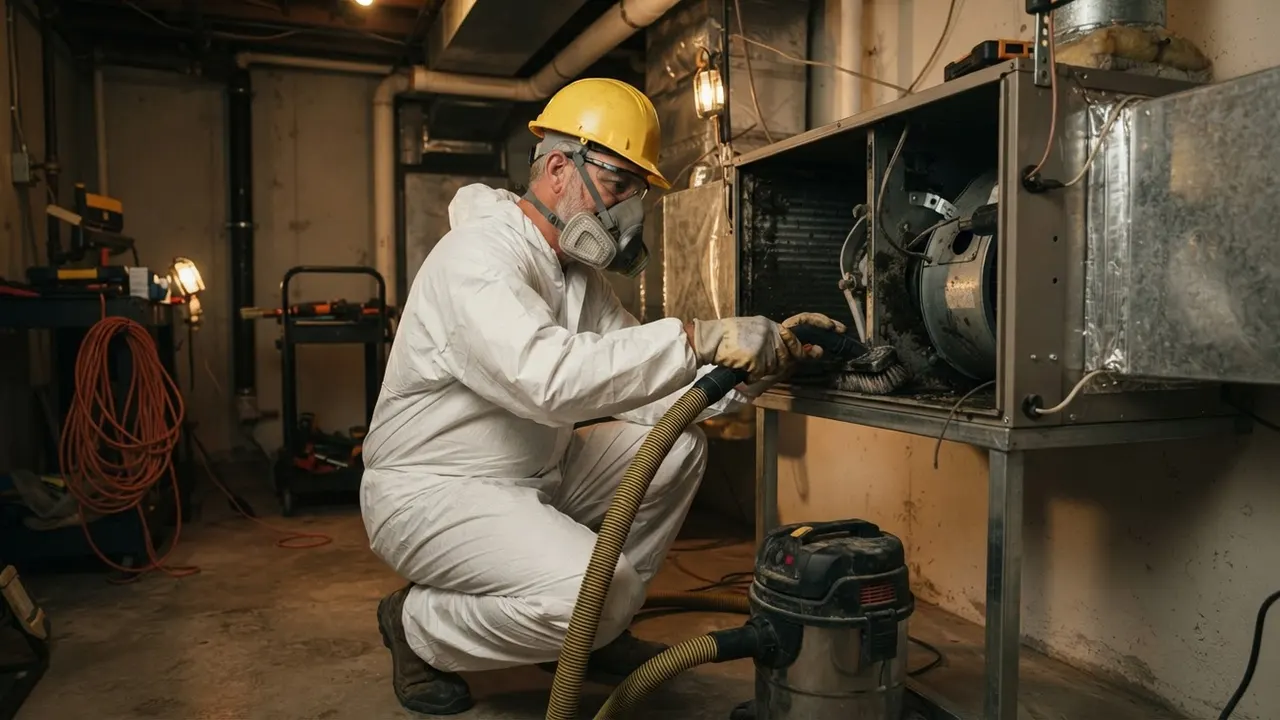
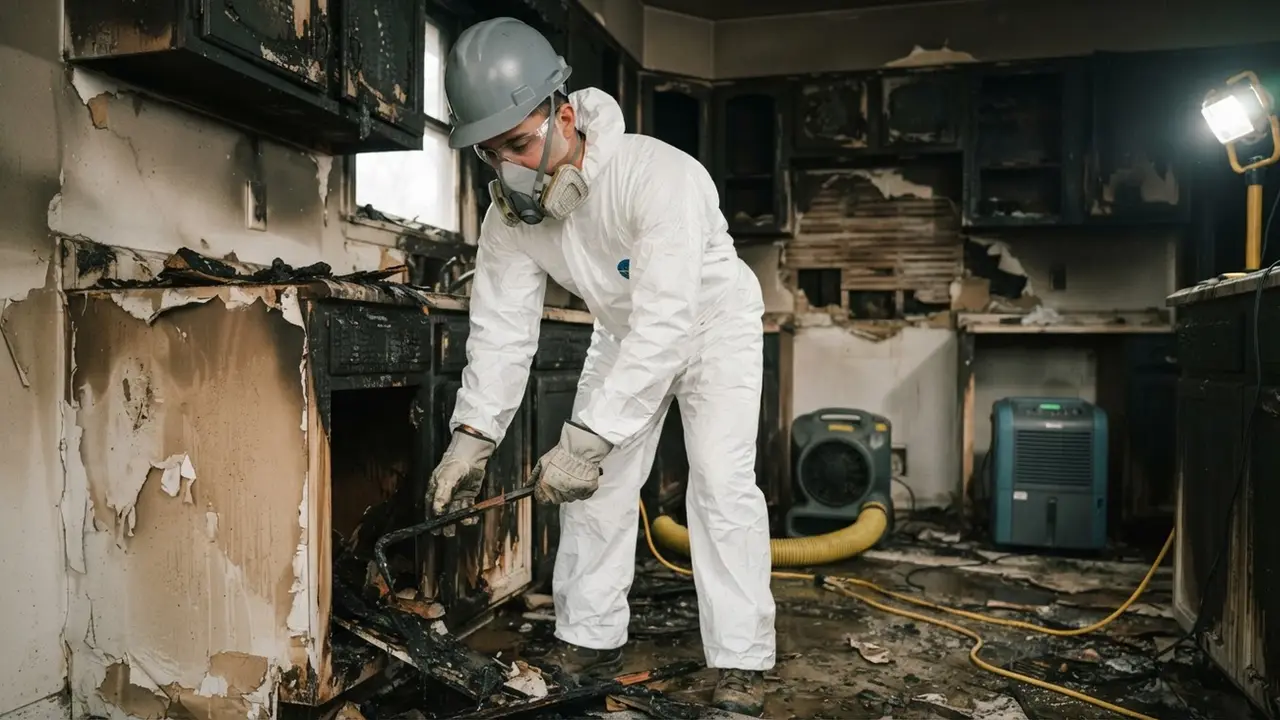
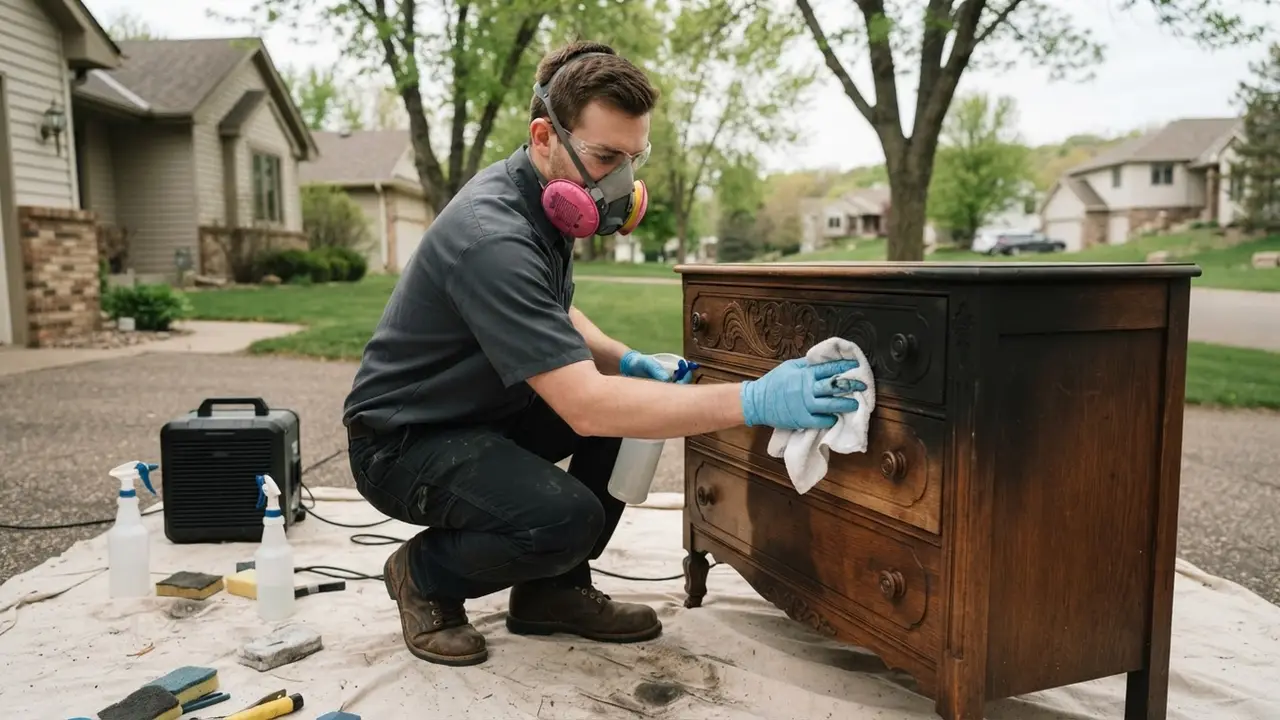
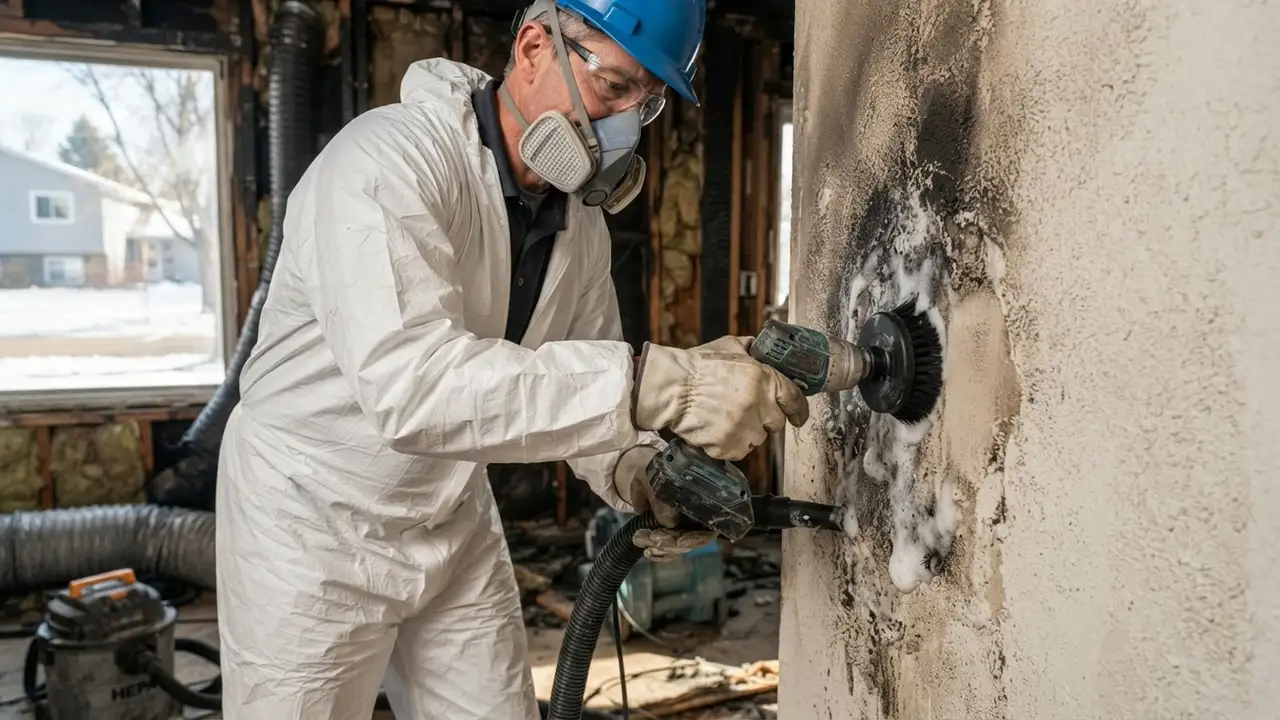
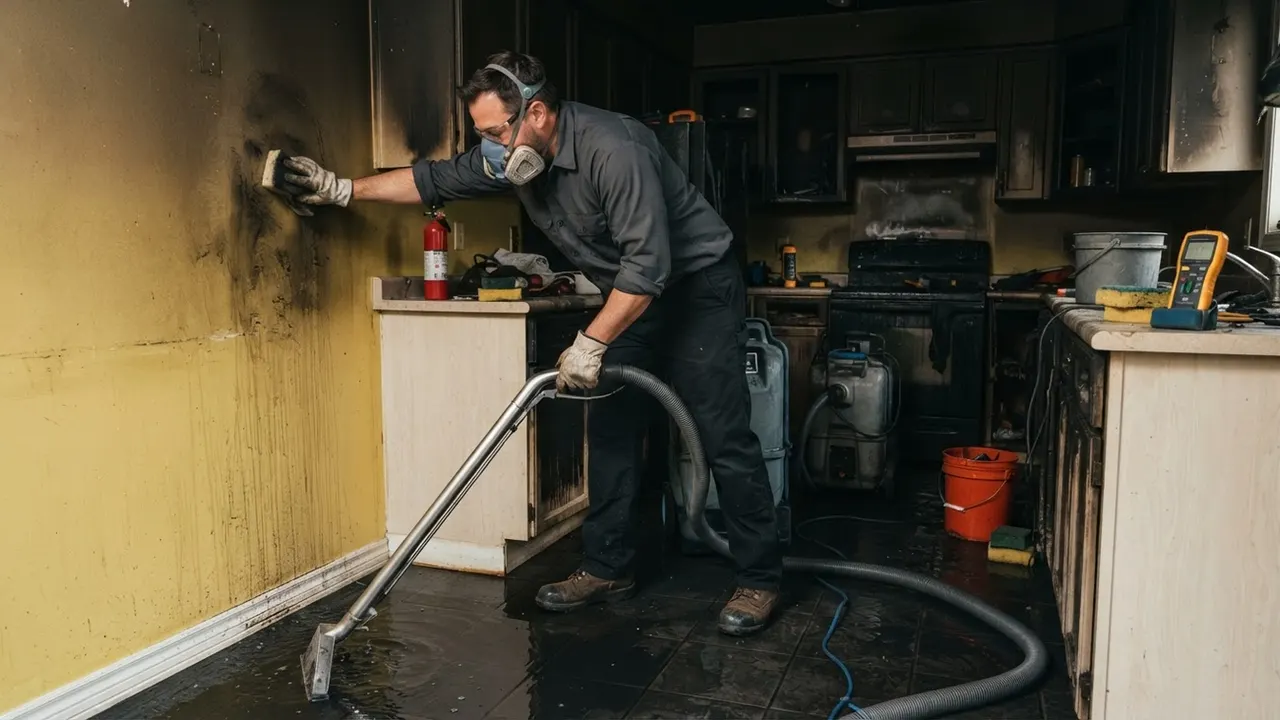
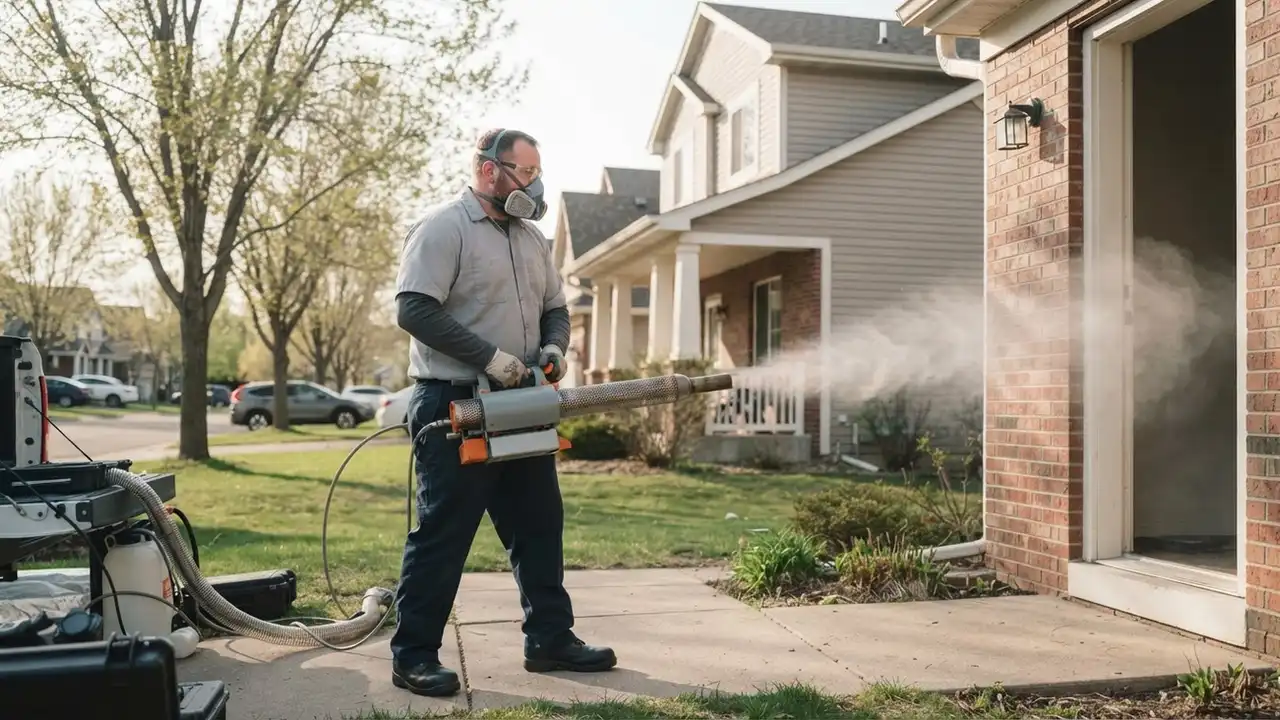
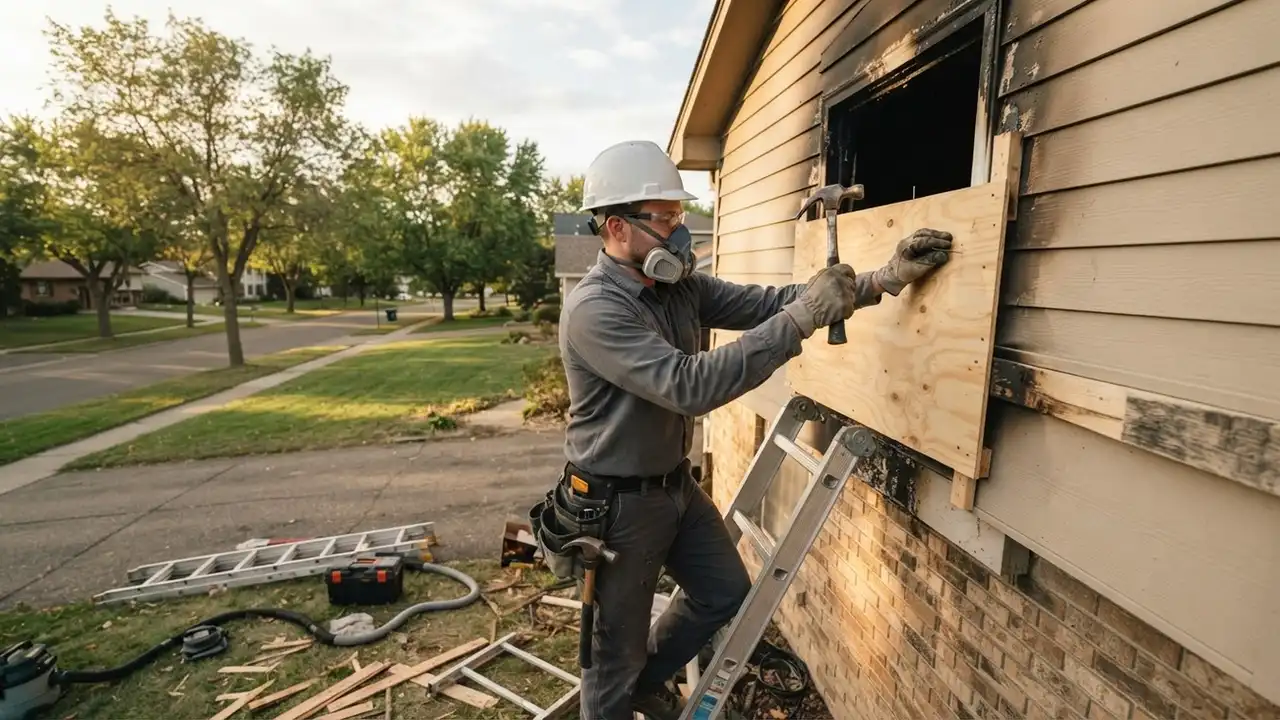
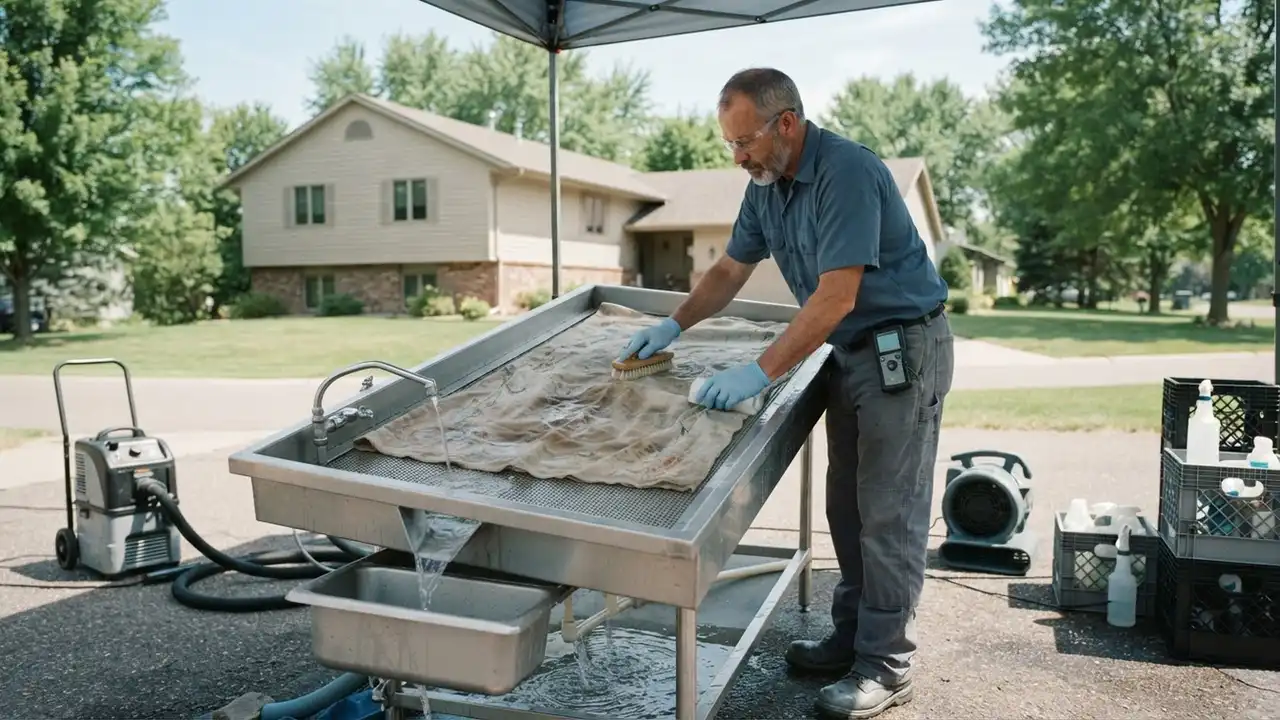
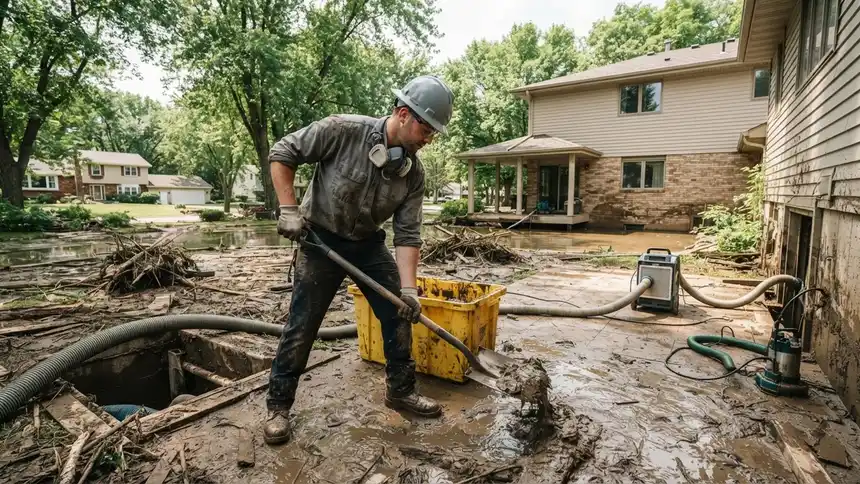
Mold prevention and treatment Hopkins MN helps homeowners and property managers find moisture sources, dry affected materials, and address mold before damage spreads. Our team serves Hopkins, Minnesota, after basement flooding, a frozen pipe burst, roof leaks, and persistent humidity. We inspect the affected area, explain the work, and tailor the response to your building and the cause of the moisture.
Explained readingsWe show what each reading means.
Protected work zoneWe contain dusty removal areas.
Equipment placementWe position airflow for access.
Documented progressWe record checks as work proceeds.
What Mold Prevention and Treatment Includes
Your service begins with identifying moisture and the materials it has affected. We address water entry, contain the work area when needed, clean salvageable surfaces, and dry the structure with appropriate equipment. If porous materials are damaged, removal may be needed before repairs. Lab testing, plumbing repairs, extensive reconstruction, or specialized HVAC work depend on the conditions found and are handled as separate needs when applicable.
Moisture Source Review
We inspect likely sources such as plumbing, roof penetrations, foundation edges, and appliance connections. Finding the source helps us distinguish a one-time spill from recurring water entry and directs the right prevention step.
Affected-Area Assessment
We check visible surfaces and adjacent materials for dampness, staining, and damage. Moisture readings help define the work area, while access limitations or concealed cavities can require additional investigation.
Containment and Cleaning
When the work could disturb affected material, we isolate the area and control dust. We clean suitable surfaces with methods appropriate to the material and remove unsalvageable porous items when necessary.
Drying and Follow-Up
Air movers and dehumidification help dry retained moisture. We recheck readings and explain any remaining repair or prevention needs, such as fixing a leak or improving airflow.
Homes and Businesses.
The approach is the same for a home and a business. What changes is the access, the schedule and who needs the paperwork.
Homes and Rentals
We help homeowners and tenants address damp rooms, leaks, and musty odors without treating the visible stain alone. You can expect a clear walkthrough and practical drying steps.
Basement seepage after rain
Leak beneath kitchen appliances
Damp attic insulation
Managed Properties
We coordinate access and work areas with owners and property managers while keeping occupants informed. You receive a practical plan for affected rooms and shared spaces.
Ceiling leak above an office
Basement storage room moisture
Tenant-reported musty odor
Mold Prevention and Treatment Hopkins MN Explained
A plain-language look at what Mold Prevention and Treatment involves and when it is needed.
Mold prevention and treatment Hopkins MN is a moisture-control and remediation service that identifies damp conditions, removes affected porous materials when needed, and reduces the chance of mold returning. We start by locating water entry or trapped humidity, then measure materials with a moisture meter and inspect hidden areas with a thermal imaging camera when appropriate. Work can include controlled removal, HEPA vacuuming, drying with air movers and a dehumidifier, and cleaning suitable surfaces. Treating visible growth without correcting the water source leaves the underlying problem in place.
Hopkins homes face moisture from basement flooding, appliance leaks, frozen pipe bursts, and roof leaks; damp insulation or drywall can stay wet after a surface looks dry. Our Hopkins Minnesota mold treatment services begin with the cause and the material, not a blanket spray. If you are searching for how to prevent mold growth in Hopkins Minnesota homes, focus on stopping leaks promptly, keeping indoor humidity below 60%, and checking basement corners after heavy rain or a thaw.
Moisture control comes first; cleaning or removal follows the condition of the affected material.
What it is
A service that finds moisture, treats affected materials, and helps reduce conditions that support mold growth.
When needed
After leaks, flooding, persistent dampness, visible growth, or a musty odor that returns.
What to expect
Inspection, source review, appropriate containment, cleaning or removal, drying, and follow-up checks.
What to Expect During the Work
Mold prevention and treatment in Hopkins follows a practical sequence: identify moisture, protect the work area, remove or clean affected materials, dry the structure, and verify conditions. We explain what we find before work proceeds and keep you informed as each area is addressed.
Inspect and Map
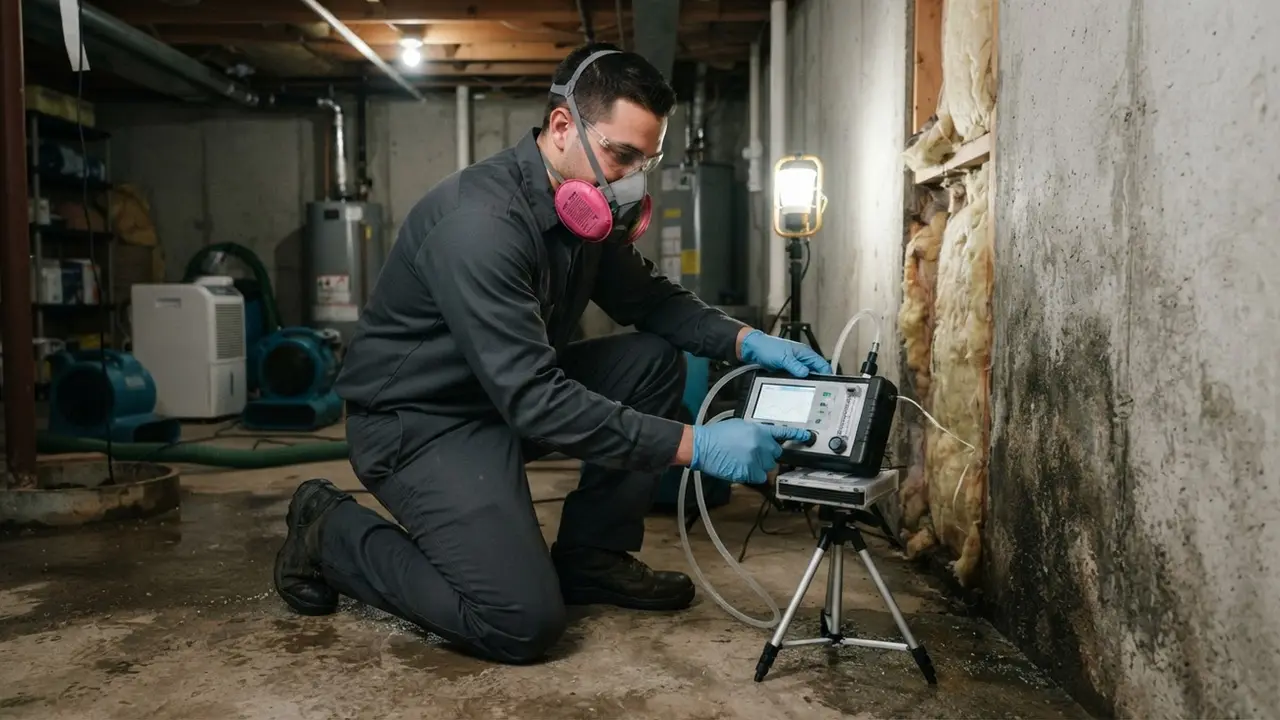
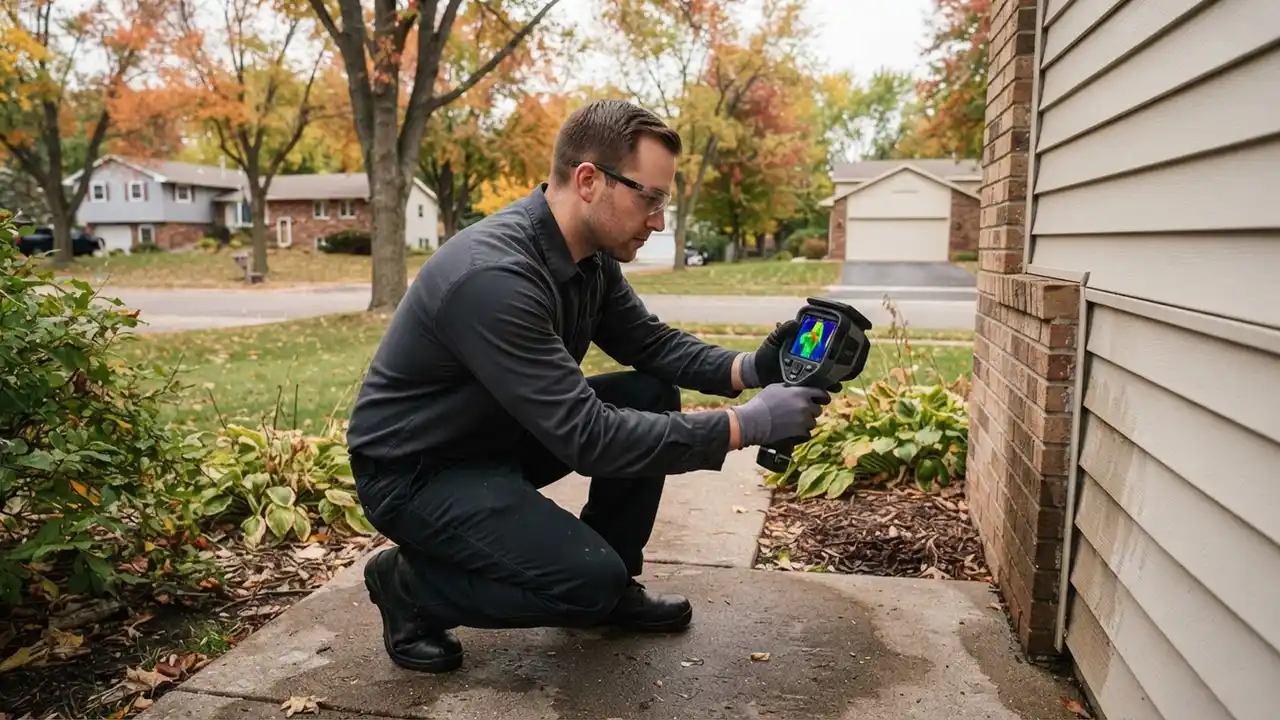
Our team walks the affected rooms with you, asks when the water appeared, and checks likely sources such as plumbing, windows, and foundation edges. We use a moisture meter and, where useful, thermal imaging to map damp areas. The initial inspection often takes 30 to 90 minutes, depending on access and the size of the affected space.
Walk-through
Readings
Source check
Control the Source
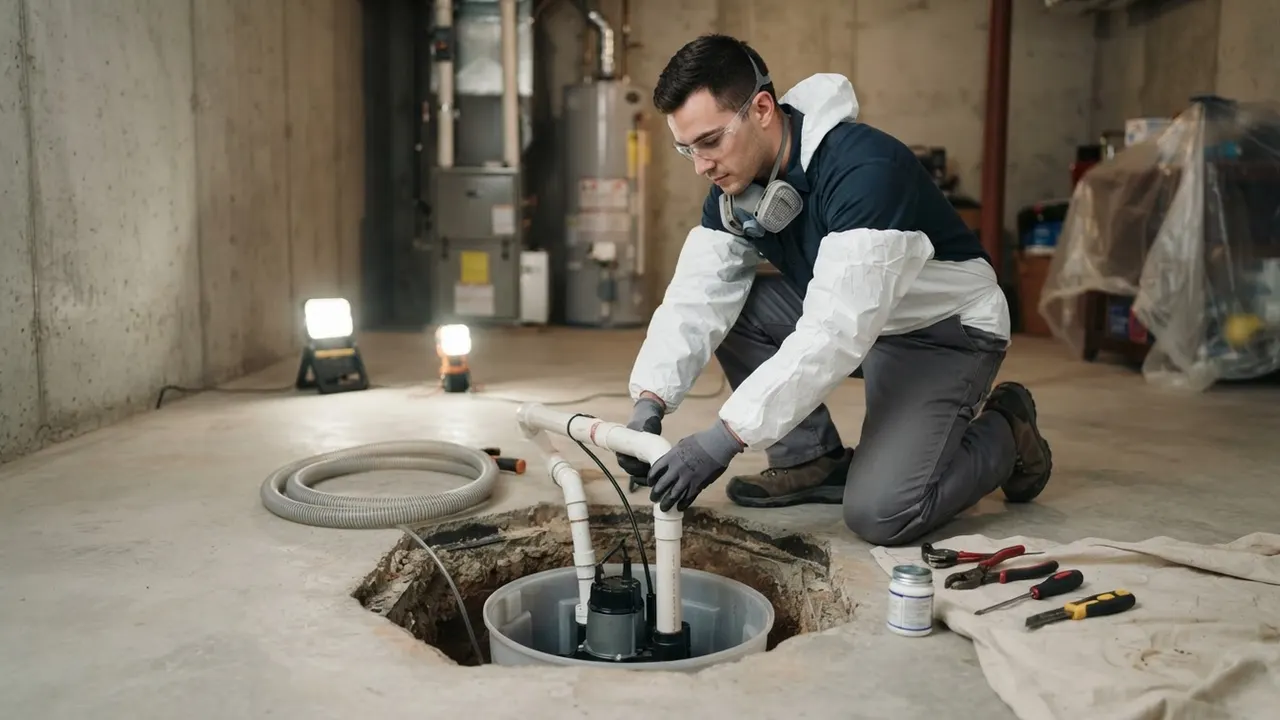
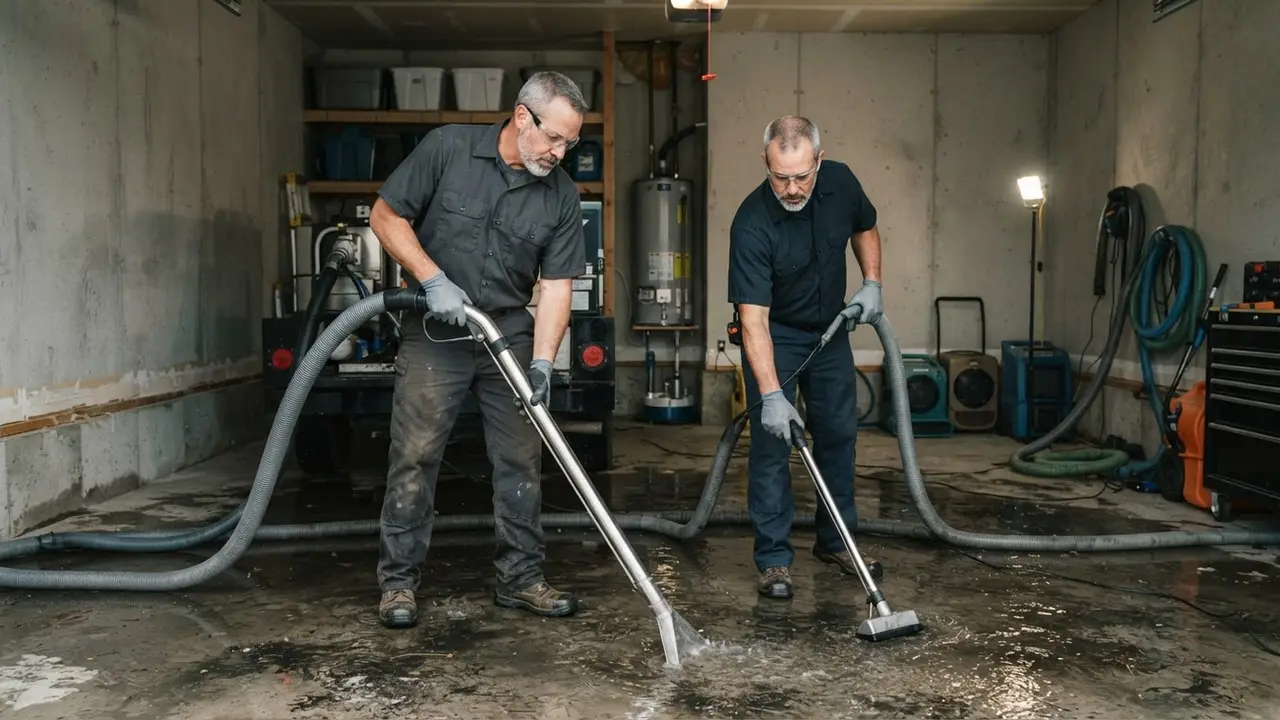
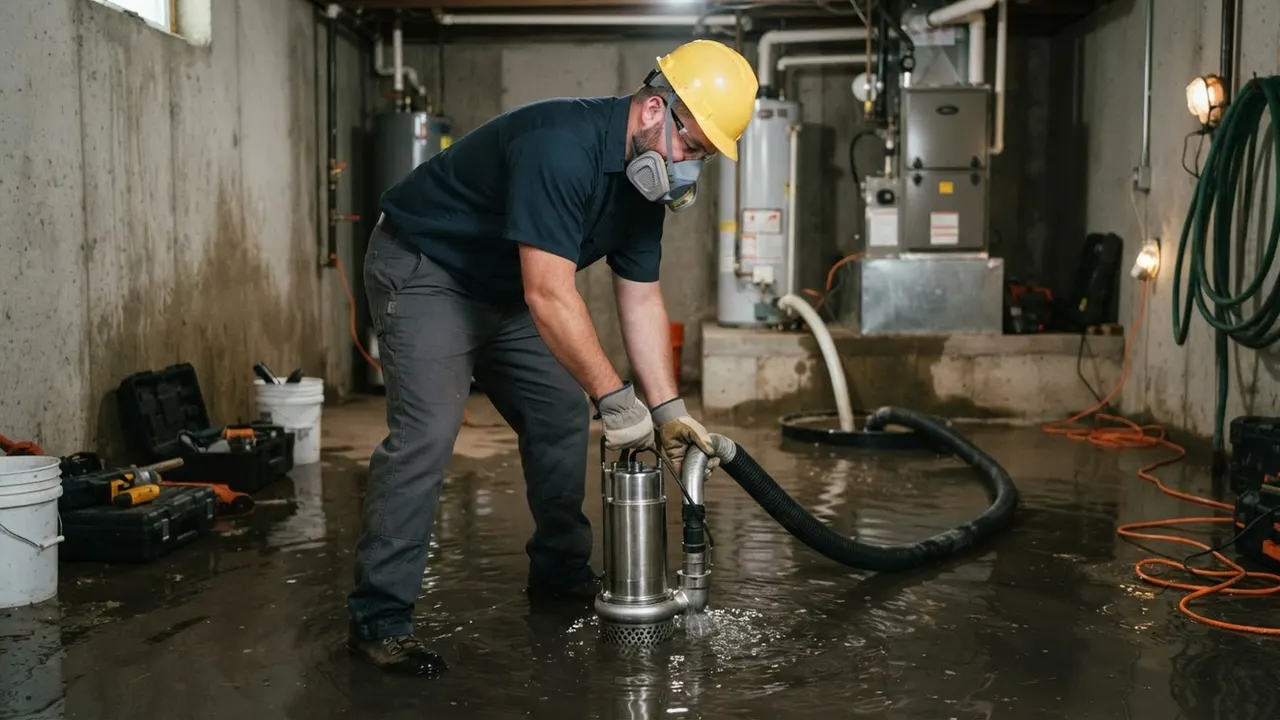
We identify the active water source and coordinate the next practical step, such as stopping an appliance leak or arranging repair of a pipe. If water remains, a wet/dry vacuum or sump pump may be used to remove it safely. Mold work cannot hold if the leak continues, so source control comes before surface treatment.
Stop water
Extract
Repair source
Contain and Remove
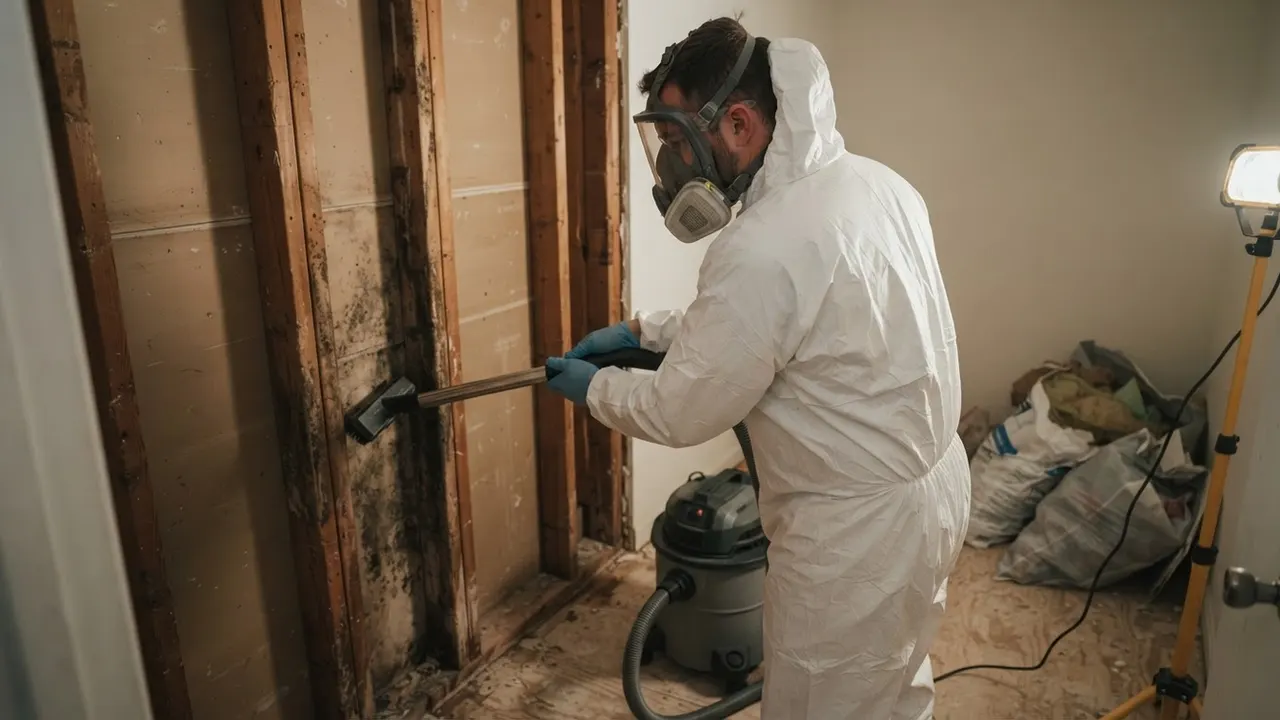
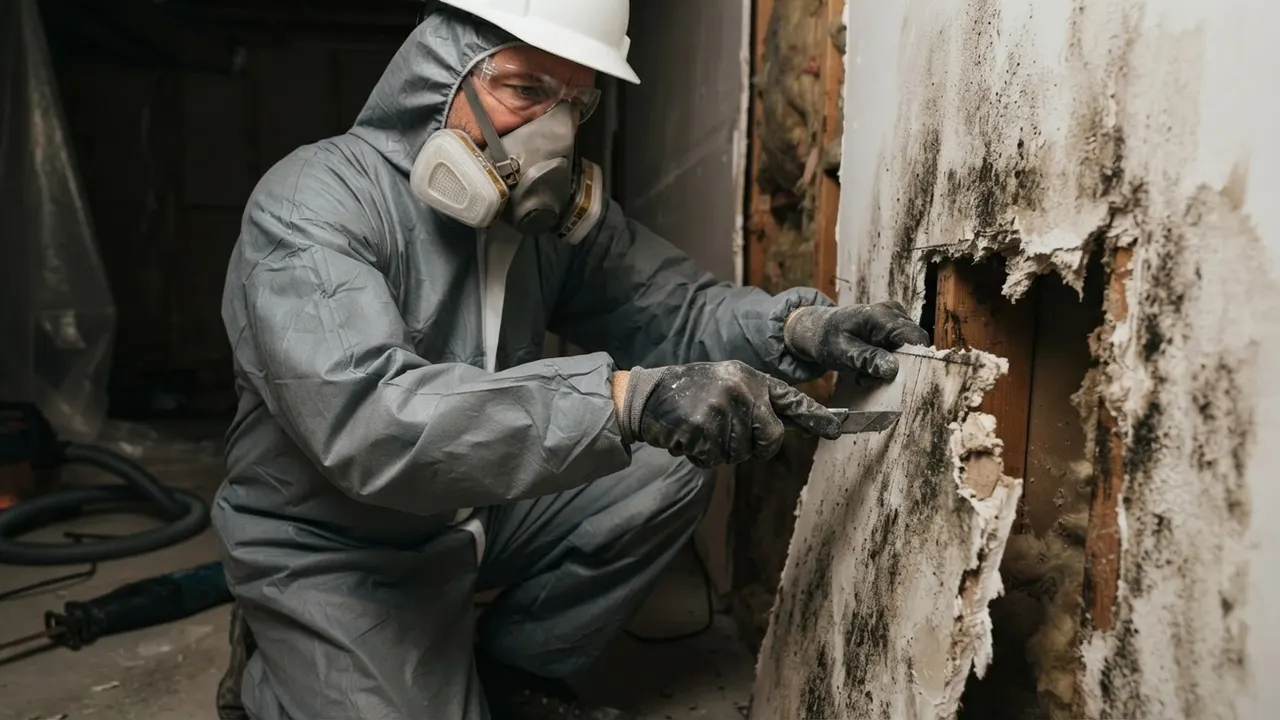
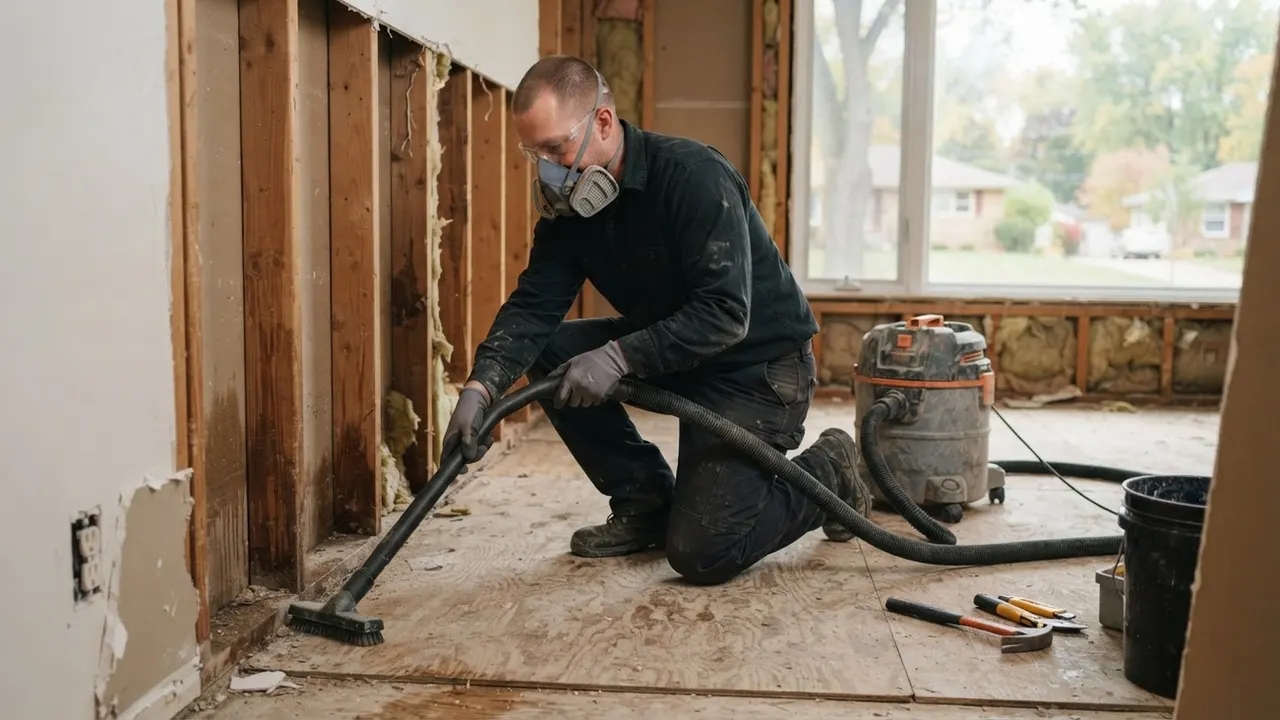
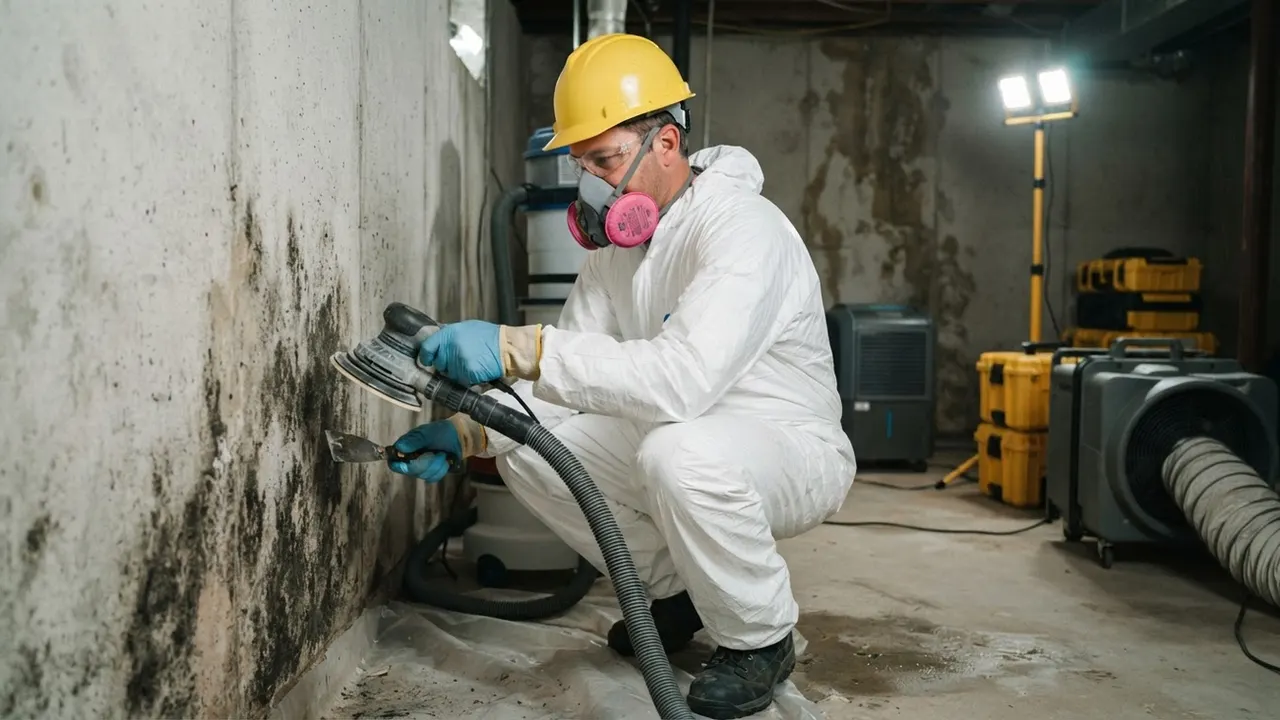
We isolate the work zone with plastic sheeting when removal or detailed cleaning is required. Our team removes unsalvageable porous materials, such as badly affected drywall or insulation, and captures debris. A HEPA vacuum helps clean settled particles from appropriate surfaces; we avoid disturbing growth without containment or a clear work plan.
Contain
Remove
Clean
Clean and Dry
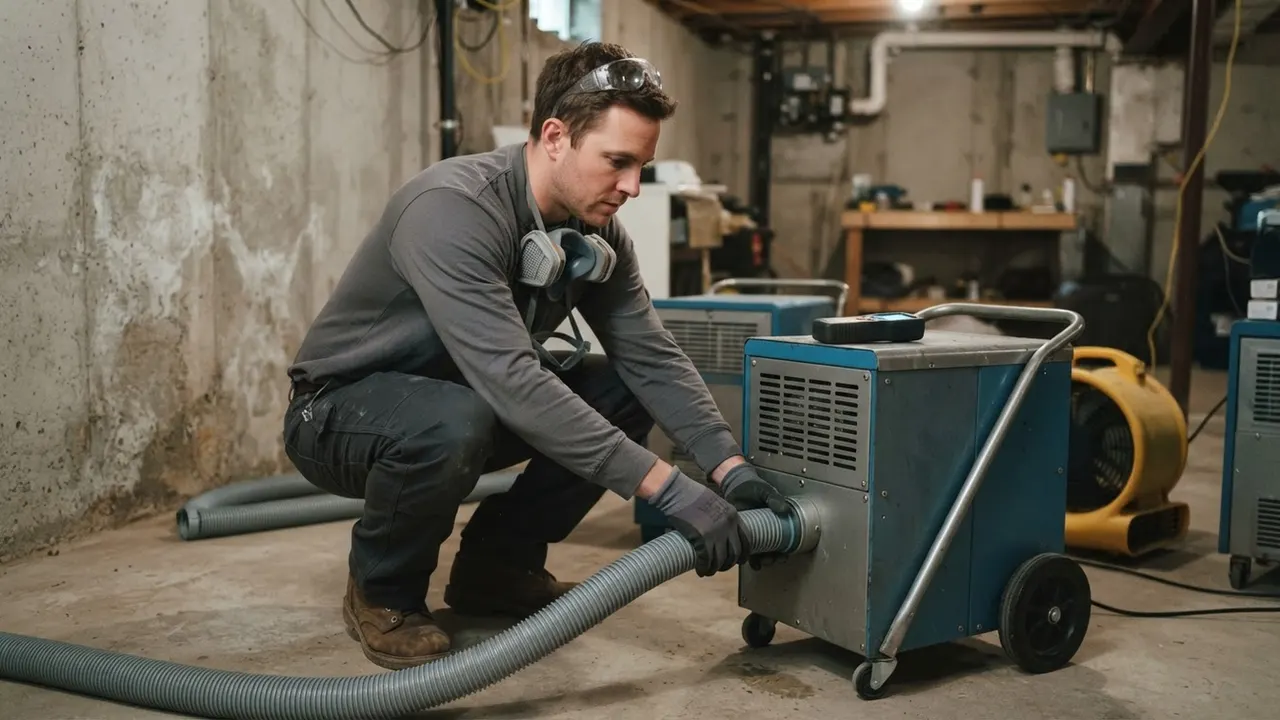
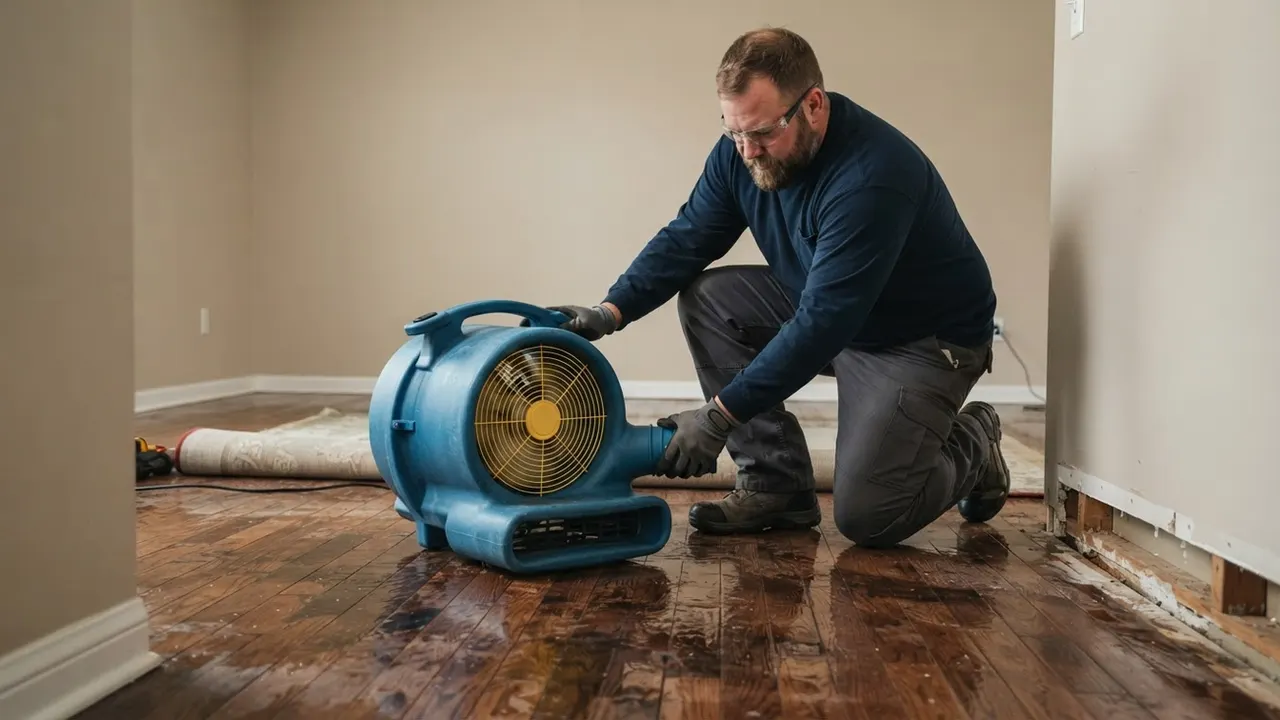
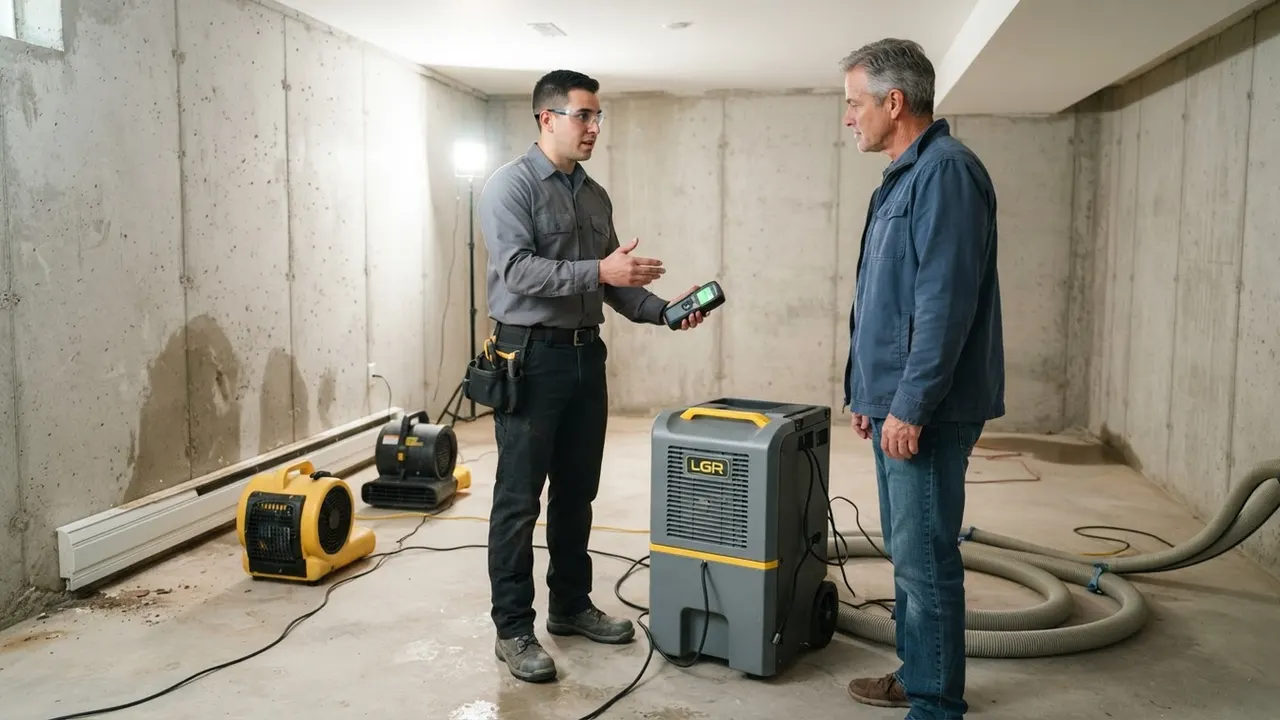
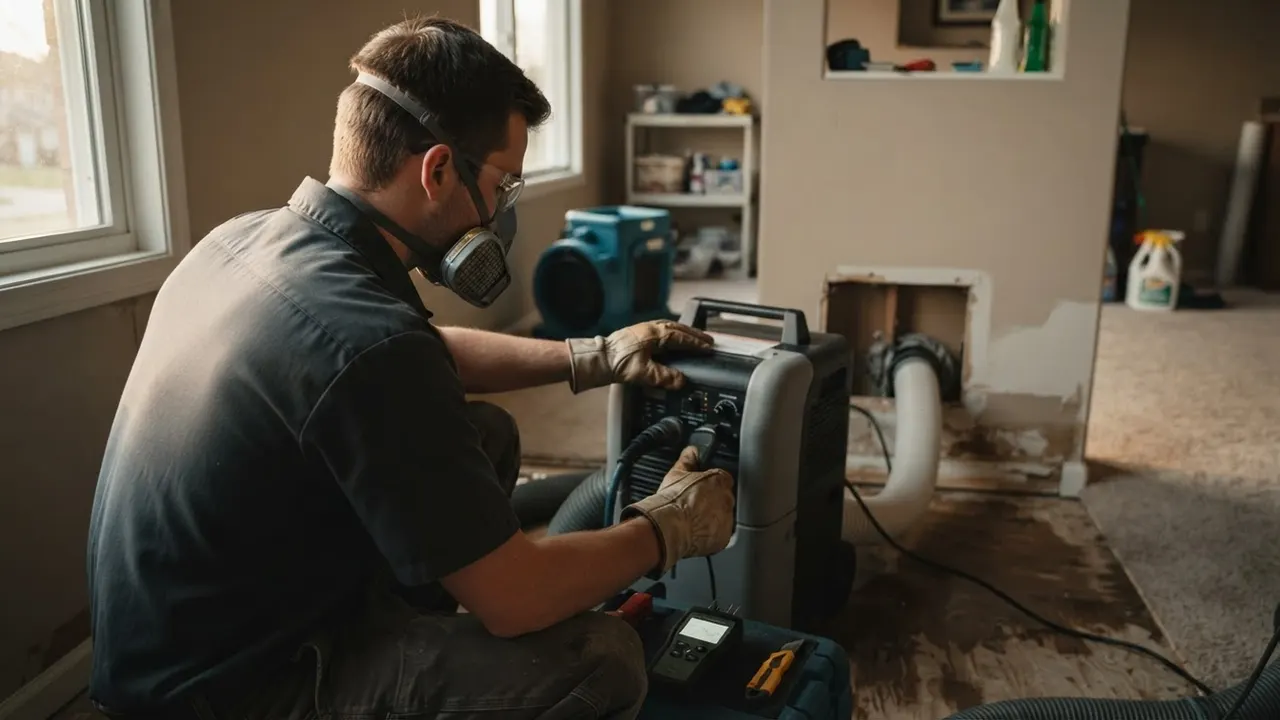
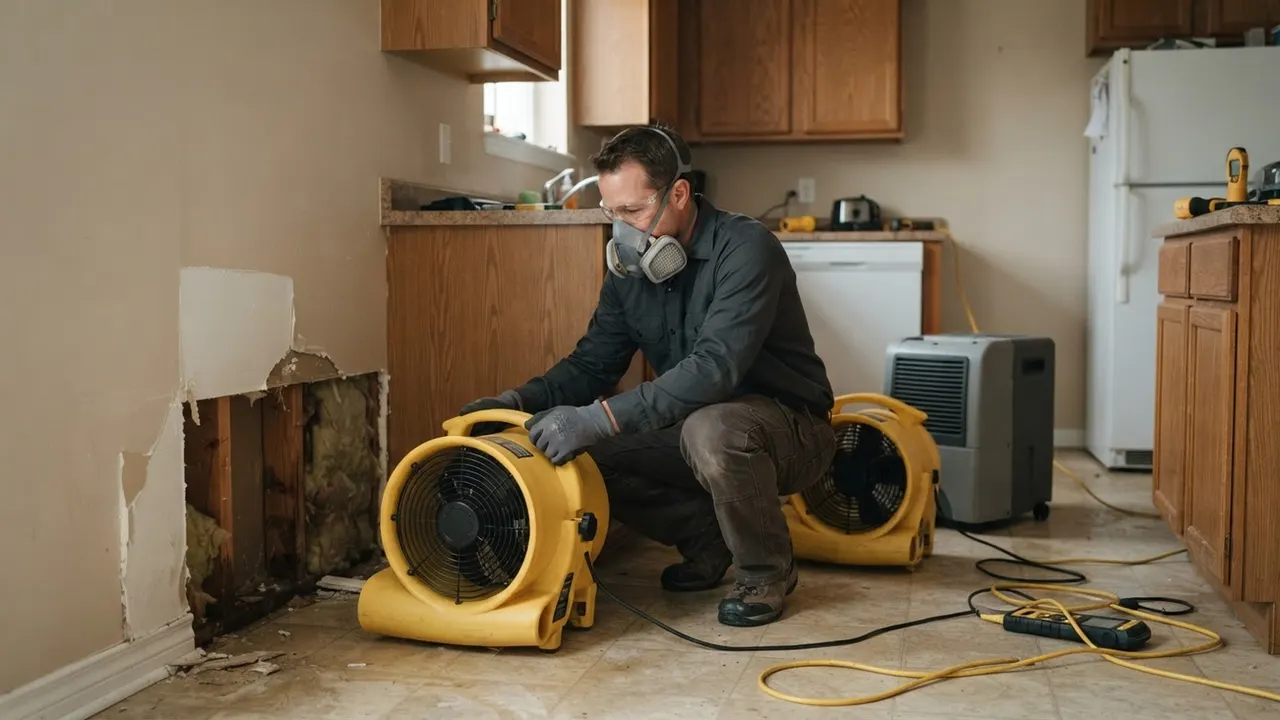
We clean salvageable surfaces with a method suited to the material, then place air movers and a dehumidifier to dry the structure. Equipment placement depends on room layout and airflow, not a one-size setting. We monitor readings over the next several days and adjust equipment as moisture levels change.
Air movement
Dehumidify
Recheck
Recheck and Guide
Before equipment comes out, we recheck the affected materials and review the readings with you. We explain remaining repairs, such as replacing removed drywall or correcting drainage, and share practical prevention steps. The work commonly spans three to seven days when drying is needed, while small cleaning jobs can finish sooner.
Review
Document
Next steps
Tools and Drying Methods
Move across a circle, or focus it and press Enter, for an illustrative thermal view of the photograph.
Moisture Meter
We compare readings across affected and reference materials to map dampness and track drying progress.
Thermal Imaging Camera
We use temperature patterns to help identify areas for closer moisture inspection; it does not confirm mold by itself.
Air Mover
Directed airflow helps move moisture from exposed materials toward dehumidification equipment during structural drying.
Dehumidifier
A dehumidifier removes water vapor from the work area and supports drying of damp building materials.
HEPA Vacuum
HEPA filtration captures fine settled debris during appropriate cleanup after affected materials are contained.
Thermal views are illustrative, generated from the photographs.
Methods
Moisture-source tracing
We follow the pattern of staining, dampness, and building details to locate likely water entry. Readings from affected and nearby dry materials help focus the inspection. We check plumbing, roof areas, and below-grade walls before deciding whether cleanup alone is enough.
Controlled containment
When removal or detailed cleaning could release dust, we separate the work zone with plastic sheeting and use suitable air control. The setup reflects the size and location of the affected area. We protect nearby rooms and keep debris handling within the contained zone.
Measured structural drying
We place air movers and dehumidification equipment based on airflow and material conditions, then revisit readings as the structure dries. Equipment settings and duration depend on the building assembly and moisture load. Drying often takes three to five days, but saturated or concealed materials can take longer.
Material-based remediation
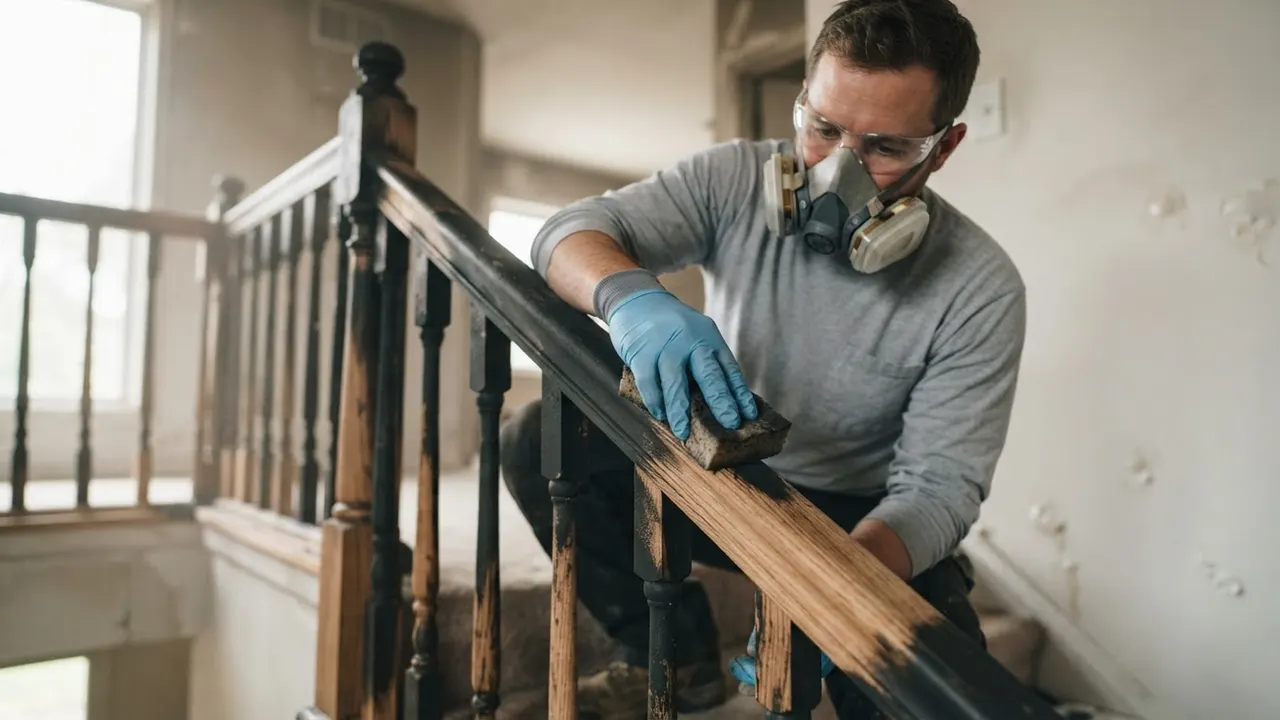
We determine whether a surface can be cleaned or whether porous material must be removed. Drywall, insulation, framing, and finished surfaces each respond differently to moisture. The method follows the material condition and the source, not a single chemical application.
When to Call for Mold Service
Rain Seepage
A basement in Downtown Hopkins develops a musty smell after several days of rain.
We inspect the foundation perimeter, stored contents, and lower wall materials for signs of water entry. Moisture readings help locate damp areas beyond the odor source. We then remove or clean affected materials as appropriate, dry the room, and discuss steps to reduce repeat seepage.
Outcome: You learn whether the issue is active water entry, lingering humidity, or both, and get a practical sequence for cleanup and prevention.
Frozen Pipe
A frozen pipe bursts overnight and water reaches a finished room before the leak is stopped.
We check the wet footprint, extract remaining water, and inspect wall cavities and flooring edges. Containment is set before affected materials are disturbed. Drying equipment is placed and monitored while plumbing repairs address the source.
Outcome: The affected area is dried before repairs close the wall, reducing the risk of hidden moisture being trapped behind new finishes.
Roof Leak
A property manager near Mainstreet finds repeated ceiling staining below an old roof leak.
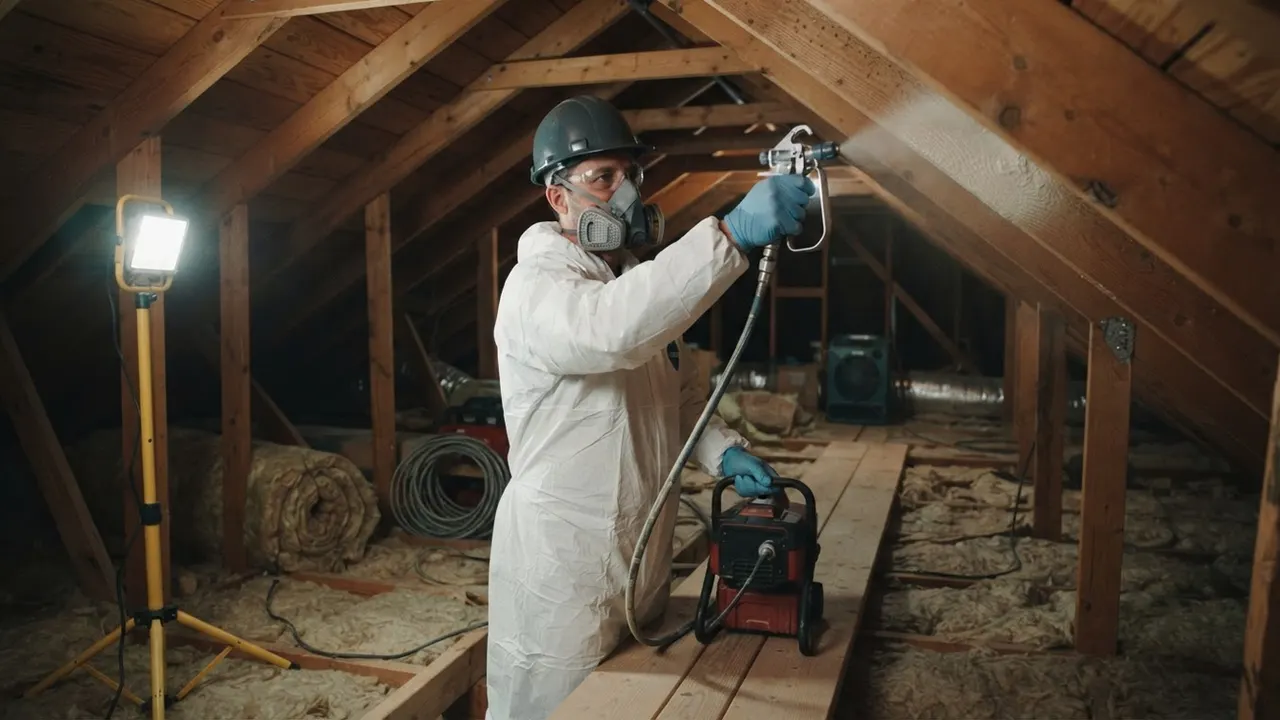
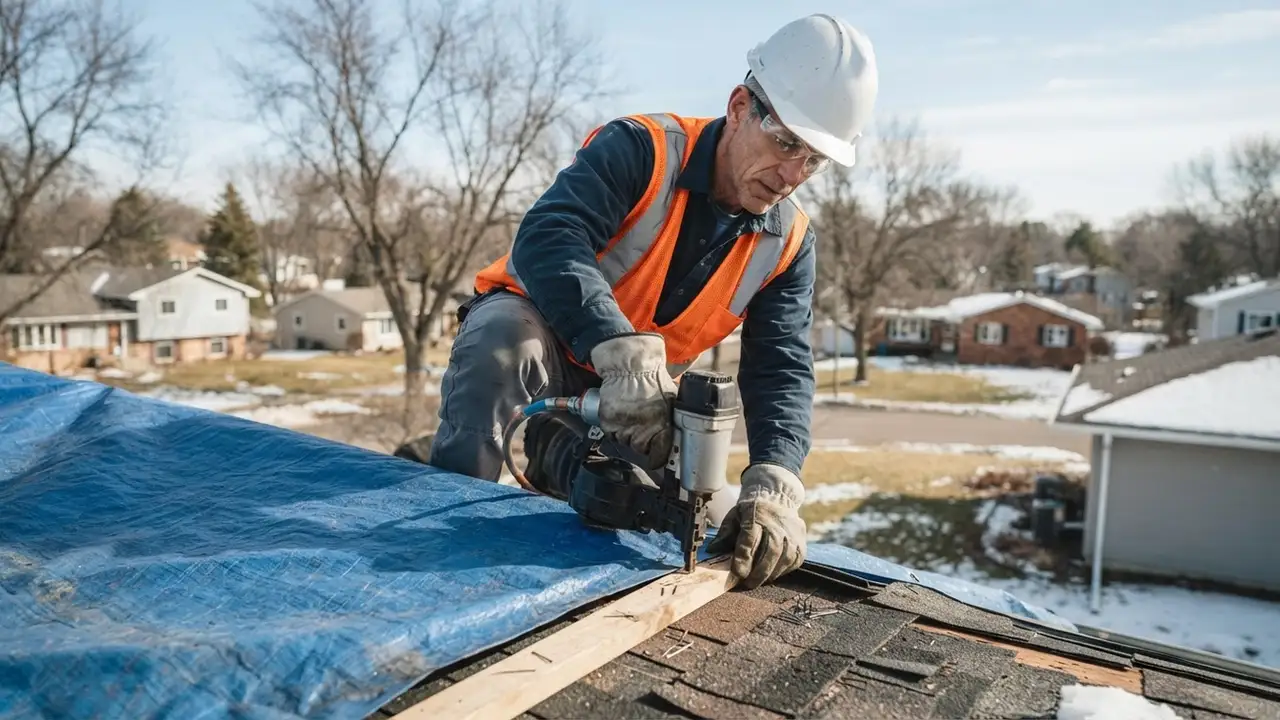
We inspect the ceiling and attic side, compare moisture in affected and unaffected materials, and identify any insulation that cannot be salvaged. Once the roof source is controlled, we dry the cavity and coordinate the next repair steps with the property manager.
Outcome: The repair plan follows the actual wet area, helping avoid unnecessary removal while preventing a damp cavity from being covered.
Crawl Space
A crawl space near Shady Oak smells earthy after a wet spring and has damp framing.
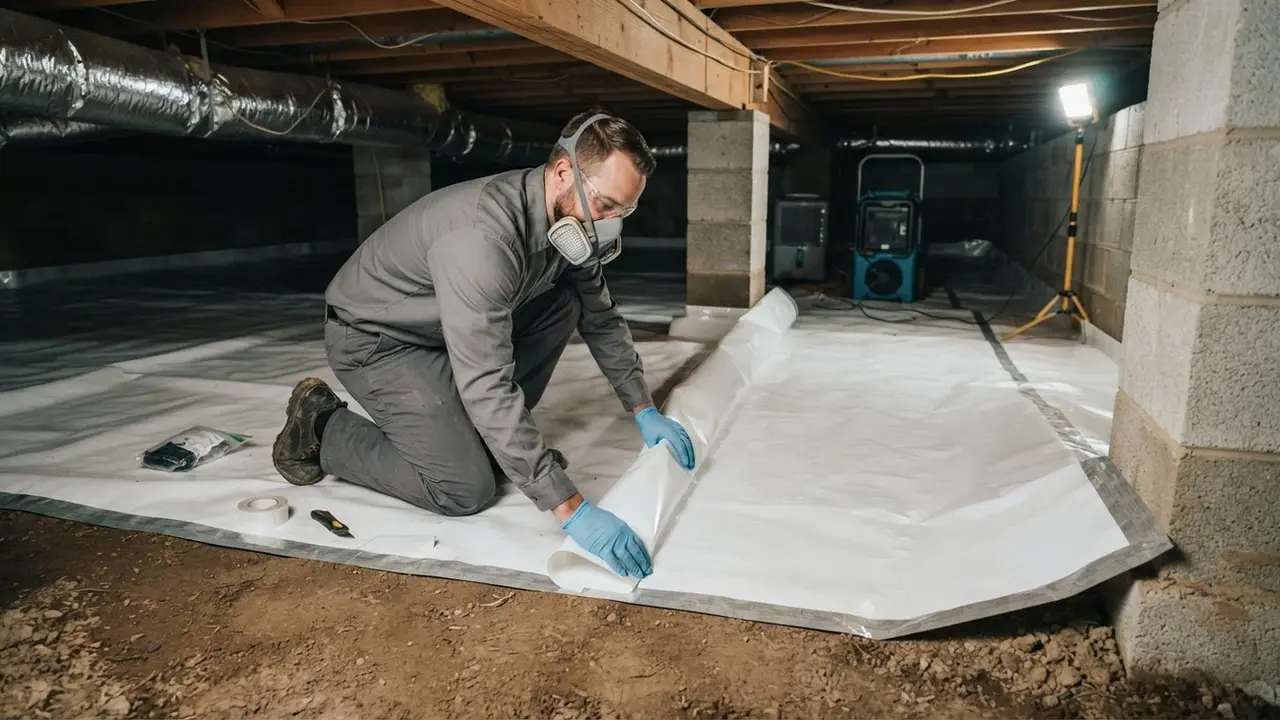
We assess access, standing water, framing, and insulation before choosing a controlled work method. Our team removes affected material when needed, addresses water accumulation, and evaluates drying and ventilation needs. We explain any further moisture-control work indicated by the inspection.
Outcome: You get a clearer view of the source and the condition of the framing, with cleanup and prevention steps based on the space.
Downtown HopkinsBlake RoadMainstreet
How Service Works Across Hopkins Homes
Hopkins winters bring freeze-thaw cycles that can stress plumbing and drive water through small foundation openings; November is also a useful time to check basement corners before deeper winter freezes. Summer humidity and heavy rain create a different load, especially in below-grade rooms and crawl spaces.
Our team looks at the building assembly, not just the visible stain, and checks whether a roof leak, slab leak, or appliance connection explains the moisture pattern. For mold prevention Hopkins MN property owners need, we inspect the affected materials, explain containment, and dry the structure before finishes are replaced.
If you are asking how to prevent mold growth in Hopkins Minnesota homes, keep indoor humidity under 60%, run a dehumidifier when needed, and investigate musty odors promptly. We serve Hennepin County properties in ZIP codes 55343 and 55305, including older homes and managed buildings near Mainstreet. We adapt access and equipment placement to occupied rooms, shared hallways, and basement storage.
Downtown Hopkins: Older homes and finished lower levels can conceal dampness behind stored belongings; we check wall edges and utility areas.
Blake Road: Properties near the corridor may have varied foundation and basement layouts, so we map moisture rather than assume a standard room plan.
Mainstreet: Managed buildings need coordinated access; we keep the work area contained and explain drying activity to occupants.
Shady Oak: After wet spring conditions, crawl spaces and basement corners deserve checks for standing water and damp framing.
Freeze-thaw stress on plumbing and foundation joints: Repeated temperature changes can expose small leaks or openings. We inspect the water pattern and affected materials, then distinguish an active source from residual dampness before selecting cleanup and drying steps.
Heavy rain and basement seepage: Water can enter at a low wall joint and travel beneath flooring or stored items. Checking the full perimeter helps define the affected area and points to drainage or waterproofing follow-up.
We walk the affected area and explain likely moisture paths.
We protect nearby surfaces and set up the work zone.
We review drying checks and discuss practical follow-up.
From Problem to Finished Result.
IllustrativeThe thermal view is generated from the photograph. It is not a measurement. Drag the handle, or use the arrow keys once it is focused.
Basement Seepage Contained and Dried
Before: A homeowner near Downtown Hopkins noticed a musty odor and damp cardboard after heavy rain. The lower drywall felt cool, but the water source was not obvious. Stored items covered part of the foundation wall, and the homeowner had cleaned the visible surface twice without resolving the smell.
After: We cleared access, traced dampness along the wall edge, and found affected drywall extending about 4 feet beyond the visible mark. Damaged sections were removed and the area dried over four days, with readings checked during the process. The homeowner received specific guidance on keeping storage elevated and monitoring humidity.
Keep boxes at least 4 inches off the floor, check the wall after heavy rain, and maintain basement humidity below 60%. Repair any new seepage promptly.
Roof Leak Cavity Dried Before Repair
Before: A ceiling stain in a Mainstreet Hopkins property returned after a roof repair. The paint was dry to the touch, but insulation above the ceiling had absorbed water and the room smelled stale. Repainting would have hidden the stain without addressing the wet cavity.
After: We inspected the ceiling and attic side, removed a limited section of damaged drywall and wet insulation, and set drying equipment. The cavity reached the project's drying targets after five days of checks. The ceiling was left ready for repair once the roof leak source was addressed.
After storms, inspect attic access areas and ceilings for new marks. Keep roof repairs current and call if staining returns, even when the surface appears dry.
Appliance Leak Stopped Beneath Cabinets
Before: A slow dishwasher leak in a Blake Road home softened the flooring beside the cabinets. The visible water had been wiped up, but the cabinet toe-kick and floor edge remained damp. The owners were concerned about hidden growth beneath the finish.
After: We checked the cabinet base, adjacent drywall, and flooring edge, then exposed the damp section for controlled drying. Moisture readings were rechecked over three days, and the appliance connection was repaired before the flooring was replaced. The work addressed the trapped water rather than covering it.
Check under sinks and appliances monthly, especially after moving a dishwasher or refrigerator. Watch for swelling, loose flooring, or a musty smell.
Solve Common Hopkins Moisture Problems
We trace the source, determine which materials are affected, and put cleanup and drying in the right order. If moisture keeps returning, we look for the repeated entry point rather than treating each stain as a separate event.
Recurring odorMusty odor returns after cleaning a basement cornerThe odor can signal damp materials behind stored items or inside a wall, allowing damage to continue even when the surface looks clean. We move the inspection beyond the visible corner, check nearby drywall and framing, and look for seepage or condensation. If materials remain wet, we contain and remove damaged sections as needed, then dry the space and explain how to monitor humidity and keep stored items off the floor.
Ceiling stainWater stain grows after a roof leak is patchedWet insulation or ceiling cavities can hold moisture after the roof stops leaking, leading to recurring staining and possible mold growth. We inspect the ceiling and adjacent attic materials, verify whether the area is still damp, and separate salvageable surfaces from materials that need removal. Drying comes before patching. We also identify whether the leak path appears resolved so the repaired ceiling is not closed over wet insulation.
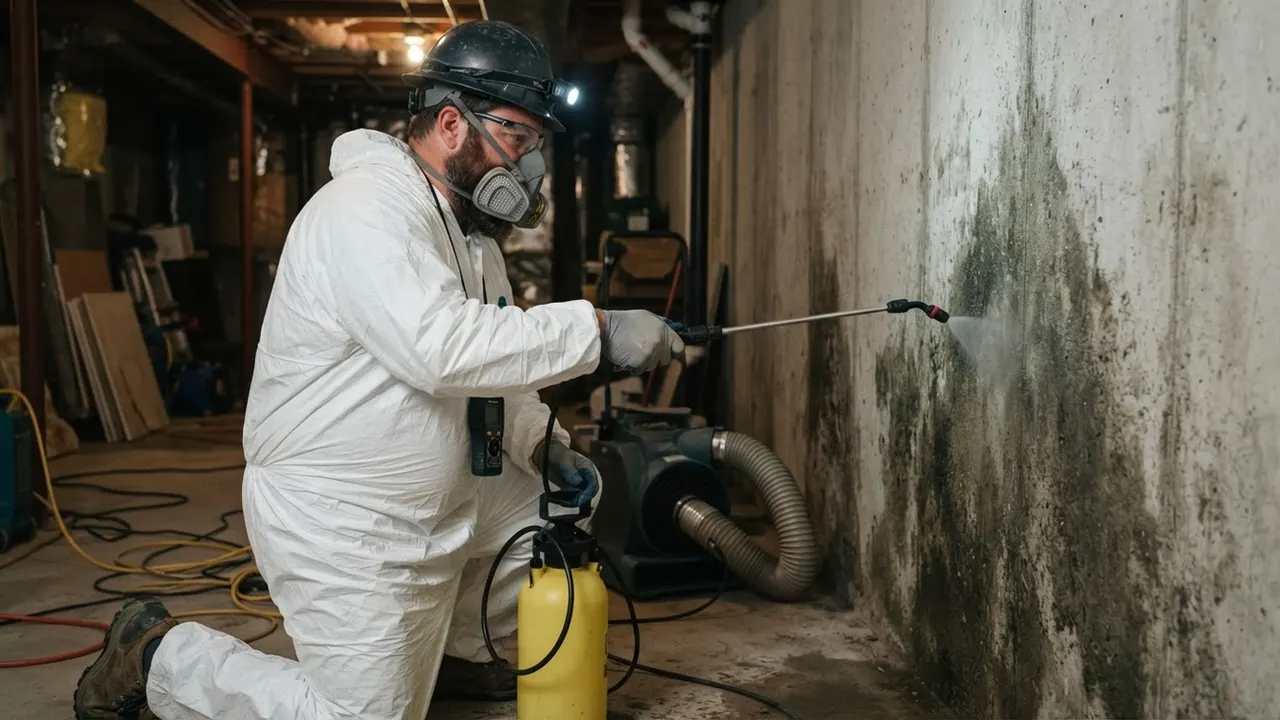
Wet basementBasement wall stays damp after heavy rainRepeated water entry can soak finishes and stored contents, making a small seasonal problem harder to control over time. We examine the wet pattern along the foundation, check nearby flooring and baseboards, and determine whether water is entering at a joint or through another route. After extraction and drying, we outline practical waterproofing or drainage follow-up based on the observed source.
Soft flooringAppliance leak leaves flooring soft near cabinetsWater trapped beneath flooring can weaken the substrate and affect cabinet bases before the damage is visible from above. We inspect the cabinet toe-kick, adjacent wall, and floor edges for moisture. If needed, we remove affected sections to expose the wet area, then use controlled drying and rechecks. Repairing the appliance connection and drying the assembly helps prevent mold from returning beneath the finished surface.
Practical Results for Your Property
Find the moisture source, address affected materials, and reduce the chance of repeat growth.
Find Moisture Early
We check visible staining and nearby materials rather than treating only the patch you can see. A moisture meter helps compare readings in affected drywall and a dry reference area. Catching a leak or damp cavity before it spreads can limit demolition and shorten drying, especially after an appliance leak or a small basement seep.
Dry Materials Correctly
Wet building materials need measured drying, not simply an open window. We position air movers and a dehumidifier to move moisture out of the affected area, then recheck readings during the job. For many water losses, drying takes about three to five days; material type, temperature, and how long it stayed wet change that timeline.
Reduce Cross-Contamination
When removal is needed, containment keeps dust and fragments from moving into clean rooms. We use plastic sheeting and HEPA filtration suited to the work area, then clean surfaces with an appropriate method. This controlled approach matters when you have finished living spaces beside a damp basement or utility room.
Prevent Repeat Growth
We address the moisture condition that allowed growth, whether it is a leaking pipe, poor drainage, or condensation. The recommendations may include repairing the leak, improving airflow, or replacing damaged insulation. For basement mold prevention Hopkins Minnesota property owners need both a dry space and regular checks after rain.
What You Receive
Clear records you can keep and share.
Photo Log
Images of affected areas and work progress.
Reading Log
Recorded moisture checks during drying.
Work Summary
Description of completed cleanup steps.
Care Notes
Practical monitoring and prevention guidance.
Cleaning Is Not Source Control
Surface treatment cannot correct a leak or dry a concealed cavity; the moisture source and affected material determine the right response.
Surface Growth
Growth on a cleanable surface may allow targeted cleaning.
Check nearby moisture
Use material-appropriate cleaning
Correct water source
Porous Damage
Wet or damaged porous materials may require removal.
Assess drywall and insulation
Contain removal work
Dry exposed structure
Recurring Moisture
Repeated dampness points to an unresolved water or humidity condition.
Trace entry pattern
Check drainage and plumbing
Monitor indoor humidity
Common Materials
Drywall
Insulation
Framing
Concrete
Flooring
Cabinet bases
Stored contents
Ceiling materials
Service ZIP Codes.
A list like this tells people straight away whether you cover their street. Not listed? Call and ask: it only takes a minute.
After a small pipe leak, the basement wall looked dry but still smelled musty. The crew checked the drywall and found dampness extending past the visible stain. They explained what needed to come out, contained the work area, and checked the drying progress over several days. I appreciated knowing what each piece of equipment was doing.
We had water collect near the basement stairs after heavy rain. The team checked the foundation edge and the stored boxes before recommending cleanup. They removed the wet material, set drying equipment, and gave us clear steps for watching humidity and keeping the area clear. The musty smell was gone after the work.
A tenant reported a ceiling stain after a roof leak, and we wanted to avoid opening more of the room than necessary. The crew traced the damp area, checked the insulation, and described the removal and drying plan. Their updates made it easier to coordinate access and schedule the ceiling repair after the area dried.
Mold Prevention Questions, Answered
The price depends on affected square footage, material removal, containment, access, and whether water damage repairs are needed. We inspect first and explain the work and upfront pricing before proceeding. Testing or rebuilding after remediation can add cost if those services are required.
Keep basement humidity below 60%, repair leaks promptly, and inspect corners after heavy rain or snowmelt. A dehumidifier, clear floor drains, and working sump pump help control moisture, but they do not repair water entry. If you notice a musty odor or damp drywall, our team can trace the source and recommend home mold prevention and treatment Hopkins MN steps specific to your basement.
The right treatment removes or cleans affected materials and corrects the moisture source; no single spray works for every home. Nonporous surfaces can often be cleaned, while heavily affected drywall or insulation may need removal. We assess the material, containment needs, and drying conditions before choosing a method. Antimicrobial products are not a substitute for removing damaged material or stopping water entry.
Hopkins Water Damage Company provides mold prevention and treatment for homes and properties in Hopkins, including Downtown Hopkins and the Blake Road area. Call (833) 546-4116 to describe the moisture problem and arrange an inspection. We check likely sources, explain the affected materials, and outline practical cleanup and drying steps. For mold prevention and treatment services in Hopkins MN near me, share when the issue began and whether the area is still wet.
Tell us what you have noticed and where it is happening. We will discuss the likely moisture source and arrange the next step. Call Hopkins Water Damage Company at (833) 546-4116 for a direct conversation with our team.
Call Hopkins Water Damage Company at (833) 546-4116 to describe a leak, fire, mold concern, or basement water problem. We connect you with independent companies serving Hopkins, Minnesota, including ZIP codes 55343 and 55305. Tell us the property type, affected area, and whether the source is still active so the provider can understand what help you need.