Waterproofing Services Hopkins MN for Dry, Protected Homes
Waterproofing services Hopkins MN help homeowners and property managers address seepage, damp foundation walls, and recurring basement flooding before moisture damages finishes. At Hopkins Water Damage Company, we inspect where water enters, explain practical repair options, and match the approach to your structure. Our basement waterproofing Hopkins MN work focuses on controlling water at the foundation and directing it away from vulnerable spaces.
Surface protectionWe cover nearby items before setup.
Source tracingWe inspect water paths, not stains alone.
Clear explanationsWe show you the affected area.
Moisture trackingWe check materials as they dry.
What's Included in Waterproofing Services
Waterproofing begins with finding the entry route and selecting a repair that fits the foundation and water conditions. Our work can include inspection, sealing suitable cracks, addressing drainage concerns, and explaining care after completion. If water has already damaged finishes, extraction, drying, mold remediation, excavation, or plumbing repairs may be additional work based on what the inspection finds.
Water Entry Inspection
We examine visible basement walls, floor joints, cracks, and nearby drainage conditions, then ask when water appears. This inspection helps separate groundwater seepage from a roof leak, appliance leak, or plumbing failure before we recommend a repair.
Crack and Joint Sealing
Where the opening and foundation condition suit the method, we prepare and seal cracks or joints with compatible materials such as sealant or epoxy. We explain the repair location and curing needs so you know when the area can be covered or used.
Drainage Recommendations
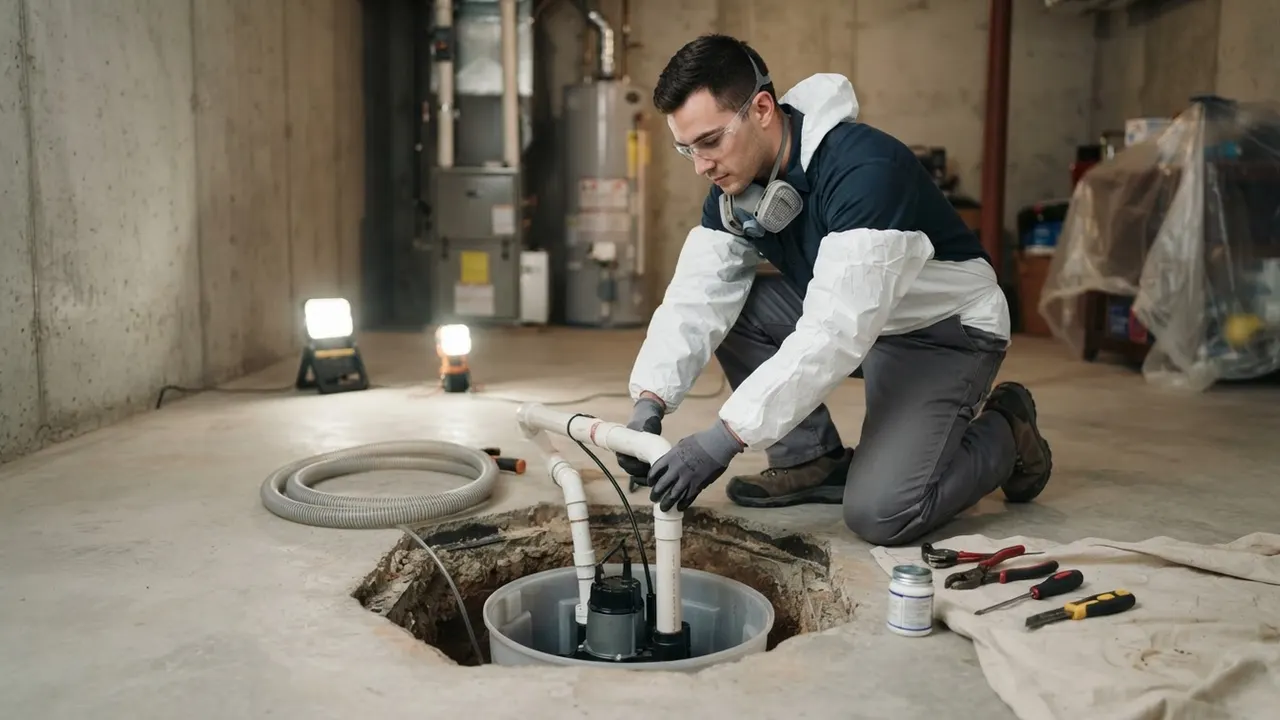
We identify visible drainage issues that send water toward a foundation and explain practical corrections. Depending on the site, this may involve runoff direction, a drainage system, or a sump pump. The recommended work follows the source and water pattern.
Moisture and Damage Review
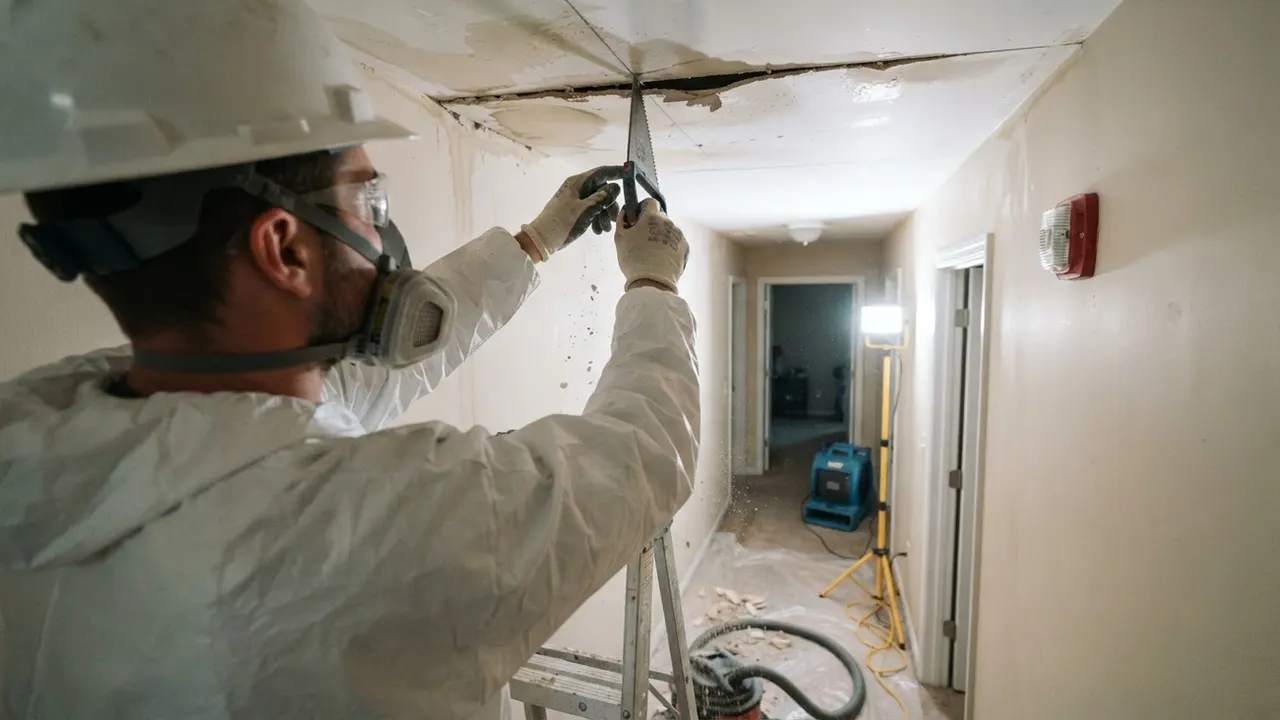
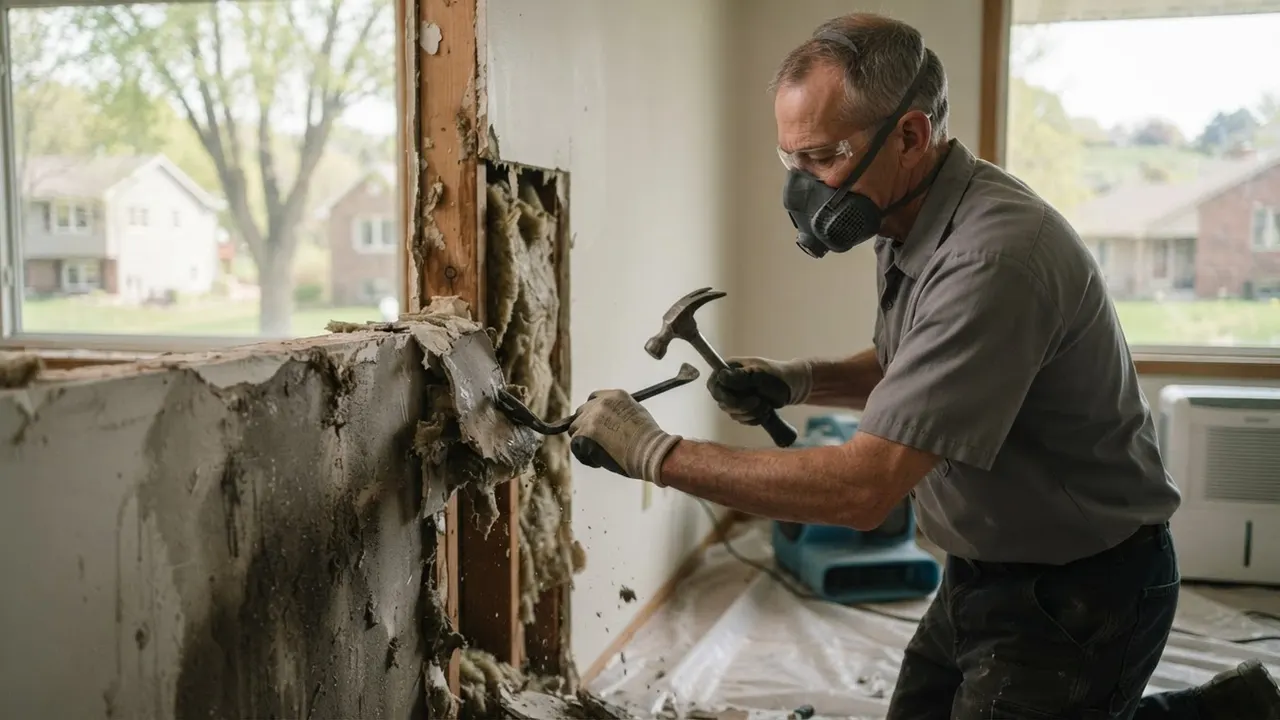
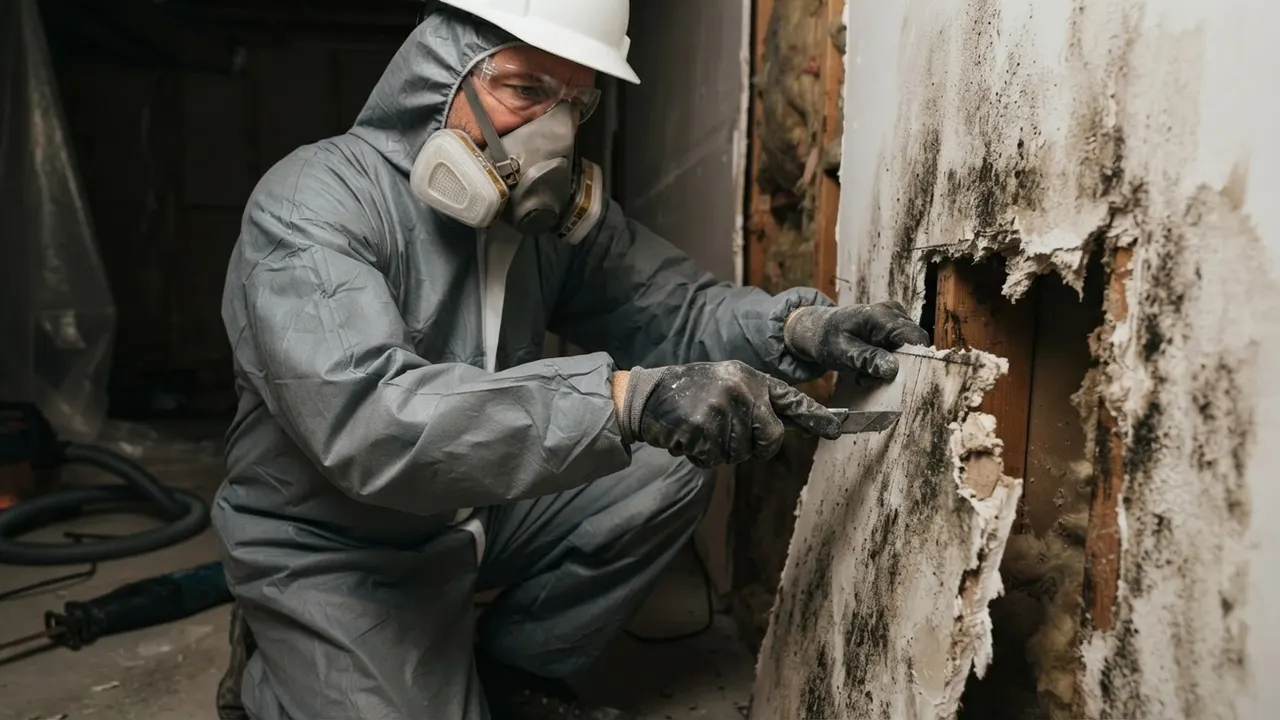
We check nearby materials for signs of moisture and note whether drywall, insulation, or flooring needs drying or removal. This step keeps a waterproofing repair from overlooking damage that was already caused by earlier water entry.
Follow-Up Guidance
After the repair, we explain curing requirements, the conditions to monitor, and when to contact us if water returns. You also receive practical maintenance guidance for keeping the repaired area accessible and observing it after rain or snowmelt.
Homes and Businesses.
The approach is the same for a home and a business. What changes is the access, the schedule and who needs the paperwork.
Homes and Rentals
We inspect basement walls, floor joints, and crawl spaces where water threatens your home. You see the likely source and understand the repair sequence.
Rainwater at a basement wall
Damp crawl space insulation
Water near stored belongings
Commercial Spaces
We assess lower-level rooms, storage areas, and access needs for your property. Our work plan identifies affected surfaces and practical water-control steps.
Water near stored inventory
Damp lower-level flooring
Recurring seepage after thaw
Waterproofing Services Hopkins MN: What the Work Covers
A plain-language look at what Waterproofing Services involves and when it is needed.
Waterproofing services Hopkins MN is a building-protection service that limits water entry through foundations, basement walls, floors, and crawl spaces when seepage or recurring moisture threatens the structure. We trace the path of water, check wall and floor conditions, and identify whether the source is surface drainage, a foundation opening, hydrostatic pressure, or a plumbing leak. Depending on the findings, the work can include sealing cracks, applying compatible coatings, correcting water routing, and recommending a sump pump or drainage improvement. The goal is a dry, usable space and a repair matched to the cause.
Hopkins homes face changing freeze-thaw conditions, snowmelt, and heavy rain that can expose weak points around foundations. A frozen pipe burst or roof leak also needs to be separated from groundwater seepage; treating the wrong source leaves the problem active. We assess basement walls, floor joints, grading, and visible moisture patterns, then explain the next step in plain language. If you are searching for a basement waterproofing company in Hopkins Minnesota, our local team can evaluate the leak path and connect waterproofing with cleanup when water has already reached building materials.
What it is
Work that limits water entry through foundations, basement walls, floors, and crawl spaces.
When needed
Recurring seepage, damp foundation materials, or water collecting near basement walls.
What to expect
Source inspection, a repair matched to conditions, and checks for related moisture damage.
What to Expect During the Work
Waterproofing services in Hopkins MN follow a practical sequence: find the source, protect the space, complete the selected repair, and check the result. We keep you informed at each stage so you know what is happening in your basement.
Inspect the Source
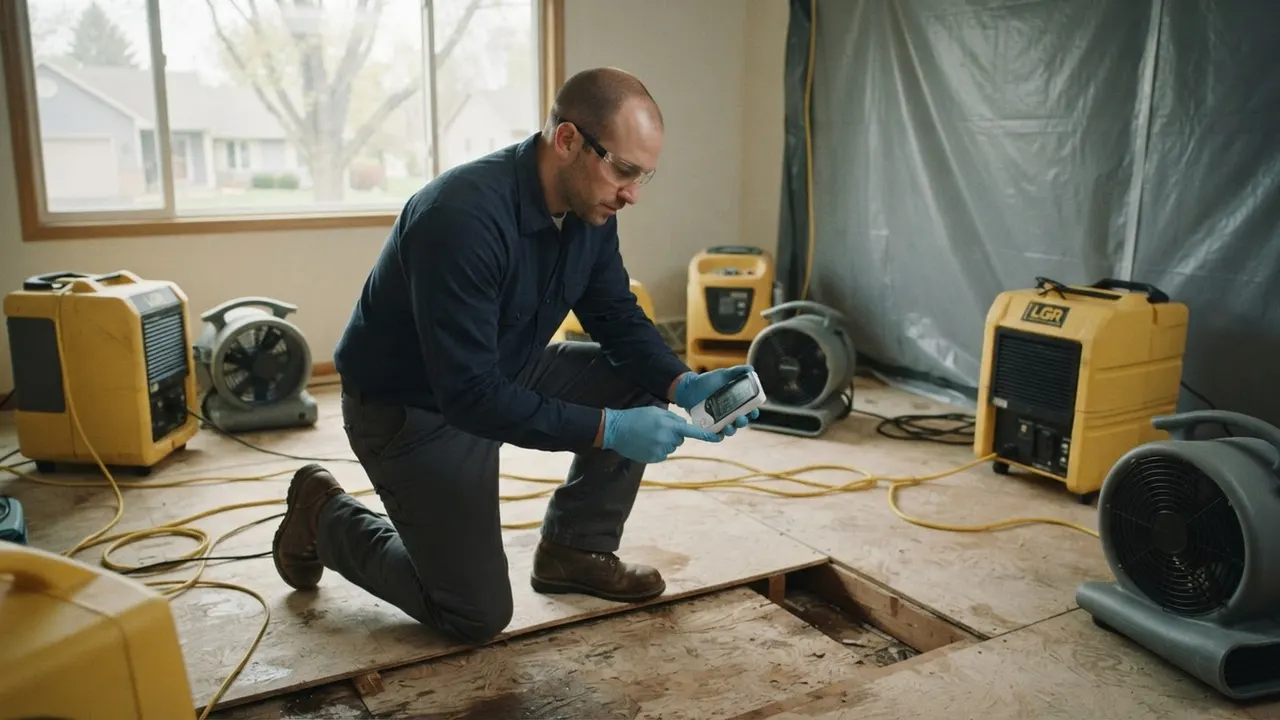
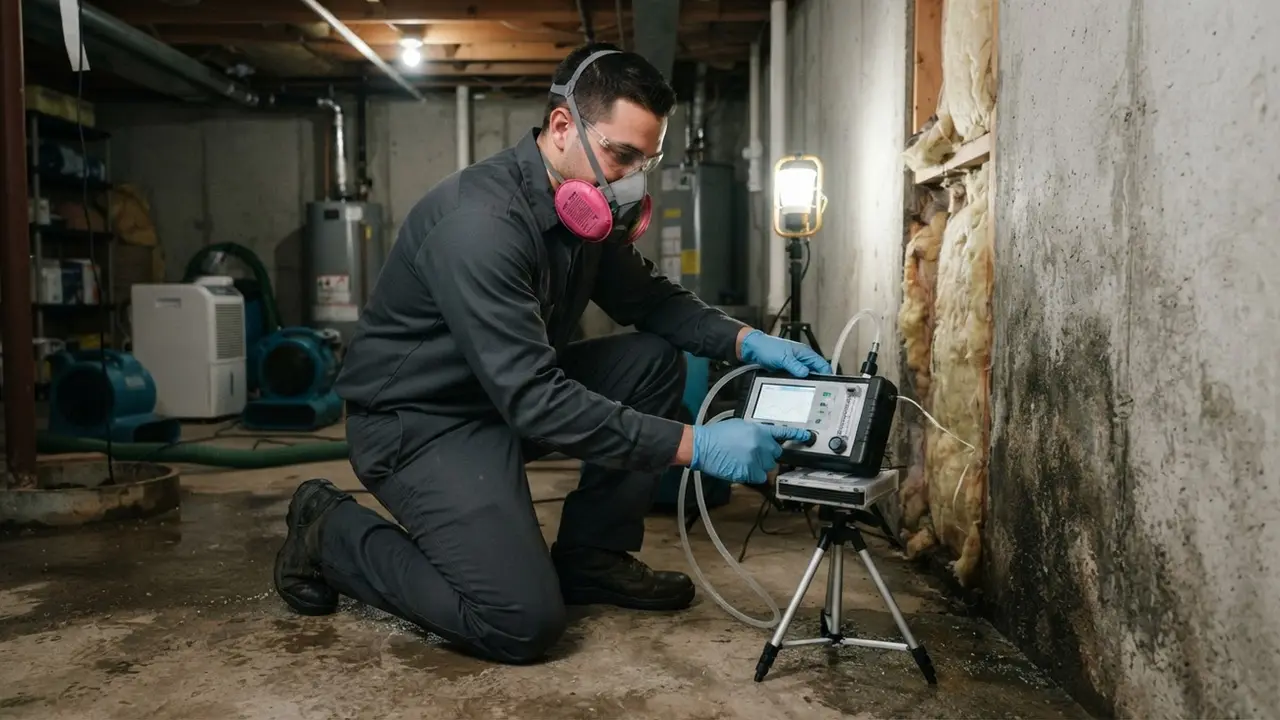
Our team walks the affected area with you, checks visible cracks and joints, and asks when water appears: during rain, snowmelt, or all the time. We use a moisture meter and visual inspection to separate seepage from a slab leak or appliance leak. A focused inspection often takes 45 to 90 minutes, depending on access and the number of affected rooms.
Walk-through
Moisture check
Source review
Map the Repair
We explain the likely water path and show you which repair addresses it. That may mean sealing a foundation crack, improving drainage at a vulnerable wall, or recommending a sump pump for water that collects below the floor. We also identify materials that need removal after prolonged wetting. You receive an upfront explanation of the work and its cost before the repair begins.
Repair options
Water path
Next steps
Prepare the Area
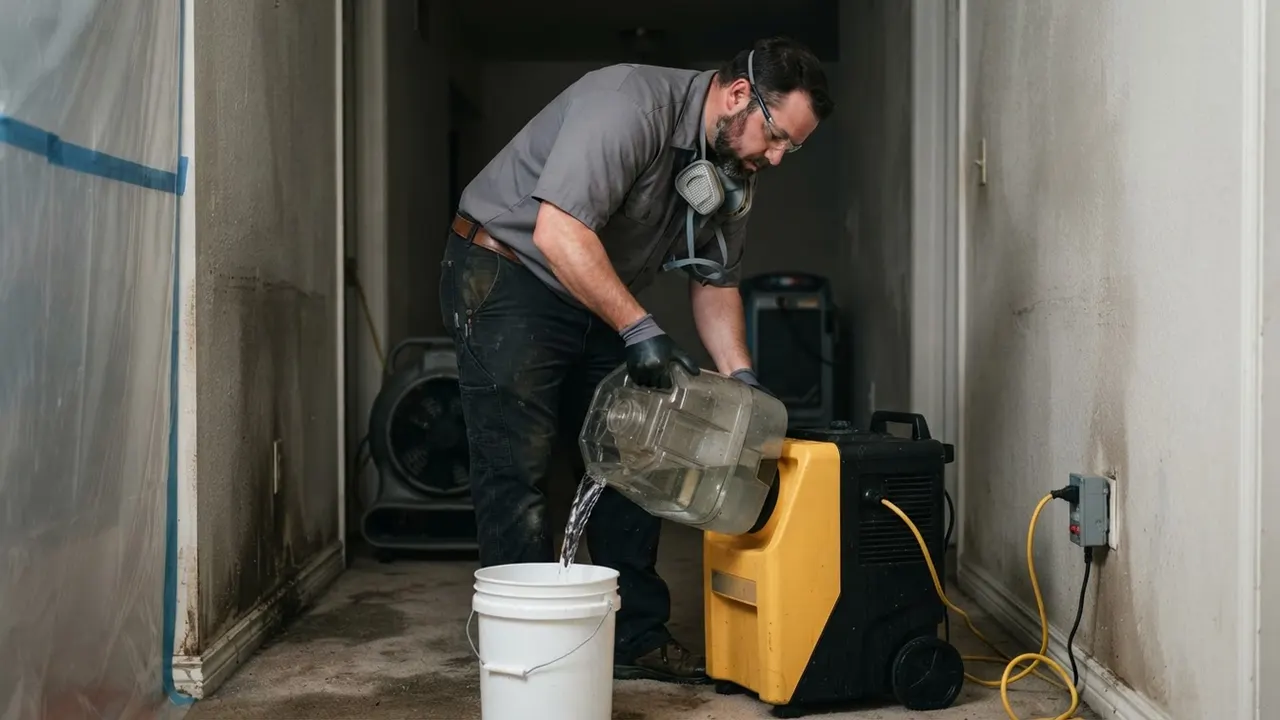
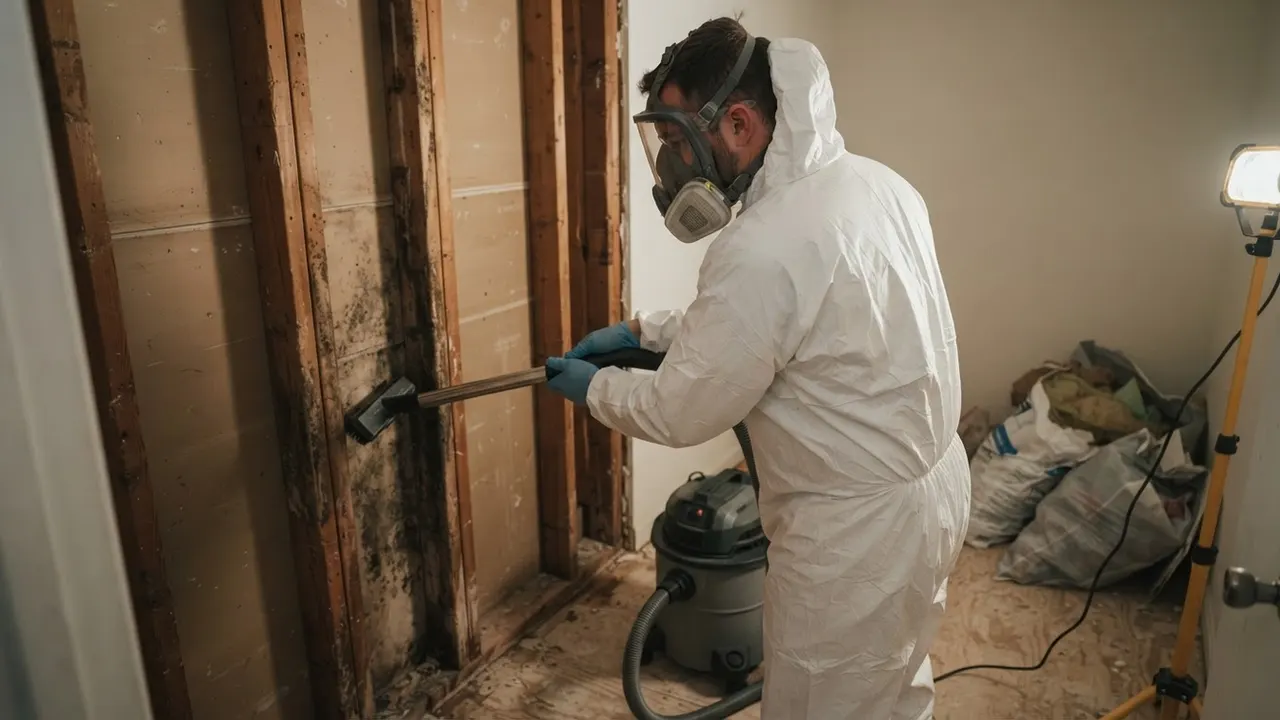
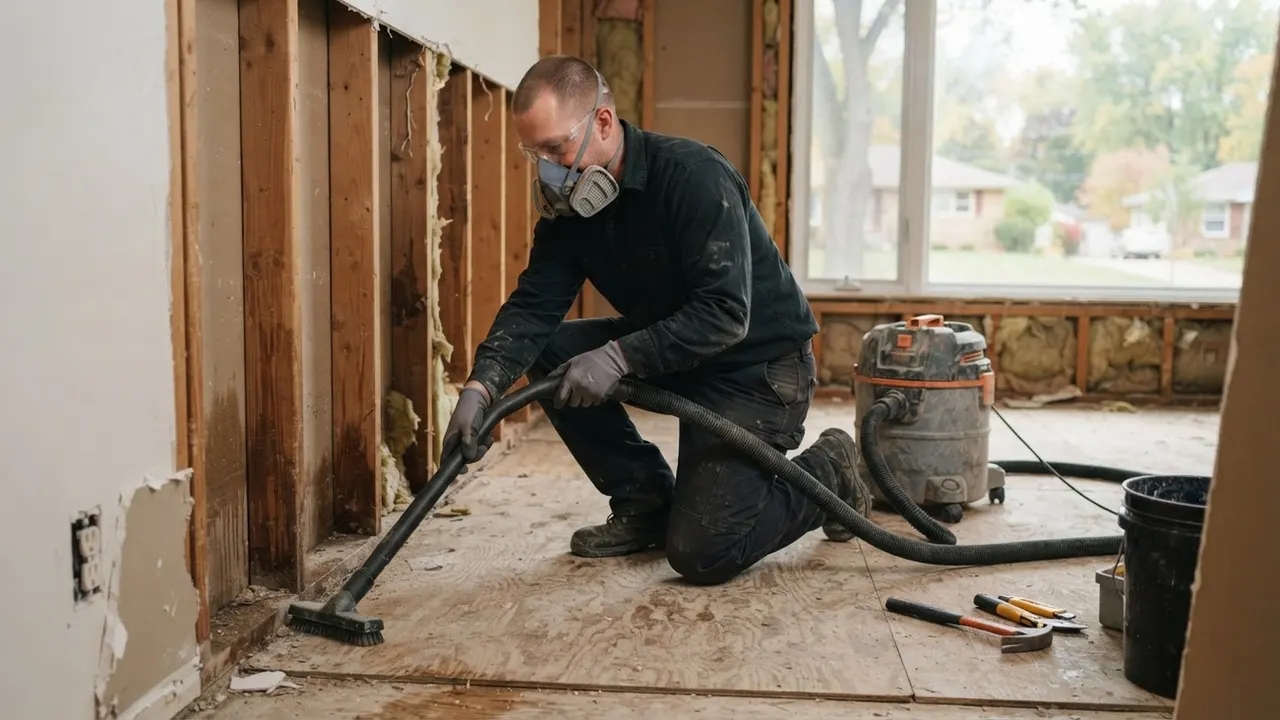
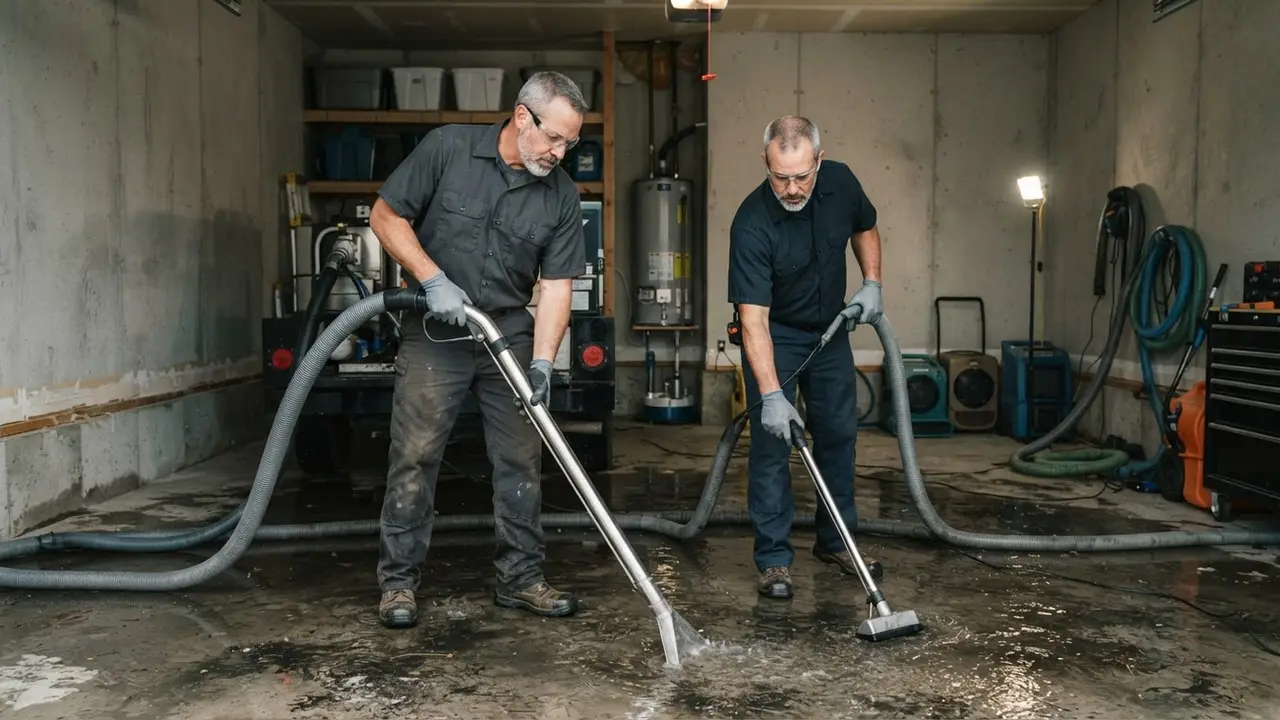
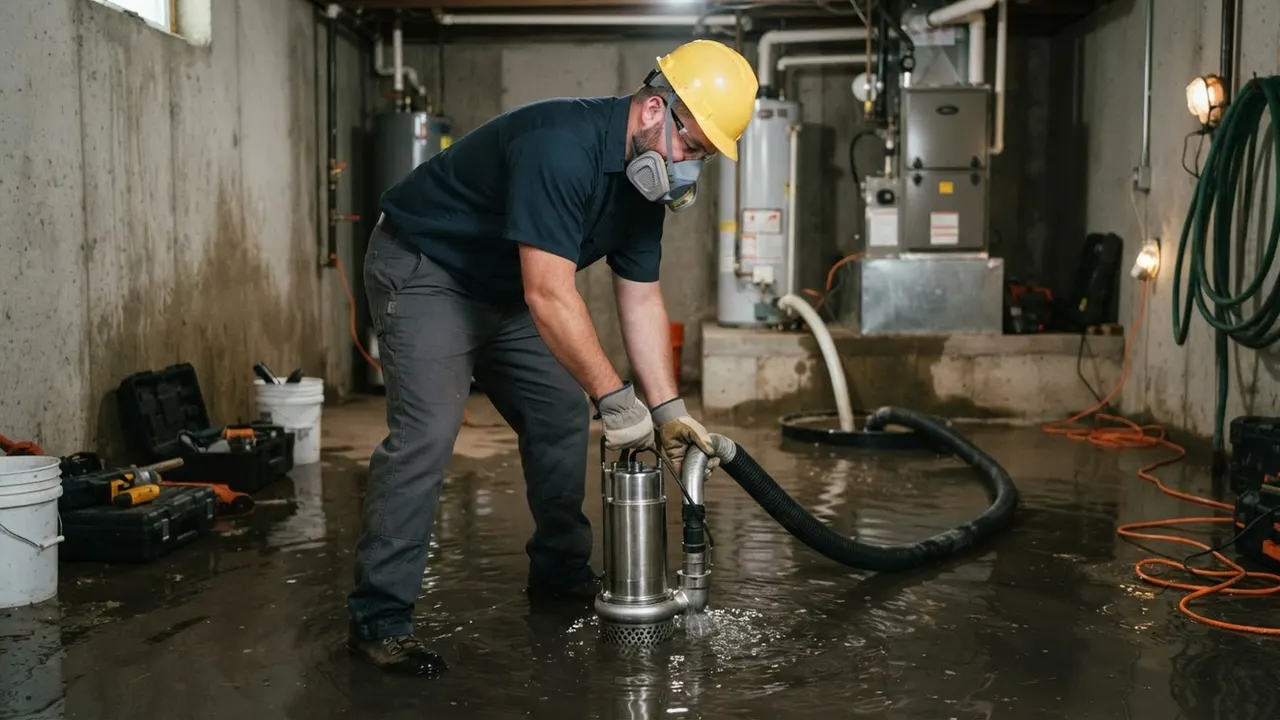
Before repair, we move or cover nearby belongings and use plastic sheeting where dust or splash could affect finished areas. If standing water is present, a wet/dry vacuum or pump removes it first. We keep the work zone accessible and explain what needs to remain clear, so you can plan around tools, stored items, and any temporary noise.
Protect items
Clear access
Prepare area
Complete the Repair
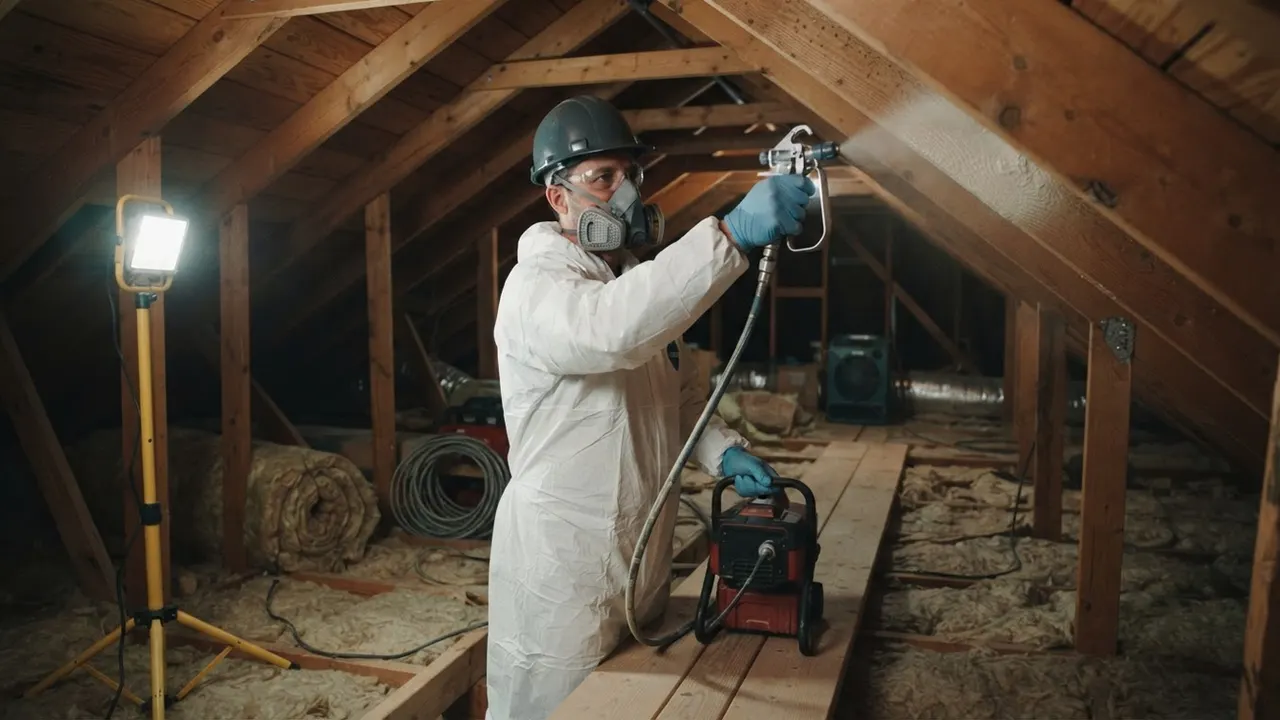
Our technicians apply the selected method to the affected surface, such as compatible sealant or epoxy for a suitable crack, and correct the identified water route where accessible. Repair time ranges from a few hours for a limited seal to several days for broader drainage work. We follow product instructions and allow required curing time before testing or covering the repair.
Seal opening
Manage drainage
Allow curing
Check and Explain
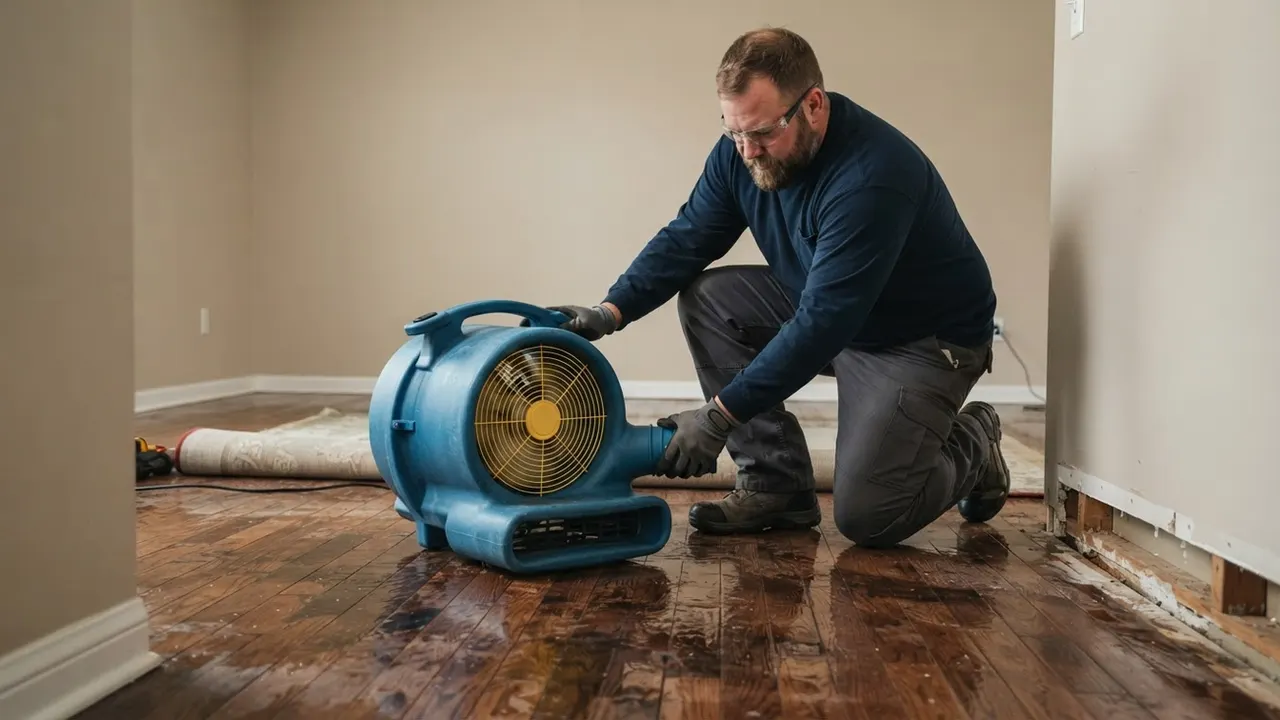
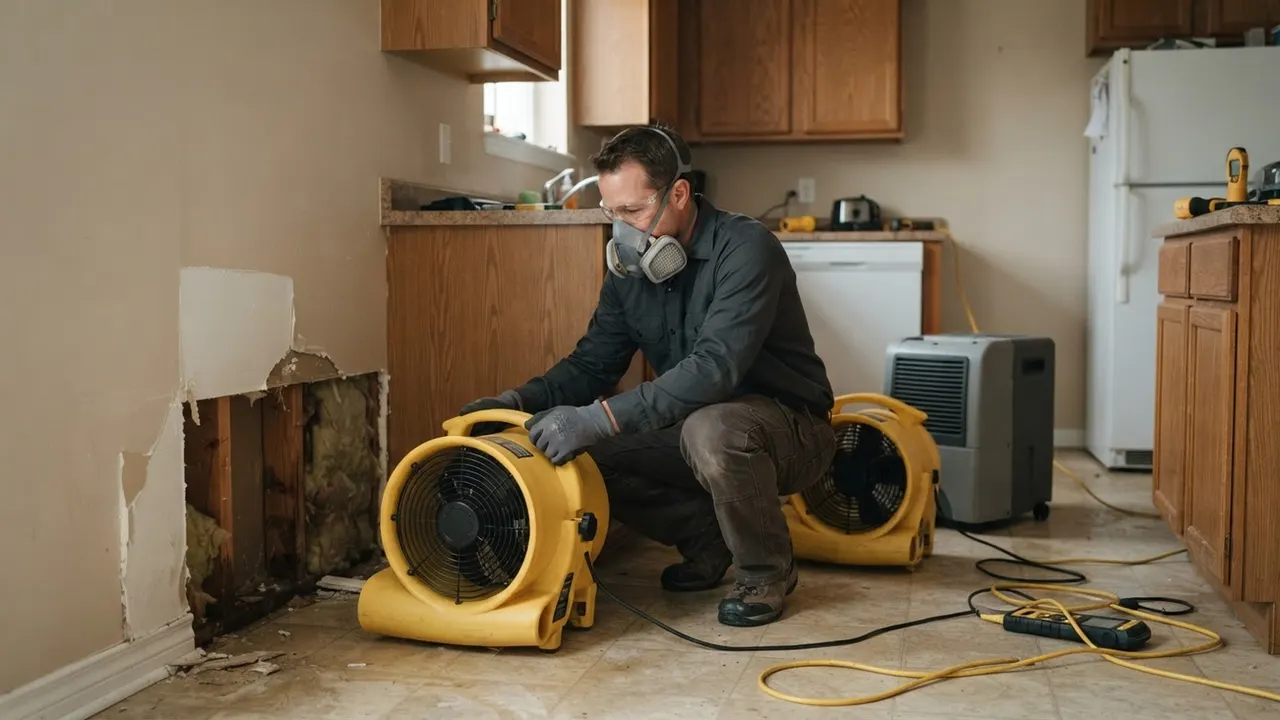
We review the repaired area with you, confirm that surfaces are ready for the next step, and explain what to watch during the next rain or thaw. If damp materials require drying, we place an air mover or dehumidifier and track moisture instead of relying on touch alone. You leave with care instructions and a clear path for any related restoration.
Review repair
Check moisture
Care guidance
Tools and Repair Methods
Move across a circle, or focus it and press Enter, for an illustrative thermal view of the photograph.
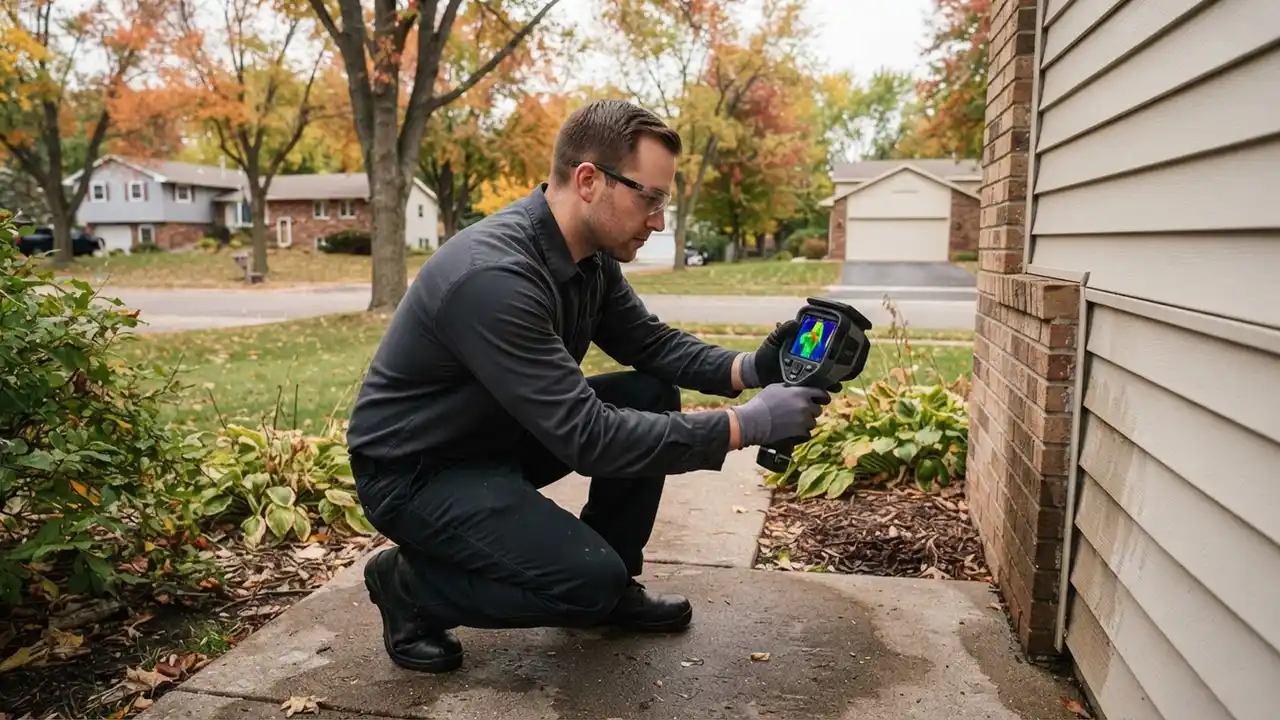
Thermal Imaging Camera
It supports, but does not replace, direct checks of suspected foundation or plumbing conditions.
Moisture Meter
A moisture meter helps compare damp and unaffected building materials, including drywall and framing, so we can track whether drying is needed after water entry.
Sump Pump
Where site conditions call for it, a sump pump collects and discharges water from a designated basin. We assess its role as part of a broader water-management plan.
Dehumidifier
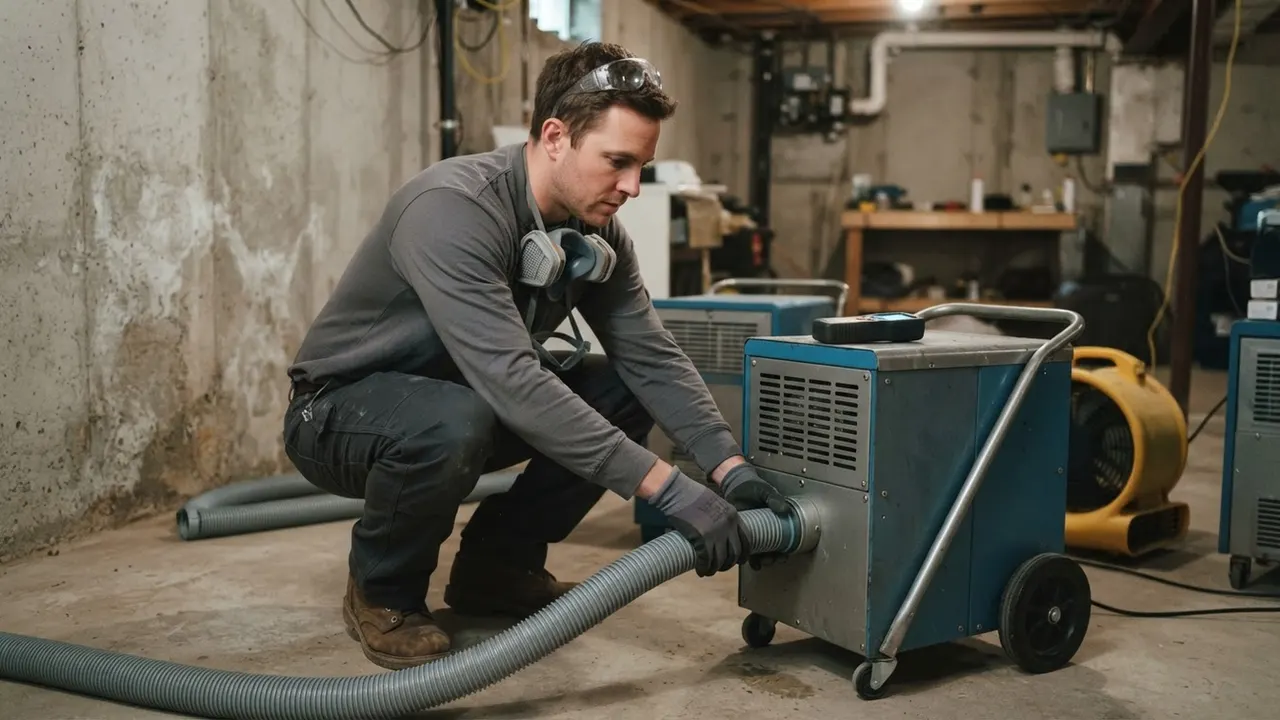
A dehumidifier removes moisture from basement air after water intrusion. We pair it with air movement when wet materials need controlled drying.
Epoxy and Sealant
Compatible epoxy or sealant can close certain foundation cracks or joints after preparation. The material is selected for the opening and condition rather than applied as a universal coating.
Thermal views are illustrative, generated from the photographs.
Methods
Source-first inspection
We trace the timing and location of water, inspect likely openings, and compare visible patterns with nearby plumbing and drainage. This helps distinguish groundwater from a pipe burst or roof leak before the repair method is chosen. You see the evidence and understand why a particular next step fits.
Targeted crack sealing
For a suitable crack, we prepare the surface and apply a compatible sealing material according to the product requirements. We consider the crack's location and water conditions before using epoxy or sealant. Curing time and access requirements are explained so the repaired area is not disturbed too soon.
Water removal and structural drying
If water has reached the basement, we remove standing water and set air movers or dehumidifiers where appropriate. Moisture readings help us follow the drying process in affected materials. Waterproofing and drying work together: one controls entry while the other addresses moisture already inside the structure.
Runoff and drainage review
We inspect visible grading and drainage conditions around the affected area and explain how runoff may be reaching the foundation. The recommended correction depends on the site and the water pattern. When a sump pump or drainage system is appropriate, we discuss how it fits into the overall water-control plan.
When Hopkins Properties Need Waterproofing
Rain Seepage
A Downtown Hopkins homeowner finds a wet basement corner after a November rain followed by a sudden freeze.
We inspect the corner, nearby foundation openings, and the route rainwater takes toward the home. Our team identifies whether the wet area fits seepage or a plumbing issue, then recommends sealing, drainage correction, or restoration as appropriate. If water is present, we remove it before repairing affected materials.
Outcome: You know where the water entered and which work addresses it. The next step is focused on the source rather than a cosmetic patch.
Spring Thaw
A Mainstreet property manager sees water at a lower-level floor joint as snow begins to thaw.
We check the floor-wall joint, accessible drainage points, and nearby interior finishes. If the basement has standing water, we extract it and assess materials for drying. We then explain whether the recurring water calls for a joint repair, drainage improvement, or a separate plumbing investigation.
Outcome: The manager gets a defined repair path and a clearer record of affected areas, helping coordinate access and tenant communication.
Crawl Space Damp
A Blake Road homeowner notices a musty smell and damp insulation inside a basement wall.
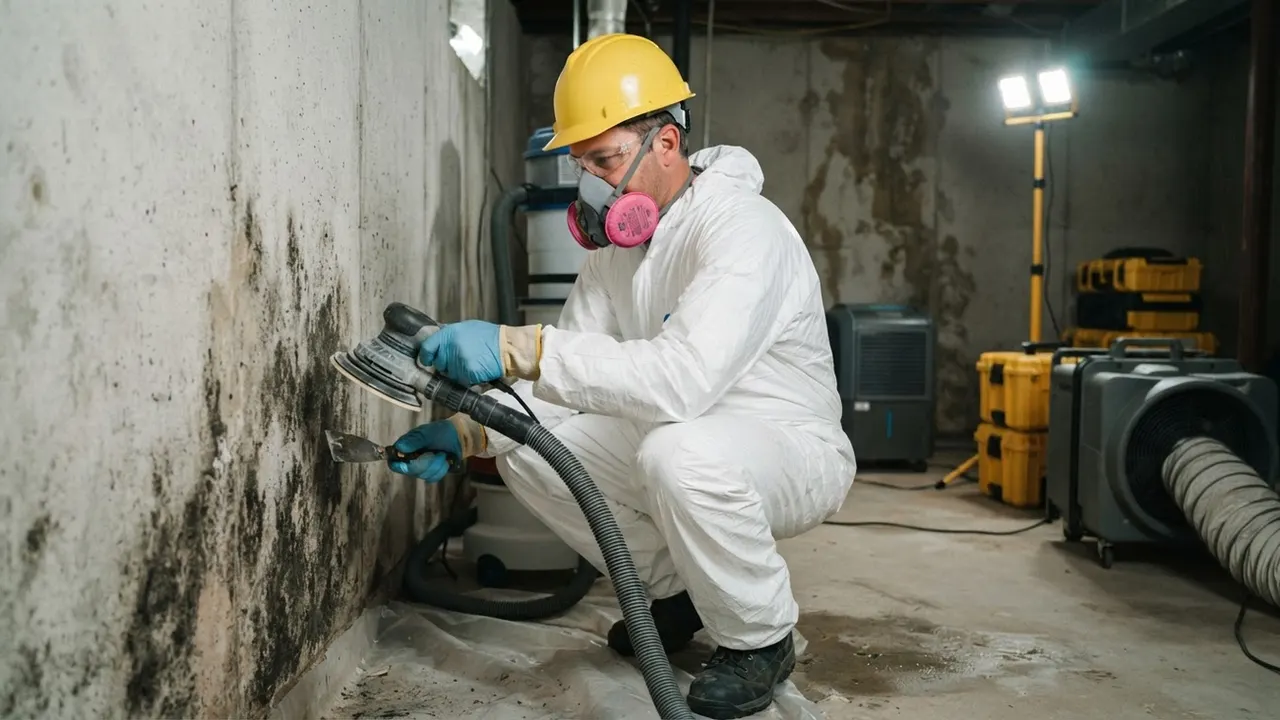
We look for visible seepage and check the wall materials for moisture before recommending cosmetic repairs. If water entry is active, we address the source and arrange drying or removal of damaged materials. Mold inspection or remediation can be coordinated when the visible conditions call for it.
Outcome: You avoid sealing damp materials behind new finishes and can plan repairs after the moisture source is addressed.
Basement Puddle
A Hopkins Crossroad business finds water near stored inventory after a heavy summer storm.
We identify whether runoff entered through the foundation, a door opening, or another building component, then remove water from the affected area. Our team documents wet materials and recommends waterproofing or restoration steps suited to the source. We keep the work area organized around access and stored contents.
Outcome: Inventory exposure is addressed promptly, and the property manager has a practical plan to reduce repeat water entry.
Hopkins waterproofing work has to account for rain, snow accumulation, spring thaw, and repeated freeze-thaw cycles that stress foundation openings. We ask when water appears because a November rain, a midwinter frozen pipe, and spring snowmelt point to different causes. In Hennepin County, homes and commercial buildings can have finished lower levels where water travels behind drywall before a stain becomes visible.
We inspect accessible foundation areas and interior finishes before suggesting a repair. Hopkins Minnesota waterproofing services also need to consider whether a leak is groundwater or a roof, plumbing, or appliance problem. For foundation waterproofing and repair Hopkins MN searches, our team can assess the visible conditions, remove water when necessary, and explain the next step.
Properties in ZIP codes 55343 and 55305 receive the same source-focused assessment. We coordinate restoration when wet materials need drying, while keeping waterproofing recommendations tied to the actual entry route.
Downtown Hopkins: Older basements and finished lower levels can conceal seepage behind stored items or wall finishes. We check the visible water pattern and nearby joints before recommending repairs.
Blake Road Corridor: After heavy rain, runoff can expose a weak foundation opening. We assess the affected wall and drainage route to distinguish surface water from plumbing problems.
Mainstreet Hopkins: Commercial and residential lower levels may have stored goods close to basement walls. We protect access, identify wet materials, and plan repairs around the affected space.
Excelsior Boulevard Area: Rain and seasonal thaw can reveal recurring dampness near foundation edges. We track when water appears and inspect nearby openings before choosing a repair.
Freeze-thaw cycles widen vulnerable cracks during winter weather.: Water can enter a small opening, freeze, and place additional stress on the surrounding material. We inspect the crack and its water pattern before selecting a compatible repair and explaining when curing conditions are suitable.
Spring snowmelt and heavy rain increase foundation exposure.: Saturated ground and runoff can push water toward basement walls and floor joints. We look for repeat patterns after thaw or storms and assess drainage alongside the interior symptoms.
We walk through the affected area and explain what we inspect.
We protect nearby belongings and prepare access to the work area.
We review the repair, moisture checks, and practical follow-up steps.
From Problem to Finished Result.
IllustrativeThe thermal view is generated from the photograph. It is not a measurement. Drag the handle, or use the arrow keys once it is focused.
Recurring Basement Wall Seepage
Before: A homeowner near Downtown Hopkins found a damp strip along one basement wall after rain. The paint bubbled, cardboard storage boxes softened at the bottom, and a musty odor lingered for several days. Earlier touch-up paint had hidden the stain but had not stopped water from reaching the wall.
After: We traced the entry to a suitable foundation crack, prepared and sealed it, and removed the wet cardboard and damaged finish. The repair area was checked after curing, and drying equipment ran until readings improved. The homeowner had a clear location to monitor during later rain instead of a spreading damp patch.
Keep stored items several inches away from the repaired wall and check the area after heavy rain. Maintain clear drainage routes and call if moisture returns, since a new water pattern may point to a different source.
Seasonal Floor Joint Water
Before: A Mainstreet Hopkins basement developed a shallow puddle near the wall-floor joint during spring thaw. The owner used towels each morning, but water returned as ground conditions changed. The lower edge of nearby drywall showed dampness, and stored items had to be moved away from the corner.
After: We inspected the joint, removed pooled water, and identified the conditions contributing to the recurring entry. After the selected water-control repair, we dried the affected edge and checked nearby materials. The owner had a cleaner, accessible basement corner and instructions for observing it during the next thaw.
Keep the floor joint visible, avoid storing boxes directly against the wall, and inspect the area after snowmelt or sustained rain. Report renewed dampness early so the entry route can be reassessed.
Crawl Space Moisture Control
Before: A home near Blake Road had damp insulation and a persistent odor in the crawl space. The homeowner could not tell whether moisture came from a plumbing line, groundwater, or humid air. Some insulation sagged, and the framing felt cool and damp near one exterior edge.
After: We inspected accessible surfaces, identified the likely water entry, and removed standing water before drying the affected area. The team explained which insulation needed replacement and which areas could remain after drying. With the source addressed, the owner had a defined follow-up plan rather than an unexplained odor.
Keep access clear and check for pooling, damp insulation, or new odors during seasonal changes. Address plumbing drips promptly and arrange a follow-up inspection if water returns near the same edge.
Solve Common Hopkins Foundation Water Problems
Recurring water does more than leave a stain; it can damage stored belongings, finishes, and framing. We identify the cause and connect waterproofing with drying or cleanup when the water has already spread through your Hopkins property.
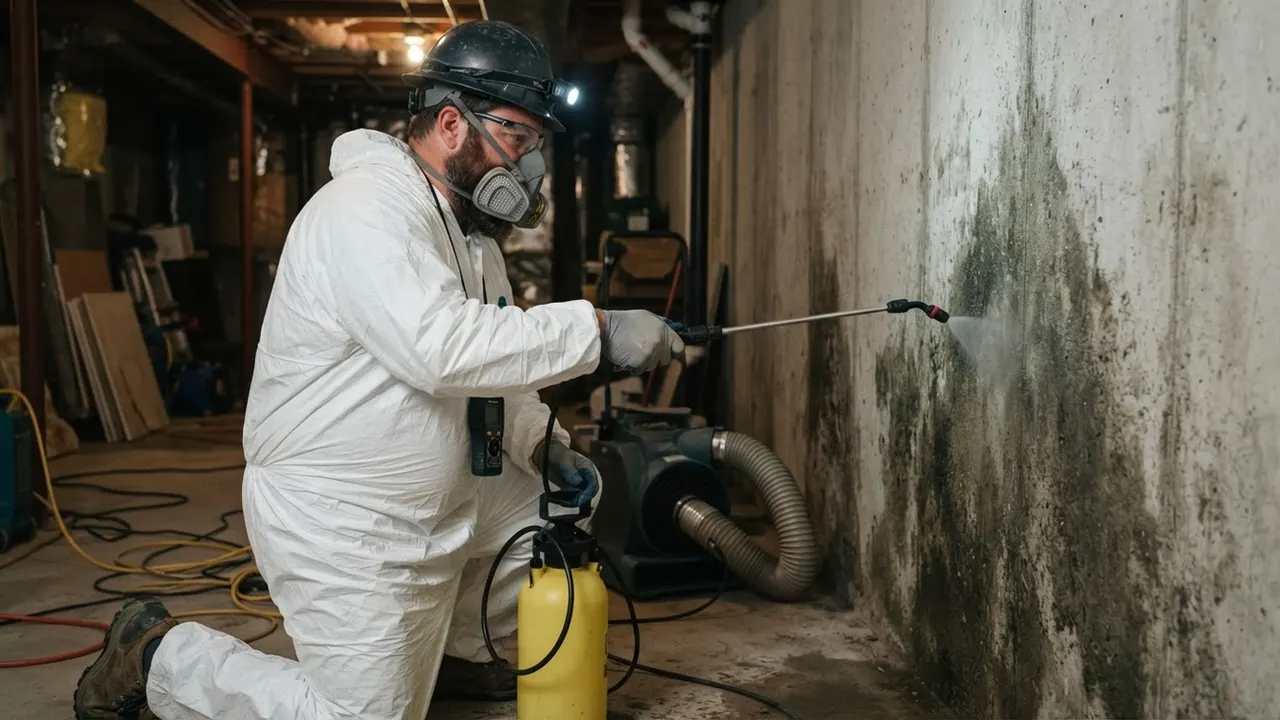
Wall seepageWater seeps through a basement wall after heavy rain.Repeated wetting can damage paint, drywall, flooring, and stored belongings while leaving the wall damp long after the storm ends. We inspect the wall, nearby openings, and drainage conditions to trace the entry point. If a crack is suitable for sealing, we prepare and repair it with compatible material; if runoff or drainage is contributing, we explain the correction needed. We also assess wet finishes and arrange drying when water has reached interior materials.
Thaw moistureA damp floor joint returns each spring during snowmelt.Seasonal moisture can soak the floor edge and lower wall, creating repeat cleanup and increasing the risk of mold growth on nearby materials. We check the floor-wall joint, foundation conditions, and timing of the water. The repair may involve sealing a suitable joint or improving drainage to manage water pressure. We remove standing water if present and check surrounding materials, so you know whether the work is limited to water control or needs restoration too.
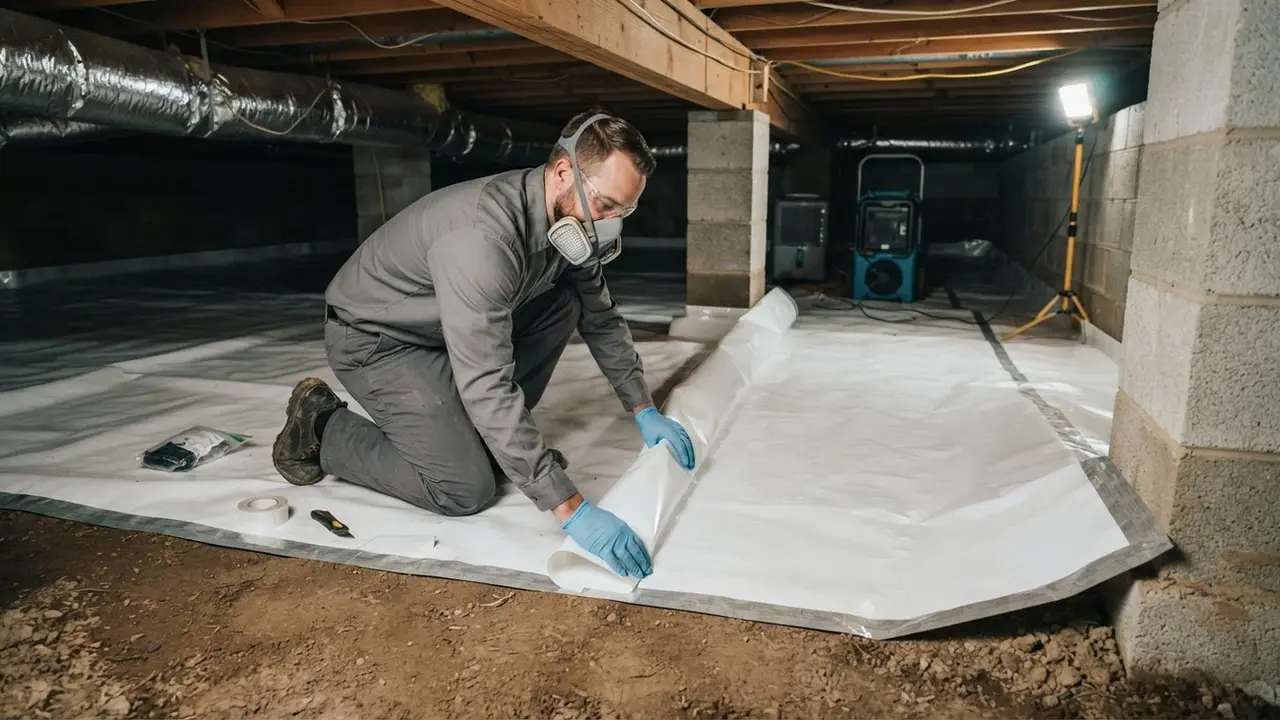
Crawl space dampCrawl space moisture leaves insulation and framing damp.Persistent moisture can damage insulation, affect wood surfaces, and create an ongoing odor that reaches occupied rooms above the crawl space. We inspect accessible crawl space surfaces and look for water entry, wet insulation, and pooling. Crawl space waterproofing Hopkins MN work focuses on controlling the source and directing water away, with extraction and drying added where needed. We explain which materials require removal or replacement after the space is dry.
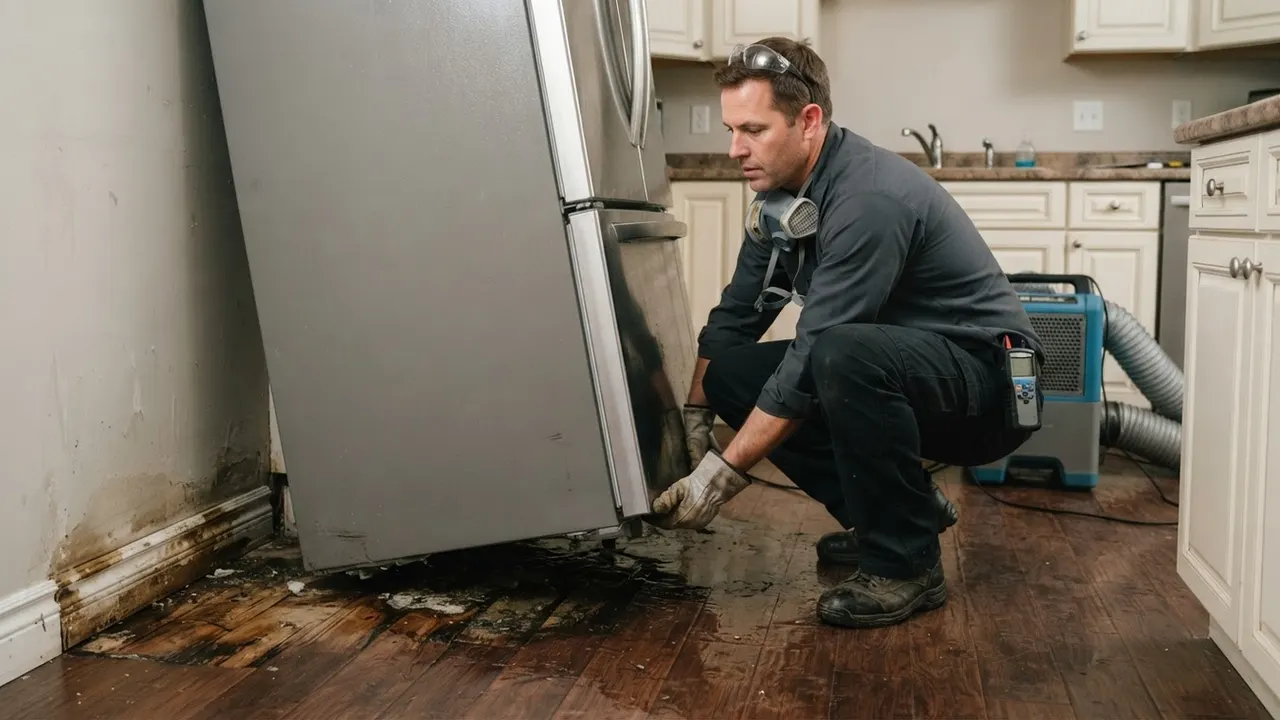
Misidentified puddleA basement puddle is mistaken for foundation seepage.If a pipe or appliance leak is treated as groundwater, the water source remains active and damage can spread behind walls or under flooring. We compare the puddle location, moisture pattern, and nearby plumbing or appliances to identify likely sources. A thermal imaging camera can help us examine temperature patterns, while direct inspection confirms the cause. We address water removal and drying needs, then recommend foundation work only when the evidence supports it.
Practical Results From Waterproofing
Control the entry route and protect basement materials from recurring moisture.
Less Recurring Seepage
We identify whether water is entering through a wall crack, floor joint, or poorly managed runoff, then select a suitable repair. A properly sealed opening and improved drainage can reduce repeat wet spots after storms. You get a clear explanation of the work and a plan for checking the repaired area during the next rainfall.
Protected Interior Finishes
Moisture behind drywall and insulation can damage finishes and encourage mold growth. We locate wet materials before recommending removal or repair, and use moisture readings to track drying where needed. Addressing water entry early helps you avoid replacing a larger section of basement wall or flooring later.
A More Usable Basement
A persistent damp smell or wet storage area can make a basement difficult to use. Our Hopkins Minnesota waterproofing services focus on keeping the space drier by correcting water pathways and sealing vulnerable points. Where water has already pooled, we coordinate extraction and drying so the room can move toward safe reuse.
Clearer Repair Decisions
A thermal imaging camera and moisture meter help us compare suspicious areas instead of guessing from surface stains alone. We show you the likely entry point, explain whether the issue is waterproofing or an active plumbing leak, and outline the work needed. That distinction can prevent paying to seal a symptom while the real source remains.
What You Receive
Clear records you can keep and share.
Photo Record
Images of visible affected areas and repair locations.
Moisture Notes
Recorded observations from checked materials.
Work Summary
Description of completed repair steps.
Care Notes
Guidance for observing the repaired area.
Waterproofing Versus Water Restoration
Waterproofing controls entry; restoration addresses water and damage already inside the building.
Entry Control
Work focused on keeping water from entering through vulnerable areas.
Foundation crack sealing
Drainage review
Water pathway inspection
Water Removal
Work that removes pooled water after a leak or flood.
Standing water extraction
Affected area access
Initial material review
Structural Drying
Work that reduces moisture in materials after water is removed.
Air movement
Dehumidification
Moisture tracking
Surfaces and Materials
Foundation walls
Floor joints
Drywall
Insulation
Sealant
Epoxy
Drainage
Sump pump
Service ZIP Codes.
A list like this tells people straight away whether you cover their street. Not listed? Call and ask: it only takes a minute.
Water kept showing up along one basement wall after hard rain. The crew checked the crack and the outside drainage instead of jumping straight to a coating. They explained the repair, protected the storage area, and showed us what to watch after the next storm. The floor stayed dry during the following rainfall, and we finally understood where the water had been coming from.
We thought the damp basement smell meant the foundation was leaking everywhere. The inspection found one wet corner and a separate plumbing issue. They explained which repair addressed each source and set drying equipment after removing the wet materials. The clear distinction saved us from paying for the wrong fix, and the room was ready for repairs once it dried.
A tenant reported water near a basement storage room after snow began melting. The team inspected the wall and floor joint, cleared the wet area, and explained the drainage work needed. They kept the access path open for residents and documented the affected materials. We had a practical plan for the repair and knew what to check during the next thaw.
Waterproofing Questions, Answered
Typical 2026 pricing in Hopkins depends on access, foundation length, water severity, materials, and whether excavation or a sump pump is needed. We inspect the source and explain the work before starting. Water removal and damaged-material restoration are separate needs that can affect the total project.
A suitable crack may need sealant or epoxy; recurring water pressure can call for interior drainage and a sump pump; surface runoff may require grading or downspout changes. Basement waterproofing Hopkins MN is not one universal product. We match the repair to your building and explain its limits.
A correctly selected waterproofing repair can stop the targeted entry point, but it cannot prevent every leak from unrelated sources. We inspect for foundation seepage, plumbing leaks, roof runoff, and drainage problems before recommending work. Sealant, drainage improvements, or a sump pump address different conditions. If a storm or frozen pipe has already wet materials, we also remove water and dry the affected area to limit further damage.
Choose a Hopkins contractor who can explain the water source, the repair method, and how the result will be checked. Hopkins Water Damage Company inspects foundation and basement conditions, distinguishes seepage from plumbing or roof leaks, and coordinates cleanup when materials are wet. For a basement waterproofing company in Hopkins Minnesota, call (833) 546-4116 to discuss what you are seeing and arrange an inspection.
Tell us where water is entering and when it appears. Our team will help identify the right next step for your Hopkins property. Call (833) 546-4116 to arrange a waterproofing inspection.
Call Hopkins Water Damage Company at (833) 546-4116 to describe a leak, fire, mold concern, or basement water problem. We connect you with independent companies serving Hopkins, Minnesota, including ZIP codes 55343 and 55305. Tell us the property type, affected area, and whether the source is still active so the provider can understand what help you need.