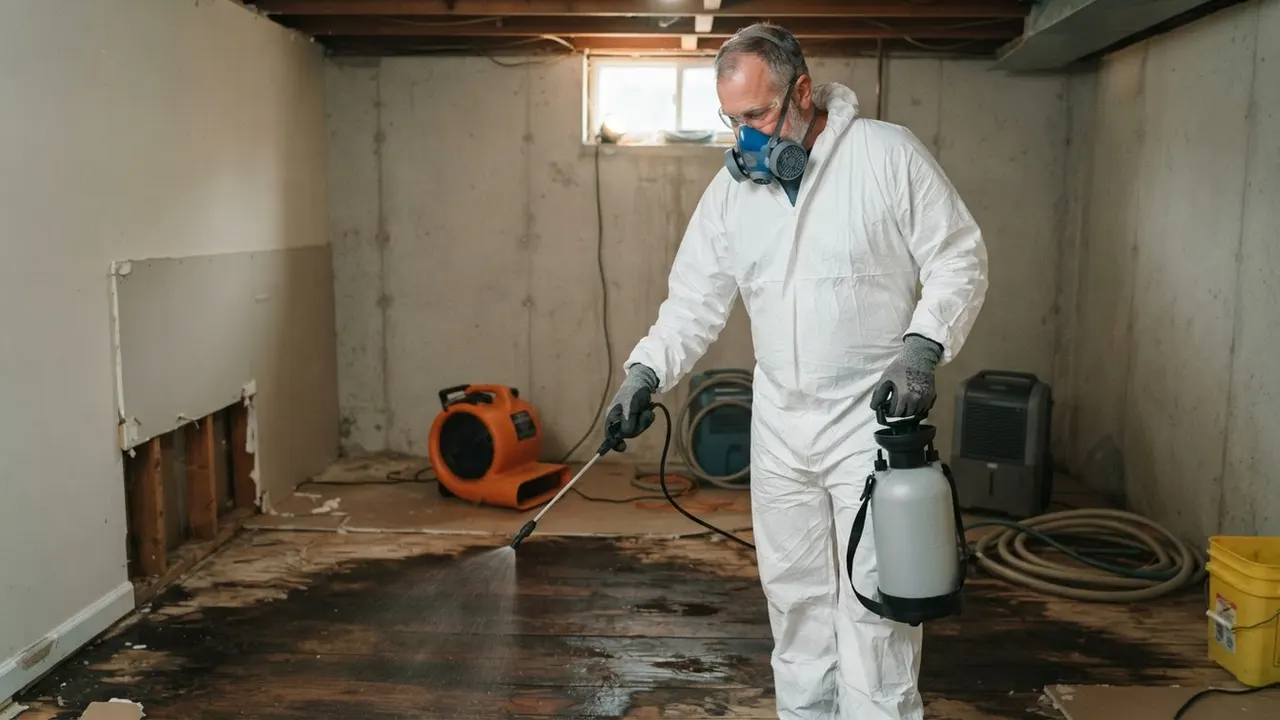
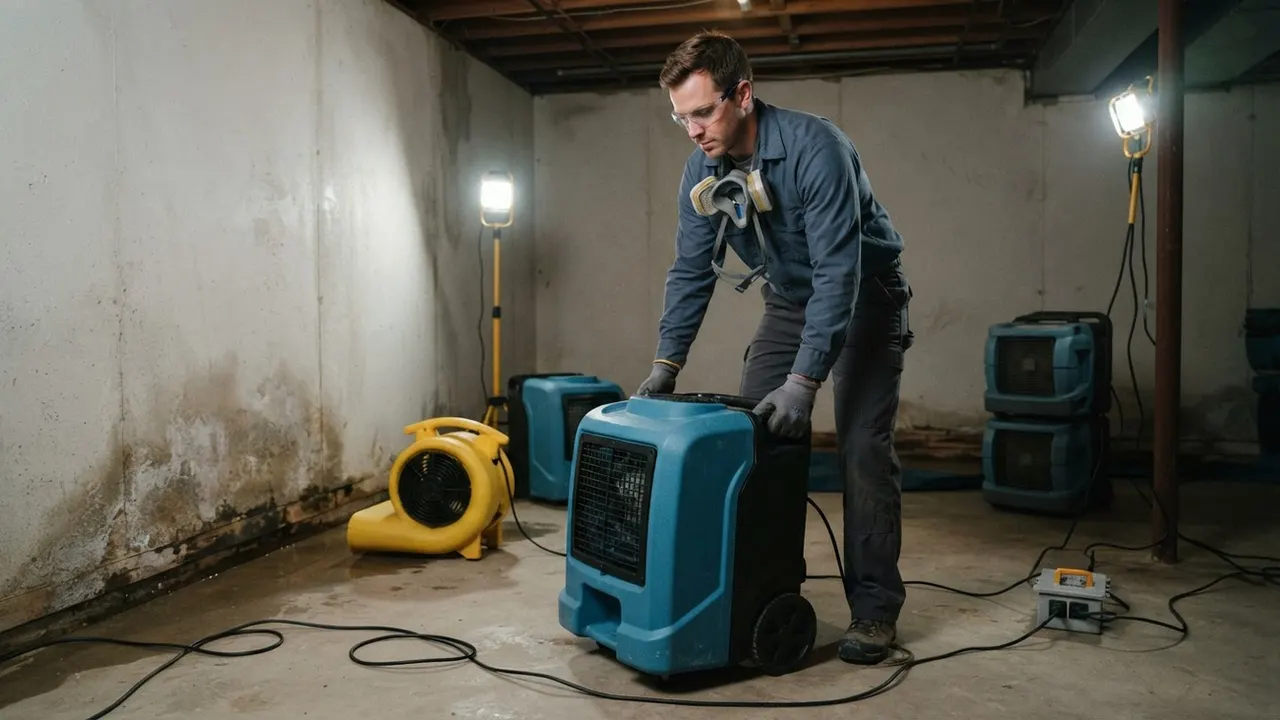
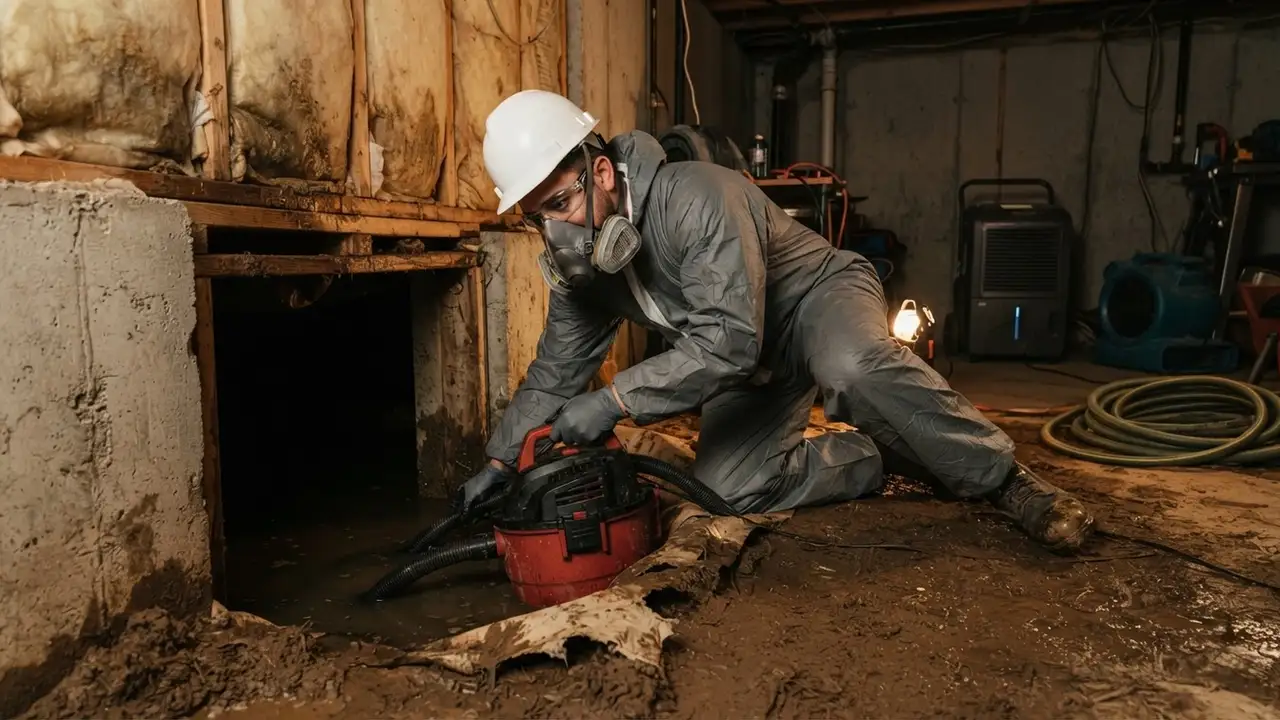
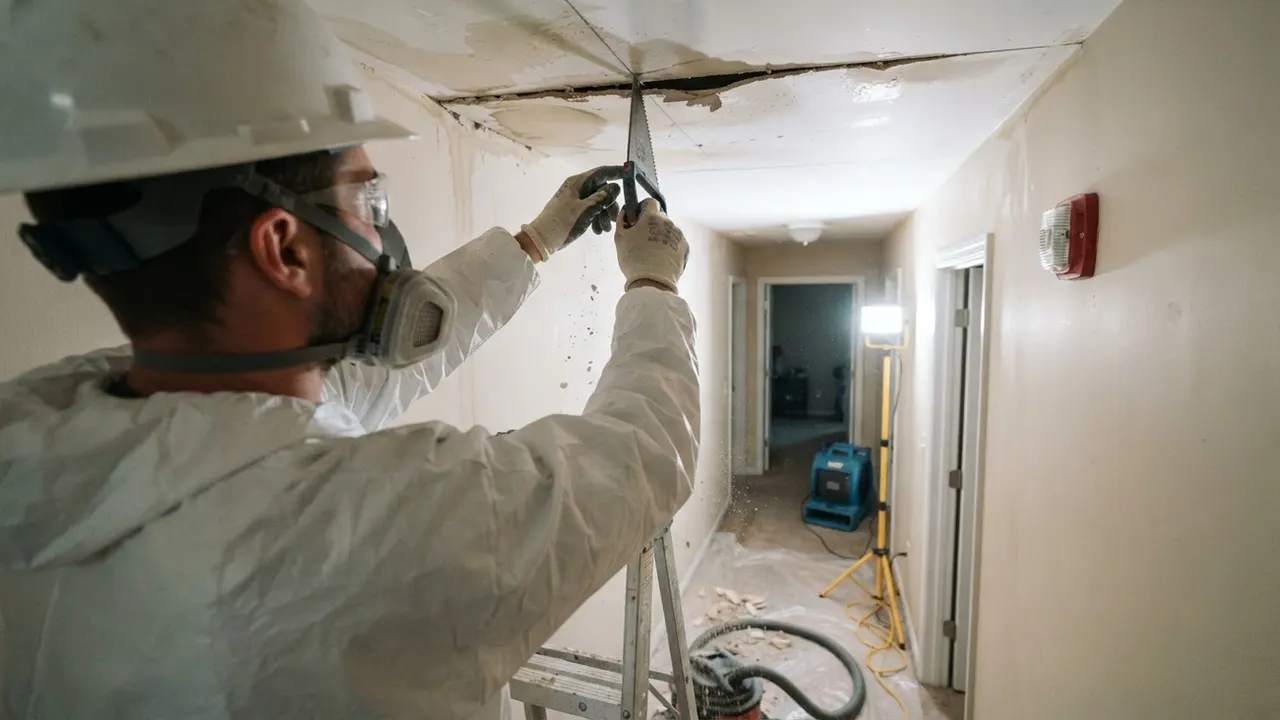
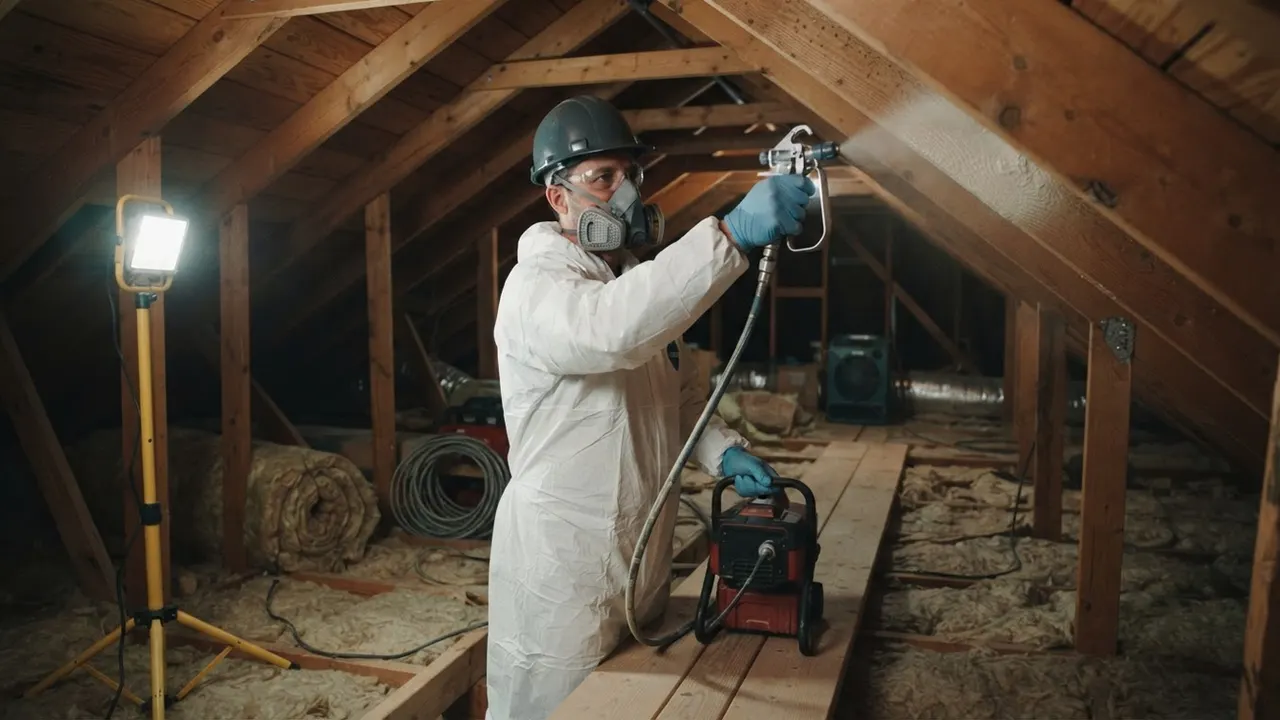
Structural drying and dehumidification Hopkins MN helps homeowners and property managers address water trapped in floors, walls, and framing after a leak or flood. We locate wet materials, extract standing water, and set air movers and dehumidifiers to move moisture out safely. For structural drying Hopkins MN, call us after a frozen pipe, appliance leak, roof leak, or basement flooding; early measurement helps limit material damage and get repairs moving.
Structural drying covers moisture assessment, extraction where needed, equipment placement, and repeat checks until the affected materials meet the drying goal. We explain what each reading means and what the equipment is doing in your space. Removal of damaged materials, mold remediation, plumbing repair, roof repair, and reconstruction are separate work when the conditions call for them.
Moisture Assessment
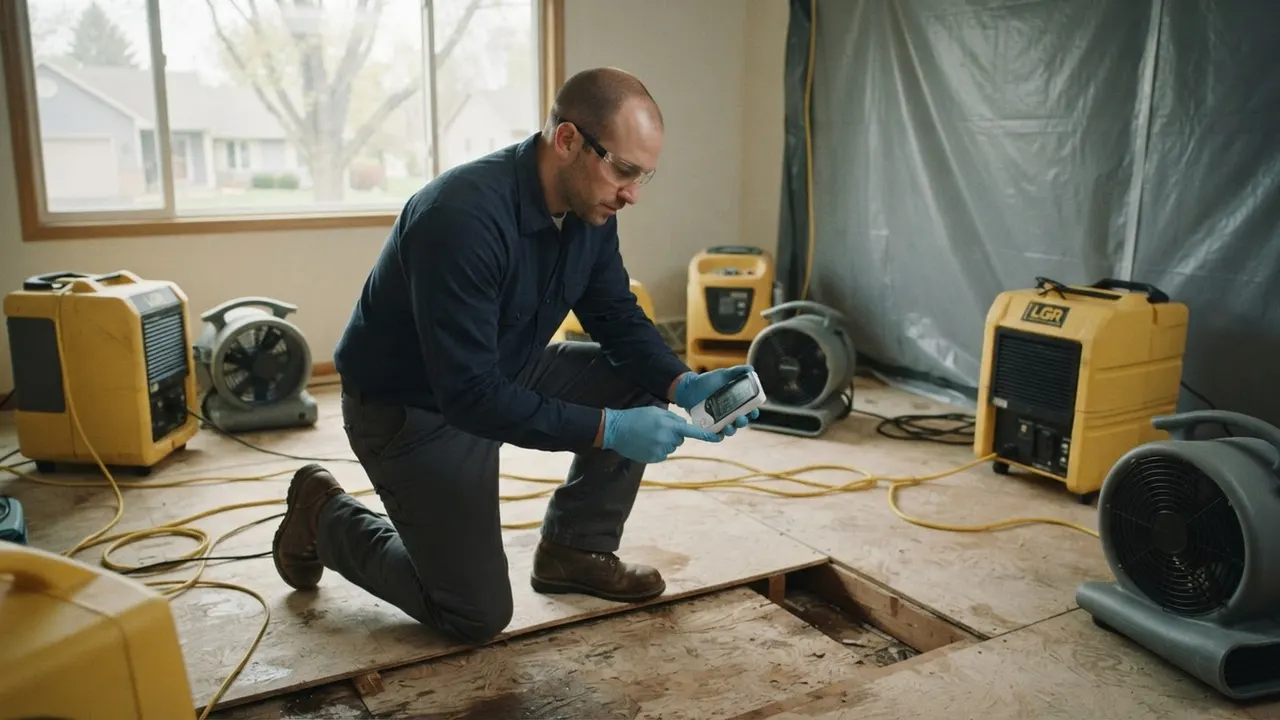
We inspect affected rooms and measure building materials to find the wet boundary. Readings from drywall, flooring, and accessible framing help establish a baseline and guide equipment placement. We also check adjoining areas where water may have traveled.
Water Extraction
If standing water remains, we remove it before setting the drying system. The method depends on water depth, access, and surface type. Extraction reduces the moisture load, allowing air movers and dehumidifiers to focus on water held within materials.
Airflow Setup
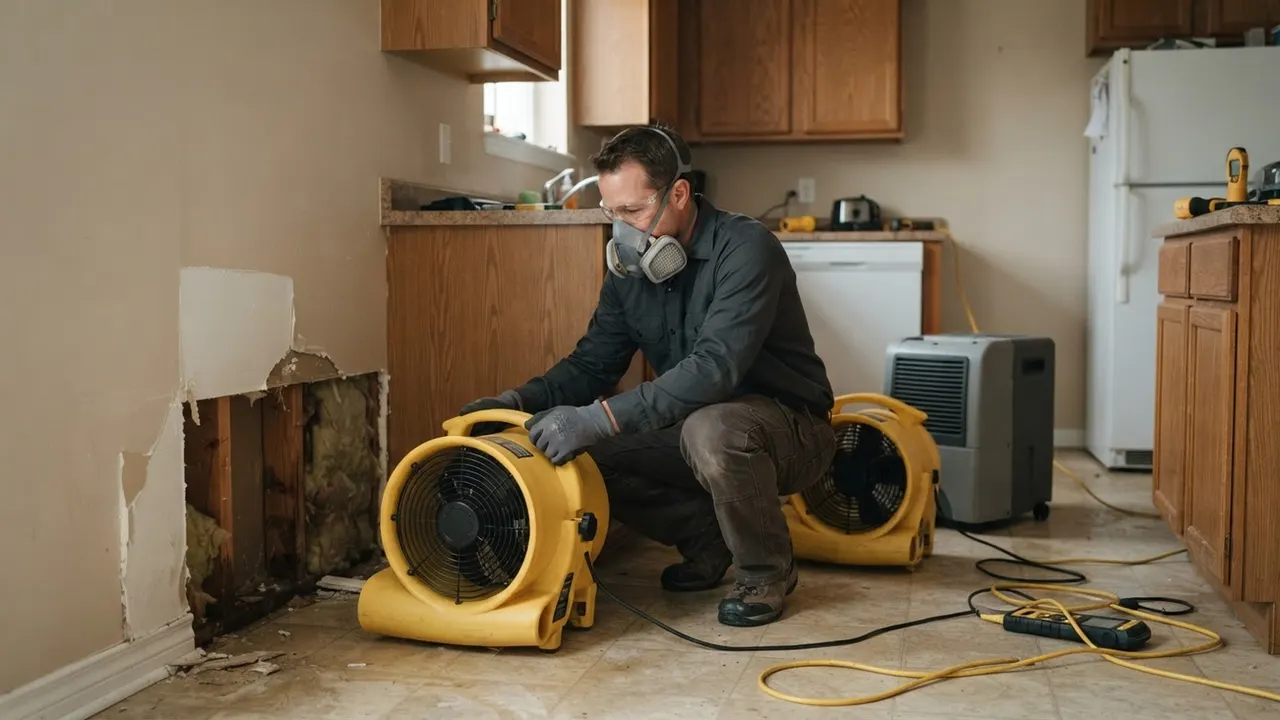
We position air movers to circulate air across affected surfaces and arrange dehumidifiers to collect moisture. Equipment placement accounts for room layout, power access, and clear walkways. We explain operating noise and the need to keep equipment running as directed.
Progress Monitoring
We revisit mapped locations and compare new readings with the initial assessment. If drying slows, we adjust airflow or investigate concealed materials. These checks show whether the system is working and help establish when equipment can be removed.
Drying Records
We keep a record of affected areas, equipment, and progress readings for the job. You can use this information to understand the work completed and discuss the loss with your property manager or insurer. The record also helps coordinate repairs.
Homes and Businesses.
The approach is the same for a home and a business. What changes is the access, the schedule and who needs the paperwork.
Homes and Rentals
A pipe leak or wet basement can disrupt your home and belongings. We map the affected rooms, explain drying equipment, and keep access paths clear.
Frozen pipe behind a finished wall
Basement carpet wet after seepage
Appliance leak beneath kitchen flooring
Business Properties
Water can interrupt tenants, staff, and customer access. We plan equipment placement around occupied areas and share progress readings with property contacts.
Roof leak above a storefront
Water near shared office walls
Basement flooding in a rental building
Structural Drying and Dehumidification in Hopkins MN
A plain-language look at what Structural Drying and Dehumidification involves and when it is needed.
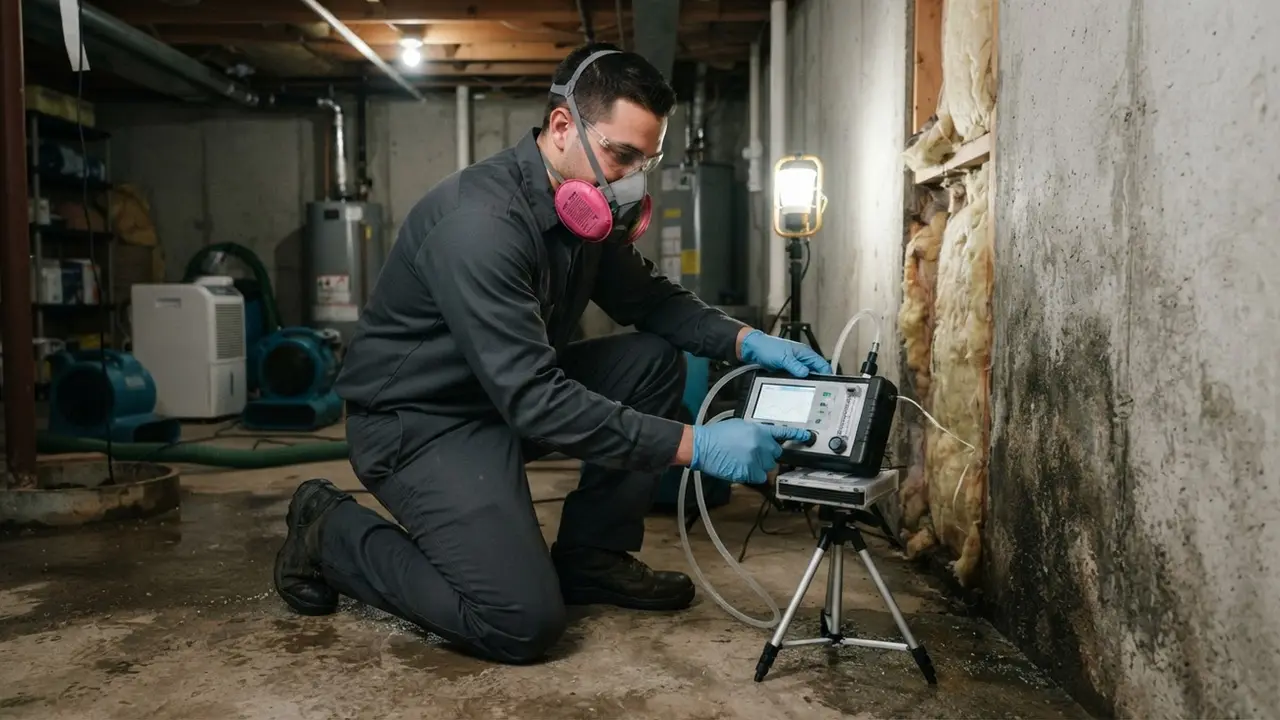
Structural drying and dehumidification Hopkins MN is a water damage recovery service that measures and removes moisture from building materials after a leak or flood. We inspect floors, drywall, insulation, framing, and concealed cavities, then choose extraction and drying equipment to suit the materials and water level. A moisture meter tracks readings over time, while a thermal imaging camera helps us identify temperature patterns that deserve closer inspection. Air movers circulate air across wet surfaces, and a dehumidifier collects moisture from the room. We adjust placement as readings change rather than relying on guesswork.
Hopkins properties face winter frozen pipe bursts, spring thaw seepage, roof leaks, and appliance failures that can wet materials beyond the visible puddle. In a finished basement, water can move under flooring or behind drywall before a homeowner sees staining. Our Hopkins Minnesota dehumidification services focus on finding those hidden wet areas and drying what can be saved. If you are searching for structural drying and dehumidification in Hopkins MN near me, we can assess the affected rooms, explain the readings, and map out the next steps.
Drying works when moisture is measured, moved out of materials, and checked again.
What it is
Measured removal of moisture from building materials and indoor air after water damage.
When you need it
After a leak or flood wets flooring, drywall, insulation, framing, or concealed spaces.
What to expect
Inspection, extraction when needed, equipment placement, repeat readings, and a final review.
What to Expect During Drying
Structural drying and dehumidification in Hopkins follows measured steps, from stopping active water to confirming that materials have reached appropriate drying goals. We explain equipment placement and keep you informed as conditions change.
Inspect and Map
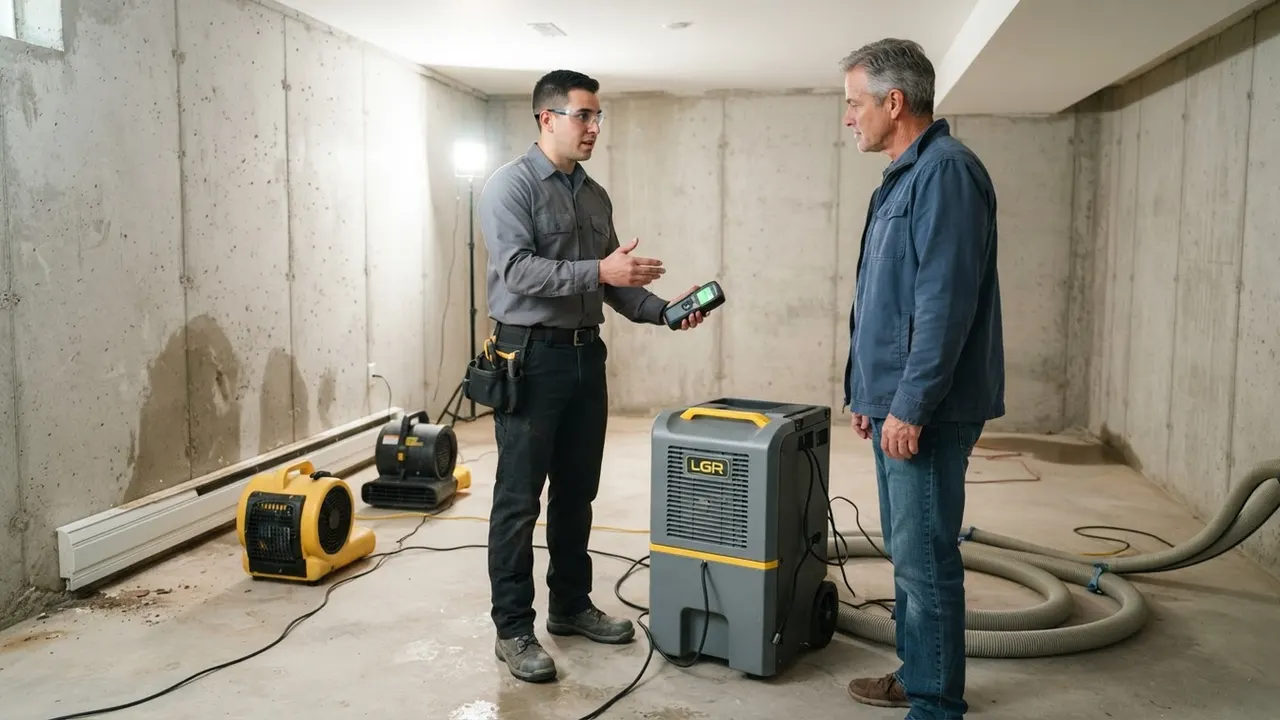
We walk through the affected rooms with you, ask when the water event began, and check the likely source and visible damage. A moisture meter establishes readings in wet and comparison areas; a thermal imaging camera helps identify spots for direct testing. The first assessment usually takes about 30 to 90 minutes, depending on access and the number of rooms.
Inspect
Map moisture
Explain findings
Extract Standing Water
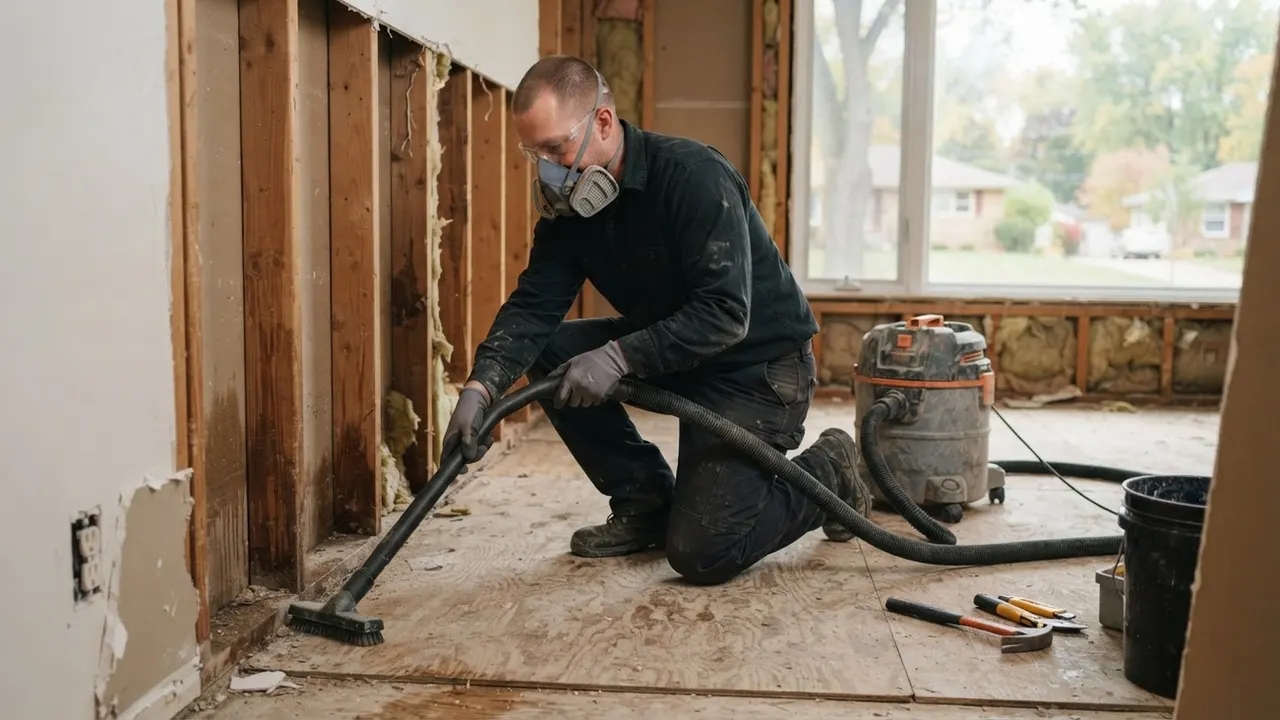
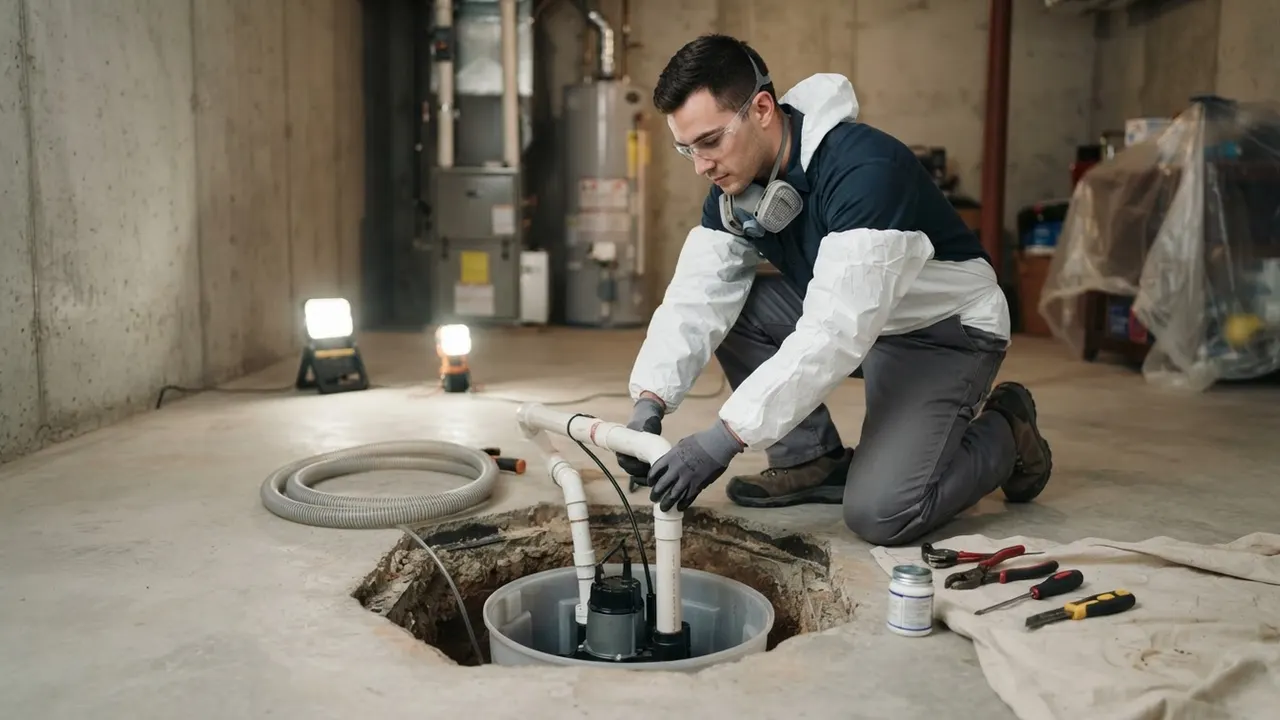
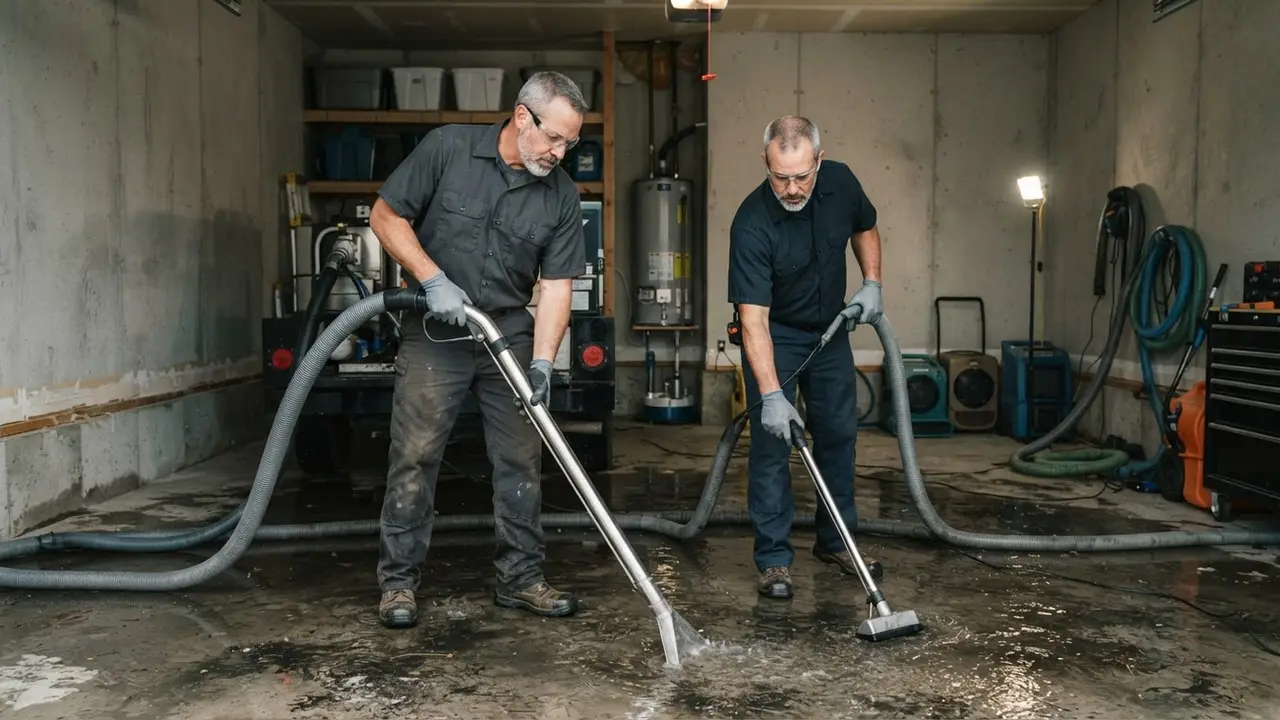
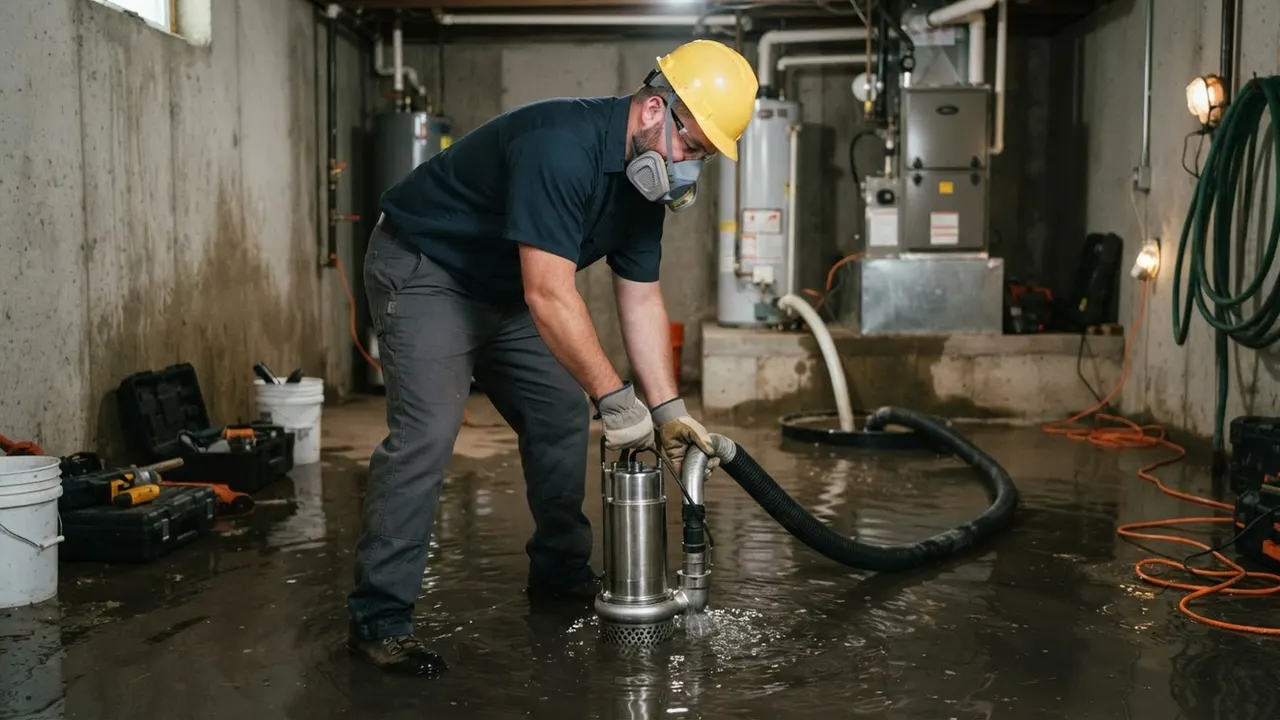
We remove accessible water with suitable extraction equipment before setting the drying plan. A wet/dry vacuum handles localized water, while larger accumulations may require a sump pump or higher-capacity extraction. We protect walkways and nearby belongings, then note the affected materials. This stage can take one to several hours, depending on the volume and layout.
Extract water
Check materials
Clear surfaces
Set Drying Equipment
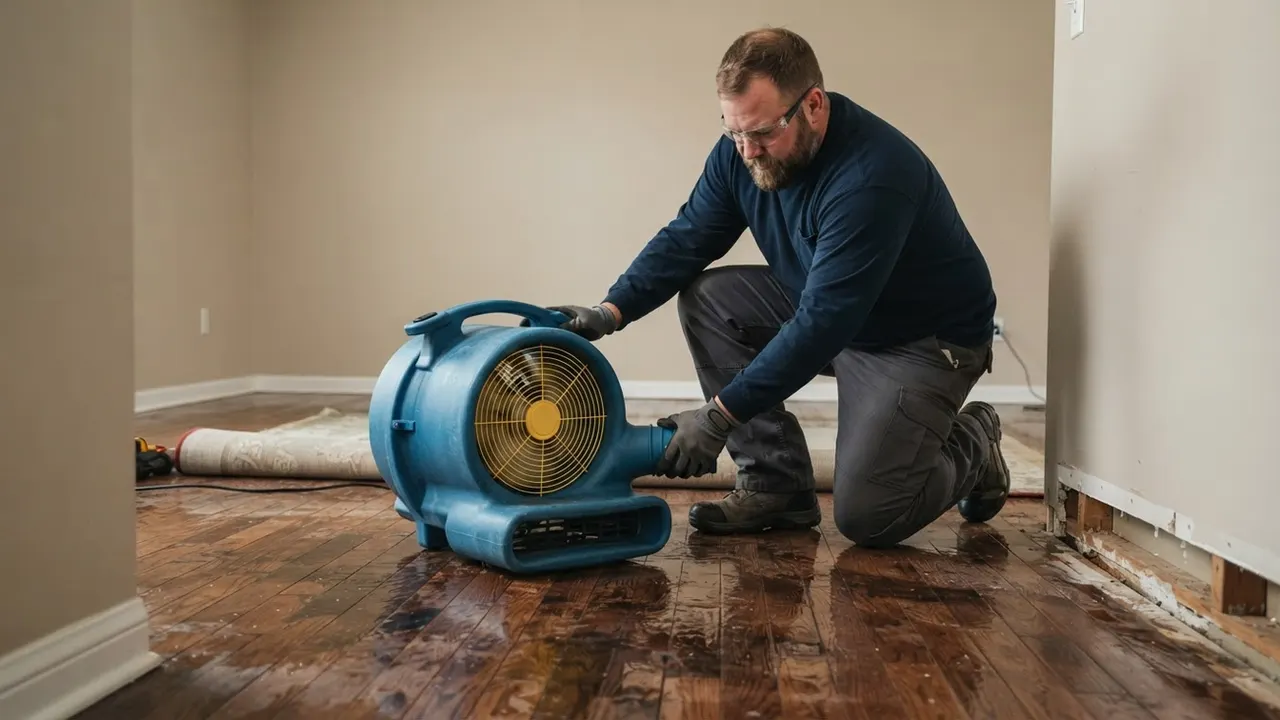
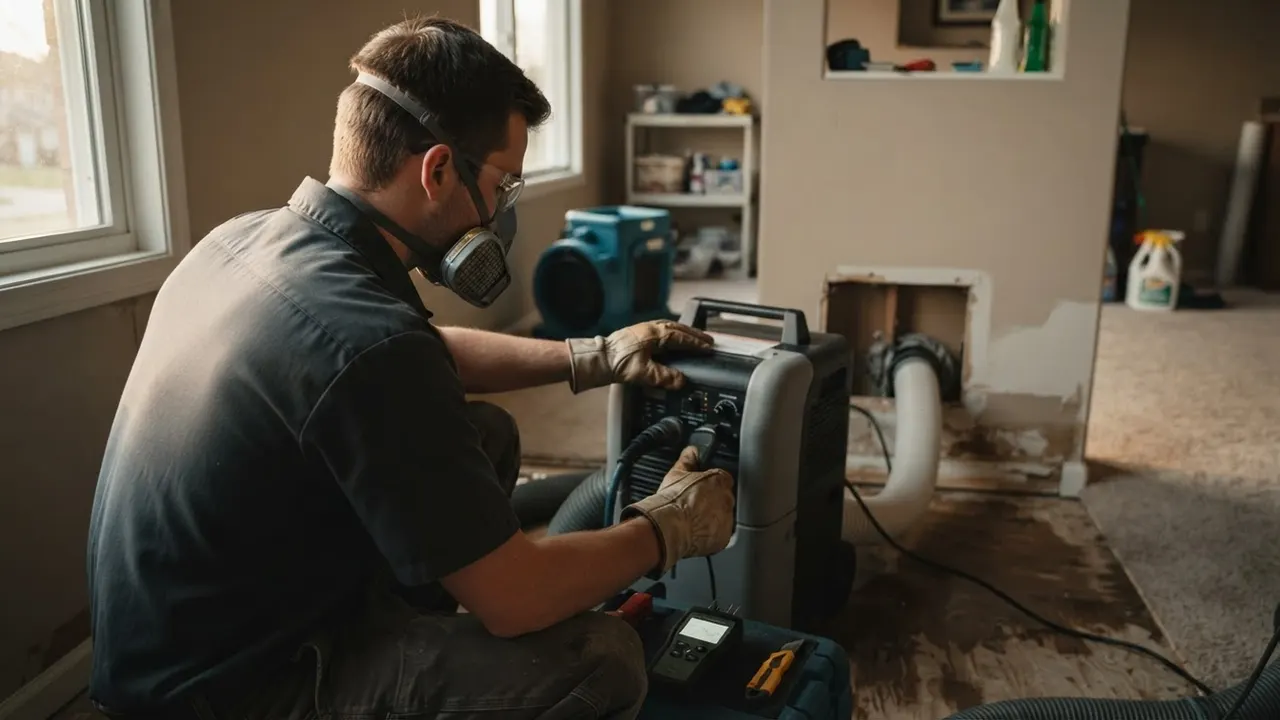
Our technicians position air movers to direct airflow across wet surfaces and place dehumidifiers to collect moisture from the air. We route cords safely, keep access paths clear, and explain the operating sound and room conditions you can expect. Equipment quantity depends on the measured wet area, material type, and airflow needs.
Set equipment
Direct airflow
Protect access
Check Readings
We return to measure the same areas and compare readings with the initial map, often at roughly 24-hour intervals while active drying continues. If progress stalls, we adjust equipment or investigate a concealed cavity. You will know which rooms remain under monitoring and whether material removal or another trade is needed.
Recheck readings
Adjust placement
Share progress
Confirm and Clear
Once measurements show that affected materials have reached the agreed drying goal, we remove equipment and review the final readings with you. We identify any repairs still needed, such as replacing removed insulation or installing mold-resistant drywall. The drying phase often takes 3 to 5 days, though extensive or concealed water can take longer.
Confirm drying
Remove equipment
Review next steps
Drying Tools and Methods
Move across a circle, or focus it and press Enter, for an illustrative thermal view of the photograph.
Moisture Meter
We use it to compare moisture in affected materials with nearby reference areas, track progress, and guide equipment adjustments.
Thermal Imaging Camera
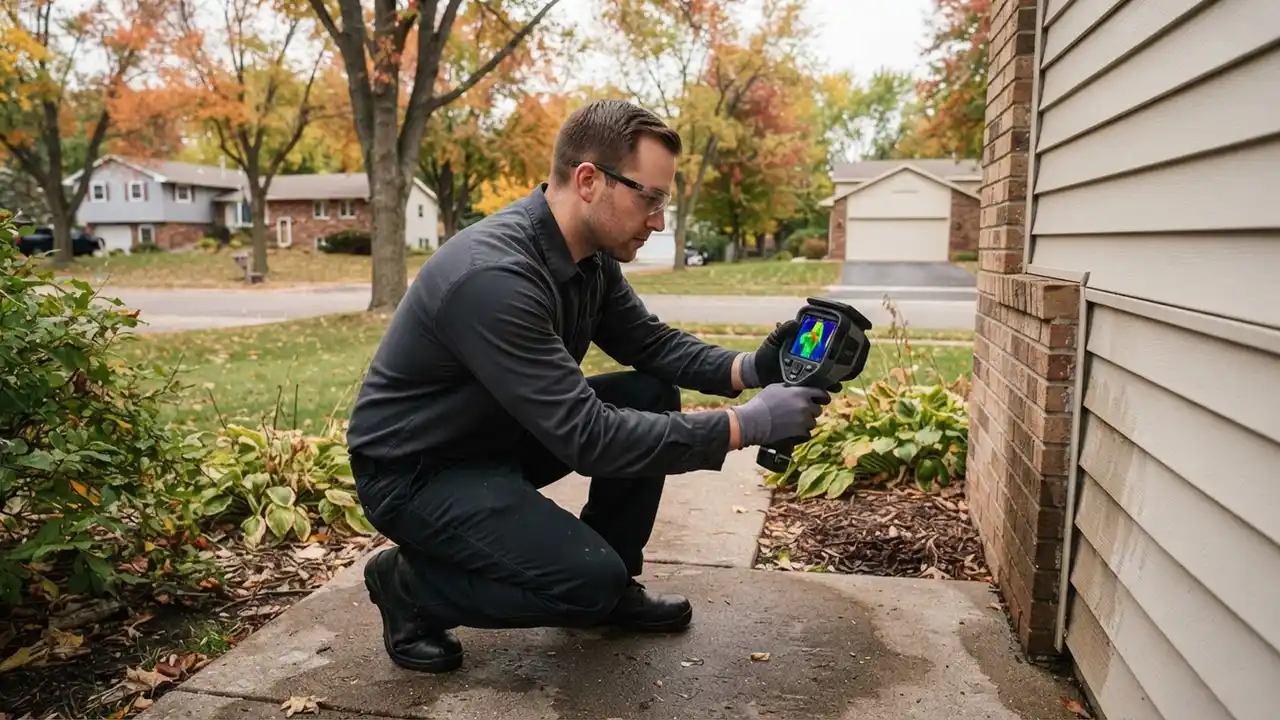
It helps locate temperature patterns that may indicate hidden moisture, which we confirm with direct measurement.
Air Mover
We direct airflow across wet surfaces so moisture can evaporate into the room air for collection.
Dehumidifier
It removes moisture from the air and supports controlled drying of affected building materials.
Wet/dry Vacuum
We use it to remove localized standing water from accessible floors and surfaces before drying equipment is set.
Thermal views are illustrative, generated from the photographs.
Methods
Dri-Eaz
Dri-Eaz equipment is used for professional water removal and drying applications where its capacity suits the affected space.
Moisture mapping
We mark affected locations and record initial readings in materials such as drywall, flooring, and framing. Comparison readings from less-affected areas help establish context. Returning to the mapped points makes progress easier to assess and helps us identify a drying stall.
Controlled airflow
Air movers are positioned to move air across wet surfaces without creating obstructed or unsafe paths. We consider room size, material exposure, and equipment access. As materials dry, we can change placement to target remaining wet areas rather than leaving airflow fixed.
Dehumidification
A dehumidifier collects water vapor released from wet materials, helping prevent the room air from staying saturated. We size and place equipment according to the affected space and monitor conditions during follow-up visits. Air movement and dehumidification work together.
IICRC WRT principles
Water damage restoration training principles guide source control, inspection, documentation, and drying decisions. We consider water category, affected material, and exposure time when planning the work. This method keeps the response tied to the loss conditions rather than using one setup for every property.
When to Call for Structural Drying
Frozen Pipe
A frozen pipe bursts overnight in a Hopkins home and water reaches two rooms.
We start by confirming the active leak has stopped, then extract standing water and map the wet boundary. Our technicians inspect flooring, lower walls, and nearby contents before placing air movers and dehumidifiers. Follow-up readings show whether water moved into concealed areas.
Outcome: You get a documented drying plan for both rooms, with equipment placed around safe walkways and daily routines.
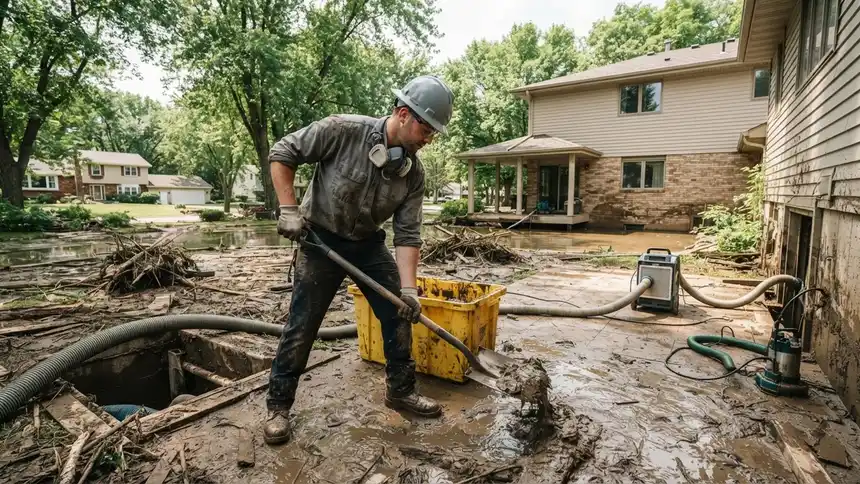
Basement Stormwater
A spring storm sends water into a basement near the Blake Road Corridor.
We remove accumulated water, check the slab, lower drywall, and stored items, and identify the areas affected by seepage. A dehumidifier manages room humidity while air movers target wet surfaces. We note any recurring entry point that needs waterproofing attention.
Outcome: Your basement moves from standing water to measured drying, with repair priorities identified before new finishes go in.
Appliance Leak
A dishwasher leak in a Mainstreet Hopkins unit goes unnoticed over a weekend.
We inspect the cabinet base, flooring, and shared wall, then compare readings in the kitchen and adjacent room. If water is beneath finished flooring, we explain access options and set equipment to reach the affected materials. The property manager receives progress information for coordination.
Outcome: The full wet area is identified, reducing the chance that a damp section is sealed beneath replacement flooring.
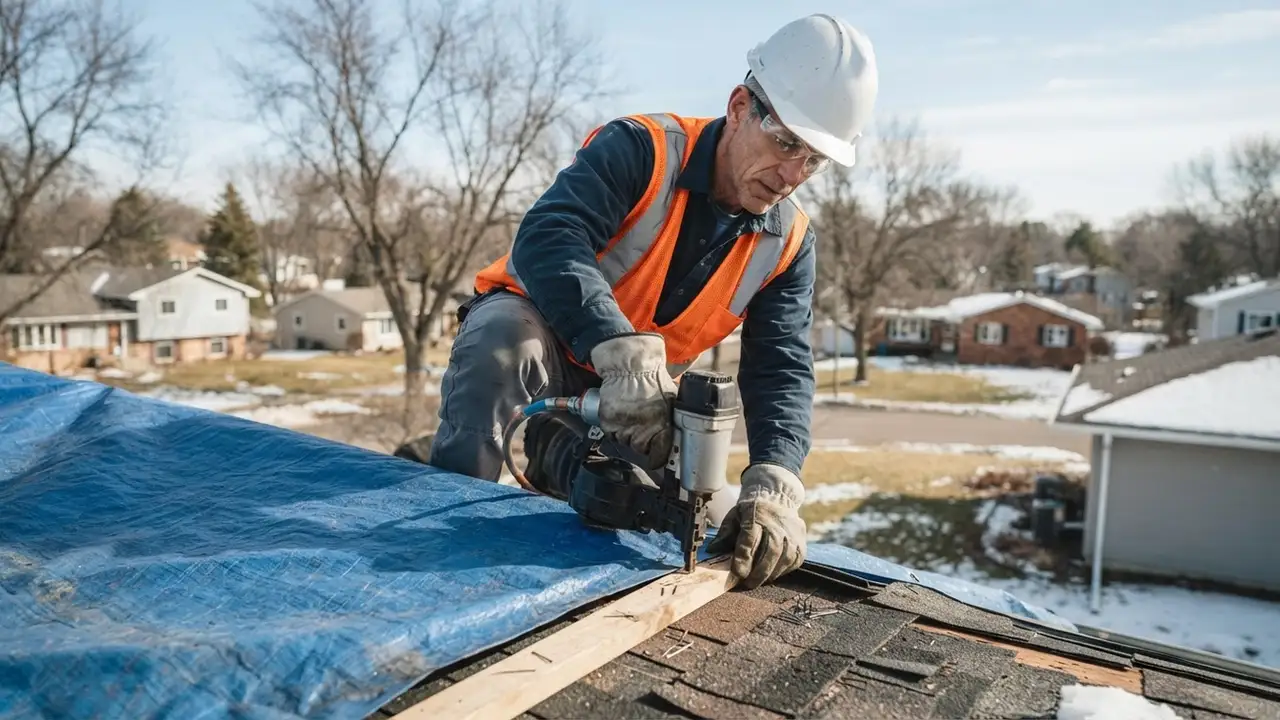
Roof Leak
A roof leak after winter weather leaves a ceiling stain and damp attic insulation.
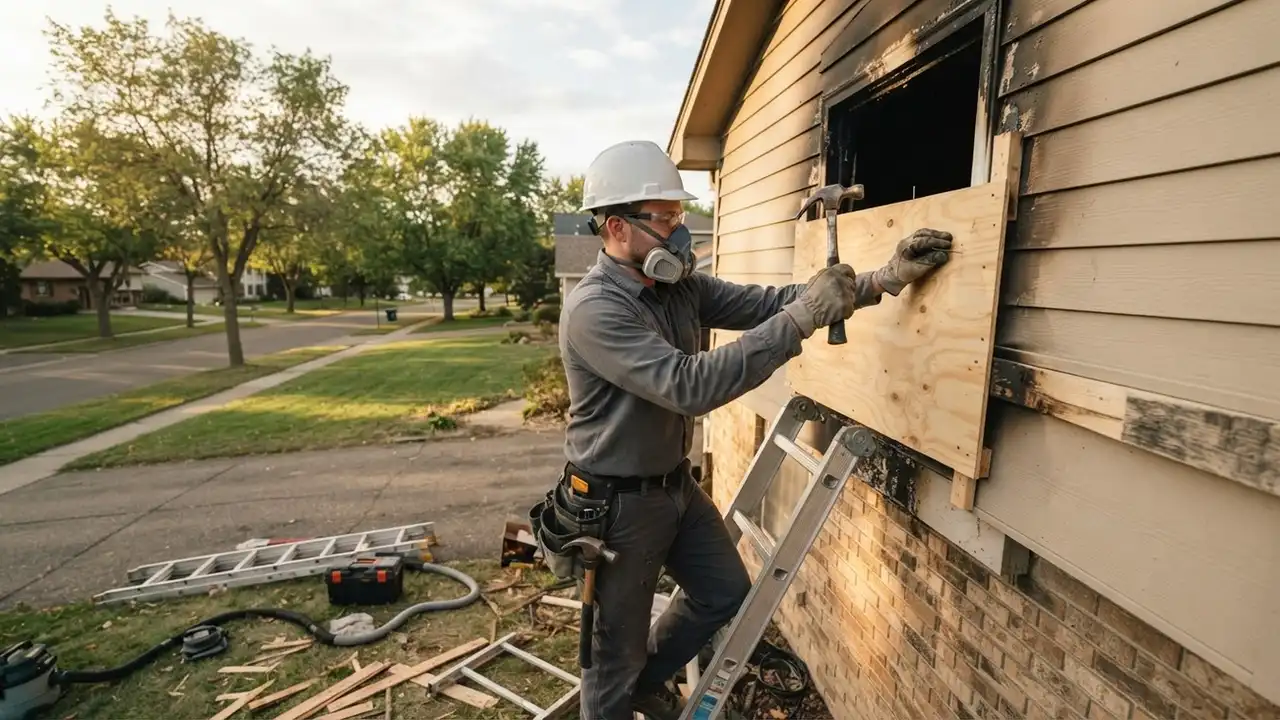
We check the interior water path and accessible attic materials after the opening is protected. We assess insulation, ceiling drywall, and framing, then dry salvageable materials with appropriate airflow and dehumidification. Repeat readings guide removal or repair decisions.
Outcome: You know whether the ceiling and attic are drying properly and what needs to happen before the finish is restored.
Downtown HopkinsShady OakMainstreet
How Drying Works in Hopkins
Hopkins has cold winter conditions that can lead to frozen pipe bursts, while spring storms and snowmelt can bring water into basements and crawl spaces. Older finished lower levels, shared walls in multi-unit buildings, and mixed-use properties along Mainstreet require careful moisture checks beyond the first visible stain.
We use structural drying Hopkins MN methods that account for these layouts, including inspection of flooring edges, wall cavities, and accessible framing. A slab leak or appliance leak can travel under finishes, so our team compares readings across adjoining areas before setting equipment.
For professional structural drying near me Hopkins, we assess the actual materials and access rather than guessing from room size. We plan airflow around occupied rooms and business entrances, protect walkways, and keep equipment positioned for safe operation. Work is documented for your records, and we coordinate with appropriate repair trades when plumbing, roofing, or reconstruction is needed.
Downtown Hopkins: Mixed-use spaces and shared walls call for checking adjacent rooms, tenant access, and concealed moisture before equipment placement.
Shady Oak: Basements and lower-level rooms need inspection at flooring edges and wall bases after seepage or a plumbing leak.
Mainstreet: For occupied storefronts and upper-level units, we plan airflow and equipment around entrances, inventory, and daily use.
Blake Road Corridor: After storm water or a pipe leak, we check connected rooms and lower-level materials so the drying boundary is not underestimated.
Winter cold increases the risk of frozen pipes inside exterior walls.: A burst line can wet insulation and framing before water appears indoors. We check beyond the first stain, measure connected materials, and adjust the drying plan for concealed cavities and affected rooms.
Spring thaw and storms can push water into lower levels.: Basement water may reach flooring, stored contents, and wall bases at once. We extract standing water first, then separate salvageable materials from items that need removal and monitor the slab and lower walls.
We walk through the affected rooms and explain what the readings show.
We protect nearby surfaces and set equipment with clear access paths.
We return for readings, review progress, and explain the next step.
From Problem to Finished Result.
IllustrativeThe thermal view is generated from the photograph. It is not a measurement. Drag the handle, or use the arrow keys once it is focused.
Basement Leak Recovery
Before: A basement supply line leaked behind a finished wall, leaving a damp carpet edge and a faint odor. The visible wet area covered about 120 square feet, but initial checks found moisture along the lower wall and beneath part of the flooring. The homeowner could not tell whether the carpet alone was affected.
After: We extracted surface water, mapped the lower wall and floor, and ran drying equipment while checking readings over four days. The documented wet boundary showed which materials dried in place and where access was needed. Once readings met the drying goal, the room was ready for the required finish repairs.
Check supply lines and appliance connections periodically, especially before leaving home for several days. Keep stored items slightly off basement floors, and investigate new musty odors or damp baseboards promptly.
Frozen Pipe in a Rental
Before: A frozen pipe burst in a Hopkins rental and water reached the kitchen and adjoining room. The floor looked dry after cleanup, but moisture readings remained elevated near the cabinet base and shared wall. The property manager needed to coordinate tenant access without blocking the full unit.
After: We checked both rooms, removed remaining water, and positioned air movers and a dehumidifier around a clear walkway. Follow-up measurements over five days showed steady improvement and identified a small section requiring material access. The manager received progress notes to coordinate the next repair stage.
During cold snaps, keep vulnerable rooms warm and know where the main shutoff is located. Have a plumber inspect a line that has frozen or leaked before closing the wall.
Storm-Damaged Upper Room
Before: Wind-driven rain entered through a roof opening and stained a second-floor ceiling near the Excelsior Boulevard Area. Dampness extended beyond the stain into the ceiling edge and attic insulation. The owner needed to know whether drying could happen before the ceiling was repaired.
After: After the roof opening was protected, we measured the ceiling and accessible attic materials, then set targeted airflow and dehumidification. Readings were checked over four days, with the wet boundary and remaining repair needs documented. The owner had a clear basis for scheduling ceiling work.
Inspect ceilings and attic access areas after severe weather, and address loose or damaged roofing promptly. A new stain, peeling paint, or damp insulation deserves inspection before repairs cover it.
Problems Structural Drying Solves
If water has reached more than the visible surface, professional drying can help define the damage and stop damp materials from being overlooked. Our team responds to structural drying near me Hopkins Minnesota searches with a direct inspection, moisture mapping, and equipment matched to the property.
Wet flooringA basement floor looks dry, but dampness remains below the finish.Trapped moisture can damage flooring adhesives and the material below, while the room may keep smelling damp. Covering it too soon hides the condition. We inspect flooring edges and accessible surfaces, compare moisture readings, and identify how far water traveled. If the finish needs removal for access, we explain that step. We then set air movers and dehumidifiers for salvageable materials and recheck readings before the area is repaired.
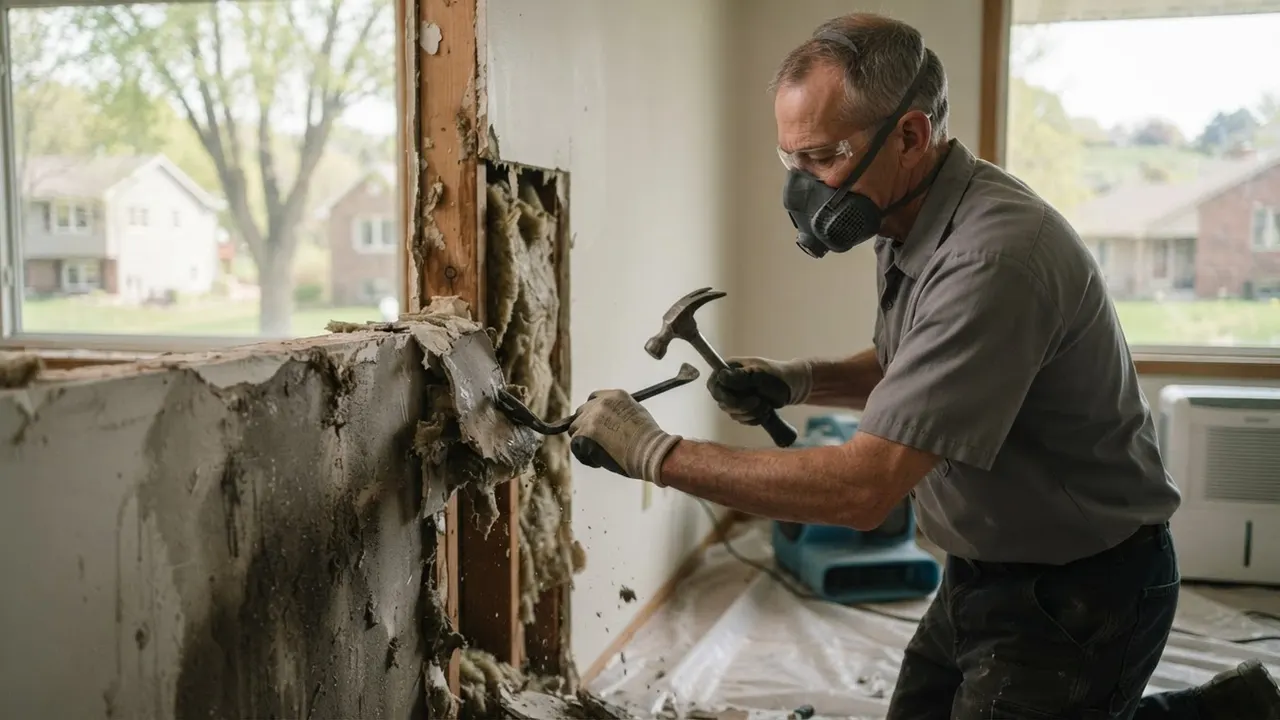
Hidden pipe leakA frozen pipe soaked a wall cavity behind cabinets.Water can remain in insulation and framing after the cabinet face and floor appear dry. Unchecked moisture can lead to swelling, odor, or deterioration. We map the affected wall and adjacent rooms, inspect accessible cavities, and determine whether materials can dry in place. When access requires removing drywall or insulation, we explain the reason and coordinate the drying sequence. Follow-up measurements confirm whether the hidden area is improving.
Roof moistureA roof leak dampened attic insulation and a ceiling.Wet insulation loses performance and can hold moisture against framing. A ceiling stain may represent a wider wet area than the mark suggests. We identify the leak's interior pathway, measure the ceiling and accessible attic materials, and dry the structure after the roof opening is controlled. We assess insulation for salvage or removal and track readings in the affected zones. This keeps repair decisions tied to actual material condition.
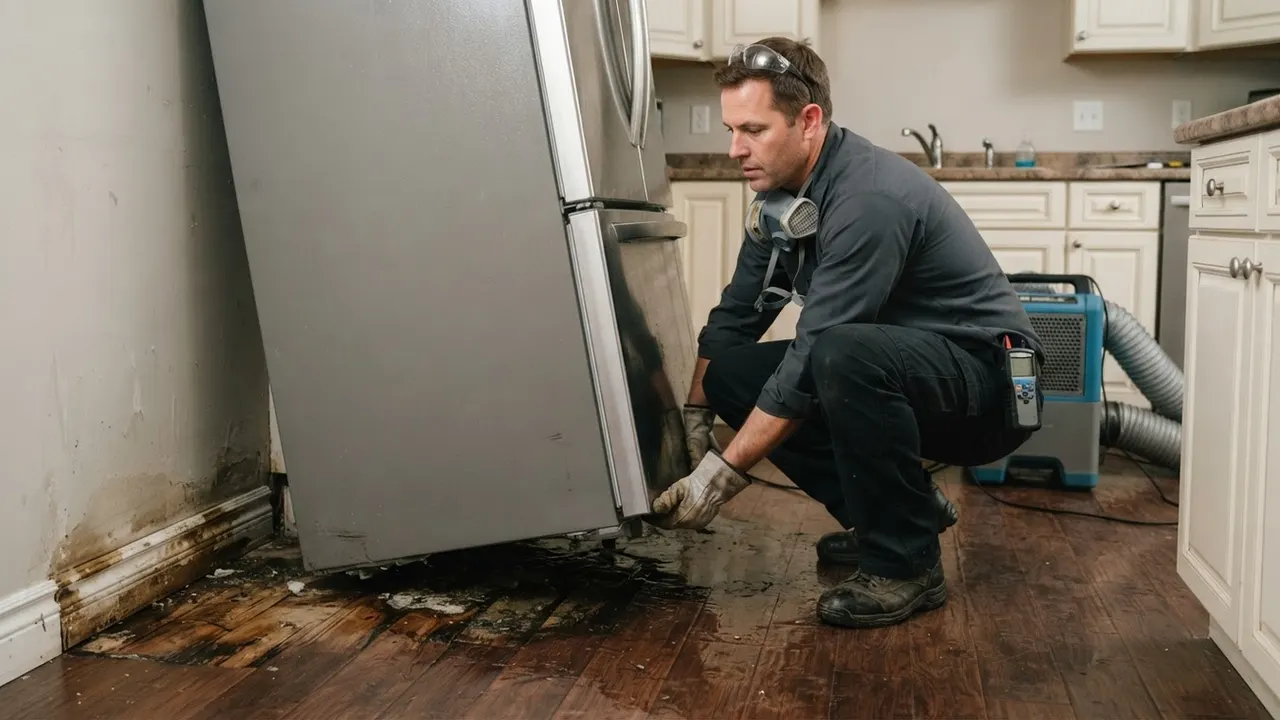
Appliance seepageA slow appliance leak reached flooring in an adjoining room.Water may travel under cabinets and across a threshold, damaging multiple surfaces before it becomes obvious. Delayed discovery increases the area that needs inspection. We check the appliance area, cabinet base, floor transitions, and adjoining wall edges to map the full impact. After extraction, we place equipment where it can move moisture out of affected materials. You receive progress updates and a clear account of any area that needs further repair.
What Proper Drying Delivers
Measured drying helps protect materials and gives you a clear repair path.
Finds Hidden Moisture
Water can travel below a floor or into a wall cavity without leaving a large stain. We compare moisture meter readings across affected and unaffected areas, then use targeted inspection to define the wet boundary. This helps keep drying equipment focused and informs decisions about drywall, insulation, and trim.
Reduces Material Loss
Prompt extraction and airflow give salvageable materials a better chance before prolonged dampness causes swelling or separation. We document readings and revisit the same locations, often daily during active drying. Your plan is based on the materials present, not a fixed equipment count or arbitrary calendar.
Controls Indoor Humidity
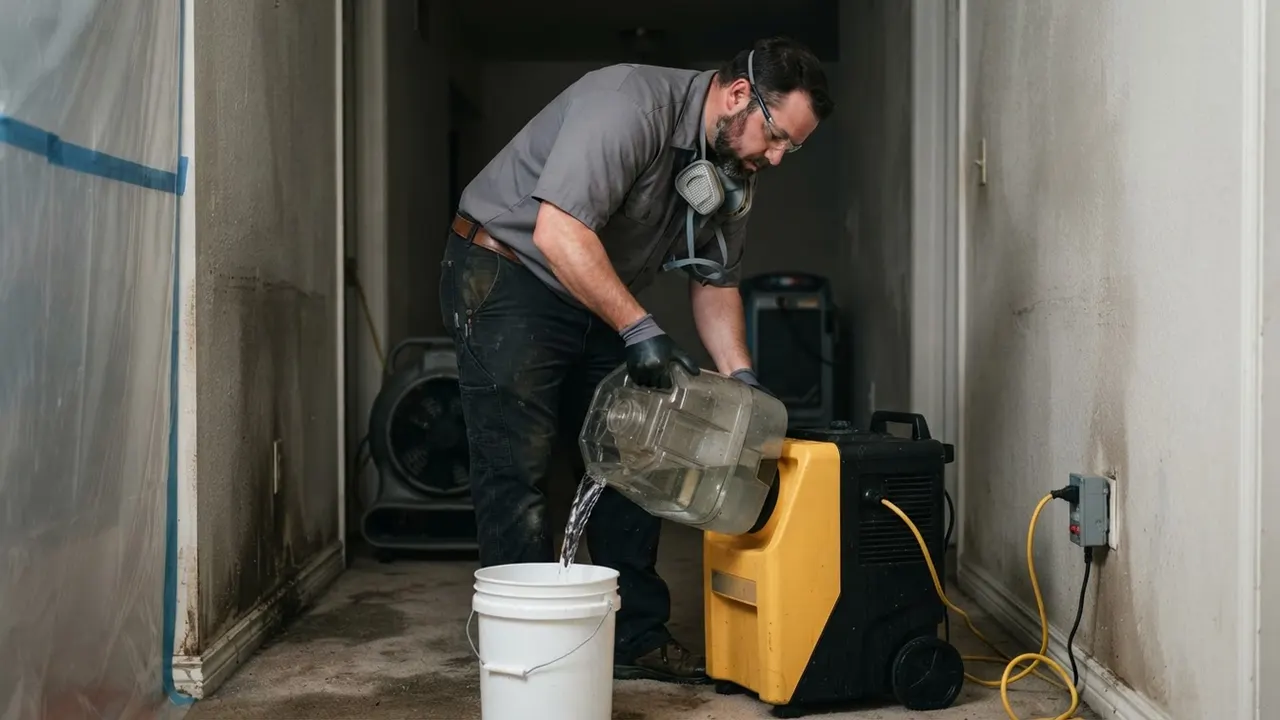
Air movers alone shift moisture into the room; a dehumidifier removes it from the air. We position equipment to keep moisture moving toward collection while monitoring room conditions. This coordinated approach supports drying without simply recirculating damp air through your Hopkins home or business.
Creates a Repair Roadmap
You receive clear findings about affected areas, material condition, and drying progress. If a section cannot be dried in place, we explain why removal or repair is needed and coordinate the next work. That gives you a practical path from the initial leak to a dry, usable room.
What You Receive
Clear records you can keep and share.
Reading Log
Initial and follow-up moisture readings.
Photo Record
Images of affected areas and equipment setup.
Equipment List
Drying equipment placed during the job.
Progress Summary
Drying status and remaining repair needs.
Drying Versus Water Removal
Extraction removes standing water; structural drying removes moisture held in materials and indoor air.
Surface Water
Visible water that can be extracted from accessible areas.
Floors and low spots
Wet carpet surfaces
Water near appliances
Material Moisture
Water absorbed into porous or layered building components.
Drywall and insulation
Flooring and subfloor
Framing and trim
Room Humidity
Water vapor released from wet materials into indoor air.
Managed with dehumidifiers
Supported by airflow
Checked during follow-up
Materials We Check
Drywall
Insulation
Flooring
Framing
Carpet
Concrete
Cabinets
Baseboards
Service ZIP Codes.
A list like this tells people straight away whether you cover their street. Not listed? Call and ask: it only takes a minute.
A supply line leaked behind the laundry area and left the floor damp beyond the washer. The crew checked the wall and flooring with a moisture meter, then placed air movers and a dehumidifier. They came back to compare readings and explained why one section needed to stay open. I appreciated knowing what was happening each day.
After a frozen pipe burst, water reached the basement ceiling and part of the carpet. The team extracted the water, marked the affected areas, and checked the framing again during the drying process. The equipment was loud, but they showed us how airflow was set up and kept the main walkway clear.
A roof leak affected two rooms in our building after a storm. The team mapped the ceiling and wall moisture, set equipment without blocking the tenant entrance, and gave us updates after each check. Their readings helped us see when drying was complete and when repairs could move forward.
Structural Drying Questions, Answered
Cost depends on affected square footage, water volume, material removal, equipment days, and access. We inspect the damage and explain the factors behind the price before work proceeds. Insurance coverage varies by policy and cause; keep photos and any claim details available for discussion.
Many structural drying jobs take 3 to 5 days, while extensive or concealed moisture can require a week or longer. Material type, water exposure time, room temperature, and humidity all affect drying. We measure affected areas at intervals, often about every 24 hours, and adjust equipment if readings stall. You will know what remains wet and what needs to happen before equipment is removed.
Professional dehumidification is important when water has reached drywall, insulation, flooring, framing, or a concealed cavity. A household fan does not measure material moisture or remove enough humidity from a heavily affected space. We use a moisture meter and controlled equipment to determine where water traveled and whether materials are drying. For a small, promptly dried surface spill, professional equipment may not be necessary.
Choose a Hopkins company that measures affected materials, documents progress, explains equipment use, and identifies when removal is necessary. Ask how often readings are checked and what determines the drying goal. Our team provides structural drying near me Hopkins Minnesota service with an inspection, equipment plan, and follow-up readings. Call Hopkins Water Damage Company at (833) 546-4116 to discuss the water event and affected rooms.
A wet wall or basement floor needs measurement before it is covered or repaired. Call Hopkins Water Damage Company at (833) 546-4116 and tell us what happened, when it started, and which rooms are affected. Our team will explain the inspection and drying steps.
Call Hopkins Water Damage Company at (833) 546-4116 to describe a leak, fire, mold concern, or basement water problem. We connect you with independent companies serving Hopkins, Minnesota, including ZIP codes 55343 and 55305. Tell us the property type, affected area, and whether the source is still active so the provider can understand what help you need.