Attic Mold Removal Hopkins MN for a Dry, Clean Attic
Attic mold removal Hopkins MN helps homeowners and property managers address visible growth, musty odors, and damp insulation before damage spreads. We inspect the roof deck, ventilation, and moisture conditions, then explain the cleanup plan in plain language. Our attic mold remediation Hopkins MN service focuses on removing affected material, controlling airborne dust, and correcting the moisture source so your attic can dry and stay serviceable.
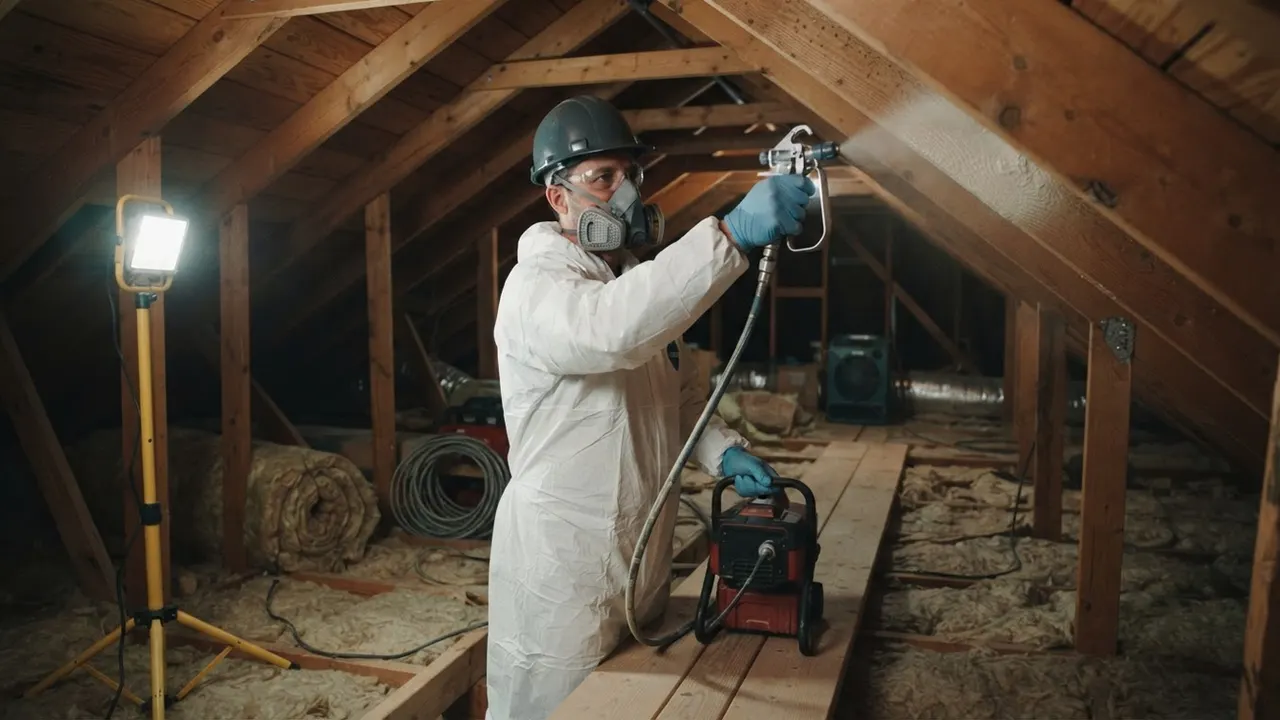
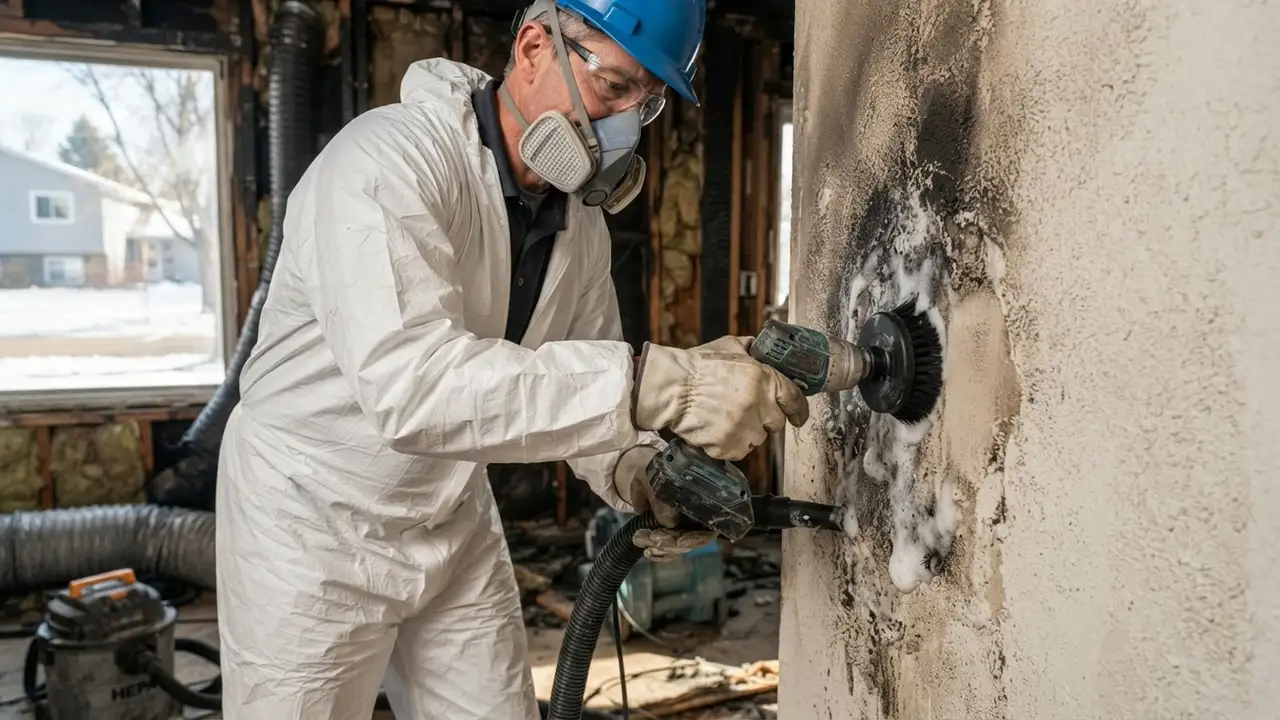
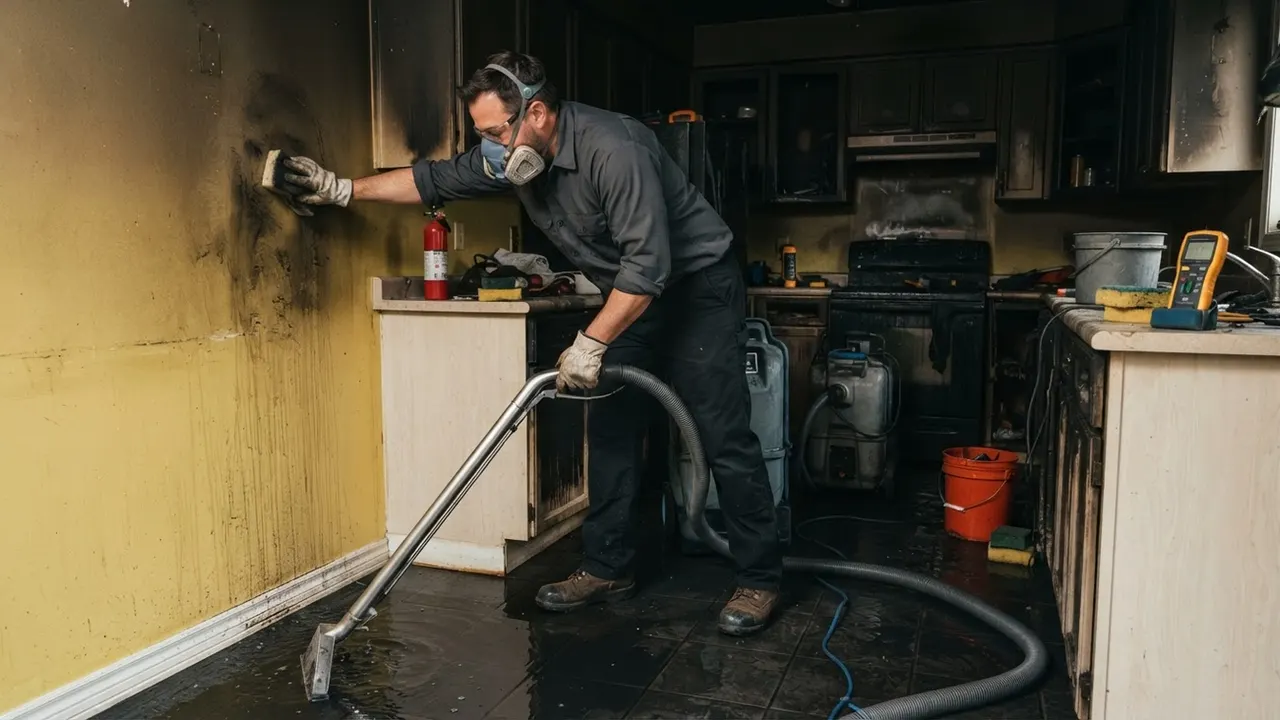
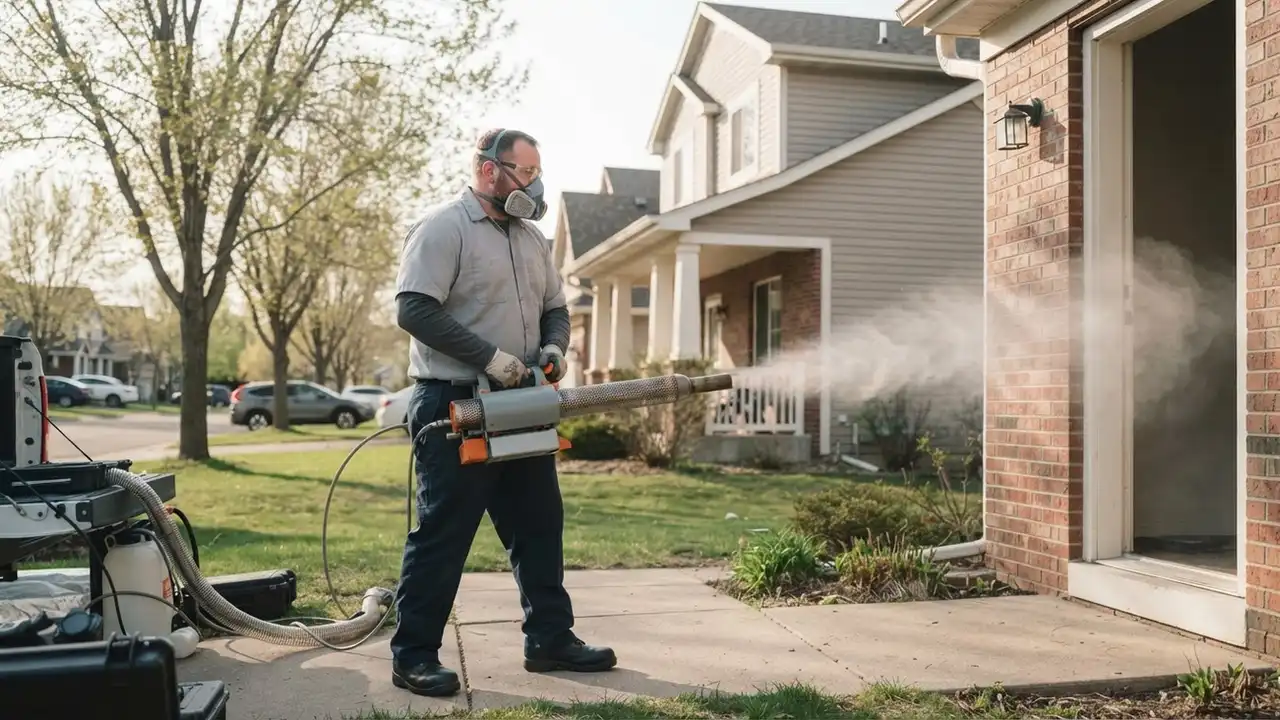
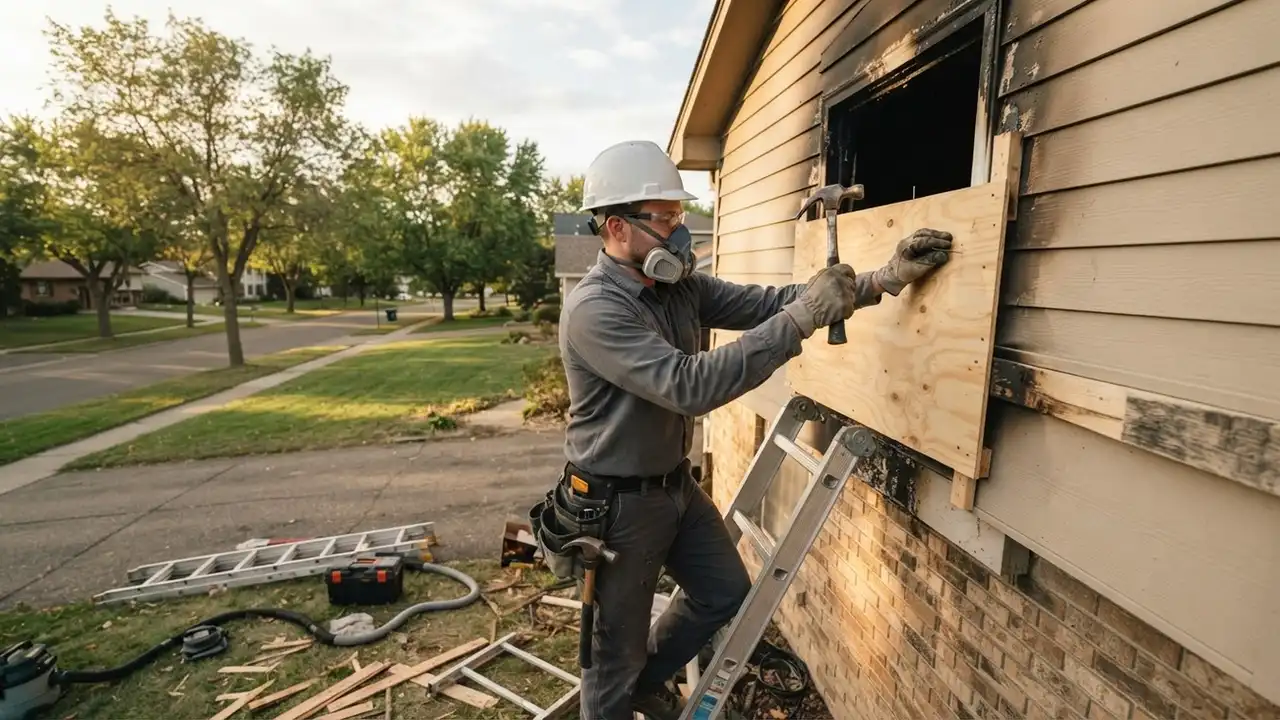
Protected accessThe route is covered before debris moves.
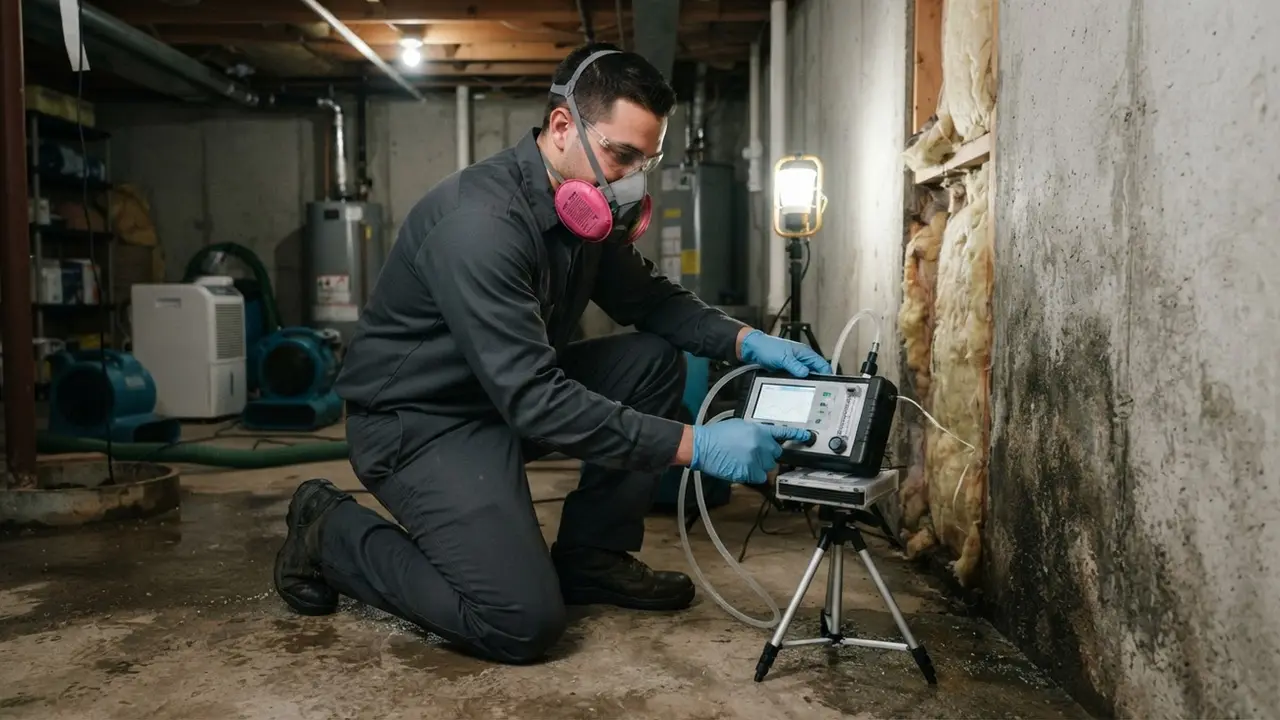
Measured moistureReadings guide removal and drying decisions.
Contained workThe work zone is separated from rooms.
Photo notesConditions and completed work are recorded.
What Attic Mold Removal Covers
Our attic service includes a visual moisture investigation, protection of the access route, containment suited to the work area, removal of unsalvageable mold-affected materials, and HEPA cleaning of salvageable surfaces. We also record relevant moisture readings and review the likely source with you. Roof repairs, major framing replacement, and new insulation are separate construction tasks when required; we identify those needs so the cleanup sequence is clear.
Attic Condition Review
We inspect visible growth, staining, insulation condition, roof sheathing, and ventilation paths. Moisture readings help distinguish active dampness from dry discoloration. You receive an explanation of what appears affected and which areas need closer attention.
Work-Area Protection
We protect the route to the attic and set up containment around the access point or work area. Plastic sheeting and controlled entry help keep debris from spreading into bedrooms, hallways, and stored belongings.
Affected Material Removal
Wet or contaminated insulation and other unsalvageable porous materials are removed and handled appropriately. We assess each material rather than automatically removing everything, which helps preserve sound framing and insulation outside the affected zone.
Surface Cleaning
Salvageable framing and suitable hard surfaces are cleaned using methods selected for the material and condition. HEPA vacuuming helps collect fine debris, and treatment products are used only where appropriate to the cleanup plan.
Drying and Closeout
We check whether the moisture source has been addressed and monitor drying where needed. Photos, notes, and a final walkthrough explain completed work, remaining repairs, and the conditions to watch as your attic returns to service.
Homes and Businesses.
The approach is the same for a home and a business. What changes is the access, the schedule and who needs the paperwork.
Homes and Rentals
We inspect the attic, identify the moisture path, and explain which materials need cleaning or removal. You see how access, containment, drying, and follow-up fit together.
Musty odor after winter
Wet insulation below a roof leak
Bathroom fan venting into attic
Managed Properties
We coordinate attic access with owners and property managers, then document affected materials and the cleanup sequence. You get practical information for repair scheduling and occupant communication.
Storm leak above occupied suites
Attic inspection before tenant turnover
Repeated moisture near roof penetrations
Attic Mold Removal Hopkins MN: What It Includes
A plain-language look at what Attic Mold Removal involves and when it is needed.
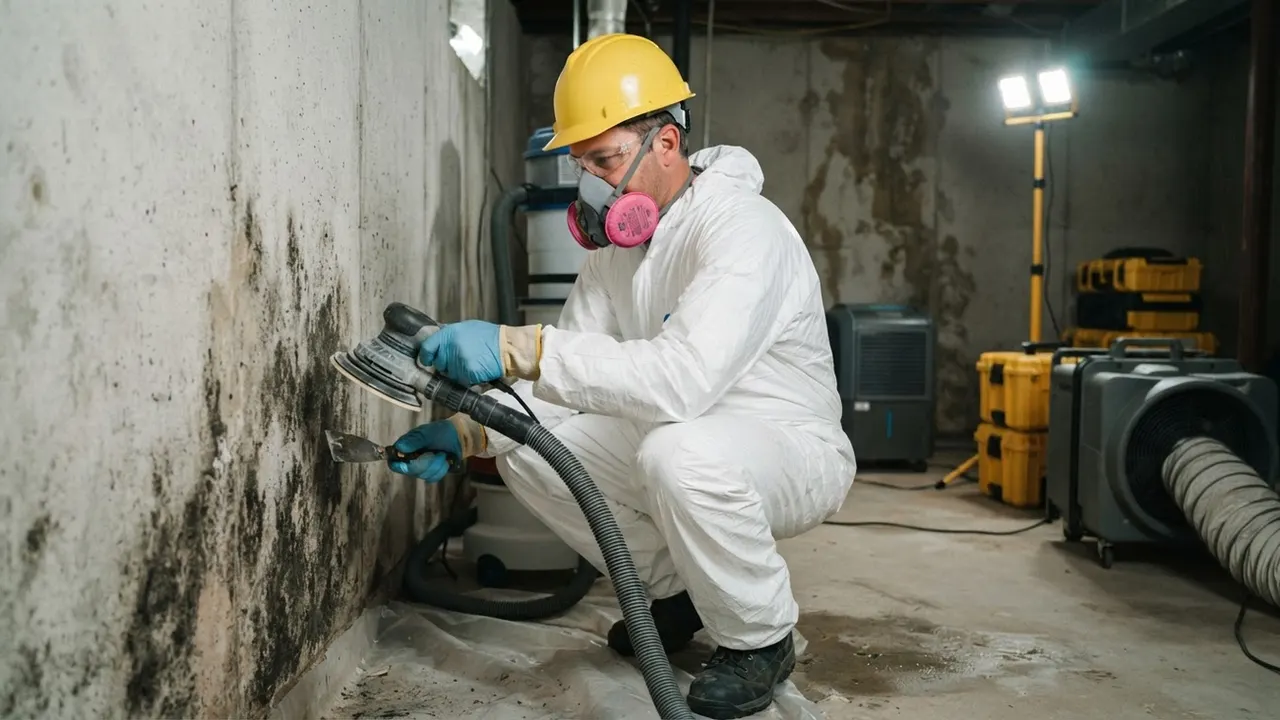
Attic mold removal Hopkins MN is a building remediation service that identifies moisture-driven mold growth, contains the work area, removes affected porous material when needed, and cleans salvageable surfaces. We start by tracing the moisture source rather than treating discoloration alone. We protect the access route, isolate the work zone with plastic sheeting, and use HEPA filtration to limit dust moving into living spaces. The plan depends on the affected area and material condition.
Hopkins homes face long heating seasons, snow accumulation, freeze-thaw cycles, and humid summer weather. A roof leak, blocked ventilation, or warm indoor air escaping through ceiling penetrations can leave roof sheathing damp enough for growth. Our Hopkins Minnesota attic mold removal services address those conditions in homes around Mainstreet, Blake Road, and Meadowbrook. If you are searching for attic mold removal cost in Hopkins MN and when to replace insulation, the key factors are the size of the affected area, the moisture source, and whether insulation is wet, compressed, or visibly contaminated.
Remove affected material, clean suitable surfaces, and correct the moisture source before closing the attic.
What it is
A process for locating attic moisture, removing mold-affected material, cleaning suitable surfaces, and supporting drying.
When needed
Use it when attic growth, musty odor, damp insulation, or recurring roof moisture is found.
What to expect
Inspection, containment, material decisions, cleanup, drying checks, and a review of remaining repairs.
How the Work Proceeds
Attic mold removal in Hopkins follows a measured sequence: inspect, isolate, remove or clean affected materials, dry the structure, and check the result. The first visit usually takes 45 to 90 minutes for assessment, while cleanup duration depends on access and affected square footage. We explain each stage before work starts.
Inspect and Trace
Attic mold removal Hopkins MN begins with a visual inspection of roof sheathing, rafters, insulation, vents, and penetrations. We ask when the odor or staining appeared and check for recent leaks, ice-related entry, or exhaust discharges. A moisture meter helps map damp areas; inspection commonly takes 45 to 90 minutes, depending on access and attic layout.
Inspect
Trace moisture
Record conditions
Protect and Contain
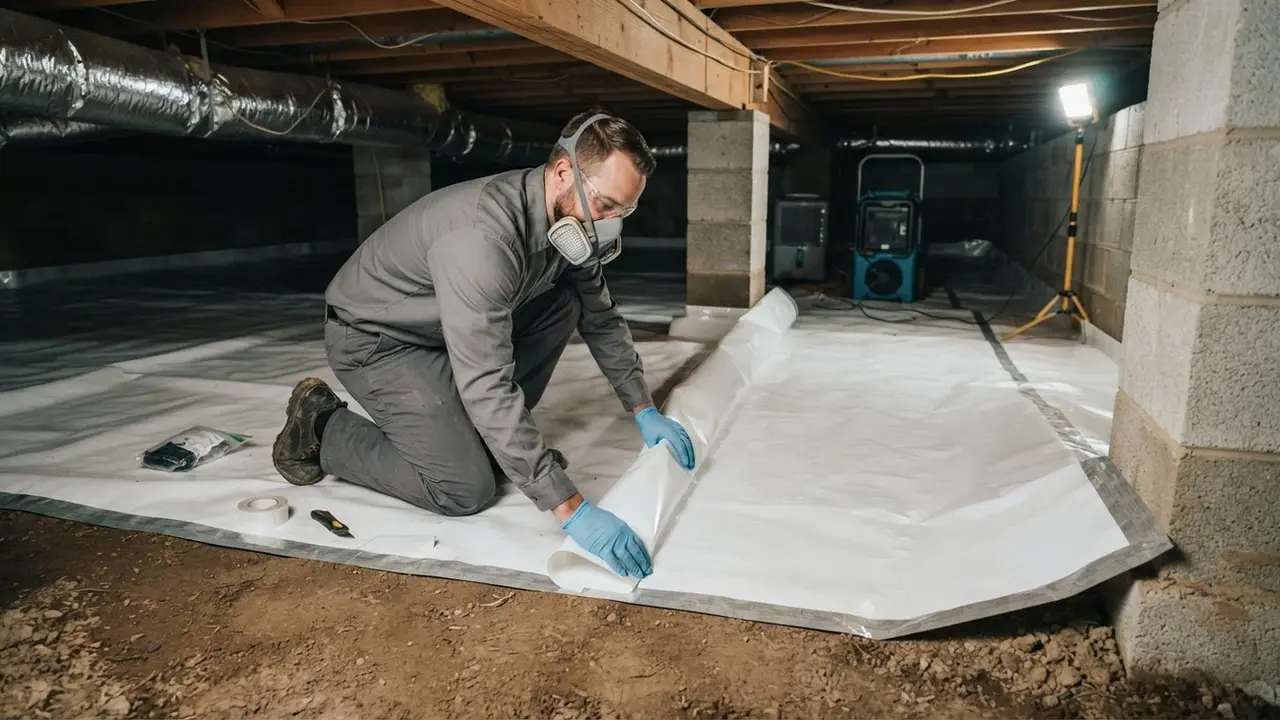
We protect the route to the attic and isolate the work area before disturbing mold-affected material. Plastic sheeting, controlled access, and a negative air machine help keep dust from spreading into the home. You will know which rooms or storage areas need to stay clear, and we keep household items outside the containment boundary.
Protect route
Set containment
Control access
Remove Affected Material
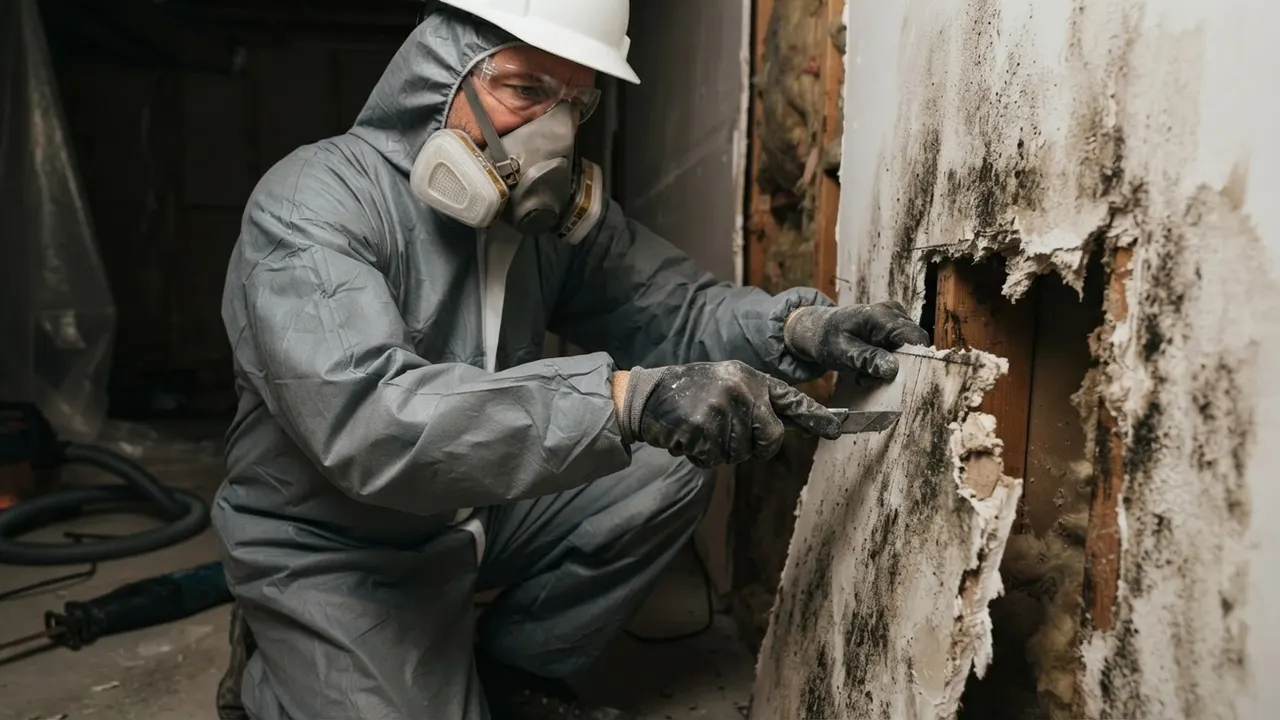
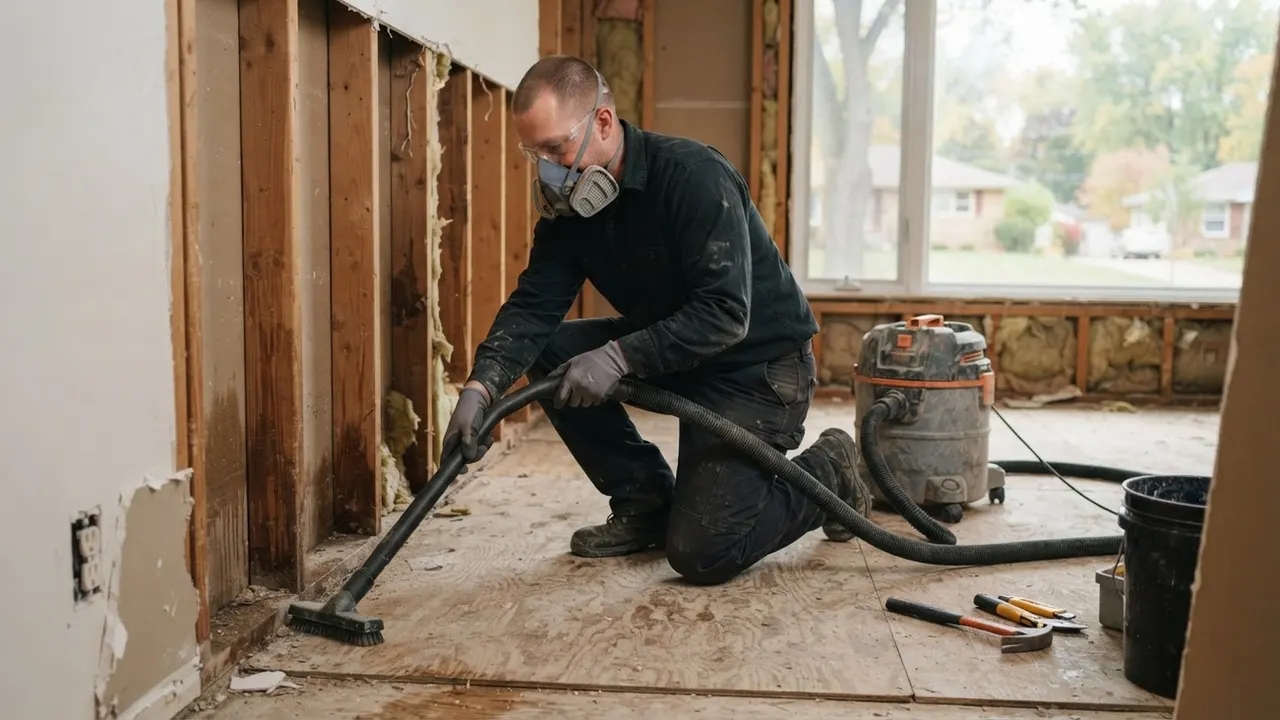
Our crew removes insulation that is wet, heavily contaminated, or no longer serviceable, then cleans salvageable framing with suitable HEPA methods. Drywall or other porous material is evaluated based on damage and location. The goal is to remove contamination without tearing out sound building materials unnecessarily; this stage often takes several hours for a limited attic area.
Remove material
HEPA clean
Sort contents
Dry and Treat Surfaces
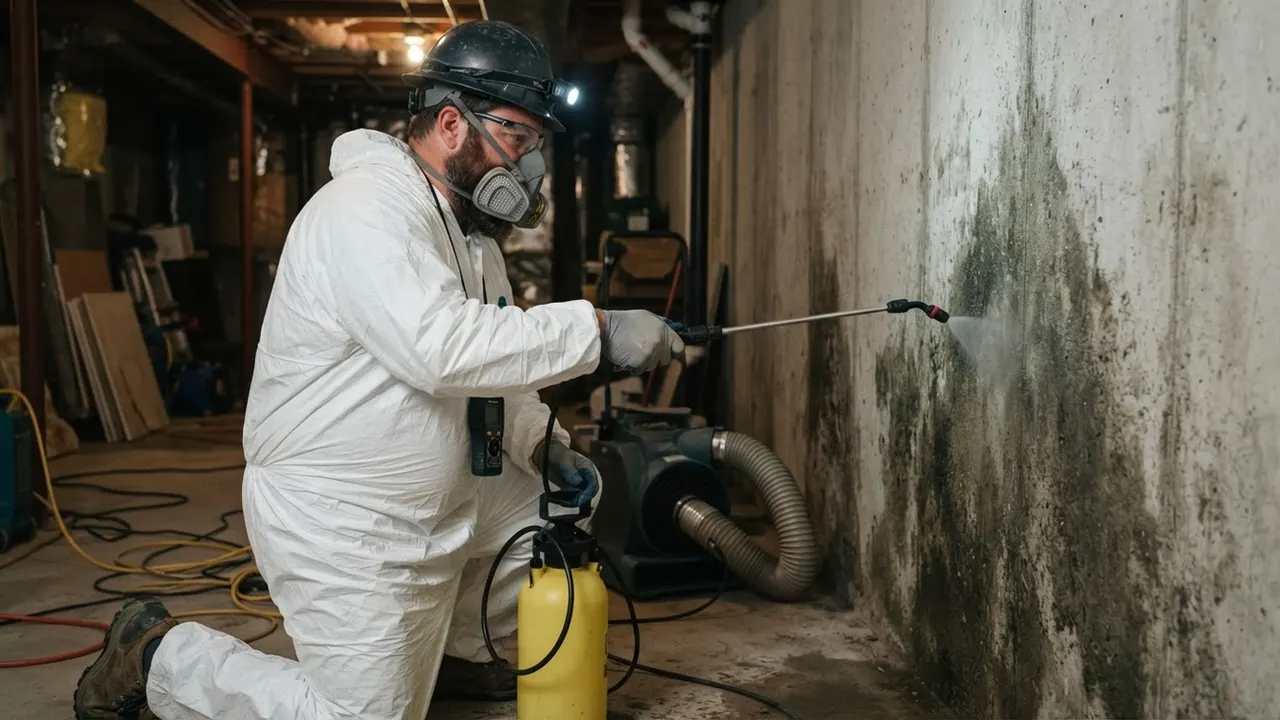
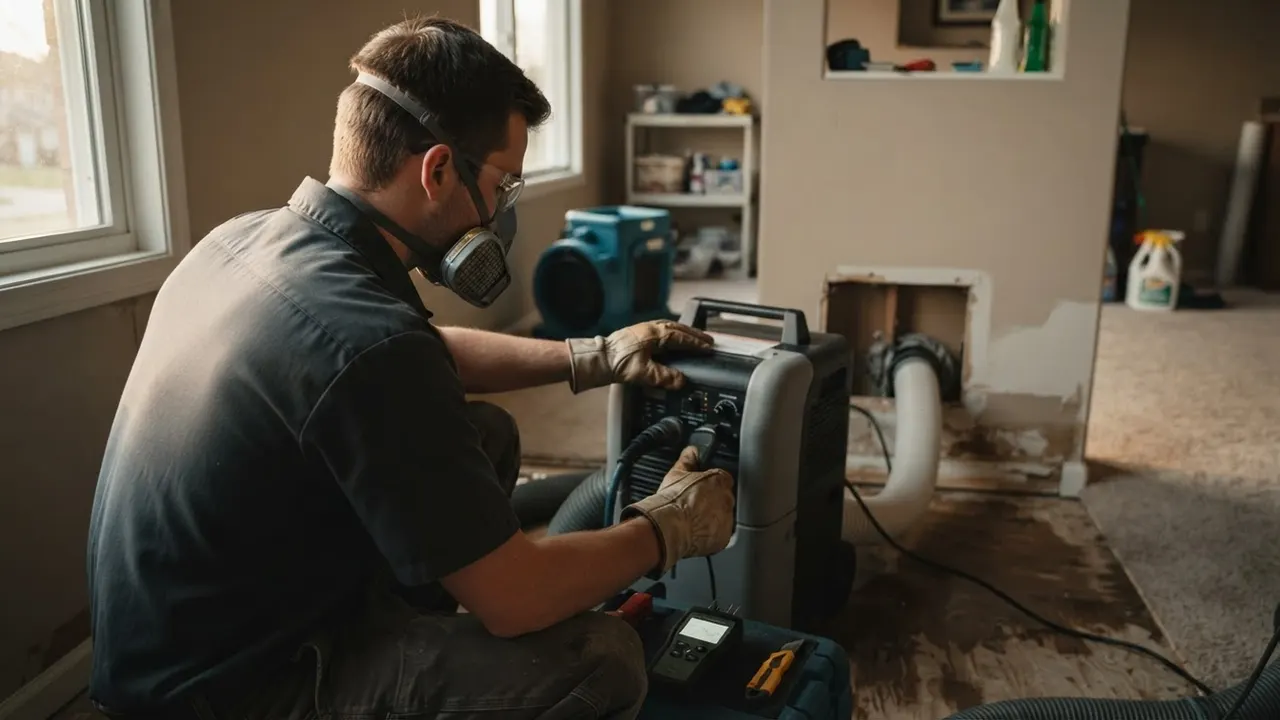
After the moisture source is addressed, we use measured drying rather than relying on open windows or surface appearance. Air movers and a dehumidifier support drying, and an appropriate antimicrobial spray may be applied to cleaned surfaces when suitable. We record moisture readings and explain any roof, ventilation, or exhaust correction needed before insulation goes back.
Dry framing
Check readings
Review source
Review and Close Out
We walk you through the completed work, show the affected areas, and review photos and moisture notes. If insulation replacement or roof repair remains, we identify the next practical step instead of covering unresolved moisture. A small, accessible cleanup may finish in one day; larger projects with repairs or extensive removal can take two or more days.
Walk through
Share photos
Plan repairs
Tools and Cleanup Methods
Move across a circle, or focus it and press Enter, for an illustrative thermal view of the photograph.
Moisture Meter
We check wood and other suitable materials for moisture patterns, comparing affected areas with nearby dry sections to guide removal and drying decisions.
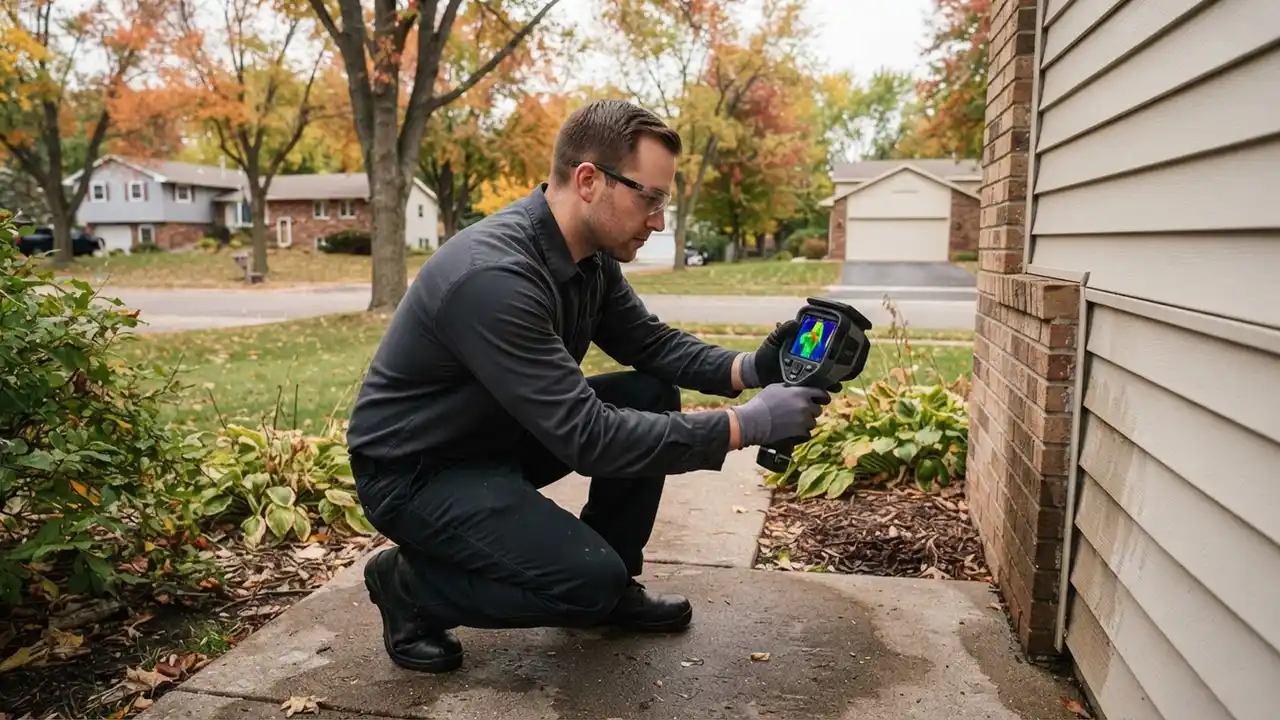
Thermal Imaging Camera
We use thermal patterns to identify areas needing closer inspection; the camera guides investigation but does not diagnose mold by itself.
HEPA Vacuum
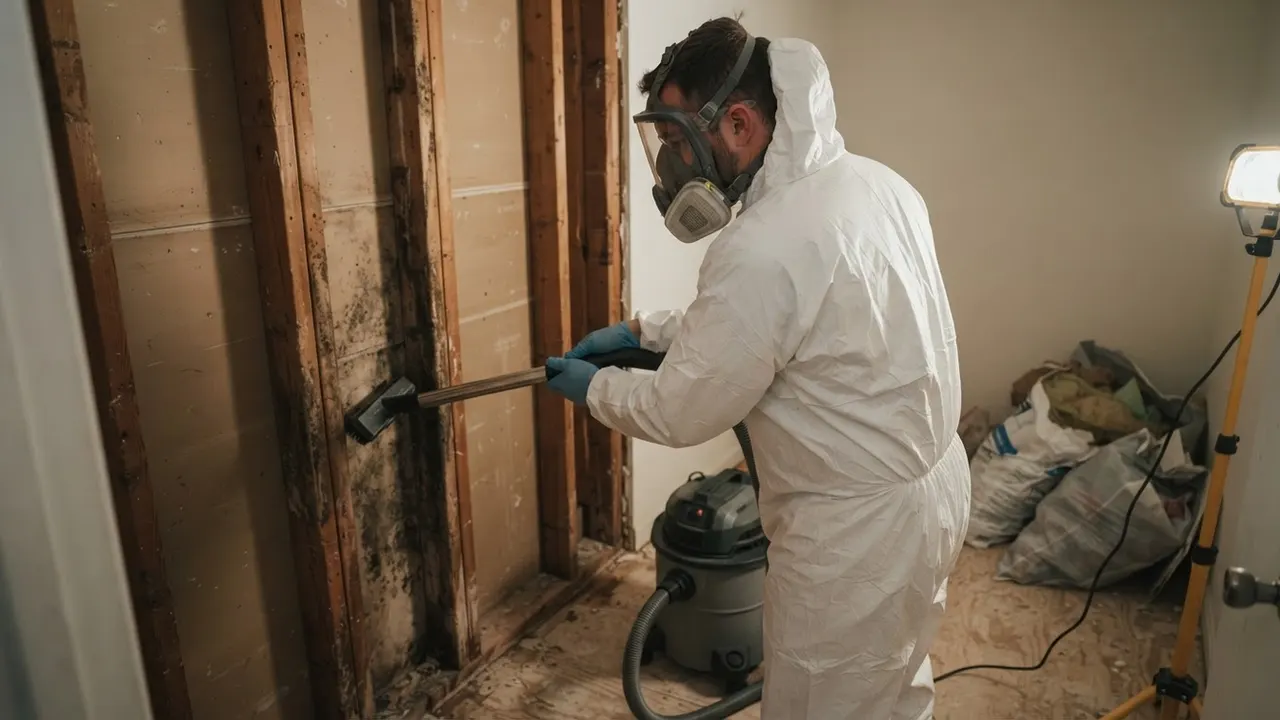
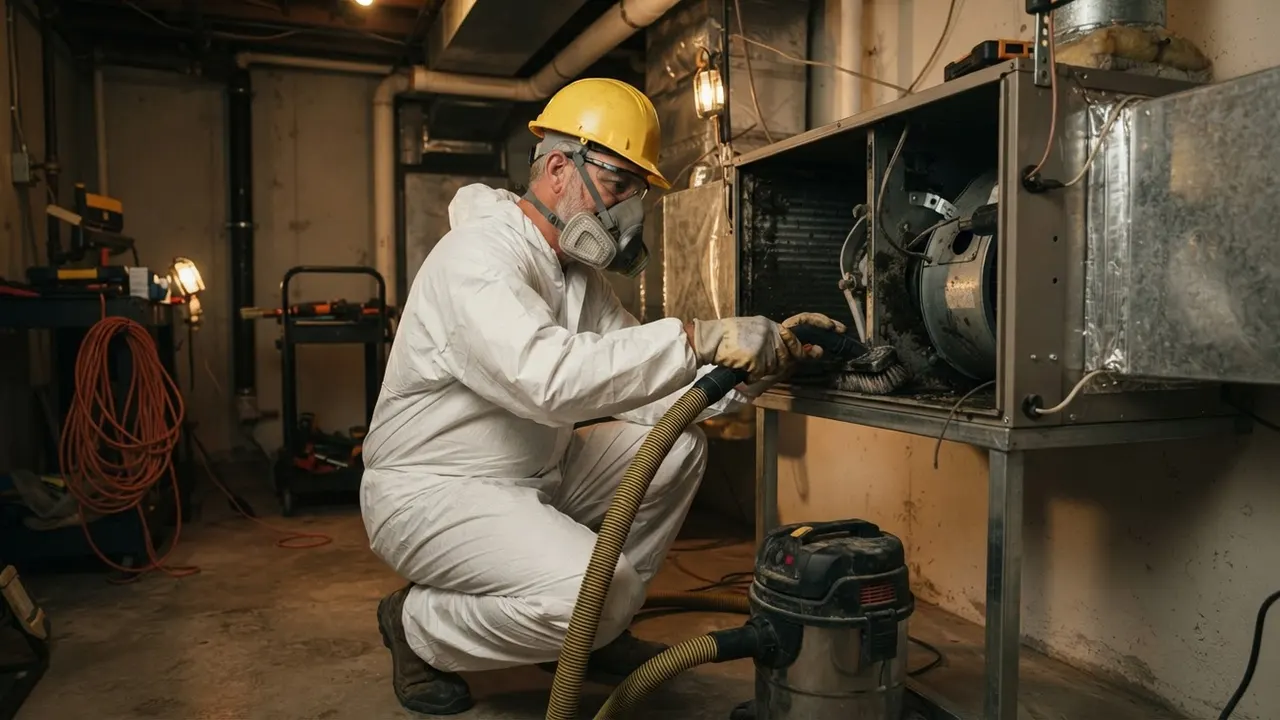
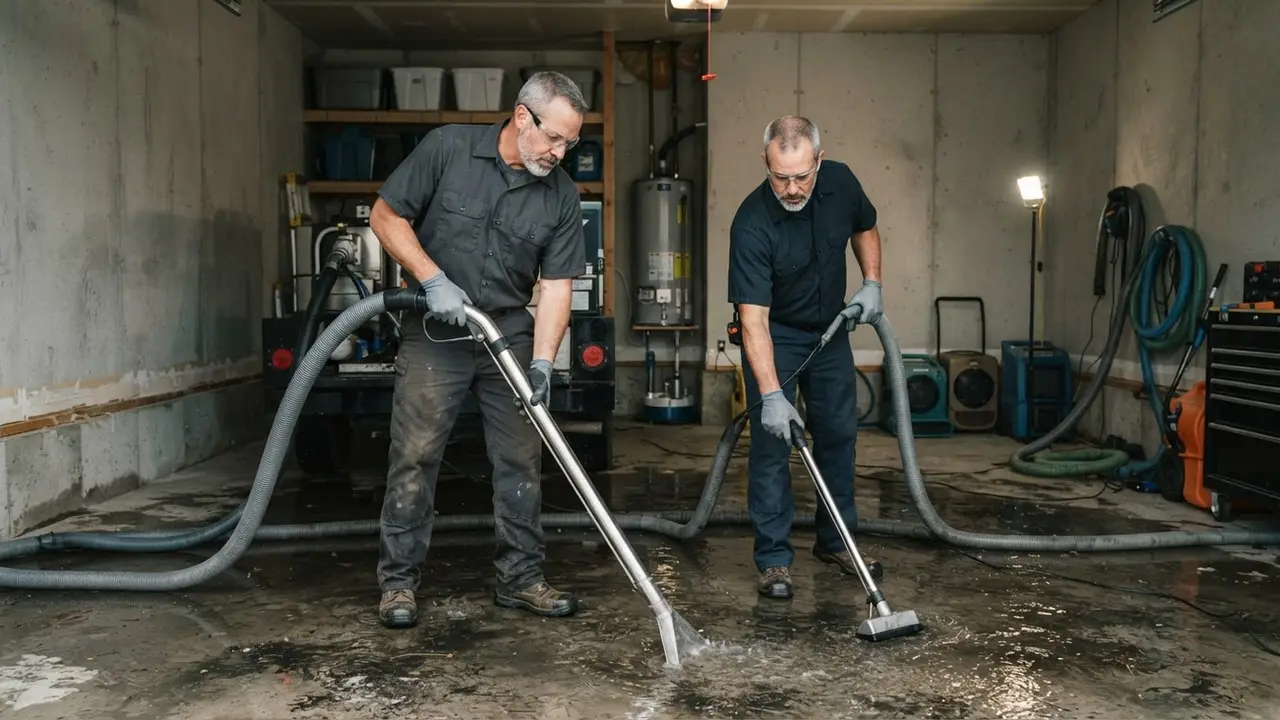
HEPA vacuuming collects fine debris from appropriate surfaces and helps control dust during cleanup of attic framing and the access route.
Negative Air Machine
When the work area calls for it, negative air equipment helps maintain controlled airflow within containment and reduce migration into occupied rooms.
Dri-Eaz Dehumidifier
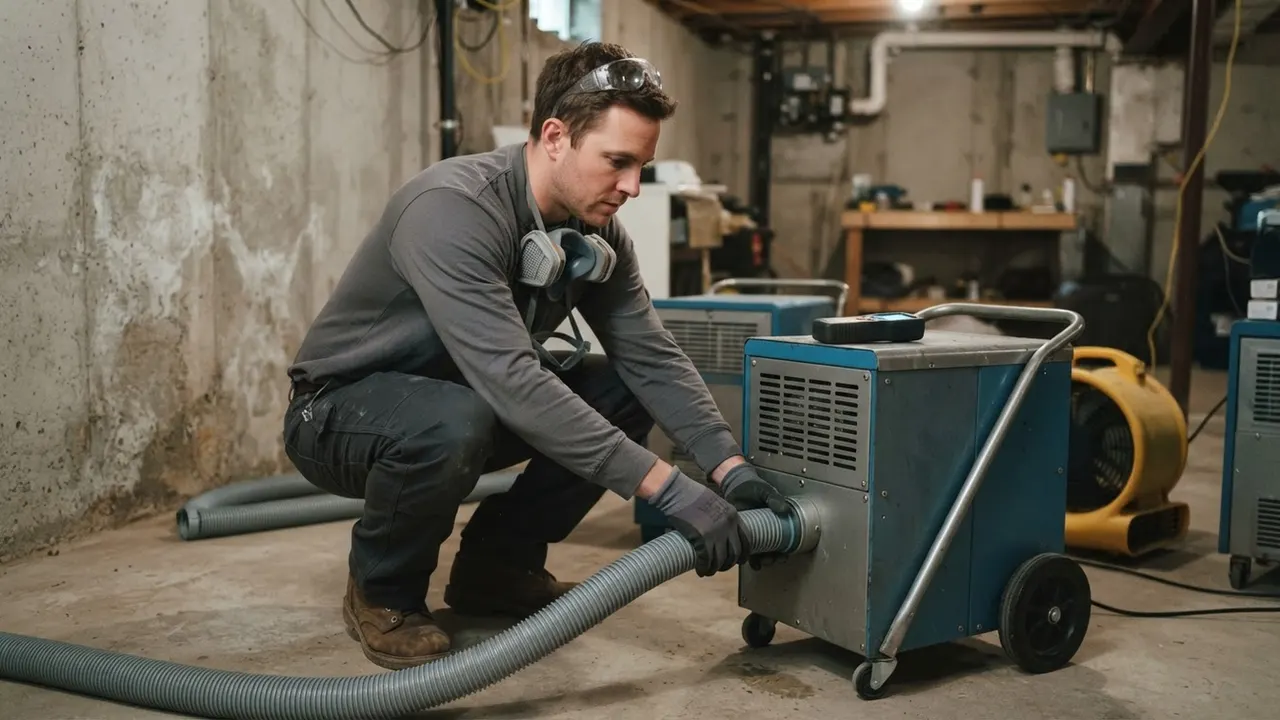
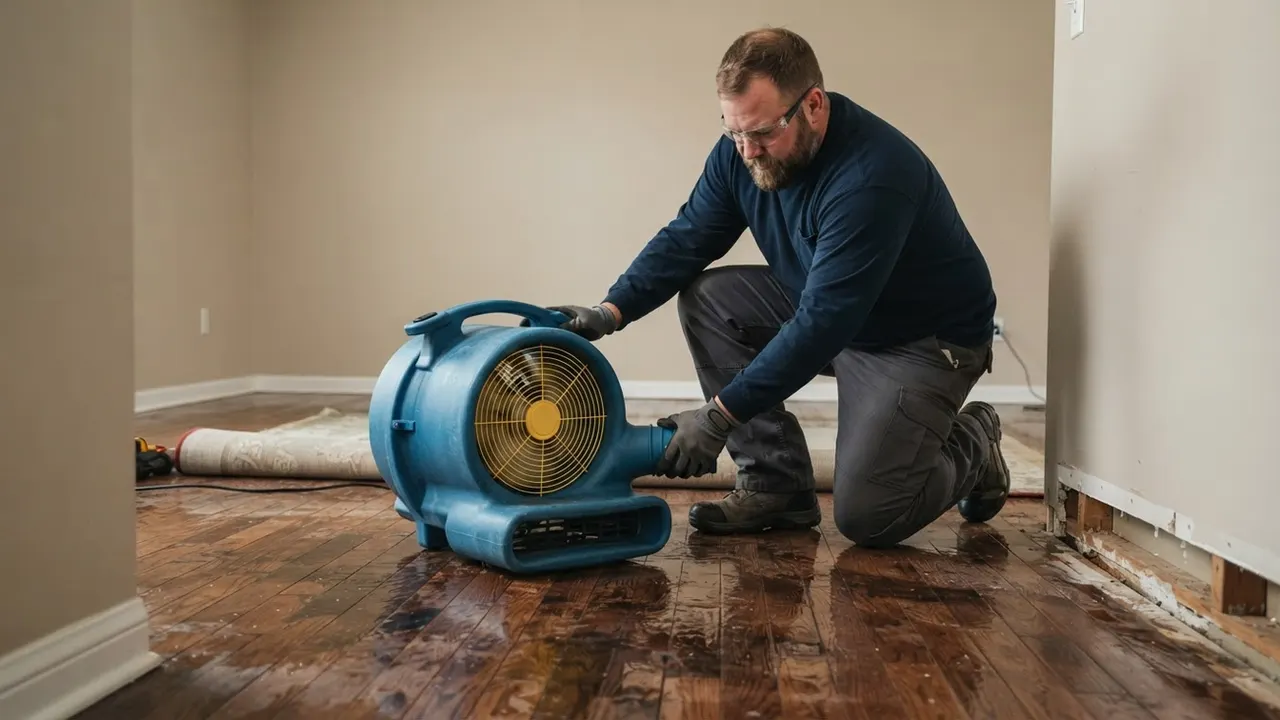
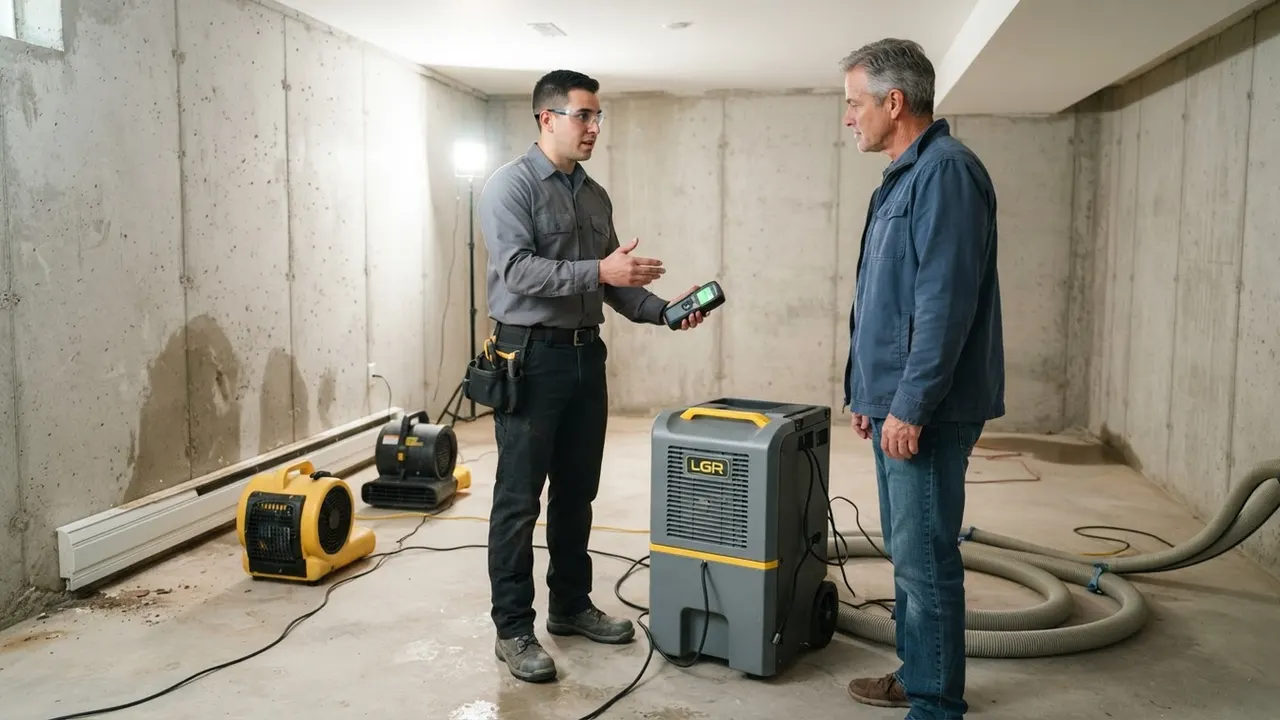
A dehumidifier supports drying after the moisture source is stopped; placement and run time follow readings and the conditions in the attic.
Thermal views are illustrative, generated from the photographs.
Methods
Air mover
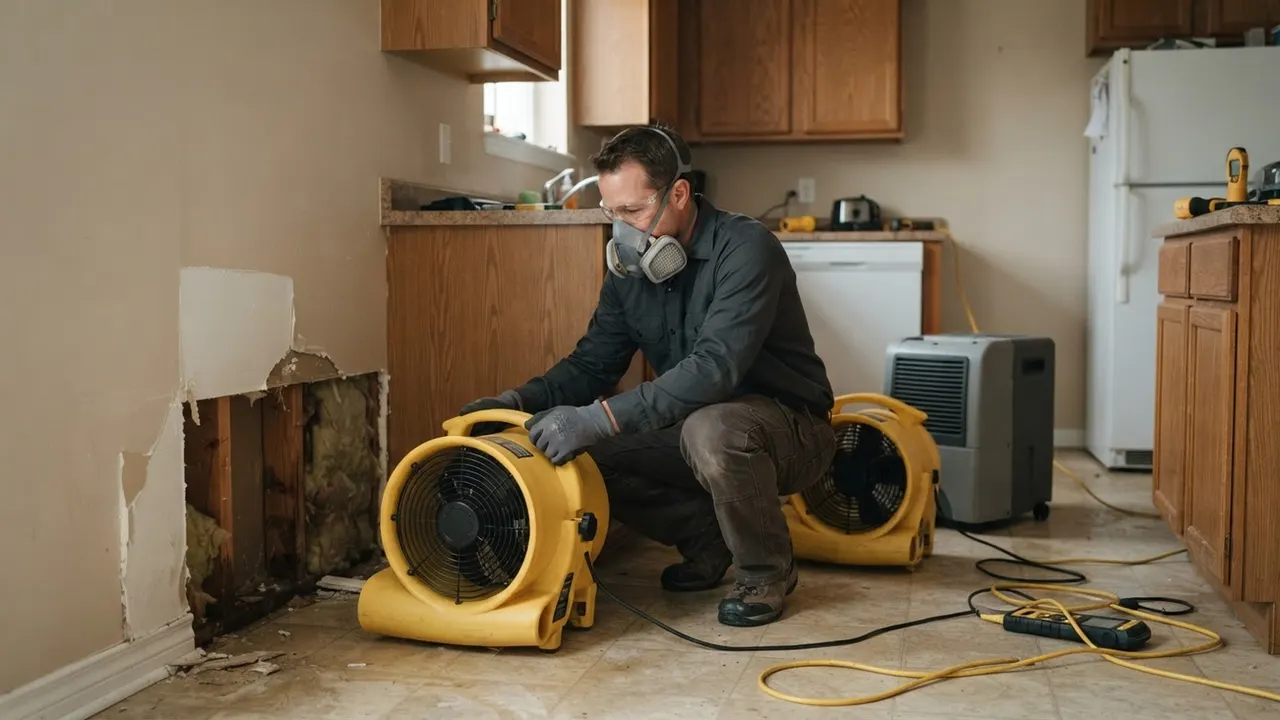
Air movers circulate air across exposed framing during drying, with placement adjusted to avoid spreading dust before containment and cleaning are complete.
Source-first moisture assessment
We trace roof entry, condensation, and indoor air movement before selecting cleanup methods. Readings and visual inspection guide the work area. This avoids treating a stain while an active leak or exhaust problem continues to wet the assembly.
Contained material removal
We isolate the affected attic area, protect the access route, and remove porous materials that cannot be cleaned effectively. Containment and HEPA collection help control debris. Salvageable framing is cleaned with methods suited to its condition and finish.
Measured structural drying
After stopping water entry, we use equipment and repeat moisture checks to track drying in exposed wood. We do not rely on surface appearance alone. The readings help determine when the area is ready for the next repair or insulation step.
Final visual and moisture review
At closeout, we review the cleaned area, available moisture readings, and photos with you. We point out any remaining roof, duct, or ventilation correction that affects the outcome. This gives you a practical record for coordinating follow-up work.
When to Call for Attic Help
Roof Leak
A homeowner near Mainstreet finds damp insulation after a wind-driven rainstorm and sees staining beside a roof penetration.
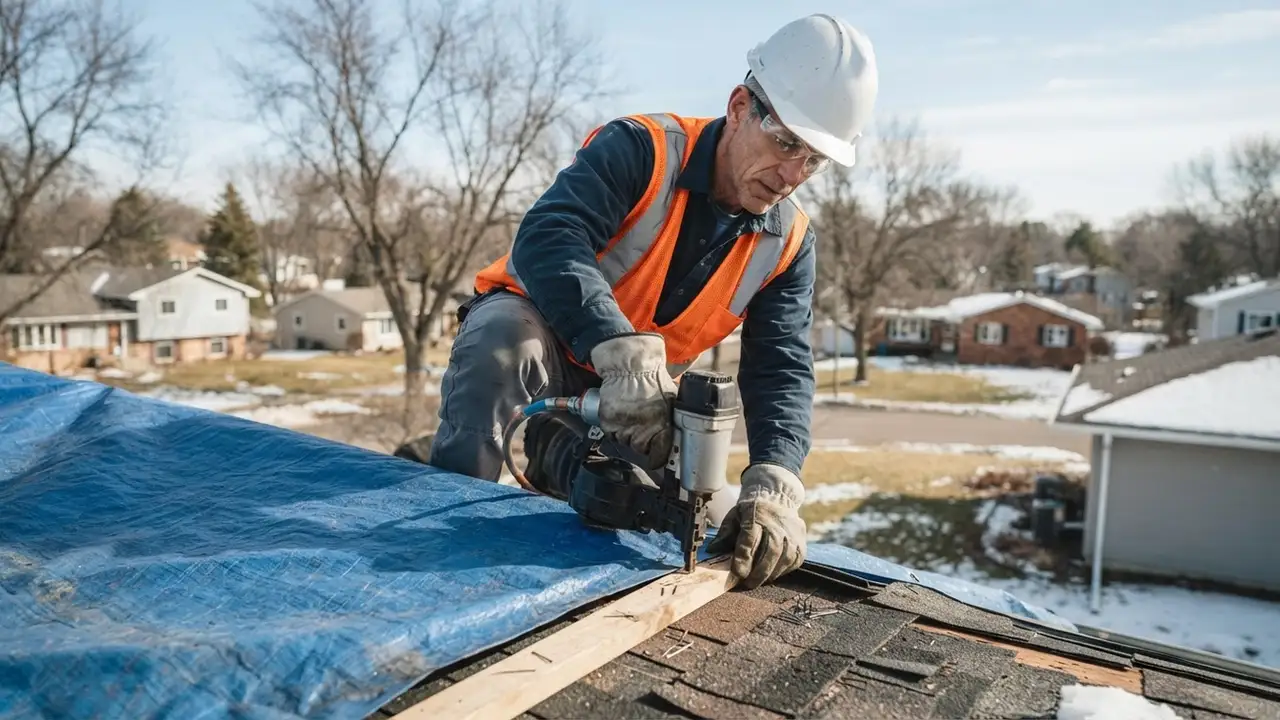
We inspect the entry point, sheathing, and insulation, then isolate the affected area. The crew removes material that is too wet to retain and supports drying after the roof leak is stopped. We document the affected zone so the homeowner can coordinate roof repair and insulation replacement in the right order.
Outcome: The leak source is addressed before new insulation goes in, and the owner knows which framing was cleaned and checked.
Exhaust Moisture
A Meadowbrook resident notices a persistent musty odor each winter, especially after the bathroom fan runs.
We examine exhaust routing, attic airflow, and roof sheathing for condensation patterns. If the duct terminates in the attic, we explain the needed correction and clean affected materials using containment and HEPA methods. Moisture readings help determine whether the wood needs additional drying.
Outcome: The homeowner gets a cleanup plan tied to the source of humid air, not a surface treatment alone.
Storm Damage
A property manager along Blake Road discovers mold-like growth during an attic inspection before a tenant turnover.
We assess the affected area, protect the access route, and separate cleanup from any roof or insulation work. Photos and moisture notes give the manager a record for coordinating repairs. We keep the sequence practical so remediation and maintenance can be scheduled without unnecessary work in unaffected rooms.
Outcome: The manager can plan repairs with a documented understanding of affected materials and remaining work.
Winter Staining
A homeowner in Westbrooke sees roof staining after a freeze-thaw cycle and a small ceiling mark below the attic.
We trace moisture from the ceiling mark into the attic, checking sheathing, nearby framing, and insulation. If water remains, we remove affected material and set up controlled drying after the roof entry is corrected. Our crew explains whether the ceiling also needs separate water-damage repair.
Outcome: The owner sees how the roof and ceiling conditions connect and can address both without hiding active moisture.
Downtown HopkinsBlake Road CorridorMeadowbrook
How Attic Work Runs in Hopkins
Attic mold remediation Hopkins MN requires attention to the area's cold winters, snow loads, and seasonal humidity shifts. During November and winter, roof leaks around flashing and penetrations can become more apparent after freeze-thaw cycles; in summer, humid air and poor exhaust routing can keep attic materials damp.
Many Hopkins homes have varied roof shapes, additions, and older ventilation layouts, so we inspect the actual assembly rather than assume every attic behaves alike. We check insulation, soffit paths, roof sheathing, and bath fan ducts, then set containment around the access point. If a roof leak is active, we prioritize stopping water entry before drying and cleanup.
For homeowners looking for same day attic mold removal Hopkins MN, we first determine whether immediate containment or water control is needed; safe remediation still depends on the conditions found. We serve addresses in 55343 and 55305 and coordinate the cleanup sequence with roof or insulation work when needed.
Downtown Hopkins: Older roof layouts and additions can create concealed transitions; we check valleys, penetrations, and changes in sheathing where leaks can travel.
Blake Road Corridor: Homes with different attic configurations need an on-site airflow check, especially around bathroom exhaust ducts and blocked ventilation paths.
Meadowbrook: After heavy rain or snowmelt, we inspect roof edges and sheathing for signs of repeated wetting before insulation is replaced.
The Highlands: Attic access and roof geometry can affect containment setup, equipment placement, and how we reach affected framing safely.
Freeze-thaw cycles expose roof flashing and penetration weaknesses: Water can enter around vents or roof transitions, then travel along sheathing before a ceiling mark appears. We trace the route and separate active leakage from old staining so repairs and cleanup address the same affected area.
Bathroom fans discharge warm moisture into cold attic air: Condensation can form on roof sheathing during cold weather and repeat over multiple seasons. We check duct termination and ventilation, then explain which source correction must happen before the attic is closed.
We inspect the attic, review visible concerns, and explain the moisture path.
We protect the access route and set up the work area.
We review cleanup findings, moisture notes, and remaining repair steps.
From Problem to Finished Result.
IllustrativeThe thermal view is generated from the photograph. It is not a measurement. Drag the handle, or use the arrow keys once it is focused.
Roof Leak Near a Vent
Before: A homeowner found a ceiling stain after repeated rain and a dark patch on nearby roof sheathing. Insulation beneath the vent felt damp, but the visible mark did not show how far moisture had traveled. The attic also had a musty smell, and the roof penetration had not yet been repaired.
After: The leak path was identified, affected insulation was removed, and the sheathing was cleaned after the roof entry was corrected. Moisture readings were checked at the work area and adjacent framing. Photos showed the cleaned section and the repair sequence before replacement insulation was arranged.
Check the roof penetration after major storms and look for new ceiling marks. Keep bathroom exhaust ducts connected and routed outdoors. If the musty odor returns, inspect moisture conditions before covering the area.
Condensation From Exhaust Air
Before: A fan duct ended in the attic, leaving a broad area of staining on cold roof boards. The insulation below had compressed in places, and the owner noticed odor during winter. No single roof leak explained the pattern, so the source required an airflow inspection.
After: The exhaust route was identified as the moisture source, affected insulation was removed, and suitable framing was HEPA-cleaned. The owner arranged a corrected duct termination before the cavity was closed. Follow-up readings documented drying in the exposed section rather than relying on color alone.
Confirm the exhaust duct remains connected after attic work and check for new staining each spring. Keep soffit openings clear and arrange a closer inspection if winter odor or condensation returns.
Storm-Damaged Attic Materials
Before: Wind-driven rain entered near a roof edge and wetted insulation above a hallway. The homeowner found a small ceiling mark but no clear view of the attic damage. Stored boxes near the hatch also needed protection while the wet materials were assessed.
After: The crew contained the access area, moved nearby contents out of the work path, and removed insulation that could not be retained. Framing was dried and checked after the roof source was corrected. The final walkthrough showed the affected zone and clarified which ceiling repairs remained.
After roof work, inspect the ceiling and attic for new staining, damp insulation, or odor. Keep stored items clear of the access hatch and avoid covering roof sheathing until the drying review is complete.
Problems Attic Mold Removal Can Solve
Attic growth often points to a building moisture problem, not just a dirty surface. We identify how water or humid air reached the materials, then remove contamination and support drying. If you are searching for attic mold removal in Hopkins MN near me, these are common conditions we assess.
Musty odorMusty odor rising from the attic into bedroomsThe odor can spread through ceiling openings and make living spaces uncomfortable. It may also signal damp insulation or a moisture source that remains active. We inspect the attic, locate damp materials, and check roof penetrations, exhaust ducts, and ventilation. After isolating the work area, we remove material that cannot be cleaned and HEPA-clean suitable surfaces. We then review the source and drying needs with you, so odor treatment does not substitute for correcting moisture.
Sheathing growthDark growth spreading across roof sheathingGrowth can extend beyond the first visible patch, especially where repeated condensation or a slow leak keeps wood damp. Covering the stain can conceal continuing moisture. We map the affected area and compare moisture readings across sheathing and framing. Containment limits dust while we remove or clean affected materials according to their condition. If a roof leak is present, we explain the repair sequence and verify drying before insulation or finishes cover the area.
Wet insulationWet insulation after a roof leak or ice-related entryWet insulation loses performance and can hold moisture against wood. Leaving it in place can delay drying and keep the attic vulnerable to recurring mold. We identify the leak path, remove insulation that is saturated or contaminated, and dry exposed framing. Once the roof source is corrected and moisture readings support replacement, you can arrange new insulation. Our roof leak attic mold removal Hopkins MN work addresses the cleanup sequence and flags the repair needed to stop rewetting.
Exhaust condensationBathroom exhaust air entering the atticWarm, humid air can condense on cold roof sheathing during winter. Repeated moisture can create widespread staining and growth even when the roof has no visible leak. We check the exhaust duct, roof assembly, and ventilation openings, then clean affected surfaces and remove damaged insulation as needed. You receive a clear explanation of the duct correction and airflow concerns. Fixing the discharge route is essential before closing the attic or installing replacement insulation.
Practical Results for Your Home
A dry, cleaned attic with the moisture source identified and next steps explained.
Moisture Source Identified
We inspect roof penetrations, flashing, bathroom exhaust routing, and attic airflow before cleaning. Finding the cause helps prevent a repeat problem after the visible mold is gone. For example, a roof leak can need repair before wet sheathing dries; adding antimicrobial spray alone will not solve continuing water entry.
Controlled Work Area
Containment separates the attic work zone from finished rooms below. We use plastic sheeting and HEPA vacuuming to manage debris, then clean the access route before wrapping up. This is especially useful when attic access opens into a hallway closet or a bedroom where dust can be disruptive.
Better Drying Decisions
We measure moisture in framing and sheathing rather than guessing from appearance. If readings remain elevated, an air mover and dehumidifier can support controlled drying after the leak is stopped. You receive practical guidance on whether insulation can be retained, cleaned, or should be removed and replaced.
Documented Next Steps
You get a straightforward account of affected areas, cleanup completed, and remaining repairs. Photos and moisture notes help you coordinate with a roofer or insurer if needed. When the project includes attic mold cleanup near me Hopkins searches, we make the local service details and work sequence clear from the first visit.
What You Receive
Clear records you can keep and share.
Photo Log
Images of affected areas and completed cleanup.
Moisture Notes
Recorded readings from inspected materials.
Work Summary
A concise account of cleanup tasks completed.
Next Steps
Notes on remaining roof, duct, or insulation work.
Mold Removal and Moisture Repair Differ
Cleanup removes affected materials and residue; stopping the water or humid-air source prevents the condition from returning.
Source Control
Correct the water or airflow condition reaching the attic.
Roof leak repair
Exhaust duct routing
Ventilation review
Mold Cleanup
Remove affected material and clean salvageable surfaces.
Containment setup
HEPA collection
Material assessment
Drying Review
Check moisture before insulation or finishes are restored.
Wood moisture readings
Equipment placement
Closeout documentation
Materials and Surfaces
Roof sheathing
Rafters
Insulation
Drywall
Plastic sheeting
Sealant
Vents
Attic hatch
Service ZIP Codes.
A list like this tells people straight away whether you cover their street. Not listed? Call and ask: it only takes a minute.
We noticed a musty smell after a stretch of rain and found dark areas near the roof vent. The crew checked the sheathing and insulation, contained the attic access, and showed us where the moisture was coming from. They removed the damaged insulation and explained the roof repair we needed before replacing it. The photos made the work easy to understand.
A bathroom fan had been exhausting into the attic for years, and the roof boards showed widespread staining. The team traced the issue, cleaned the affected framing, and helped us understand why the duct needed to terminate outside. They kept dust away from the hallway and left us with moisture notes and clear follow-up steps.
After a roof leak, we needed a clear plan for the attic above a rental unit. The crew inspected the area, separated damp insulation from material that could stay, and documented the cleanup. Their explanation helped us coordinate the roof repair and schedule insulation replacement without closing the unit longer than necessary.
Attic Mold Removal Questions
Typical 2026 pricing depends on affected square footage, attic access, insulation disposal, containment, and whether a roof leak needs correction. We inspect before pricing because surface area alone does not show how far moisture traveled. Your work plan should distinguish cleanup from roof or ventilation repairs.
Replace insulation when it is wet, matted, contaminated through its depth, or unable to dry in place. Dry, clean insulation outside the affected zone can often remain. We check its condition and the underlying sheathing before deciding, because replacing insulation before stopping a leak risks repeating the expense. If removal is needed, attic mold removal and insulation replacement Hopkins Minnesota should include correcting the moisture source and confirming the structure is dry before new material is installed.
Attic mold usually develops when moisture from a roof leak, condensation, or indoor air escape remains on wood or insulation. In Hopkins, snow and freeze-thaw conditions can reveal weak flashing, while bathroom fans venting into an attic add warm, damp air. Blocked soffit ventilation can slow drying. We look for the moisture pathway and check roof sheathing, penetrations, exhaust ducts, and insulation before choosing a cleanup method.
Choose a Hopkins contractor who investigates moisture, contains the work area, explains material-removal decisions, and verifies drying rather than simply spraying a surface. Ask how the crew manages dust and documents affected areas. Hopkins Water Damage Company handles attic mold cleanup near me Hopkins inquiries with an inspection of the attic conditions and a clear explanation of the next steps. Call (833) 546-4116 to discuss what you are seeing.
A musty smell, roof stain, or damp insulation deserves a moisture check before the next weather change. Our team will inspect the attic, explain the source, and outline the cleanup steps. Call Hopkins Water Damage Company at (833) 546-4116 to arrange service.
Call Hopkins Water Damage Company at (833) 546-4116 to describe a leak, fire, mold concern, or basement water problem. We connect you with independent companies serving Hopkins, Minnesota, including ZIP codes 55343 and 55305. Tell us the property type, affected area, and whether the source is still active so the provider can understand what help you need.