Crawl Space Mold Removal Hopkins MN for Dry, Clean Foundations
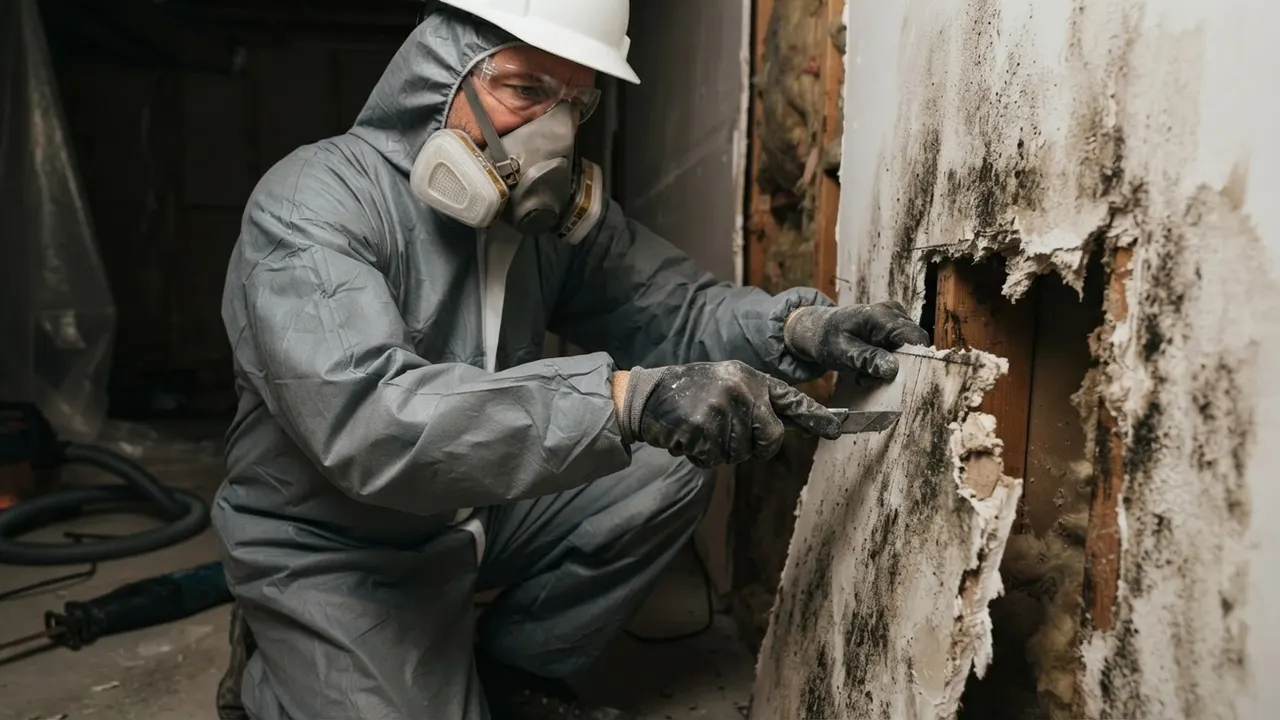
Crawl space mold removal Hopkins MN helps homeowners and property managers dealing with musty odors, damp insulation, or visible growth under the floor. We inspect the affected area, track down water entry or trapped humidity, contain the work zone, and remove contaminated material where needed. Our crawl space mold remediation Hopkins MN service focuses on the source as well as the visible damage, which matters as Minnesota heads into freezing weather.
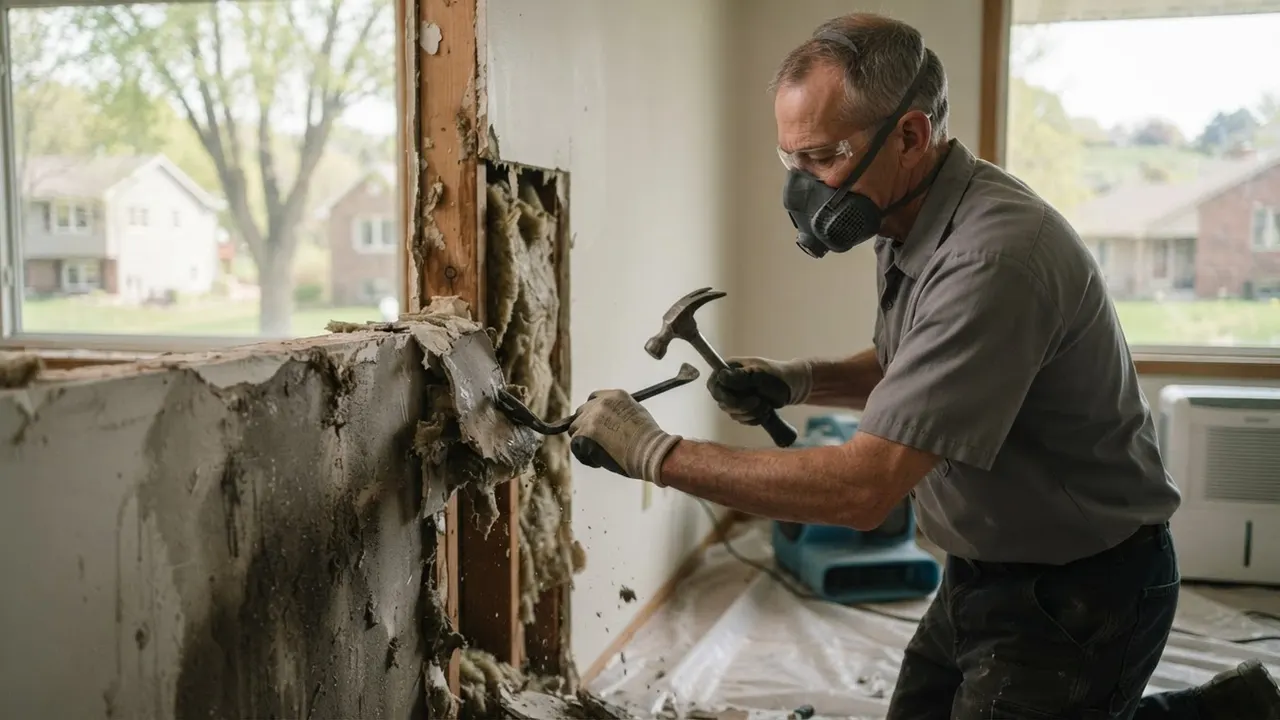
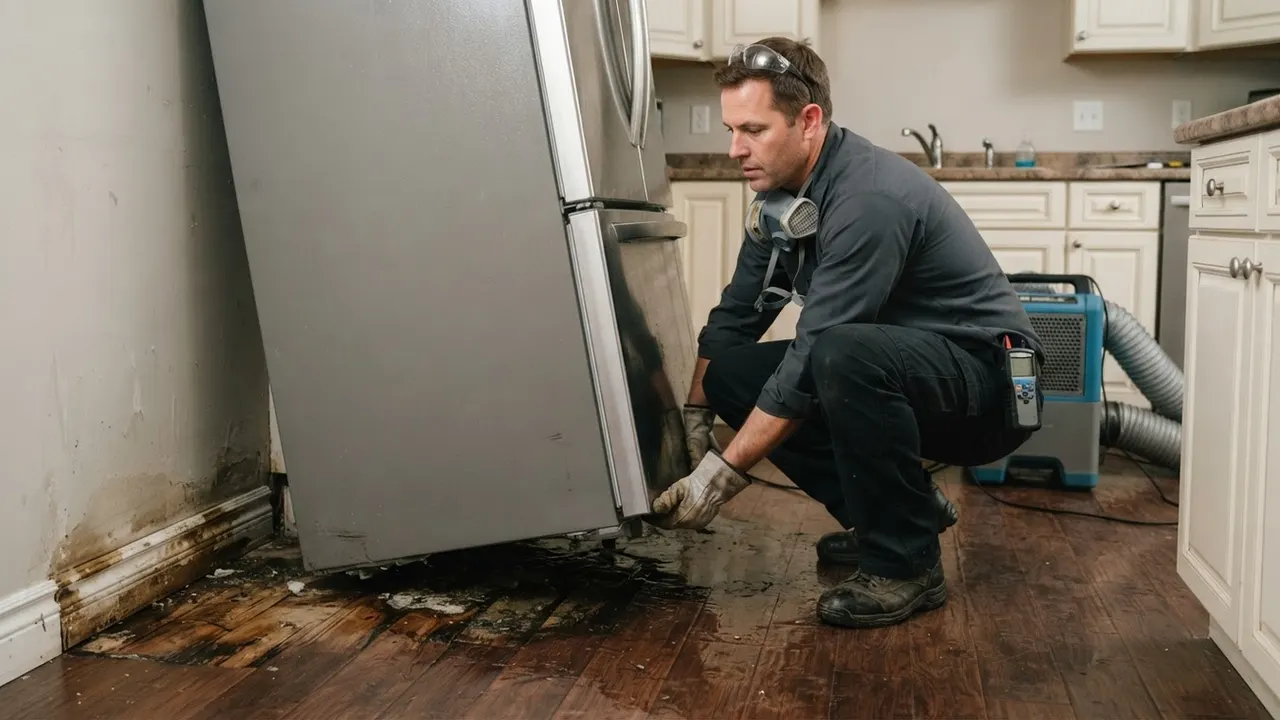
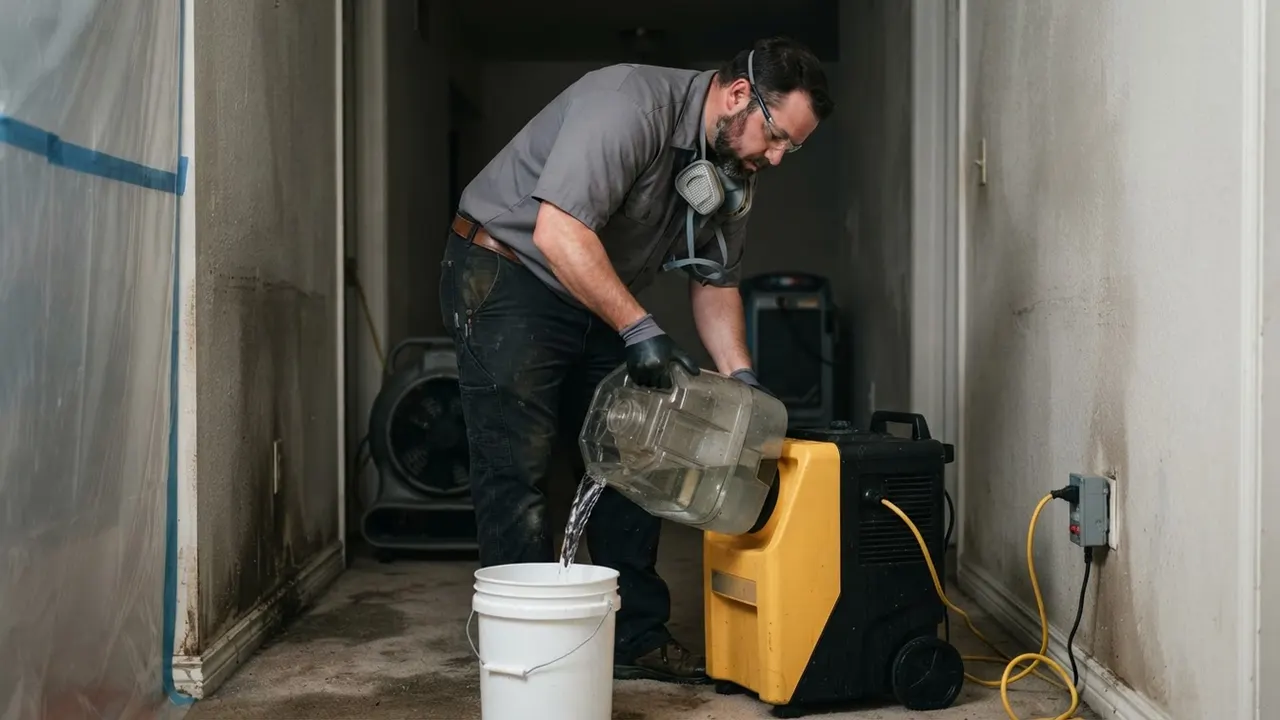
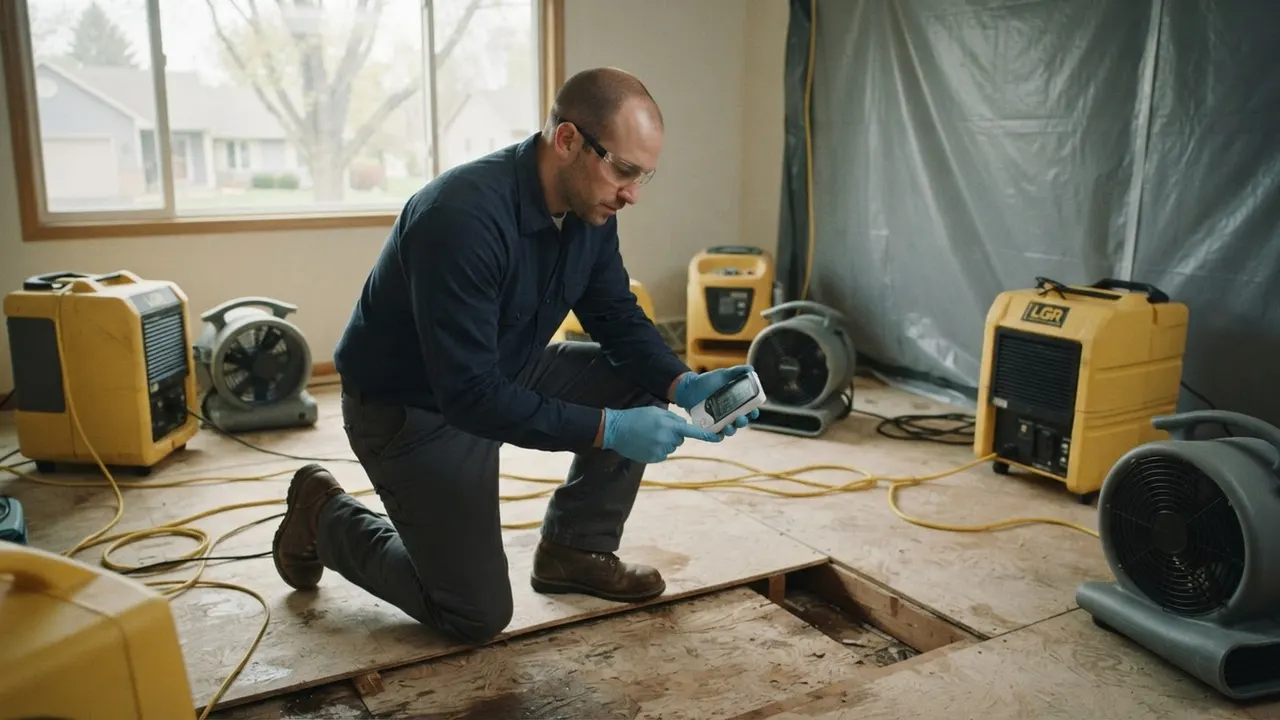
Photos recordedWe document affected and cleaned areas
Readings comparedWe check moisture before and after
Access protectedWe cover the route to the work area
Materials sortedWe separate removable and cleanable items
What's Included in Crawl Space Mold Removal
Our service covers inspection of visible mold and moisture conditions, containment appropriate to the work area, removal of unsalvageable contaminated material, cleaning of suitable surfaces, and drying checks. We document findings and explain related repairs, such as plumbing work, drainage correction, or crawl-space encapsulation. Structural replacement and major waterproofing are separate repairs when inspection shows they are needed; we identify those needs clearly rather than treating them as mold cleanup.
Moisture Assessment
We inspect the crawl space for visible growth, wet framing, plumbing leaks, standing water, and insulation damage. Moisture readings help locate damp materials and establish a reference for drying. We also note conditions around the access, vapor barrier, and drainage that can affect recurrence.
Work Area Containment
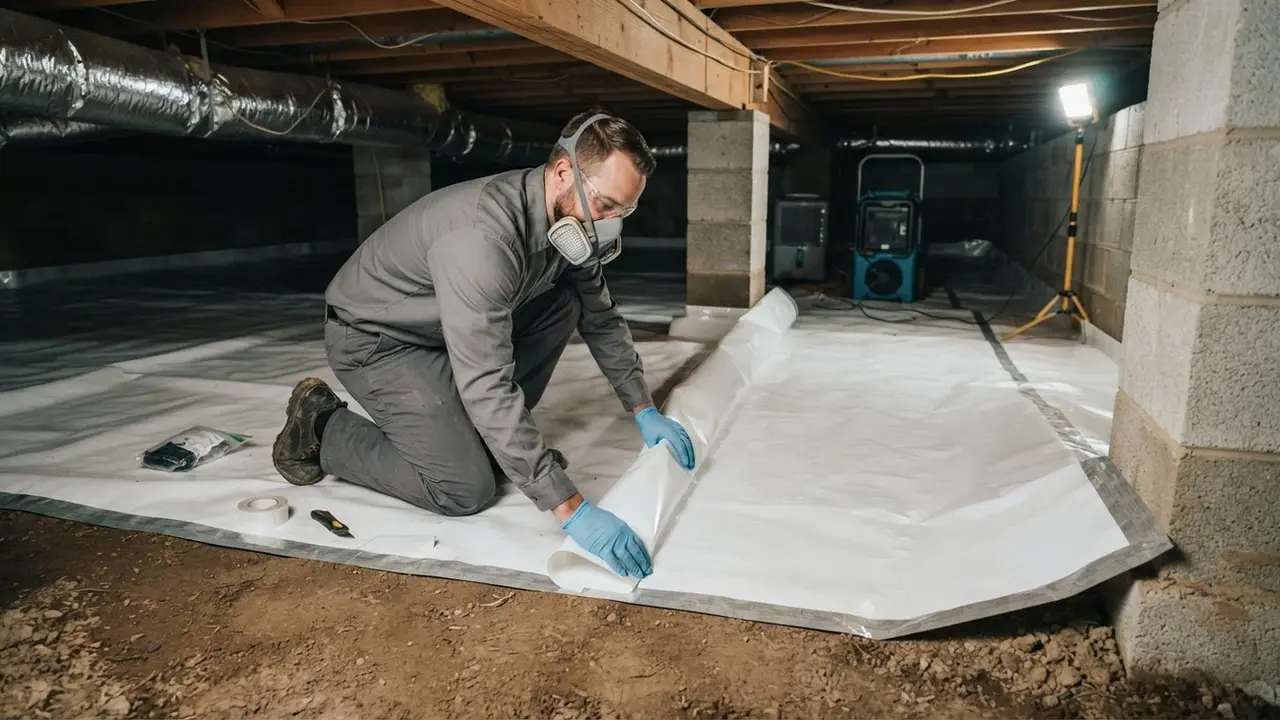
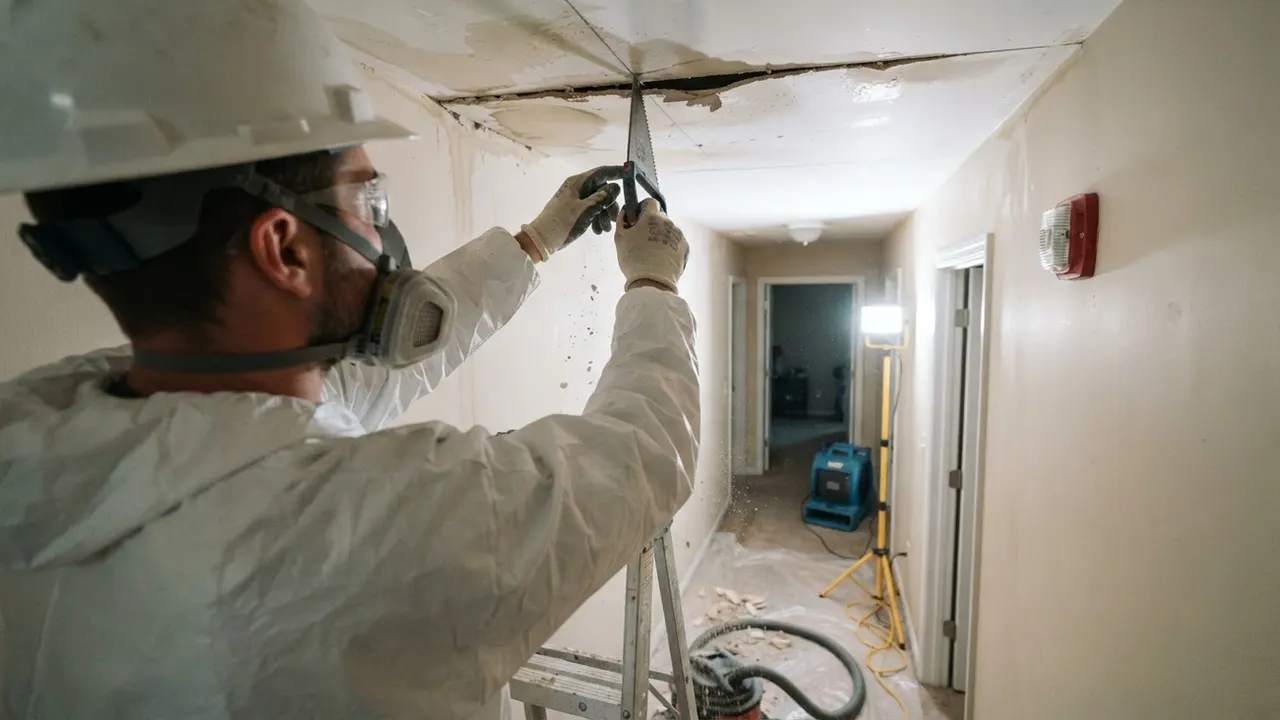
We protect the route into the crawl space and isolate the active work zone with barriers suited to the layout. A negative air machine or air scrubber may be used when conditions call for managed airflow. This limits dust spread while materials are removed and surfaces are cleaned.
Affected Material Removal
Porous insulation or debris that cannot be cleaned is removed and handled in a controlled way. We inspect exposed wood before deciding whether it can be cleaned or requires repair. Removal focuses on confirmed affected material, not wholesale demolition without a reason.
Surface Cleaning
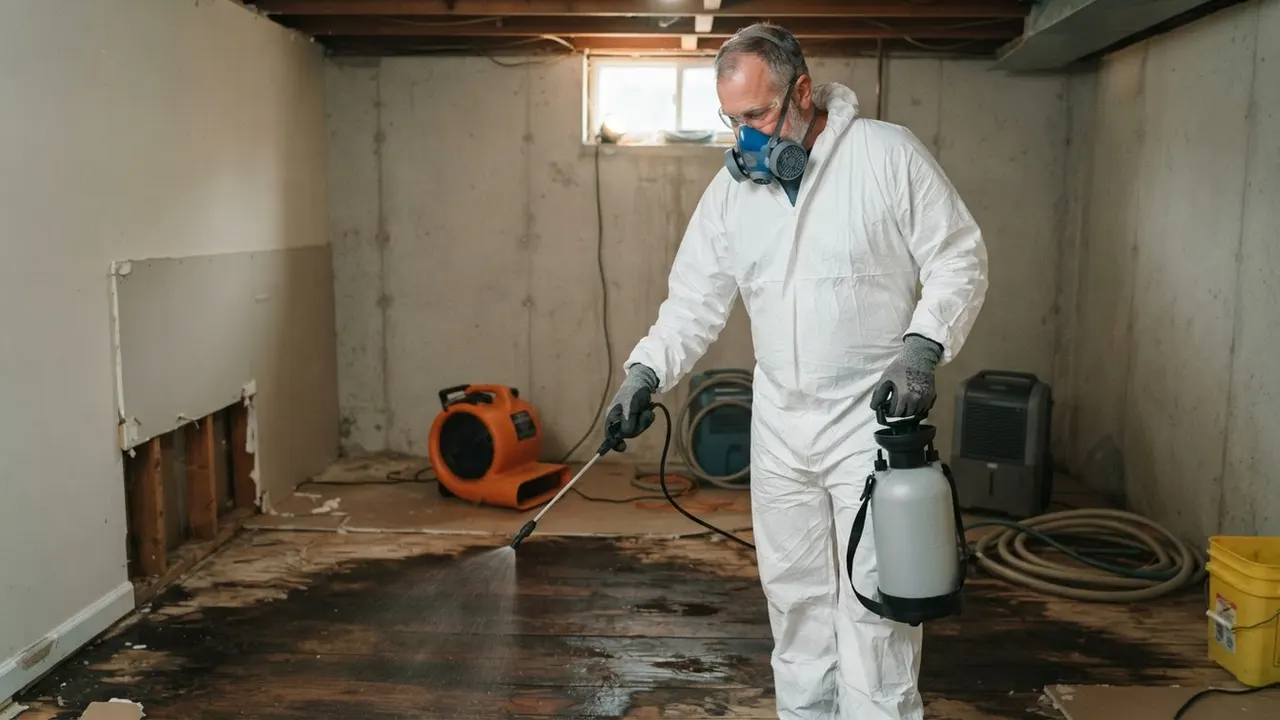
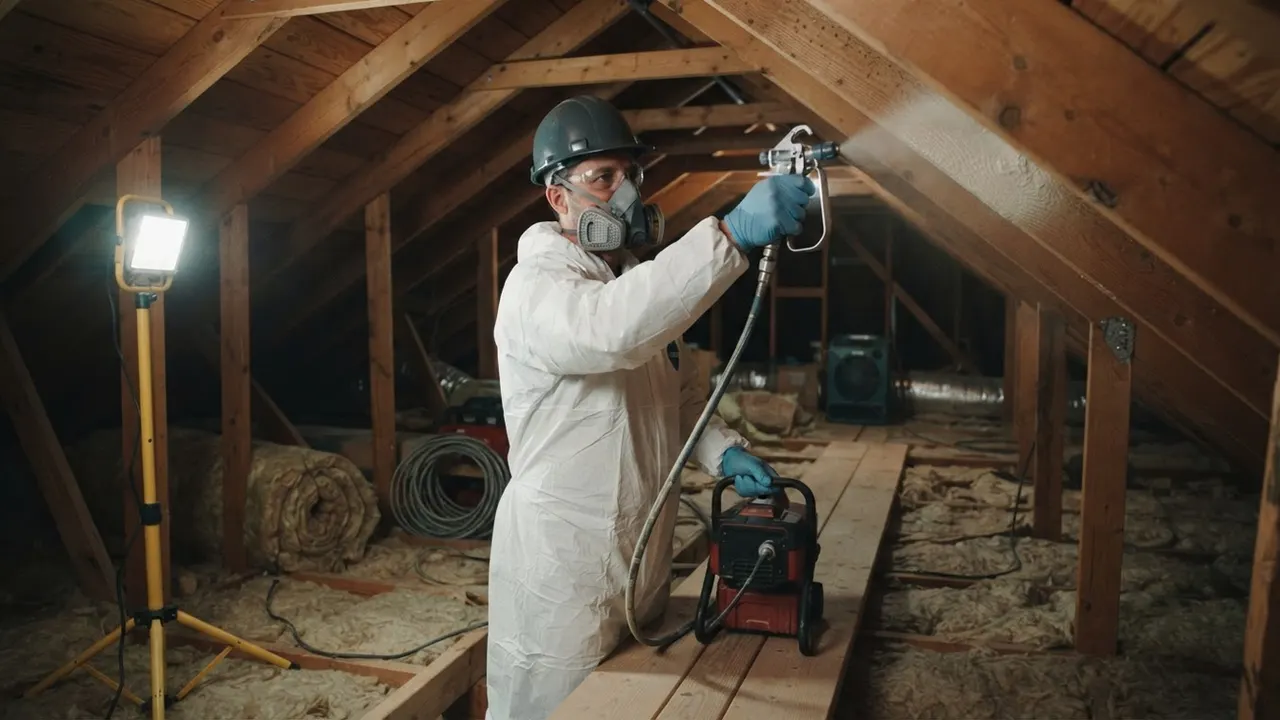
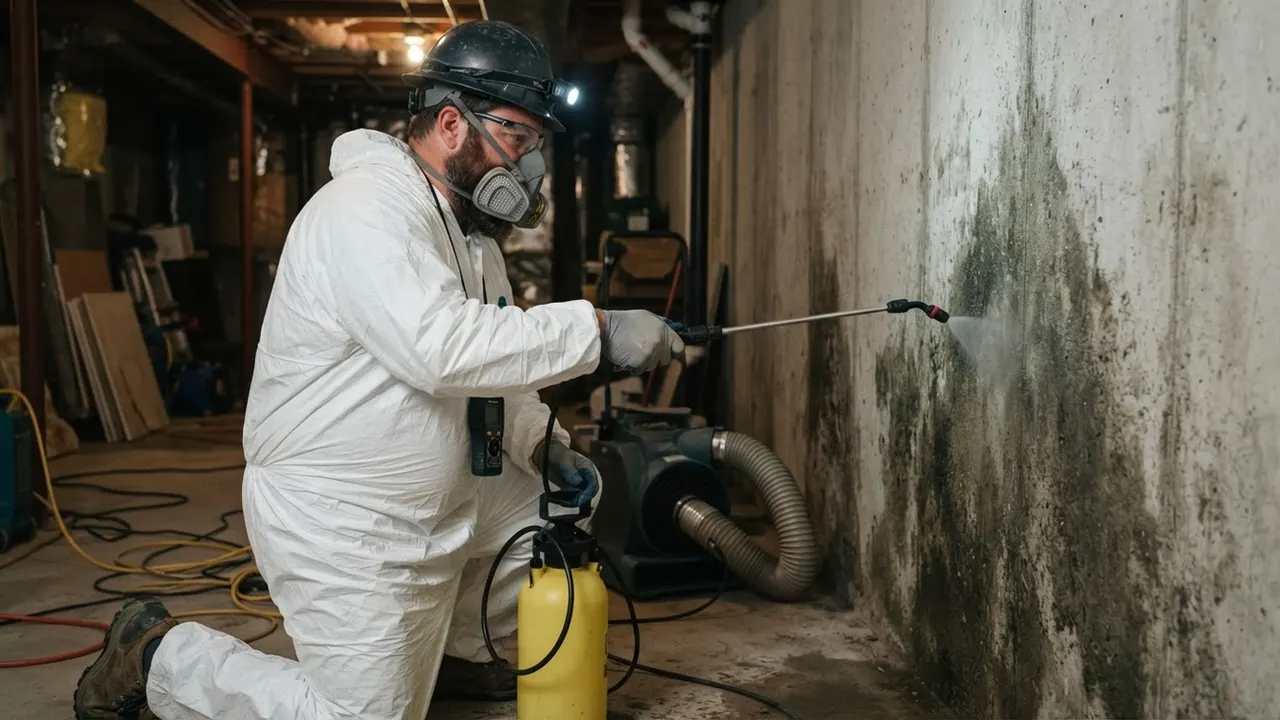
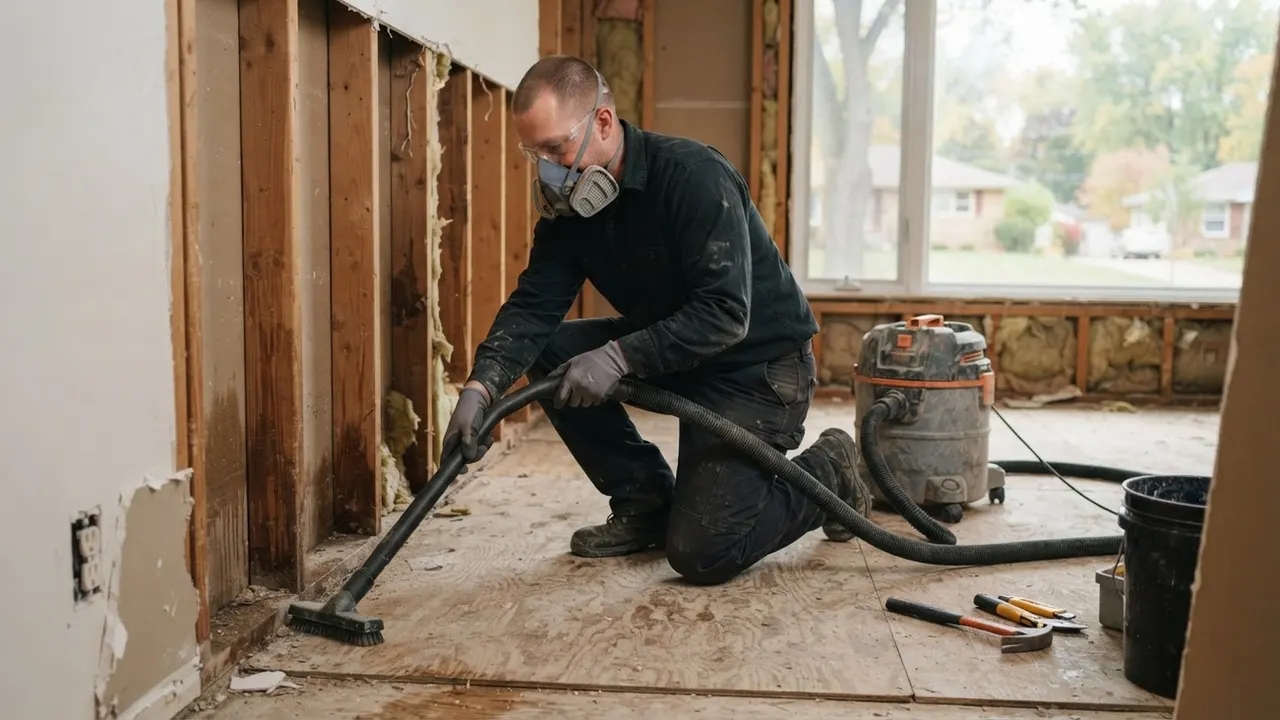
Suitable framing and other nonporous surfaces are cleaned with methods selected for the material. HEPA vacuuming captures settled particles, and an appropriate antimicrobial product may be used as part of the cleaning plan. Fogging alone is not a substitute for removing contaminated material.
Drying and Follow-Up
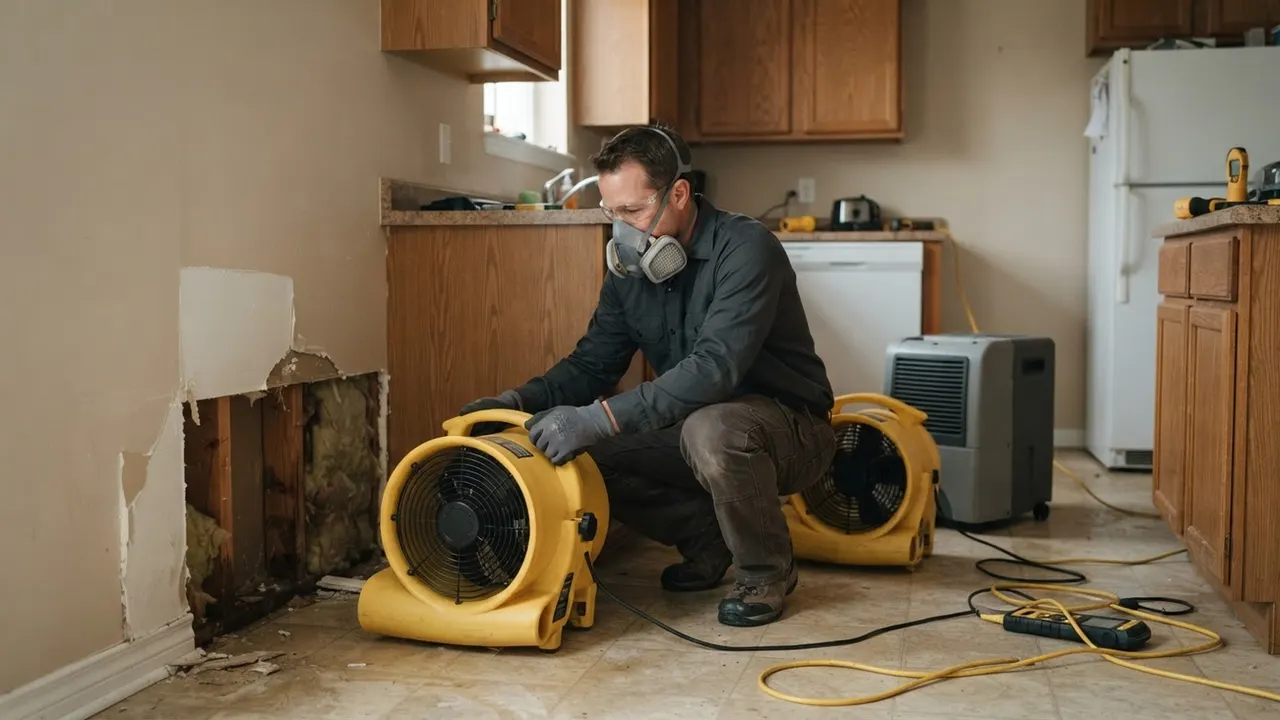
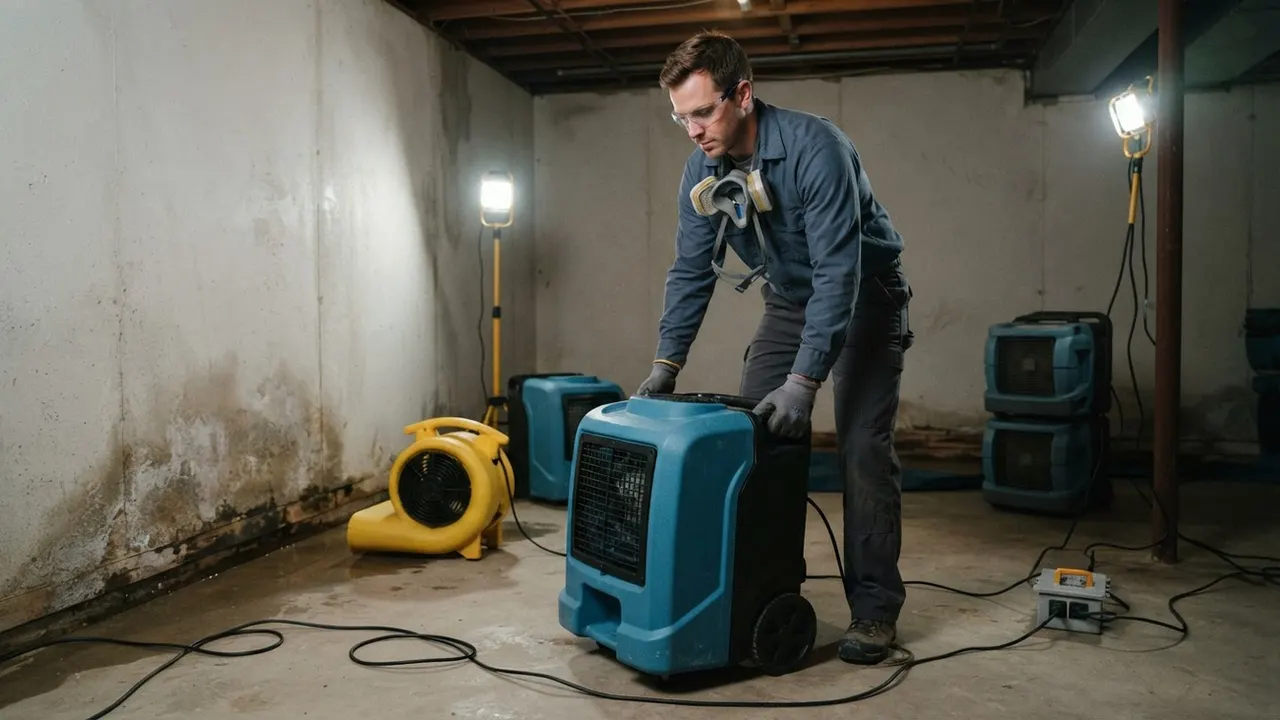
Air movers and a dehumidifier support drying after water is removed and the moisture source is addressed. We take follow-up readings and show you the cleaned areas. If the crawl space needs encapsulation or drainage work, we explain how that work follows remediation.
Homes and Businesses.
The approach is the same for a home and a business. What changes is the access, the schedule and who needs the paperwork.
Homes and Rentals
We inspect the crawl space beneath your home, identify wet or damaged materials, and explain the cleanup sequence. You can discuss access and household routines with our crew.
Musty odor near floor registers
Wet insulation after a plumbing leak
Visible growth on subfloor framing
Managed Properties
We coordinate crawl-space access with owners and property managers, document affected areas, and explain the work sequence. Our notes help organize maintenance and tenant communication.
Recurring odor in rental units
Sump-pump water beneath a building
Inspection before tenant turnover
Crawl Space Mold Removal Hopkins MN
A plain-language look at what Crawl Space Mold Removal involves and when it is needed.
Crawl space mold removal Hopkins MN is a mold remediation service that removes visible fungal growth and contaminated material after identifying the moisture conditions that support it. We inspect framing, subfloor, insulation, vapor barriers, and plumbing lines, then set containment to limit dust movement into occupied rooms. A Moisture meter helps map damp materials, while a thermal imaging camera can flag temperature patterns that deserve closer inspection. Cleaning methods depend on the substrate: porous insulation often needs removal, while sound framing can be HEPA-vacuumed, cleaned, and treated.
In Hopkins and Hennepin County, snowmelt, summer humidity, a slab leak, or a frozen pipe burst can leave a low crawl space wet for days. Older homes with restricted access and exposed soil need careful inspection before anyone disturbs material. If you are searching for how to remove mold from crawl space in Hopkins MN, the practical first step is finding whether water is still entering. We document the source, explain what can be cleaned, and separate moisture correction from any structural repair.
What it is
Removal or cleaning of affected crawl-space materials, paired with moisture-source assessment.
When needed
Visible growth, musty odor, damp insulation, or water intrusion below the home.
What to expect
Inspection, containment, material cleanup, drying checks, and documented next steps.
What to Expect During Cleanup
Crawl space mold removal Hopkins MN follows a clear sequence: inspect, isolate, remove, clean, then verify. We keep you informed about what we find and what each phase addresses. A small, accessible area may take one workday; extensive contamination or wet framing can require additional drying and follow-up.
Inspect and Map
We begin by checking access, visible growth, odors, plumbing, soil, insulation, and the underside of the floor. A Moisture meter helps identify damp surfaces, while an infrared thermometer and thermal imaging camera can guide targeted checks. You will hear what we found before cleanup starts, including whether the water source appears active and which materials need closer evaluation.
Inspect
Measure
Explain
Isolate the Area
Our technicians protect the access route and set plastic sheeting around the work zone. We place equipment without blocking required access, and we explain how you can use nearby rooms while the crawl space is isolated.
Protect
Isolate
Prepare
Remove Contamination
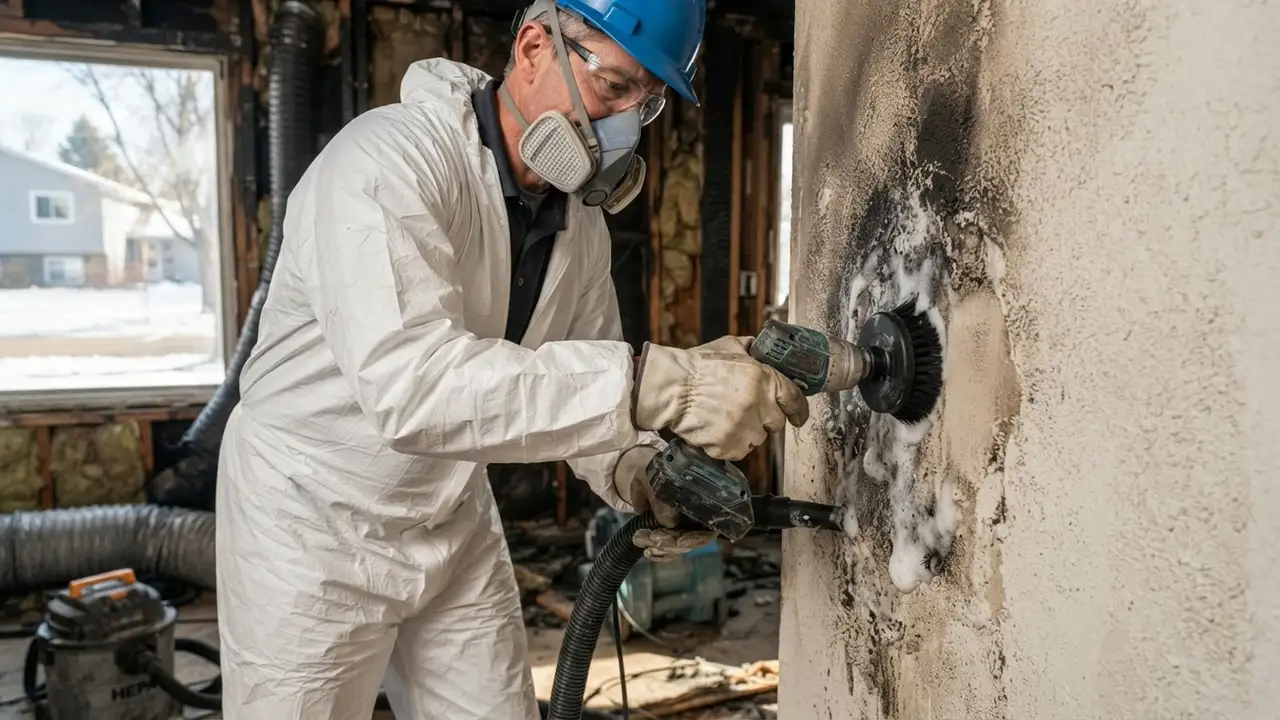
We remove unsalvageable insulation and debris, then clean accessible framing and other suitable surfaces. A HEPA vacuum captures settled particles; an approved antimicrobial spray is used only where appropriate for the material and work plan. This step addresses the affected surfaces rather than masking odor with fragrance or fog alone.
Remove
Clean
Contain
Dry and Correct
Air movers and a dehumidifier support drying after cleanup, with placement based on space and airflow. If a plumbing leak or standing water is present, the source must be corrected and water extracted before drying can finish. We track readings during the process; the drying period often spans 24 to 72 hours, depending on moisture and temperature.
Dry
Monitor
Correct
Review the Results
We revisit the cleaned area, compare moisture readings, and take photographs of completed work. You receive a clear summary of removed material, remaining concerns, and maintenance actions such as keeping downspouts clear or monitoring a sump pump. If encapsulation is appropriate, we explain how it follows moisture correction rather than replacing mold cleanup.
Review
Document
Plan
Equipment and Work Methods
Move across a circle, or focus it and press Enter, for an illustrative thermal view of the photograph.
Moisture Meter
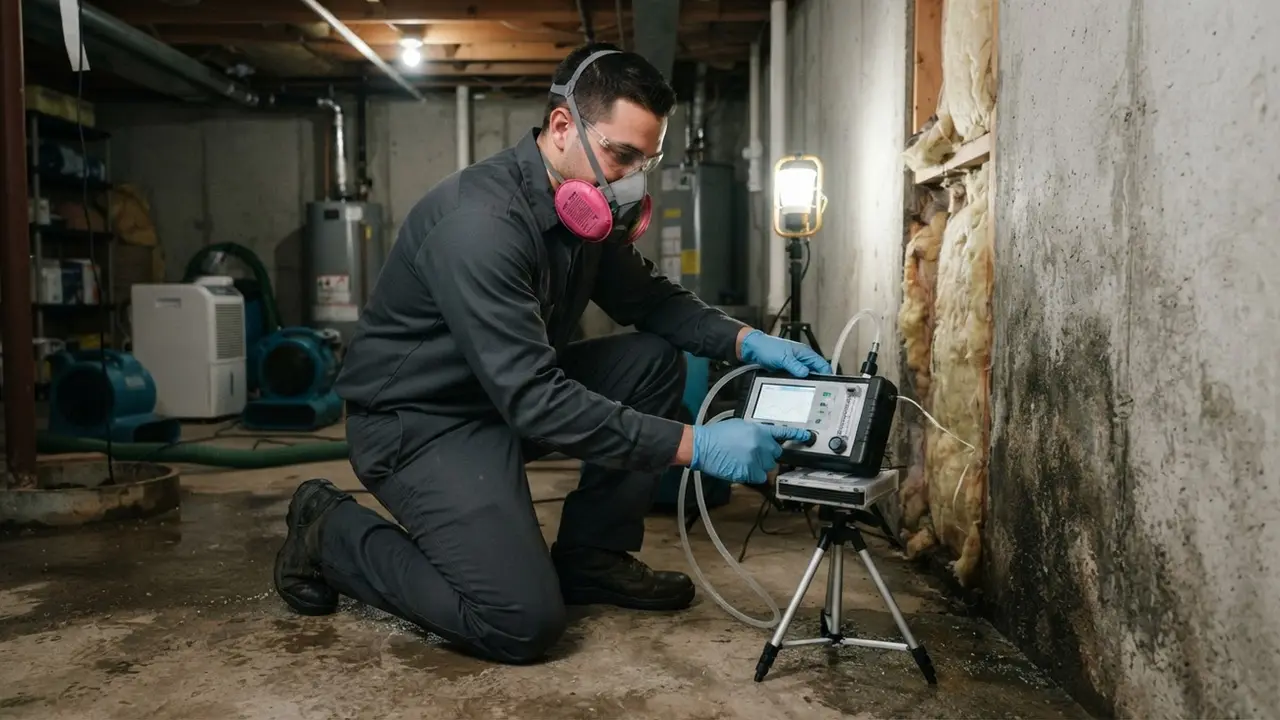
We use readings to map damp wood and compare conditions before and after drying. The meter helps target work but does not identify mold species.
Thermal Imaging Camera
Thermal patterns can point us toward areas needing closer inspection. We verify suspected moisture with direct checks rather than treating an image as proof.
HEPA Vacuum
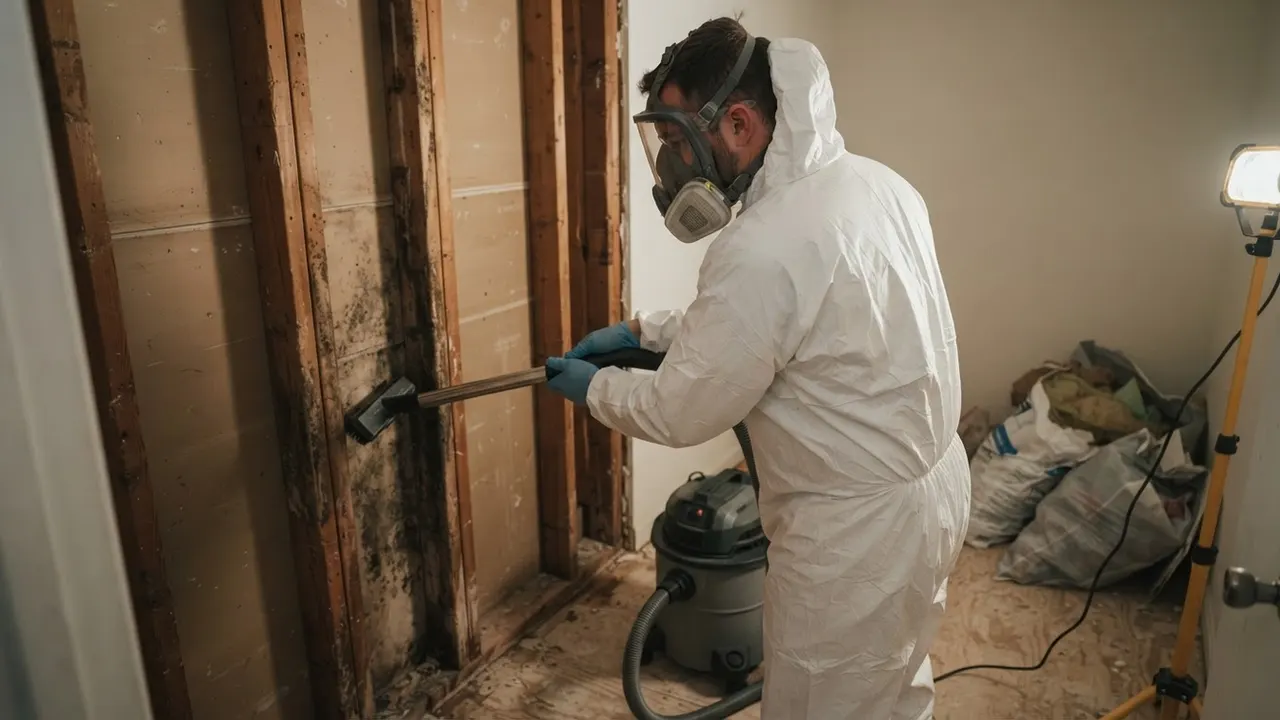
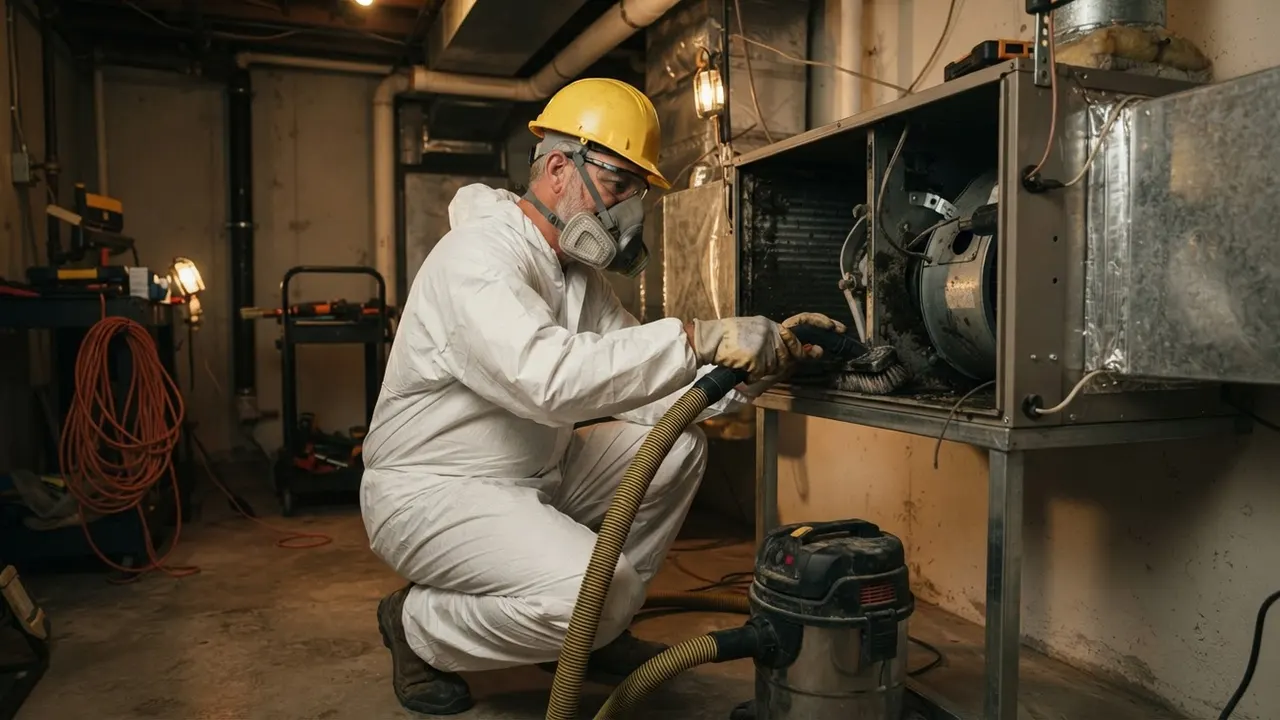
A HEPA vacuum captures settled particles during cleanup of suitable surfaces. We pair it with material-specific cleaning and controlled handling of debris.
Negative Air Machine
When the work area needs managed airflow, this equipment helps direct air through filtration and away from occupied portions of the home.
Dehumidifier
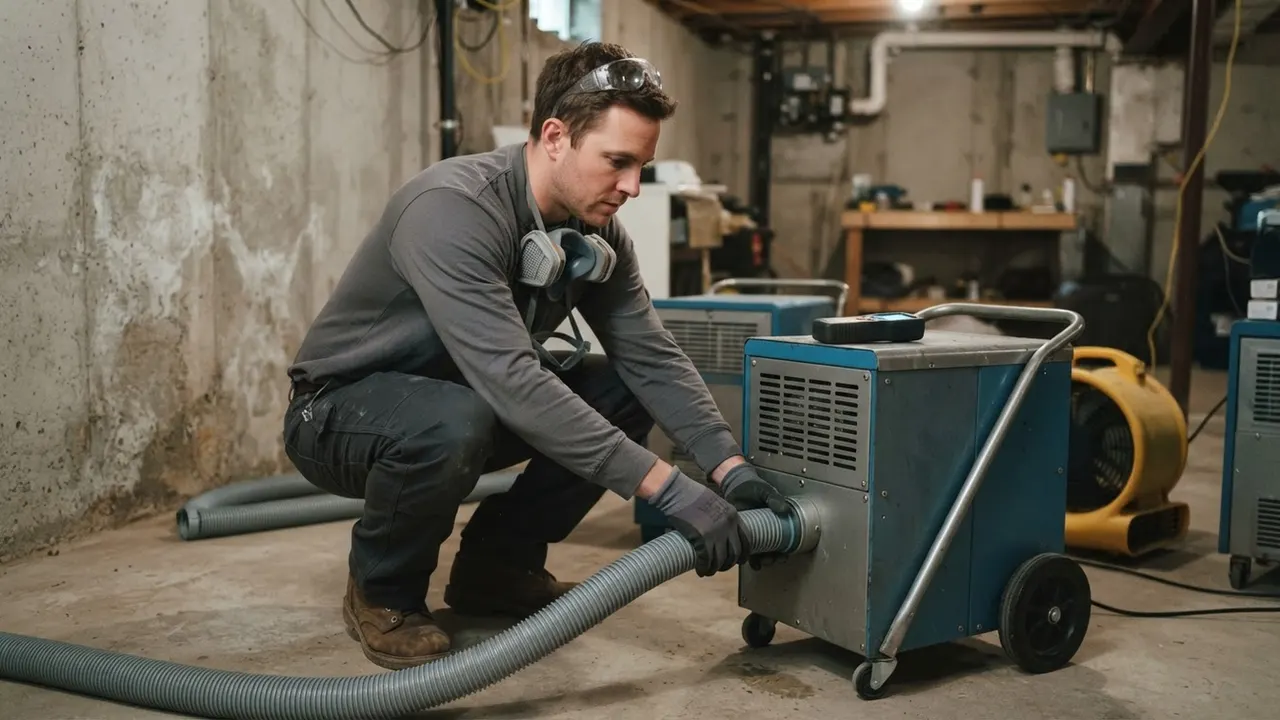
A dehumidifier removes moisture from air during structural drying. We position and monitor it according to crawl-space access and measured conditions.
Thermal views are illustrative, generated from the photographs.
Methods
Containment and controlled removal
We isolate the work zone with plastic sheeting where the layout allows, protect the access route, and bag removed insulation or debris. This reduces material movement into occupied rooms. The boundary and airflow plan are adjusted for the crawl-space opening and the amount of affected material.
HEPA cleaning and surface treatment
We remove loose debris and clean appropriate surfaces using HEPA vacuuming and methods matched to the material. Antimicrobial spray may be used when it fits the work plan, but it does not replace physical removal or moisture correction. We avoid sealing over active dampness.
Measured structural drying
After water extraction and cleanup, we use air movers and dehumidification to dry affected framing. Readings help determine whether materials are progressing toward dry conditions; equipment is not left in place by guesswork. Drying time varies with temperature, airflow, and how deeply water entered the wood.
Source-first remediation
We connect visible growth to its moisture source before selecting a final treatment. A pipe leak, drainage failure, or humid air requires a different correction than a one-time spill. Removing growth without correcting ongoing water entry leaves the underlying condition in place.
When to Call for Crawl Space Cleanup
Spring Moisture
A Hopkins homeowner finds a musty smell after spring snowmelt and damp soil near the crawl-space entry.
We inspect the ground, vapor barrier, foundation edges, and framing for signs of water entry. If mold is present, we contain the work zone, remove damaged material, and clean suitable surfaces. We also discuss drainage and downspout conditions that may be feeding moisture into the space.
Outcome: You know which materials need cleanup and whether water is still entering. That makes the next step-drying, drainage correction, or encapsulation-specific to the cause.
Pipe Leak
A frozen pipe bursts overnight, soaking insulation beneath a home near Blake Road.
After the plumbing source is controlled, we remove standing water and assess wet insulation, joists, and subfloor. We set drying equipment based on access and readings, then inspect for growth if dampness persisted. Cleanup is sequenced so mold work does not begin over active water.
Outcome: The wet area is documented, unsalvageable insulation is removed, and drying progress is tracked. You receive a clearer plan for repairs and replacement materials.
Pump Failure
A property manager notices recurring odor in a Meadowbrook rental after a sump pump stops working.
We check the affected area for water marks, damp framing, and growth, then document the condition for the property file. Our crew removes contaminated debris, cleans suitable surfaces, and supports drying. We explain how sump-pump service and drainage correction relate to the remediation.
Outcome: The manager gets a record of cleaned areas and remaining maintenance needs. Residents have a defined route toward resolving the odor rather than repeated temporary treatments.
Pre-Move Inspection
A Hopkins buyer sees stained insulation and asks for an inspection before moving stored items into the crawl space.
We inspect visible staining, moisture, access, and the surrounding structure, distinguishing old discoloration from conditions that need removal. We can also discuss whether the space is suitable for storage after repairs.
Outcome: You can make an informed decision about cleanup and storage. The inspection identifies immediate moisture concerns before belongings are placed in the space.
Downtown HopkinsBlake Road CorridorMeadowbrook
How Crawl Space Work Runs in Hopkins
Crawl space mold remediation Hopkins MN has to account for both cold-season pipe failures and warm-season humidity. In November, we pay close attention to exposed plumbing, damp insulation, and areas likely to freeze as temperatures drop. During spring thaw, groundwater and roof runoff can reveal drainage problems that stayed hidden through winter.
Many Hopkins homes have compact or low-clearance spaces, so access, safe movement, and equipment placement shape the work plan. We inspect around the entry, check framing and plumbing, and protect the path through the home before bringing in tools. For crawl space mold removal near me Hopkins Minnesota, share whether the issue followed a leak, storm, or persistent odor; that history helps focus the inspection.
We also consider nearby sump-pump operation, downspouts, and grading. Our service area includes Hennepin County locations and ZIP codes 55343 and 55305, with visits coordinated for occupied homes and rental properties. Cleanup addresses existing growth; drainage correction and encapsulation are planned as separate moisture-control steps when needed.
Downtown Hopkins: Older properties and tight access openings can limit equipment movement. We assess clearance before setting containment or bringing drying equipment into the crawl space.
Blake Road Corridor: Homes with plumbing routed below the floor need a careful leak check after a burst or slow drip. We trace wet framing before removing insulation.
Meadowbrook: Recurring dampness can follow drainage or sump-pump issues. We inspect the ground and nearby water pathways alongside visible mold conditions.
Shady Oak: Tree cover and seasonal leaf buildup can affect surface drainage around a home. We look for water-entry clues without assuming the cause from location alone.
Freezing temperatures increase the risk of exposed crawl-space pipe failures: A frozen pipe can release water into insulation and framing before the leak becomes visible indoors. We prioritize stopping the water source, extracting standing water, and drying materials before completing mold cleanup.
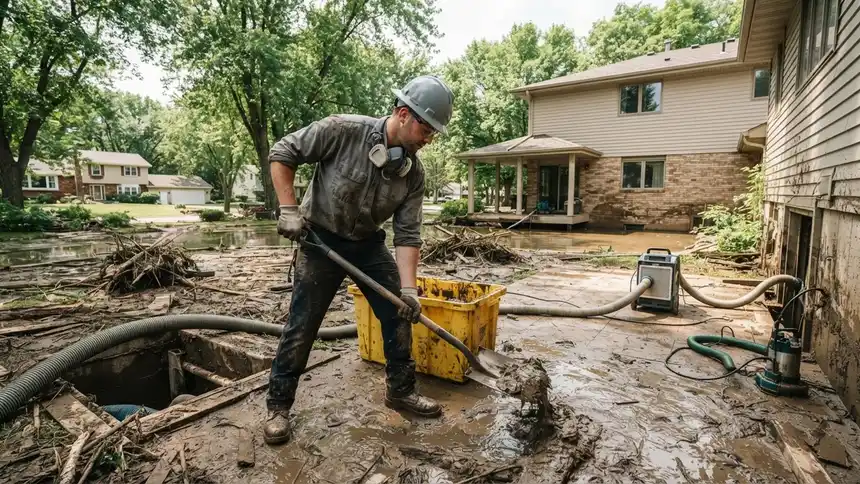
Spring snowmelt can expose drainage weaknesses near foundations: Water may enter through low points or collect against the foundation as snow melts. We inspect the crawl-space perimeter and vapor barrier, then explain whether drainage correction is needed to keep cleanup from being repeated.
We inspect the access, visible materials, moisture signs, and nearby plumbing.
We protect the route and set containment suited to the work area.
We review photographs, readings, cleanup, and practical next steps.
From Problem to Finished Result.
IllustrativeThe thermal view is generated from the photograph. It is not a measurement. Drag the handle, or use the arrow keys once it is focused.
Damp Insulation After a Leak
Before: A slow plumbing leak left insulation wet beneath the kitchen floor, with a musty smell spreading into the home. Dark growth was visible on nearby framing, and the crawl-space entry offered limited clearance. The owner had stopped the leak but did not know whether the wood could be cleaned or how far moisture had traveled.
After: We removed the affected insulation, cleaned salvageable framing, and used drying equipment while tracking readings. The work area was documented with photographs, and readings were checked again after 48 hours. The odor eased as the wet material was removed and the space dried; the owner received notes on replacing insulation after moisture correction.
Check the repaired plumbing connection during routine home maintenance and look for new drips after heavy use. Keep the crawl-space entry clear so future inspections can reach the line and framing without disturbing stored belongings.
Snowmelt Moisture Near the Entry
Before: After spring thaw, the homeowner found damp soil and a musty odor near the crawl-space hatch. The vapor barrier had shifted, and insulation along one edge felt wet. No active pipe leak was visible, so the concern centered on water entry and whether the framing had started to support mold growth.
After: We inspected the perimeter, removed wet insulation that could not be restored, and cleaned the affected framing. A dehumidifier supported drying for three days, with follow-up moisture checks. The inspection identified drainage conditions for the owner to address, separating source correction from completed mold cleanup.
Keep downspouts clear and direct runoff away from the foundation. Check the vapor barrier after seasonal work or plumbing access, and watch for damp soil or odor after the next thaw.
Sump Pump Interruption
Before: A failed sump pump allowed water to collect in a low crawl-space area beneath a rental home. The property manager noticed a persistent odor and found scattered debris near the water line. The extent of damp insulation and surface growth was unclear until the area could be inspected safely.
After: We extracted standing water, removed contaminated debris and unsalvageable insulation, then cleaned accessible framing. Air movers and a dehumidifier ran for 72 hours, with readings recorded during follow-up. The manager received photos and a maintenance note about pump operation and water entry points.
Test the sump pump according to its manufacturer instructions and keep the discharge path clear. After heavy rain, check the crawl-space access for new odor or visible water, then report changes promptly.
Problems Crawl Space Cleanup Addresses
Crawl space mold removal in Hopkins MN near me searches often start with odor, visible growth, or damp flooring. We connect those symptoms to the conditions below your home, then clean affected materials and address moisture pathways. The right response depends on whether water is active, trapped, or left behind by an earlier leak.
Musty odorMusty odor rising through floors into occupied roomsOdor can signal damp insulation, mold growth, or stagnant water below the living area. Ignoring the source leaves the material wet and makes the smell return after surface treatment. We inspect framing, insulation, soil, and nearby plumbing to locate the odor source. Then we remove unsalvageable material, clean surfaces that can be retained, and dry the space. If the smell comes from a drain or sewage backup, we identify that condition so the correct cleanup method is used.
Visible growthVisible growth on joists, subfloor, or insulationGrowth can spread across damp porous materials and conceal deterioration. Covering it with paint or sealant leaves the moisture condition unresolved and may hide the extent of damage. We set containment, assess the affected surfaces, and remove insulation or debris that cannot be cleaned. Suitable framing is HEPA-vacuumed and cleaned with a material-appropriate method. Afterward, we check moisture and explain whether drying, repair, or encapsulation is the next task.
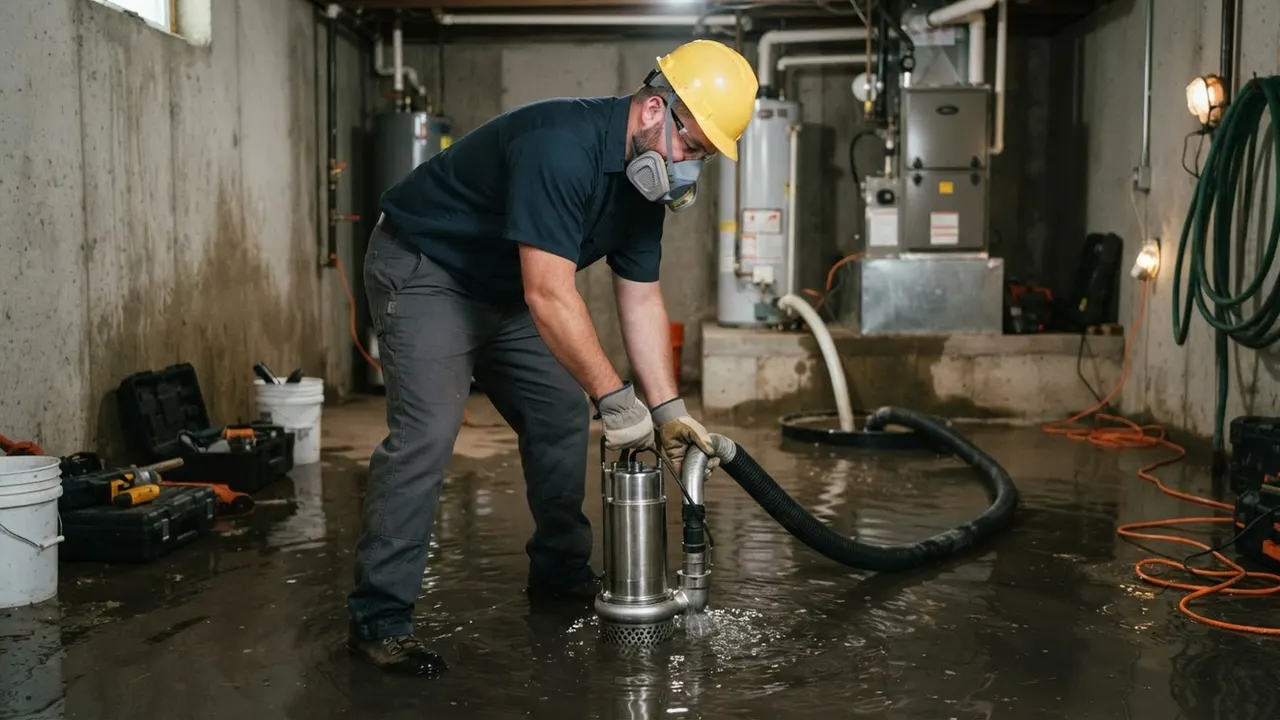
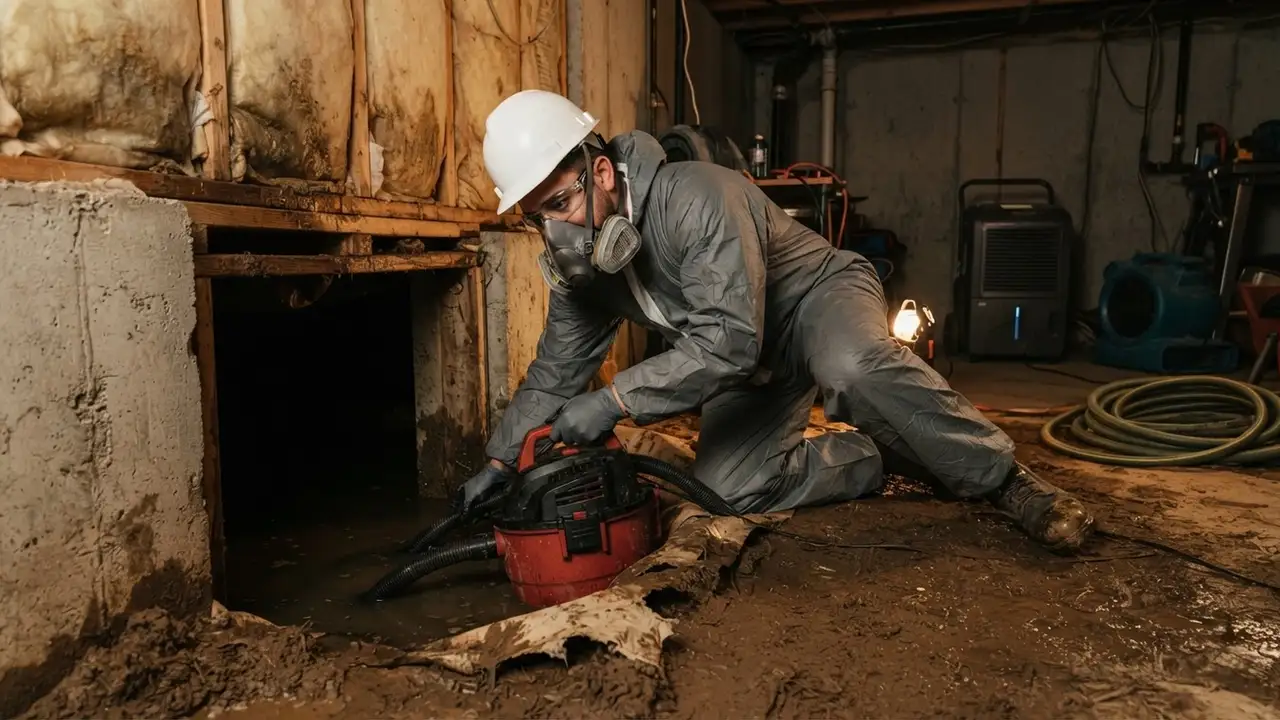
Standing waterStanding water after a leak or heavy rainWater trapped under a home can wet insulation and framing, creating conditions for mold growth and material damage. A recurring puddle often points to an unresolved plumbing or drainage source. We extract accessible water, inspect the source, and dry affected materials before completing mold cleanup. A wet/dry vacuum supports small accessible accumulations, while larger water events need appropriate extraction equipment. We also check the sump pump and nearby drainage where those systems are present.
Wet insulationCold, damp insulation after a winter pipe failureA frozen pipe burst can soak insulation and framing in a concealed area. If wet material remains through a temperature change, odor and mold conditions can develop even after the pipe is repaired. We assess the extent of water travel, remove insulation that cannot be restored, and dry exposed framing with monitored equipment. Once the moisture readings improve, we clean affected surfaces and document the results. We can coordinate the cleanup sequence with pipe repair and any needed insulation replacement.
Cleaner, Drier Crawl Spaces
Remove affected materials, address moisture, and understand what comes next.
Moisture Source Identified
We look for plumbing leaks, roof drainage problems, groundwater entry, and humid air before cleaning begins. Identifying the cause keeps you from paying to treat the same surface twice. During inspection, we record damp readings and trace conditions across joists and subfloor, then discuss practical next steps such as drainage correction or a dehumidifier.
Contained Work Area
Plastic sheeting and controlled access help separate the crawl space from your home while affected materials are handled. A HEPA vacuum captures fine debris during surface cleaning, and an air scrubber can support particulate control when the layout calls for it. You get a cleaner transition between the work zone and your living space.
Damaged Material Removed
Wet or mold-damaged insulation can hold moisture against framing and obstruct a useful inspection. We remove material that cannot be cleaned, bag debris for controlled disposal, and clean salvageable surfaces using a method suited to the material. This approach avoids covering active damage with sealant or fresh insulation.
A Measurable Next Step
At completion, we compare moisture readings with the initial inspection and record cleaned areas in photographs. If your crawl space needs a sump pump, drainage work, or encapsulation, we explain the reason and sequence. That gives you a practical maintenance plan instead of a vague recommendation to keep an eye on it.
What You Receive
Clear records you can keep and share.
Photo Log
Images of inspected and cleaned areas
Reading Notes
Moisture observations from the work
Work Summary
Materials removed and surfaces cleaned
Next Steps
Maintenance and repair items discussed
Cleanup and Moisture Control Differ
Mold removal handles existing contamination; moisture control addresses the conditions that let it return.
Surface Cleanup
Removes or cleans affected materials.
Containment and debris handling
HEPA cleaning where suitable
Material-specific treatment
Drying Work
Reduces retained moisture after a leak.
Water extraction first
Airflow and dehumidification
Readings guide progress
Source Correction
Addresses why the crawl space became wet.
Plumbing or sump issue
Drainage or groundwater
Encapsulation when appropriate
Materials and Surfaces
Framing
Subfloor
Insulation
Vapor barrier
Plastic sheeting
Concrete
Sealant
Soil
Service ZIP Codes.
A list like this tells people straight away whether you cover their street. Not listed? Call and ask: it only takes a minute.
We noticed a strong musty smell near the floor and found damp insulation at the crawl-space hatch. The crew showed us the wet area, removed the damaged insulation, and explained where water was getting in. They left photos and readings, which made the next repair steps clear. The odor eased after the area was cleaned and dried.
After a pipe leak, we were worried the damp framing would turn into a bigger problem. The team contained the access area, cleaned the affected joists, and set drying equipment. They checked the moisture again before wrapping up and showed us what still needed attention outside. I appreciated getting a direct explanation instead of a sales pitch.
A tenant reported a persistent odor, and the crawl space had visible growth near old insulation. The crew separated the affected material, cleaned the accessible framing, and documented the work with clear photos. We received practical notes about drainage and the sump pump, so our maintenance person knew what to address next.
Crawl Space Mold Questions
Typical 2026 pricing depends on affected square footage, access, insulation disposal, containment, drying time, and whether water entry needs correction. We inspect the area and explain the cost drivers before work. Encapsulation, plumbing repair, or structural replacement may be separate work because each addresses a different part of the problem.
Persistent moisture causes crawl-space mold, often from leaks, groundwater, humid air, or wet insulation. In Hopkins, spring snowmelt and heavy rain can expose drainage problems, while freezing weather can lead to a pipe burst. A sump pump failure or disconnected downspout can also keep soil and framing damp. We inspect plumbing, the ground, vapor barrier, and nearby drainage to locate the moisture path before recommending cleanup.
Coverage depends on your policy and the cause of the moisture; sudden accidental water damage is treated differently from long-term seepage or maintenance issues. Contact your insurer promptly and document the affected area before disturbing it, if safe. We can photograph visible conditions and note cleanup work, but your insurer makes coverage decisions. Crawl space mold remediation Hopkins MN may involve separate services for the leak, drying, and mold removal.
Choose a Hopkins contractor who inspects the moisture source, explains containment, and documents the work rather than quoting from a photo alone. Ask how they handle wet insulation, dust control, drying checks, and follow-up readings. Our team discusses those steps directly and can arrange an inspection for crawl space mold removal in Hopkins MN near me searches. Call (833) 546-4116 to describe the odor, visible growth, or recent leak.
A musty smell or damp insulation deserves a closer look before winter moisture and freezing conditions complicate repairs. Our team will inspect the crawl space, explain what is affected, and discuss the next step. Call (833) 546-4116 to arrange a visit.
Call Hopkins Water Damage Company at (833) 546-4116 to describe a leak, fire, mold concern, or basement water problem. We connect you with independent companies serving Hopkins, Minnesota, including ZIP codes 55343 and 55305. Tell us the property type, affected area, and whether the source is still active so the provider can understand what help you need.