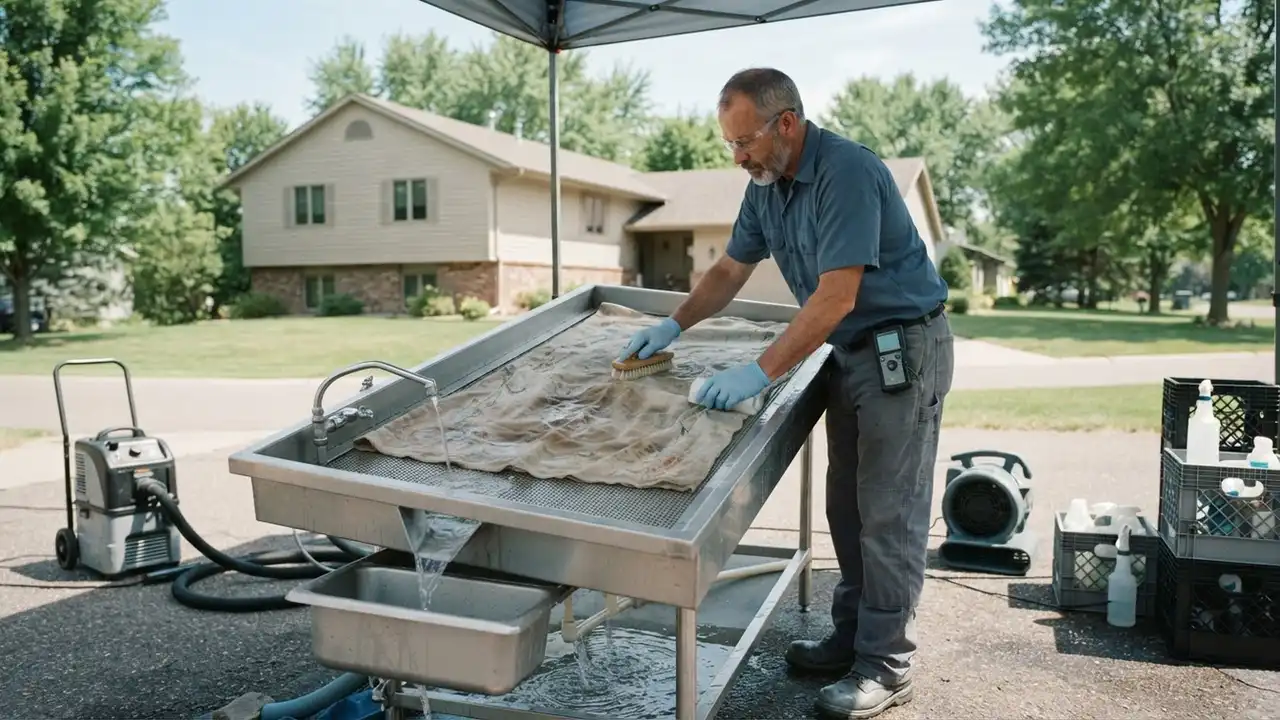
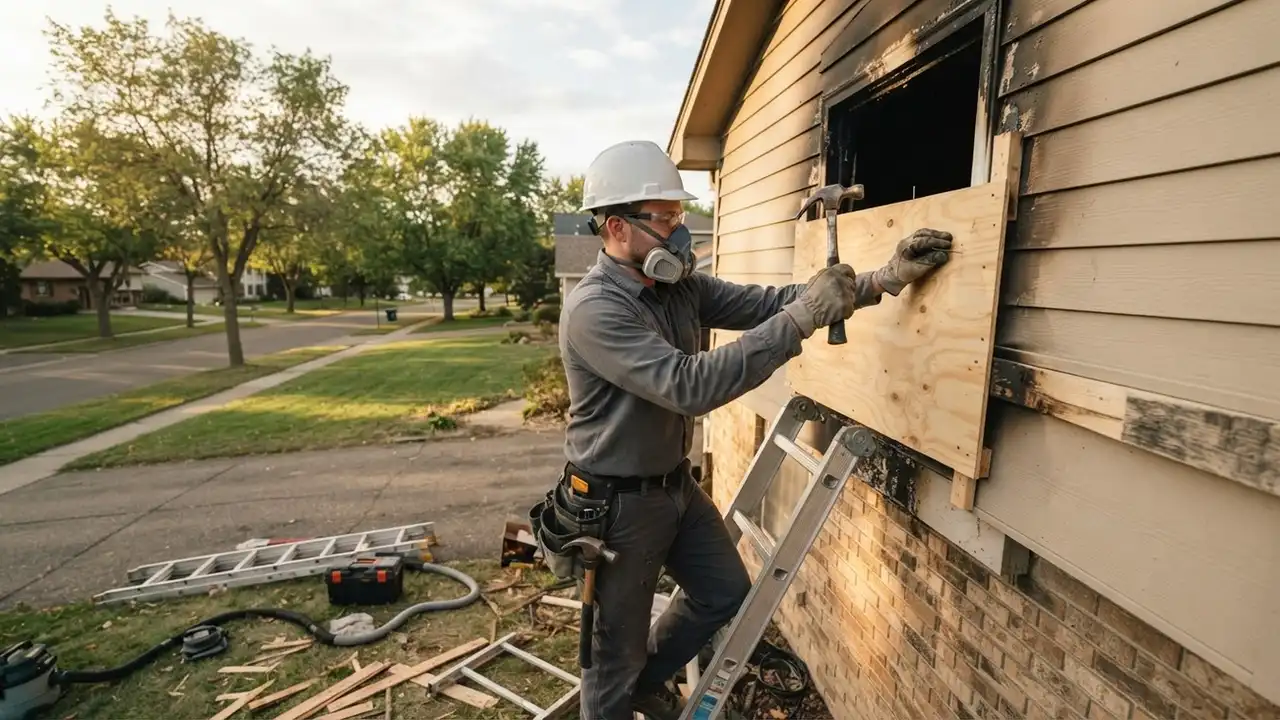
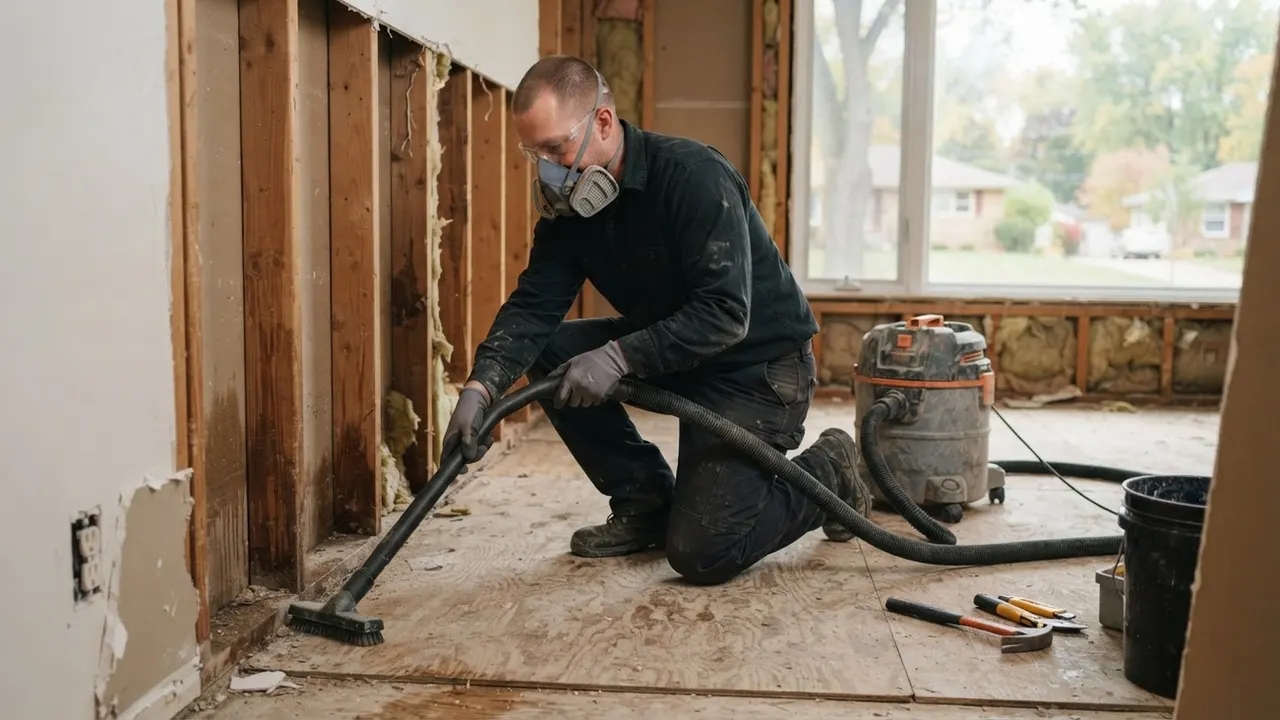
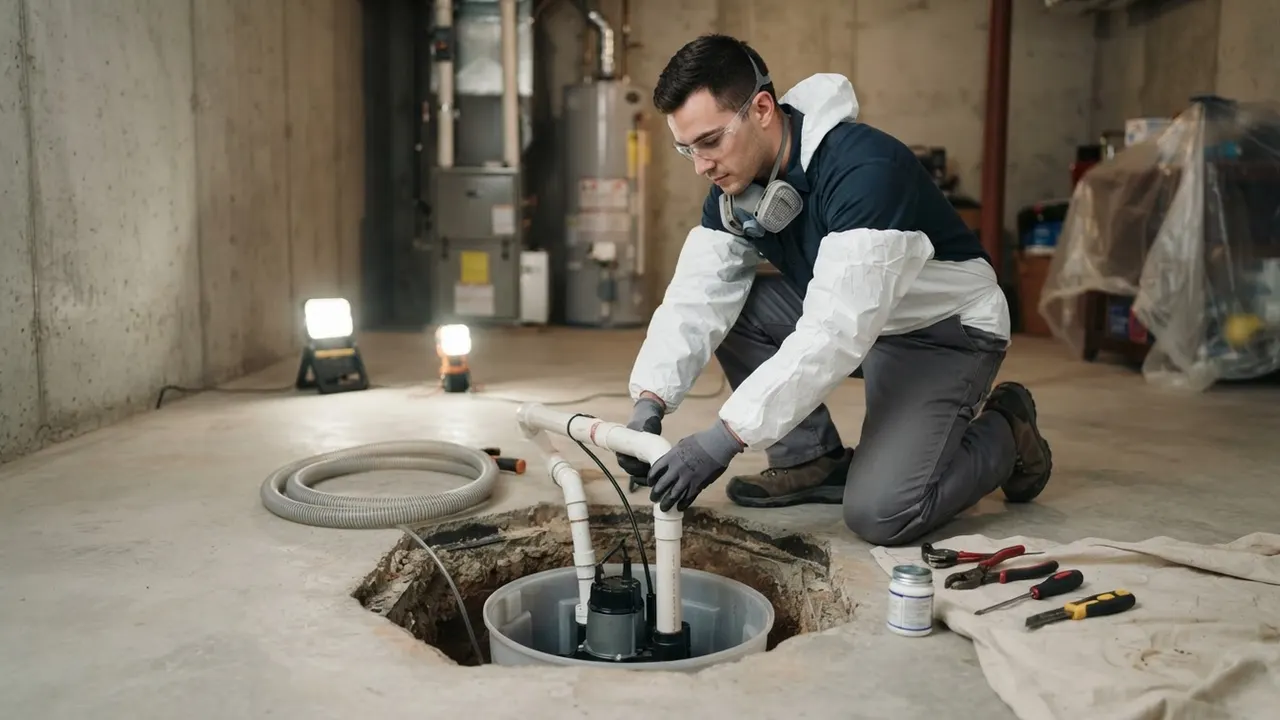
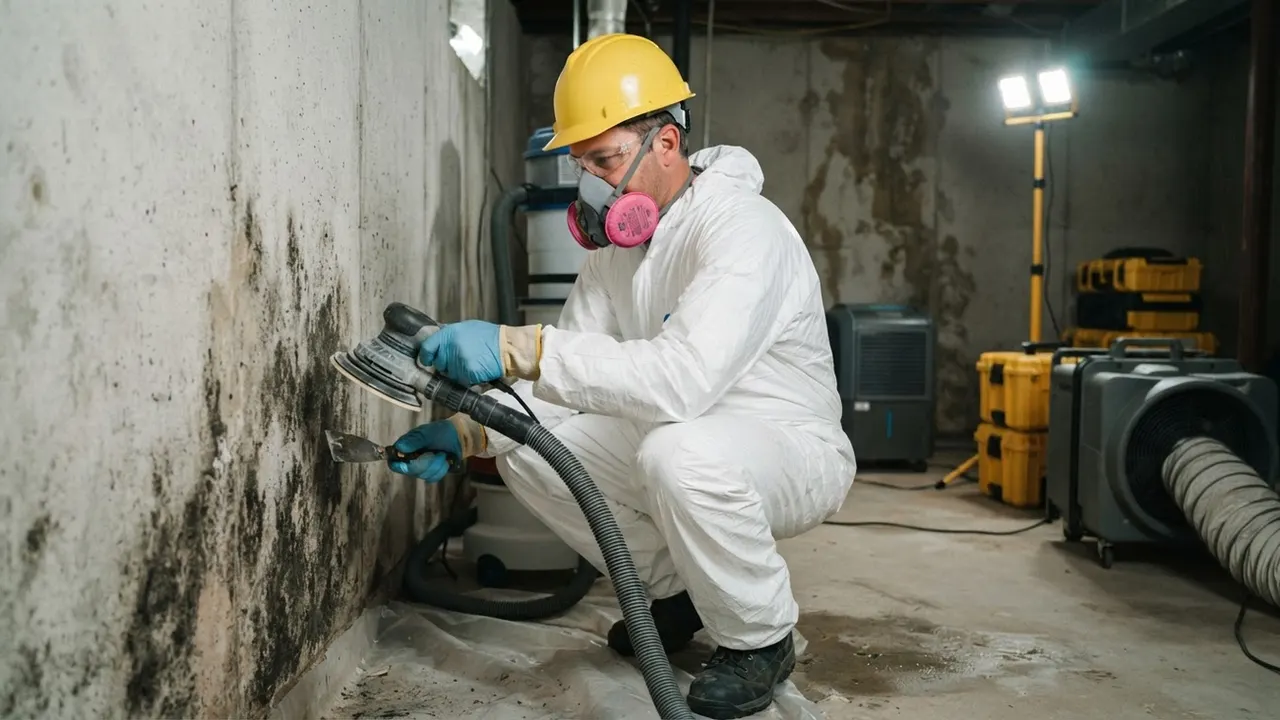
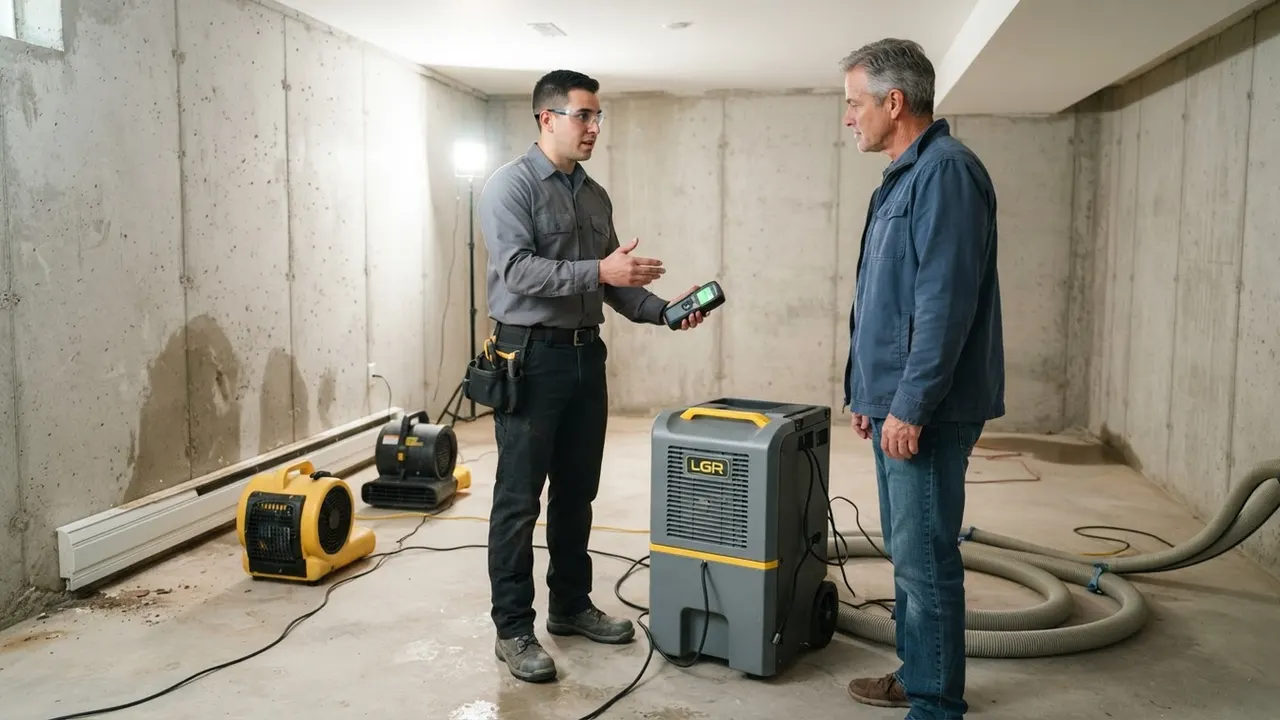
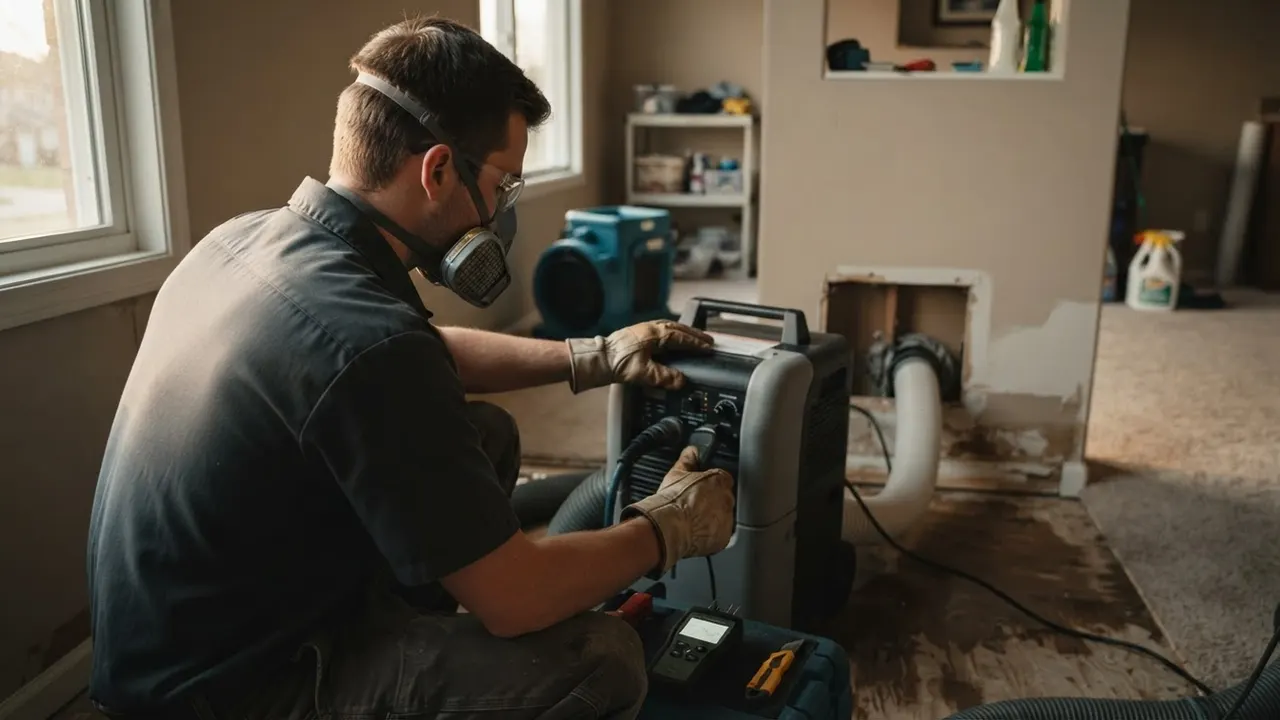
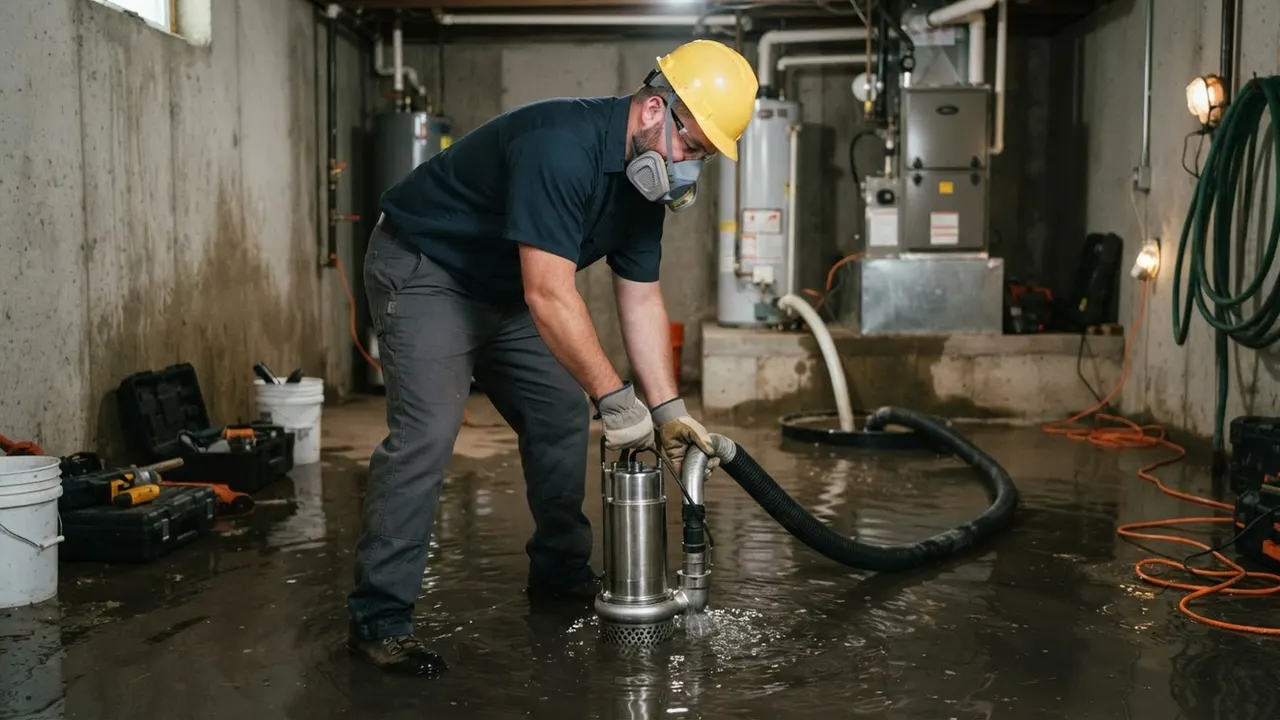
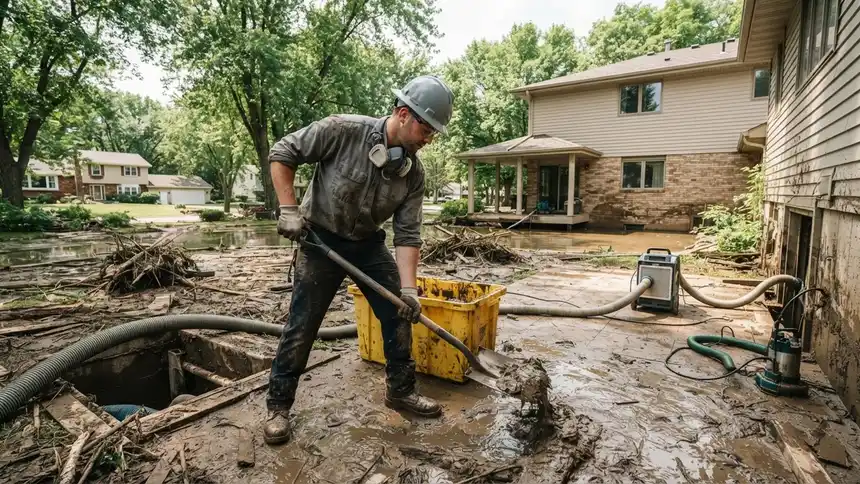
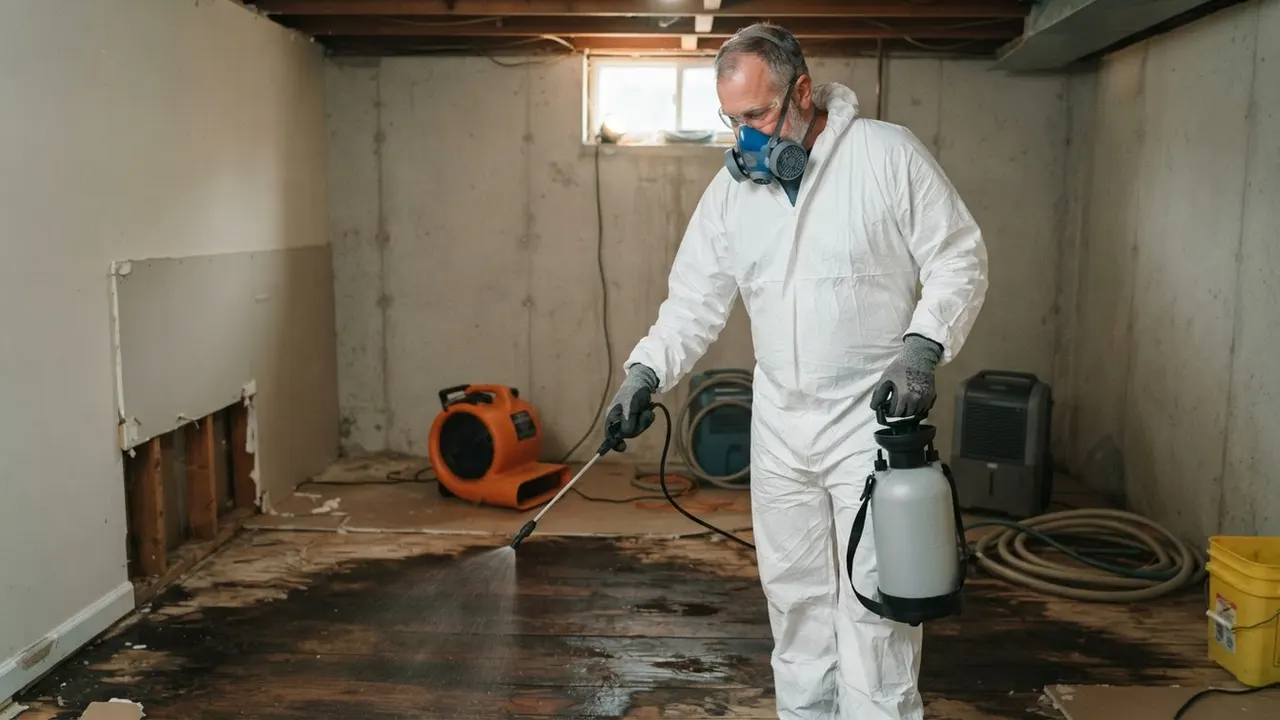
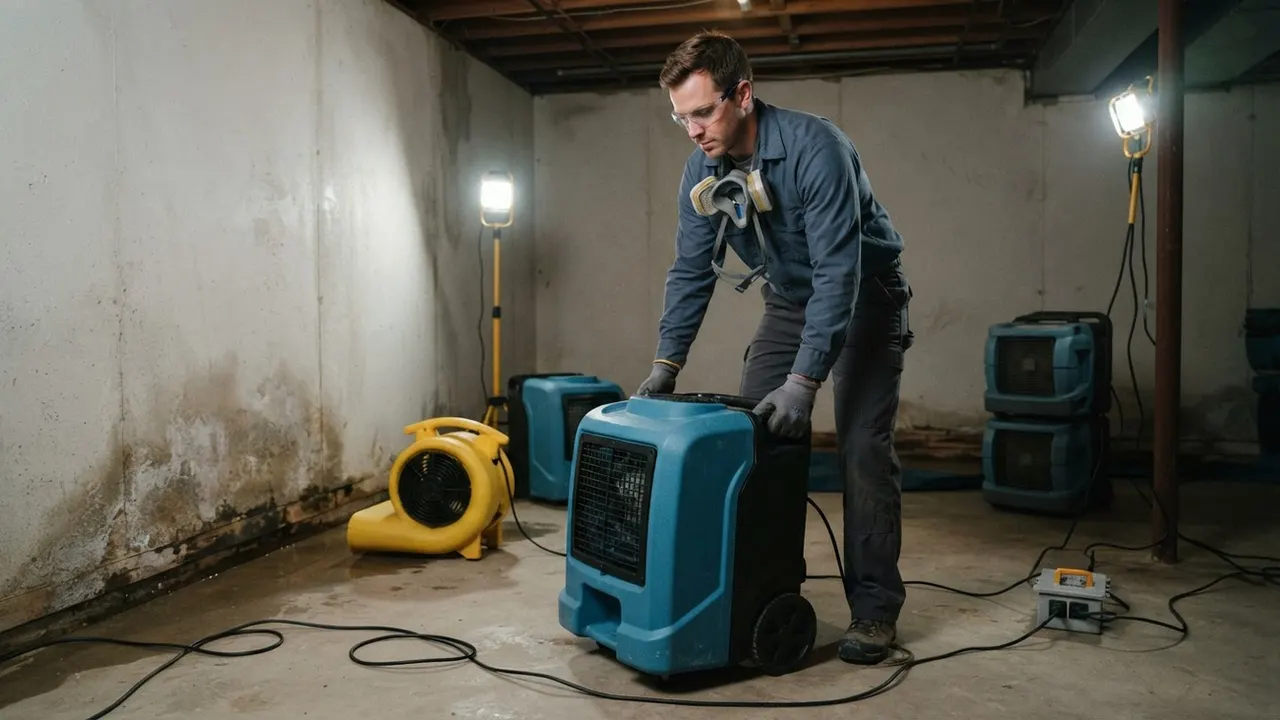
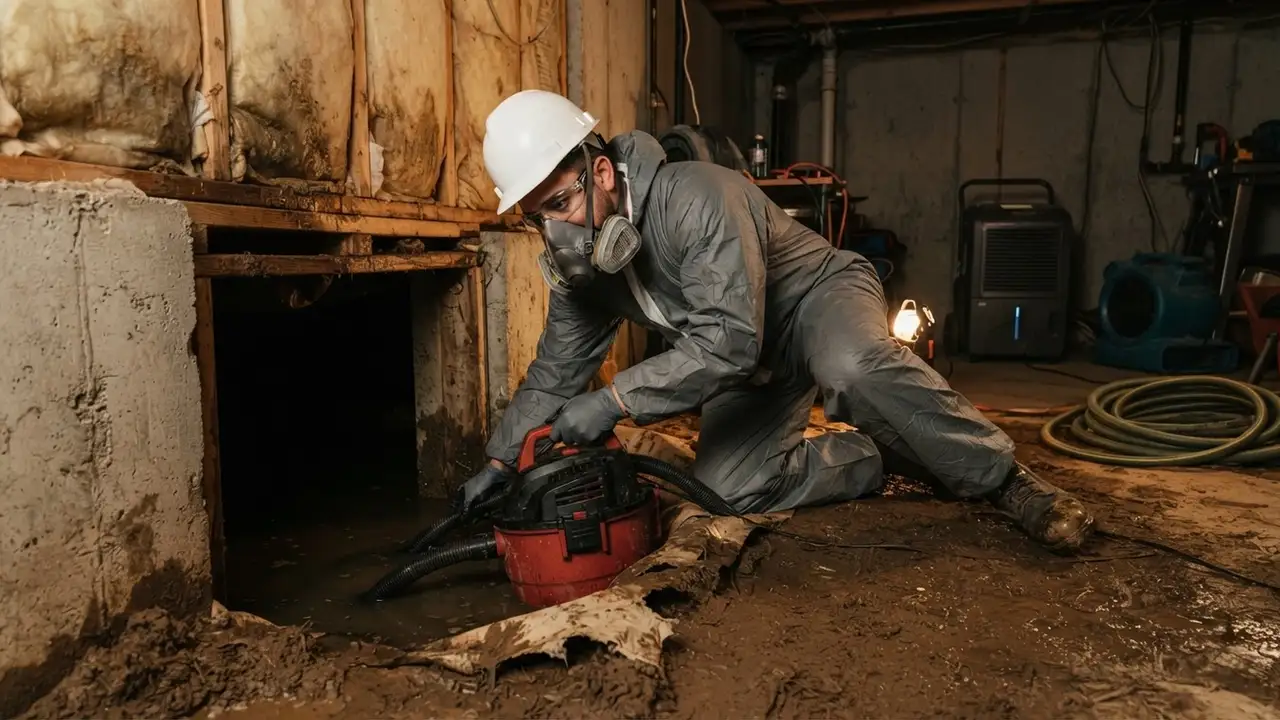
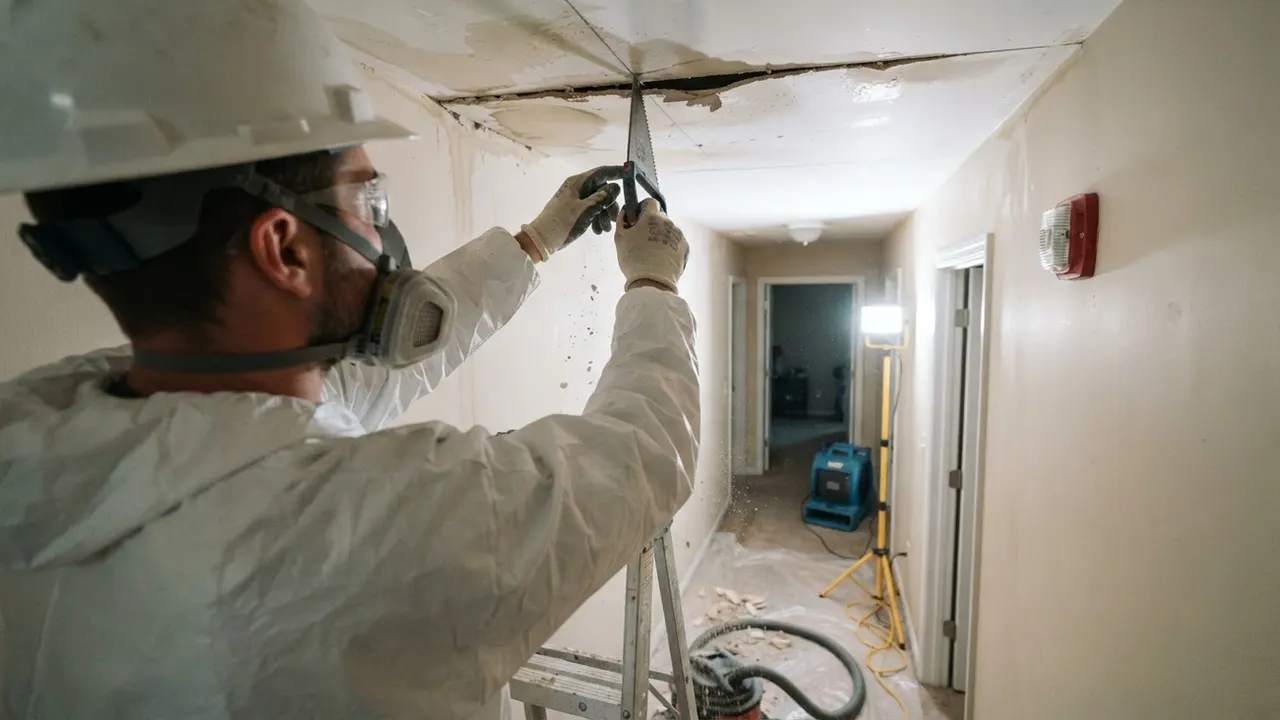
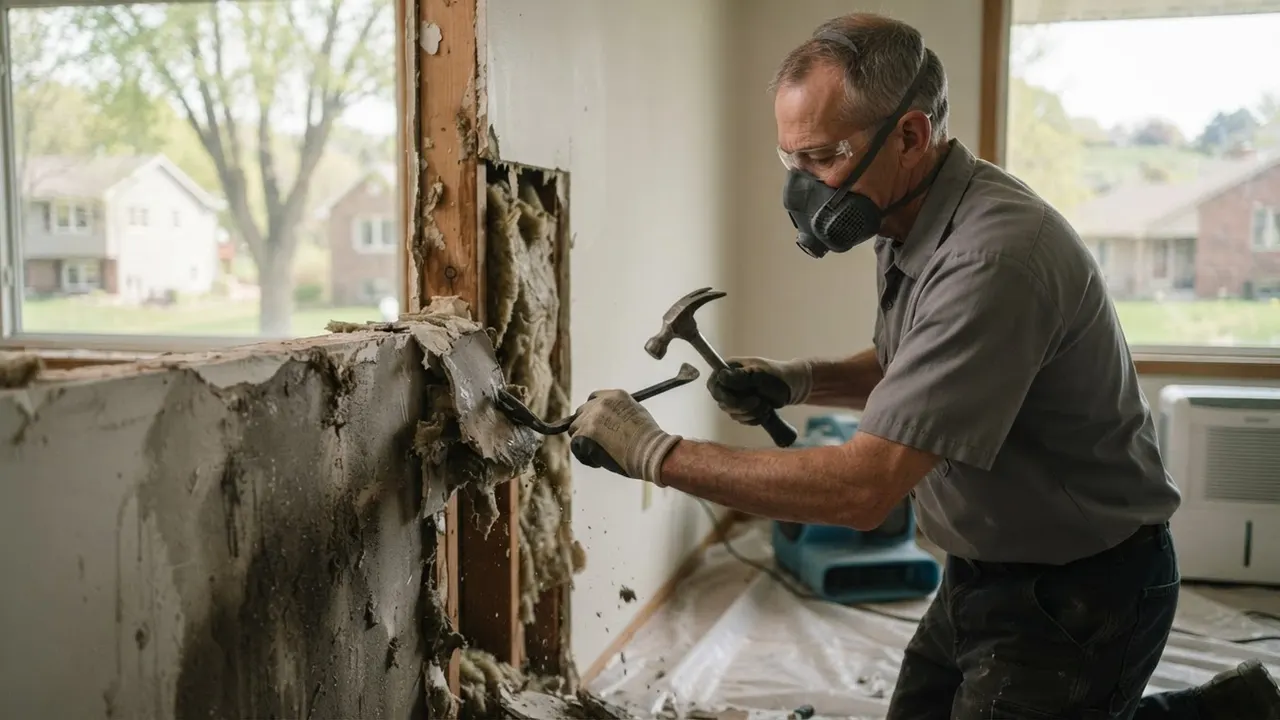
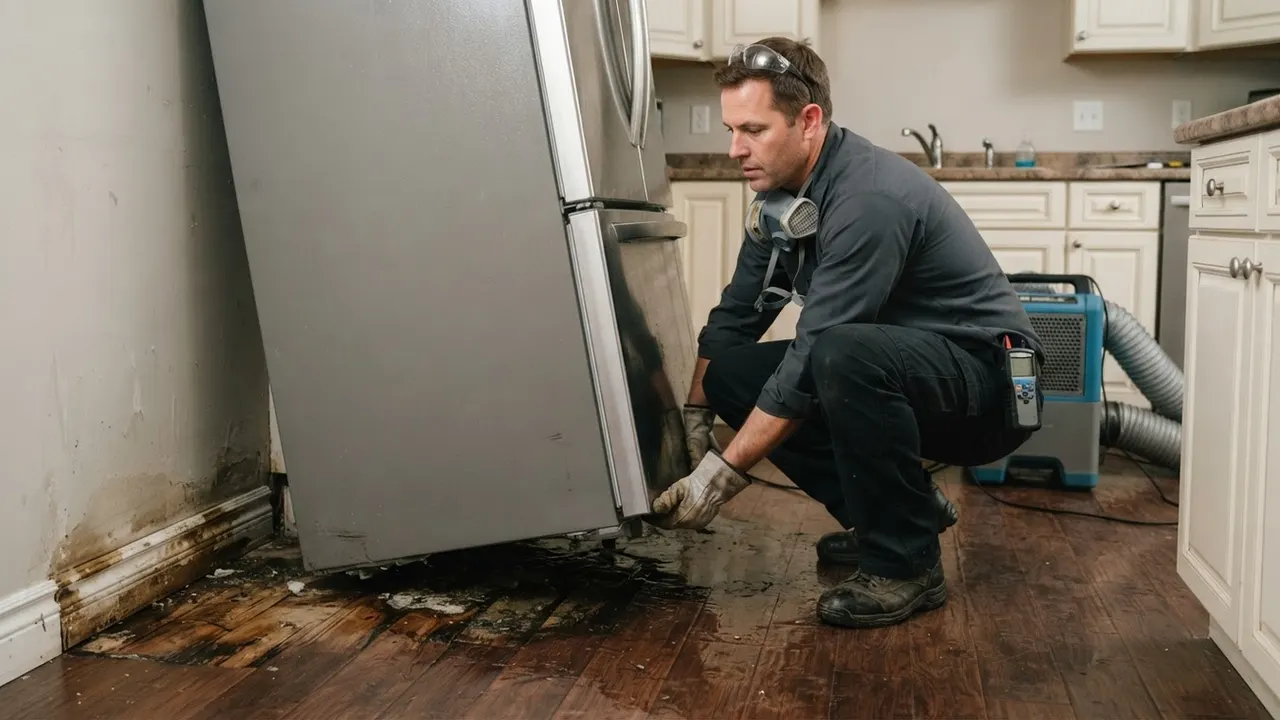
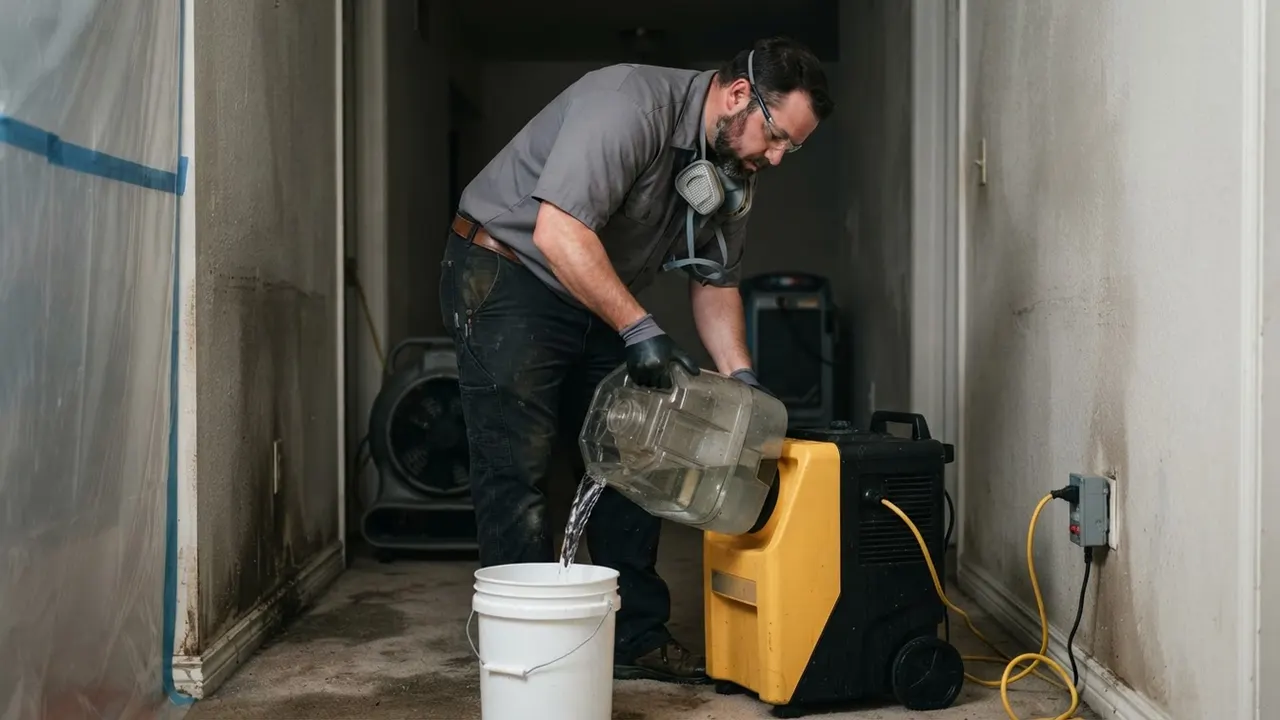
Contents cleaning and restoration Hopkins MN helps homeowners, tenants, and businesses recover belongings after leaks, flooding, or smoke exposure. Our team sorts, documents, cleans, and dries salvageable items while damaged areas are addressed. For content restoration Hopkins MN, we coordinate practical handling for furniture, household goods, and business contents so you know what can be cleaned, what needs specialized care, and what comes next.
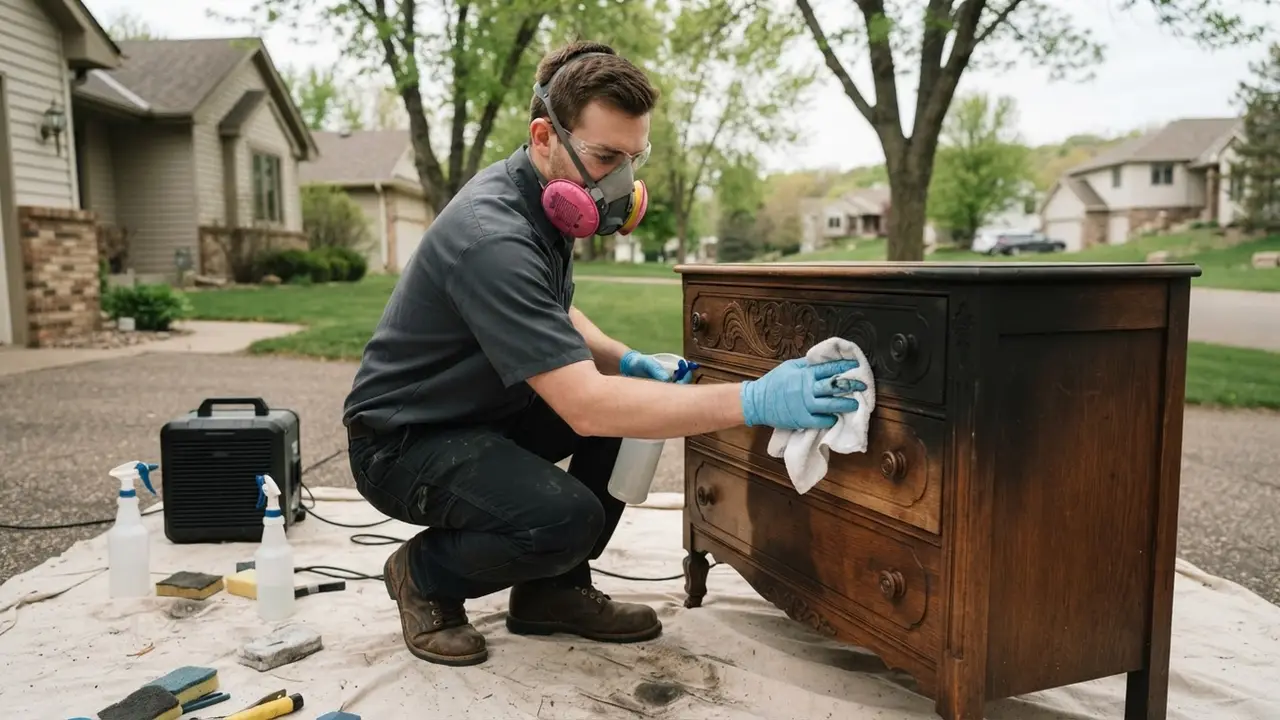
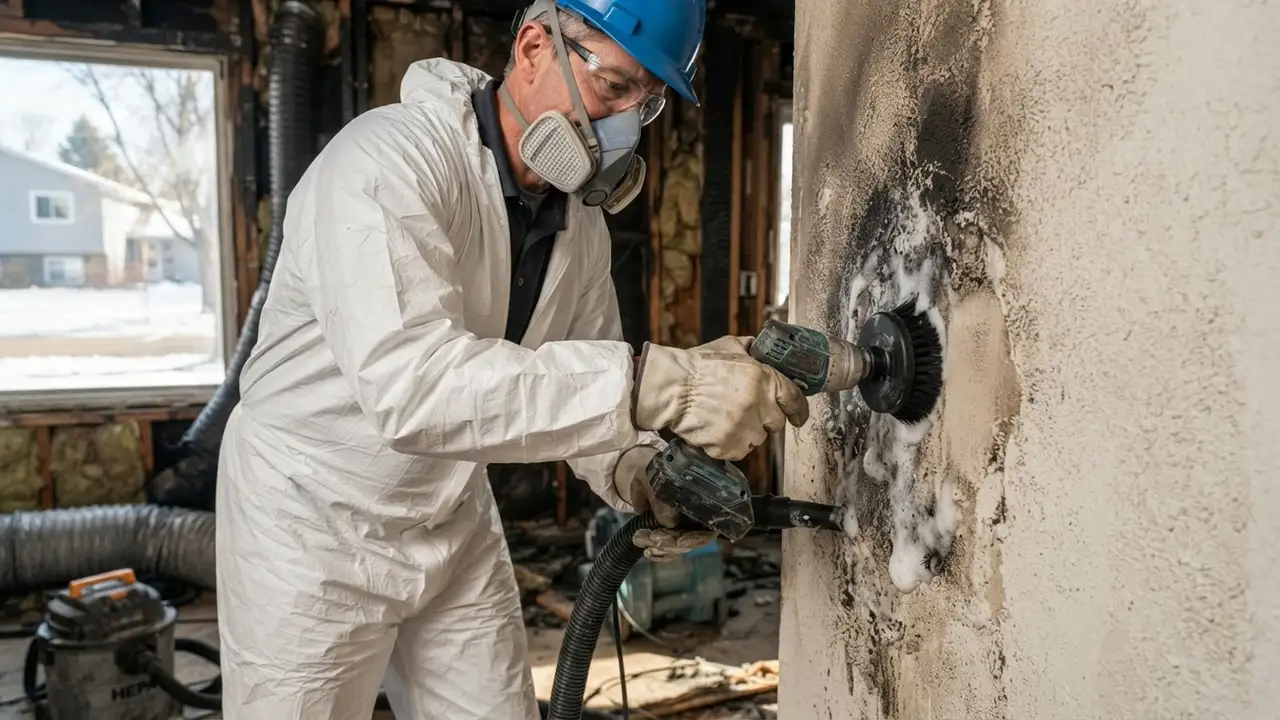
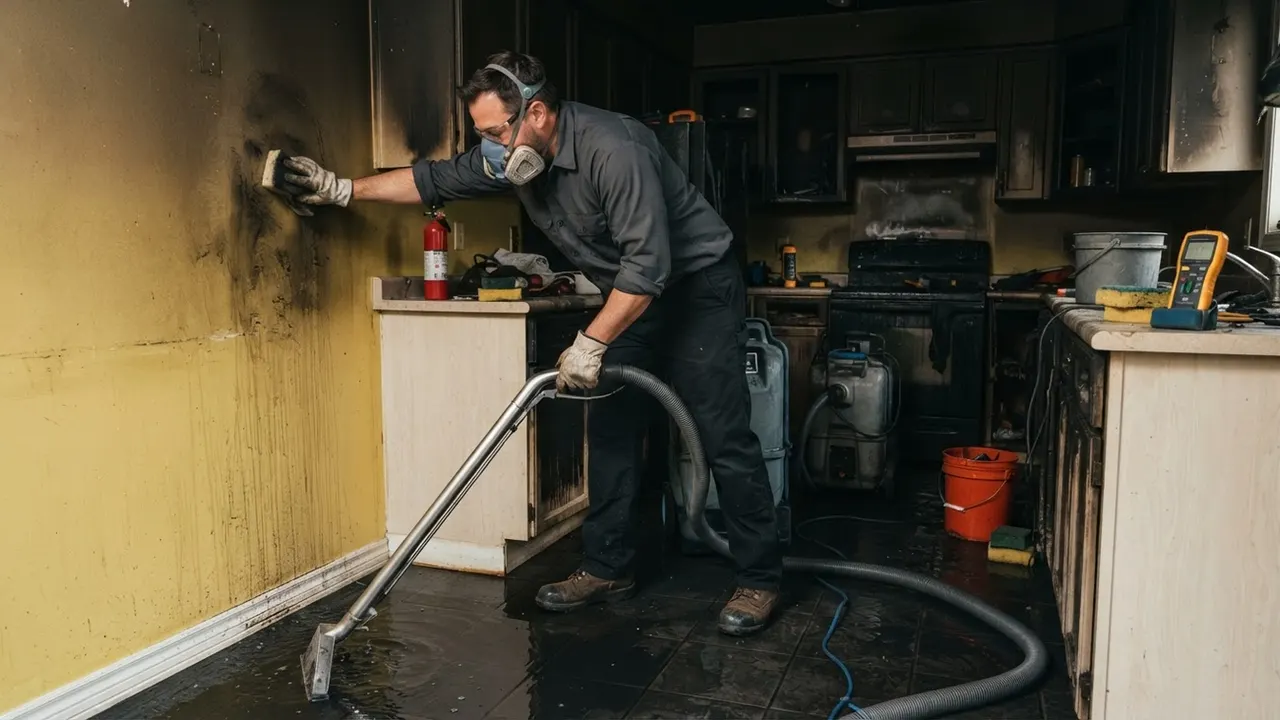
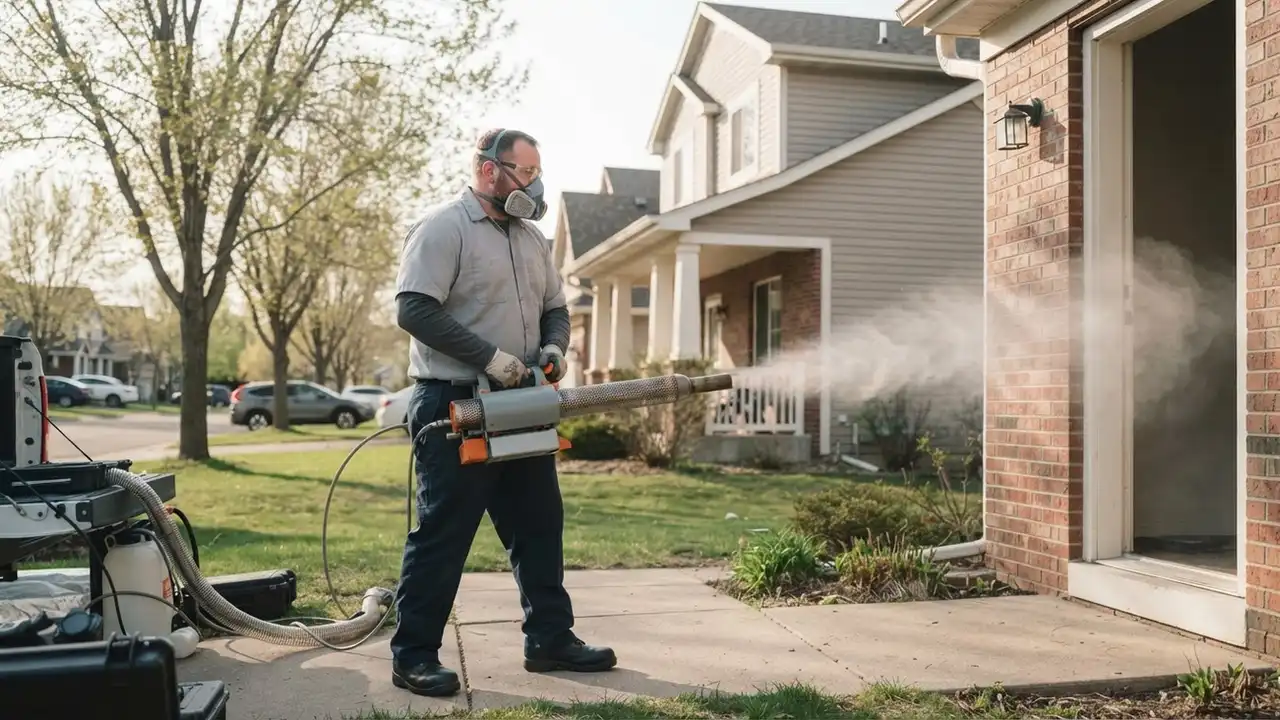
Room labelsItems stay linked to their original rooms
Surface checksMaterials guide the cleaning approach
Protected stagingClean contents stay apart from debris
Progress notesHandling steps are recorded as work proceeds
What Contents Recovery Includes
Our contents service covers assessment, item documentation, sorting, appropriate cleaning, and controlled drying for eligible belongings affected by water, smoke, or soot. Pack-out and specialty treatment are selected when the condition or work area calls for them. Structural repairs, replacement of non-restorable items, and specialist restoration of delicate valuables are separate needs that we discuss as they arise.
Item Inventory
We record affected contents by room and note visible condition, material, and handling needs. Photographs and labels help you identify belongings during cleaning and return. We also note urgent items, such as work equipment or essential documents, so their handling can be considered early.
Material-Based Cleaning
We select cleaning methods according to the surface and type of residue. Hard goods, textiles, finished wood, and upholstery need different approaches. We avoid applying a single chemical or process to every item, reducing the chance of spreading soot or damaging a finish.
Pack-Out Coordination
When a room is too wet, dusty, or crowded for safe on-site cleaning, we pack and label selected items for separate treatment. Room identifiers stay with the inventory, so you can track what was moved and where it belongs when returned.
Controlled Drying
Damp contents are separated and dried with airflow and humidity control suited to the items and setting. We check progress rather than relying on surface appearance alone. Drying plans account for the room conditions and the risk of returning belongings before the space is ready.
Final Item Review
Before return, we review cleaned contents for visible residue, odor, and remaining dampness. We update item records and coordinate placement with the condition of the property. If an item needs specialty evaluation, we identify that rather than representing it as fully restored.
Homes and Businesses.
The approach is the same for a home and a business. What changes is the access, the schedule and who needs the paperwork.
Homes and Rentals
We help homeowners and tenants sort furniture, textiles, and stored goods after water or smoke damage. You can identify urgent belongings before we organize cleaning and handling.
Basement storage after flooding
Furniture near a pipe leak
Smoke-exposed household textiles
Businesses and Properties
We help owners and property managers track inventory, furnishings, and equipment affected by water or smoke. You can prioritize essential contents while rooms are cleaned and repaired.
Retail stock after a leak
Office furniture after smoke exposure
Apartment contents during repairs
Contents Cleaning and Restoration Hopkins MN
A plain-language look at what Contents Cleaning and Restoration involves and when it is needed.
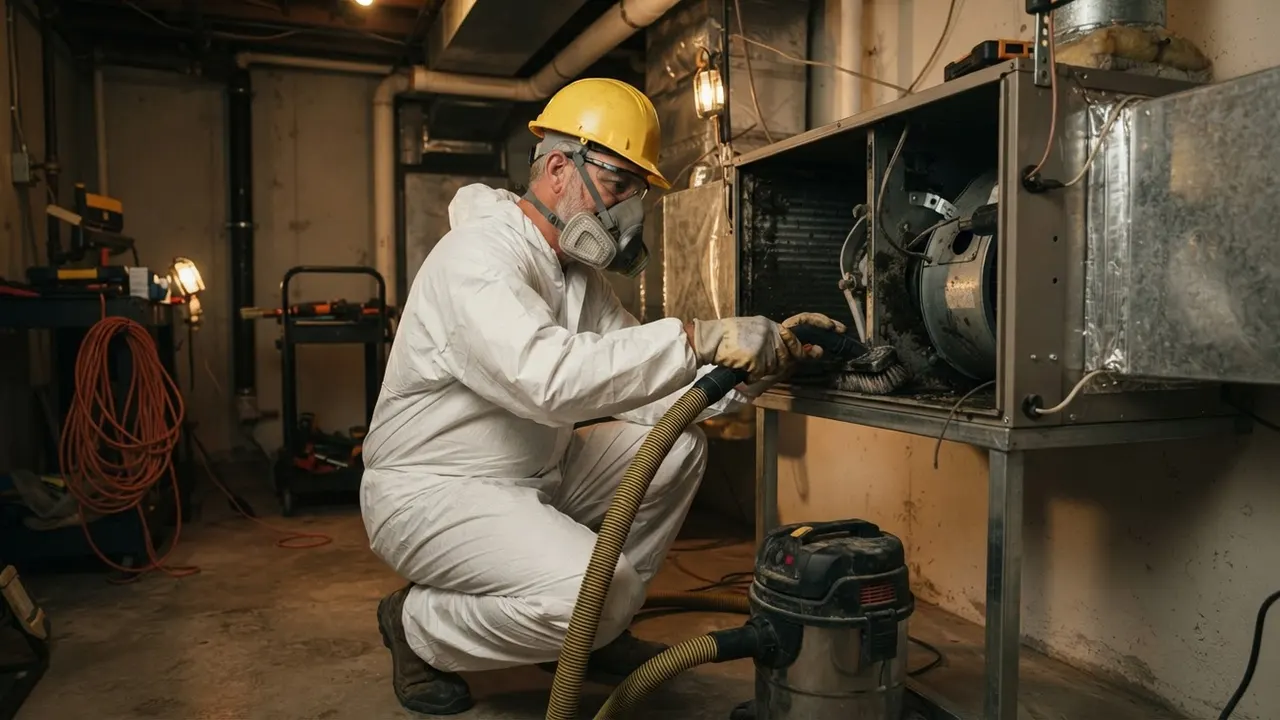
Contents cleaning and restoration Hopkins MN is a property recovery service that inventories, cleans, deodorizes, and dries salvageable belongings after water, fire, or smoke damage. We separate items by material and condition, photograph them, and choose a cleaning method suited to each surface. Upholstery, wood, electronics, textiles, and documents do not respond to the same treatment. A Moisture meter helps check damp items, while a HEPA vacuum captures fine dry debris before detailed cleaning. The goal is practical: recover what can be saved and keep avoidable damage from spreading.
In Hopkins, frozen pipe bursts, basement flooding, roof leaks, appliance leaks, and sewage backups can affect belongings quickly, especially during the November-to-winter freeze cycle. We help you prioritize items from a wet basement, smoke-exposed room, or water-damaged business while structural drying proceeds. If you are searching for contents cleaning and restoration in Hopkins MN near me, we can assess your items, document their condition, and explain pack-out or on-site options. Our local work serves Hennepin County, including homes and commercial spaces across Hopkins, Minnesota.
Contents recovery sorts, documents, cleans, and dries salvageable belongings after property damage.
What it covers
Assessment, inventory, suitable cleaning, controlled drying, and return coordination for affected belongings.
When to call
After water, smoke, soot, or sewage exposure affects furniture, household items, or business contents.
What happens
We identify affected items, choose appropriate handling, document progress, and coordinate with property restoration.
How the Work Proceeds
Contents cleaning and restoration Hopkins MN follows a documented sequence, from inspection through return. We explain what we are doing at each stage, protect unaffected areas, and coordinate item treatment with the condition of the building.
Inspect and Sort
We walk through the affected rooms with you, identify the water or smoke source, and group belongings by material and condition. A first inventory often takes 1 to 3 hours for a small affected area; larger homes and businesses need more time. We flag urgent documents, sentimental items, and anything that needs specialist handling before moving contents.
Walk-through
Sort items
Flag priorities
Document Contents
Our team photographs and labels affected items by room, then records visible damage and cleaning needs. This creates a traceable list for your own records and insurance discussions. We note what is wet, soiled, smoke-affected, or apparently unaffected, and separate items that must not be treated with standard cleaning products.
Photograph
Label rooms
Record condition
Pack or Protect
We pack suitable belongings for off-site cleaning or create a protected work zone for on-site treatment. Wrapped items are labeled to preserve room and item identity. Where building work is underway, plastic sheeting and controlled staging help keep clean contents away from dust, wet materials, and foot traffic.
Pack items
Protect areas
Track contents
Clean and Dry
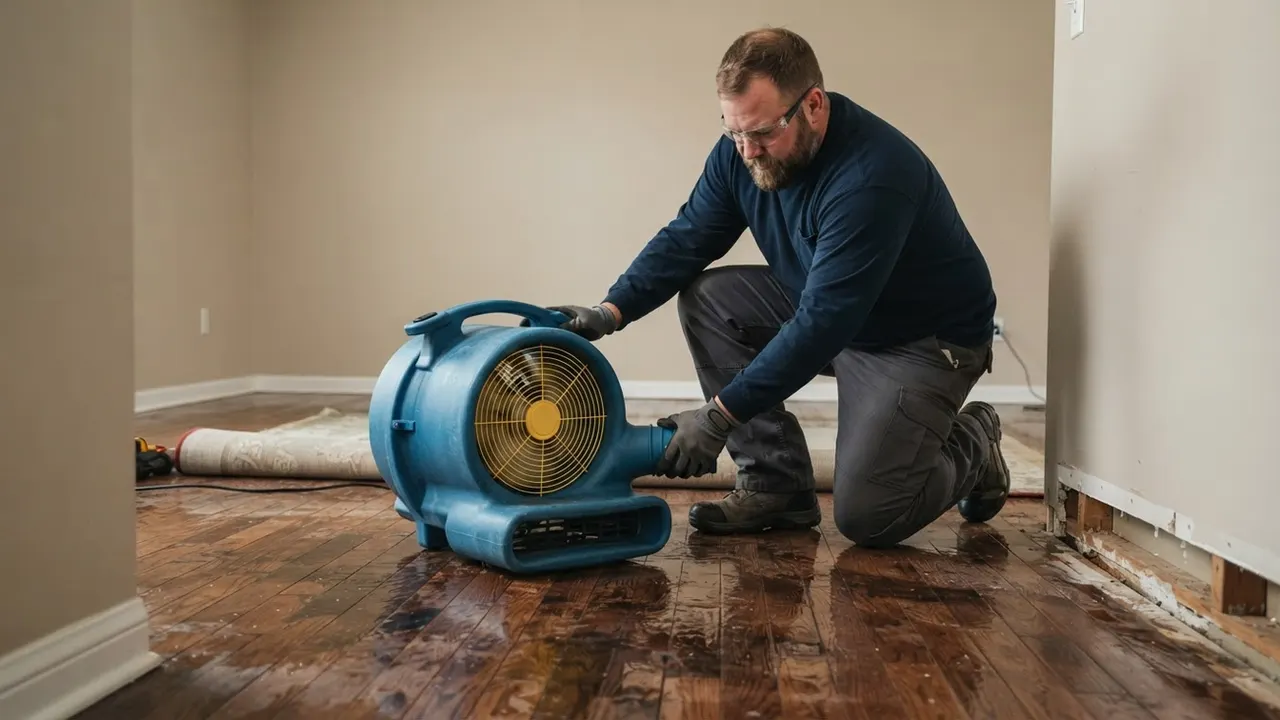
We choose cleaning based on the material and contaminant: HEPA vacuuming for dry debris, surface cleaning for compatible hard goods, and controlled drying for damp contents. An Air mover and Dehumidifier support drying when conditions call for them. Treatment time ranges from several hours for a small batch to multiple days for complex contents.
Choose cleaning
Manage airflow
Check progress
Review and Return
After cleaning, we check items for remaining soil, odor, and moisture, then record their status before arranging return or placement. You can review the item list with us and identify any concerns. We coordinate delivery with the room's readiness so cleaned belongings do not go back into a wet or dusty area.
Review items
Update records
Coordinate return
Tools and Cleaning Methods
Move across a circle, or focus it and press Enter, for an illustrative thermal view of the photograph.
Moisture Meter
We use readings to check dampness in suitable materials and compare progress during drying. Results help guide handling, but we interpret them alongside material type and visible condition.
HEPA Vacuum
A HEPA vacuum captures fine dry dust and debris from compatible surfaces before detailed cleaning. We select attachments and technique to avoid driving residue deeper into fabrics or finishes.
Dehumidifier
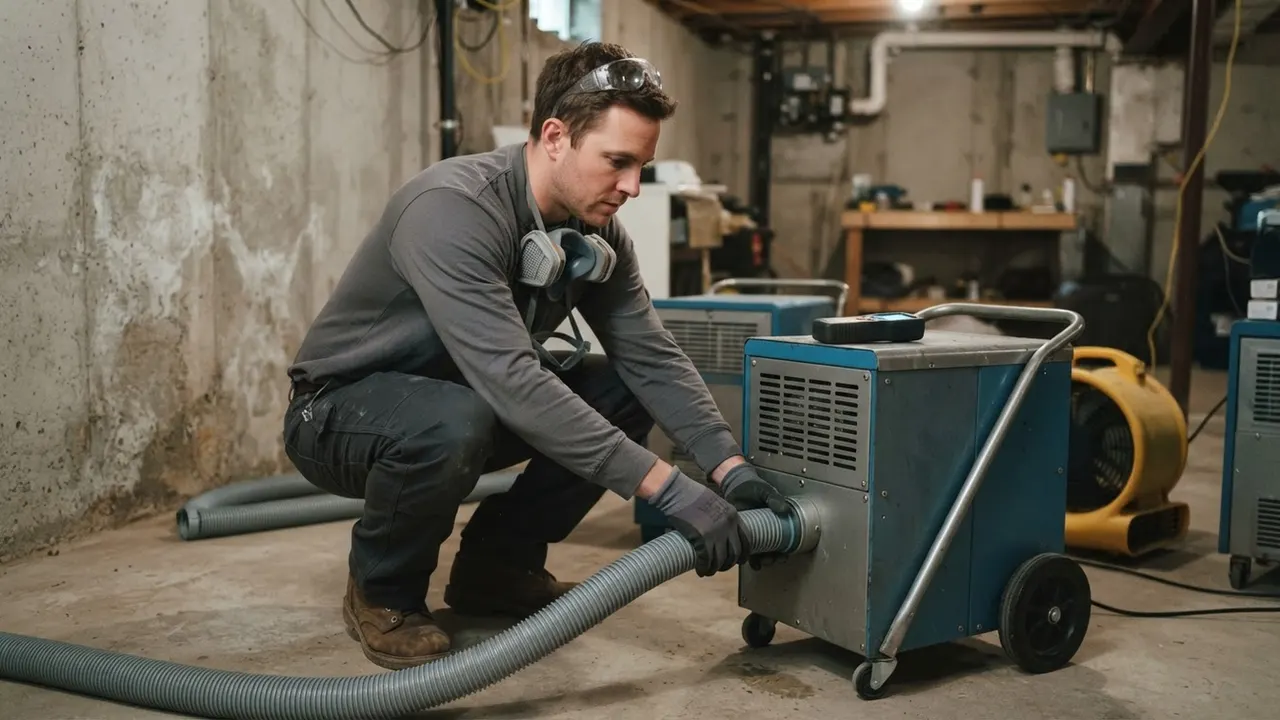
A Dehumidifier helps manage moisture in a controlled drying area. We pair it with suitable airflow and monitor conditions so damp belongings are not left in stagnant air.
Air Mover
An Air mover directs airflow across appropriate contents and surfaces. We position equipment to support drying without blowing loose soot or debris onto clean items.
Dri-Eaz Equipment
Dri-Eaz equipment supports restoration drying setups when conditions call for it. We choose the configuration based on the affected area and the materials being dried.
Thermal views are illustrative, generated from the photographs.
Methods
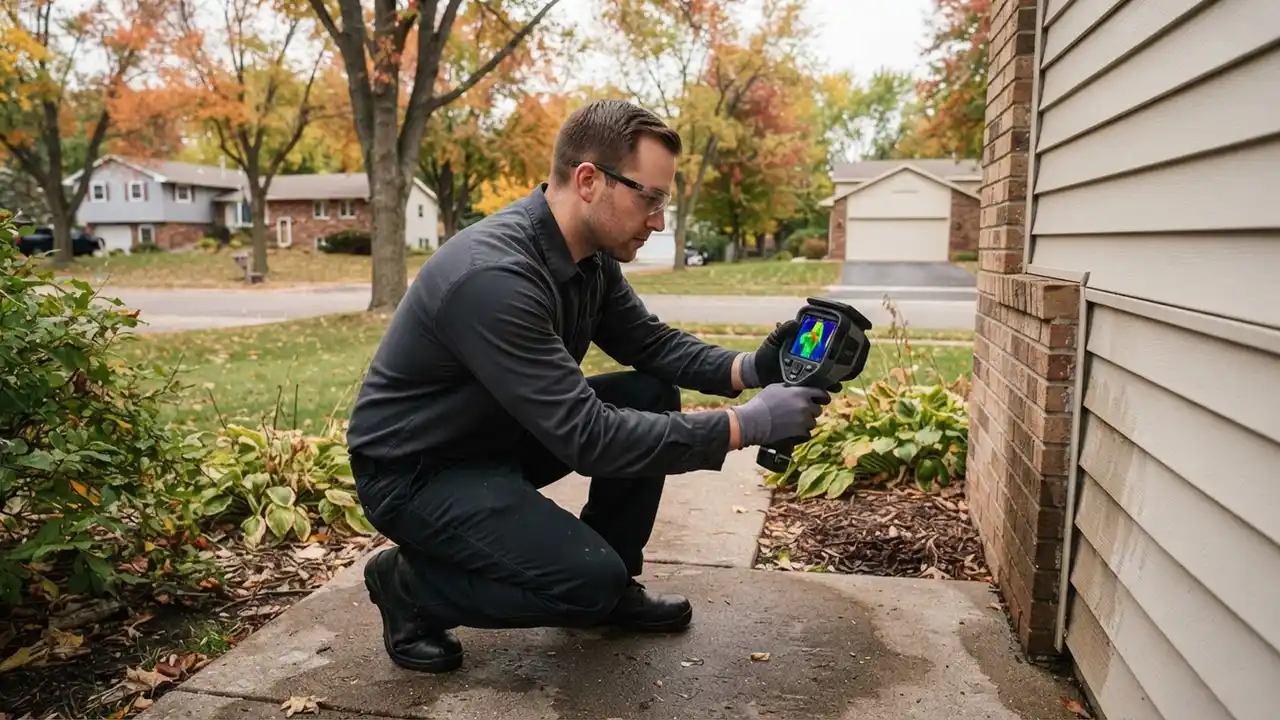
Thermal imaging camera
It does not replace direct assessment of contents or confirm moisture by itself.
Room-Based Inventory
We photograph and label contents by their original room, then note material, visible damage, and handling needs. This method helps prevent items from becoming mixed during pack-out and gives you a useful record for restoration discussions. Priority items are identified before routine cleaning begins.
Material-Specific Cleaning
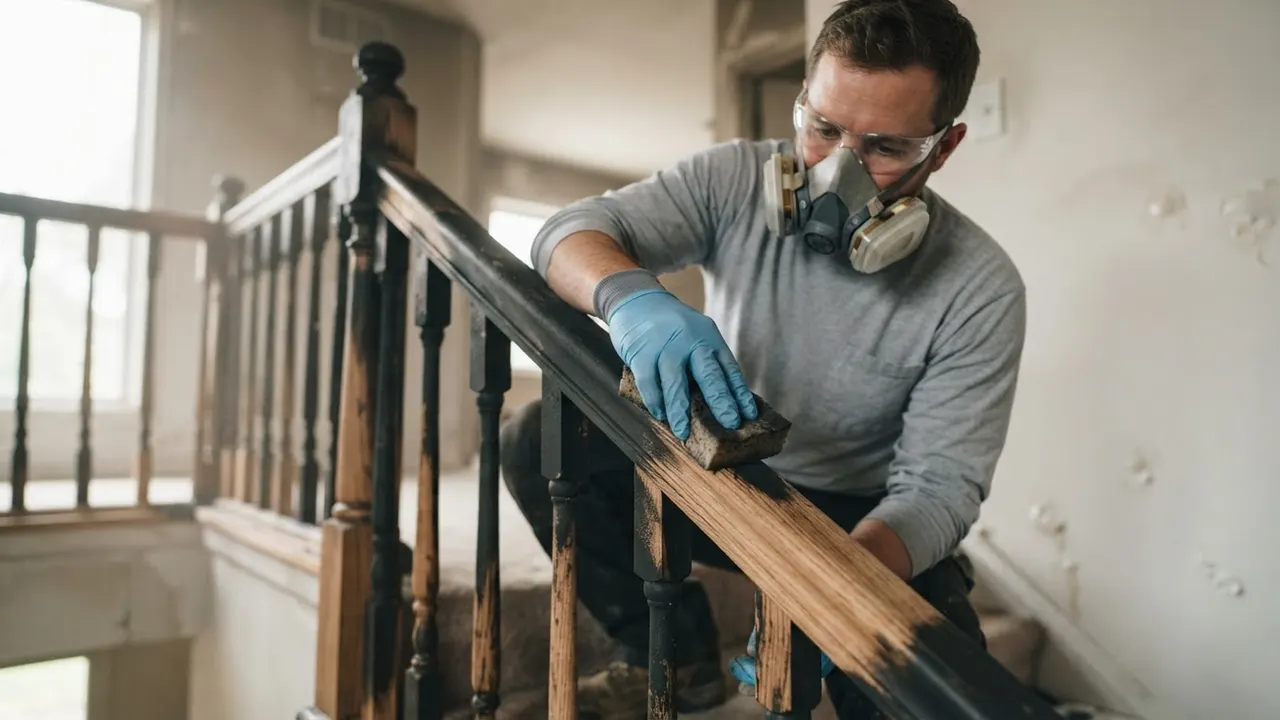
We match cleaning methods to the item surface and contaminant. Dry particulate, water residue, and smoke deposits require different preparation and treatment. We test an appropriate area when needed, avoid incompatible products, and refer delicate or specialty items for further evaluation.
Controlled Contents Drying
We separate damp items, allow appropriate airflow, and manage humidity where practical. Equipment placement accounts for item construction and surrounding conditions. Progress checks help determine whether contents are ready for return or need additional drying, rather than relying on appearance alone.
Pack-Out And Return Tracking
When on-site cleaning is not suitable, we pack selected items and maintain labels linked to their original rooms. We update the inventory through cleaning and return, then coordinate placement with the readiness of the property. This reduces unnecessary handling and confusion.
When Contents Cleaning Helps
Burst Pipe
A frozen pipe bursts overnight near Blake Road and soaks furniture, rugs, and stored boxes.
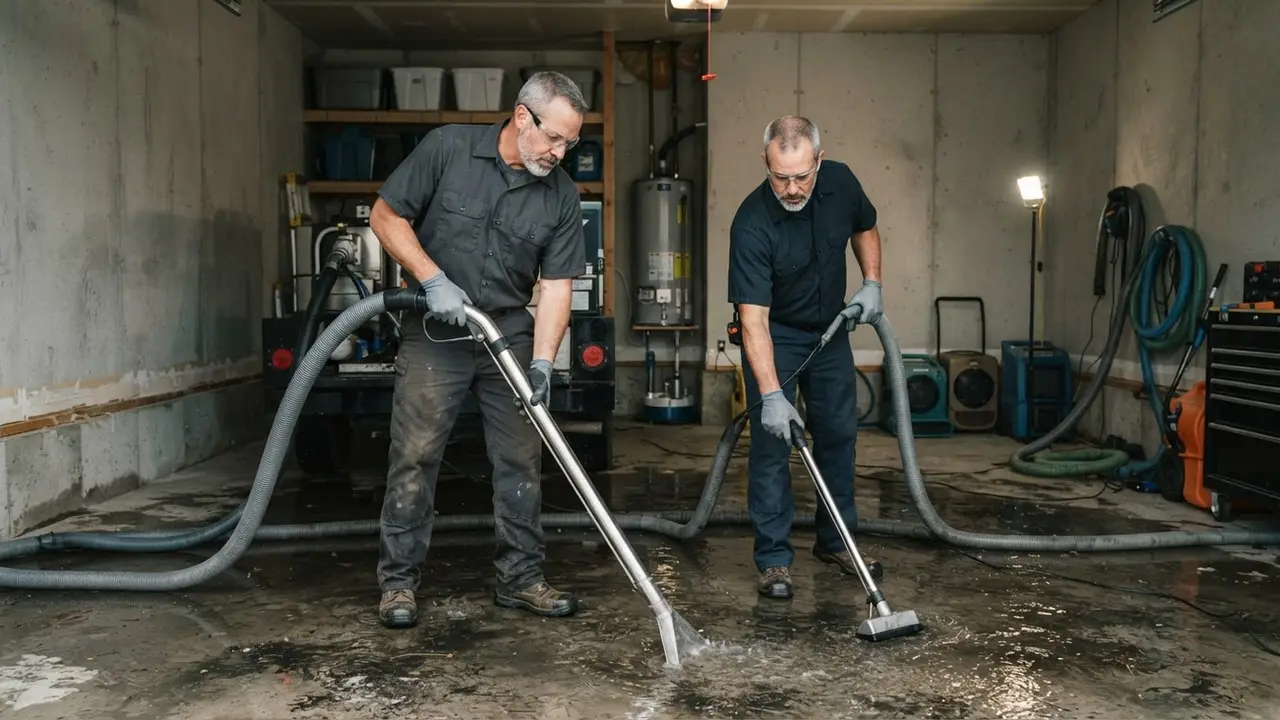
We help separate wet contents from dry belongings, document affected items, and identify materials that need immediate attention. Water removal and room drying proceed alongside contents handling. If the leak is still active, stop the water source if safe and keep people away from electrical hazards.
Outcome: You get an organized recovery plan, clearer item records, and better access for drying and repairs without mixing wet belongings into clean rooms.
Roof Leak
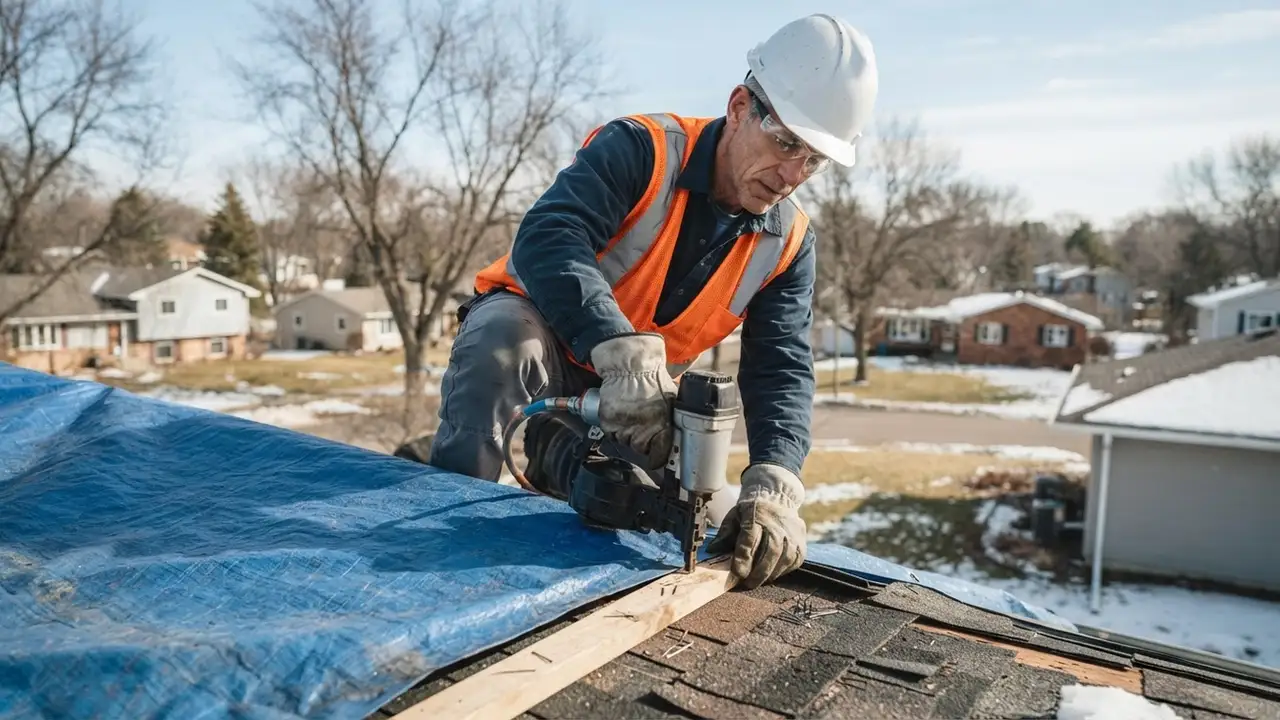
A roof leak wets attic storage and bedroom contents after a November storm in Hopkins.
We assess the source-affected areas and contents below the leak, then separate damp textiles, boxes, and furniture. Once the opening is protected, we coordinate cleaning and drying with roof and interior repairs. We label moved items so attic storage remains traceable.
Outcome: Belongings are evaluated by condition, and the rooms can be dried and repaired without leaving wet contents stacked in the affected area.
Smoke Exposure
A small commercial fire leaves smoke odor on stock and furnishings along Mainstreet.
We inventory and photograph affected contents, distinguish visible soot from odor exposure, and select cleaning approaches by material. We coordinate pack-out with fire cleanup and identify priority items the business needs for operations. Items are returned after the work area is ready.
Outcome: The owner can track affected inventory and furnishings while cleanup proceeds, with recoverable items treated separately from damaged stock.
Appliance Leak
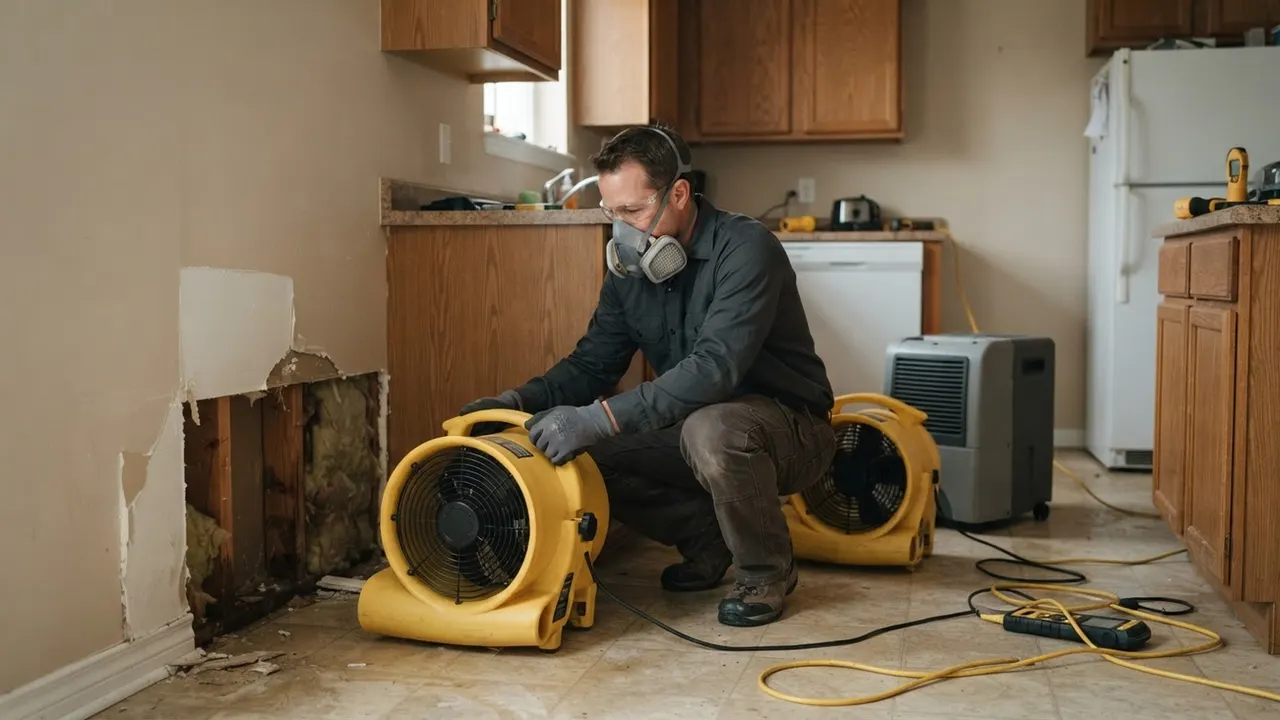
An appliance leak spreads under kitchen cabinets and reaches nearby rugs and dining chairs.
We help identify contents exposed to water, move salvageable items away from the wet zone, and coordinate cleaning with extraction and drying. We check material and moisture conditions before recommending treatment, especially for upholstered pieces and finished wood.
Outcome: The kitchen work area becomes accessible, and belongings are less likely to remain trapped in damp conditions while the leak damage is repaired.
Downtown HopkinsBlake RoadMeadowbrook
How Hopkins Contents Work Runs
Contents cleaning and restoration Hopkins MN has to account for seasonal moisture, older basements, and changing temperatures. As November gives way to winter, frozen pipe bursts can soak stored goods before a leak is discovered; spring rain and snowmelt can also push water into lower levels. We ask where the water came from, how long items were wet, and whether sewage or smoke is involved.
That determines how contents are separated and what cleaning is appropriate. For content restoration Hopkins MN, we coordinate item handling with room drying and repairs rather than returning belongings to damp spaces. If your property is near Mainstreet, Meadowbrook, or the Blake Road Corridor, we can discuss the affected rooms and whether pack-out makes sense.
Service includes ZIP codes 55343 and 55305 in Hennepin County. We consider the building materials, access, and contents layout; we do not treat an old basement, apartment, and storefront as identical jobs.
Downtown Hopkins: Mixed-use buildings can combine residential contents and business inventory. We label items by room or work area to keep separate contents organized during cleaning and return.
Blake Road: Basement and utility-room contents may be affected by pipe leaks or water entry. We prioritize access to wet floors and keep packed belongings away from damp surfaces.
Meadowbrook: Homes with stored seasonal goods need careful sorting after a leak or basement flood. We distinguish damp boxes and textiles from unaffected items before cleaning begins.
Mainstreet: Retail and office contents can include stock, furnishings, and equipment with different cleaning needs. We document items by area so business contents remain traceable.
Freezing temperatures raise the risk of burst supply pipes: A sudden leak can soak furniture and stored items before anyone reaches the shutoff. We prioritize stopping further exposure, separating wet contents, and coordinating item handling with water extraction and room drying.
Snowmelt and heavy rain can affect lower-level storage: Water may reach boxes and furniture placed directly on basement floors. We check the extent of exposure, document contents, and avoid returning cleaned belongings until moisture conditions in the room are addressed.
We walk through affected rooms and explain what we find.
We protect nearby areas and organize contents for handling.
We review item records and discuss return or next steps.
From Problem to Finished Result.
IllustrativeThe thermal view is generated from the photograph. It is not a measurement. Drag the handle, or use the arrow keys once it is focused.
Basement Furniture After a Leak
Before: A supply line leak left water around a basement sofa, side table, and several storage boxes. The furniture legs were damp, and linens packed in cardboard had absorbed water. Items were crowded against the wall, making it difficult to inspect the floor and begin structural drying.
After: We separated the contents, documented 18 items, and identified the sofa and table for cleaning while damaged cardboard was kept apart. Drying equipment was positioned after the wet area was cleared. The inventory showed which belongings were cleaned and which needed further review before return.
Keep stored items on shelving rather than directly on concrete, and leave a small gap between boxes and basement walls. Check supply lines and utility areas before winter temperatures settle in.
Smoke-Affected Store Contents
Before: A small fire left smoke residue on 24 display items, shelving, and fabric seating in a Mainstreet business. The contents had visible surface deposits and a persistent odor. Staff needed to know what could be cleaned before arranging repairs and reopening plans.
After: We photographed and grouped the affected contents by material, then cleaned compatible hard goods and treated the seating separately. The item record tracked all 24 pieces through handling. Residue removal and odor treatment were coordinated with room cleanup so items were not returned to an unfinished space.
After a fire, avoid wiping soot with a household cloth because it can smear residue. Keep doors between affected and unaffected rooms closed when safe, and wait for assessment before moving contents.
Storm-Wet Stored Belongings
Before: A roof leak during a storm dampened attic boxes and a group of stored textiles. Several cartons showed water staining, and the contents were stacked below the affected roof area. The leak also required temporary protection before the attic could be dried.
After: We separated wet cartons from unaffected storage, documented the textile group, and moved suitable items for controlled cleaning and drying. Contents were returned only after the affected area was addressed. The room-by-room labels made it possible to identify where each group belonged.
Inspect attic storage after major storms and keep valuables in lidded containers away from roof edges. Check the ceiling and stored boxes for fresh staining before placing items back.
Problems Belongings Cleaning Solves
Contents cleaning and restoration in Hopkins MN addresses more than visible stains. Moisture, soot, sewage exposure, and odor can affect items differently, and delayed sorting makes it harder to separate recoverable belongings from damaged ones. We organize the response around the source, materials, and condition.
Damp belongingsFurniture and boxes stay damp after a basement floodProlonged dampness can cause swelling, staining, musty odor, and mold growth, especially where items sit against concrete or are packed tightly together. We move affected contents away from wet surfaces, document their condition, and separate materials by drying needs. Furniture and boxes are assessed individually; we do not assume an item is dry because its outer surface feels cool or looks unchanged. We coordinate treatment with basement drying.
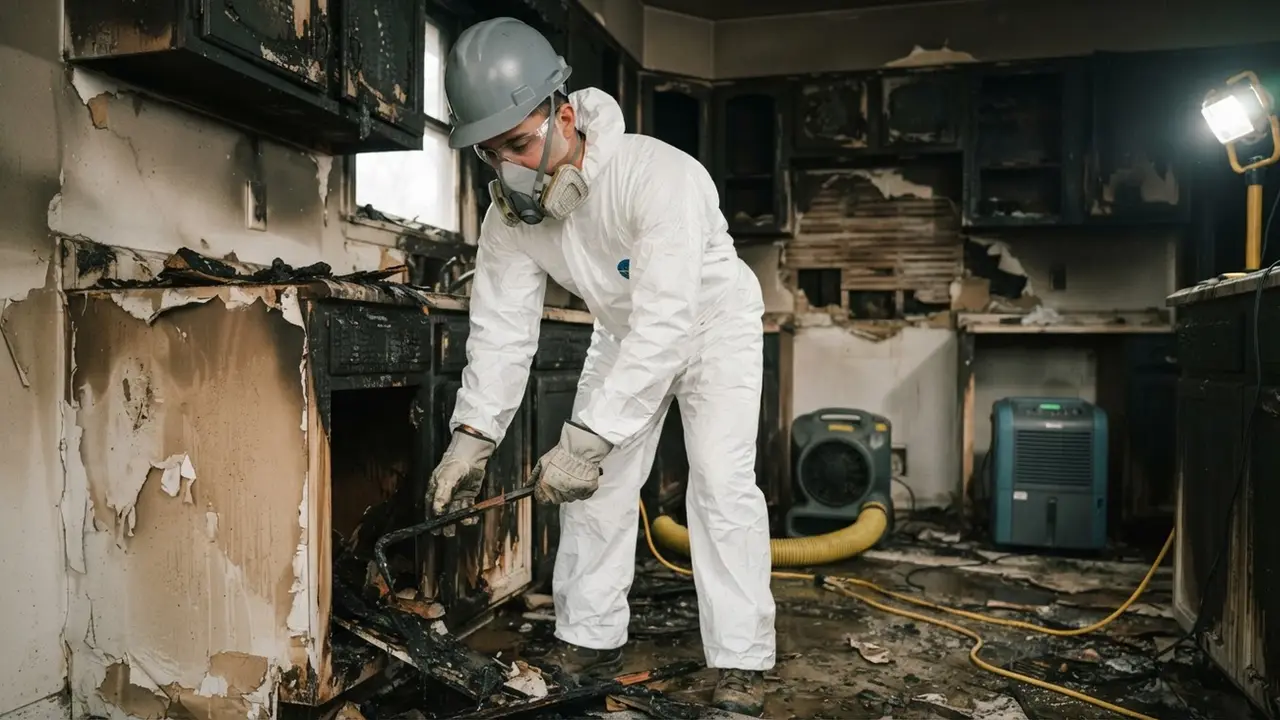
Smoke residueSmoke residue settles on belongings beyond the fire roomFine soot can spread through open doorways and cling to upholstery, shelving, and personal items. Dry wiping can smear residue and make cleaning harder. We identify the affected areas and surfaces, then choose a controlled cleaning method for each group of contents. Items are separated from unaffected belongings, documented, and cleaned in sequence with room restoration. We address odor after residue removal rather than masking it.
Sewage exposureSewage water reaches stored household itemsContaminated water can make porous goods unsafe to reuse and may spread contamination if items are carried through clean rooms without separation. We isolate affected contents, assess materials and exposure, and keep them apart from clean items during handling. The source and extent of contamination guide cleaning or disposal decisions. We coordinate with sewage cleanup so belongings are not returned before the affected area is addressed.
Blocked accessWet belongings obstruct drying and repair workFurniture and packed boxes can block access to wet flooring and walls, slowing inspection and keeping damp materials enclosed against surfaces. We sort, label, and move contents that interfere with access, while protecting items that can remain safely in place. This gives restoration work room to reach affected areas and helps preserve an accurate record of what was moved and why.
What Recovery Delivers
Recover suitable belongings with organized handling and a clear record.
Recover More Belongings
We sort contents into cleanable, specialty-care, and non-restorable groups before treatment. That prevents a wet cardboard box, smoke-marked chair, or contaminated item from being handled as though every material were alike. You get a clear inventory and a practical recovery path for furniture, textiles, and household goods.
Limit Secondary Damage
Wet belongings left in a closed room can stay damp while the building dries, raising the risk of odor and mold growth. We separate affected items, use controlled air movement, and coordinate drying with the room conditions. Timely handling matters after an appliance leak or frozen pipe burst.
Track Each Item
Photos, item descriptions, and room labels make it easier to follow belongings from assessment through cleaning and return. You can identify what was affected and what work was performed without relying on memory during a stressful claim. We keep the process organized for homes and commercial contents.
Reduce Disruption
When furniture blocks access to wet flooring or damaged walls, careful pack-out clears the work area without mixing items between rooms. We label packed contents and coordinate their handling with drying and repairs. That helps you regain usable space sooner and reduces unnecessary handling.
What You Receive
Clear records you can keep and share.
Item Inventory
Room labels, item descriptions, and condition notes
Photo Log
Images of affected contents and handling stages
Progress Record
Cleaning and drying status by item group
Return List
Record of contents prepared for placement
Why Materials Change the Method
Water, smoke, and soot affect surfaces differently, so cleaning starts with material and source assessment.
Hard Surfaces
Compatible nonporous items allow direct surface cleaning.
Check finish compatibility
Remove loose residue first
Dry before return
Porous Goods
Textiles and composite materials retain moisture and odor.
Separate damp items
Assess odor and staining
Consider specialty care
Sensitive Contents
Documents and electronics need careful handling.
Limit unnecessary movement
Record visible condition
Refer when appropriate
Surfaces and Materials
Finished wood
Upholstery
Textiles
Hard goods
Paper records
Storage boxes
Electronics
Rugs
Service ZIP Codes.
A list like this tells people straight away whether you cover their street. Not listed? Call and ask: it only takes a minute.
A pipe leaked into our lower-level room, and several boxes and a fabric chair were wet before we caught it. The crew photographed the contents, separated the items, and explained what needed extra attention. We appreciated having the boxes labeled by room instead of getting everything mixed together. It made the cleanup and return much easier to follow.
Smoke from a small fire left residue on shelving, display pieces, and some inventory. The team sorted the affected contents and cleaned the items that could be recovered while the room was being repaired. They kept a useful item list and coordinated when things could come back into the shop. That helped us plan the reopening without guessing what had been handled.
After water came in during a storm, our basement furniture and stored linens smelled damp. The crew checked each group of belongings, moved what needed cleaning, and explained why some porous items required more care. The labeled return made it straightforward to put things back. We also got practical guidance about keeping storage off the basement floor.
Contents Restoration Questions
Cost depends on item count, contamination, materials, transport, and specialty treatment. We review the affected contents and explain pricing before work proceeds. Cleaning and restoration costs are separate from structural repairs, and insurance coverage depends on your policy and the cause of loss.
Many solid-wood and hard-surface pieces can be restored if drying and cleaning begin promptly, while swollen composite wood and contaminated upholstery are harder to save. We check material, water source, finish, and moisture before recommending treatment. A Moisture meter can help assess dampness, but visible warping, delamination, or sewage exposure changes the decision. Keep furniture out of direct heat and avoid using household cleaners until it is assessed.
Contents cleaning is covered when the policy includes the relevant cause of loss and the affected items qualify under its terms. Coverage varies for sudden pipe leaks, flood water, sewage, and gradual leaks, so review your policy and contact your adjuster. We document affected contents with descriptions and photographs to help you discuss the loss. Keep receipts and avoid discarding damaged items until you understand the claim requirements.
Choose a Hopkins company that inventories contents, matches treatment to materials, and coordinates cleaning with structural drying. Ask how items are photographed, labeled, packed, and checked before return. If you need same day contents cleaning Hopkins MN, call (833) 546-4116 and describe the source, affected rooms, and urgent items. We can discuss the next steps and whether on-site cleaning or pack-out is appropriate.
Contents cleaning and restoration Hopkins MN starts with a clear look at the damage and the belongings you want to recover. Our team documents items and explains the next steps. Call (833) 546-4116 to talk through your Hopkins property.
Call Hopkins Water Damage Company at (833) 546-4116 to describe a leak, fire, mold concern, or basement water problem. We connect you with independent companies serving Hopkins, Minnesota, including ZIP codes 55343 and 55305. Tell us the property type, affected area, and whether the source is still active so the provider can understand what help you need.