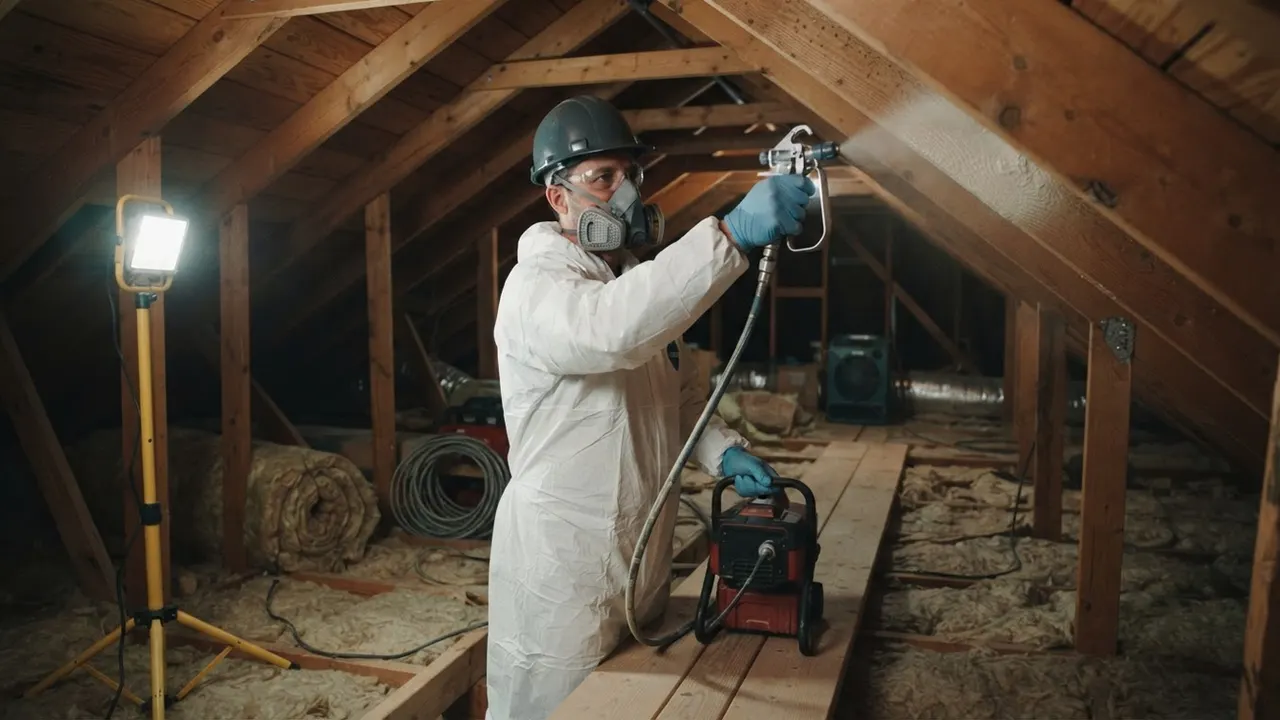
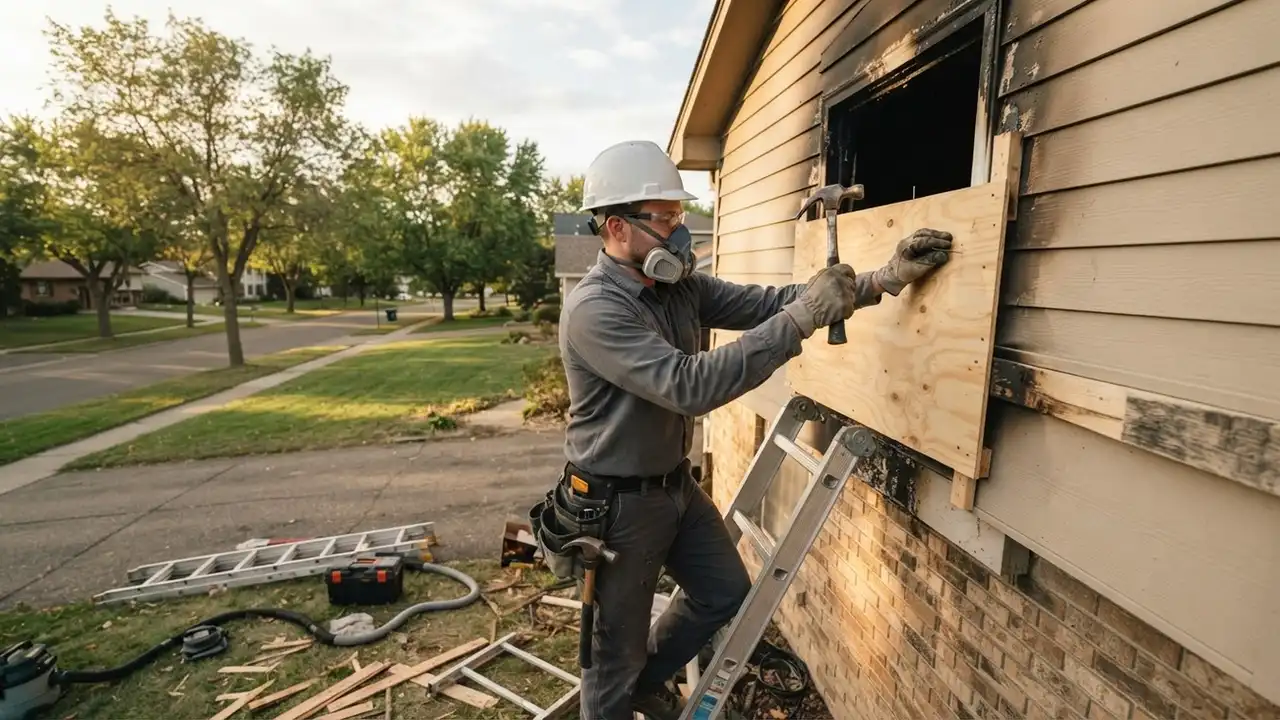
Odor removal and deodorization Hopkins MN helps homeowners and property managers tackle smoke, musty, sewage, and pet odors at their source. We inspect the affected rooms, identify whether moisture or residue is sustaining the smell, then match treatment to the material. Our Hopkins Minnesota deodorization services address the cause as well as the air, so you are not left masking a smell that returns after the windows close.
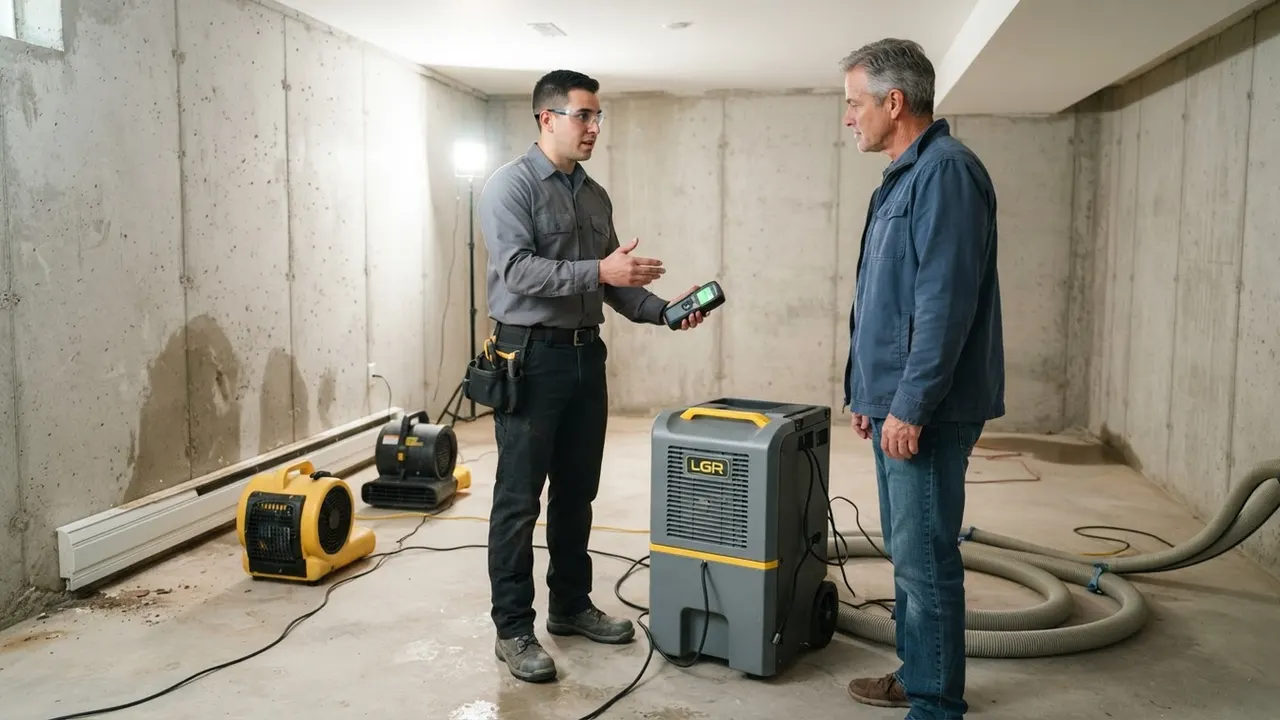
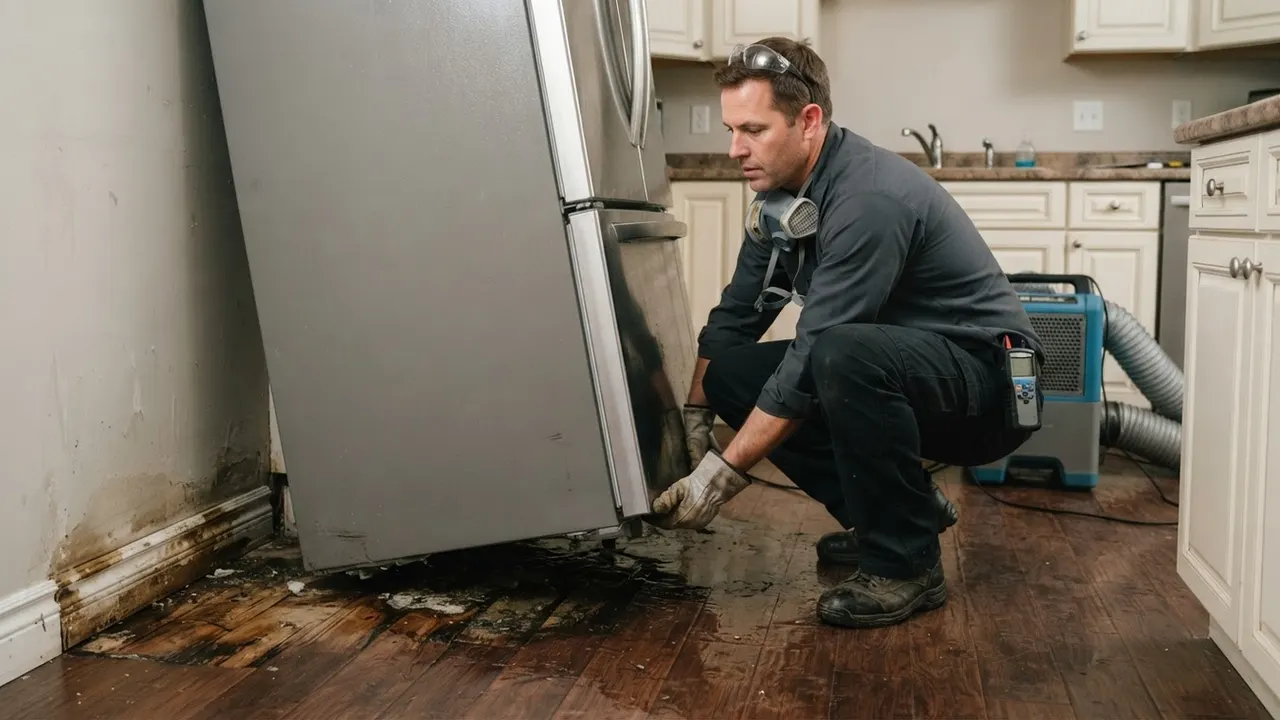
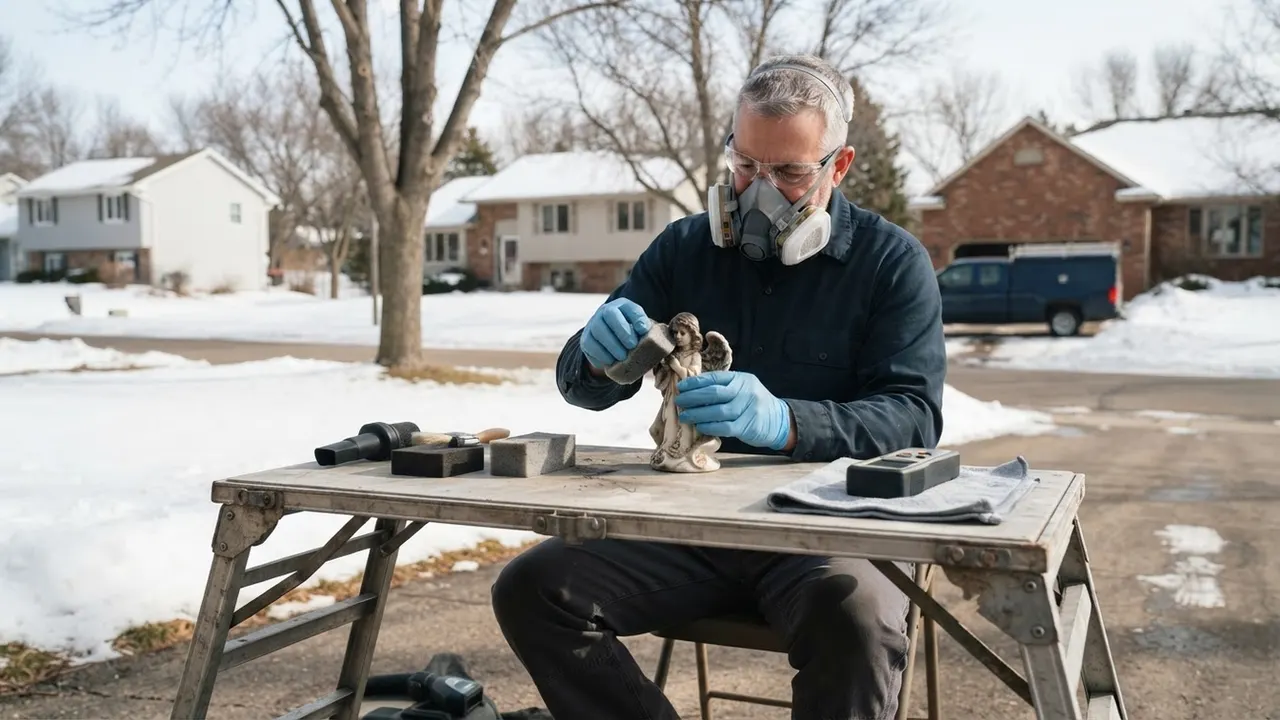
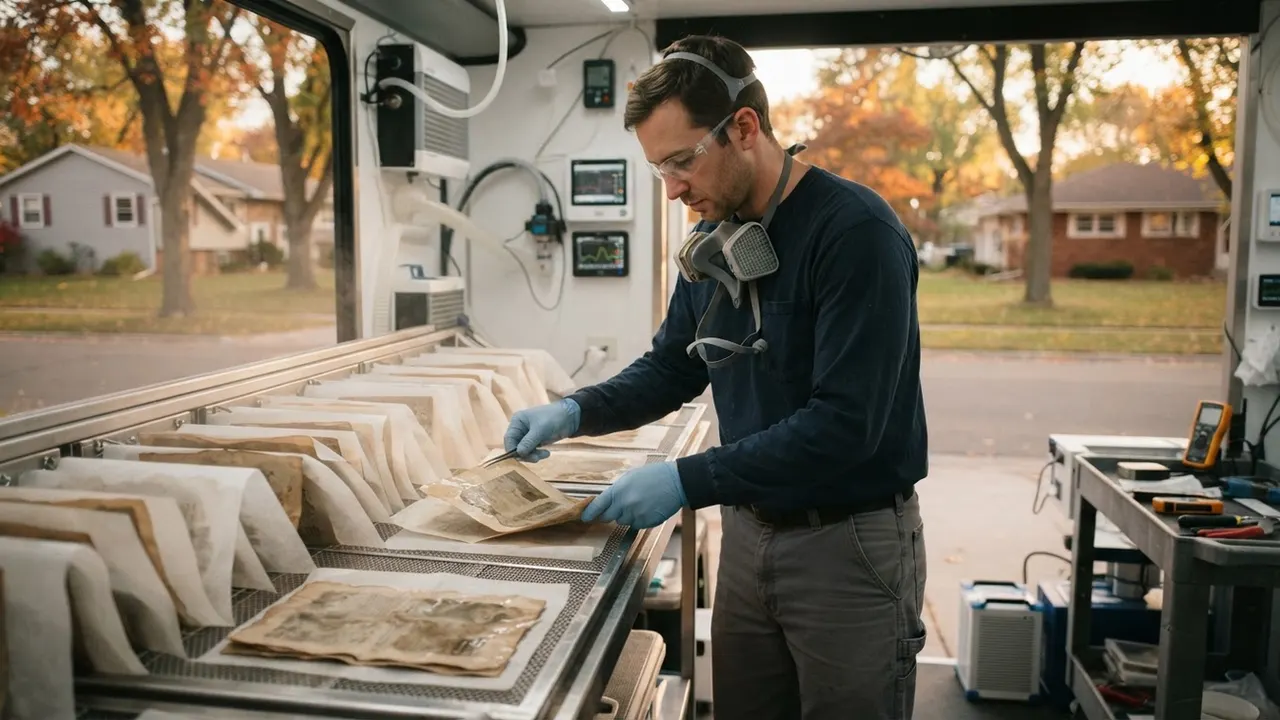
Final walkthroughWe review the treated area together
What Odor Service Includes
Odor removal and deodorization covers source inspection, cleaning of affected surfaces, suitable treatment, and a follow-up check of the work area. When moisture is involved, drying is included in the service plan as needed to address the cause. Major reconstruction, extensive contents restoration, and repairs to an active leak are separate restoration tasks that we identify during inspection. You will know which work applies to your situation.
Odor Source Inspection
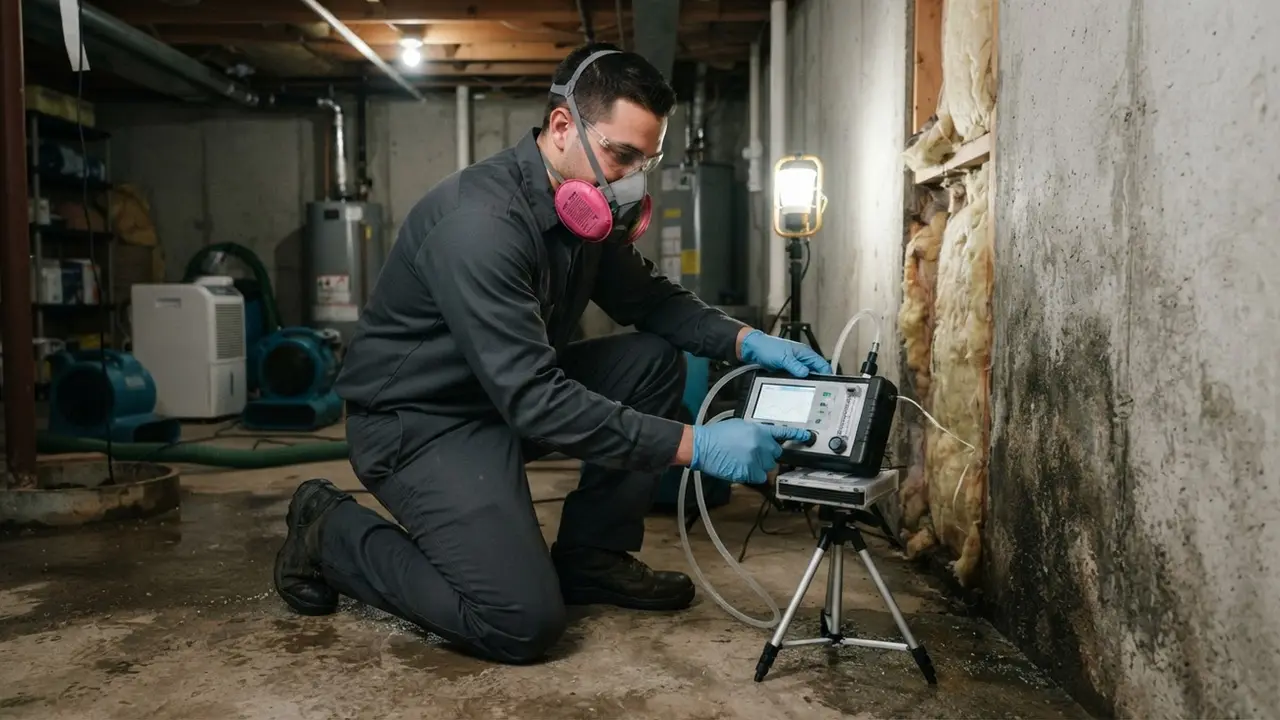
We walk through affected rooms, ask when and where the smell appears, and inspect connected surfaces or contents. Moisture checks help distinguish a damp-material odor from smoke or household residue. This assessment guides the treatment and prevents us from applying one method to every odor.
Affected Surface Cleaning
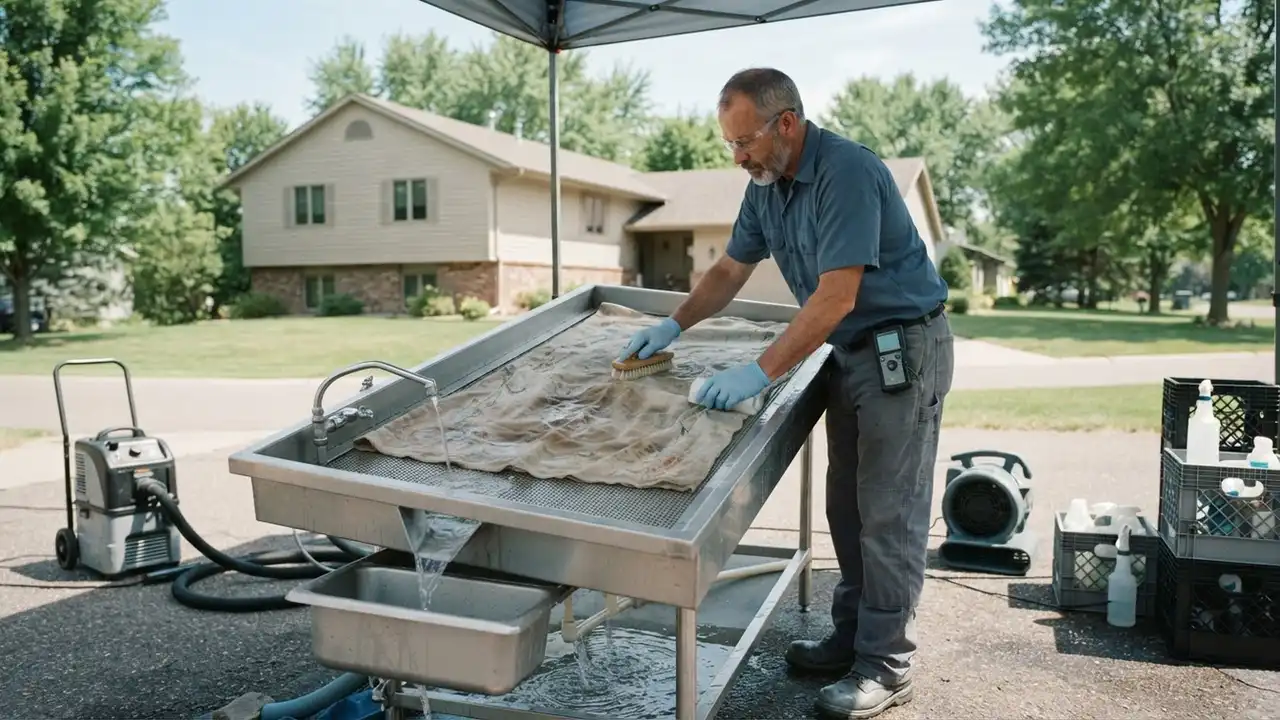
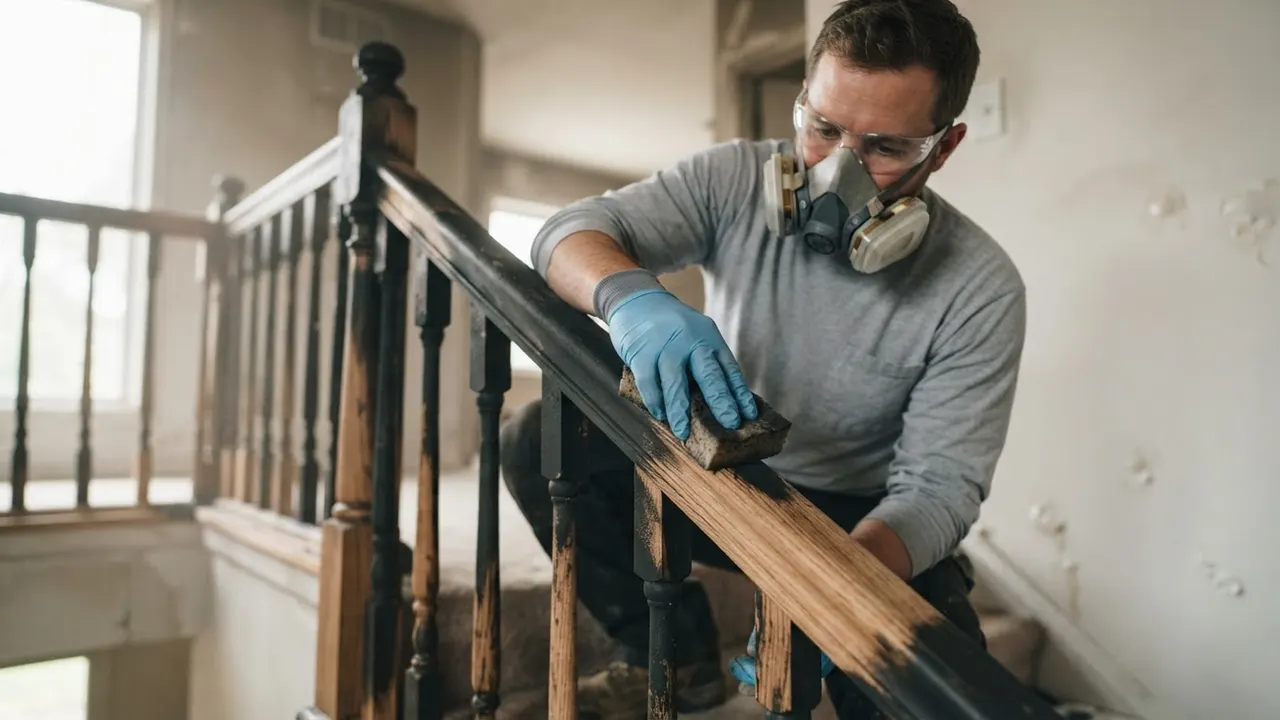
We clean suitable surfaces to remove residue that contributes to odor, selecting products and tools for the material. Smoke, sewage, and pet contamination require different handling. Porous items receive an individual assessment because some can be cleaned while others retain odor.
Targeted Deodorizing
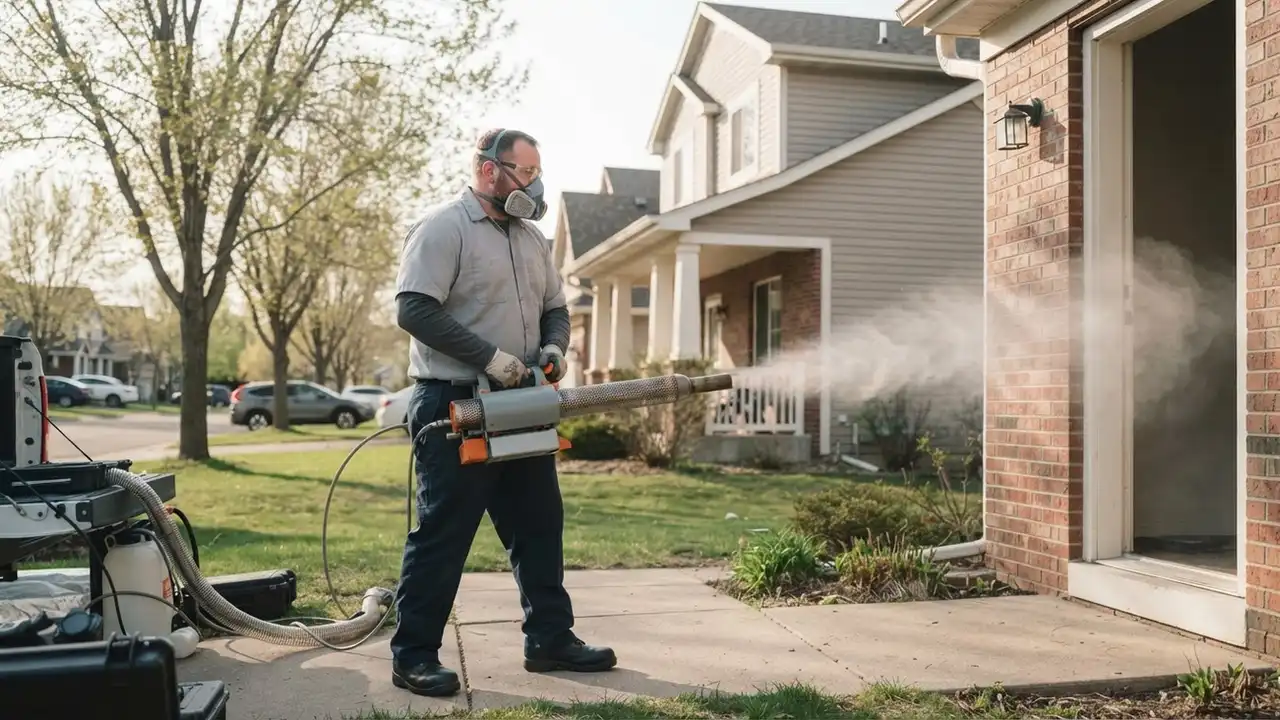
After cleaning, we apply an appropriate deodorizing method to the affected area. A fogger or other application method is used only when it suits the material and treatment plan. We focus on the source and avoid relying on fragrance as a substitute for cleanup.
Moisture Control
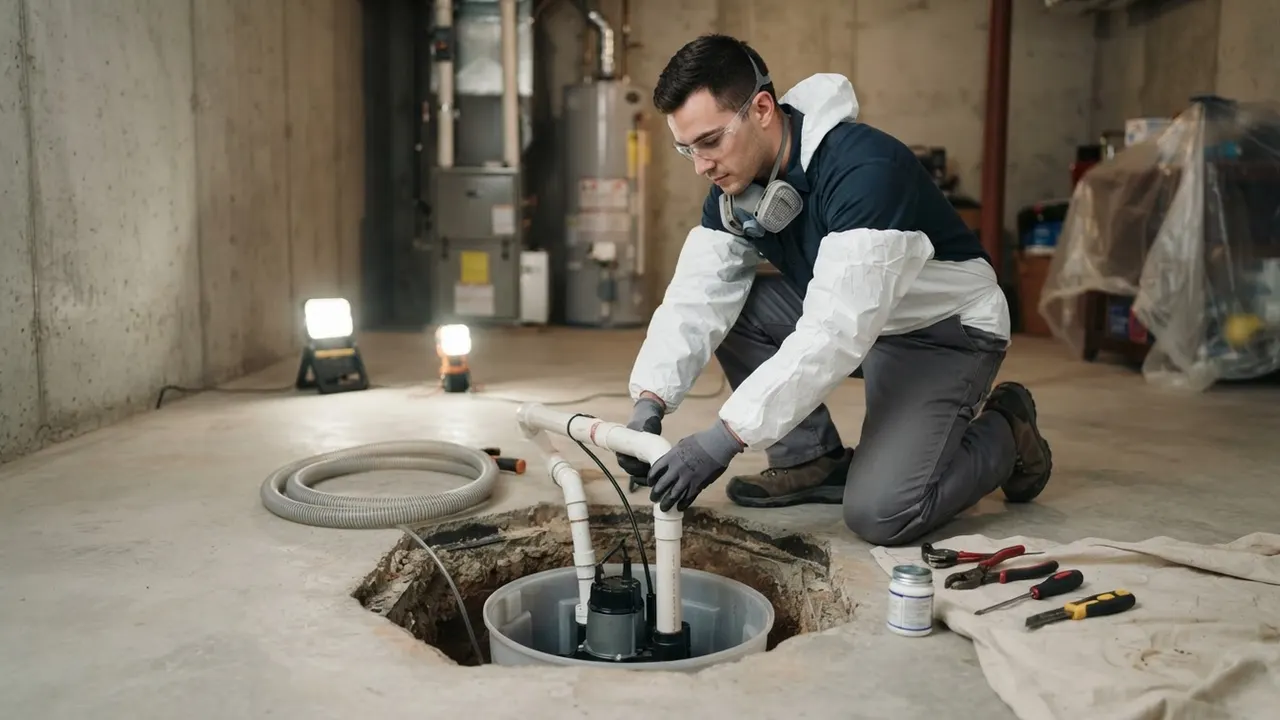
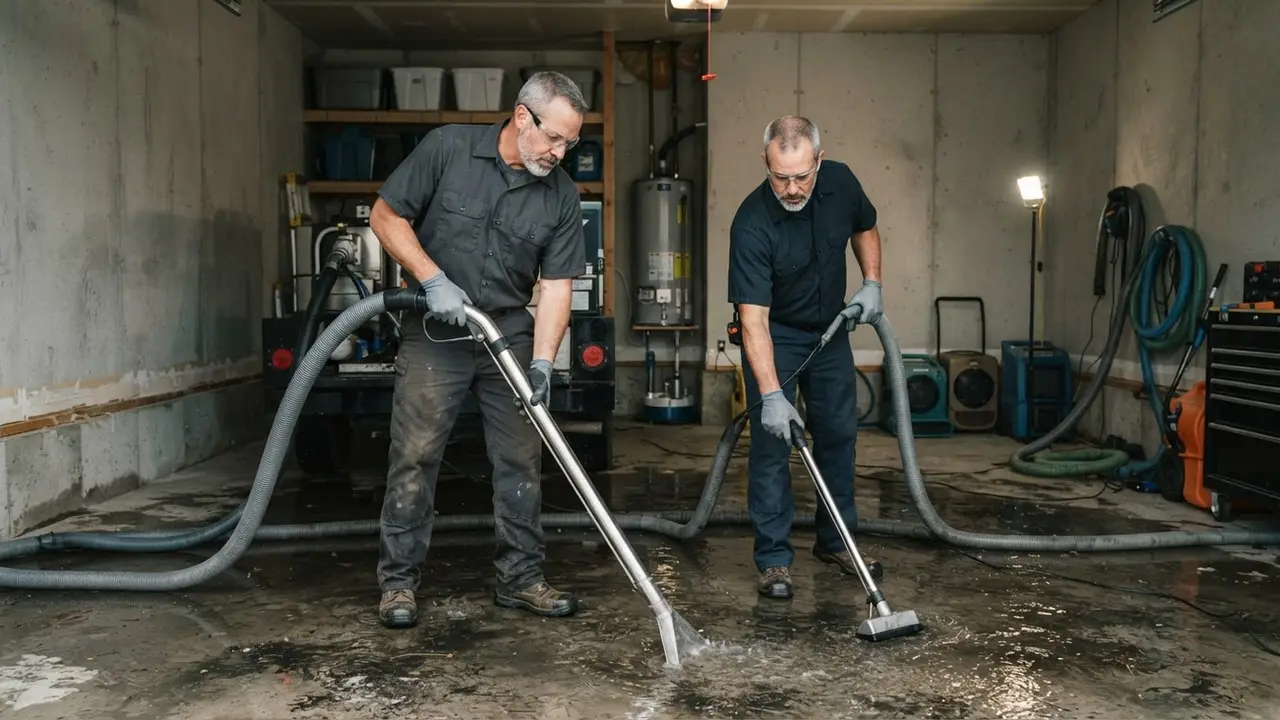
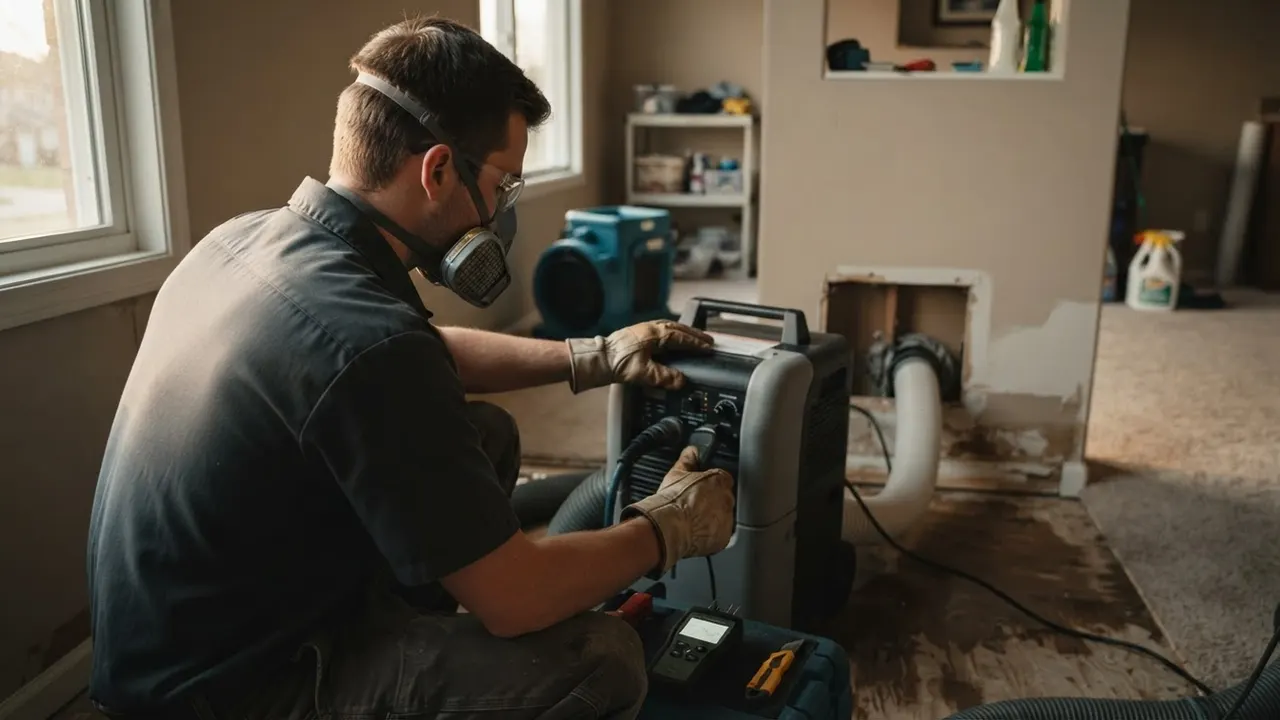
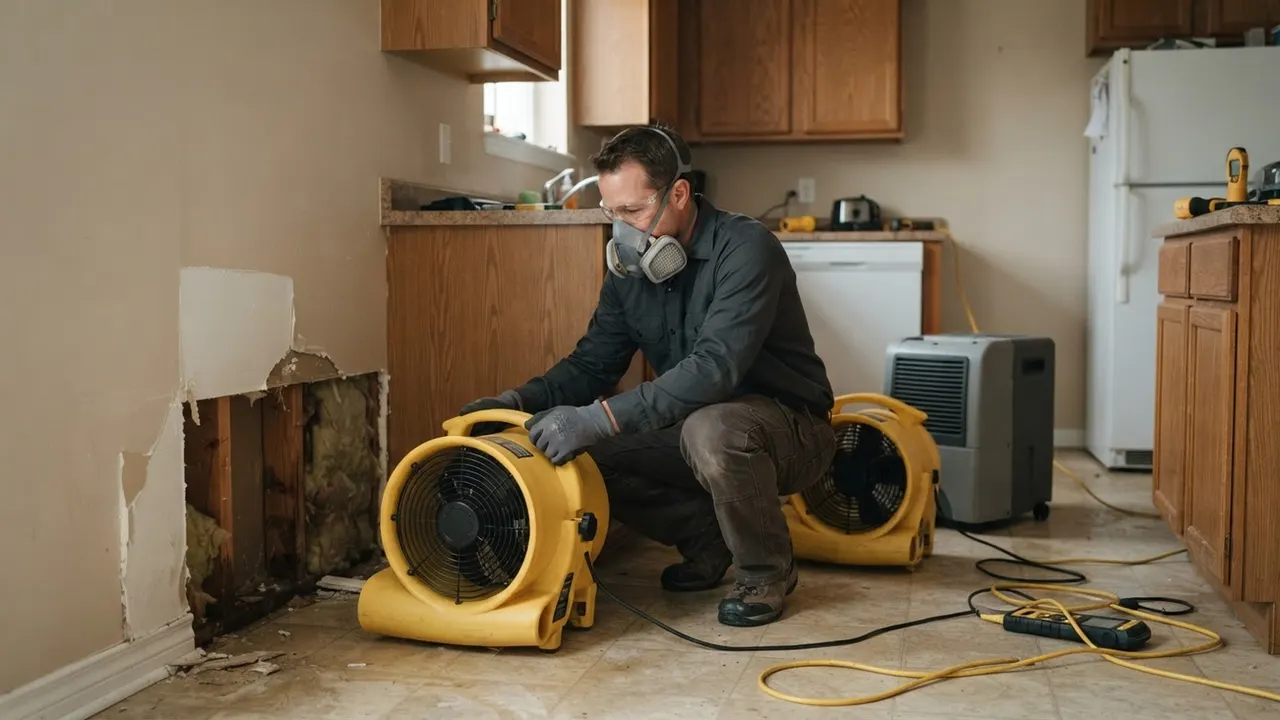
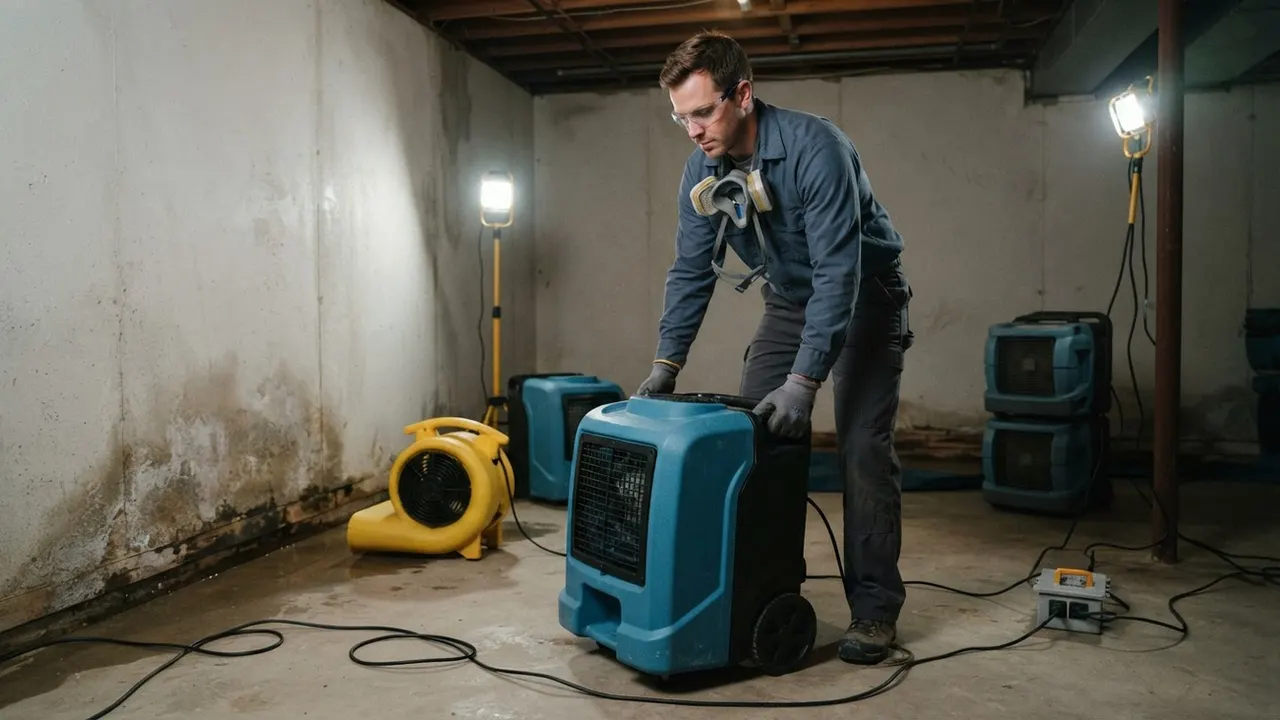
If dampness is driving the smell, we use extraction or drying equipment as part of the restoration sequence. Air movers and a dehumidifier can support drying after a leak or flood. We track the affected area so deodorization does not get ahead of moisture correction.
Work and Follow-Up Notes
We review the areas treated, the cleaning and deodorizing steps completed, and any remaining drying or repair needs. If an odor persists, those notes help guide a focused reinspection. You leave with a practical understanding of what changed and what to monitor.
Homes and Businesses.
The approach is the same for a home and a business. What changes is the access, the schedule and who needs the paperwork.
For Homes
We inspect the room, nearby contents, and likely odor pathways before selecting a treatment. You get a clear explanation of what needs cleaning, drying, or follow-up.
Musty basement after a leak
Smoke odor in connected rooms
Pet odor in carpet or upholstery
For Businesses
We assess affected work areas and shared air pathways with your access needs in mind. Our team explains containment, cleaning steps, and what spaces remain usable.
Odor in a tenant suite
Smoke in shared corridors
Sewage smell near a utility room
Odor Removal and Deodorization Hopkins MN
A plain-language look at what Odor Removal and Deodorization involves and when it is needed.
Odor removal and deodorization Hopkins MN is a restoration service that identifies and treats odor-causing residues, contamination, and moisture in buildings and contents. We begin by tracing the smell to its source, not by spraying fragrance over it. Depending on the material and cause, our work can include cleaning, controlled drying, HEPA filtration, targeted deodorizing, or removal of porous items that cannot be restored. A moisture meter helps us check concealed dampness, while a HEPA vacuum captures settled particles during cleaning. The treatment plan follows the evidence in your home or business.
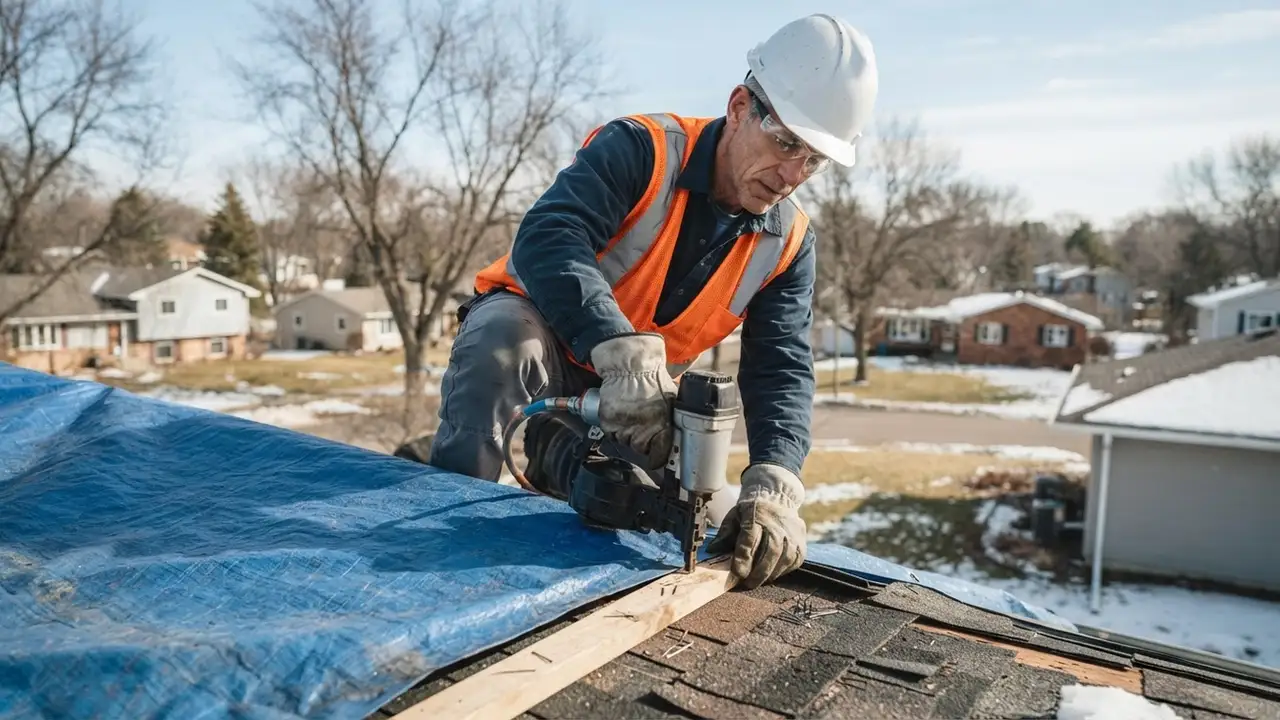
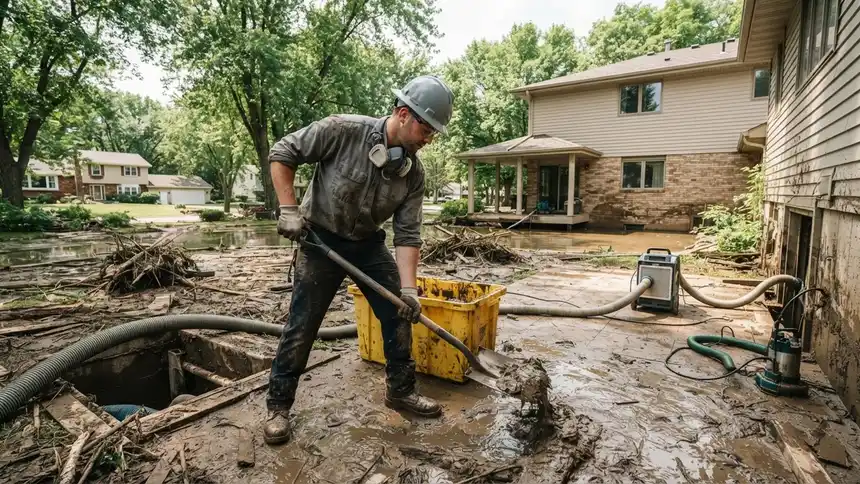
In Hopkins, odors often linger after a frozen pipe burst, basement flooding, a roof leak, smoke exposure, or a sewage backup. Cold-season heating can circulate a smell through connected rooms, while damp insulation or drywall can hold odor after the visible water is gone. For smoke odor removal near me Hopkins searches, we inspect surfaces, contents, and air pathways before choosing a method. If you need odor removal and deodorization in Hopkins MN near me, we explain what is causing the odor and which materials need attention.
Effective deodorization removes or treats the source instead of covering the smell.
What It Is
Inspection, cleaning, and targeted treatment for odors linked to smoke, moisture, sewage, or other residues.
When Needed
When a persistent smell remains after a leak, fire, sewage event, or pet accident.
What To Expect
Source checks, material-specific cleaning, deodorizing, and a review of follow-up needs.
What to Expect During Service
Odor removal and deodorization Hopkins MN follows a source-first sequence: inspect, isolate, clean, treat, and verify. We explain each stage before equipment is set up, protect nearby surfaces, and keep you informed about access needs. A small room treatment can take a few hours; drying or multi-room restoration can extend across several days.
Inspect and Trace
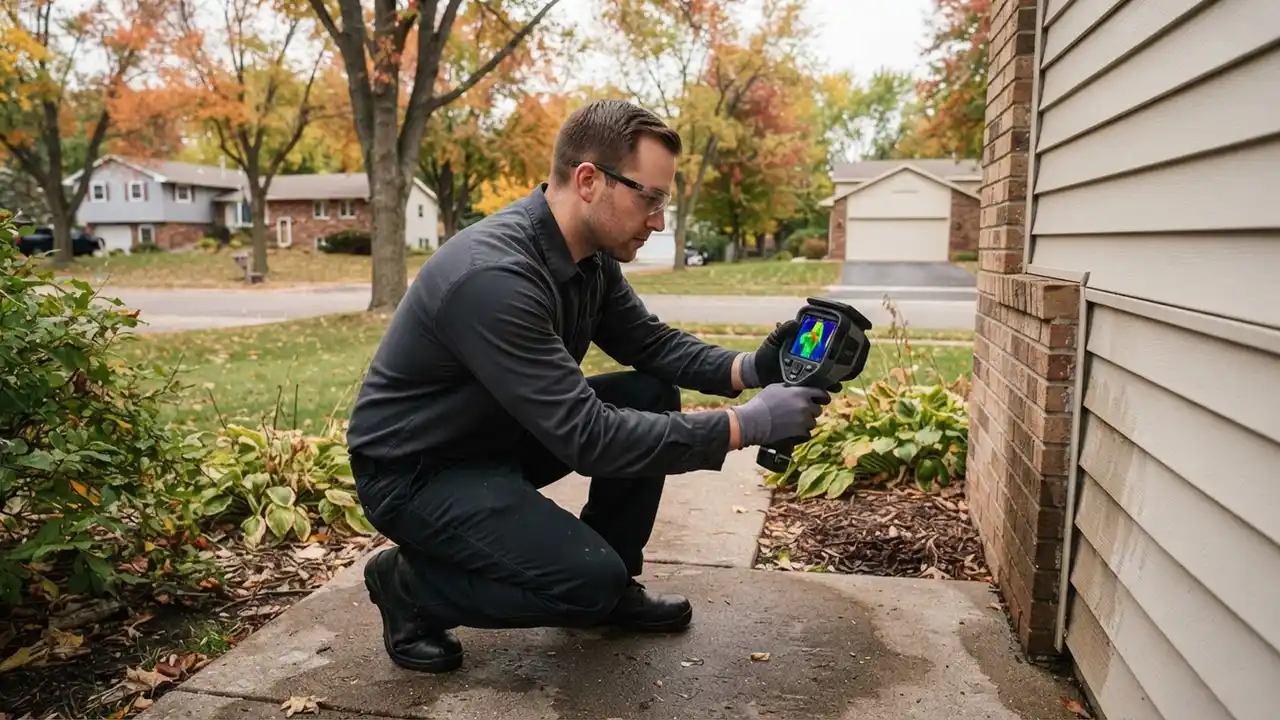
Odor removal and deodorization in Hopkins starts with a walk-through and questions about when the smell began, where it is strongest, and what happened beforehand. We inspect visible surfaces and use tools such as an infrared thermometer or moisture meter when conditions call for them. This first visit often takes 30 to 90 minutes, depending on access and the number of rooms.
Walk-through
Source tracing
Moisture check
Protect the Area
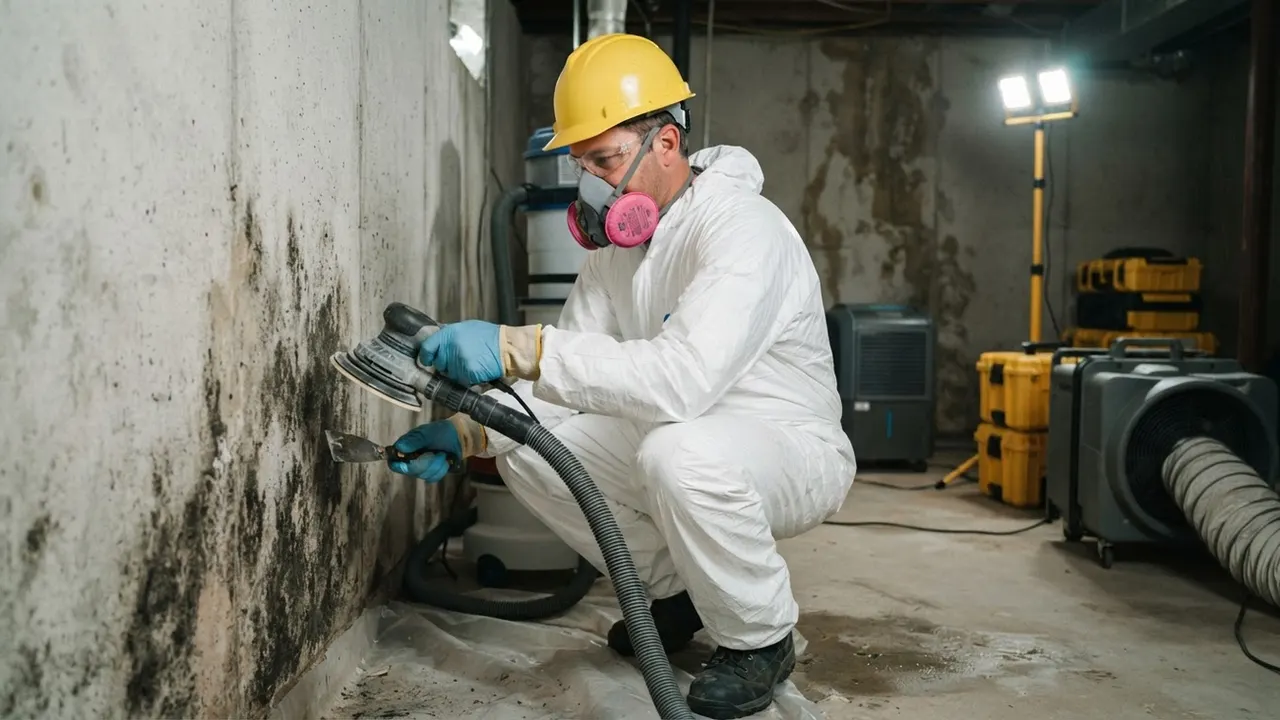
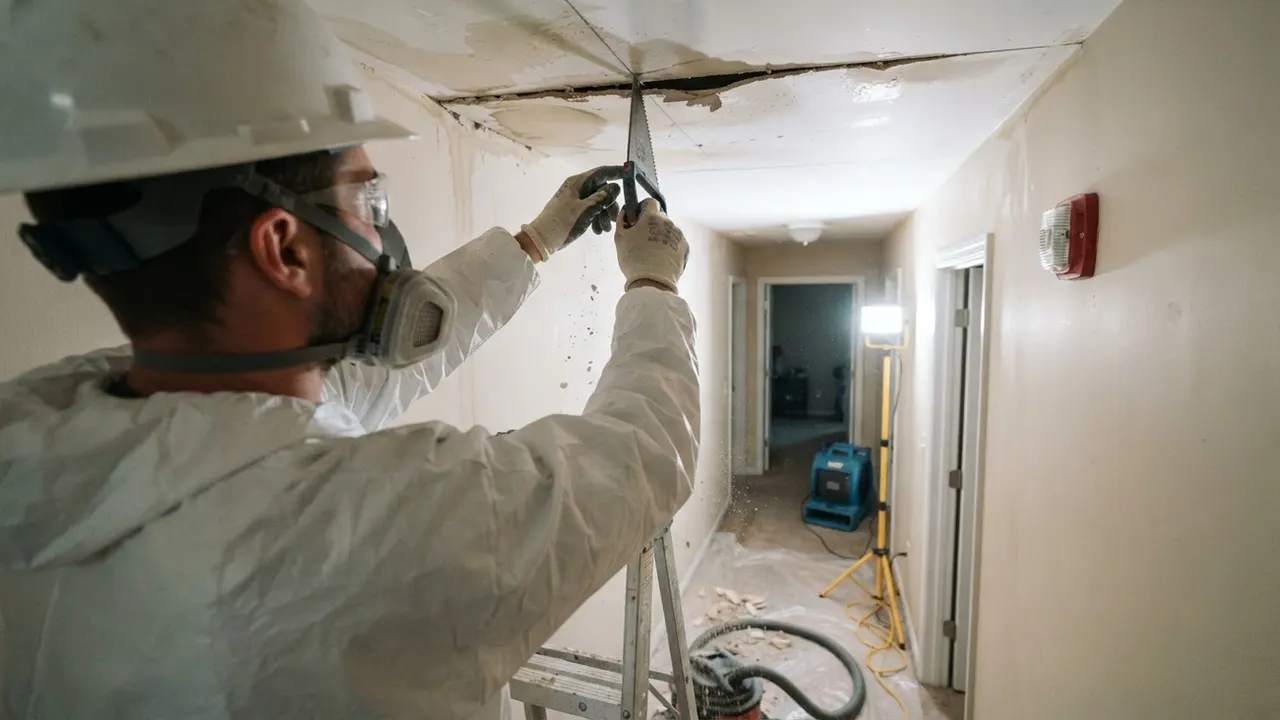
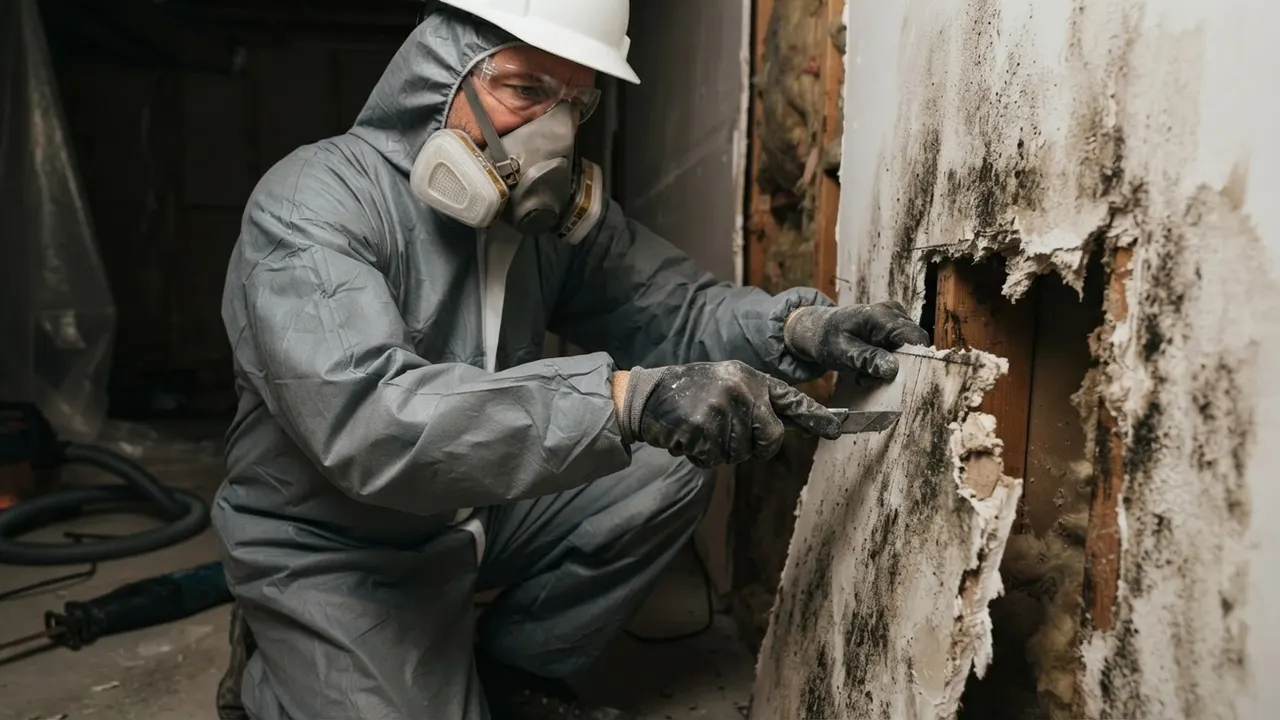
We move or cover items as appropriate, protect unaffected surfaces, and establish a work area. Plastic sheeting can separate rooms when cleanup risks spreading dust or residue, and a negative air machine may be used for controlled containment. You will know which rooms remain accessible and whether contents need to be moved before cleaning begins.
Surface cover
Room setup
Access review
Remove Residue
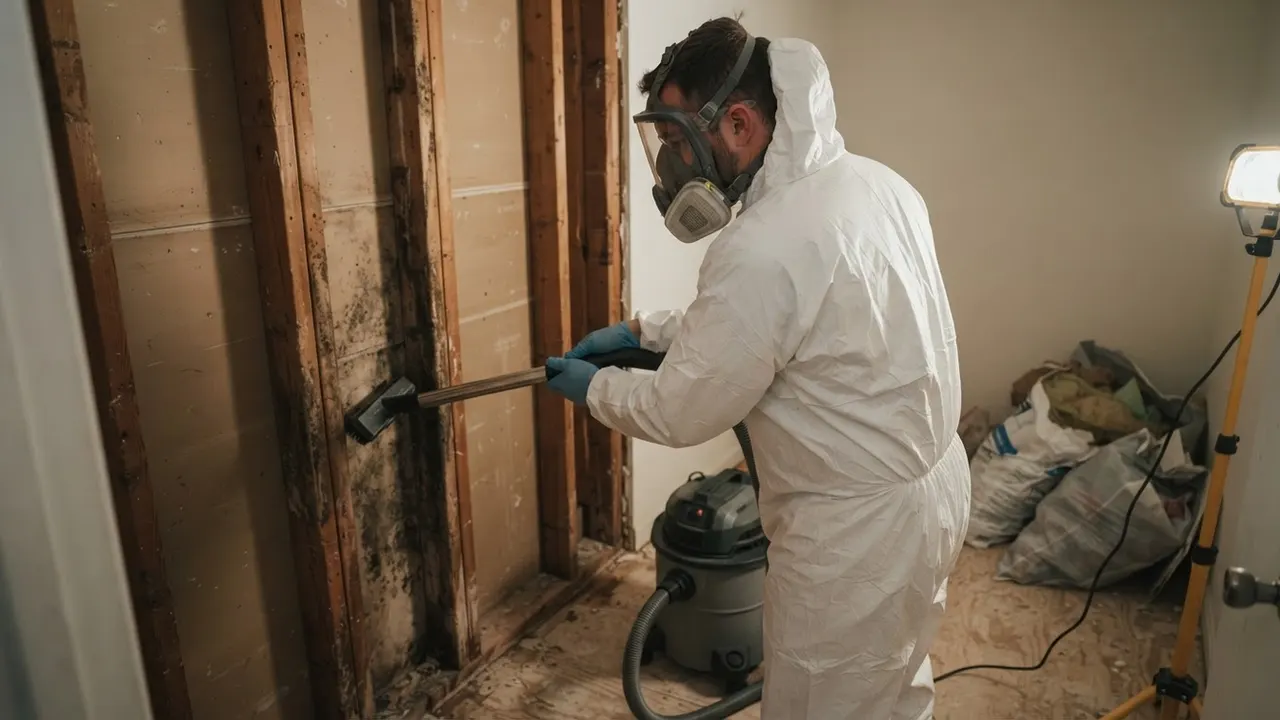
Our team cleans affected surfaces and contents using methods suited to the material and odor source. Smoke residue, pet contamination, and sewage-related soil do not respond to the same cleaner, so we select products and tools for the job. Porous materials that retain contamination are evaluated for restoration or removal rather than repeatedly treated without results.
Residue removal
Material cleaning
Contents check
Treat and Dry
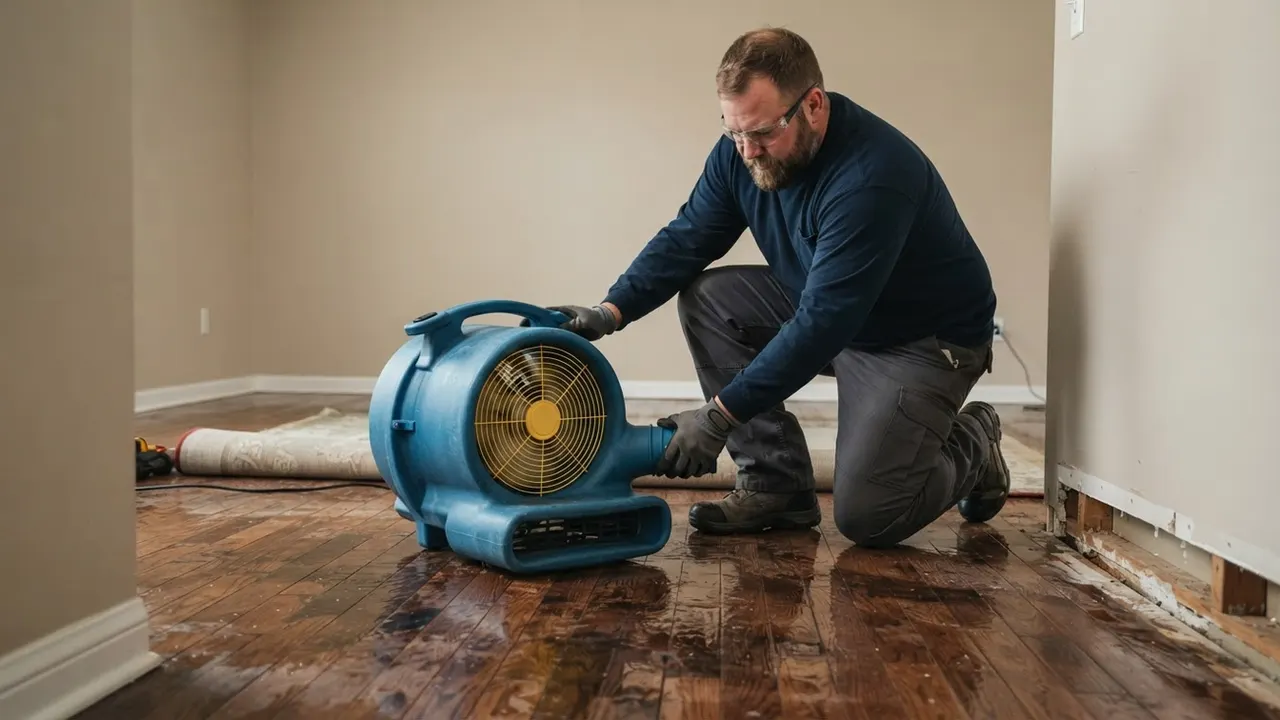
After cleaning, we apply a suitable deodorizing treatment and address moisture if it is part of the problem. A fogger can distribute an approved product through appropriate spaces, while a dehumidifier and air mover support drying after water damage. Treatment time varies; equipment may run for 24 to 72 hours when structural drying is required.
Odor treatment
Drying setup
Air control
Check the Result
We revisit the treated area, check for remaining odor, and review any moisture readings or equipment needs with you. If a smell persists, we trace it again rather than simply repeating the same treatment. You receive the next steps for cleaning, repairs, or continued drying, along with practical guidance for protecting the result.
Area review
Notes shared
Next steps
Tools and Treatment Methods
Move across a circle, or focus it and press Enter, for an illustrative thermal view of the photograph.
Moisture Meter
Checks building materials for moisture that can sustain a musty odor. We compare affected and nearby areas to guide drying decisions.
HEPA Vacuum
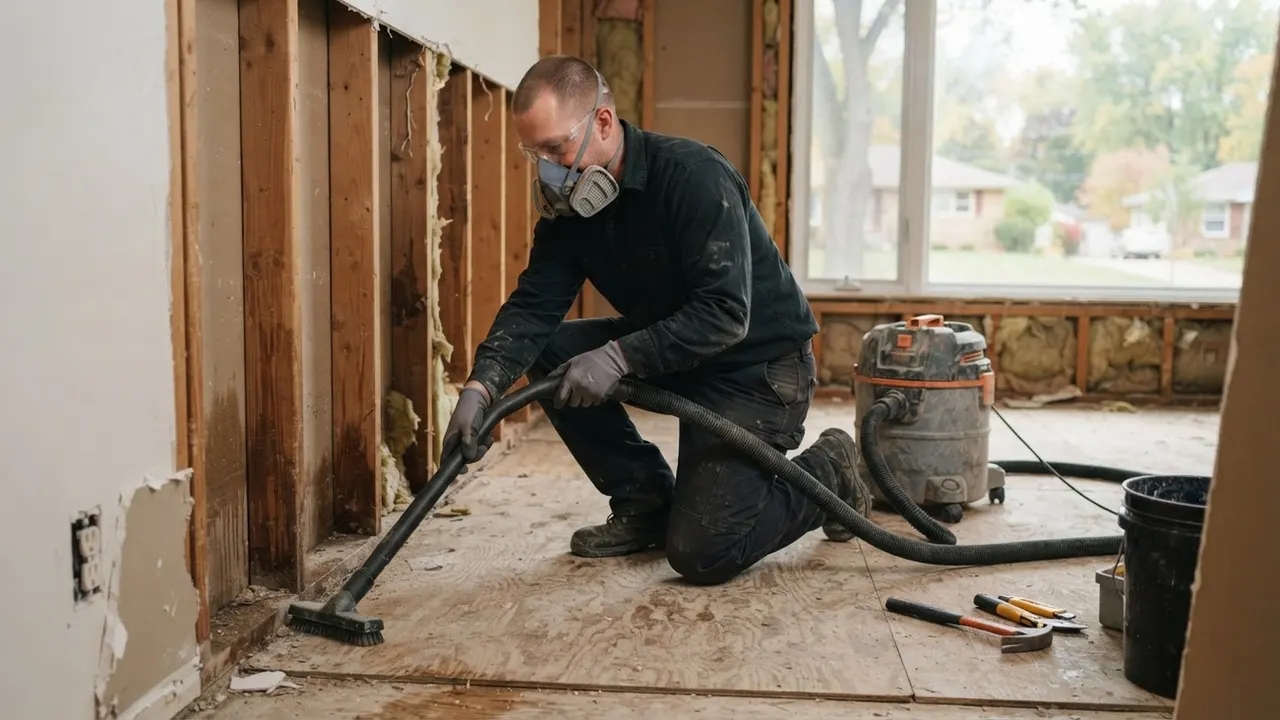
Captures fine settled particles during suitable surface and contents cleaning, helping limit dust disturbance in the work area.
Air Mover
Promotes airflow across wet materials after a leak or flood. We position it to support drying without directing debris into clean areas.
Dehumidifier
Removes moisture from indoor air during structural drying, supporting odor control when damp materials are part of the problem.
Negative Air Machine
Helps control airflow in contained work areas when cleanup conditions call for separation from adjacent rooms.
Thermal views are illustrative, generated from the photographs.
Methods
Dri-Eaz
Restoration equipment from this brand can support controlled drying and air management when the job calls for it.
Source-first inspection
We identify the likely odor source before choosing a treatment. The inspection considers moisture, residue, affected materials, and how air moves between rooms. That lets us decide whether cleaning, drying, contents treatment, or material removal should happen first.
Clean, then deodorize
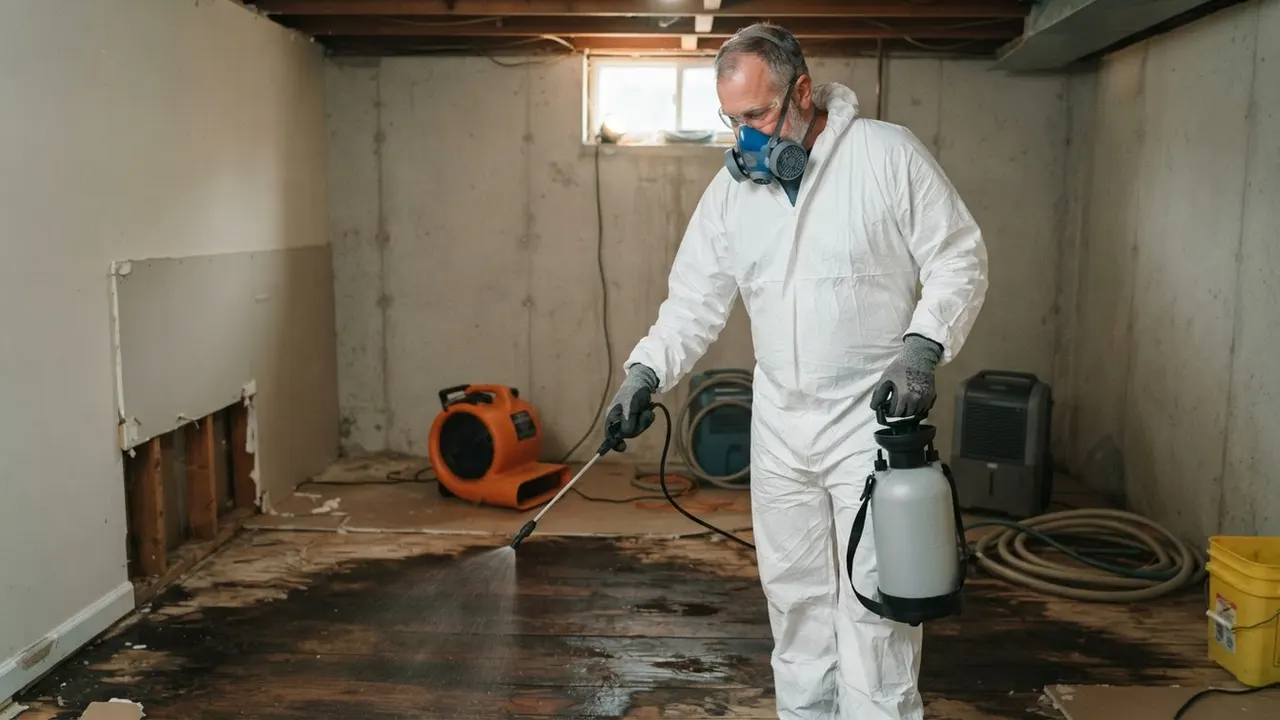
Odor treatment follows removal of the residue that is producing the smell. We select cleaning methods for the surface, then apply a suitable deodorizing treatment. This order is especially important for smoke and sewage because fragrance cannot remove soot or contamination.
Controlled drying
When water damage is involved, we use air movement and dehumidification to reduce moisture in affected materials. We monitor conditions and adjust equipment placement as drying progresses. Deodorization follows when the moisture source and wet materials have been addressed.
Containment and filtration
For work that could disturb dust or residue, we protect nearby spaces and use filtration as appropriate. Plastic sheeting can define a work area, while a negative air machine helps manage airflow. We explain what is protected and which areas remain accessible.
When to Call for Odor Help
Basement Leak
A Hopkins homeowner notices a musty smell after a basement pipe leak during a cold snap.
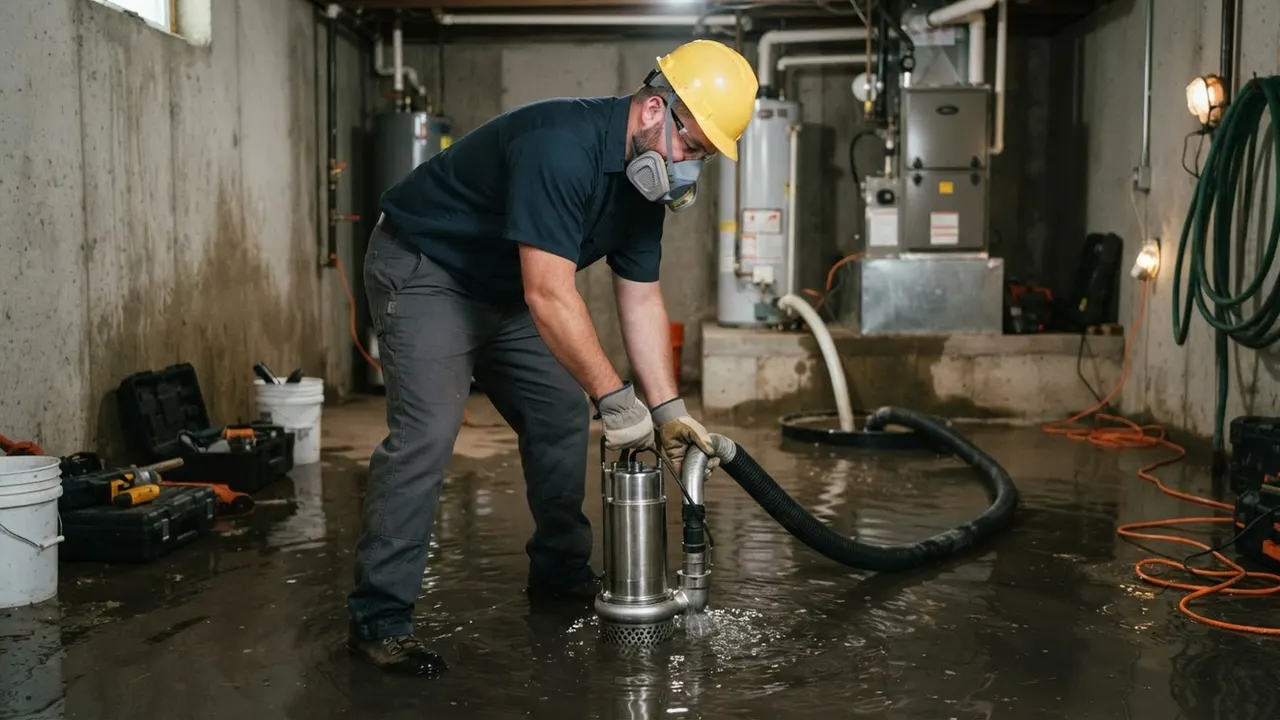
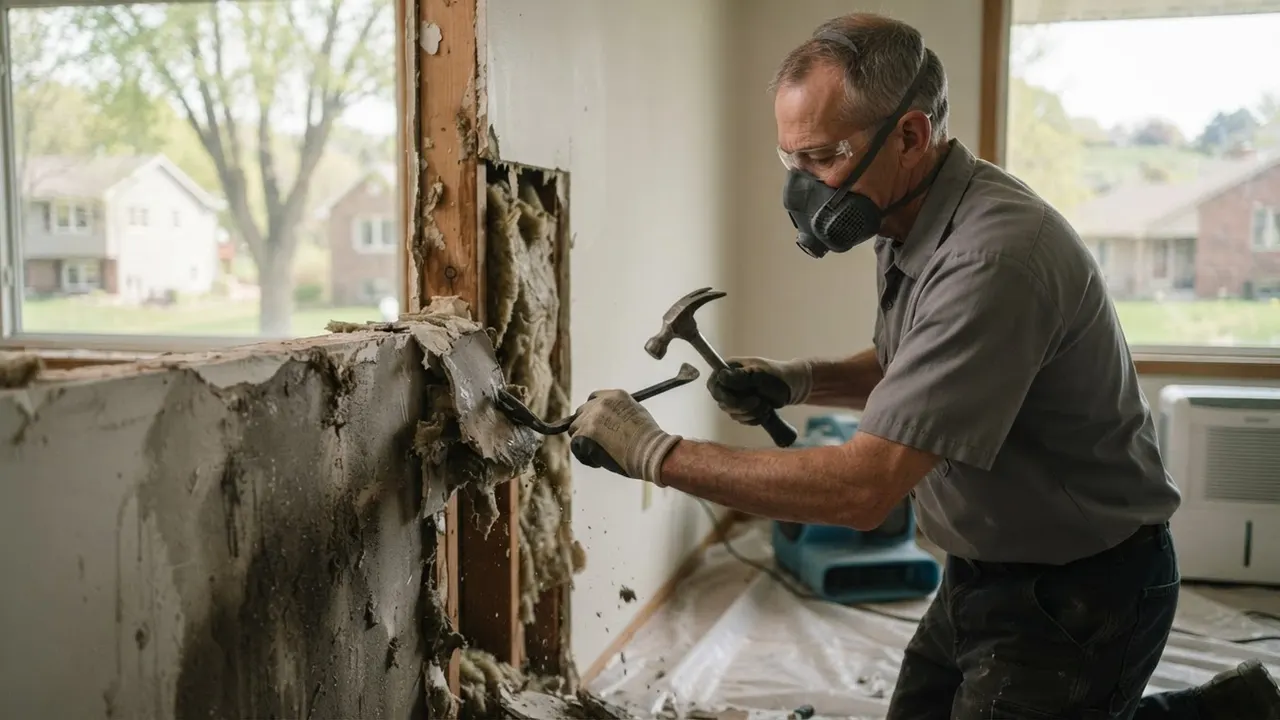
We check the leak area, nearby flooring, and lower wall materials for retained moisture. After extraction and drying where required, we clean and deodorize affected surfaces. If insulation or drywall has absorbed water, we explain whether it can be dried or needs removal before the room is closed up.
Outcome: The homeowner knows whether the odor came from damp materials and what work addressed it, rather than relying on temporary fragrance.
Kitchen Smoke
Smoke odor remains in a Mainstreet Hopkins apartment after a small kitchen fire.
We inspect the kitchen and connected rooms for soot and smoke residue, including cabinets, ceilings, and nearby soft contents. Cleaning comes before deodorization. We use filtration when appropriate and coordinate access so the property manager can plan around residents and shared areas.
Outcome: The affected rooms receive a defined cleaning sequence, with contents and surfaces assessed separately instead of treating the whole unit identically.
Pet Odor
A pet odor returns in a Blake Road home whenever the heating system runs.
We inspect flooring and nearby soft materials, then consider how air movement may carry the smell through the home. Our team treats the source material and checks for residue in connected spaces. If the odor appears tied to the HVAC system, we recommend addressing that pathway as part of the restoration plan.
Outcome: You learn whether the odor is localized or moving through the home, and which surfaces need treatment to reduce its return.
Sewage Backup
A sewage backup leaves a persistent smell in a Hopkins basement utility room.
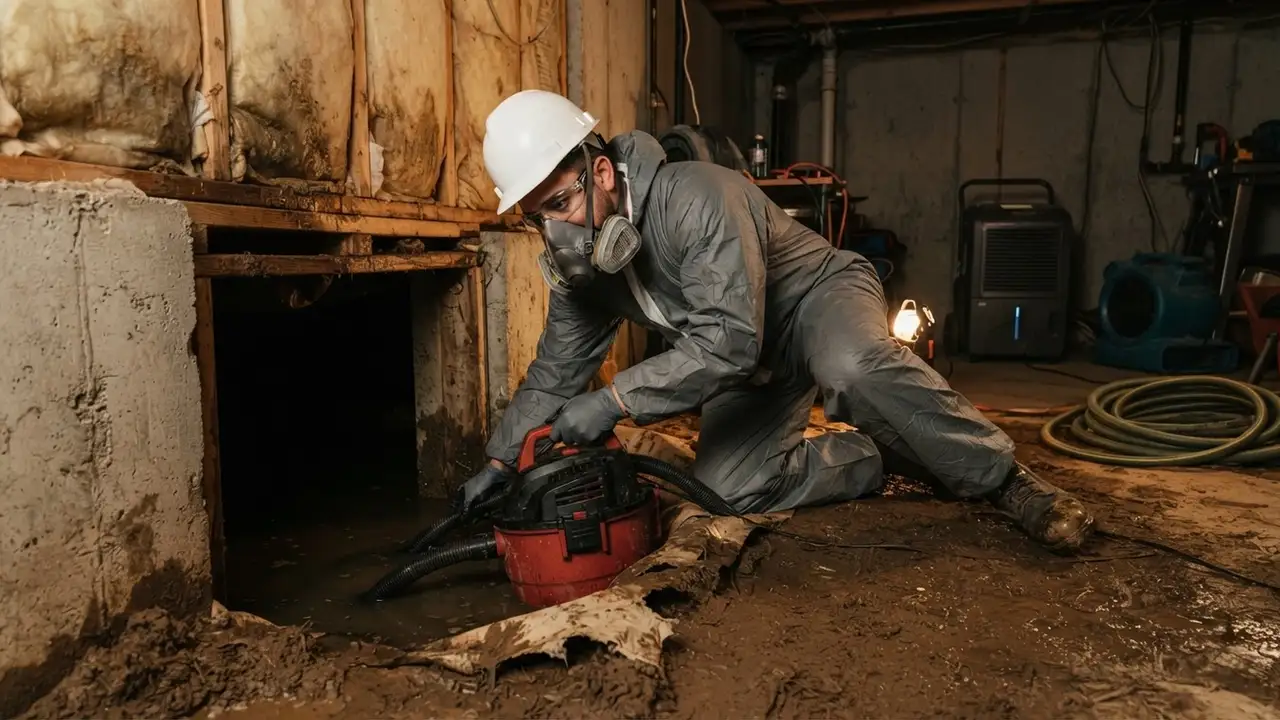
We isolate the affected area, remove contaminated materials as needed, and clean surfaces before applying deodorization. We check surrounding flooring and wall edges for moisture and residue. Drying equipment is used when conditions call for it, and we explain any access restrictions while cleanup is underway.
Outcome: The cleanup addresses contamination and odor together, with remaining drying or repair needs clearly identified before the room is returned to normal use.
Downtown HopkinsMainstreetBlake Road Corridor
Odor Work Across Hopkins Homes
Odor removal and deodorization Hopkins MN must account for how the building is built and how local weather affects it. November brings colder conditions and more closed windows, so a smell from a basement leak or smoke can stay noticeable as heating circulates indoor air. Older homes around Mainstreet and Downtown Hopkins may have layered finishes, enclosed wall cavities, or below-grade spaces that hold moisture.
We check the source before opening or treating materials, and we coordinate with water damage or mold work when conditions overlap. Hopkins Minnesota deodorization services also serve apartments and commercial properties, where shared corridors and ventilation can move odor beyond the original room.
If you are searching for smoke and pet odor removal company Hopkins MN, tell us what happened and which rooms are affected. In ZIP code 55343 and nearby 55305, we tailor the inspection to the property, the odor source, and the materials involved. Our work follows applicable safety practices and local requirements for the specific restoration task.
Downtown Hopkins: Mixed residential and commercial spaces can share corridors and ventilation pathways, so we check adjacent areas when an odor appears to travel beyond its source.
Mainstreet: Older finishes and varied building layouts can hide moisture behind trim or beneath flooring. We inspect the affected room and connected materials before selecting treatment.
Blake Road Corridor: Multi-unit properties may need coordinated access to nearby rooms. We plan containment and cleaning around the affected space to limit disruption to occupants.
Shady Oak: Basements and utility areas can hold damp materials after a leak. We check lower walls and stored contents when a musty odor persists.
Cold weather keeps windows closed and heating systems running: Indoor air recirculation can make an odor noticeable across several rooms even when the source is localized. We inspect connected spaces and check whether airflow is spreading smoke or musty smells.
Below-grade rooms retain moisture after leaks or flooding: Basement flooring, lower drywall, and stored contents can hold water after surface cleanup. We check for moisture before deodorizing so damp materials do not continue producing odor.
We walk through affected rooms and explain what the inspection will check.
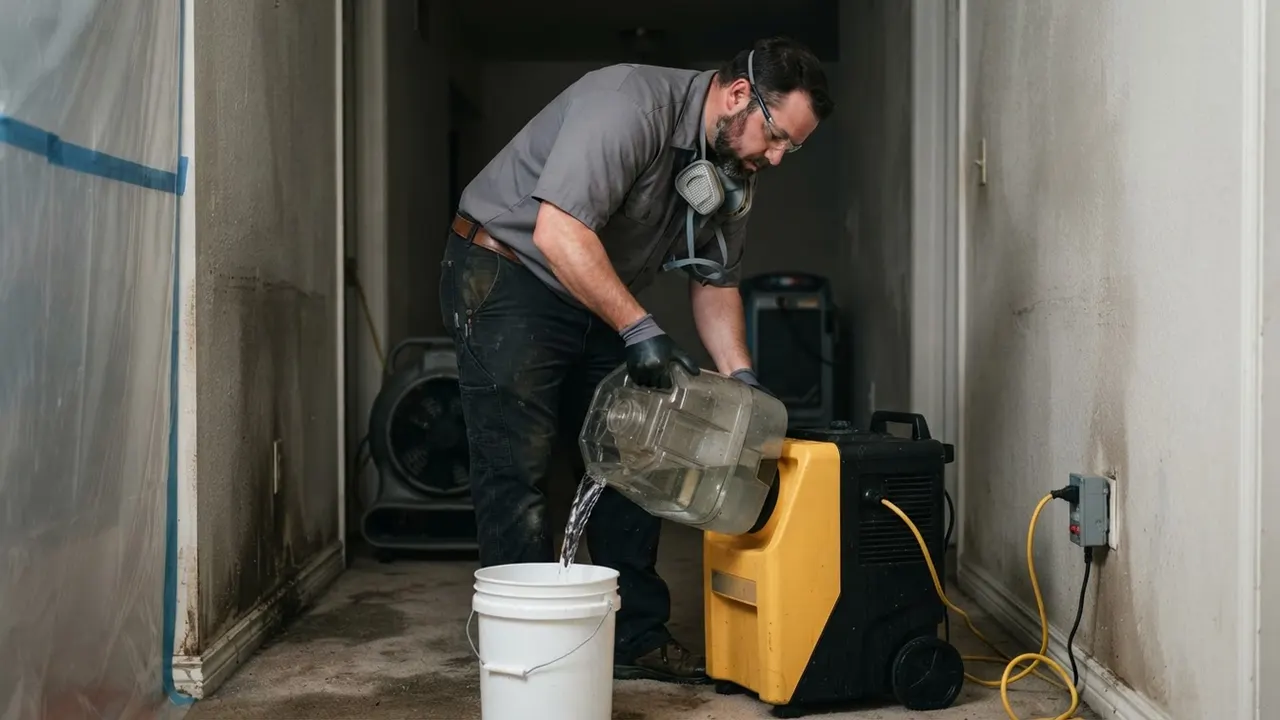
We protect nearby surfaces and set up equipment suited to the work.
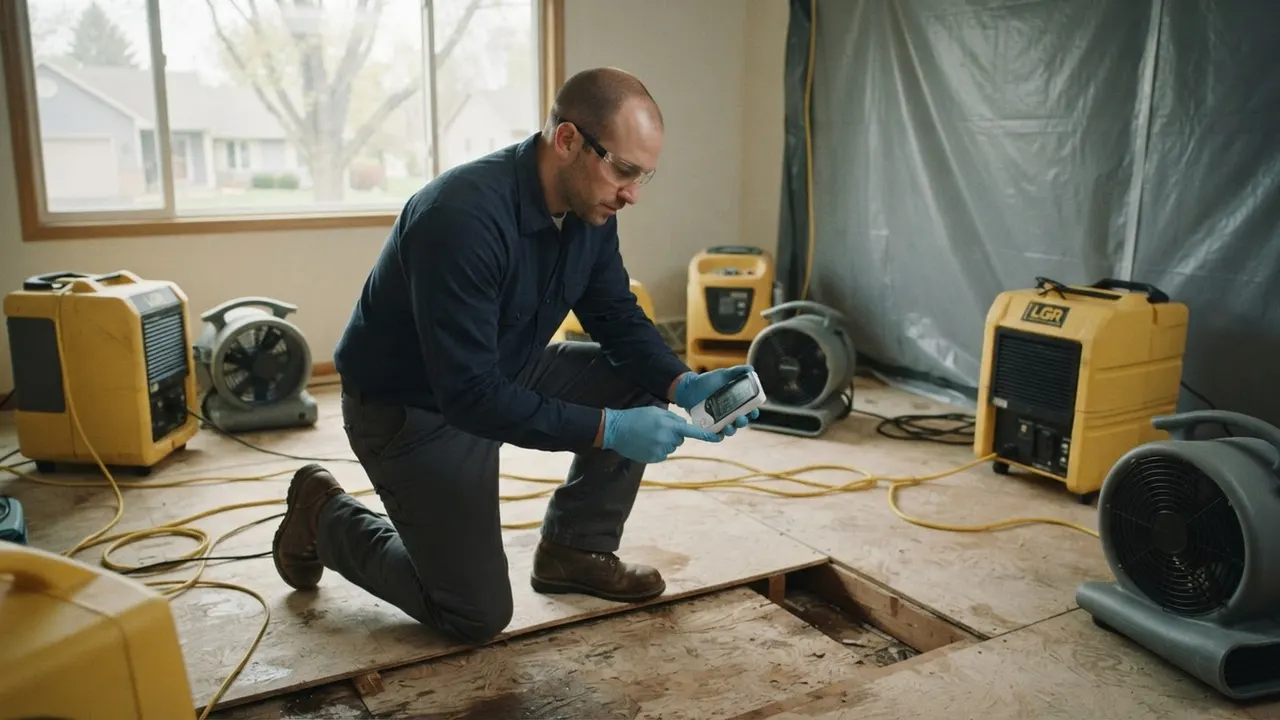
We review treatment results, drying needs, and practical next steps.
From Problem to Finished Result.
IllustrativeThe thermal view is generated from the photograph. It is not a measurement. Drag the handle, or use the arrow keys once it is focused.
Basement Mustiness After a Leak
Before: A Hopkins basement had a persistent earthy smell several days after a small pipe leak. The visible water had been wiped up, but carpet edges and the lower wall remained damp. The odor grew stronger when the heating system ran, and stored boxes near the wall had absorbed the smell.
After: We removed wet contents from the work area, checked the flooring and wall edge, and dried the affected materials. After cleaning, we applied a targeted deodorizing treatment and checked the space again. The drying setup ran for 48 hours, and the damp odor was no longer prominent during the follow-up inspection.
Keep stored items a few inches off basement walls and check for dampness after a leak or heavy runoff. Report renewed odor early so the moisture source can be checked before it spreads.
Smoke Odor Beyond the Kitchen
Before: A small kitchen fire left smoke odor in the adjoining hall and two bedrooms. Soot was visible near the cooking area, while fabric and painted surfaces held a lingering burnt smell. Opening windows reduced the odor for a short time, but it returned when the house warmed.
After: We cleaned affected surfaces and assessed nearby contents before deodorizing the connected rooms. Air filtration ran during the work, and the cleaning sequence took two days across the affected areas. The remaining smoke odor was reduced, with items needing additional attention identified separately for the homeowner.
Replace or clean affected filters after the source is addressed, and avoid applying scented products over smoke residue. Keep a record of any room where the odor returns.
Persistent Pet Odor in Flooring
Before: A Hopkins home had a recurring pet odor in one bedroom, especially on damp days. Surface cleaning had helped briefly, but the smell returned from the carpeted area. The homeowner was unsure whether the odor came from the carpet, pad, or nearby upholstery.
After: We inspected the carpet and adjacent materials, then cleaned and treated the affected area using a method suited to the surface. The work took several hours, followed by a drying period. We explained which flooring layer was holding the odor and what replacement would be needed if the smell persisted.
Address accidents promptly and clean the entire affected area rather than only the visible spot. If odor returns after drying, have the carpet backing and padding checked.
Solve Odors at Their Source
A lingering smell is often a sign that residue, moisture, or contaminated material remains somewhere in the building. We trace the cause and treat the affected area instead of masking symptoms. If you need emergency odor removal and deodorization Hopkins MN after a sudden loss, call us with details about the event and the rooms involved.
Returning mustinessMusty basement odor returns after routine cleaningDamp carpet backing, insulation, or wall material can keep releasing odor after the visible floor is wiped dry. Ongoing moisture can also support further material damage. We inspect the basement for moisture pathways, check affected materials, and identify whether drying or removal is needed. After cleaning and moisture correction, we apply targeted deodorization. A dehumidifier may support drying while we monitor the area, helping you address the condition behind the smell instead of repeating surface cleaning.
Spread smoke odorSmoke smell spreads from one room through the homeFine residue can settle on walls, ceilings, fabrics, and contents beyond the room where the fire occurred. The smell may return when heat or airflow moves through the house. We map the affected rooms and separate residue removal from deodorization. Our crew cleans suitable surfaces, assesses porous contents, and uses air filtration where appropriate. If the odor has reached multiple rooms, smoke odor removal near me Hopkins searches should lead to a source-based inspection rather than an air freshener treatment.
Pet residuePet accident odor remains in flooring or upholsteryResidue can penetrate carpet and padding, making the odor stronger when humidity rises or the room warms. Repeated fragrance products can leave a mixed smell without removing the source. We identify the affected material and clean it using a method suited to the surface. Pet odor removal Hopkins Minnesota service can include targeted treatment of flooring, upholstery, or nearby contents. If contamination has reached padding or another porous layer, we explain whether cleaning or material replacement is the practical route.
Sewage odorSewage odor persists after water is removedOdor can remain where contaminated water touched porous materials or settled beneath fixtures. Leaving residue in place creates an unsanitary condition and makes the smell difficult to control. We locate the impacted surfaces, remove unsalvageable material when needed, and clean the remaining area before deodorizing. Containment and protective handling help keep cleanup focused. We also check for residual moisture so the finished treatment is not competing with a still-wet floor or wall.
A Cleaner, More Comfortable Space
A source-based treatment helps reduce recurring odor and clarifies what caused it.
Treat the Source
We trace odor to affected surfaces, contents, or hidden moisture before selecting a treatment. That matters after a pipe leak or sewage backup, when scent can persist in carpet backing or drywall even after standing water is removed. Our method addresses the material causing the odor instead of covering it with perfume.
Cleaner Indoor Air
A HEPA vacuum and air scrubber help capture airborne and settled particles during suitable cleanup work. We position equipment according to the affected area and keep the treatment focused on your rooms and contents. For pet odor removal Hopkins Minnesota requests, we assess flooring and upholstery separately because each material holds residue differently.
Drying That Prevents Return
A musty smell can signal moisture that still needs attention. We use a moisture meter and controlled air movement to locate and dry damp areas before deodorizing. Air movers and a dehumidifier support drying when water damage is involved, reducing the chance that the smell returns as the room warms.
A Practical Next Step
You receive a straightforward explanation of the odor source, the treatment used, and any material that needs repair or replacement. If smoke has affected several rooms, we separate cleaning from deodorization so you can see how each step contributes to the result. That makes decisions about contents and repairs easier.
What You Receive
Clear records you can keep and share.
Photo Log
Images of affected areas and completed work
Work Notes
Cleaning and treatment steps recorded
Moisture Log
Relevant material checks noted
Visit Summary
Follow-up observations and next steps
Cleaning and Deodorizing Are Different
Cleaning removes residue; deodorizing treats remaining odor after the source and affected materials are addressed.
Source Removal
Physical cleanup removes odor-causing soil or damaged material.
Soot and residue
Contaminated porous items
Damp material removal
Surface Treatment
Cleaning products address residue on suitable surfaces.
Walls and trim
Hard flooring
Selected contents
Air and Drying
Air control and drying support work when moisture or particles remain.
Air filtration
Moisture reduction
Contained work areas
Surfaces and Systems
Drywall
Carpet
Upholstery
Concrete
Insulation
Air pathways
Contents
Wall cavities
Service ZIP Codes.
A list like this tells people straight away whether you cover their street. Not listed? Call and ask: it only takes a minute.
A musty smell kept coming back in our basement after we had cleaned the floor. The crew checked behind the stored items and found damp material near the wall. They explained the drying setup and treated the cleaned area afterward. The smell was noticeably reduced, and we finally understood why wiping the floor had not solved it.
Smoke odor had moved from the kitchen into the hallway and two bedrooms. The team checked surfaces and fabrics separately, then cleaned before deodorizing. They told us which items needed more attention and kept the work area organized. It was helpful to have a clear sequence instead of someone just spraying fragrance and leaving.
We called about a sewage smell that remained after a backup had been cleared. The crew identified residue around the affected floor area, cleaned it, and explained what needed drying before deodorization. They also reviewed the next check with us. The space smelled much cleaner after the work, and the notes helped us plan access for the tenant.
Frequently Asked Questions
Typical 2026 pricing in Hopkins depends on the odor source, affected square footage, contents, cleaning needs, and whether drying or material removal is required. We inspect before recommending treatment and explain the cost drivers upfront. A persistent odor inside insulation or carpet backing takes more work than a surface-level smell.
Smoke odor removal usually requires cleaning residue from affected surfaces and contents, followed by targeted deodorization; the work often takes one to five days. We inspect how far smoke traveled, including closets and connected rooms, then choose cleaning products and filtration suited to the materials. Severe damage can require removing porous items that retain odor. Our smoke and pet odor removal company Hopkins MN approach starts with source mapping, not simply running a fragrance fogger.
Insurance may cover odor treatment when it results from a covered event, such as a sudden fire or water loss, but policy terms determine coverage. We can document affected areas, the apparent cause, and the restoration work performed for your claim file. Coverage for pet odors, gradual moisture, or maintenance issues varies. Keep photos and incident details, and contact your insurer to confirm your policy requirements before authorizing claim-related work.
Choose a Hopkins company that inspects the source, explains the treatment method, and connects deodorizing with needed cleaning or drying. Ask how the team handles smoke, sewage, or moisture odors and whether it documents the affected materials. If you need same day odor removal Hopkins MN, call (833) 546-4116 to describe the smell, when it began, and any recent leak or fire. That information helps us identify the right first inspection.
Tell us where the odor is strongest, when it began, and whether water, smoke, or sewage was involved. Our team will discuss the inspection and the next practical step. Call (833) 546-4116 to arrange odor removal and deodorization Hopkins MN service.
Call Hopkins Water Damage Company at (833) 546-4116 to describe a leak, fire, mold concern, or basement water problem. We connect you with independent companies serving Hopkins, Minnesota, including ZIP codes 55343 and 55305. Tell us the property type, affected area, and whether the source is still active so the provider can understand what help you need.