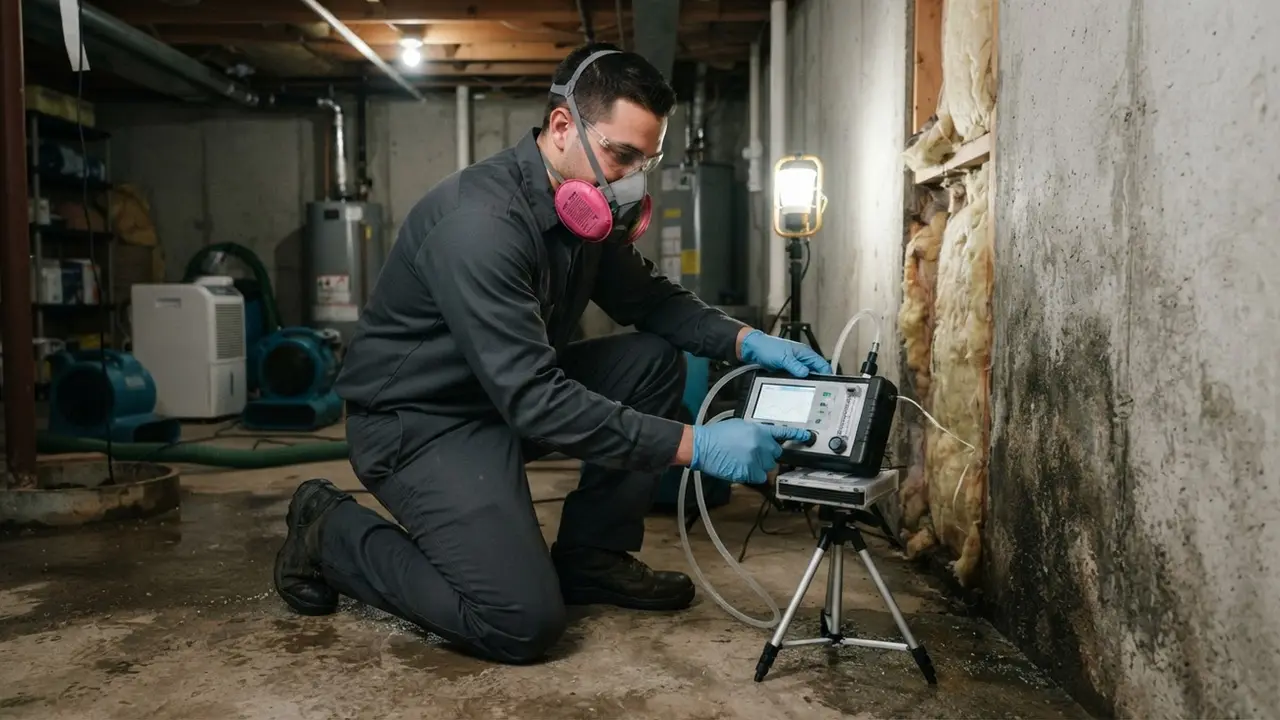
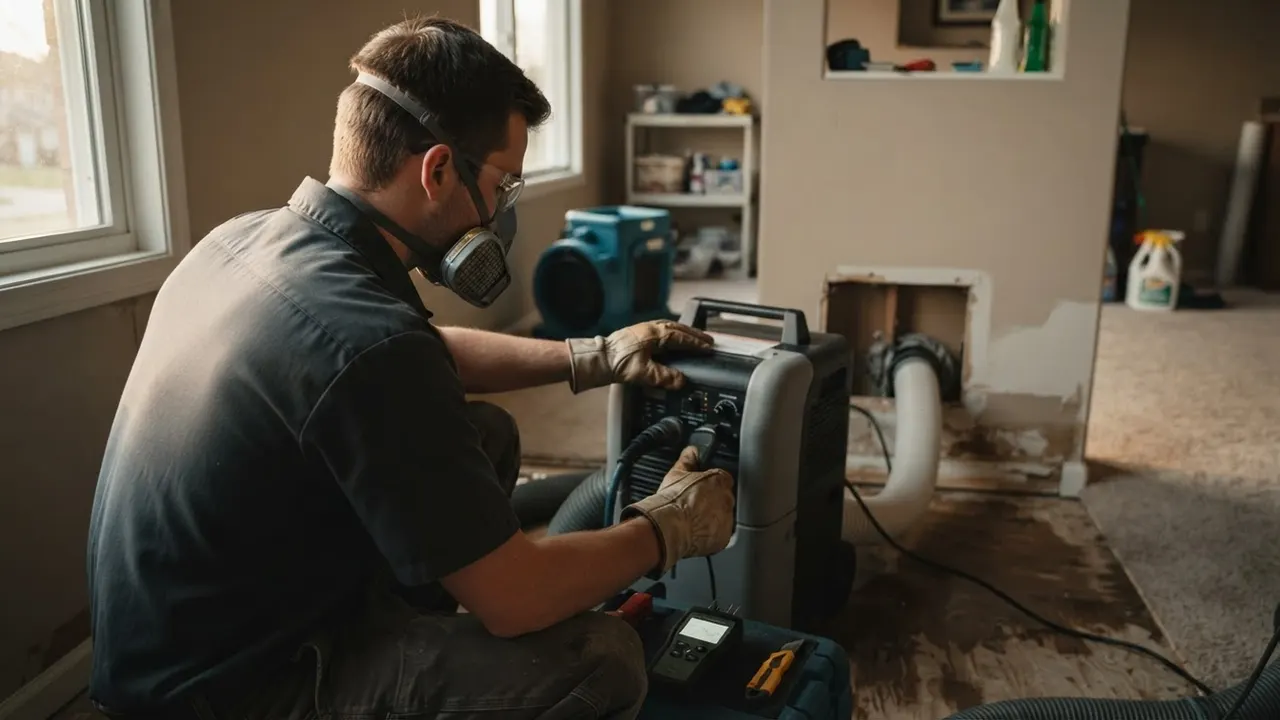
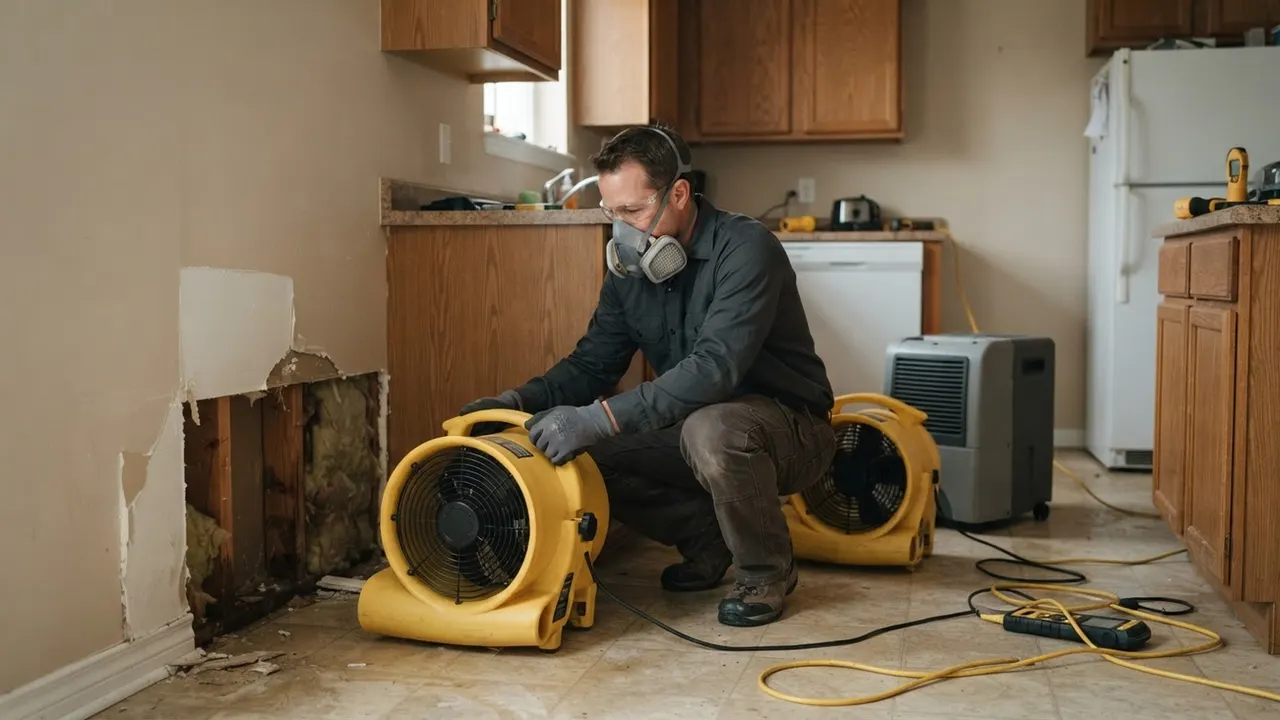
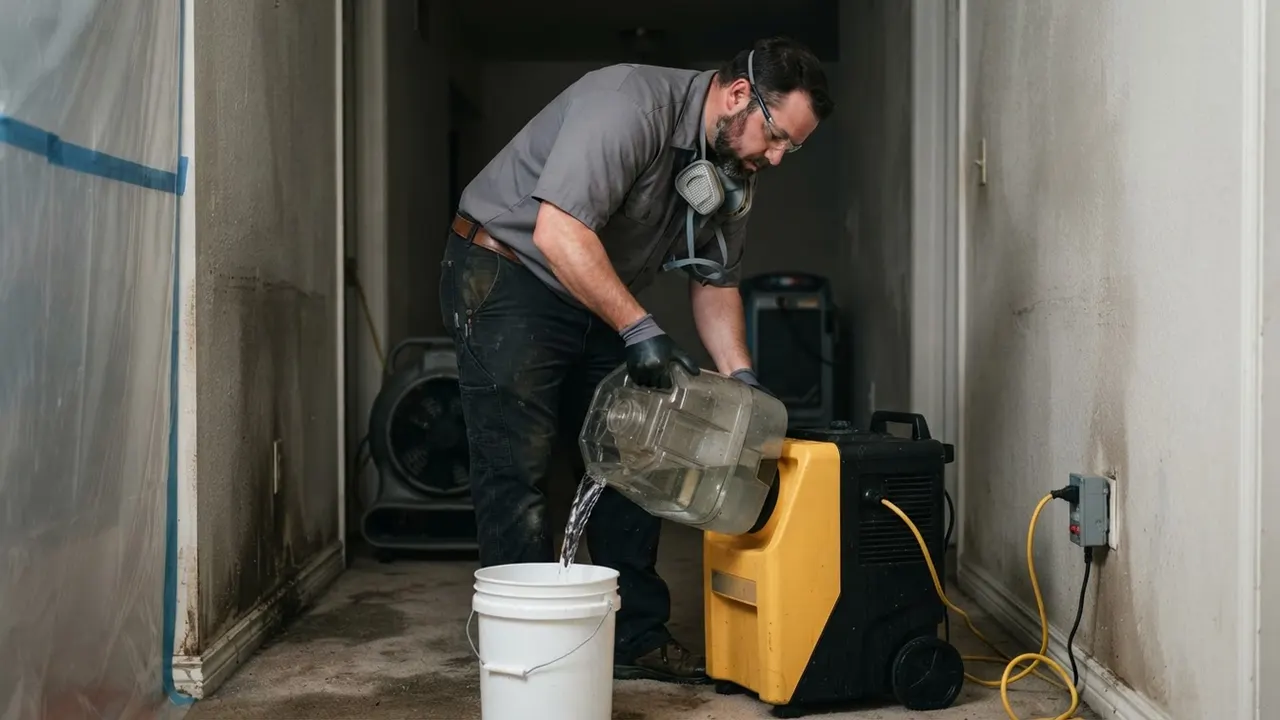
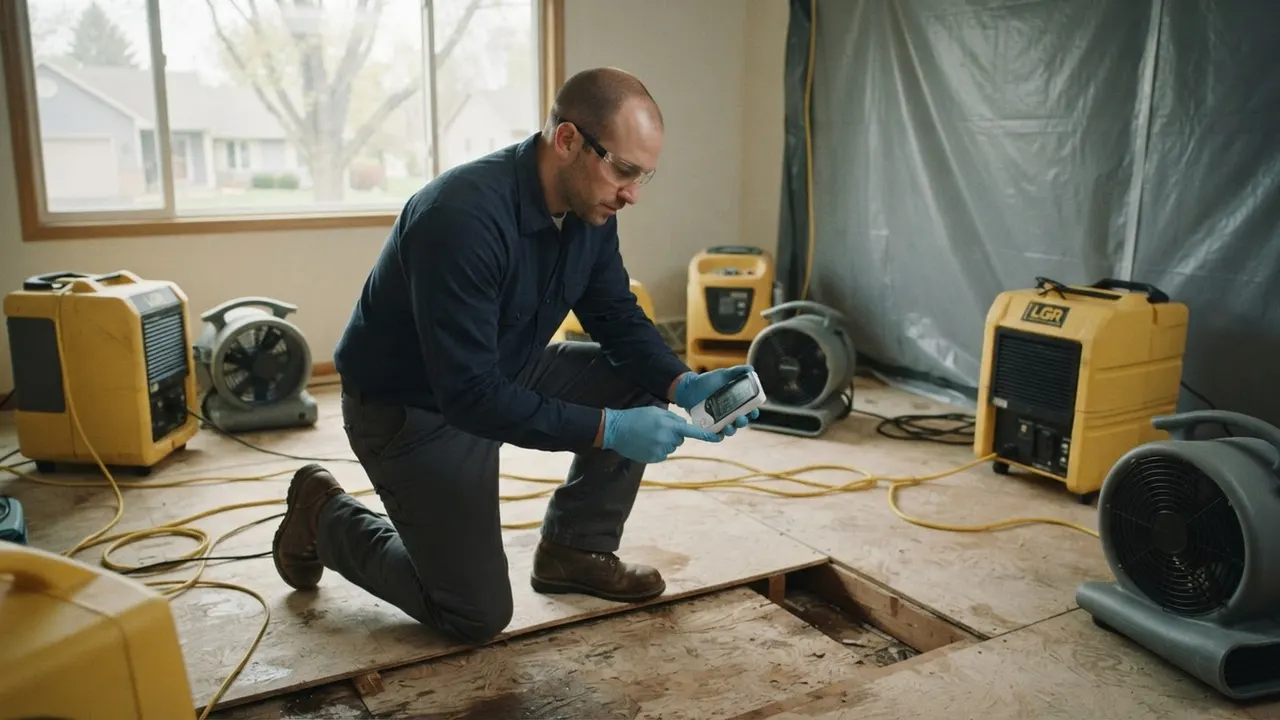
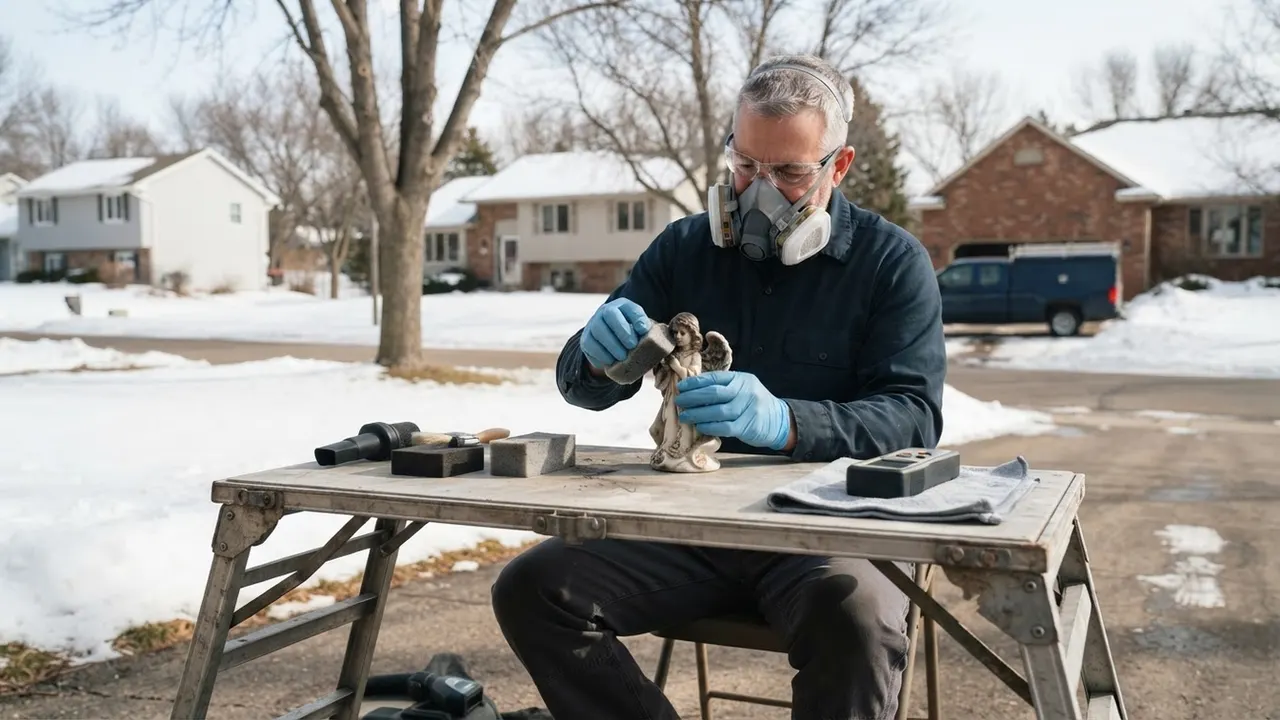
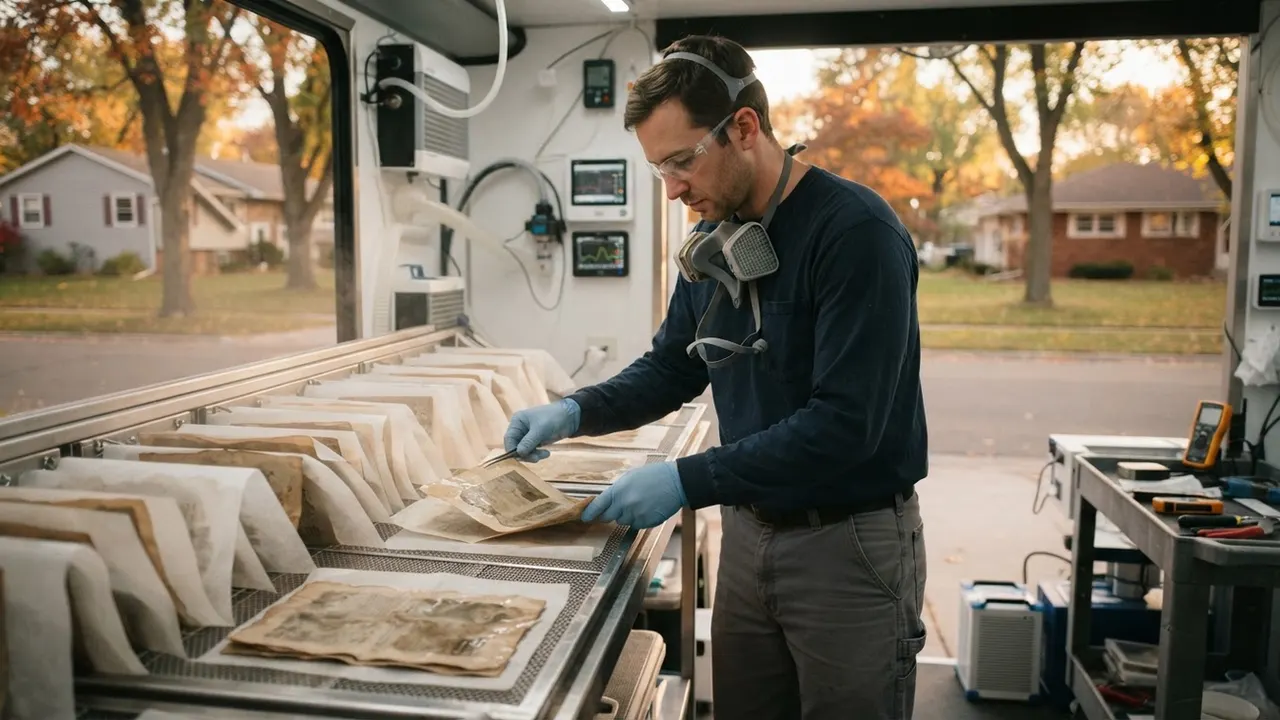
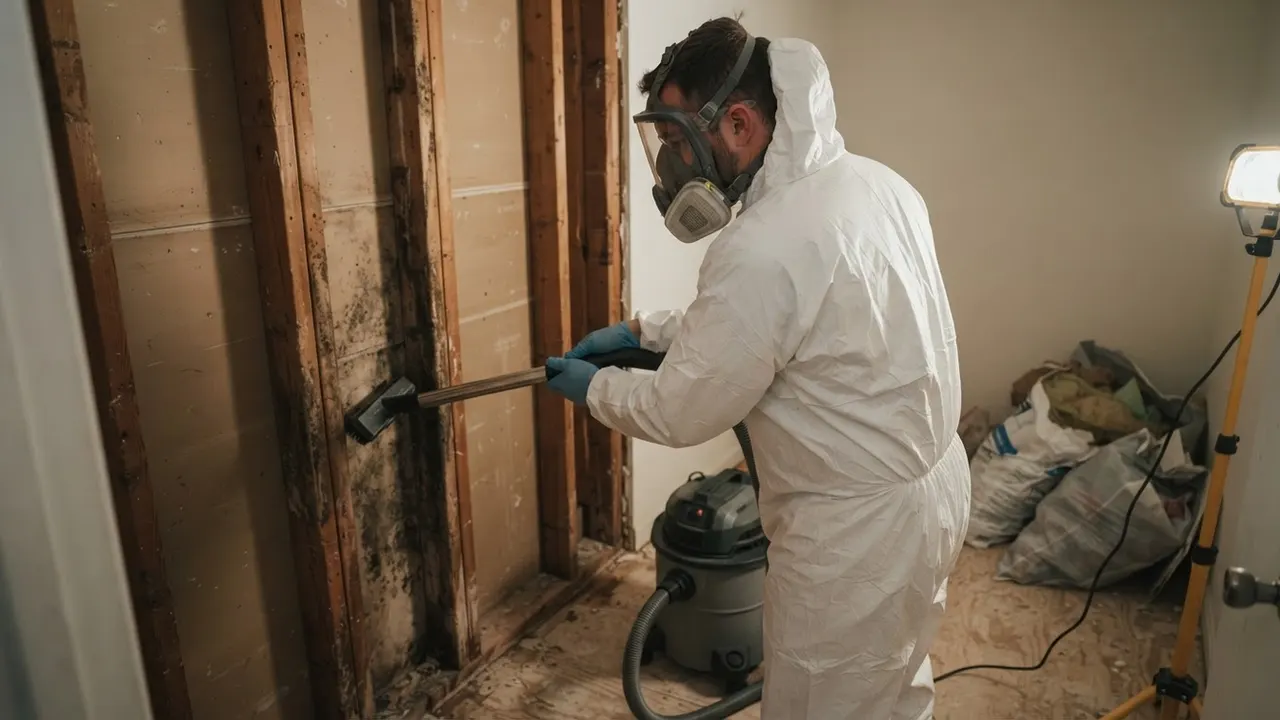
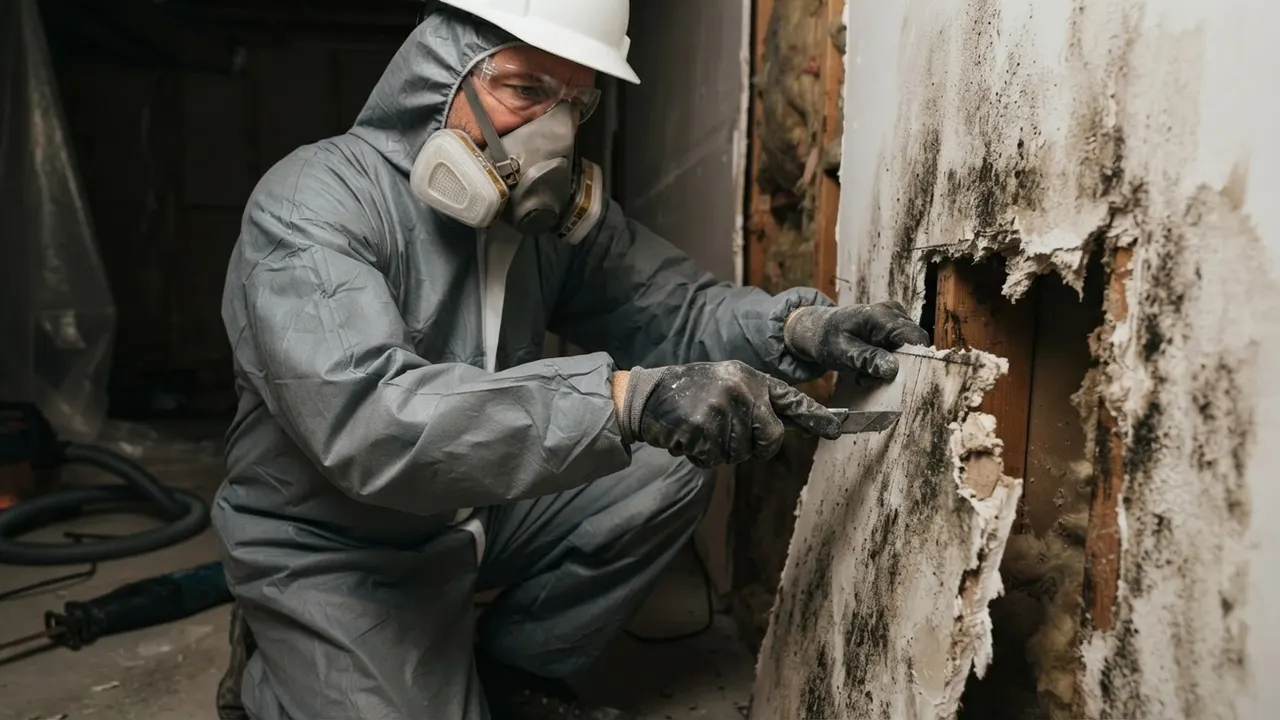
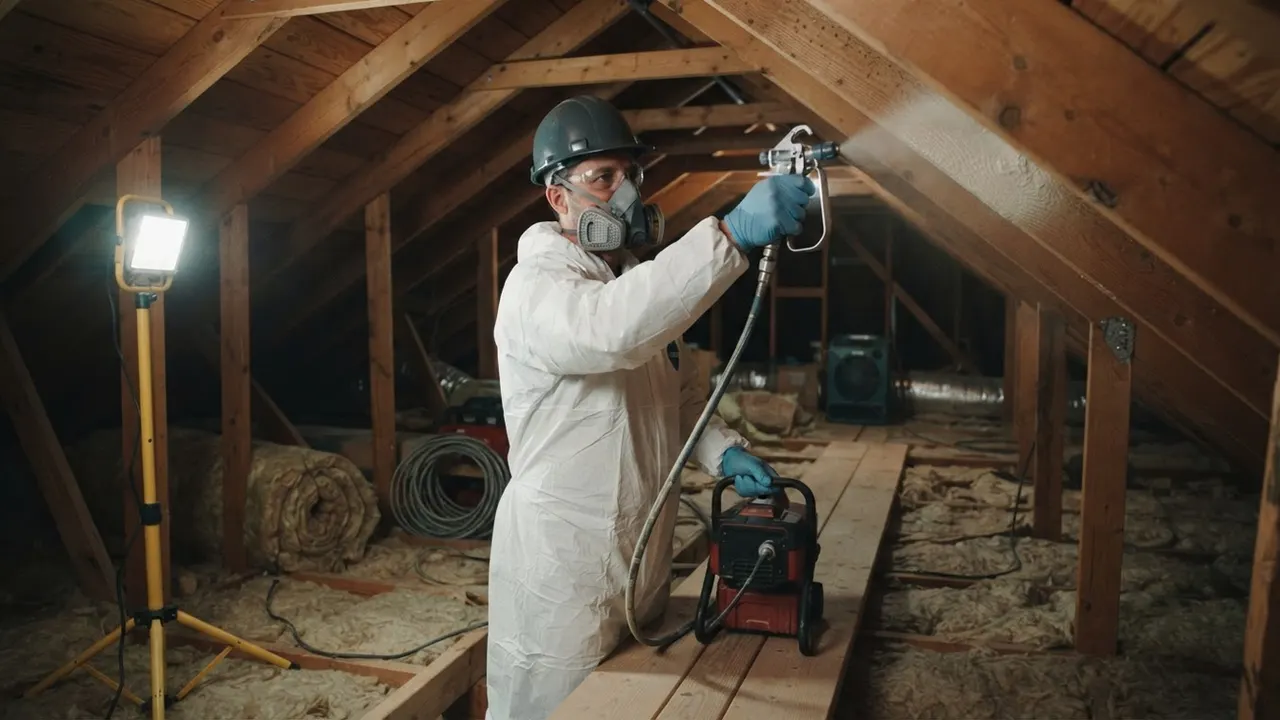
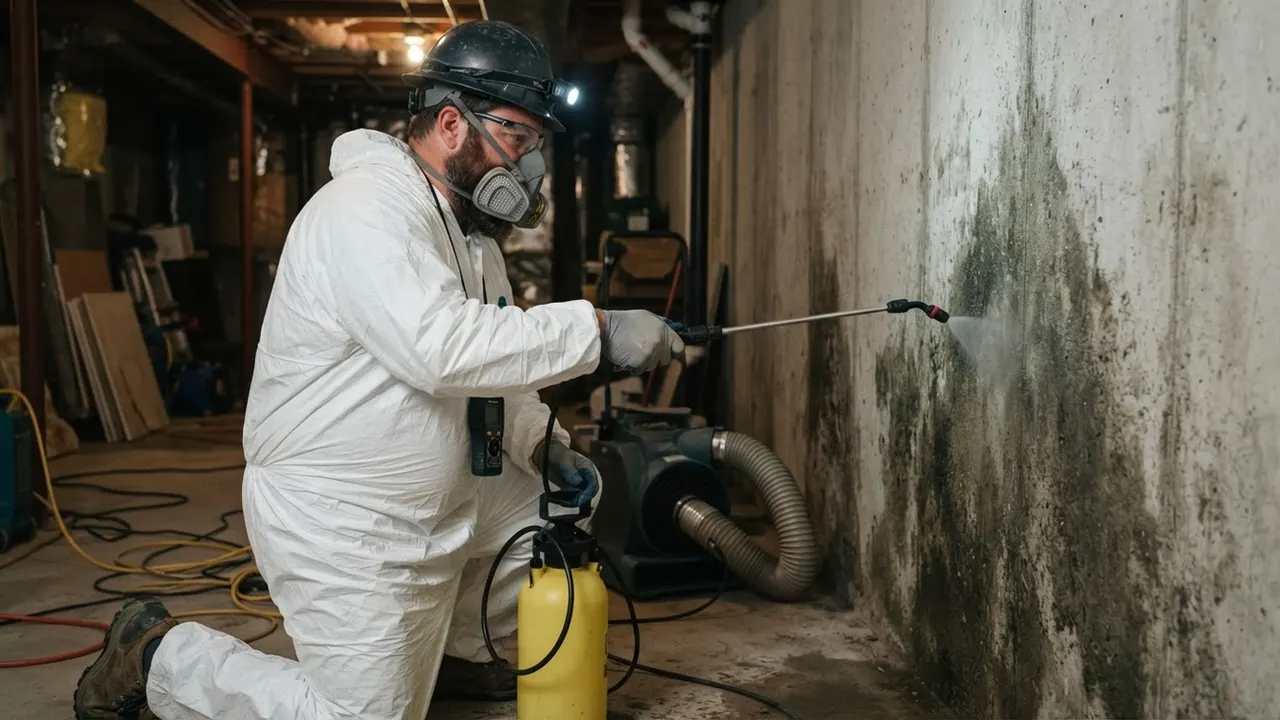
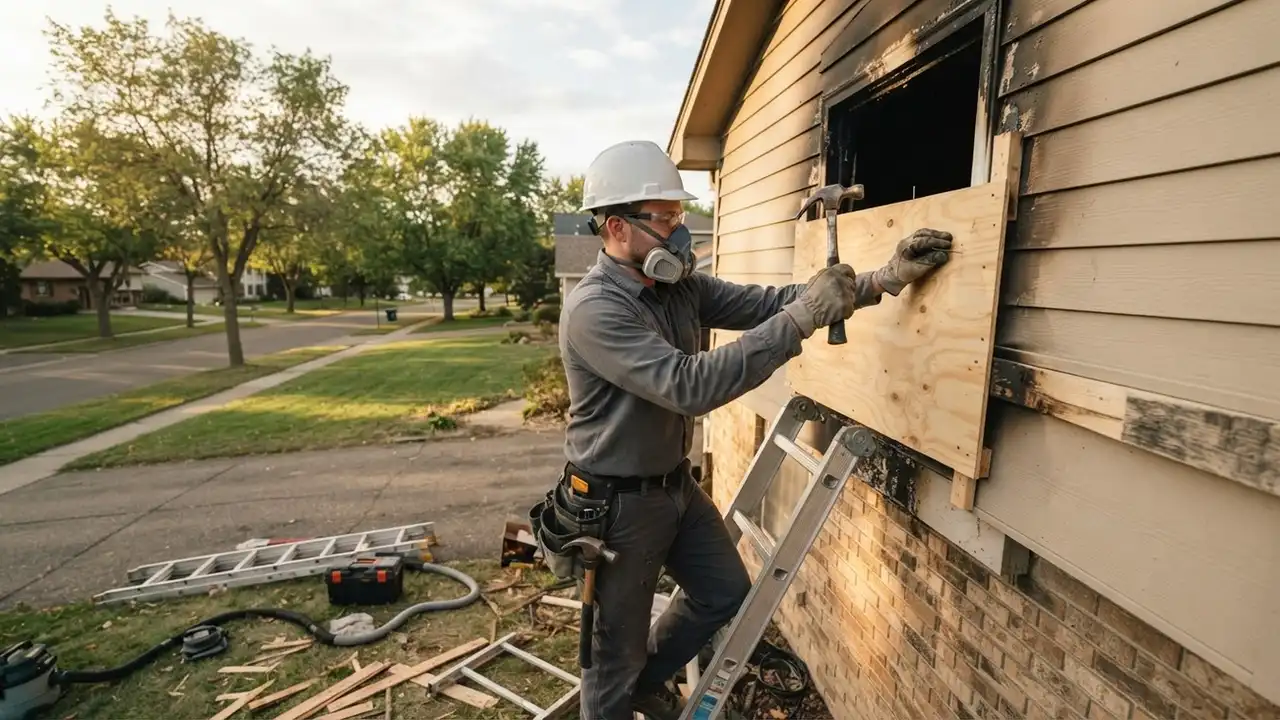
Mold inspection and testing Hopkins MN helps homeowners and property managers identify visible growth, moisture conditions, and likely sources before deciding what to do next. Our Hopkins Water Damage Company team checks affected rooms, building materials, and nearby plumbing or exterior leaks. If you notice a musty smell, staining, or repeat dampness, professional mold inspection near me Hopkins searches can lead you to a practical local assessment.
Room-by-room notesWe record each accessible area checked.
Meter comparisonsWe compare suspect and nearby materials.
Photo documentationWe capture visible conditions for review.
Clear walkthroughWe explain findings before next steps.
What Mold Inspection and Testing Includes
Your visit includes a discussion of the concern, a visual review of accessible areas, moisture checks where useful, and documentation of observed conditions. If sampling is appropriate, we explain its purpose and collection location. Laboratory analysis, opening concealed cavities, remediation, and repairs are separate work steps when needed. We focus on giving you a clear picture of the moisture and suspected growth rather than treating a test as a complete building survey.
Concern and History Review
We ask when the odor, stain, or dampness began and whether a leak, flood, or prior cleanup occurred. Your history helps us target the walkthrough and compare current conditions with the water event you remember.
Accessible Area Inspection
We check the reported space and nearby accessible surfaces for visible growth, water staining, peeling finishes, and material damage. We identify limitations such as closed wall cavities or blocked access instead of implying those spaces were inspected.
Moisture Mapping
Moisture readings help compare suspect drywall, trim, or flooring with nearby materials. We record where readings were taken and use the pattern to guide the investigation toward a likely source or an area that needs drying.
Sampling Guidance
When a sample is useful, we explain whether the question calls for surface or air sampling and identify the collection point. Results are interpreted alongside inspection observations; a sample alone does not locate a leak or measure every room.
Findings Review
We review observations and available test results with you, then explain likely next steps. You can use the information to coordinate source repair, structural drying, or mold remediation without guessing which work should come first.
Homes and Businesses.
The approach is the same for a home and a business. What changes is the access, the schedule and who needs the paperwork.
Homes and Rentals
We check the rooms you identify, nearby materials, and accessible moisture pathways. You can point out past leaks, changes in odor, or surfaces that keep getting damp.
Basement odor after snowmelt
Window staining during heating season
Appliance leak near cabinets
Business Properties
We inspect accessible areas around reported stains, odors, or water events. Property managers can identify affected units, operating hours, and access points before the walkthrough.
Recurring ceiling stain after rain
Damp storage room materials
Odor near an HVAC area
Mold Inspection and Testing Hopkins MN: the Basics
A plain-language look at what Mold Inspection and Testing involves and when it is needed.
Mold inspection and testing Hopkins MN is a building assessment that locates visible or suspected mold, measures moisture, and helps determine whether sampling is useful. We look for water entry, condensation, and material damage rather than relying on smell alone. A moisture meter checks drywall and trim; a thermal imaging camera helps identify temperature patterns that can point to concealed dampness. If sampling is appropriate, we explain the sampling location and purpose before collection. Findings are documented so you can distinguish a leak repair, targeted cleanup, or further evaluation.
Hopkins homes and commercial spaces face freeze-thaw cycles, spring runoff, and humid summers that can expose roof leaks, basement flooding, or a frozen pipe burst. Hopkins Minnesota mold inspection services are useful after a water event, when an odor returns, or when a stain grows despite surface cleaning. For persistent concerns, mold inspection and testing services in Hopkins MN near me should lead to clear observations and a sensible next step.
Moisture conditions and building history give mold observations their context.
What it is
A visual and moisture-focused review of suspected mold conditions and possible water sources.
When you need it
After a leak, recurring odor, visible growth, or persistent dampness.
What to expect
A walkthrough, selected moisture checks, documentation, and explained next steps.
What Happens During the Visit
Mold testing Hopkins MN starts with your concern and ends with documented findings and an explained next step. We ask when the problem began, what water events occurred, and whether the area has been cleaned or repaired. A focused visit commonly takes two to four hours, with timing affected by access and the number of rooms.
Discuss the History
We begin by asking what you have seen, smelled, or repaired, and when it started. Tell us about a frozen pipe burst, basement flooding, or recurring condensation, even if the surface looks dry today. This conversation takes about 10 to 20 minutes and helps us prioritize rooms, inspect likely pathways, and avoid overlooking a past water event.
History
Water event
Room priorities
Walk the Affected Area
Our technician checks the reported room, nearby materials, plumbing fixtures, windows, and accessible building edges. We look for staining, swelling, peeling finishes, and conditions that could support mold growth. You can point out changes over time. This walkthrough usually takes 20 to 45 minutes, depending on the number of affected spaces.
Visual review
Materials
Access
Measure and Document
We use a moisture meter and, where useful, an infrared thermometer or thermal imaging camera to compare suspect areas with surrounding surfaces. These tools show patterns, not mold species. We record locations and visible conditions, and we explain any limits caused by closed cavities, furnishings, or inaccessible areas before recommending further investigation.
Moisture checks
Compare areas
Document
Collect Samples If Needed
If a test can answer a specific question, we explain the sample type and collection point before proceeding. A surface sample or air sample is handled according to its purpose, then sent for laboratory analysis when arranged. Sampling and laboratory turnaround are separate from the onsite inspection; timing depends on the test selected.
Sample purpose
Collection point
Lab analysis
Review the Findings
We go over photographs, moisture readings, observations, and any available lab results with you. You will hear what appears to be affected, what source needs attention, and whether drying, repairs, or mold removal are appropriate. The visit closes with practical next steps rather than an unexplained test result or a vague recommendation.
Review notes
Discuss source
Next steps
Inspection Tools and Methods
Move across a circle, or focus it and press Enter, for an illustrative thermal view of the photograph.
Moisture Meter
Measures moisture conditions in suitable building materials. We compare suspect readings with nearby areas and record the locations checked.
Thermal Imaging Camera
Shows surface temperature patterns that can help identify areas for closer moisture investigation; it does not detect mold directly.
Infrared Thermometer
Checks surface temperatures at selected points, helping us assess temperature differences around suspected condensation or water entry.
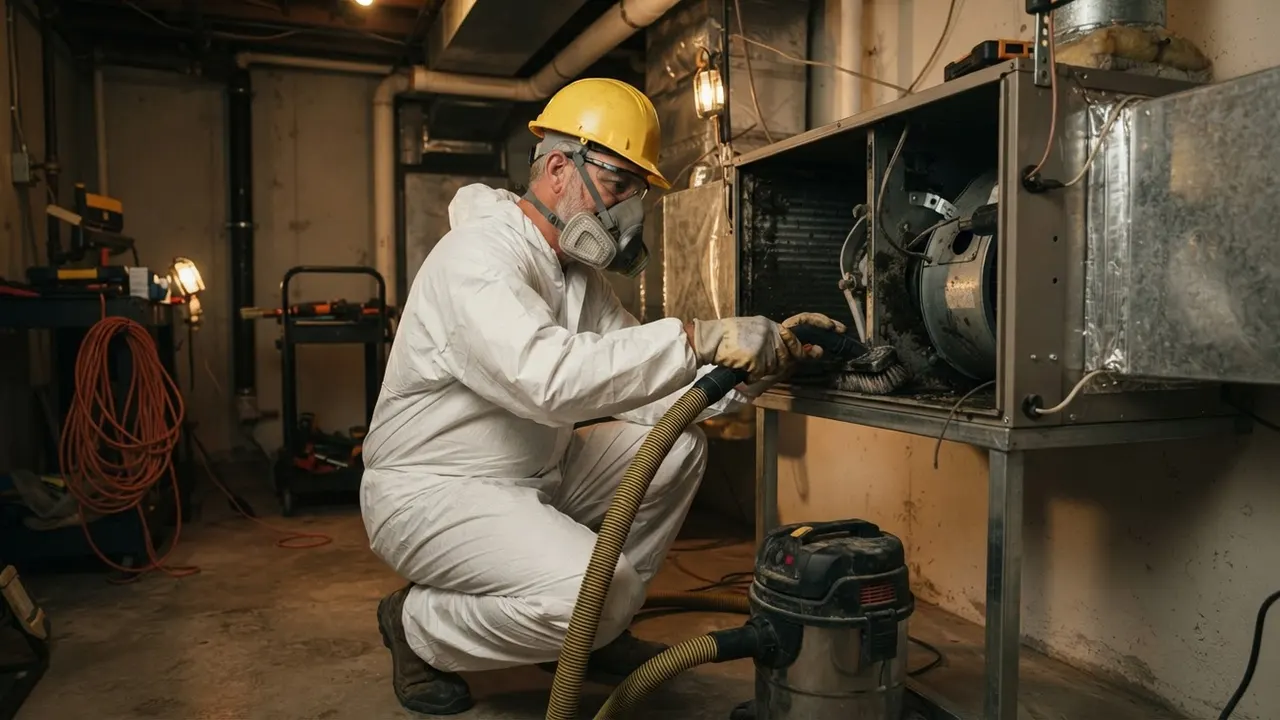
HEPA Vacuum
Used during appropriate controlled cleanup work to capture fine particulate; it is not a substitute for correcting the moisture source.
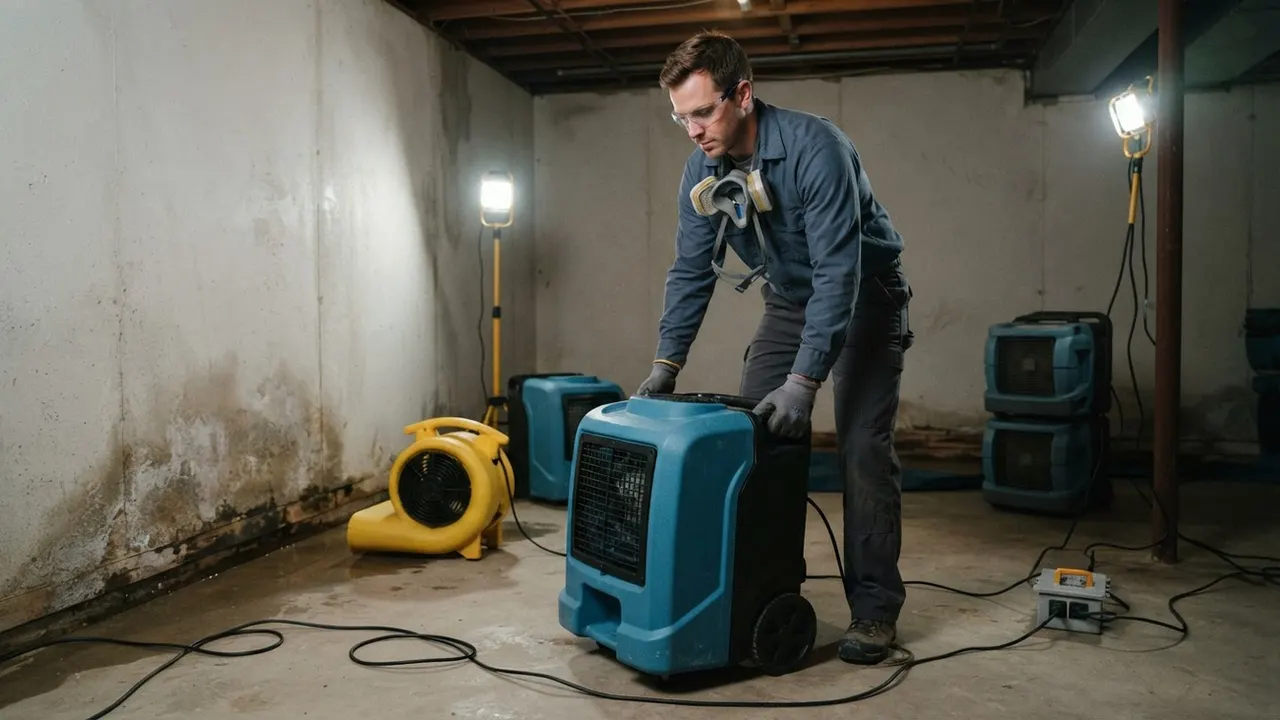
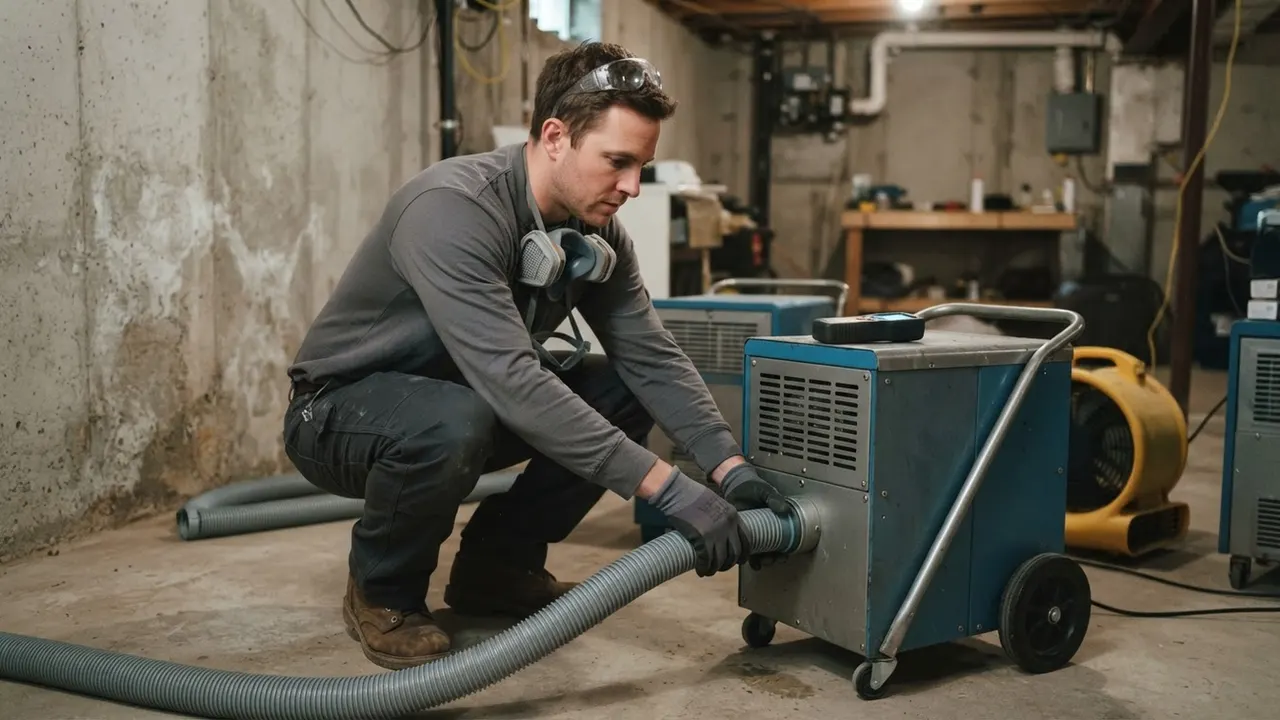
Dehumidifier
Supports drying when damp conditions are confirmed. Equipment needs depend on the affected area, materials, and readings.
Thermal views are illustrative, generated from the photographs.
Methods
Moisture-source tracing
We follow the visible pattern from the affected surface toward likely entry points such as plumbing, windows, roof areas, or foundation edges. Moisture readings and building observations guide the next check. A suspected source is documented as a finding or a possibility, not stated as confirmed without evidence.
Targeted sampling
Sampling is selected to answer a defined question about a surface or air condition. We explain the collection location, the limits of the sample, and how laboratory analysis fits with the visual inspection. Results are considered alongside moisture conditions and building history, not used as a stand-alone diagnosis.
Controlled area review
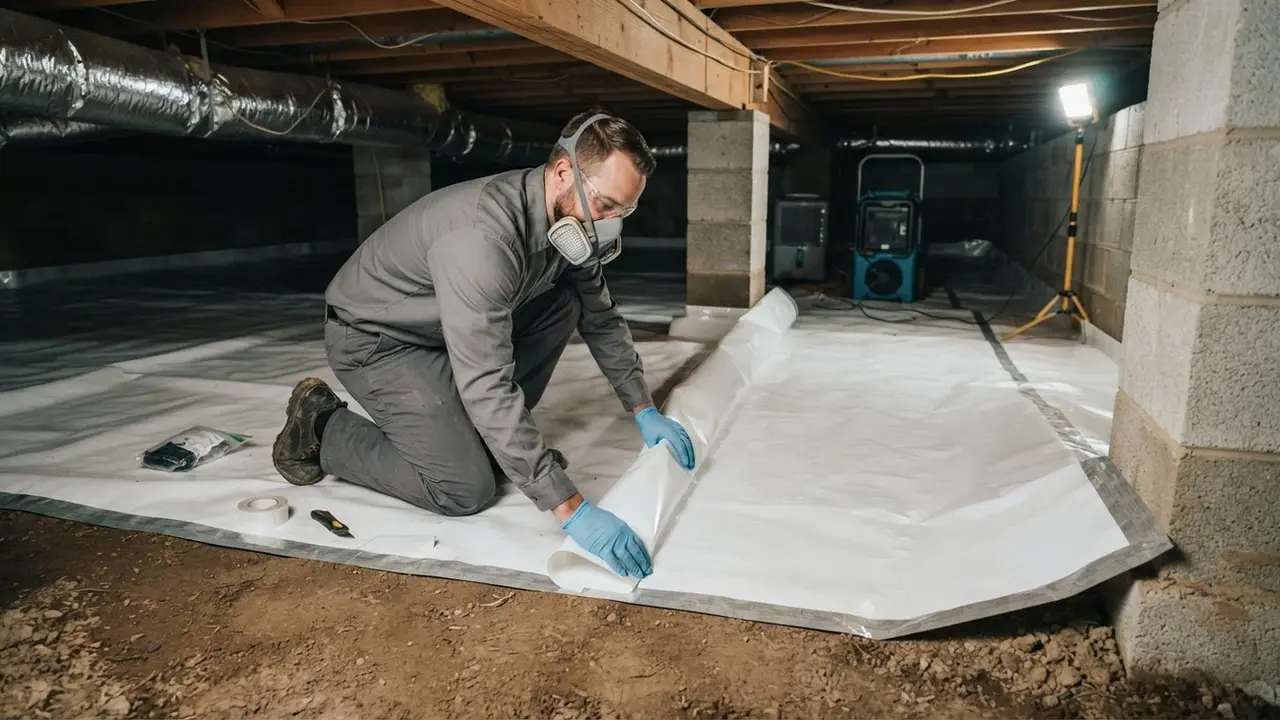
We record the affected area, nearby materials, and access limitations so that any follow-up work can be planned around the actual conditions. If remediation is appropriate, containment practices such as plastic sheeting and a negative air machine may be part of that separate work plan.
When to Book an Inspection
Basement Odor
A Hopkins homeowner finds a musty basement odor after snowmelt and sees no standing water.
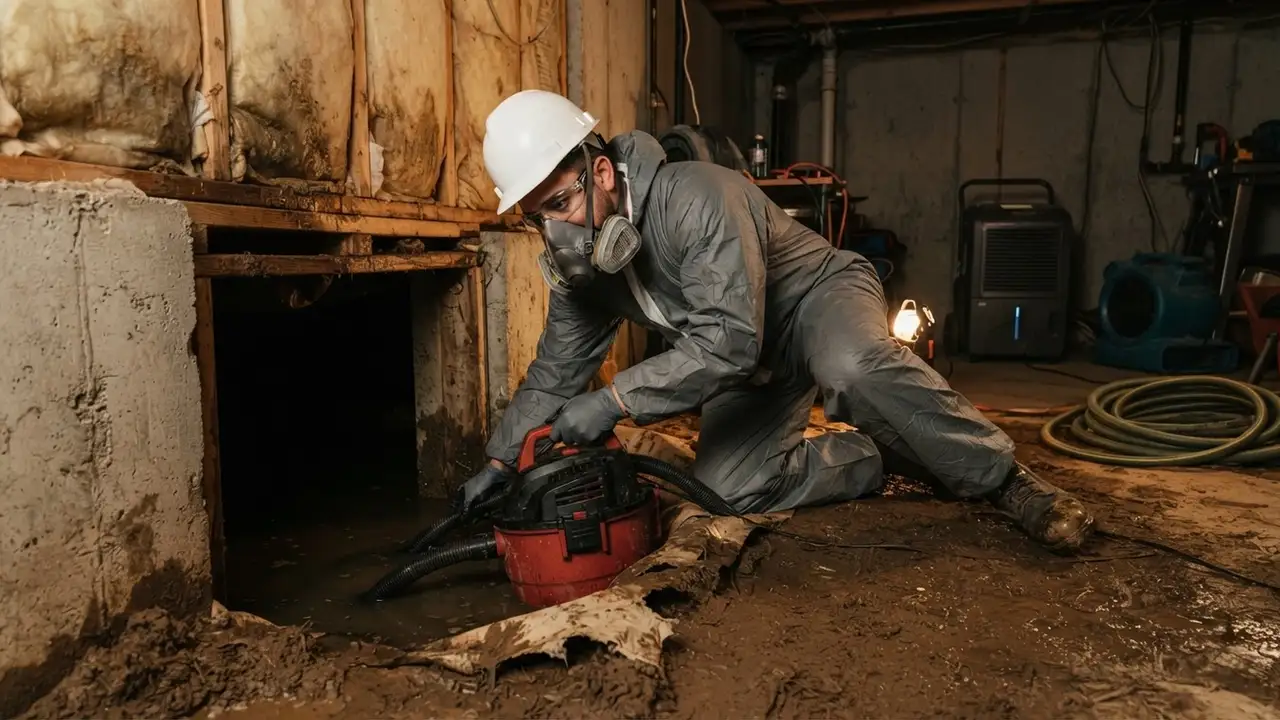
We inspect the lower-level perimeter, check accessible materials for moisture, and look for patterns consistent with seepage, condensation, or a plumbing issue. We note any stored items or finished walls that limit access, then explain whether drying or more focused investigation is appropriate.
Outcome: You learn whether the odor is accompanied by measurable dampness and which source deserves attention before the next wet-weather cycle.
Pipe Burst
A frozen pipe burst wets a kitchen wall and the surface seems dry several days later.
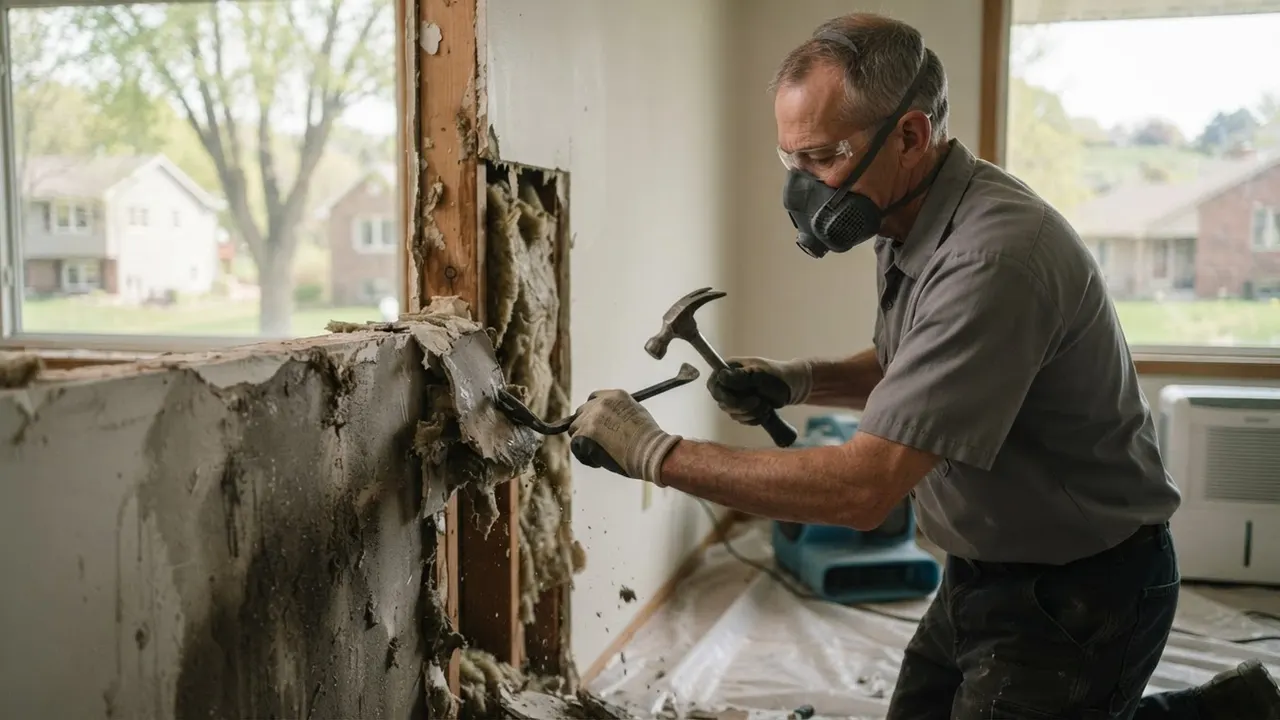
We review the leak history, inspect the affected wall and adjoining areas, and compare moisture readings across drywall and trim. If the cavity remains inaccessible, we explain the limitation and identify where opening or drying checks may be needed.
Outcome: You get a documented view of the affected zone and a clearer decision about drying, material removal, and mold follow-up.
Ceiling Stain
A property manager sees a recurring ceiling mark near an Excelsior Boulevard commercial suite.
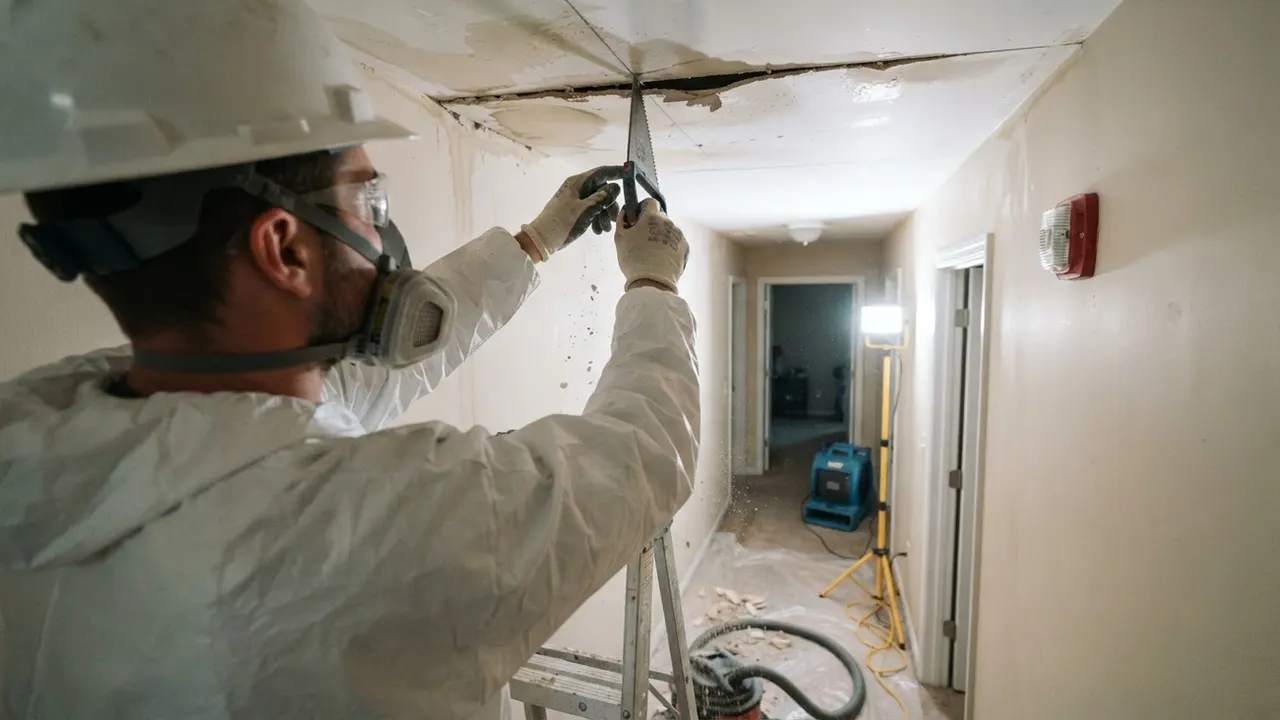
We examine the accessible ceiling and nearby building surfaces, note the stain pattern, and check for moisture where safe access permits. We help distinguish a past leak from a condition that still needs roof or plumbing investigation.
Outcome: The manager can direct maintenance toward the likely source and document the affected area for repair coordination.
Laundry Leak
A homeowner notices an earthy smell near a laundry appliance after a slow supply-line leak.
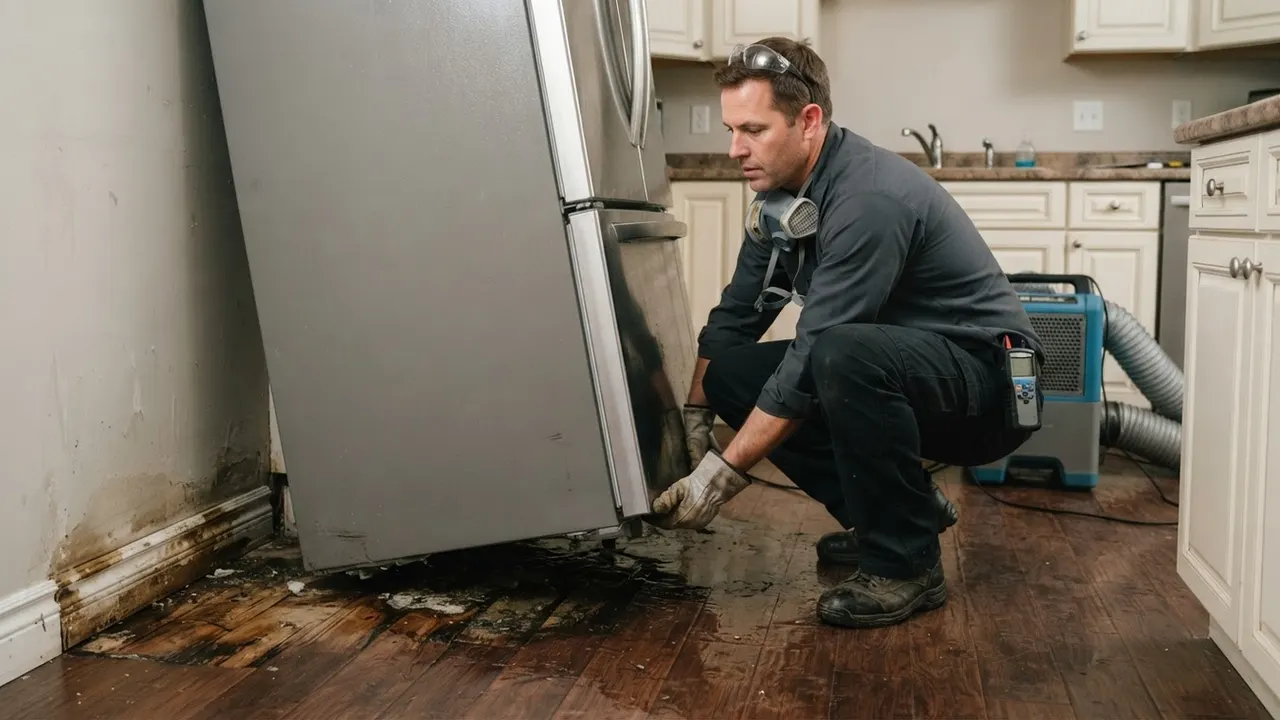
We inspect around the appliance, cabinet base, and adjoining floor, then measure suspect materials. If moisture has moved beneath finished flooring, we explain what the surface check shows and what additional access would clarify.
Outcome: You know whether the visible area matches the likely wet zone and whether drying or remediation should follow the repair.
Downtown HopkinsBlake RoadMeadowbrook
Mold Inspection Across Hopkins Neighborhoods
Hopkins Minnesota mold inspection services need to account for cold winters, spring thaw, summer humidity, and the mix of older homes and updated commercial spaces. In November, heating season can make window condensation and cold exterior corners easier to notice, while earlier roof or plumbing leaks may remain hidden behind finished surfaces.
We ask about the water history, inspect accessible areas, and measure materials where patterns suggest dampness. A same day mold inspection Hopkins MN request is most useful when you describe the affected rooms, access conditions, and any active leak; that helps us focus the visit. We serve Hennepin County, including Mainstreet, Blake Road Corridor, and Meadowbrook.
On a property with a basement, we check whether dampness follows foundation walls or points to plumbing. Around attic ceilings, we look for roof leak history and affected insulation. Minnesota Department of Health guidance informs careful mold-related communication; we avoid claiming that a visual appearance identifies a species.
Downtown Hopkins: Older and renovated properties can have layered finishes that hide a past leak. We document accessible surfaces and note where closed cavities limit inspection.
Blake Road: Homes and commercial spaces near this corridor can have different access needs. We focus on the reported rooms, nearby plumbing, and signs of recurring moisture.
Meadowbrook: Basement odor after wet weather deserves a check for seepage and damp stored materials. We compare suspect areas with nearby surfaces to map the concern.
Mainstreet: Mixed-use buildings may require coordination around occupied units and business hours. We inspect accessible areas and explain any spaces that need separate access.
Freeze-thaw weather can expose small roof or plumbing leaks: Water can travel along framing before staining appears on a ceiling or wall. We ask about winter pipe events and inspect accessible areas around the reported location so hidden moisture is not mistaken for a resolved surface mark.
Spring runoff can leave basement edges damp: A basement may smell musty without visible standing water. We check accessible perimeter materials and look for patterns that help separate foundation seepage from plumbing or appliance leaks.
We walk through the reported rooms and explain what we observe.
We position tools carefully and keep the inspection area accessible.
We review notes and discuss practical next steps with you.
From Problem to Finished Result.
IllustrativeThe thermal view is generated from the photograph. It is not a measurement. Drag the handle, or use the arrow keys once it is focused.
Basement Odor After a Leak
Before: A Hopkins homeowner noticed a musty smell beside a basement storage room after a small plumbing leak. The floor looked dry, but cardboard boxes were soft near the wall and the odor returned after cleaning. No one knew whether the wall or nearby trim still held moisture.
After: We checked the wall, trim, and floor edge and recorded moisture readings at six accessible points. The pattern concentrated near the repaired plumbing route, so the homeowner arranged targeted drying and moved stored items away from the wall. The inspection documented the affected zone without assuming that every basement surface was contaminated.
Keep stored belongings several inches off basement walls and check the repaired connection after heavy use. If the odor returns or finishes change, compare the new area with the inspection notes and arrange a focused follow-up.
Recurring Ceiling Stain
Before: A small commercial suite near Mainstreet had a ceiling stain that reappeared after repainting. Staff had noticed it after a storm, but the roof had not been checked from the accessible attic area. The manager needed to know whether the mark was old or still damp.
After: We inspected the ceiling and accessible attic surfaces, photographed the stain, and took four moisture readings around its edge. The readings and visible pattern pointed to follow-up at the roof area. The manager coordinated a repair and delayed repainting until the source was addressed and the material condition improved.
After roof work, watch the ceiling through the next significant rain and note any new discoloration. Keep the inspection photographs with the repair record so any change can be compared against the original stain.
Laundry Leak Under Flooring
Before: A slow appliance leak left a faint odor near a laundry closet in a Hopkins home. The supply line had been replaced, but the flooring looked intact and the homeowner could not tell whether water had reached the cabinet base or the adjacent wall.
After: We inspected the appliance area and adjoining surfaces, then compared moisture readings at five accessible points. The cabinet base showed the clearest concern, while nearby wall readings were closer to the surrounding area. The homeowner had a defined location for drying follow-up and a record of the surfaces checked.
Check appliance hoses and connections during routine cleaning, and dry any new spill promptly. If flooring begins to lift or the odor returns, note the location and compare it with the documented cabinet-base area.
Problems a Hopkins Mold Inspection Can Clarify
Mold inspection and testing services in Hopkins MN near me searches often start after a stain or odor returns. We look for the building condition behind the symptom and explain what the inspection can confirm. That helps you avoid ignoring an active water source or overreacting to a surface mark without context.
Persistent basement odorMusty odor persists after a basement floor appears dryOdor can point to damp materials behind finishes or stored contents, and leaving the source in place can prolong damage and make the affected area harder to locate. We inspect the basement perimeter, accessible wall surfaces, and nearby plumbing, then compare moisture readings in suspect materials. If the source is not visible, we explain which area needs access or follow-up. You receive a clear distinction between an odor observation, a measured moisture concern, and confirmed visible growth.
Returning ceiling stainCeiling staining returns after a roof leak repairA recurring stain can mean water is still entering or trapped material has not dried. Painting over it may conceal a continuing problem above the ceiling. We check the stained area and accessible attic surfaces, look for moisture patterns, and document damaged drywall or insulation. Our findings help you coordinate roof repair and decide whether material removal or drying is necessary. If the ceiling cavity is closed, we identify that limitation rather than claiming to see inside.
Window wall spotsBlack spots appear beside a window in cold weatherCondensation can wet trim and nearby wall finishes, while an exterior leak can produce a similar mark. Treating the appearance alone may miss the moisture pathway. We inspect the window area, adjacent materials, and indoor conditions that contribute to condensation. A moisture meter helps compare the marked surface with surrounding areas. We explain whether the pattern fits recurring surface moisture or suggests water entry that needs repair before cleaning.
Wet cabinet baseA plumbing leak soaked insulation behind a cabinetWet insulation and wall materials can remain damp after the cabinet face looks clean, creating a concealed area that is difficult to assess without targeted access. We inspect the cabinet base, nearby wall, and accessible plumbing area, then document moisture conditions and visible damage. If readings or material condition point to a concealed cavity, we explain the next access step. That gives you a practical path from leak repair to drying and any required remediation.
Clear Findings, Practical Next Steps
Know where moisture is showing and what deserves attention next.
Locate Hidden Moisture
We check visible surfaces and use a moisture meter to compare suspect materials with nearby dry areas. That helps narrow the search around a slab leak, appliance leak, or roof leak without opening walls at random. Your notes identify the room, material, and observed condition so the next trade can focus on the source.
Choose Useful Sampling
Air or surface sampling is not automatically needed for every stain. We explain what a sample can answer, where it would be collected, and what it cannot prove by itself. When a lab result is part of the plan, you receive the result with context rather than a number without an explanation.
Reduce Repeat Damage
Mold cleanup without moisture control often leaves the cause in place. We trace conditions toward a plumbing, exterior, or ventilation source and note whether drying is needed. That makes the response more targeted, whether the affected material is one section of drywall or a larger basement area.
Plan the Right Repair
A clear inspection helps you separate minor surface concerns from water-damaged building materials that require more work. We explain when a dehumidifier, controlled removal, or a qualified repair is relevant. You can use the findings to coordinate the next step instead of paying for unnecessary demolition.
What You Receive
Clear records you can keep and share.
Photo Log
Images of accessible areas and visible conditions.
Reading Notes
Locations and observations from selected moisture checks.
Sample Record
Collection details when sampling is performed.
Visit Summary
Findings and practical follow-up steps.
Inspection, Sampling, and Remediation
These are related steps, but each answers a different building question.
Inspection
Reviews visible conditions, moisture, and possible sources.
Maps accessible concerns
Checks selected materials
Documents observations
Sampling
Collects material for a defined laboratory question.
Uses selected locations
Needs context to interpret
Does not find leaks
Remediation
Addresses affected materials after moisture control.
Follows source correction
May require containment
Targets affected areas
Surfaces and Systems
Drywall
Insulation
Window trim
Basement walls
Flooring
Attic surfaces
Plumbing areas
HVAC components
Service ZIP Codes.
A list like this tells people straight away whether you cover their street. Not listed? Call and ask: it only takes a minute.
We had a musty smell near the basement stairs after a pipe leak. The technician checked the wall and nearby flooring with a moisture meter, then showed us where the readings changed. He explained why sampling was not the first step and what needed drying. The visit gave us a clear plan instead of another round of surface cleaning.
A tenant reported a stain that kept returning on the ceiling. The inspection traced the concern toward an attic roof leak and documented the affected area. We appreciated the clear explanation of what was visible and what still needed repair access. It helped us coordinate the roofer and avoid treating the ceiling mark as the only issue.
After spring water came into our lower level, we wanted to know whether the odor meant mold was spreading. The team checked several rooms, noted damp materials, and explained the limits of an air sample. They gave us practical next steps for drying and follow-up. The inspection was focused and easy to understand.
Frequently Asked Questions
The final amount depends on rooms, access, sample count, and lab fees. We explain the planned work and upfront pricing before starting. A simple moisture check is different from a multi-room assessment with several samples, so describe the affected area when you call.
Visible growth, a persistent musty odor, or recurring dampness are strong reasons to inspect, but none identifies mold type by sight alone. Check under sinks, around windows, near basement walls, and beside appliances for staining, swelling, or peeling finishes. A leak or prior flood also raises concern. We inspect the area and measure moisture; sampling is considered only when it answers a useful question.
Ask what areas will be inspected, how moisture will be measured, whether sampling is recommended, and how findings will be explained. Confirm whether the provider has relevant training, including IICRC AMRT or WRT where applicable, and ask who performs any laboratory analysis. A professional mold testing in Hopkins Minnesota visit should distinguish observations from assumptions and connect suspected mold to a moisture source.
Choose a Hopkins provider that explains its inspection method, documents moisture conditions, and does not promise that one sample will answer every question. Ask for a clear account of the areas checked and the next steps tied to the findings. Our team serves Hopkins and nearby Hennepin County neighborhoods; call (833) 546-4116 to discuss what you have noticed and arrange an inspection.
Tell us what you have noticed, where it appears, and whether a leak or flood occurred. Our Hopkins team will discuss the inspection and explain the next step. Call (833) 546-4116 to arrange a visit with local service in Hennepin County.
Call Hopkins Water Damage Company at (833) 546-4116 to describe a leak, fire, mold concern, or basement water problem. We connect you with independent companies serving Hopkins, Minnesota, including ZIP codes 55343 and 55305. Tell us the property type, affected area, and whether the source is still active so the provider can understand what help you need.