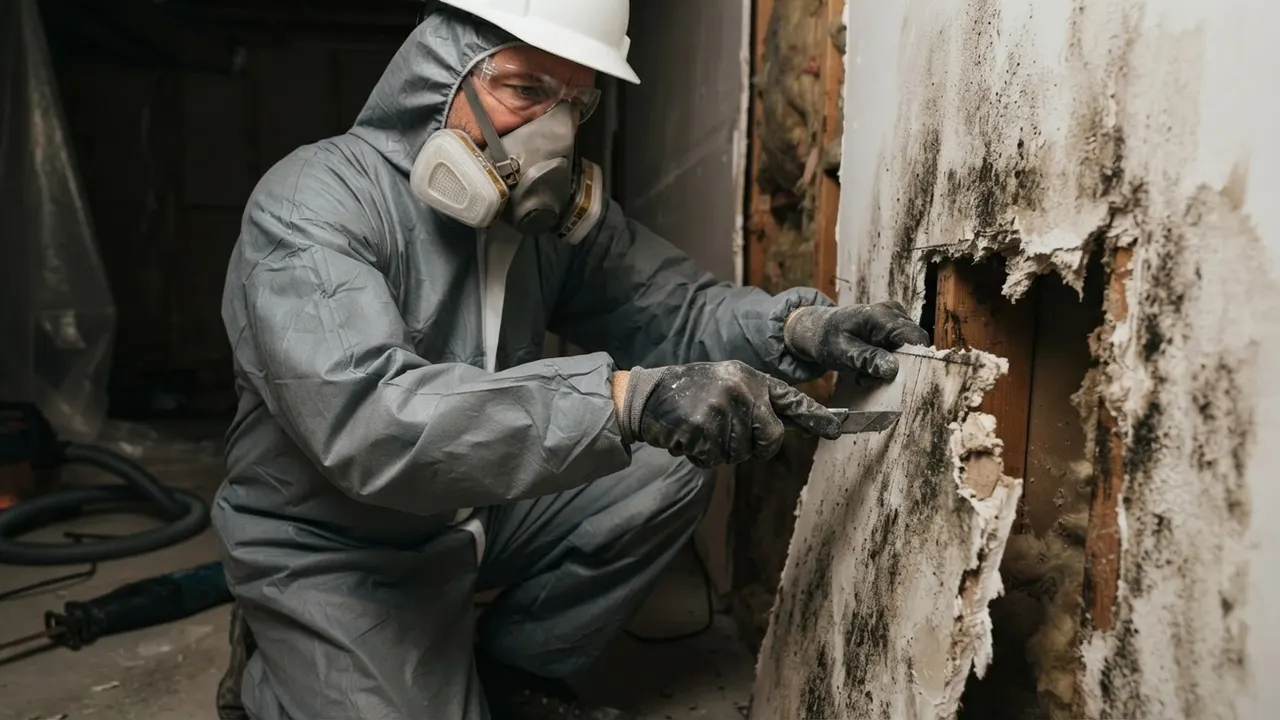
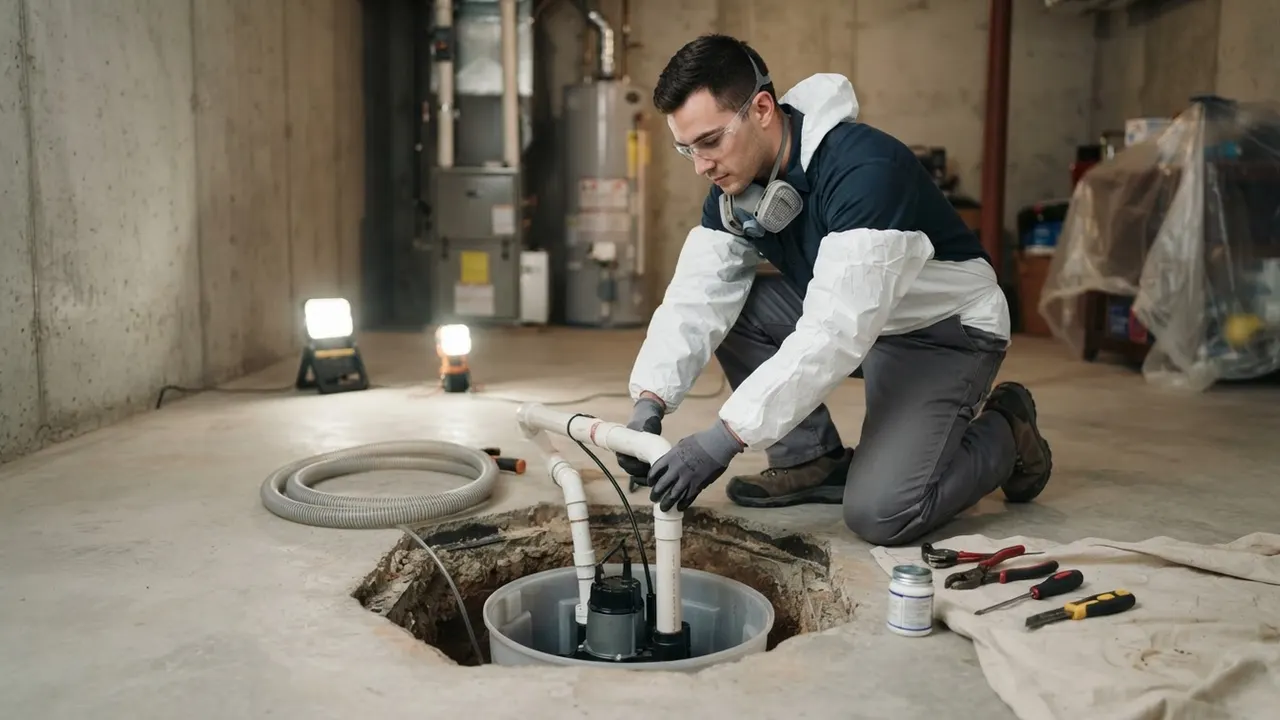
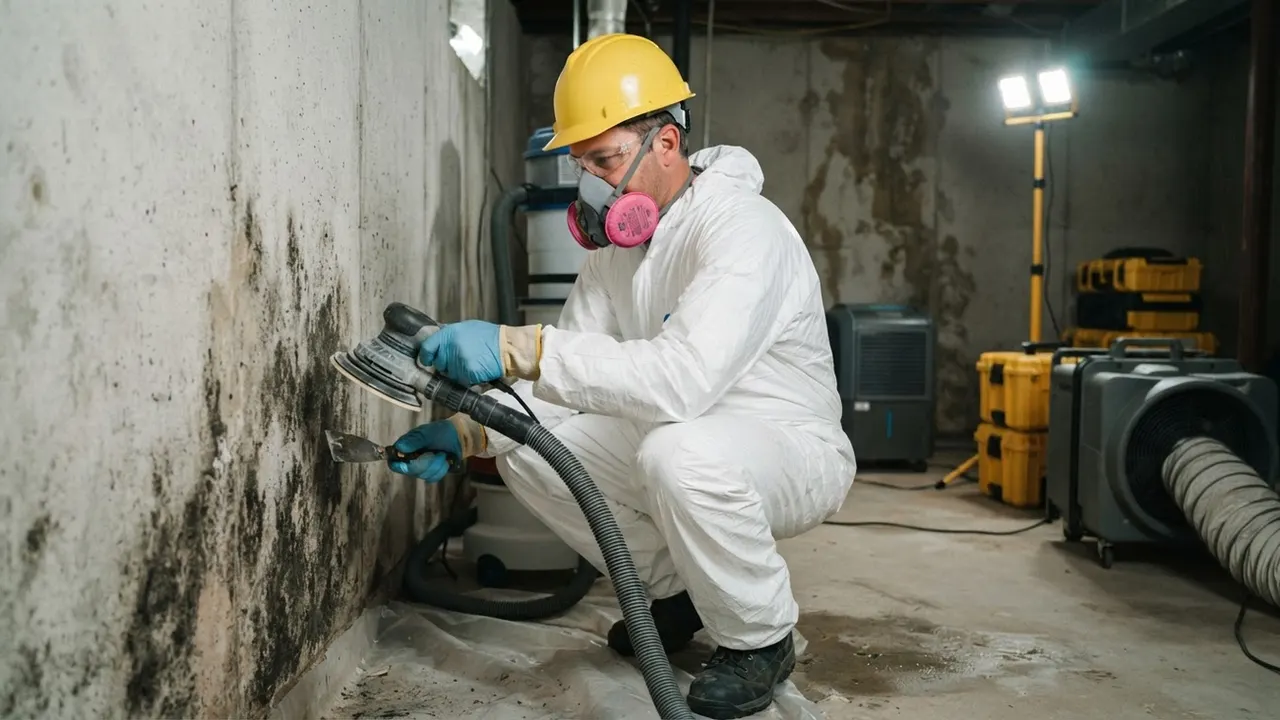
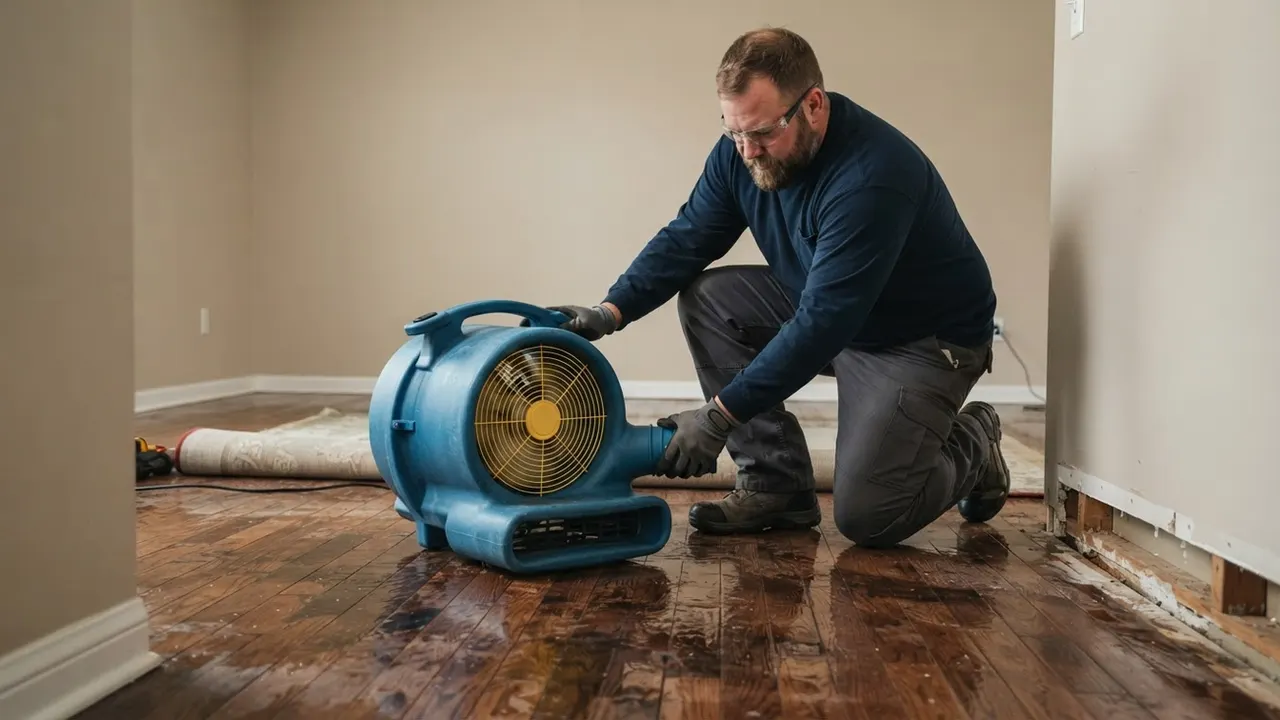
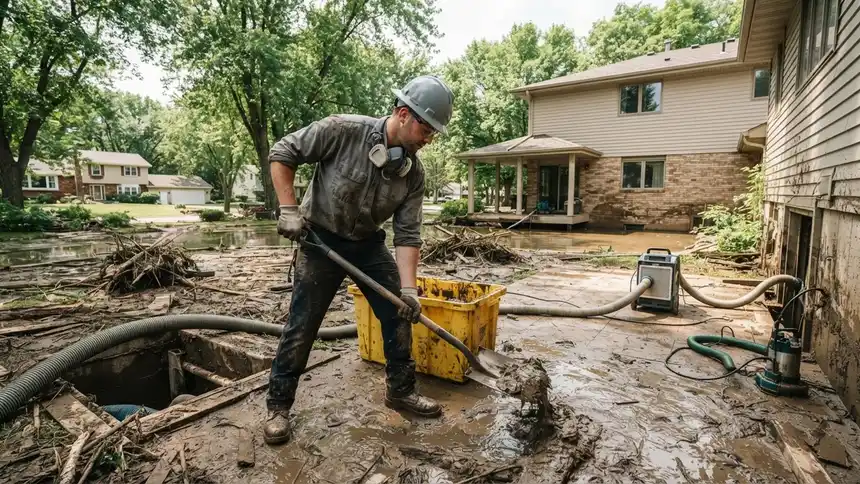
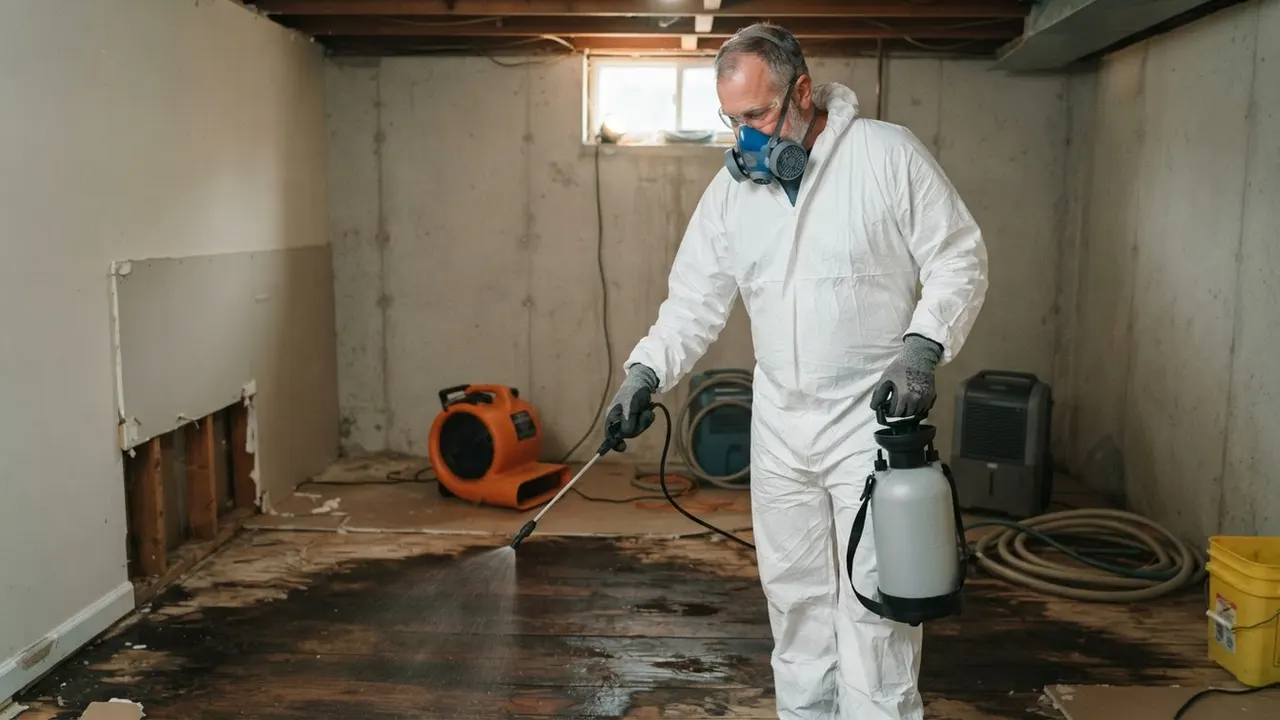
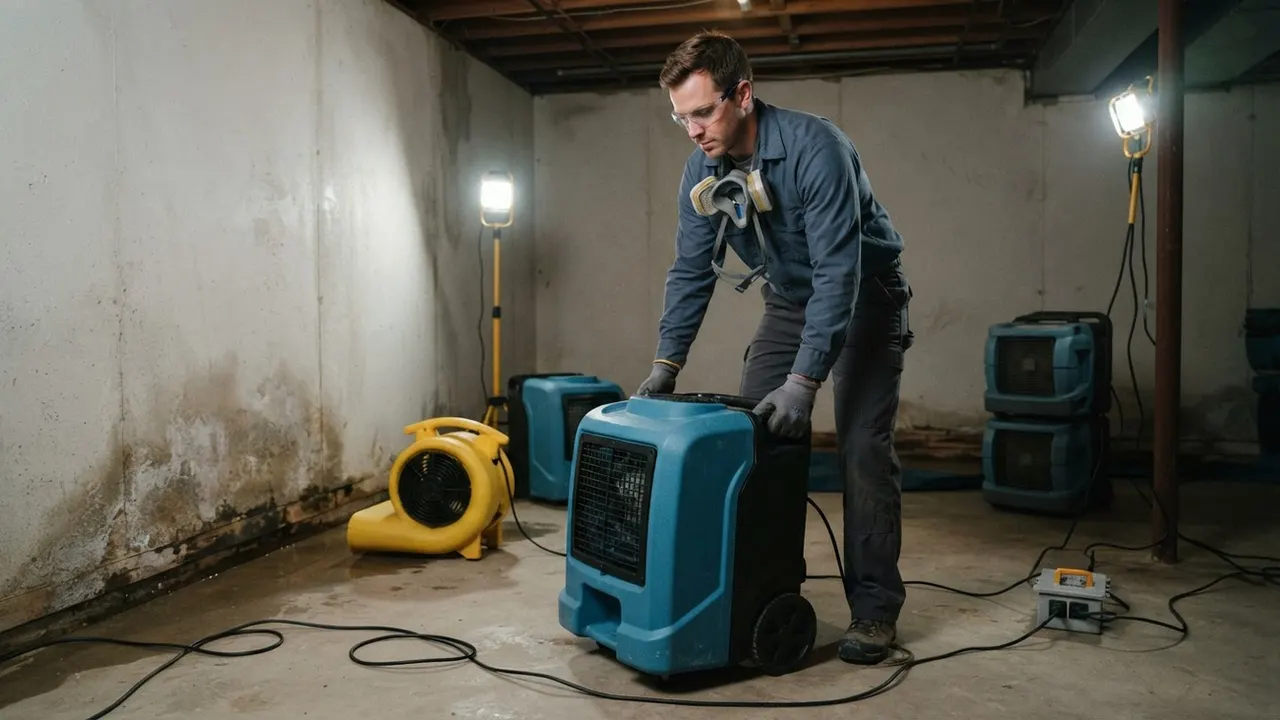
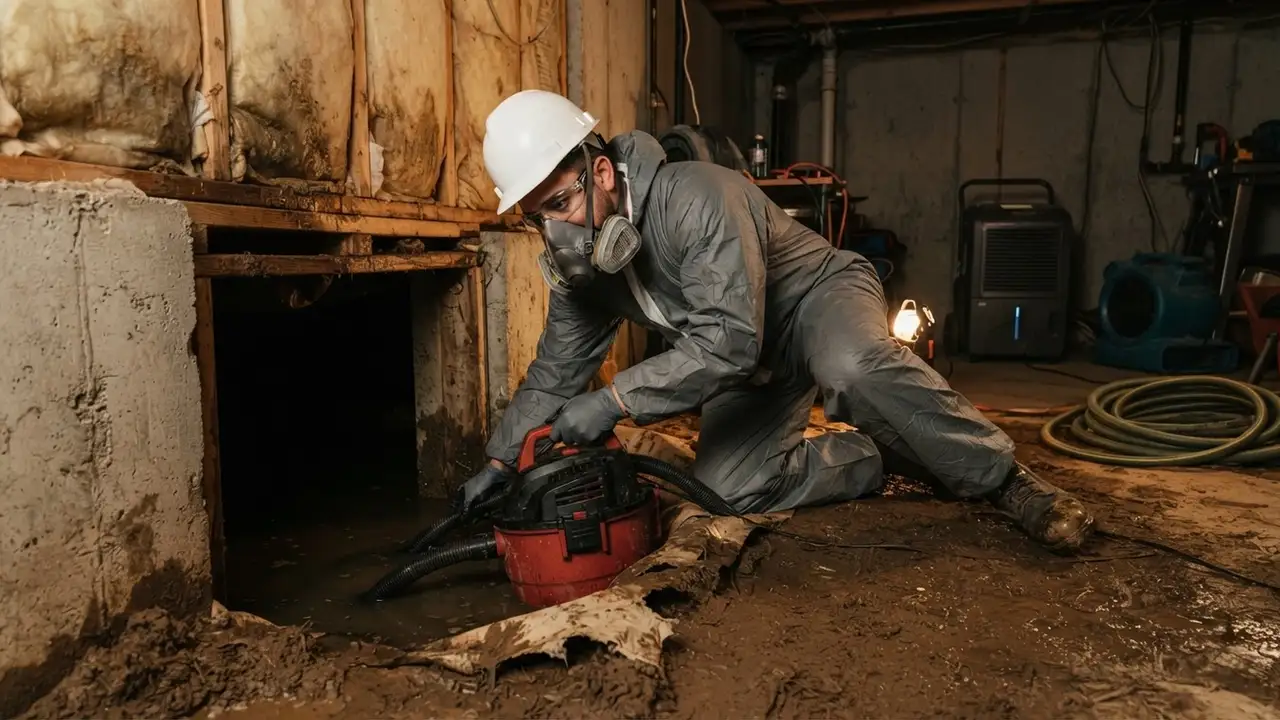
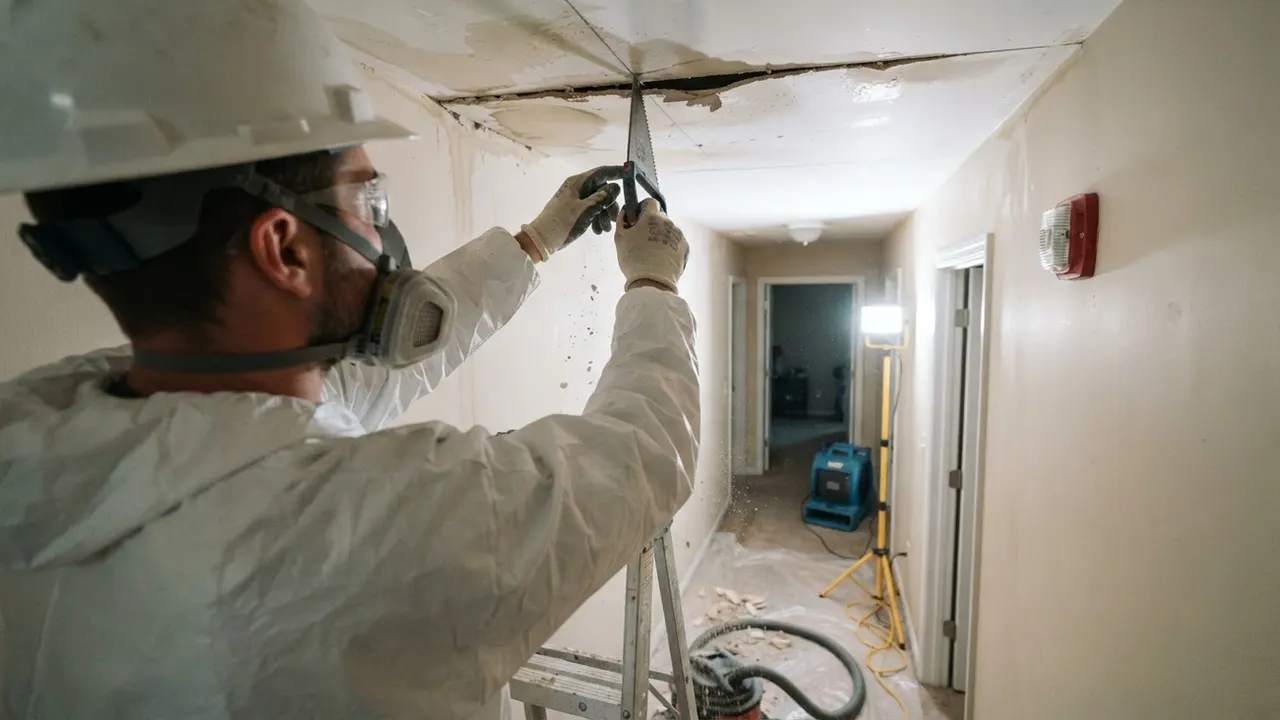
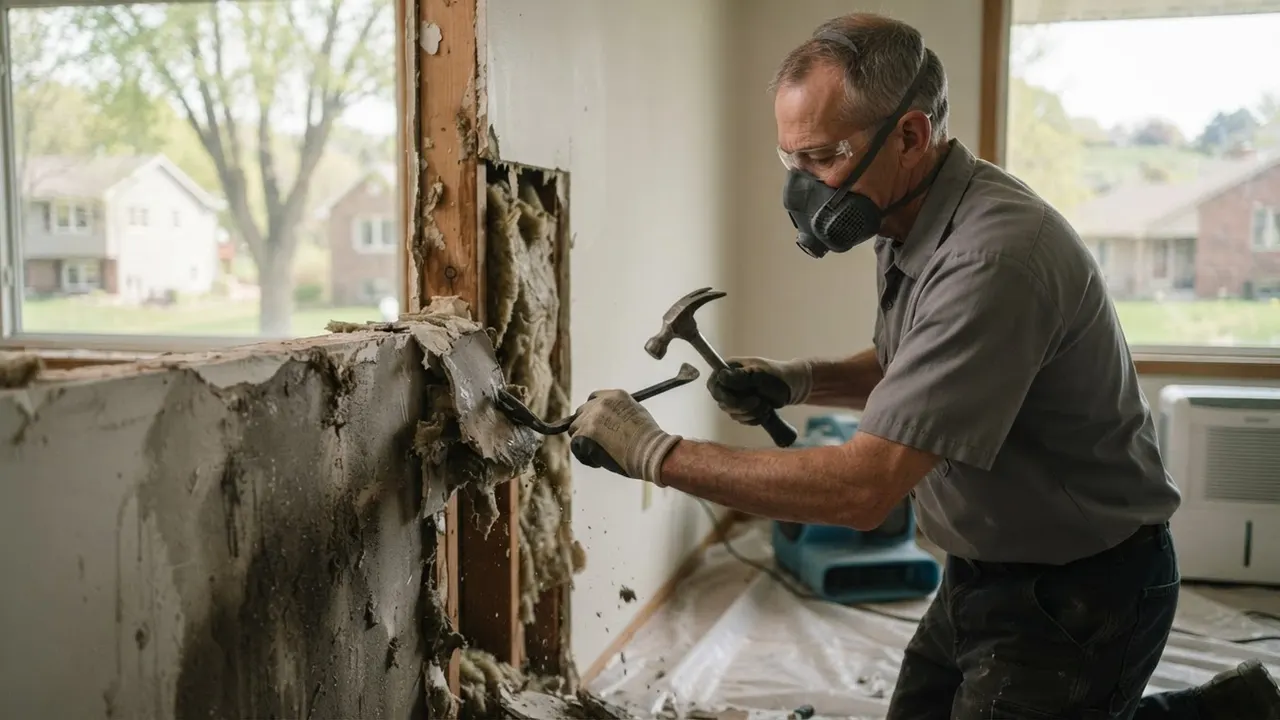
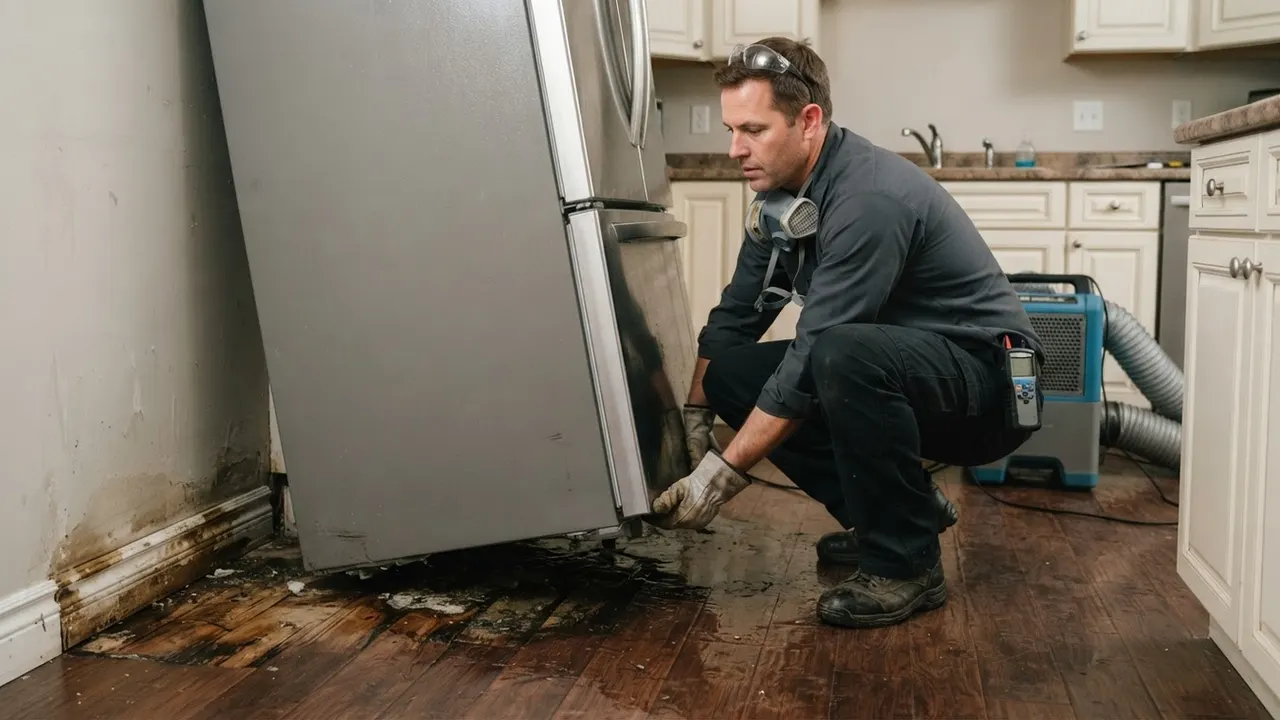
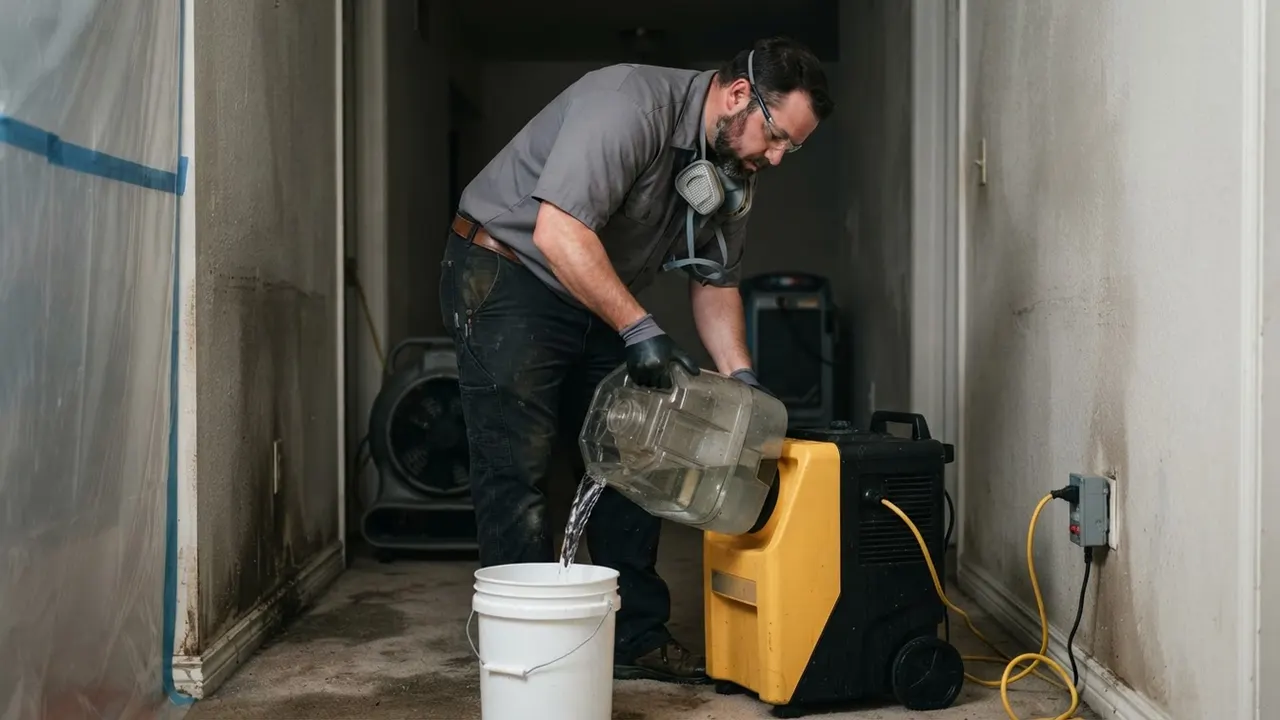
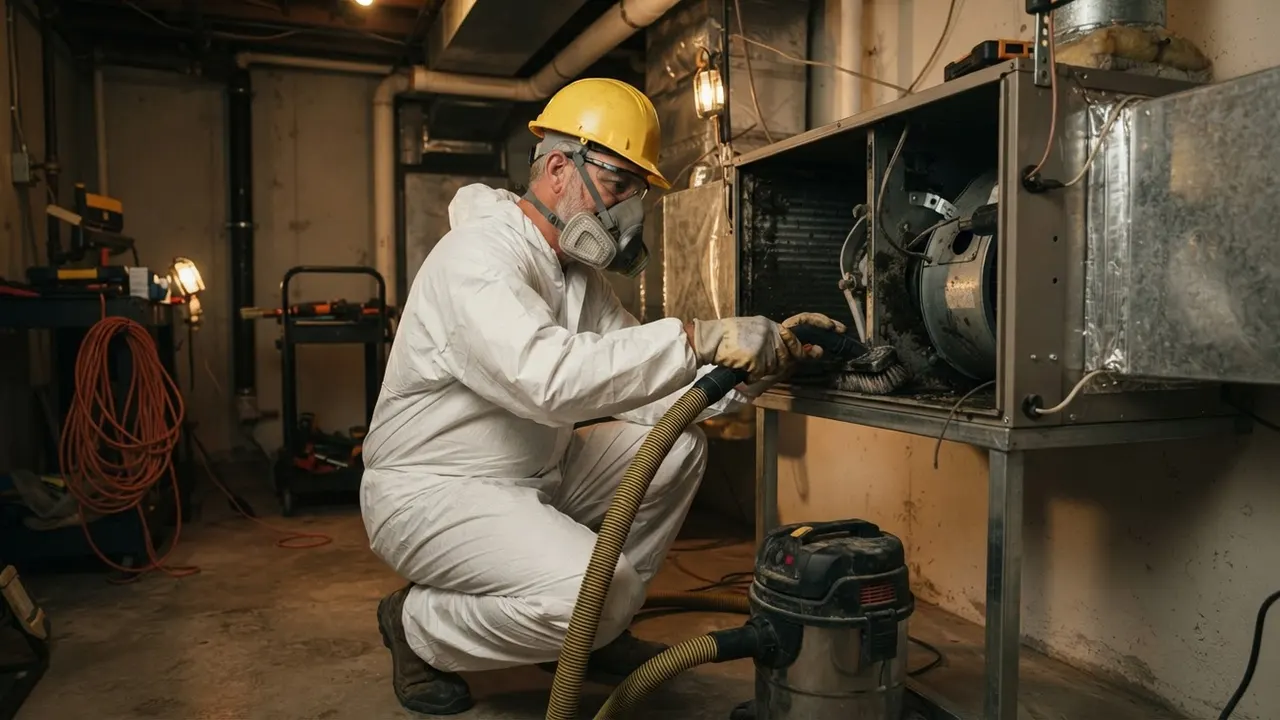
Black mold removal Hopkins MN helps homeowners and property managers deal with visible mold after a leak, flood, or prolonged dampness. We inspect affected materials, isolate the work area, remove contaminated porous materials when needed, and dry the structure. If you are searching for toxic black mold removal Hopkins MN, we focus on the actual growth and the conditions sustaining it, not just the surface stain.
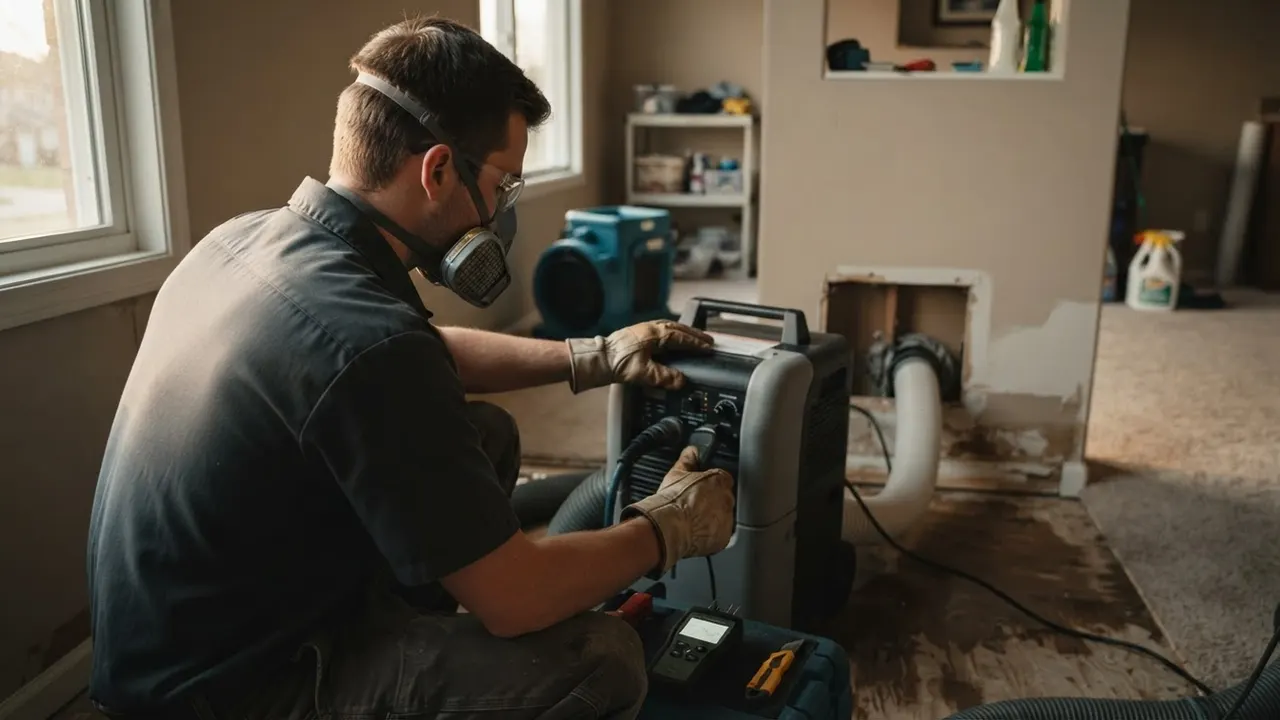
Protect nearby roomsCover paths before removal begins
Check materialsCompare damp areas with nearby surfaces
Explain accessShow which rooms are restricted
Review cleanupWalk through findings and next steps
What Black Mold Removal Includes
Black mold removal includes inspecting the visible growth, checking moisture conditions, protecting the work area, and cleaning or removing affected materials as appropriate. We also identify likely moisture sources and explain drying needs. Leak repair, extensive reconstruction, and laboratory testing are separate tasks when the property or the question requires them; we clarify how those steps connect to cleanup before proceeding.
Affected Area Assessment
We inspect the visible growth and nearby building materials, check access, and use moisture readings to guide the next step. The assessment helps distinguish a surface concern from damage that may continue behind drywall or beneath flooring.
Work Zone Protection
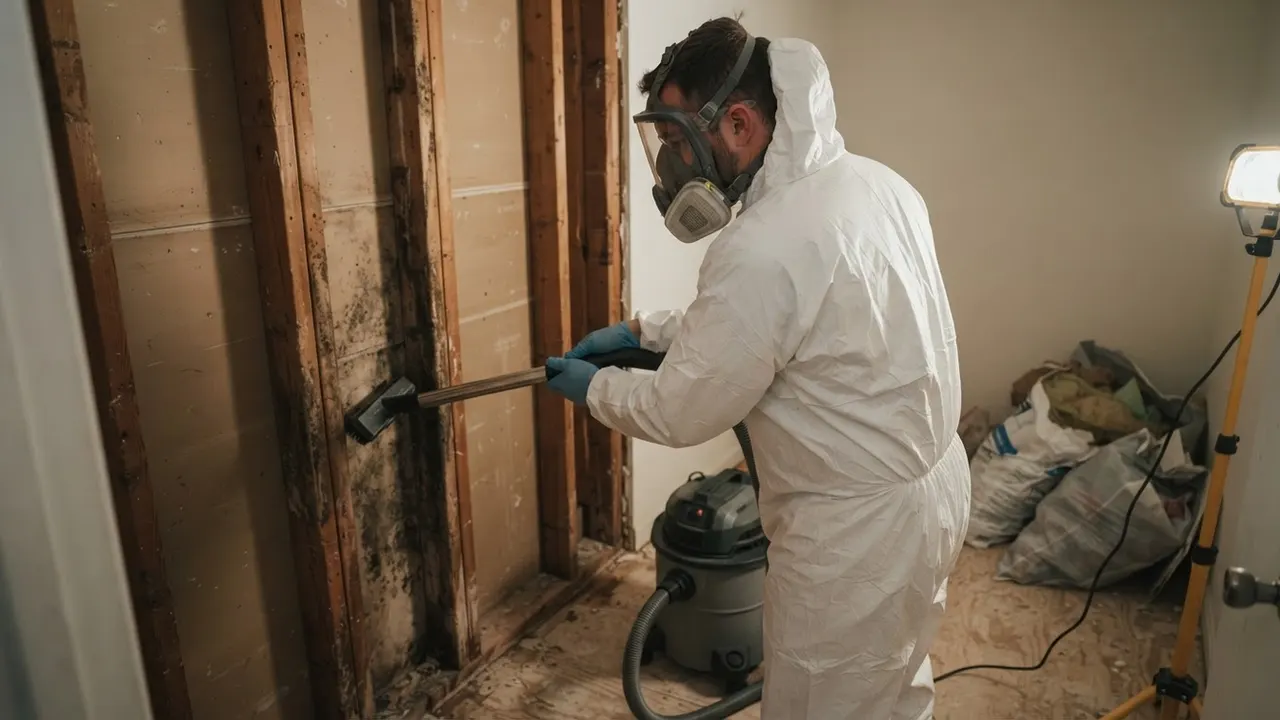
We protect nearby surfaces and set up containment appropriate to the room and removal plan. Plastic sheeting and controlled work practices help limit debris movement into adjoining spaces while materials are opened or removed.
Material Removal or Cleaning
The decision depends on material type, moisture, visible growth, and whether contamination extends into concealed areas.
HEPA Cleanup
We use HEPA vacuuming to collect fine debris from the work zone after removal and cleaning. This is part of the cleanup sequence, not a substitute for correcting the moisture source or removing damaged porous materials.
Drying Guidance
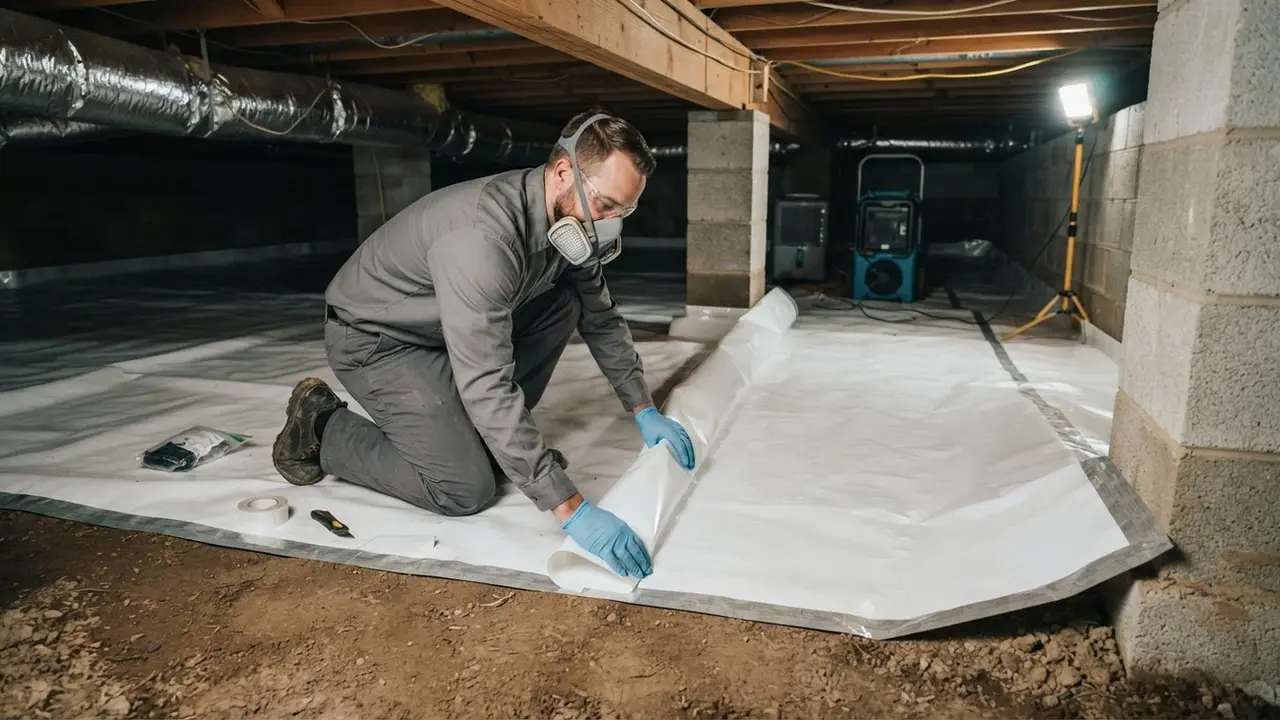
We check affected materials and explain drying needs before repairs cover the area. Dehumidification and air movement may be used where water damage has left the structure damp, with progress guided by moisture readings.
Homes and Businesses.
The approach is the same for a home and a business. What changes is the access, the schedule and who needs the paperwork.
Homes and Rentals
We assess your basement, laundry area, or finished room and explain how the work zone will affect household access. You get a clear sequence for cleanup and drying.
Basement wall staining
Leak behind washer
Musty finished-room closet
Managed Properties
We review access, affected rooms, and occupant movement with property owners and managers. The work plan identifies containment boundaries and cleanup stages.
Shared utility-room growth
Tenant access around cleanup
Leak in office wall
Black Mold Removal Hopkins MN: What It Involves
A plain-language look at what Black Mold Removal involves and when it is needed.
Black mold removal Hopkins MN is a mold remediation service that contains and removes mold-affected materials while addressing the moisture that supports growth. Our team checks visible surfaces and nearby cavities, traces dampness with a moisture meter, and uses a thermal imaging camera to guide inspection. Depending on the affected area, we isolate the work zone with plastic sheeting, remove damaged drywall or insulation, and use HEPA filtration during cleanup. The method depends on the material and contamination extent; painting over staining does not remove growth or correct a leak.
In Hopkins, basement flooding, frozen pipe bursts, roof leaks, and appliance leaks can leave hidden moisture behind finished walls and stored belongings. We check the source as well as the visible patch, because a dry-looking surface can conceal damp insulation. If you are researching how to remove black mold from basement walls safely in Hopkins MN, avoid disturbing a large or concealed area before it is assessed. Our team explains whether removal, drying, or further inspection is the practical next step.
Removing visible growth and correcting its moisture source are both central to mold cleanup.
What it is
Controlled cleanup of mold-affected materials and surfaces, paired with attention to moisture.
When needed
Visible growth, recurring staining, or damp materials after a leak or flood.
What to expect
Inspection, protection, material-specific cleanup, drying guidance, and a review of next steps.
How the Work Proceeds
Black mold removal Hopkins MN follows a practical sequence: inspect, contain, remove, clean, and check drying. We walk you through the work before disturbing materials, keep the affected area organized, and explain what you should expect each day. A small, accessible area can take less time than hidden growth behind finished walls.
Inspect and Trace
We begin with a walk-through, ask when the moisture appeared, and inspect visible staining and nearby materials. This first visit commonly takes 30 to 90 minutes, depending on access and the number of affected rooms.
Walk-through
Moisture check
Source review
Protect and Contain
Before removal, our team protects nearby contents and sets up plastic sheeting around the work zone. We plan airflow and place a negative air machine when the conditions call for containment. You will know which doorway or room is restricted and how to move around the work area while the cleanup is underway.
Protect contents
Set boundaries
Plan airflow
Remove Affected Material
We remove mold-damaged porous materials in a controlled manner, bag debris, and avoid unnecessary demolition. Drywall, insulation, and trim are assessed separately because each handles moisture differently. The removal stage can take several hours or longer when growth extends into a concealed cavity or more than one room.
Remove material
Bag debris
Limit disturbance
Clean and Dry
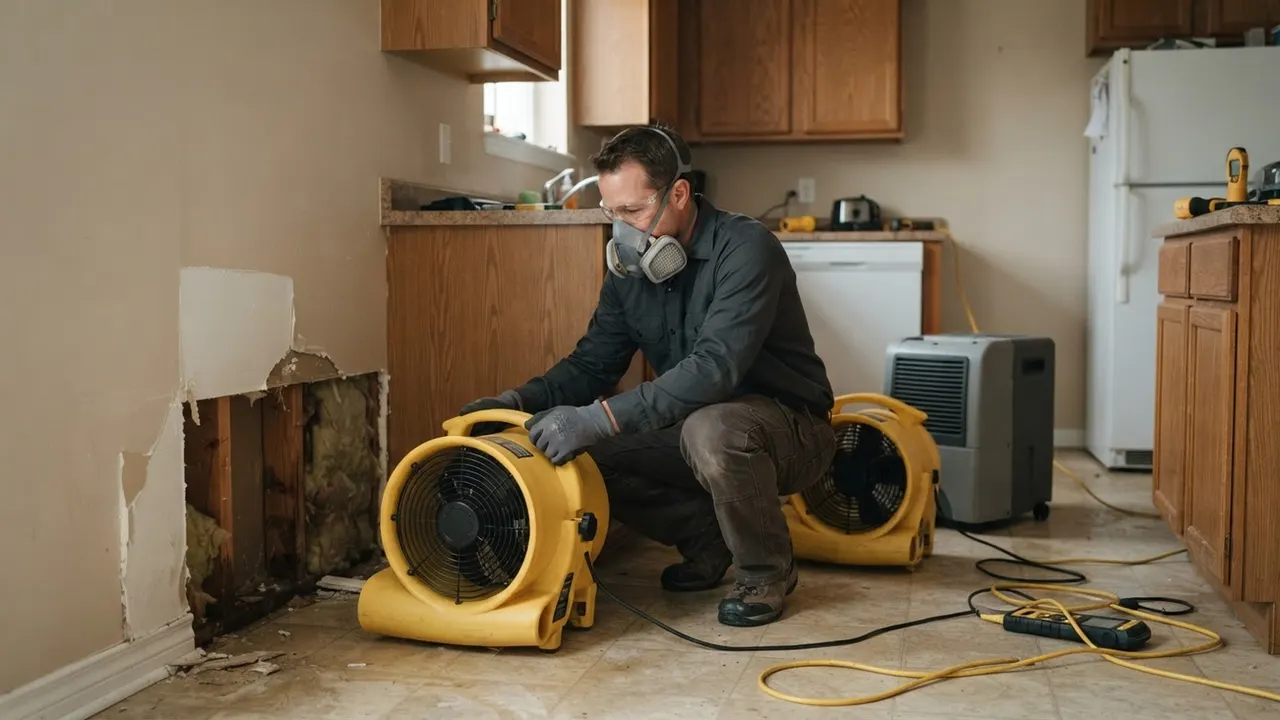
We HEPA-vacuum the work zone and clean remaining suitable surfaces using methods selected for the material. An air mover and dehumidifier support structural drying after the moisture source is controlled. We track damp areas rather than relying on touch alone, and we do not close a wall before the affected materials are ready.
HEPA cleanup
Support drying
Check materials
Review Next Steps
We walk the area with you, review what was removed, and explain any remaining repair or moisture-control work. If reconstruction is needed, we discuss suitable materials and sequencing. A compact project may finish in one to three days, while extensive damage, drying needs, or repairs can extend the schedule.
Review findings
Explain repairs
Plan next steps
Tools and Cleanup Methods
Move across a circle, or focus it and press Enter, for an illustrative thermal view of the photograph.
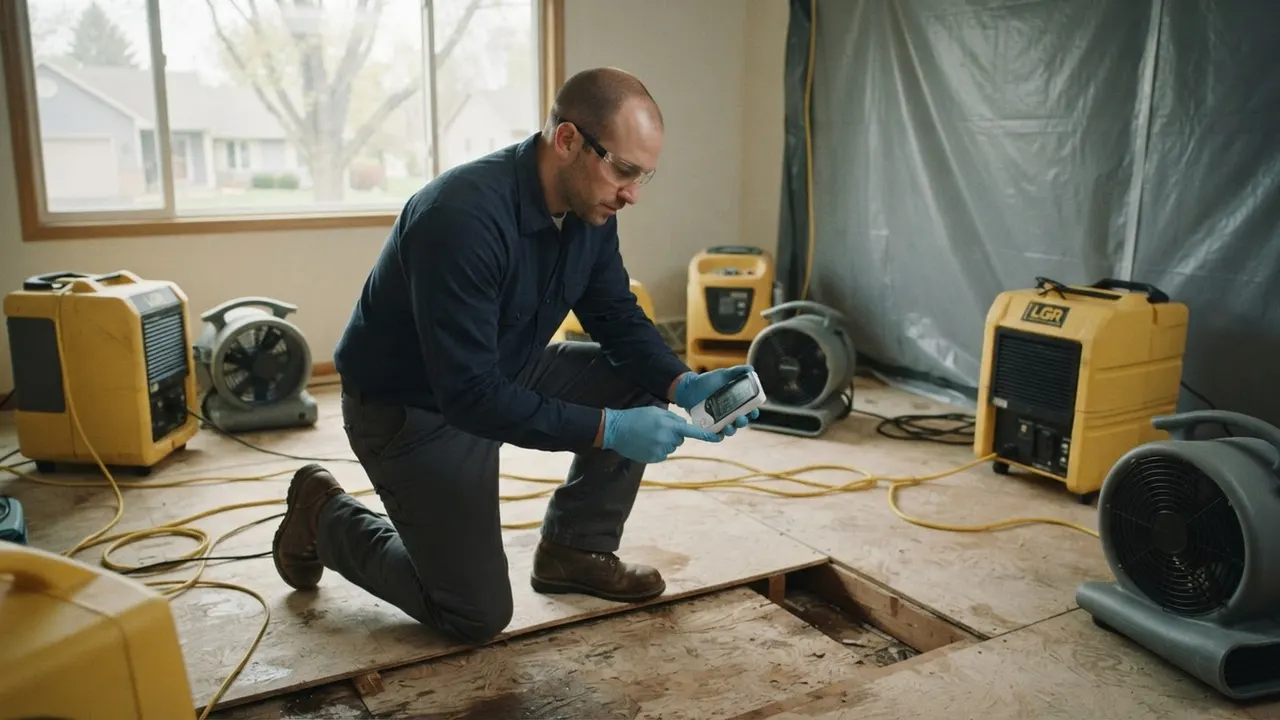
Moisture Meter
We check building materials for dampness and compare affected areas with nearby surfaces. Readings help guide inspection and drying decisions; they do not identify mold species.
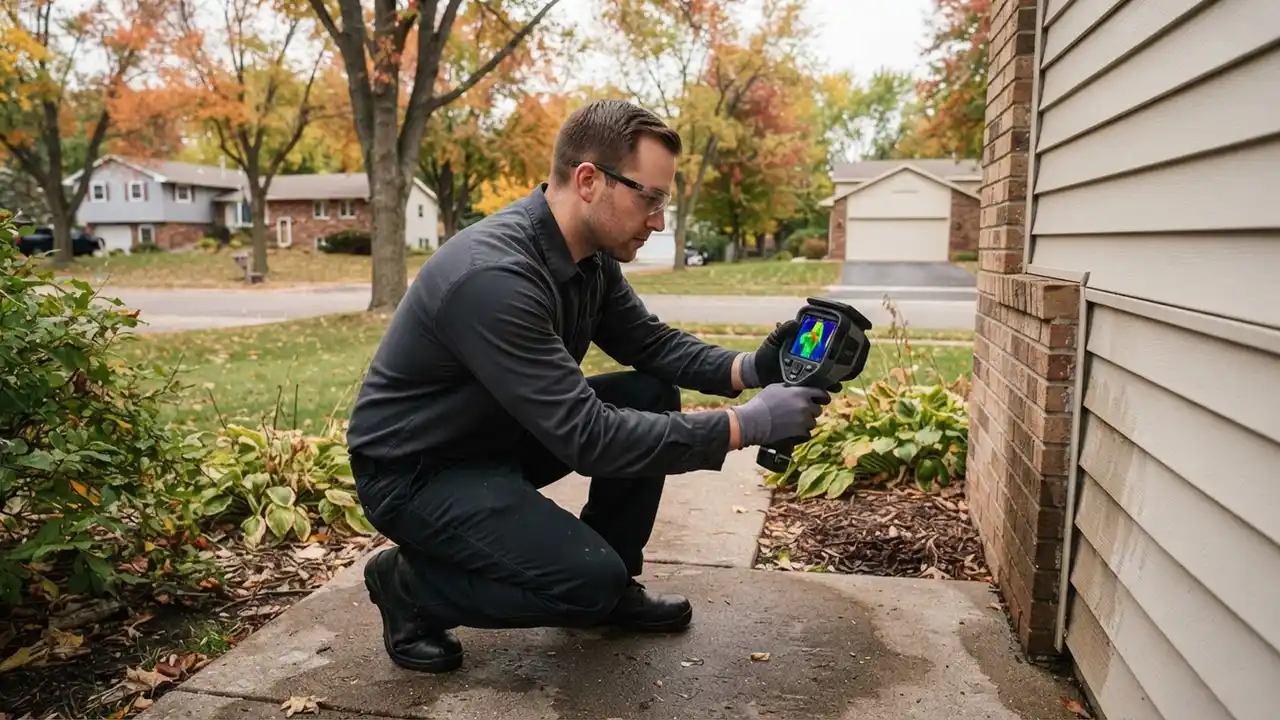
Thermal Imaging Camera
We use temperature patterns to identify areas that may need closer inspection after a leak. The camera supports the assessment but does not confirm mold or replace direct moisture checks.
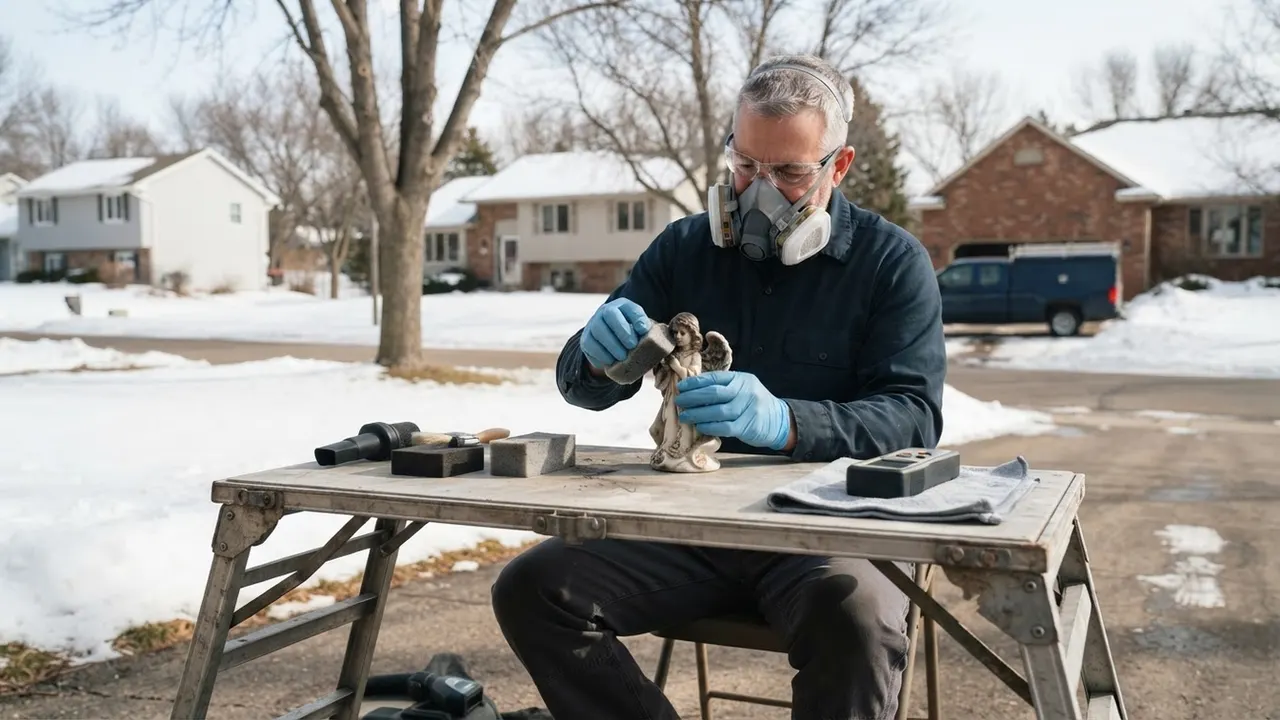
HEPA Vacuum
We collect fine debris from surfaces in the contained work zone after removal and cleaning. HEPA vacuuming supports final cleanup but does not replace material removal when porous materials are damaged.
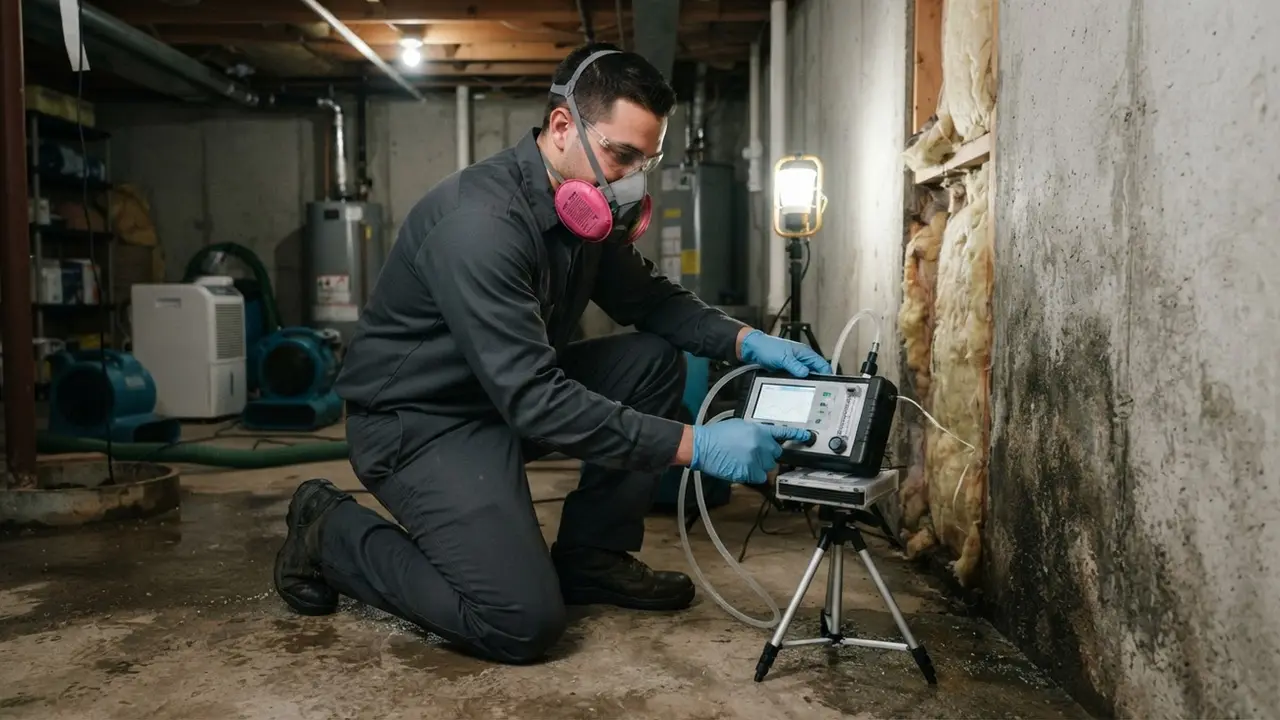
Negative Air Machine
Where the project calls for it, we use negative air equipment to help manage airflow from the contained work area. Setup depends on room layout, access, and the materials being disturbed.
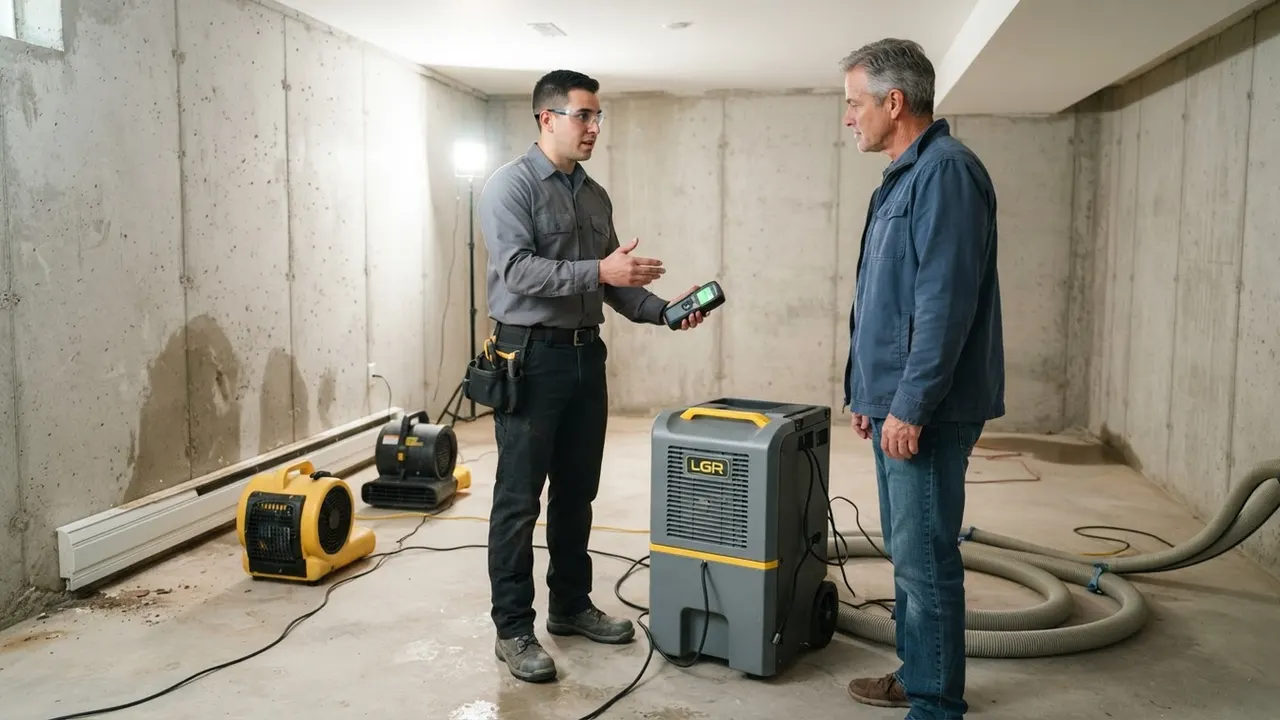
Dehumidifier
We use a dehumidifier when water damage has left the structure damp. It works alongside air movement and moisture checks to support drying before the repaired area is closed.
Thermal views are illustrative, generated from the photographs.
Methods
Containment and controlled removal
We isolate the affected area before disturbing mold-affected material, protect nearby contents, and remove porous materials in a controlled manner. The boundaries follow the observed condition and access, not an arbitrary room-wide demolition plan. We collect debris and clean the work zone before removing protection.
Moisture-source correction
We identify whether a leak, seepage, condensation, or prior flooding is keeping materials damp. Mold cleanup addresses existing contamination, while source correction and drying reduce the conditions that support recurrence. We coordinate these steps so repairs do not conceal unresolved moisture.
Material-appropriate cleaning
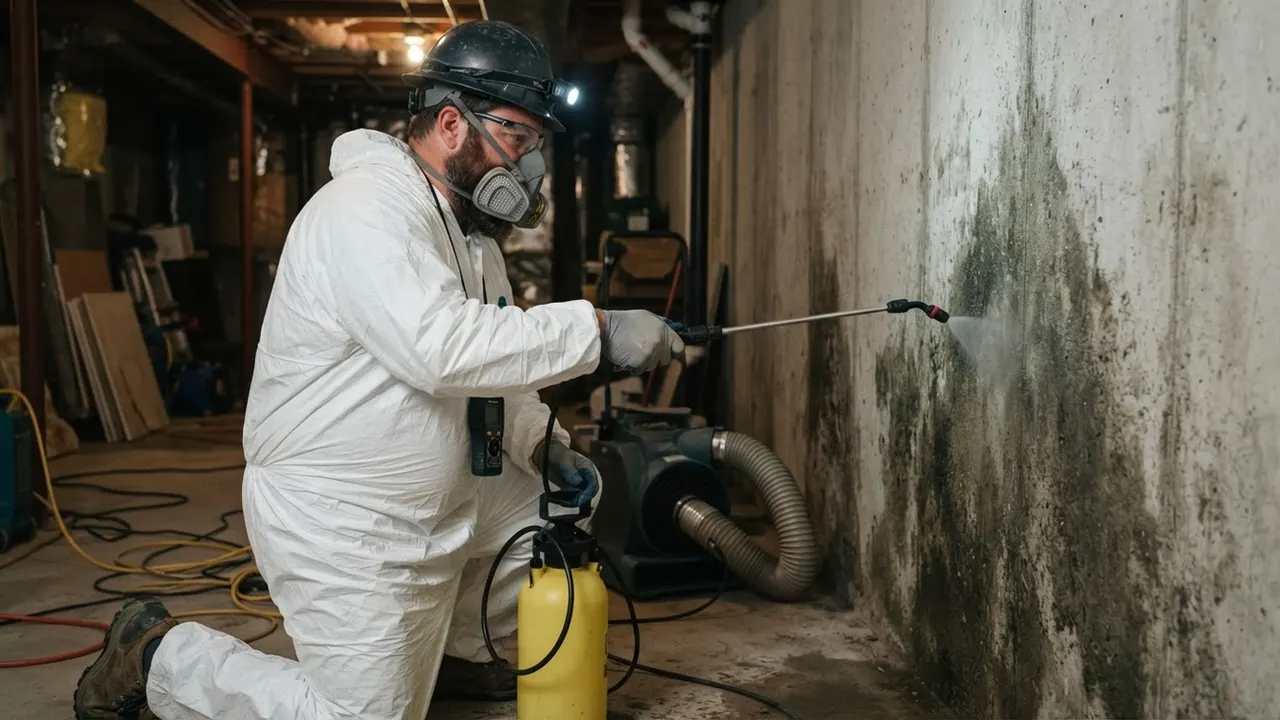
We distinguish porous materials from suitable hard surfaces and choose cleaning or removal accordingly. Antimicrobial spray is used only where appropriate to the material and work plan; it is not a substitute for removing damaged material or drying the structure. We explain the method before cleanup begins.
Drying verification
After water damage, we use moisture readings to guide drying and assess whether materials are ready for repair. Air movers and dehumidifiers support this stage when needed. We review the remaining damp areas and explain what must happen before a wall or floor is closed.
When to Call for Mold Cleanup
Basement Leak
A Hopkins basement wall shows dark spots after spring seepage or a recent plumbing leak.
We inspect the affected wall, check adjoining materials, and identify whether water is still entering. If the growth involves porous drywall, we contain the work area before removal. We also discuss drying and whether the water source needs a separate repair.
Outcome: You know which materials need attention, how the room will be protected, and what must dry before repairs.
Frozen Pipe
A frozen pipe burst leaves a wet wall or ceiling in a Hopkins home during winter.
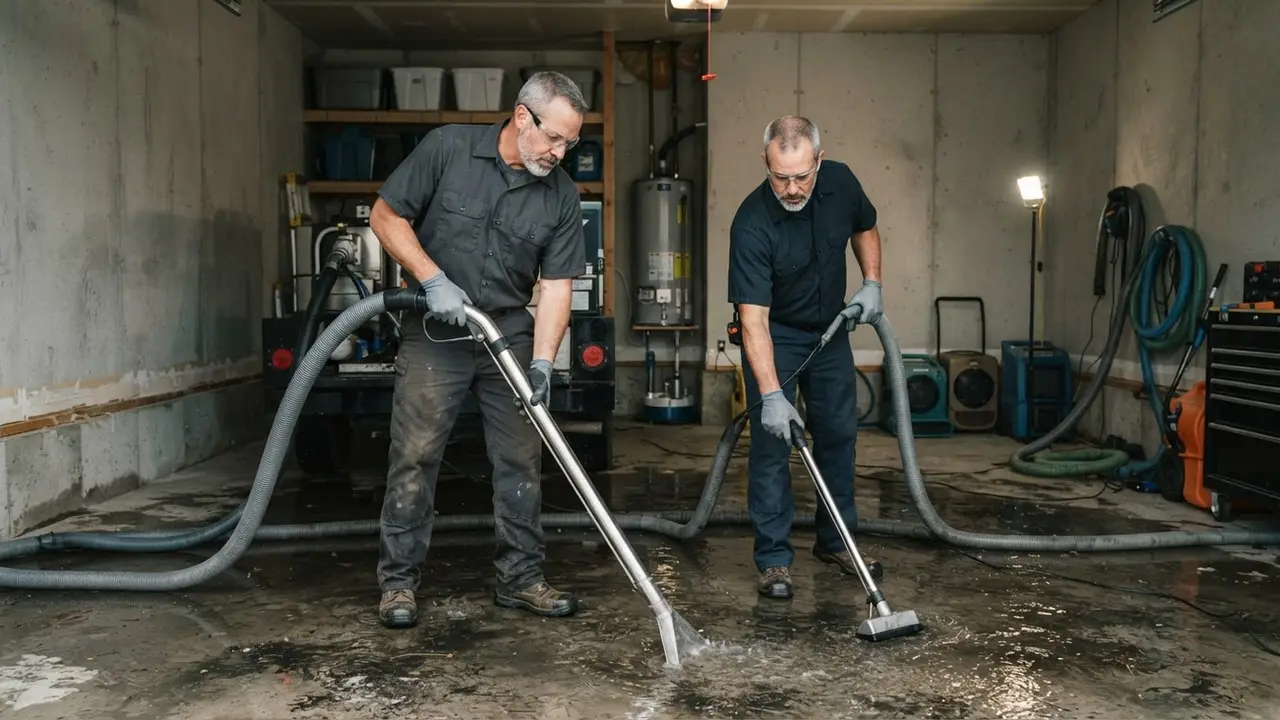
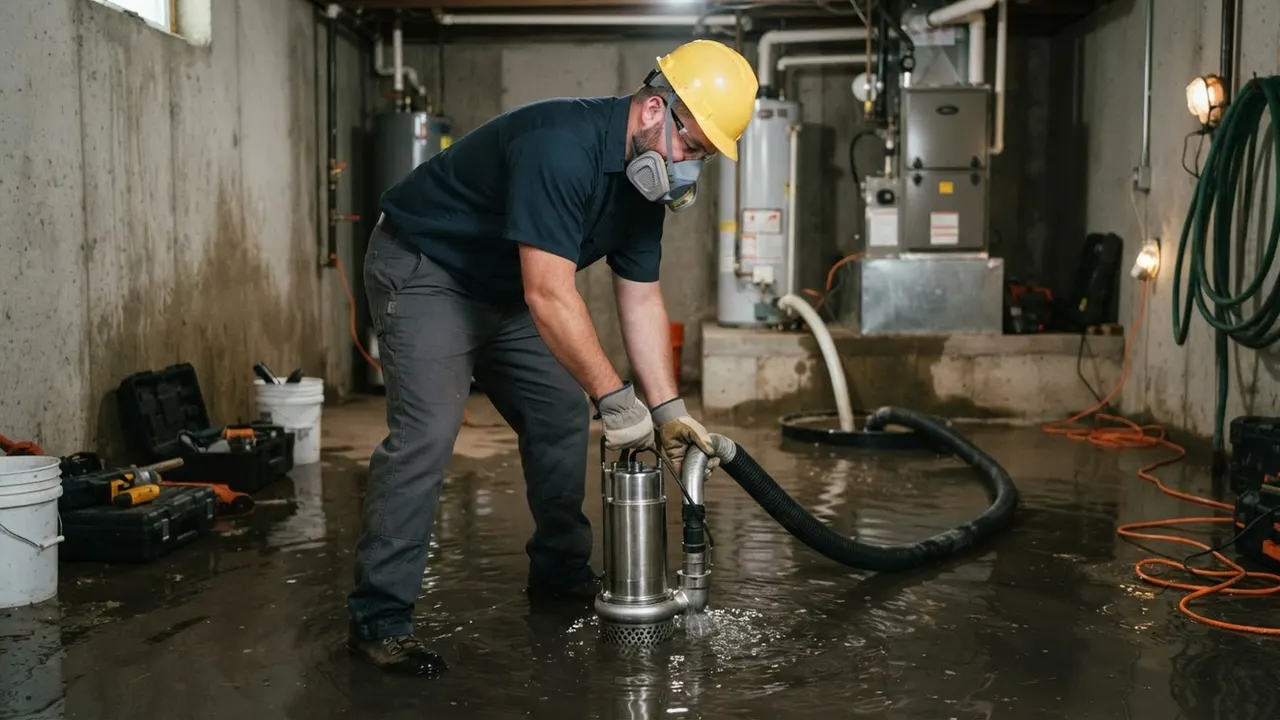
We assess the water path, identify damp materials, and coordinate removal with water extraction and drying where needed. Once the pipe is controlled, we check for visible mold and conditions that could support growth. The work sequence avoids closing wet materials behind a new finish.
Outcome: The affected area gets a clear cleanup and drying plan, with damaged materials addressed before reconstruction.
Roof Leak
A roof leak leaves staining and suspected growth in an attic or upper-floor room.
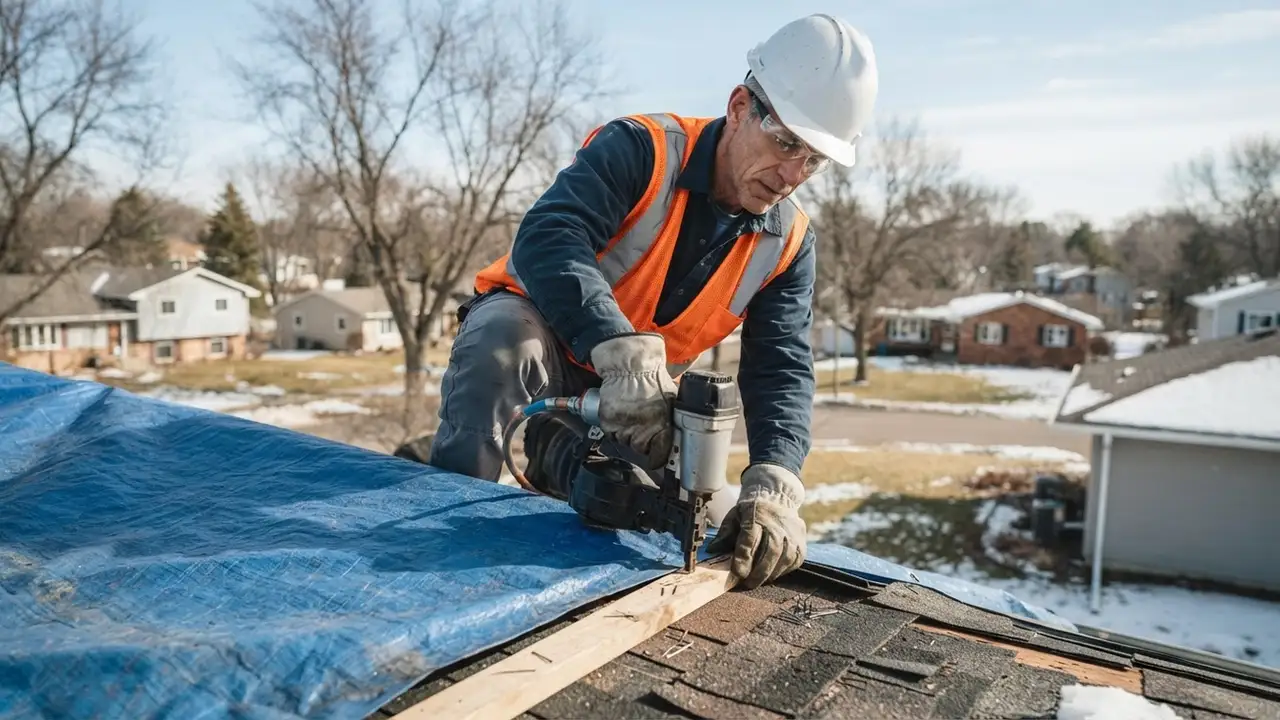
We check the affected ceiling, insulation, and accessible framing while confirming whether water entry continues. We contain removal work as needed, clean suitable surfaces, and coordinate drying after the roof source is controlled. If damage extends beyond the visible stain, we explain the additional area.
Outcome: You can distinguish surface staining from mold-affected material and plan cleanup alongside roof repair.
Recurring Growth
A property manager finds recurring mold near a laundry room or shared basement utility area.
We inspect the suspected leak or condensation source, assess the surrounding materials, and arrange containment that accounts for tenant access. Our team documents the affected area and explains the cleanup sequence, including drying and any repair work needed to return the room to use.
Outcome: The property manager receives a practical work sequence and can coordinate access around cleanup and drying.
Black mold cleanup near me Hopkins is a common search after a basement leak, but the work depends on the building and the moisture path. Hopkins properties include finished lower levels, utility rooms, and older sections where plumbing or roof leaks can wet materials behind paint and drywall. Minnesota winters bring frozen-pipe risks; thaw periods and heavy rain can also expose basement seepage.
We inspect the specific area rather than assuming every dark patch has the same cause. Our team serves Hopkins in Hennepin County, including homes and businesses in ZIP codes 55343 and 55305. We check access, protect adjoining rooms, and use moisture readings to guide removal and drying.
If you are looking for a toxic black mold remediation company Hopkins Minnesota, we explain containment, material handling, and what needs to happen before reconstruction. Mold cleanup is not a substitute for correcting active water entry, so we discuss that source as part of the plan.
Downtown Hopkins: Older and remodeled properties can have finished lower levels where a small plumbing leak stays hidden. We check beyond the visible stain before planning removal.
Blake Road Corridor: Basement utility areas and laundry connections can be affected by appliance or pipe leaks. We assess adjacent flooring and wall materials, not just the first visible spot.
Mainstreet Hopkins: Mixed-use buildings may need cleanup planned around occupants and shared access. We explain containment boundaries and coordinate the work area with the property contact.
Shady Oak: After heavy rain or snowmelt, lower-level dampness can appear along walls or floor edges. We look for continuing water entry before cleanup begins.
Winter freezes stress plumbing in exterior and lower-level walls: A frozen pipe burst can soak cavities before water becomes visible in the room. We trace the path, assess insulation and drywall, and coordinate drying after the pipe leak is controlled.
Thaw and heavy rain increase basement moisture concerns: Water can enter at floor-wall joints or through an existing opening, leaving lower materials damp. We identify affected areas and distinguish active seepage from residual moisture before selecting cleanup steps.
We walk through the affected area and explain what we can see.
We protect nearby surfaces and set up the work zone.
We review cleanup findings, drying needs, and repair steps.
From Problem to Finished Result.
IllustrativeThe thermal view is generated from the photograph. It is not a measurement. Drag the handle, or use the arrow keys once it is focused.
Basement Wall After Pipe Leak
Before: A slow pipe leak left a dark patch across the lower basement wall and a musty smell near stored boxes. The drywall felt dry at the surface, but the wall cavity had not been checked. The homeowner wanted the growth removed without opening more of the finished room than necessary.
After: We isolated the work area, removed the affected drywall and damp insulation, and checked surrounding materials. A dehumidifier supported drying, with moisture readings guiding the next step. The opening was left ready for repair after the affected area was addressed, rather than sealed over while still damp.
Keep stored items several inches away from basement walls, check plumbing connections after use, and address new staining promptly. If the area smells musty again, inspect for moisture before repainting.
Laundry Area Appliance Leak
Before: A washer connection leaked behind the machine and water reached the baseboard and adjacent wall. A small stained area appeared after the appliance had been moved. The tenant was unsure whether the mark was old or whether moisture remained behind the finish.
After: We checked the wall and floor around the connection, contained the affected section, and removed damaged porous material. After the leak source was addressed, we used drying equipment and checked the remaining materials. The cleanup clarified which area needed repair and which surfaces could stay.
Inspect hoses and connections during routine appliance checks, and avoid pushing the washer tightly against the wall. Respond to pooled water the same day and check the baseboard for swelling.
Attic Growth After Roof Leak
Before: A roof leak left a ceiling stain and suspected mold on nearby attic materials. The source had been patched, but damp insulation remained around the affected area. The property owner needed to know whether the stain was limited to the ceiling finish.
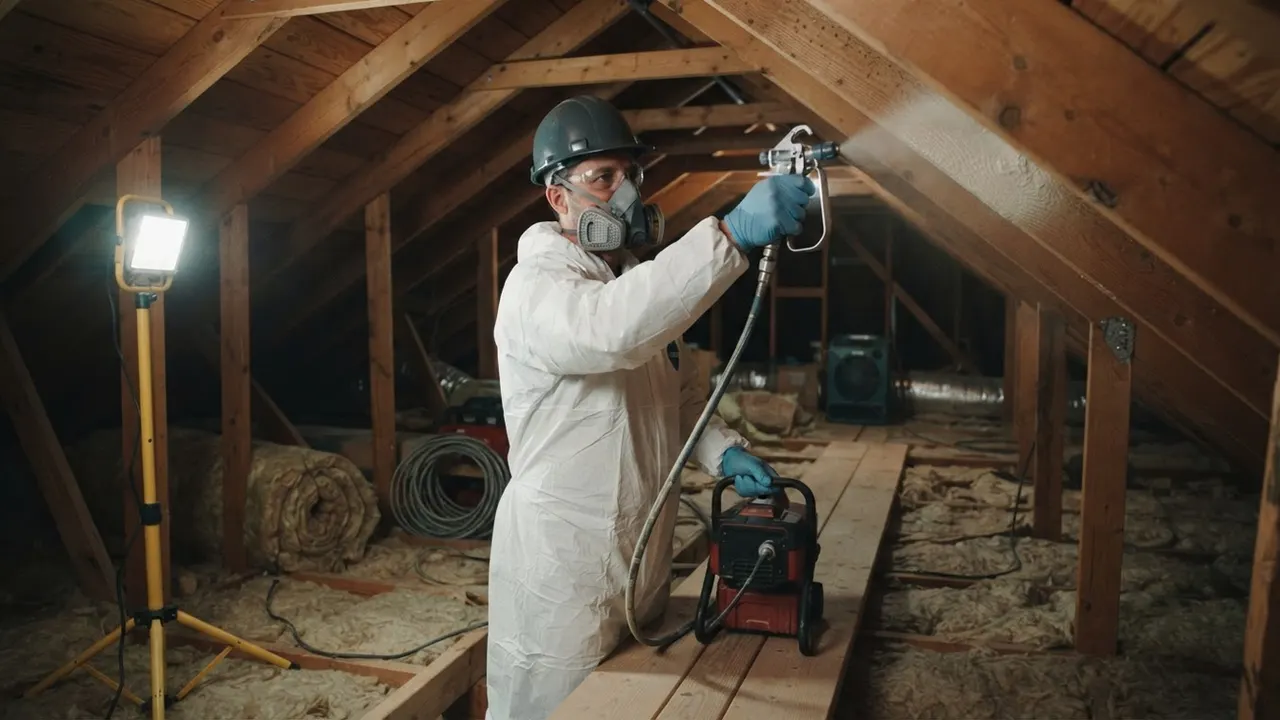
After: We inspected accessible materials, isolated the cleanup area, and removed affected porous material where its condition required it. We checked adjacent surfaces and supported drying before discussing ceiling repair. The work separated the roof issue, mold cleanup, and reconstruction into understandable stages.
After storms and each spring thaw, look for new ceiling stains or damp attic materials. Keep roof repairs current and investigate musty odors before adding insulation or covering the area.
Problems Behind Black Mold Growth
Black mold removal Hopkins MN addresses visible growth and the conditions that keep affected materials damp. We look for the cause, assess what can be cleaned, and remove damaged materials where needed. The goal is to leave you with a clear cleanup and drying plan rather than a covered stain.
Basement wall growthDark growth spreading across a damp basement wallGrowth can extend into drywall, insulation, or stored items. Covering it with paint hides the surface without correcting moisture or removing contaminated material. We inspect the wall and nearby floor, check moisture, and identify likely water entry or plumbing sources. Our team contains the work area before removing damaged porous materials. We clean suitable surfaces and explain drying and repair steps so you know what must happen before the wall is closed.
Hidden leak odorMusty odor after a hidden pipe or appliance leakWater can travel under cabinets or behind finishes, leaving damp material where growth is difficult to see. Odor treatment alone can leave the source untouched. We trace the affected area outward from the known leak, check adjoining materials, and assess whether the moisture source is still active. If mold is present, we isolate and clean or remove materials as appropriate. Drying follows source control, and we explain whether additional plumbing or repair work is needed.
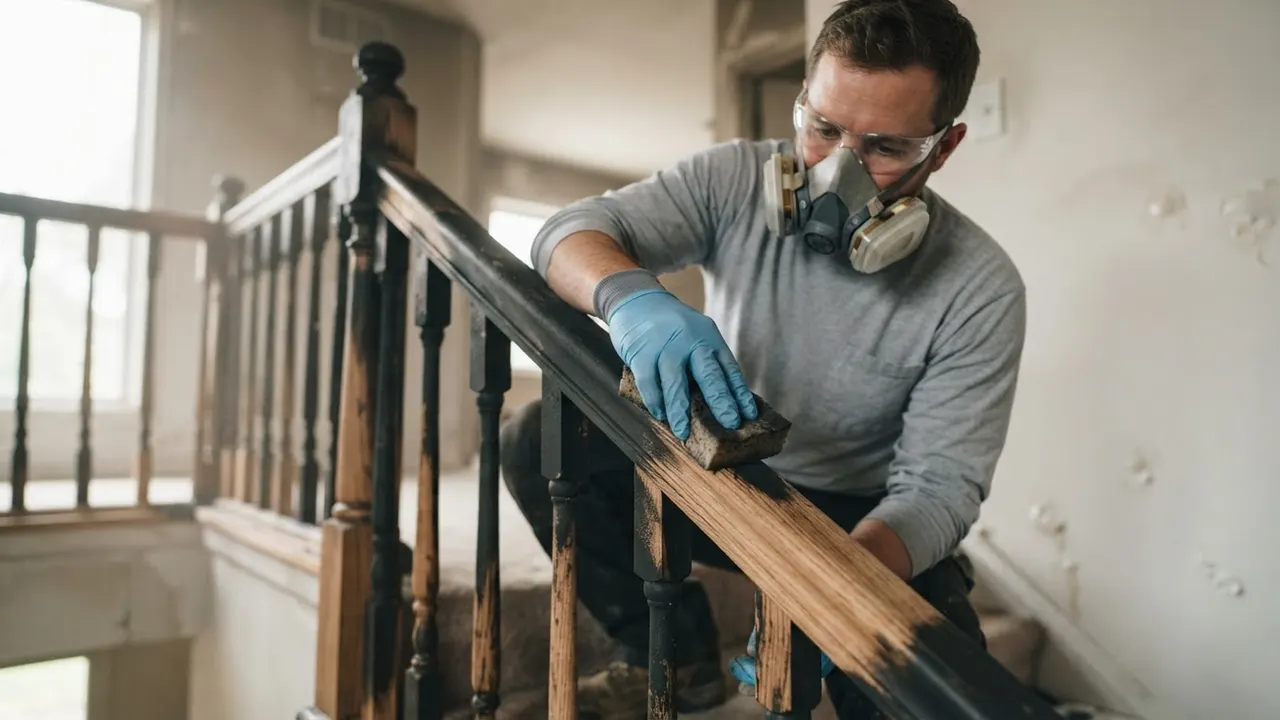
Recurring surface spotsMold returning after a quick surface wipeRecurring spots often signal that moisture remains or growth extends into a porous surface. Repeated wiping can damage finishes without resolving the underlying problem. We assess the surface type, moisture level, and history of the room before choosing a cleanup method. Our team addresses affected porous materials where needed and checks the likely source, such as seepage or a roof leak. We then review practical moisture-control steps for the repaired area.
Concealed water damageWater damage concealed behind finished basement wallsA clean-looking wall can hide wet insulation or framing after flooding. Delayed drying can worsen material damage and create conditions for further mold growth. If concealed damage is found, we explain the opening and removal needed, protect adjoining areas, and support drying before reconstruction. The work plan follows the actual condition rather than assuming the entire wall is affected.
What Proper Cleanup Delivers
Remove affected materials, manage moisture, and understand the next repair step.
Controlled Work Area
We separate the affected room from clean areas with plastic sheeting and manage airflow during removal. That matters when your basement connects directly to a stairwell, laundry room, or finished living space. Containment reduces the spread of dust and debris while work proceeds; it does not replace careful removal and cleanup.
Moisture Source Addressed
Mold returns if dampness remains. We investigate likely causes such as a slab leak, roof leak, or basement flooding and use moisture readings to guide drying. When water damage work is needed, an air mover and dehumidifier help lower moisture in the affected structure before repairs conceal it.
Material-Specific Removal
Porous drywall and insulation with established growth often require removal, while some hard surfaces can be cleaned using an appropriate method. We assess the substrate before choosing. This distinction keeps the work focused and avoids treating every stained surface as if it needs the same chemical or demolition approach.
Clear Restoration Steps
You learn what was affected, what was removed, and what remains for rebuilding. We document the work area and discuss options such as mold-resistant drywall after the structure is dry. If testing is appropriate, we explain its purpose rather than treating a test as a substitute for visible inspection and moisture control.
What You Receive
Clear records you can keep and share.
Photo Record
Images of affected areas and completed cleanup
Moisture Log
Recorded checks made during the work
Work Summary
Description of removed and cleaned materials
Next Steps
Repair and moisture-control items discussed
Cleaning and Removal Differ
The material and moisture condition determine whether a surface is cleaned or a porous section is removed.
Hard Surfaces
Suitable nonporous materials may be cleaned in place.
Assess finish condition
Choose compatible method
Dry after cleaning
Porous Materials
Damaged drywall or insulation may need controlled removal.
Check beyond staining
Contain disturbed area
Bag affected debris
Moisture Source
Active water entry must be addressed alongside cleanup.
Trace likely leak
Check nearby materials
Plan drying before repair
Common Work Materials
Drywall
Insulation
Plastic sheeting
Sealant
Mold-resistant drywall
Antimicrobial spray
Framing
Floor trim
Service ZIP Codes.
A list like this tells people straight away whether you cover their street. Not listed? Call and ask: it only takes a minute.
We found dark growth behind a section of basement drywall after a pipe leak. The crew explained why the wall had to be opened, covered the nearby stairs, and showed us the damp insulation. They removed the affected section and set drying equipment. I appreciated knowing what was happening before each part of the work started.
A musty smell near our laundry area sent us looking for help. The team checked around the washer connection and lower wall instead of treating only the visible mark. They found moisture below the surface, removed the damaged material, and explained what needed to dry before repairs. The process was straightforward.
After a roof leak, we noticed staining and mold on an upper-floor wall. The crew contained the work area, removed the affected material, and checked the adjacent section for moisture. They kept us updated about the drying stage and the repair sequence, which helped us plan access for the tenant.
Black Mold Removal Questions
Typical 2026 pricing in this area depends on affected square footage, hidden growth, material disposal, containment, and drying needs. We inspect the area and explain the work that drives the price before proceeding. Mold testing, leak repair, and reconstruction can be separate line items depending on the project.
Do not scrape or sand a large or concealed moldy area; first stop the moisture source and assess the material. Small surface spots on suitable hard surfaces differ from growth inside drywall or insulation, which may require controlled removal. For how to remove black mold from basement walls safely in Hopkins MN, our team checks moisture, sets containment when needed, and chooses cleaning or removal based on the wall construction.
Mold can aggravate allergies or asthma and may irritate some people, but color alone cannot identify a species or measure risk. Avoid disturbing extensive growth, keep people away from active removal, and address the moisture source. We inspect the affected materials and explain whether cleanup or further evaluation is appropriate. Anyone experiencing health symptoms should contact a healthcare professional for personal medical advice.
Choose a Hopkins provider that explains containment, removal, moisture control, and the limits of testing before work starts. Ask how the team will protect adjoining rooms, handle porous materials, and document drying. Our team serves Hopkins, including ZIP codes 55343 and 55305, and can discuss the problem by phone at (833) 546-4116. The right approach depends on your building and the extent of the affected area.
Tell us what you see, how long it has been there, and whether water recently entered the room. Our team will discuss the inspection and cleanup process. Call Hopkins Water Damage Company at (833) 546-4116 to talk through the next step.
Call Hopkins Water Damage Company at (833) 546-4116 to describe a leak, fire, mold concern, or basement water problem. We connect you with independent companies serving Hopkins, Minnesota, including ZIP codes 55343 and 55305. Tell us the property type, affected area, and whether the source is still active so the provider can understand what help you need.